Philadelphia. Philly. What does mention of this city bring to mind? Rowdy sports fans. Cheesesteaks. Soft pretzels. Rocky and the Museum of Art’s front steps. Love Park. All of these are part of my hometown city’s traditions. But equally important is Philadelphia’s long and rich history, and its critical role in the development of the United States. Receiving less attention than its far more famous neighbors of New York and Washington D.C., Philly’s role in the American Revolution is critically important.
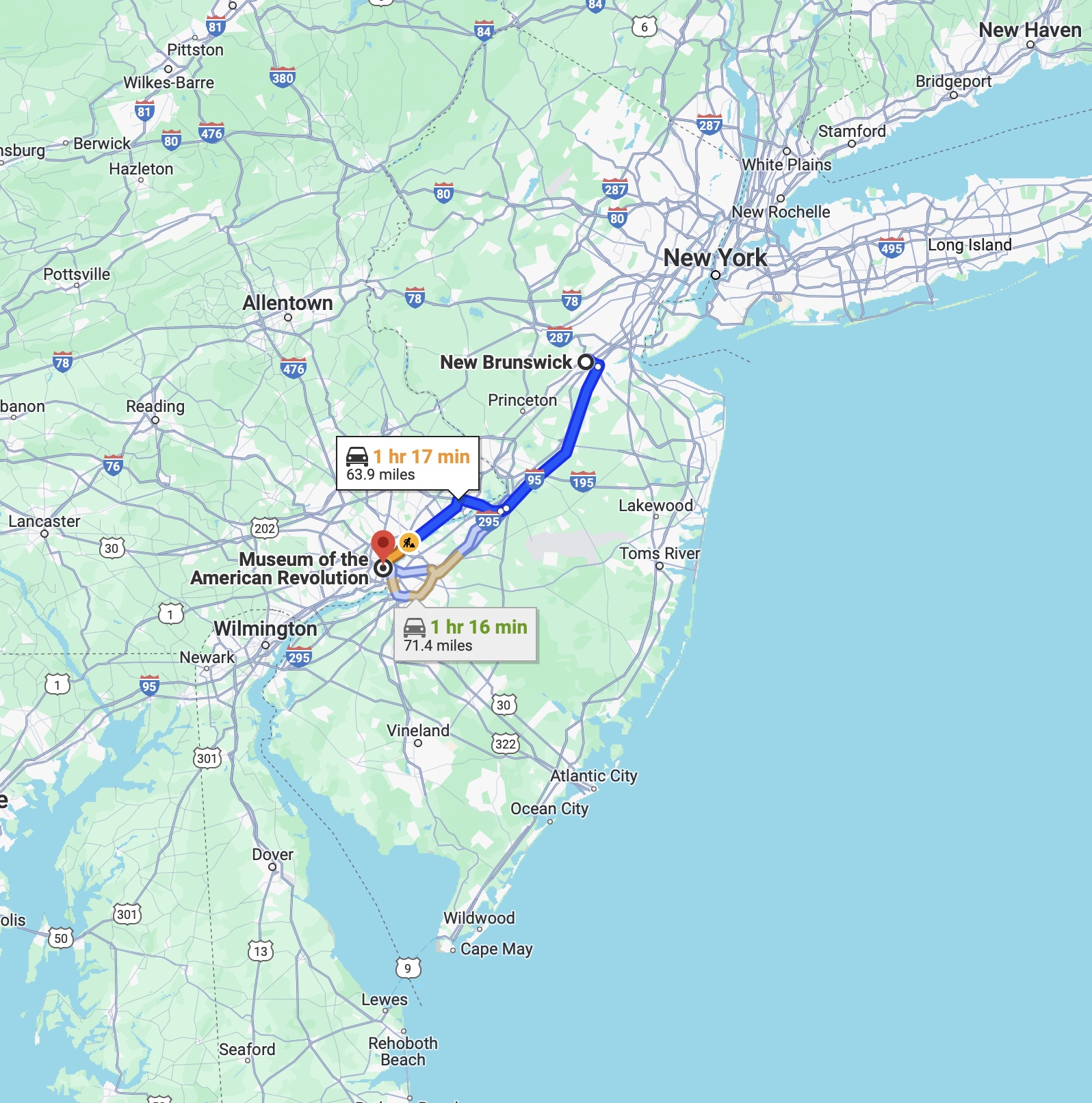
So on a hot and muggy Sunday in late June, my wife and I headed south to the City of Brotherly Love, where we would tour a museum that tells the story of the American Revolution. Along the way, we’d also swing by a historic library that holds an enormous collection of rare and important books, while squeezing in a trip to a new favorite restaurant for lunch.
Let’s begin:
Philadelphia, PA
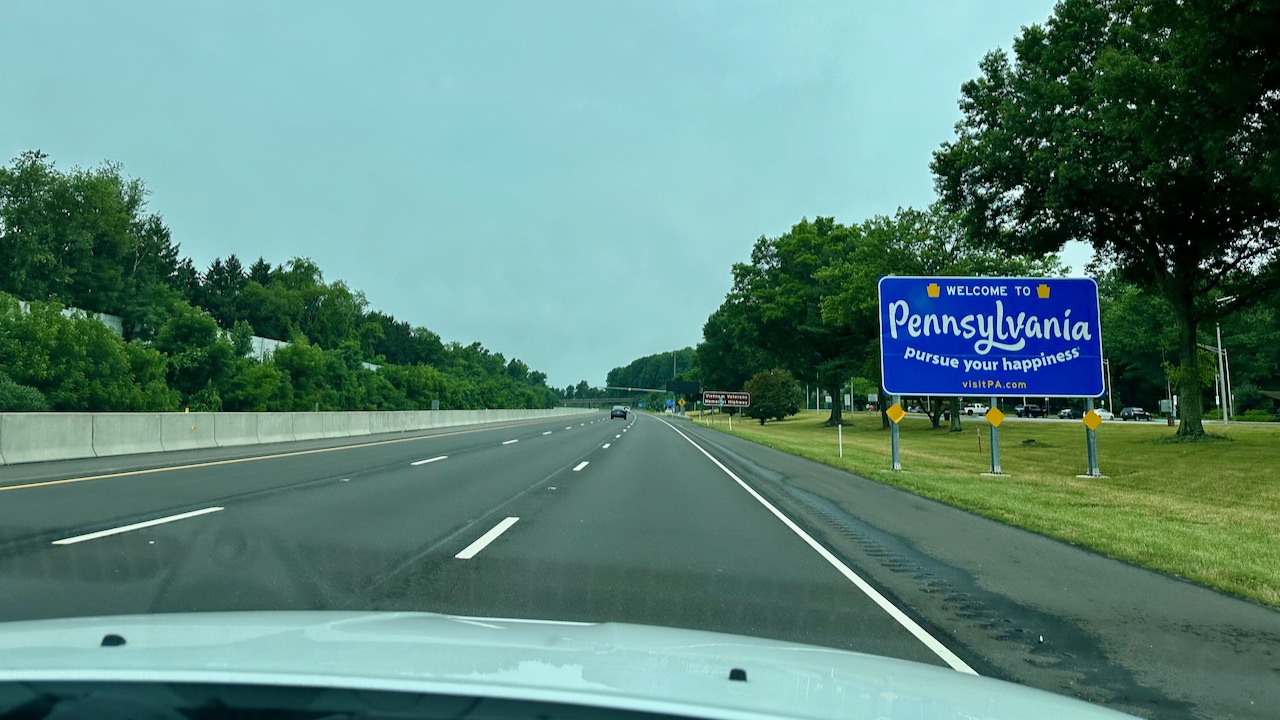
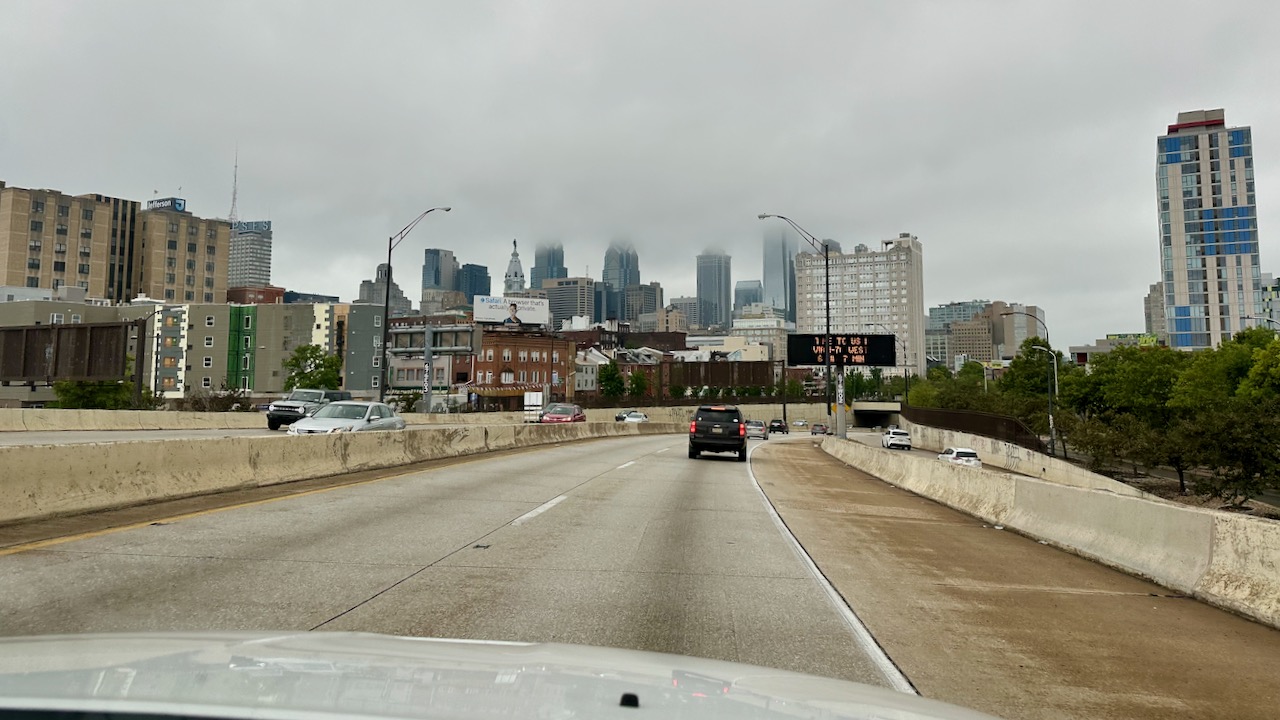
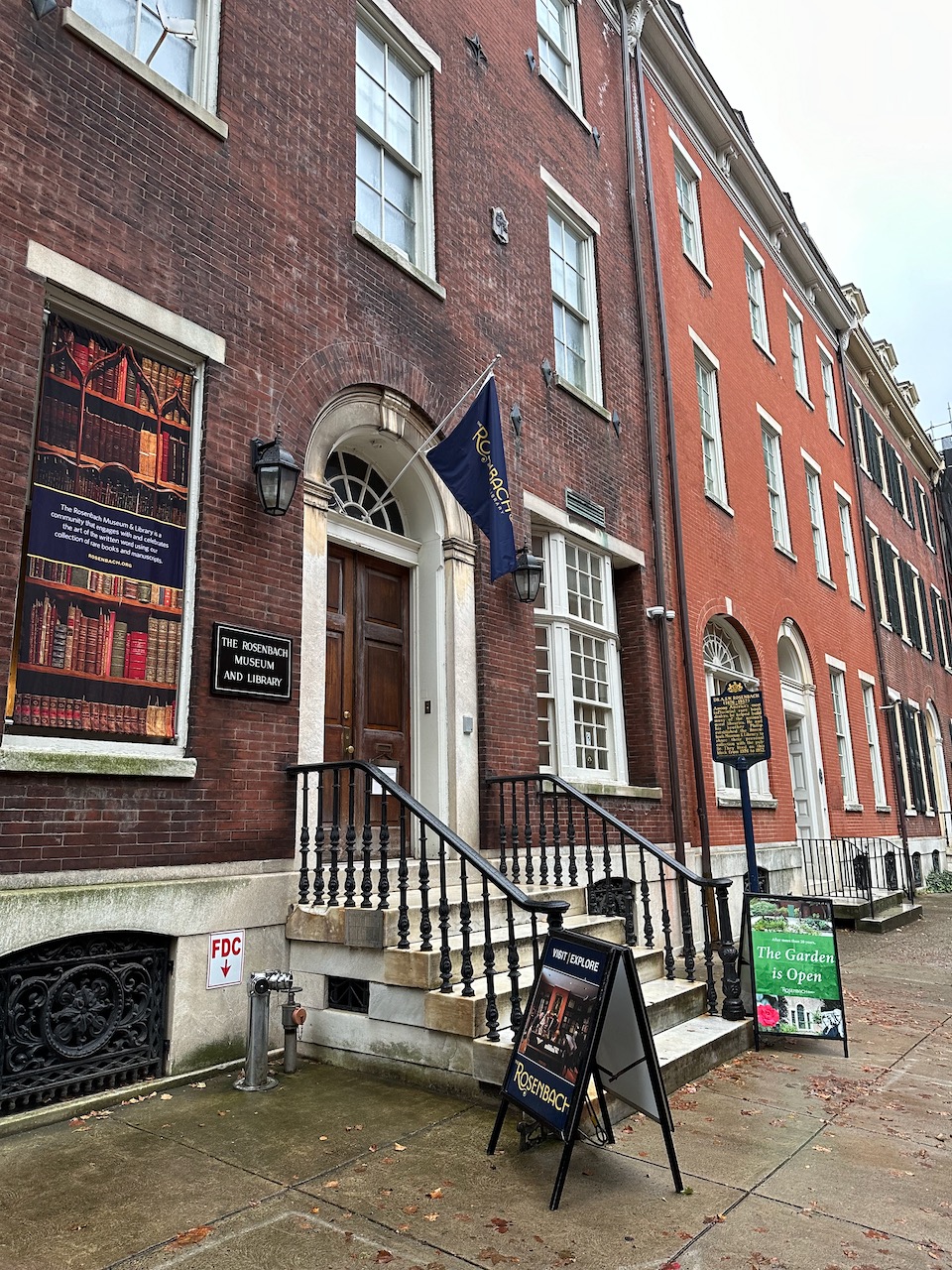
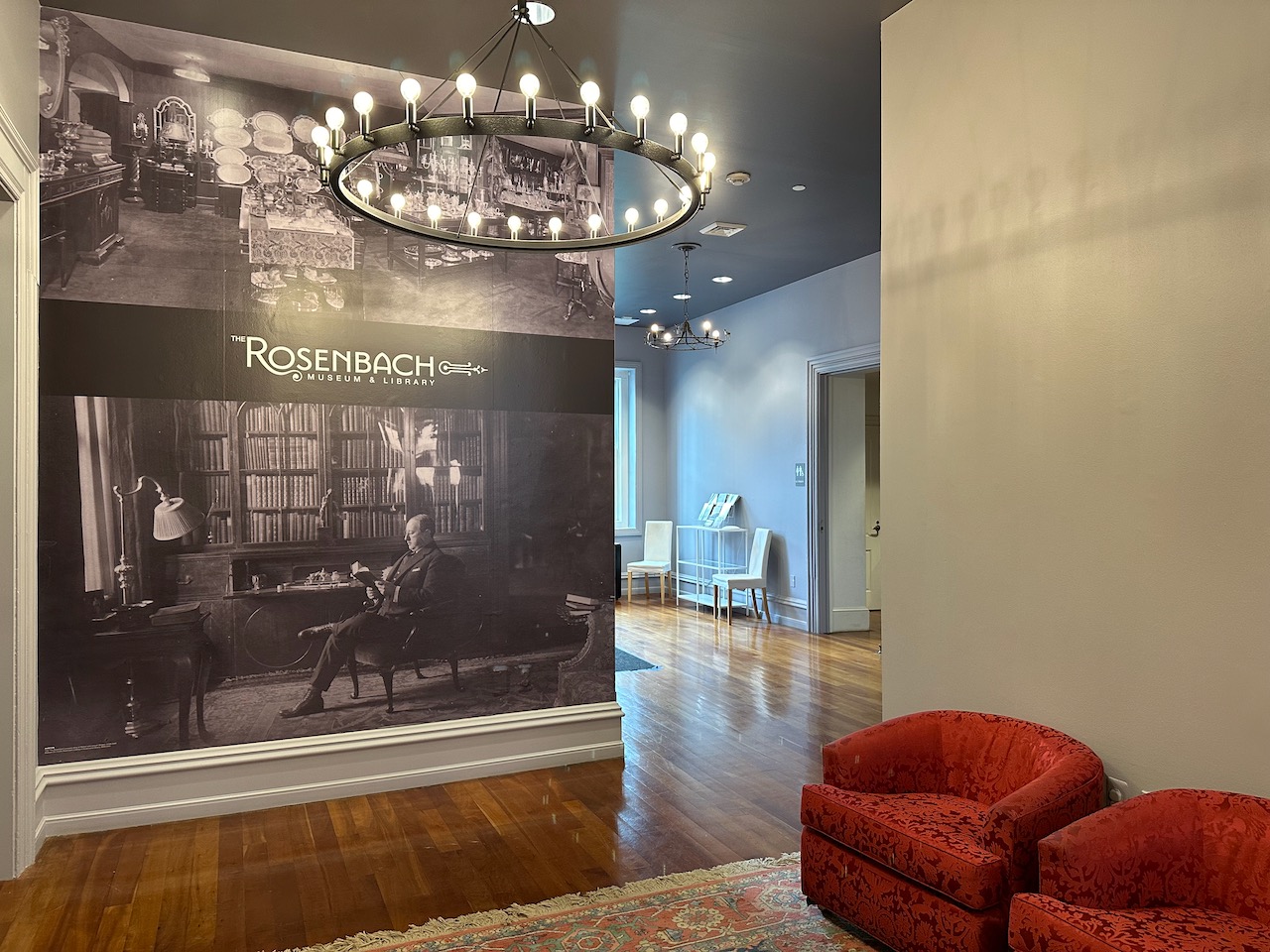
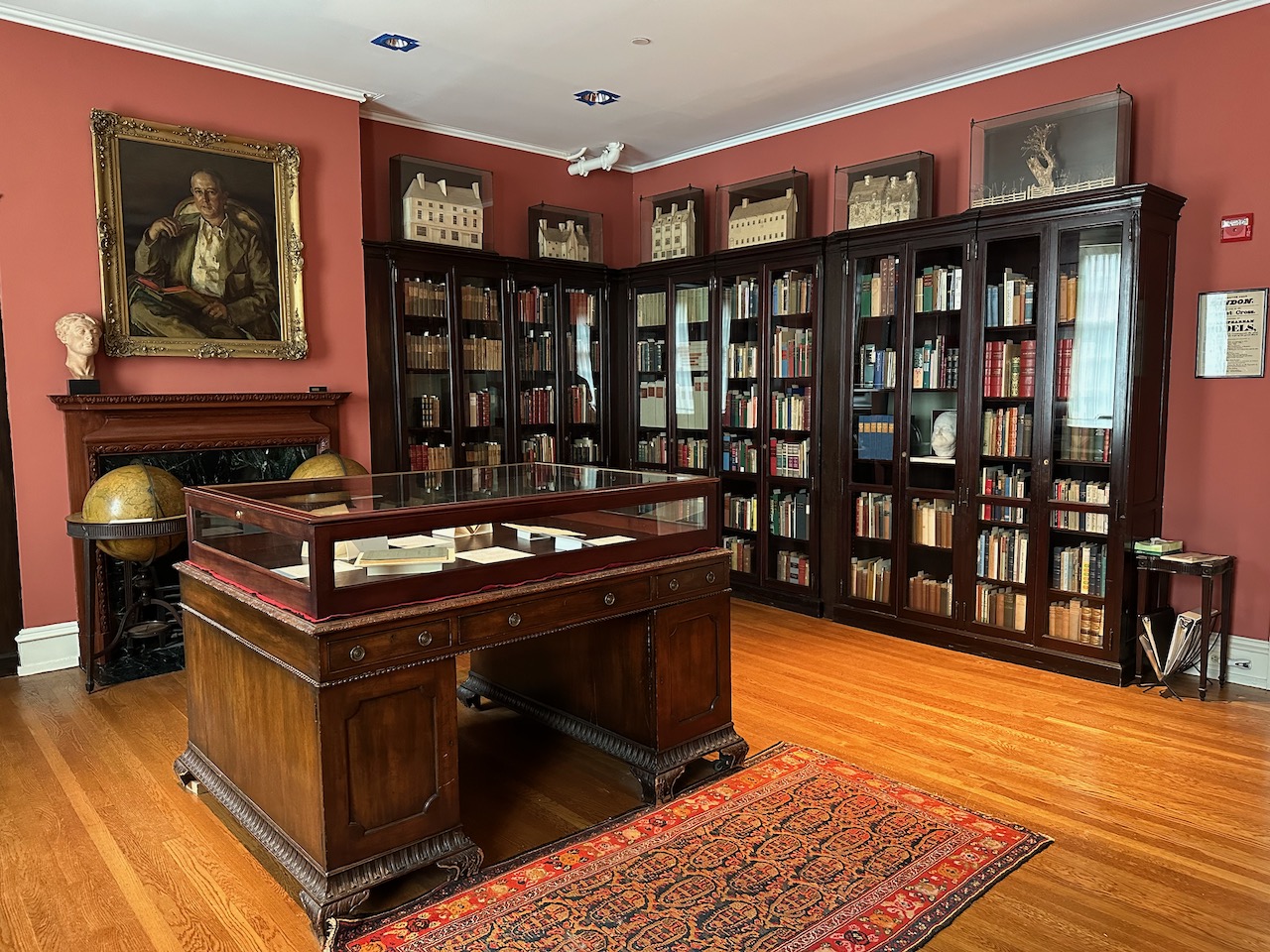
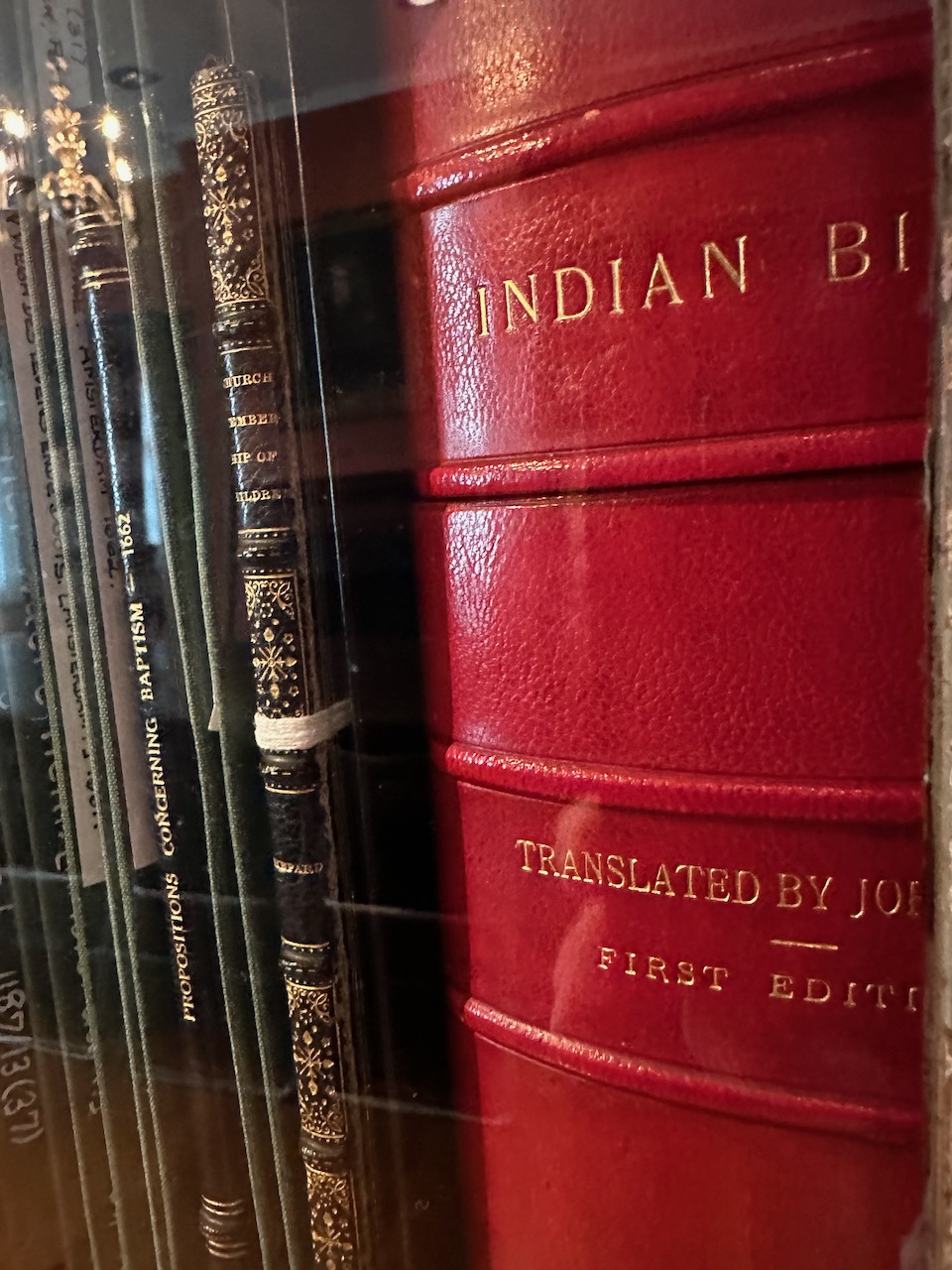
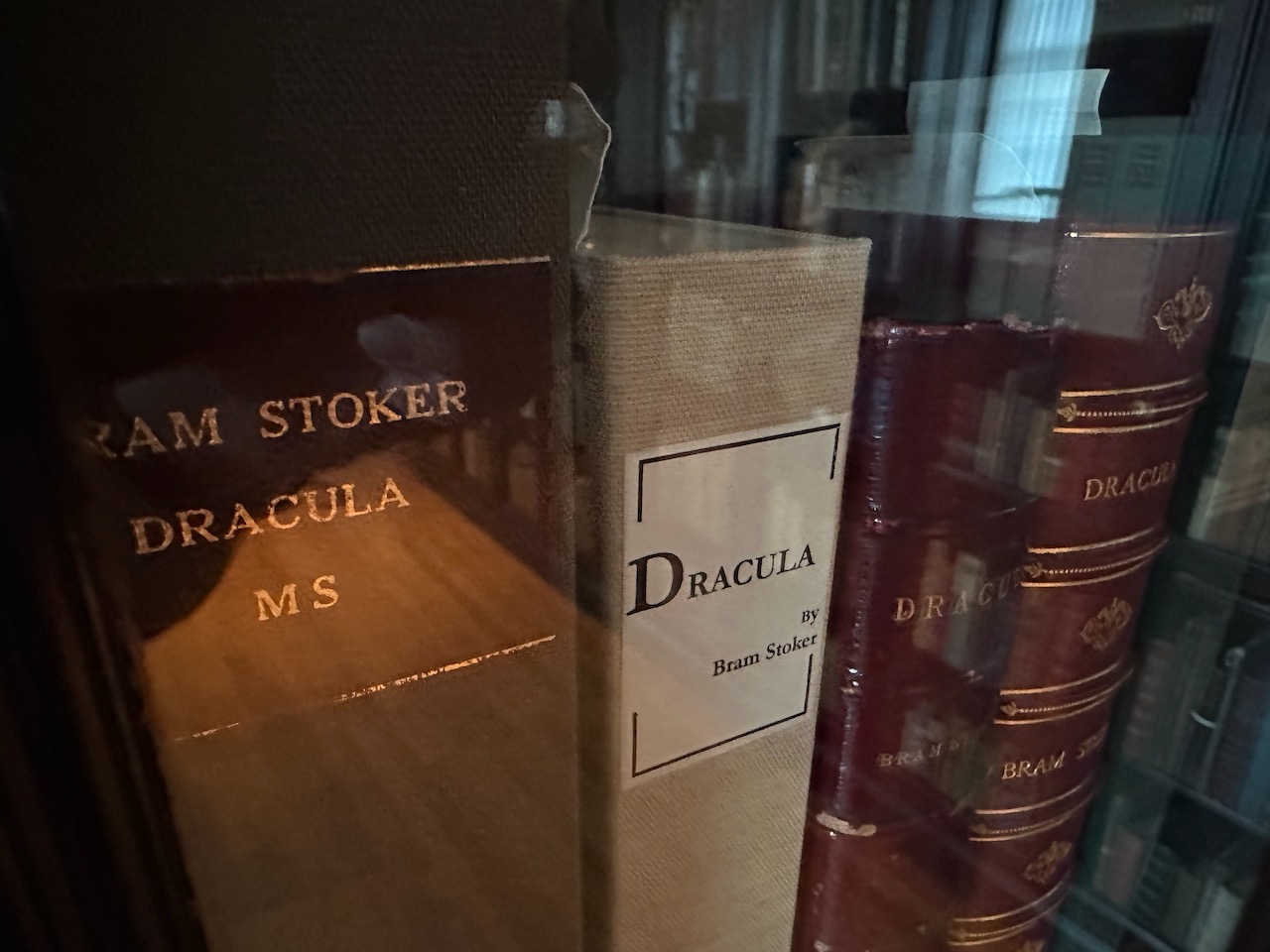
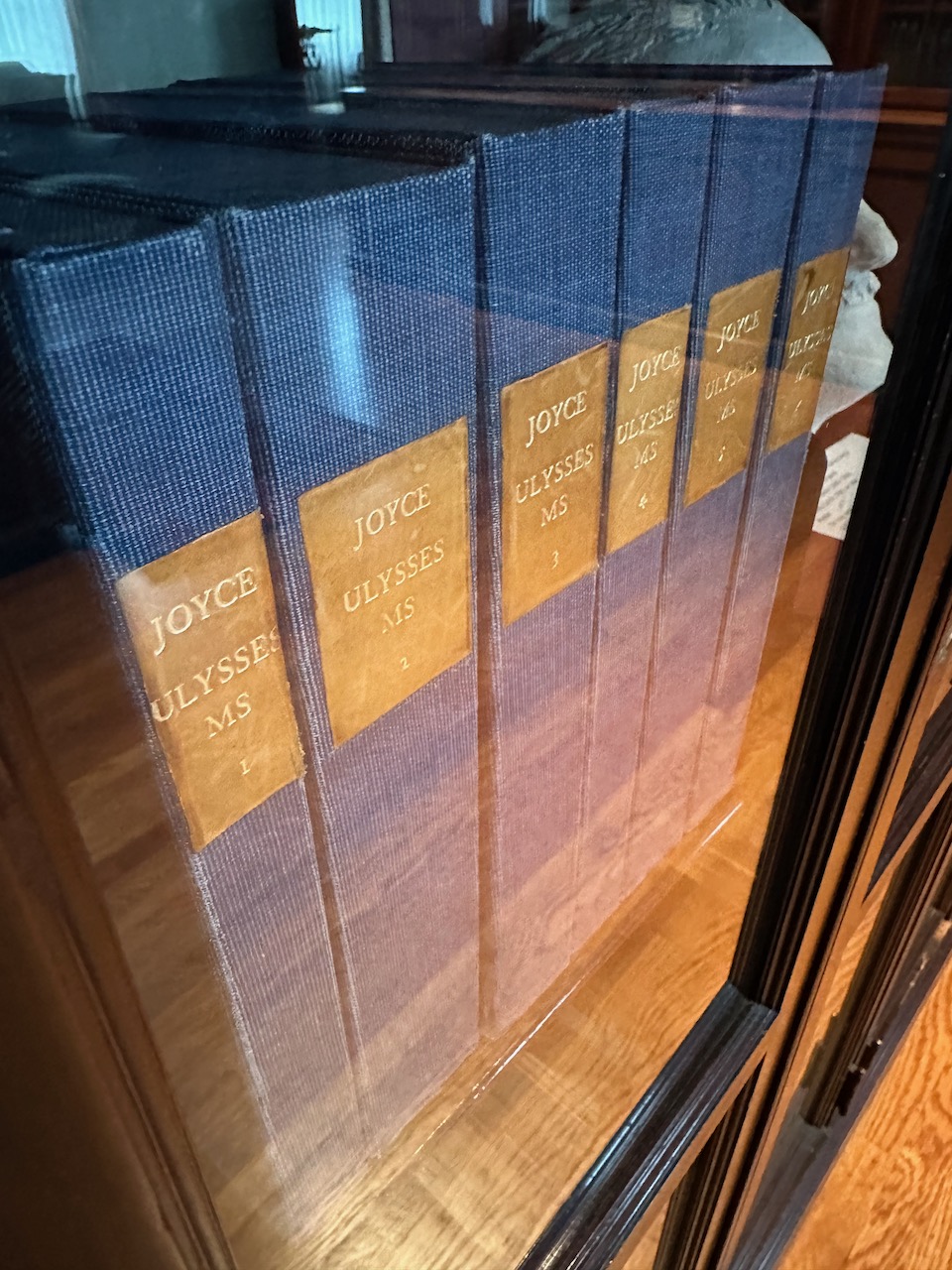
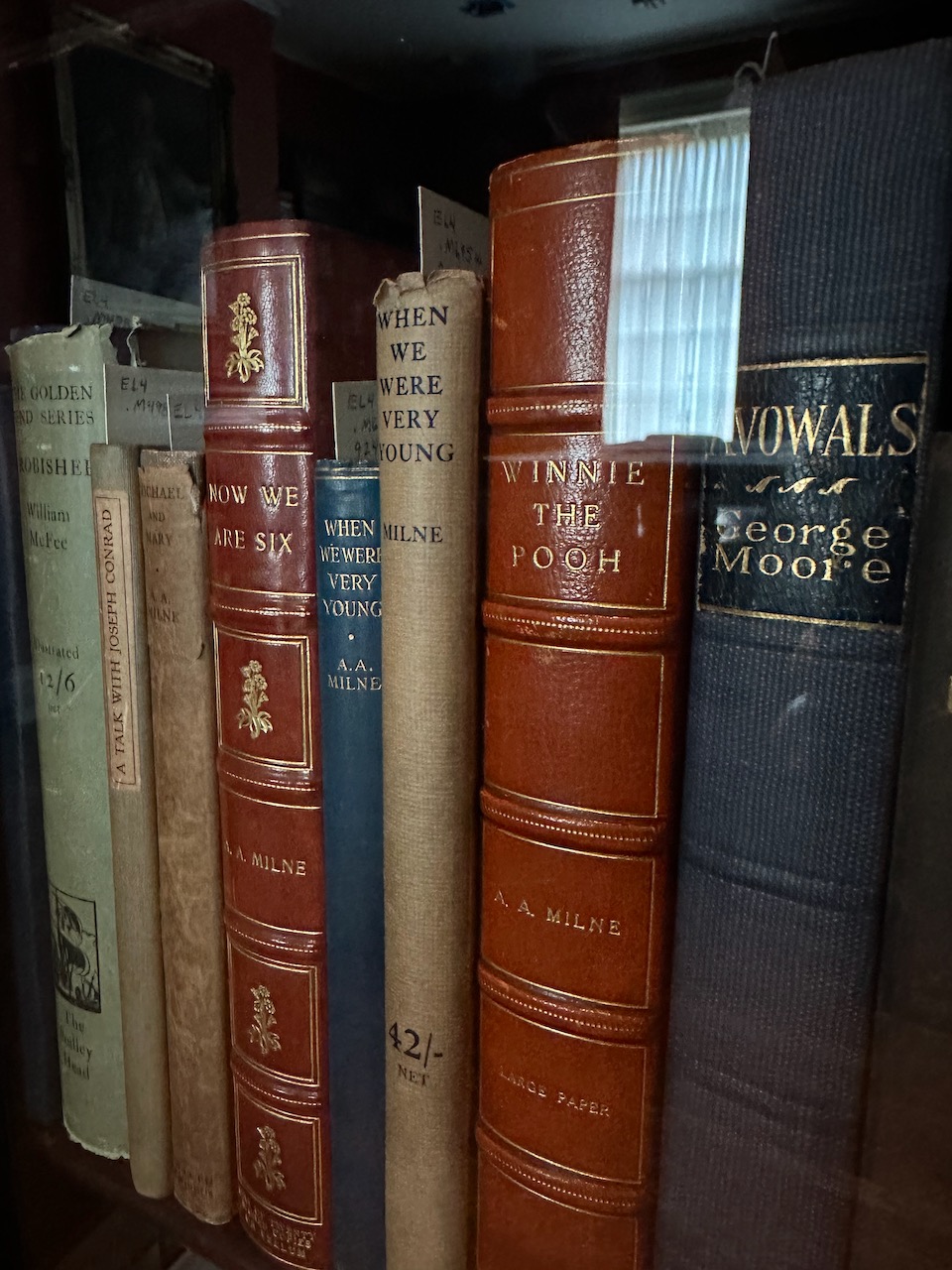
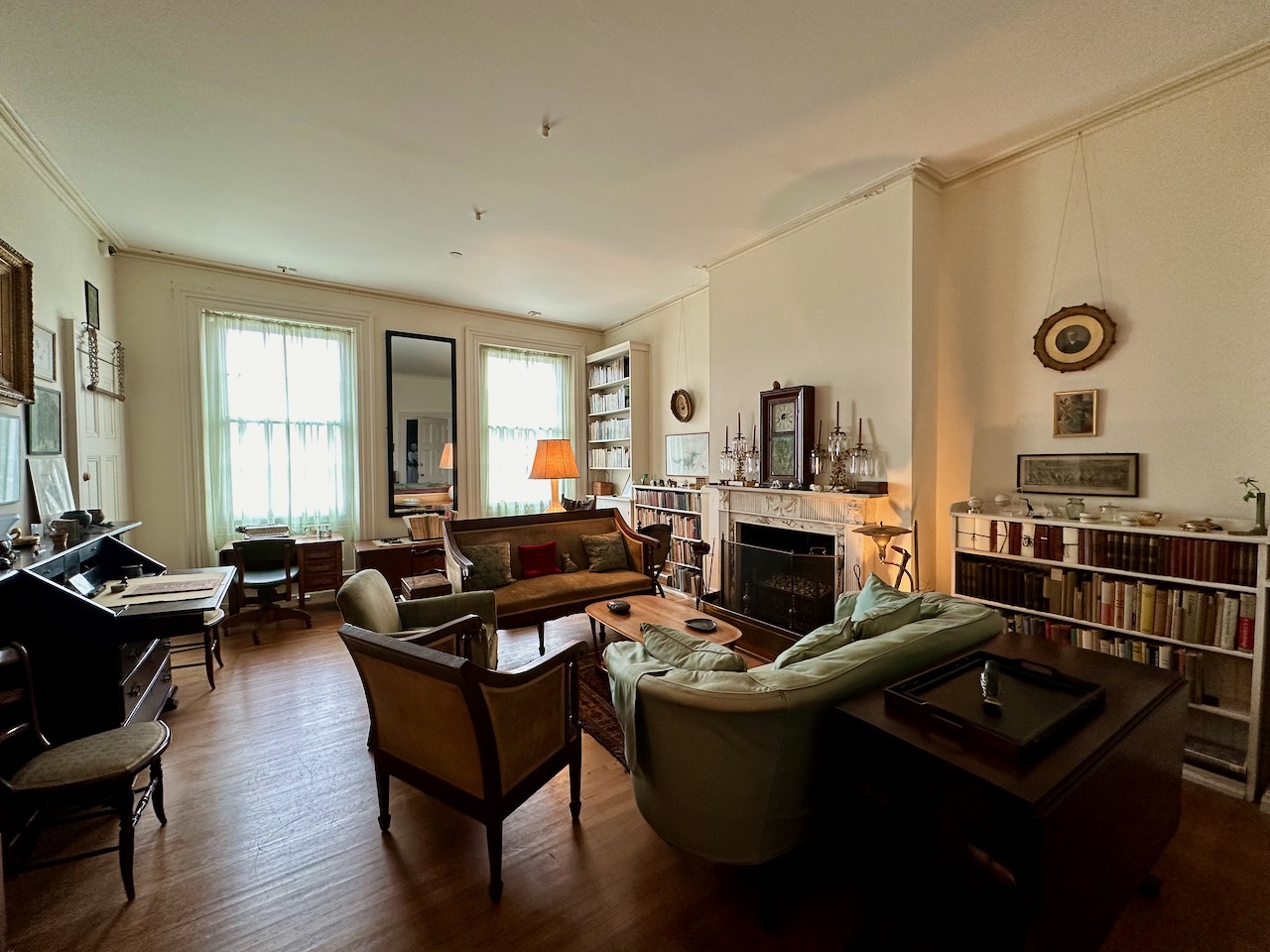
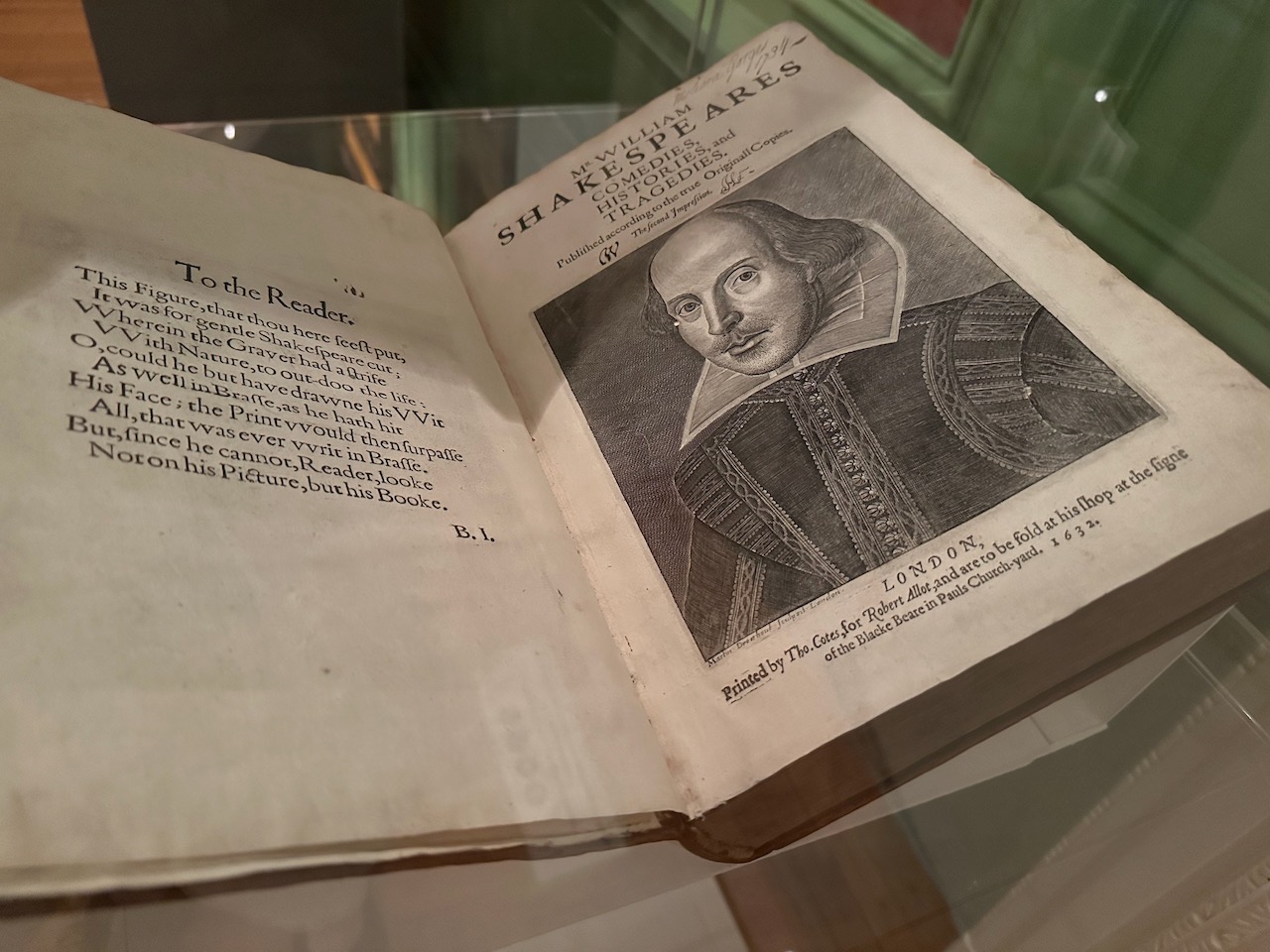
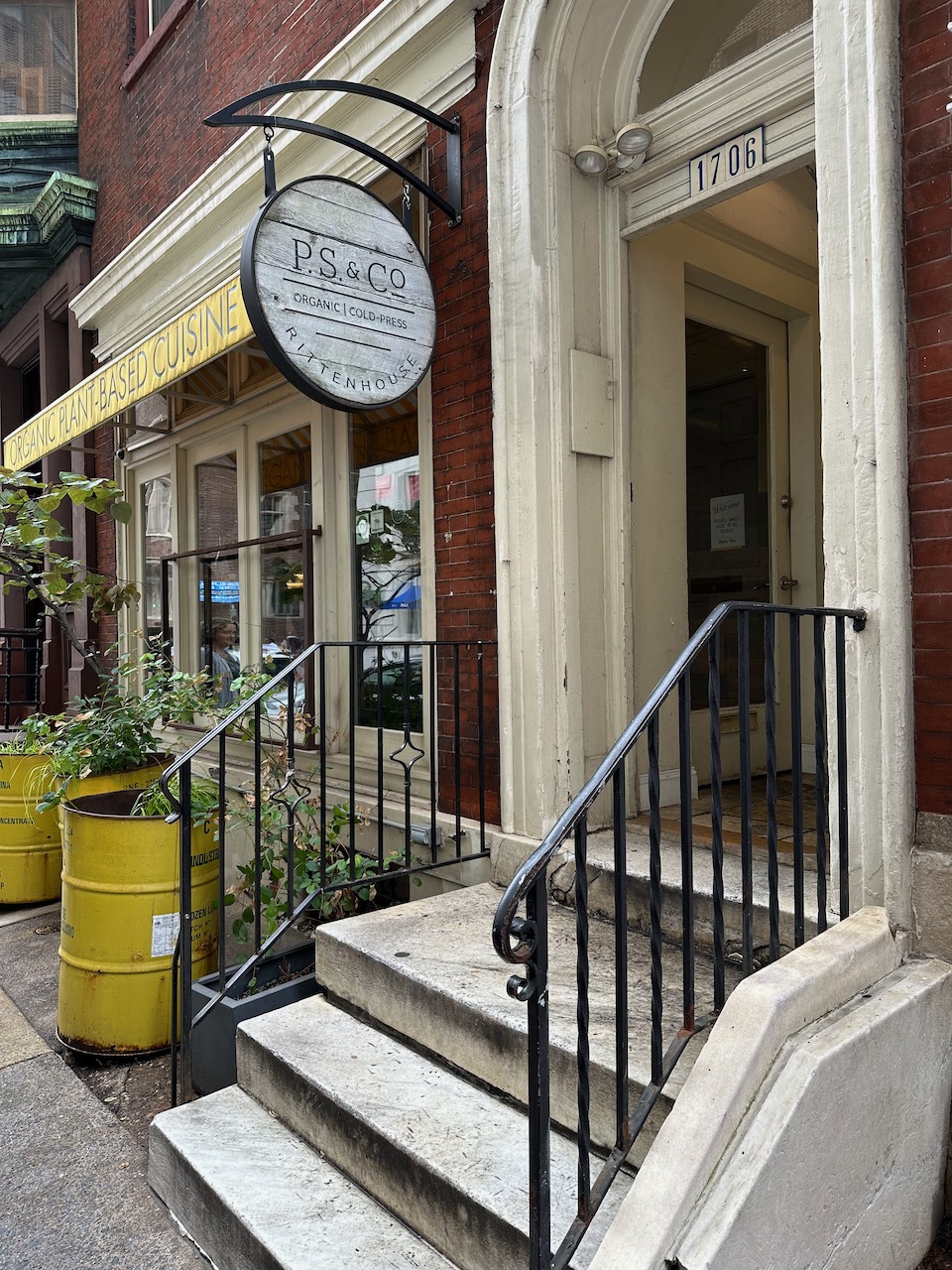
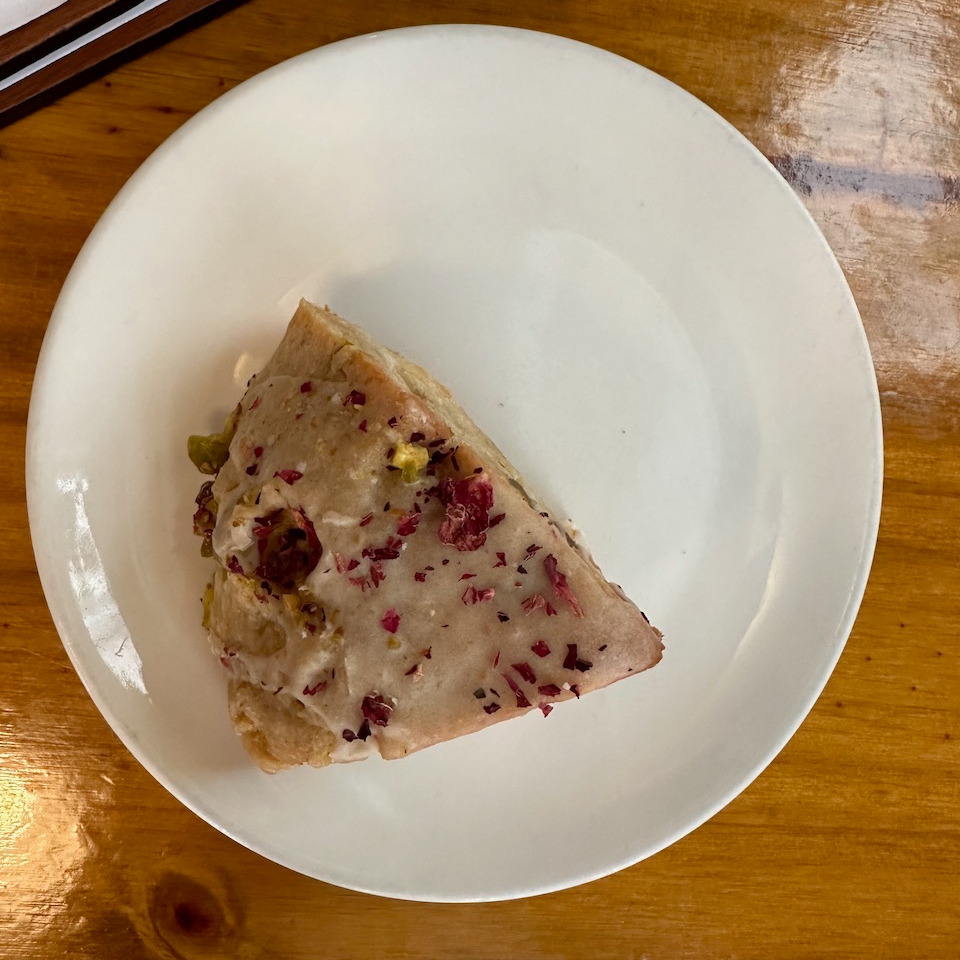
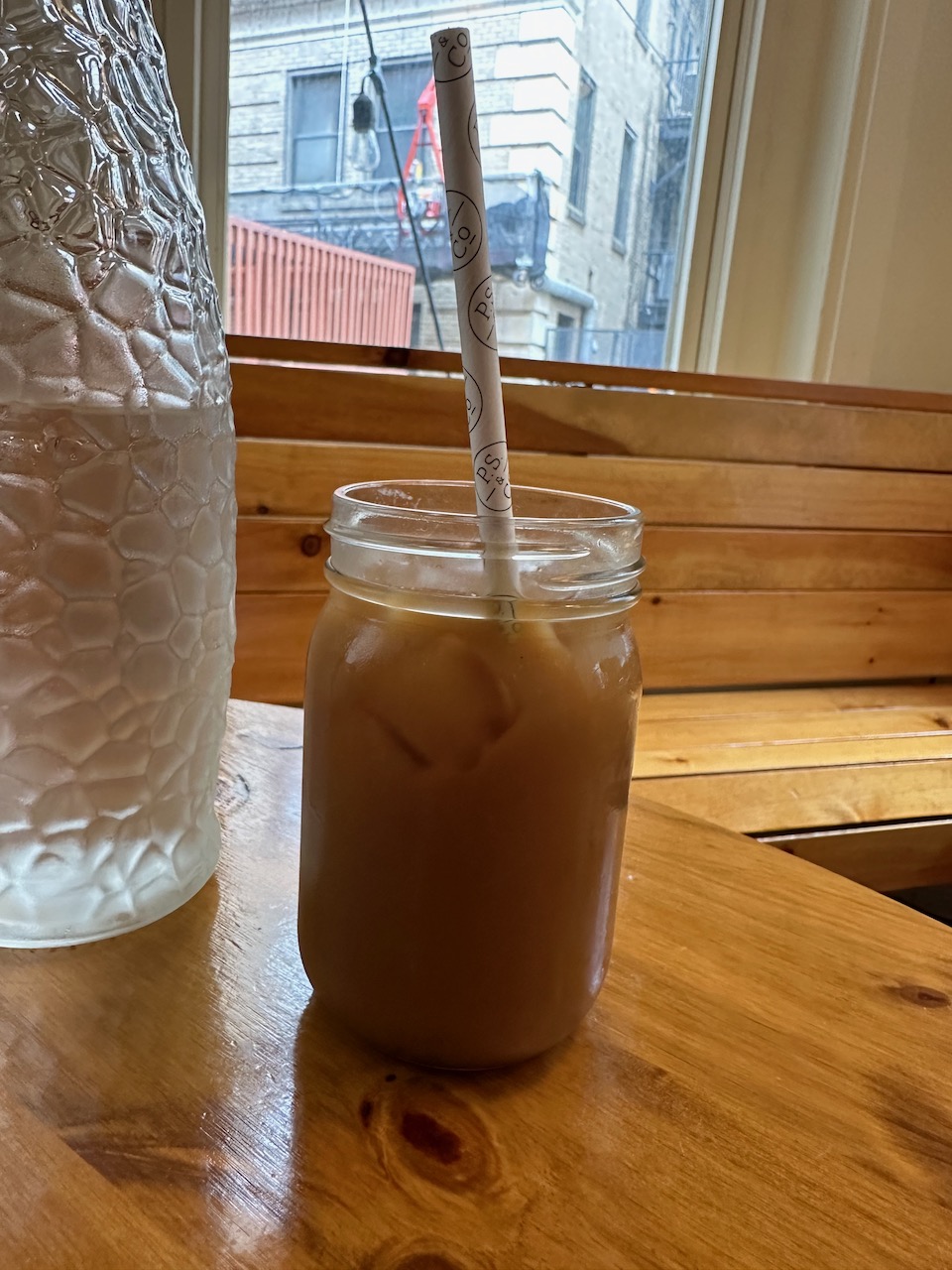
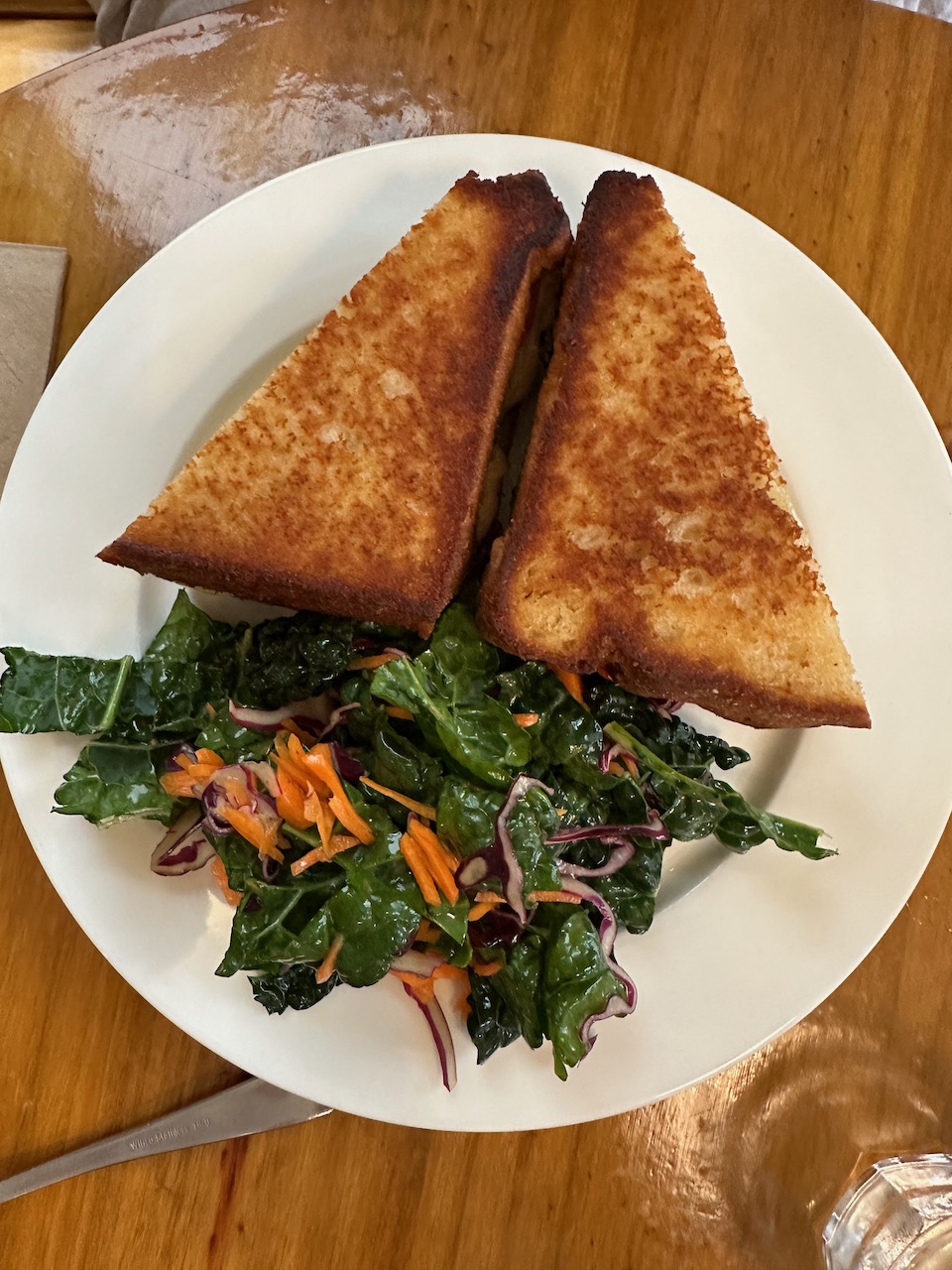
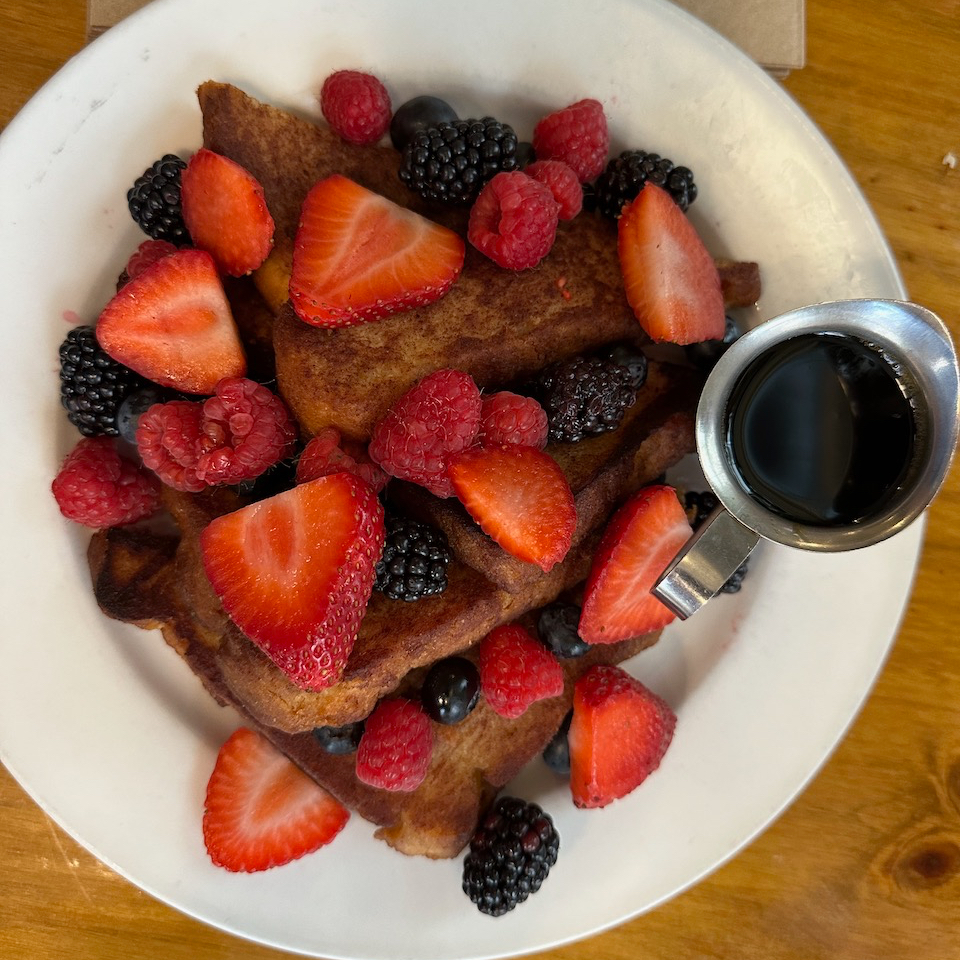
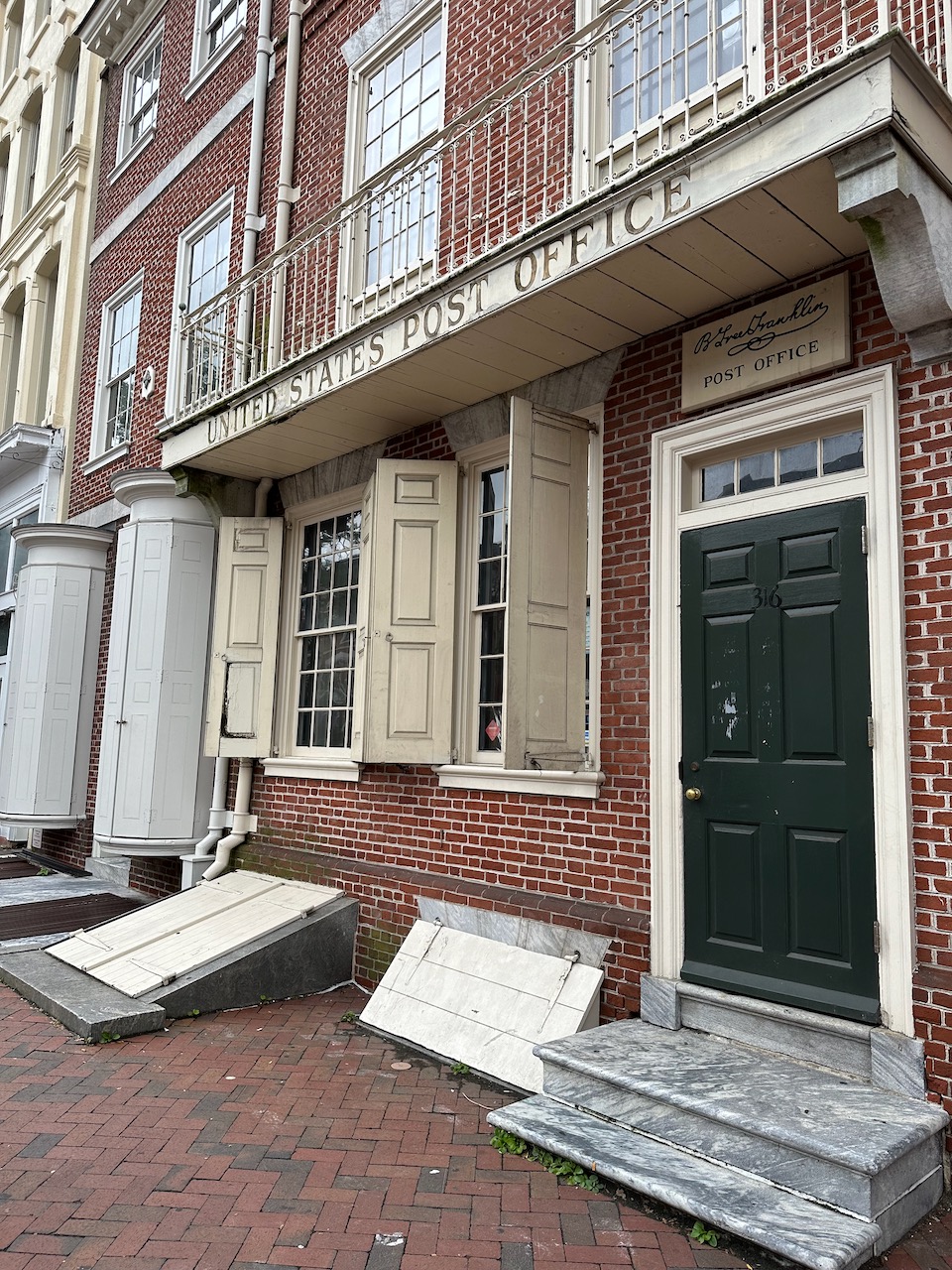
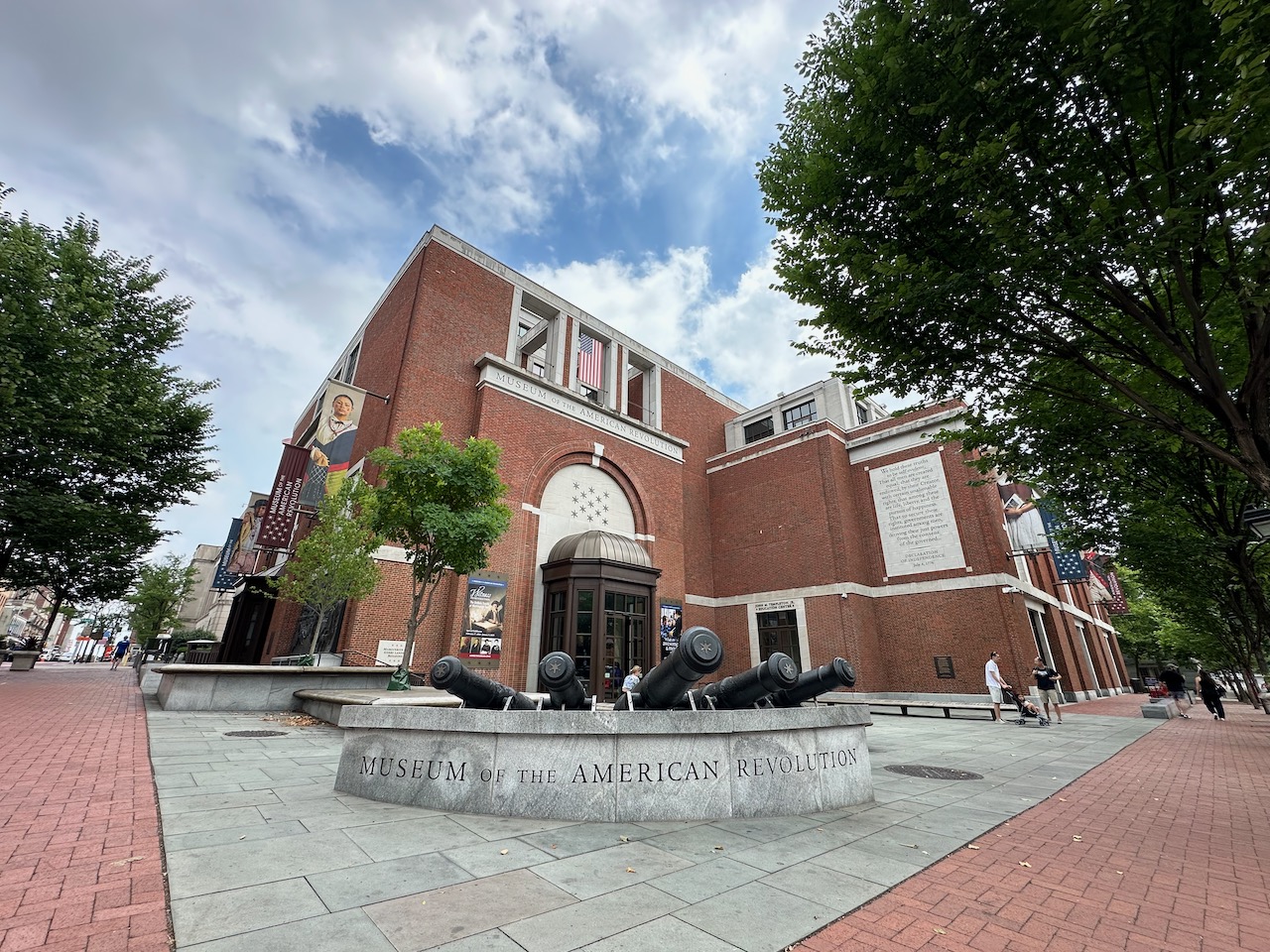
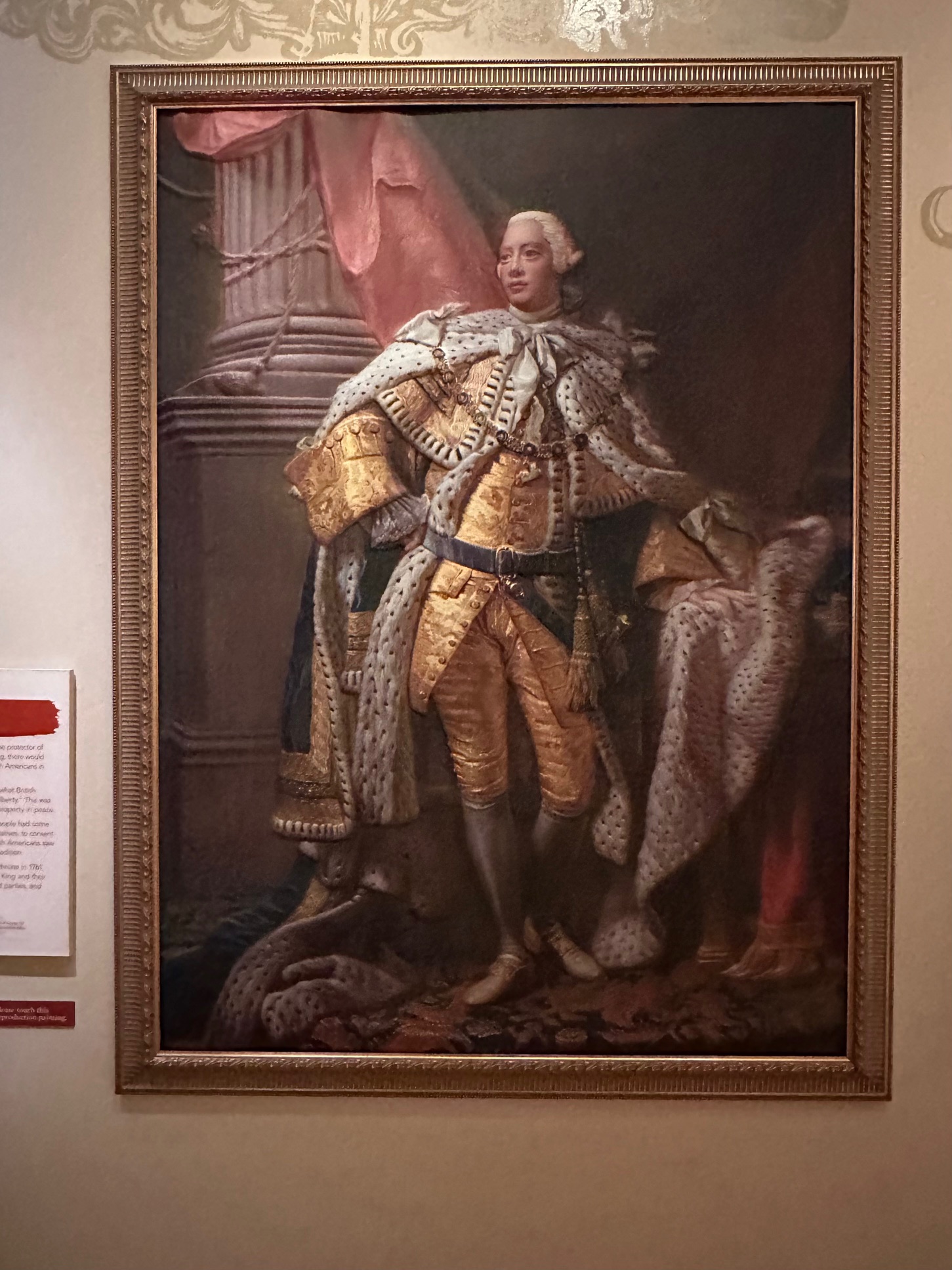
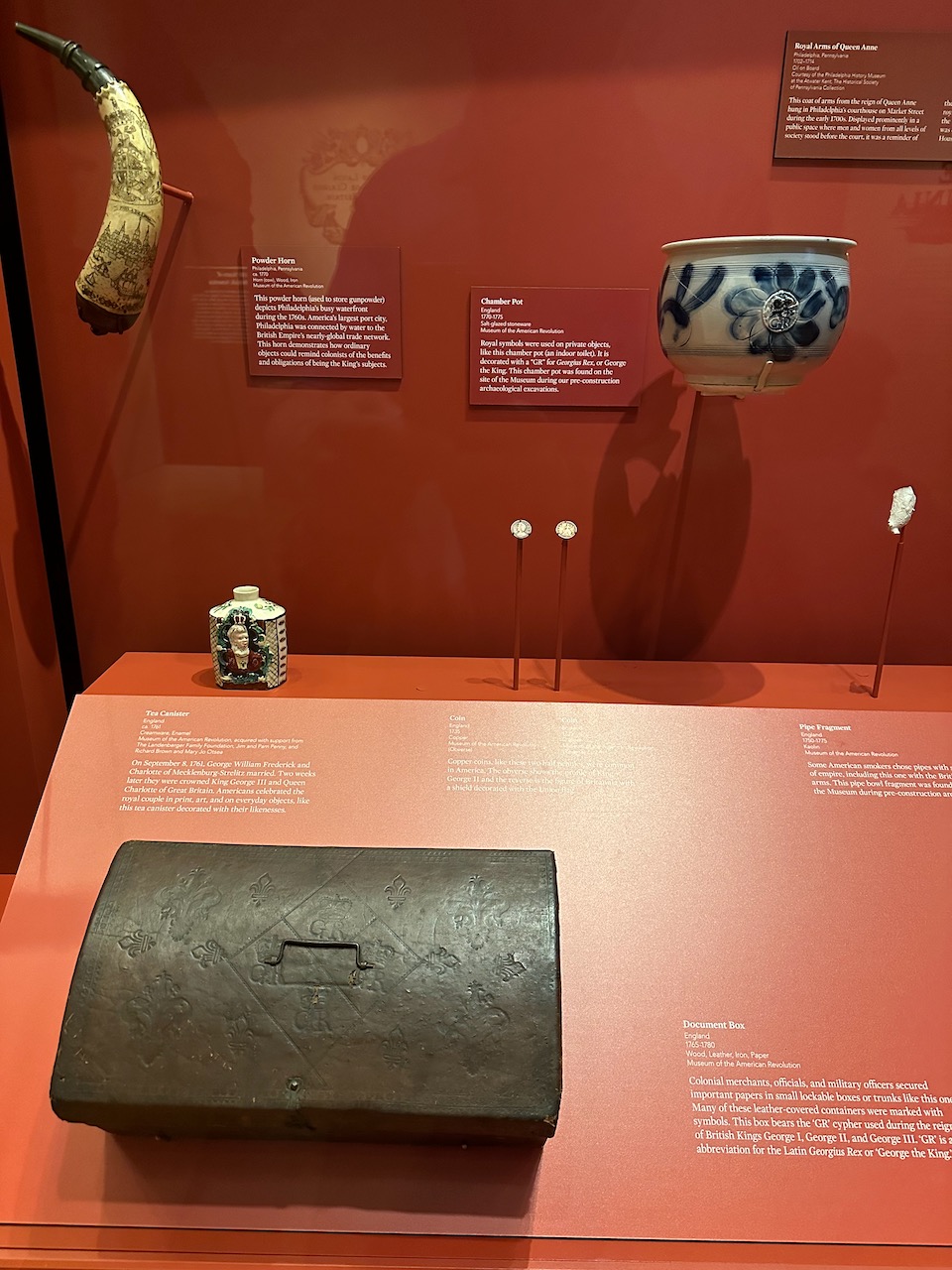
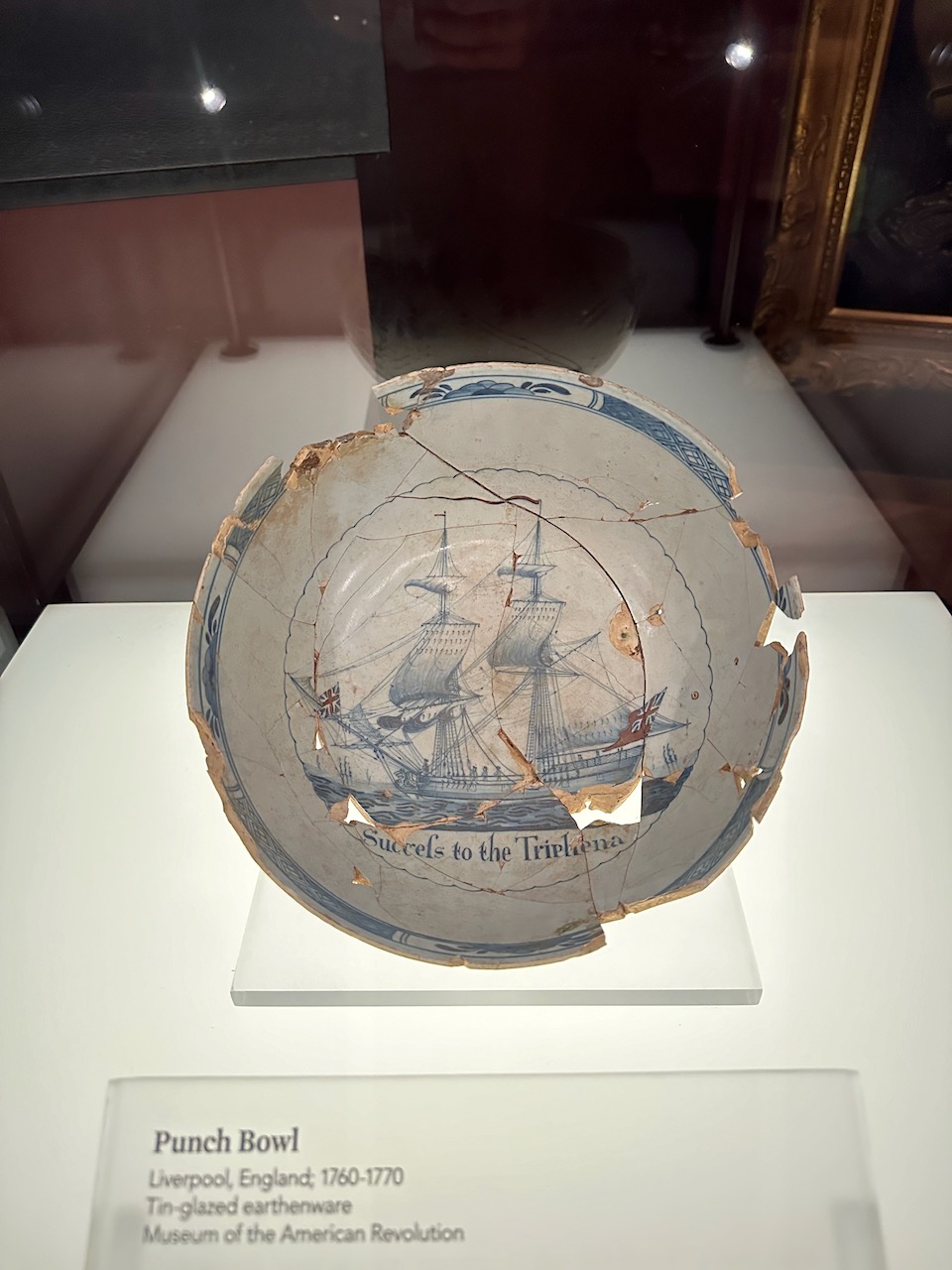
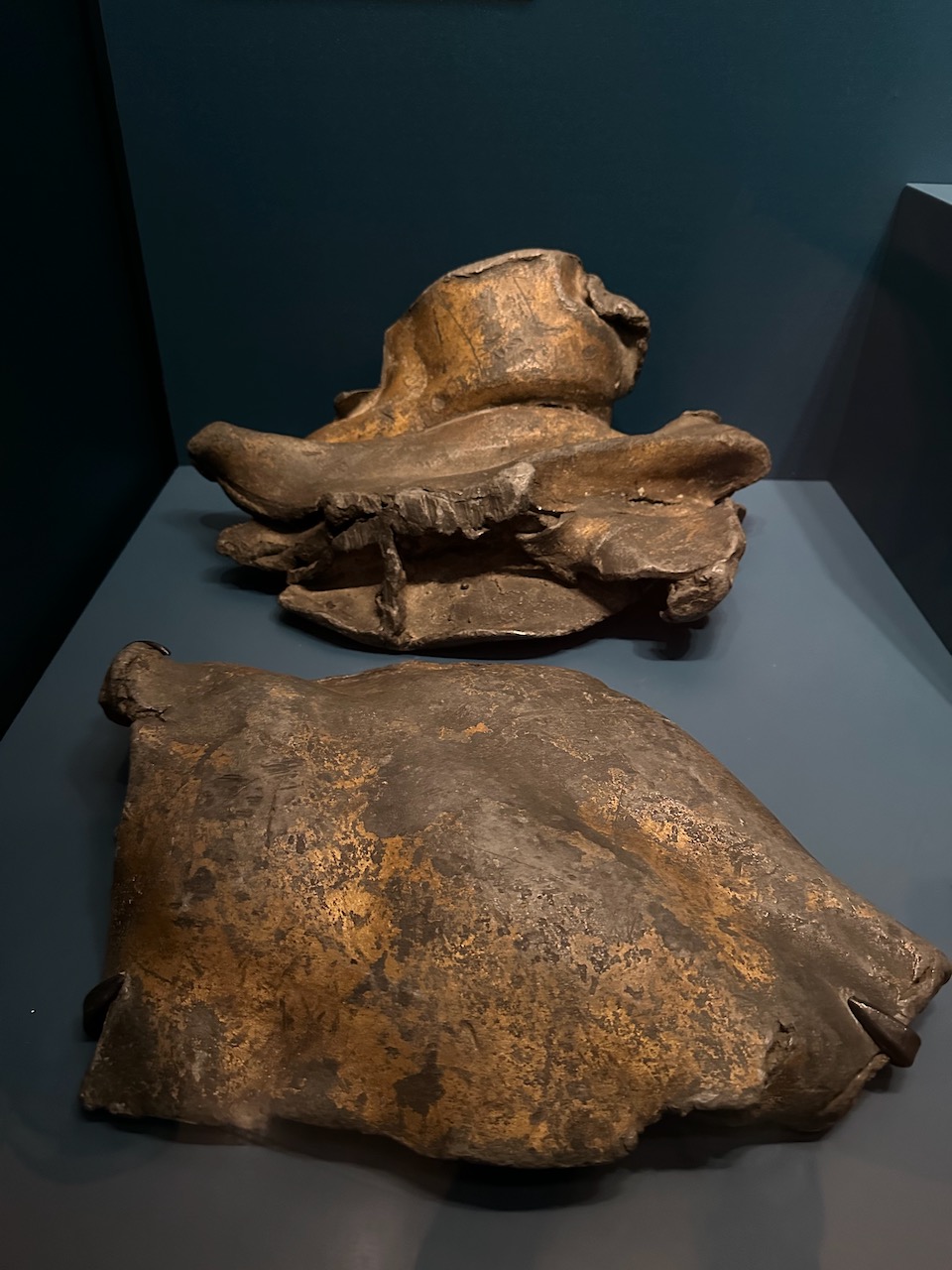
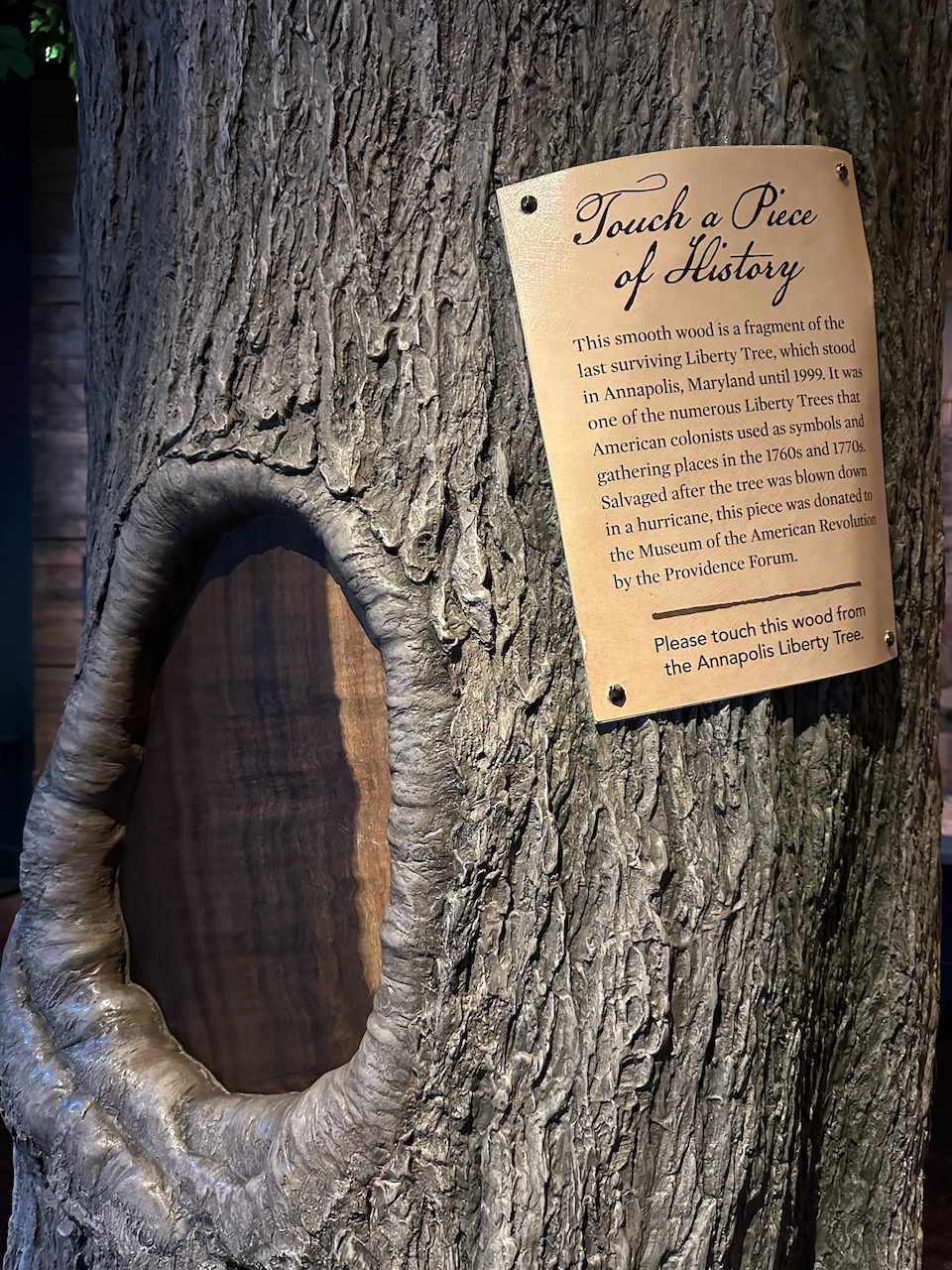
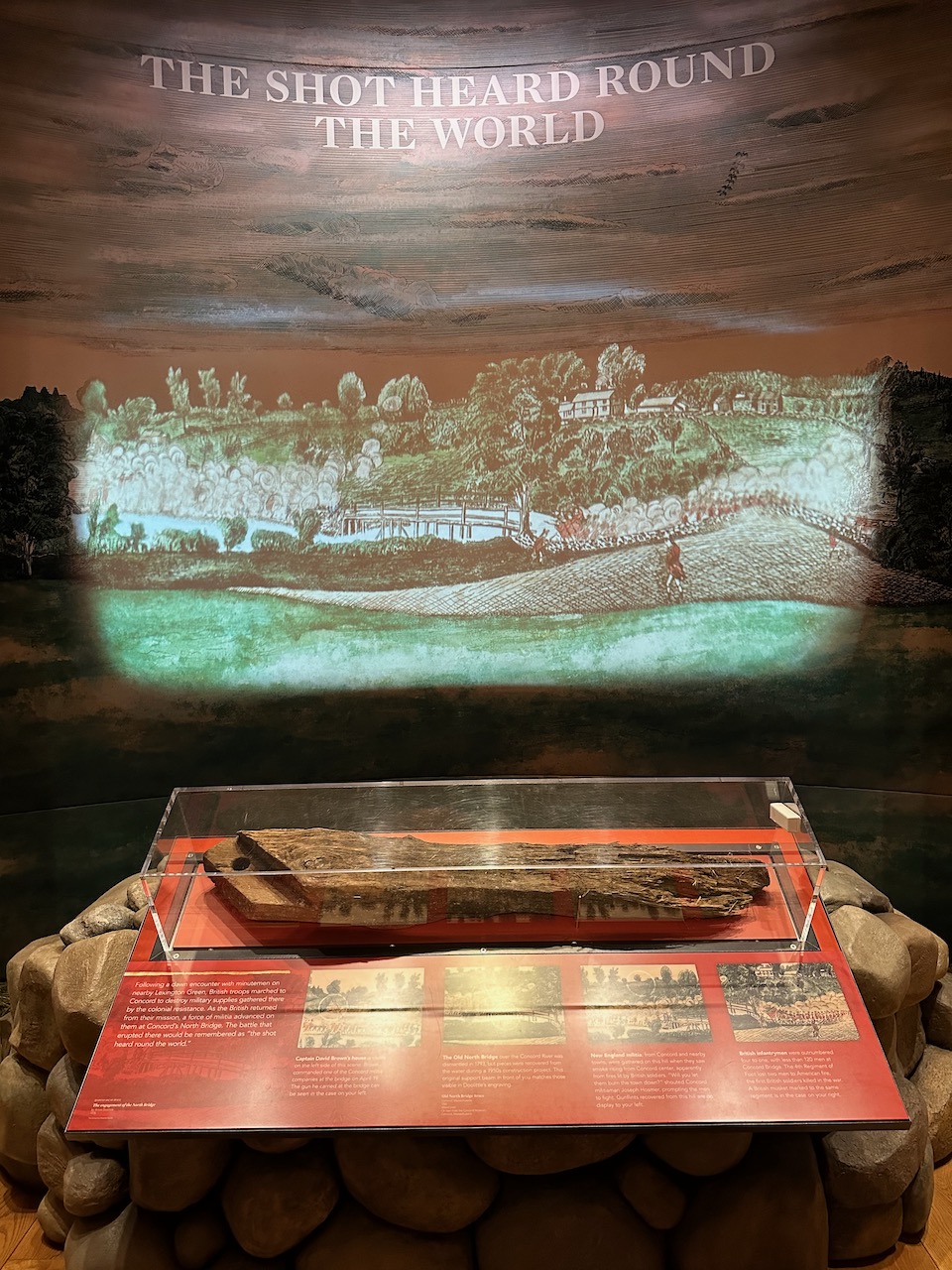
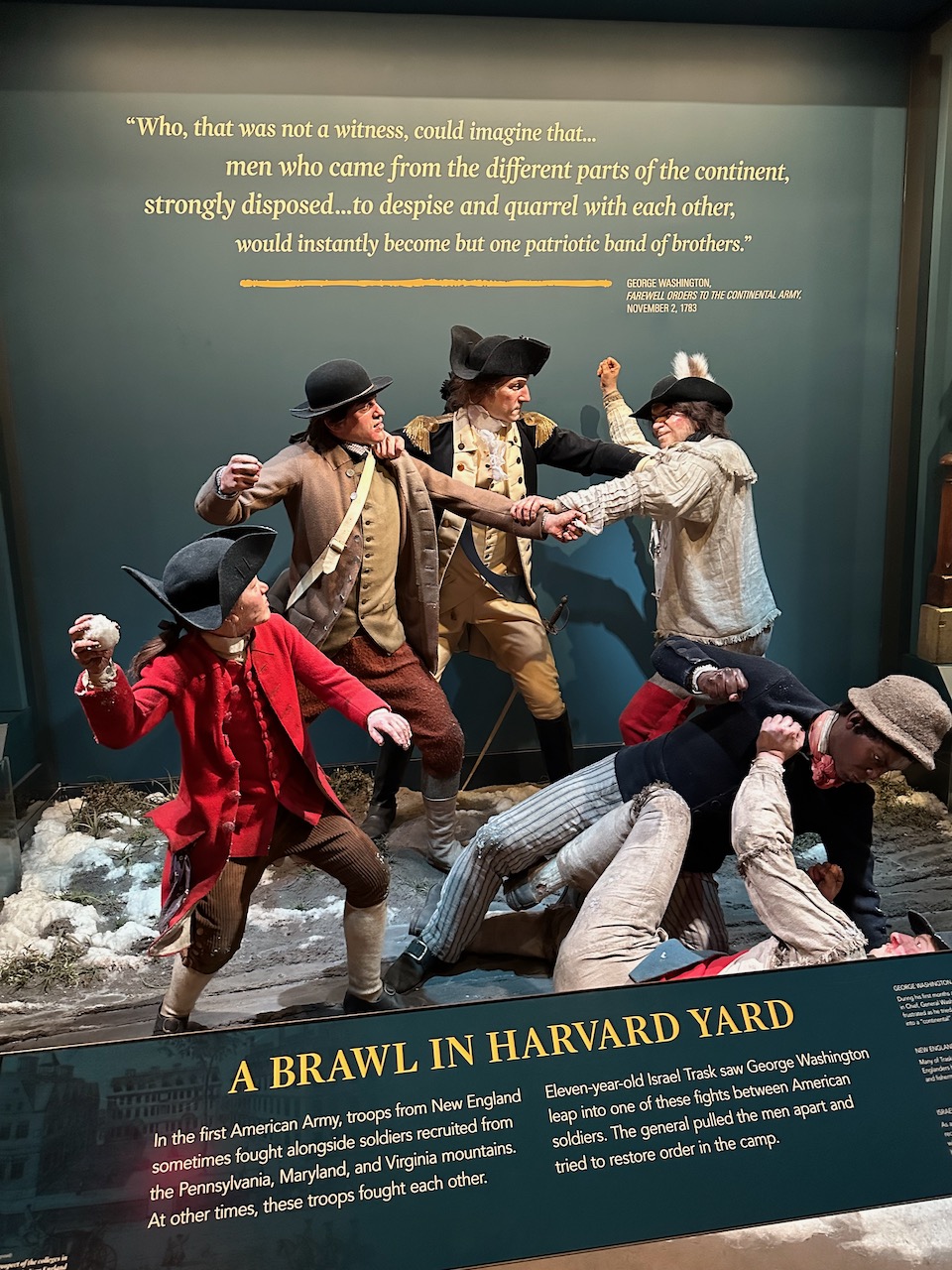
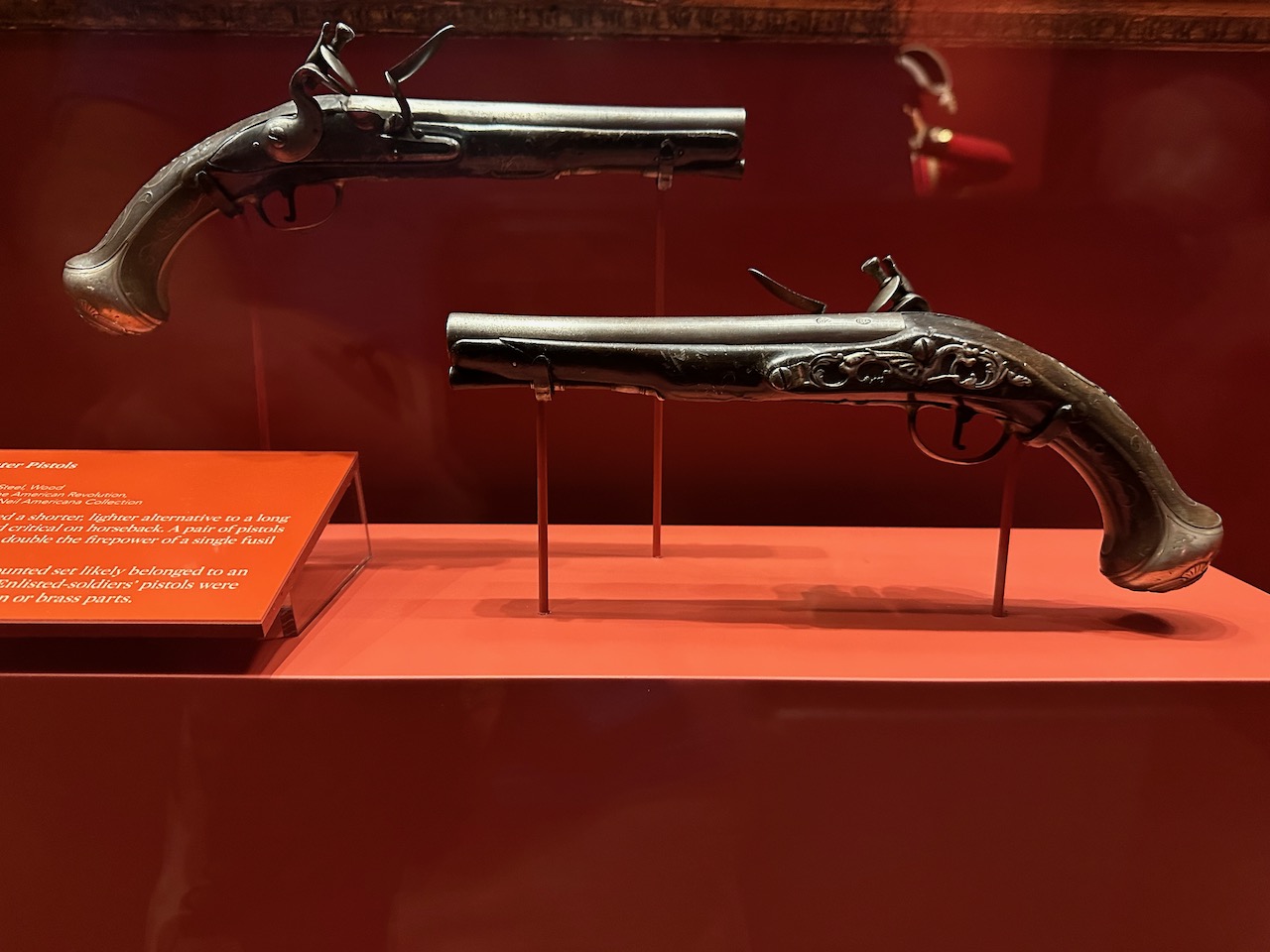
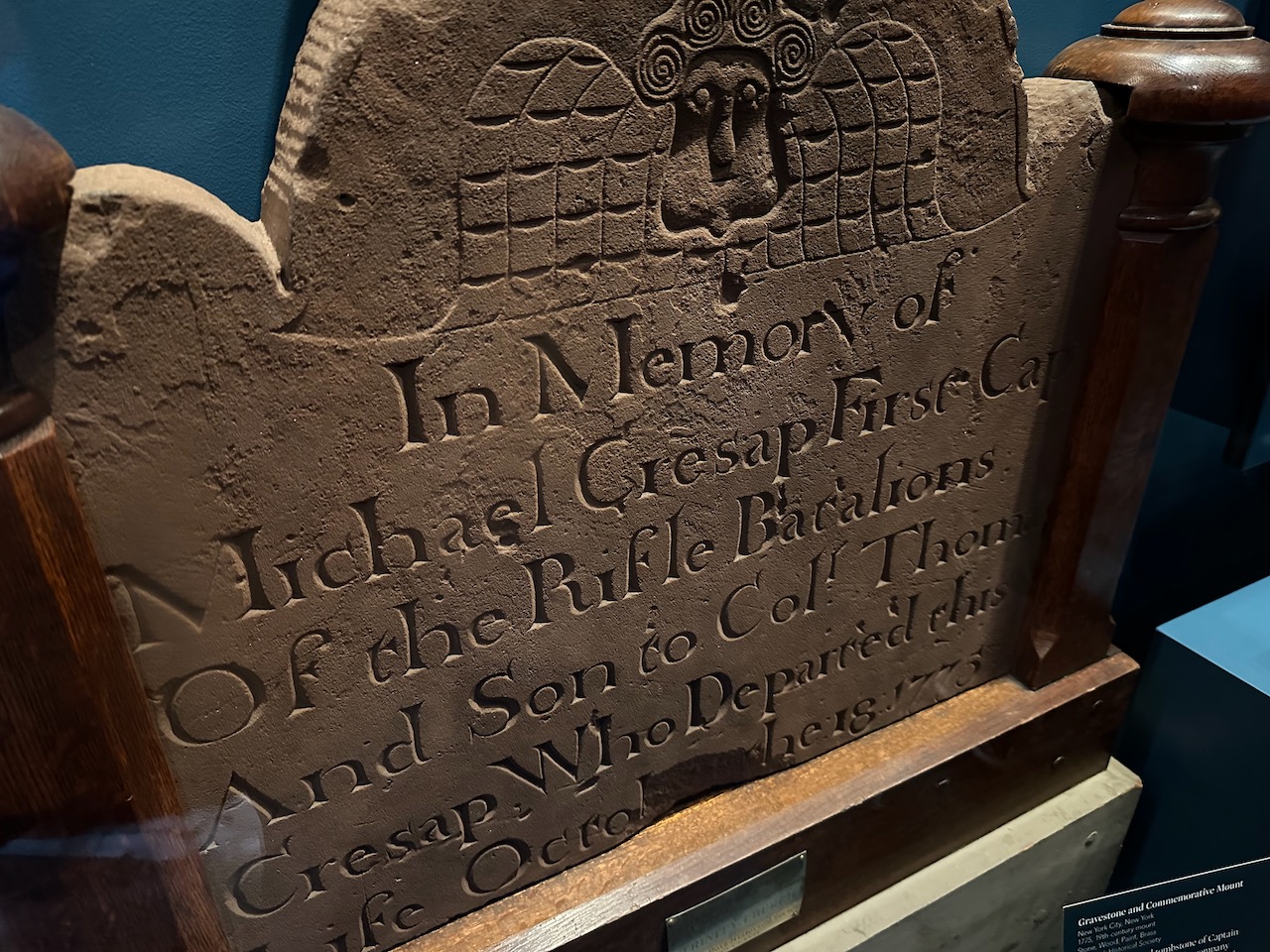
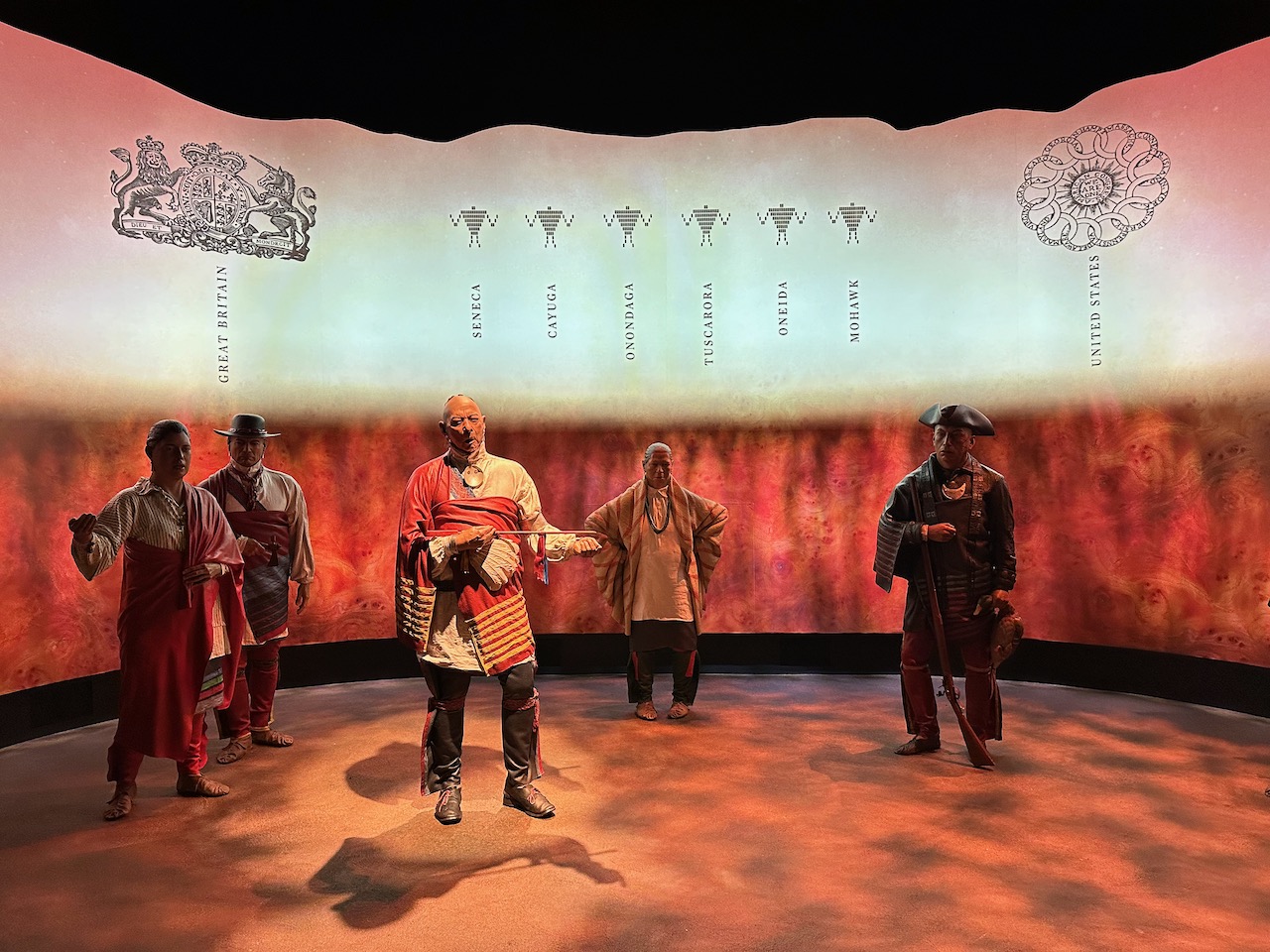
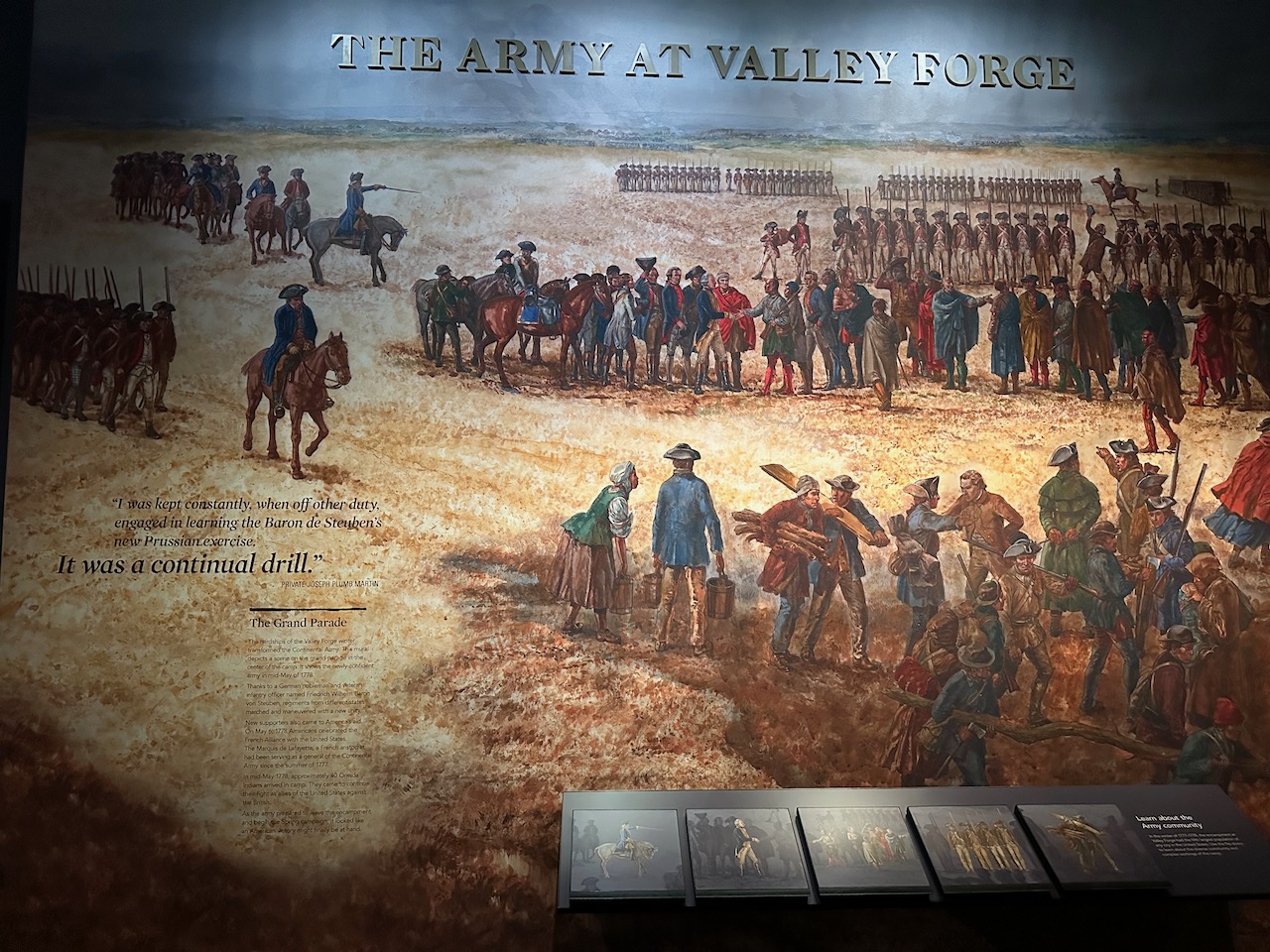
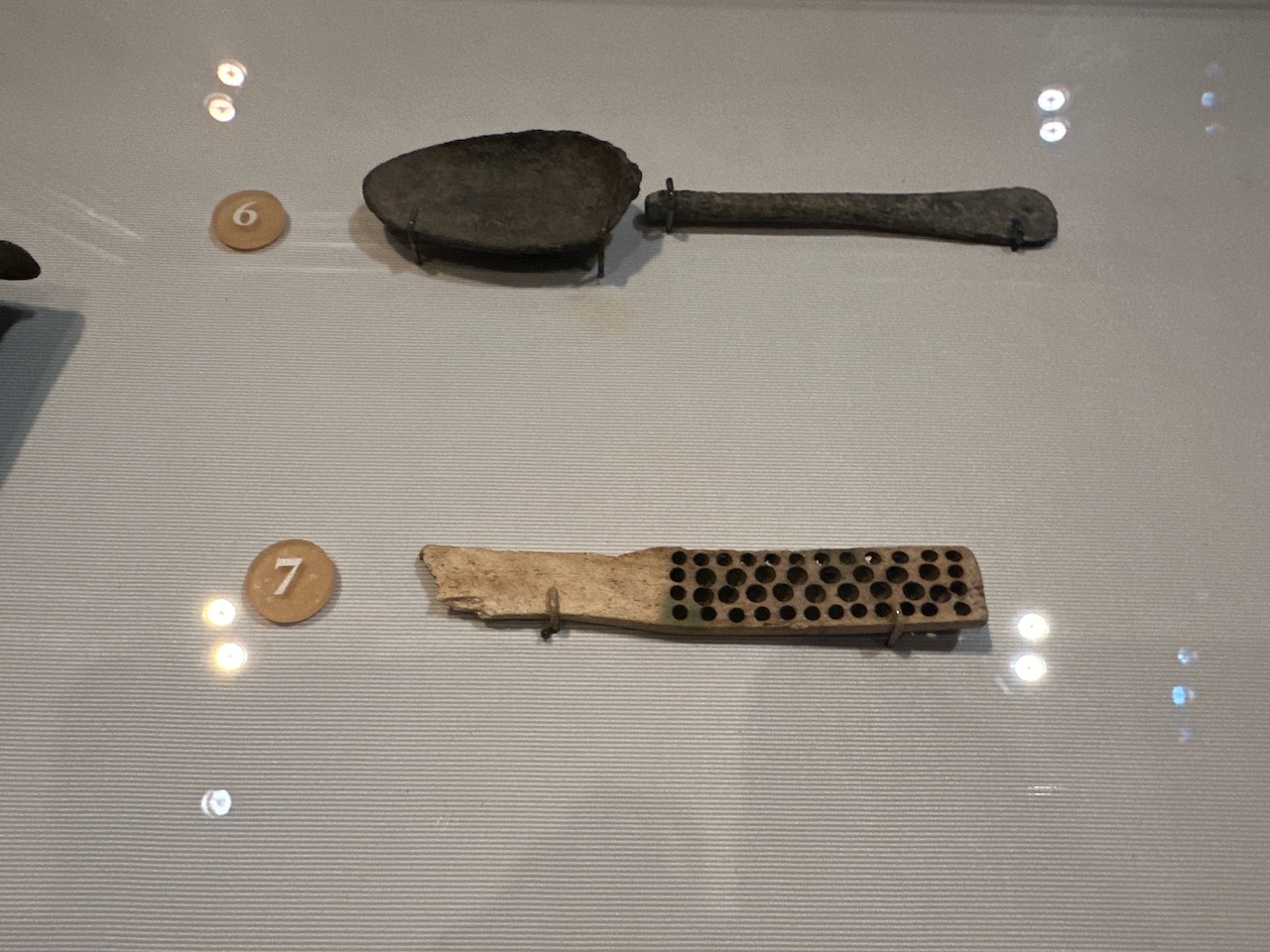
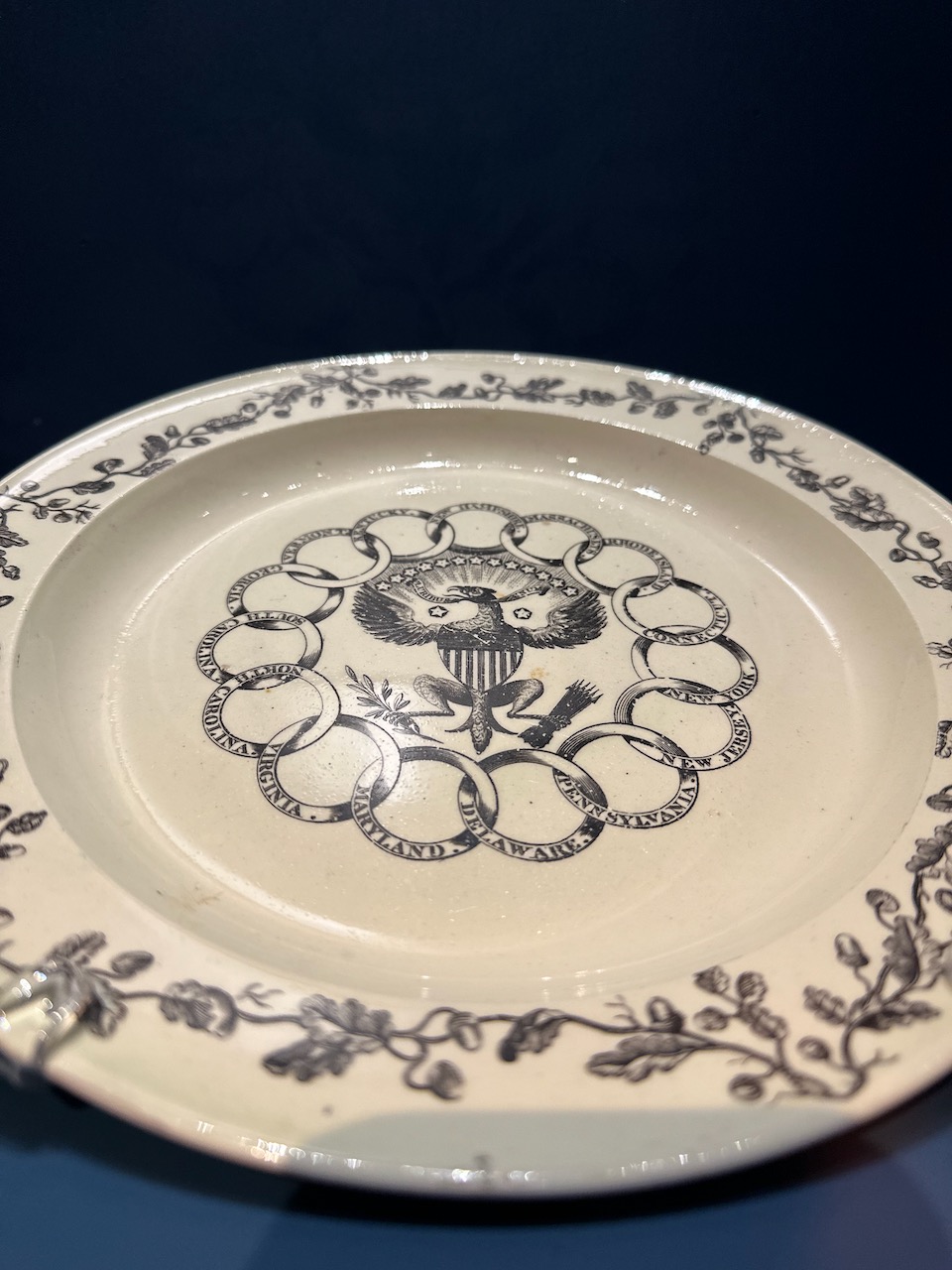
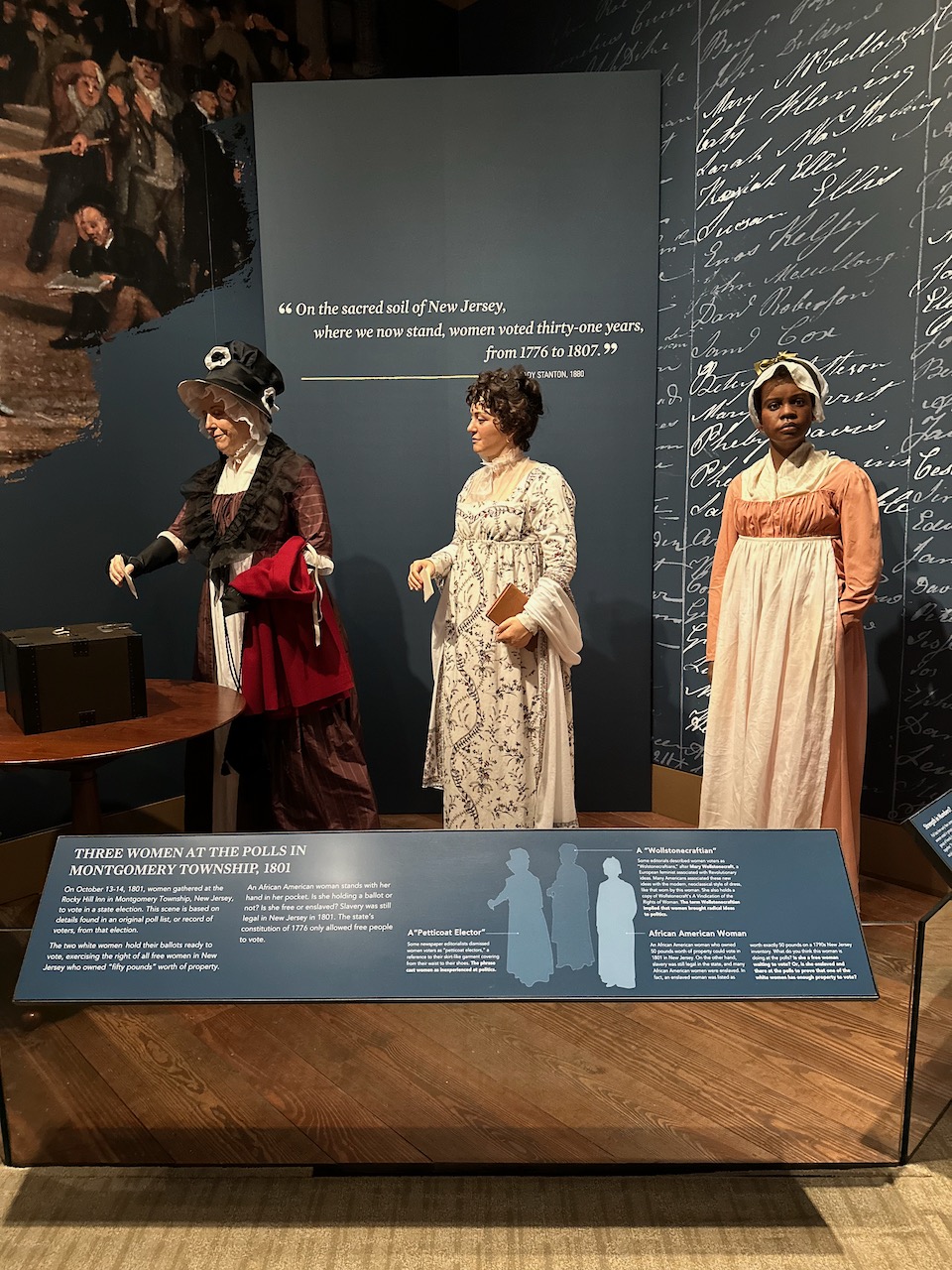
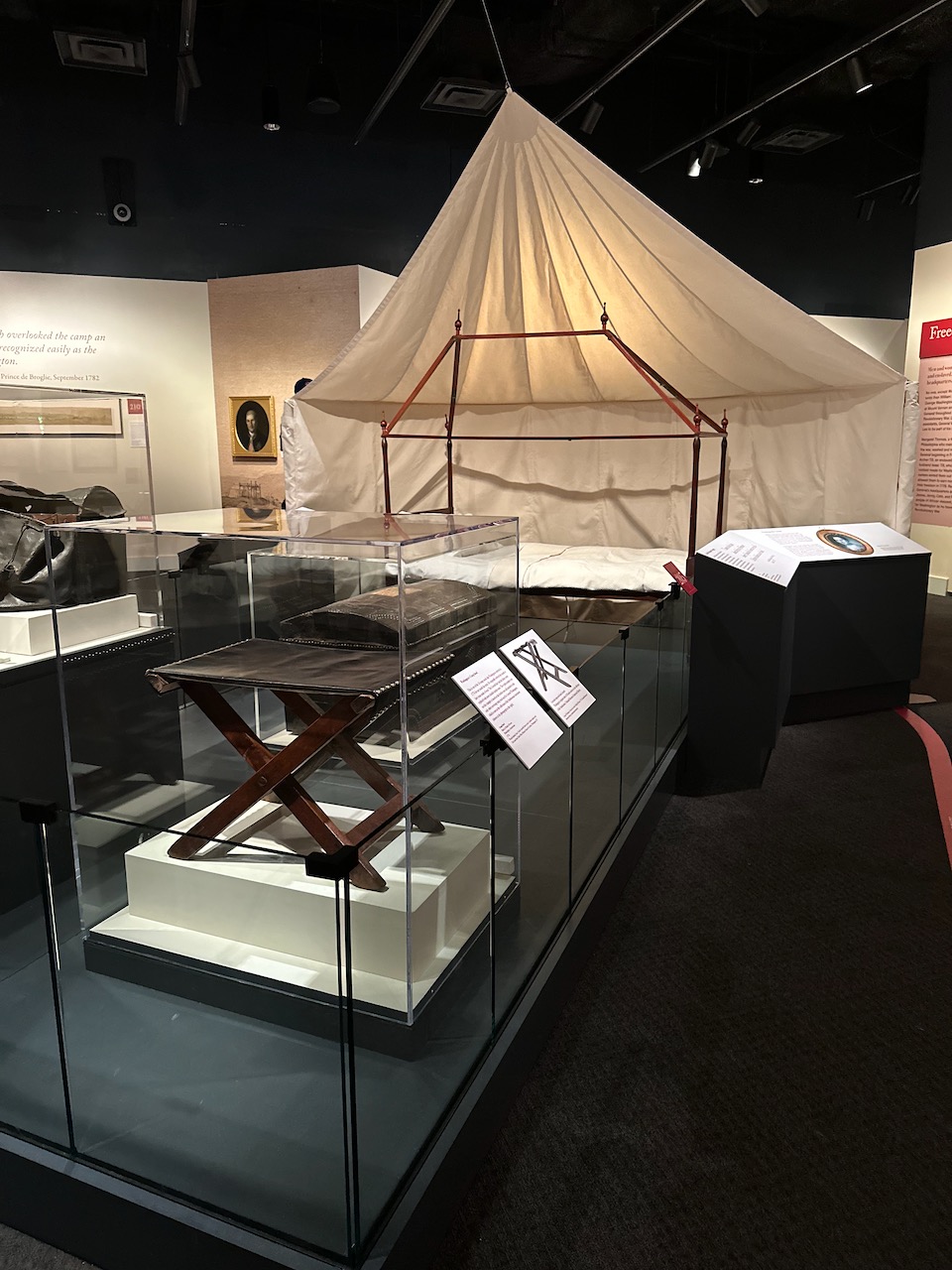
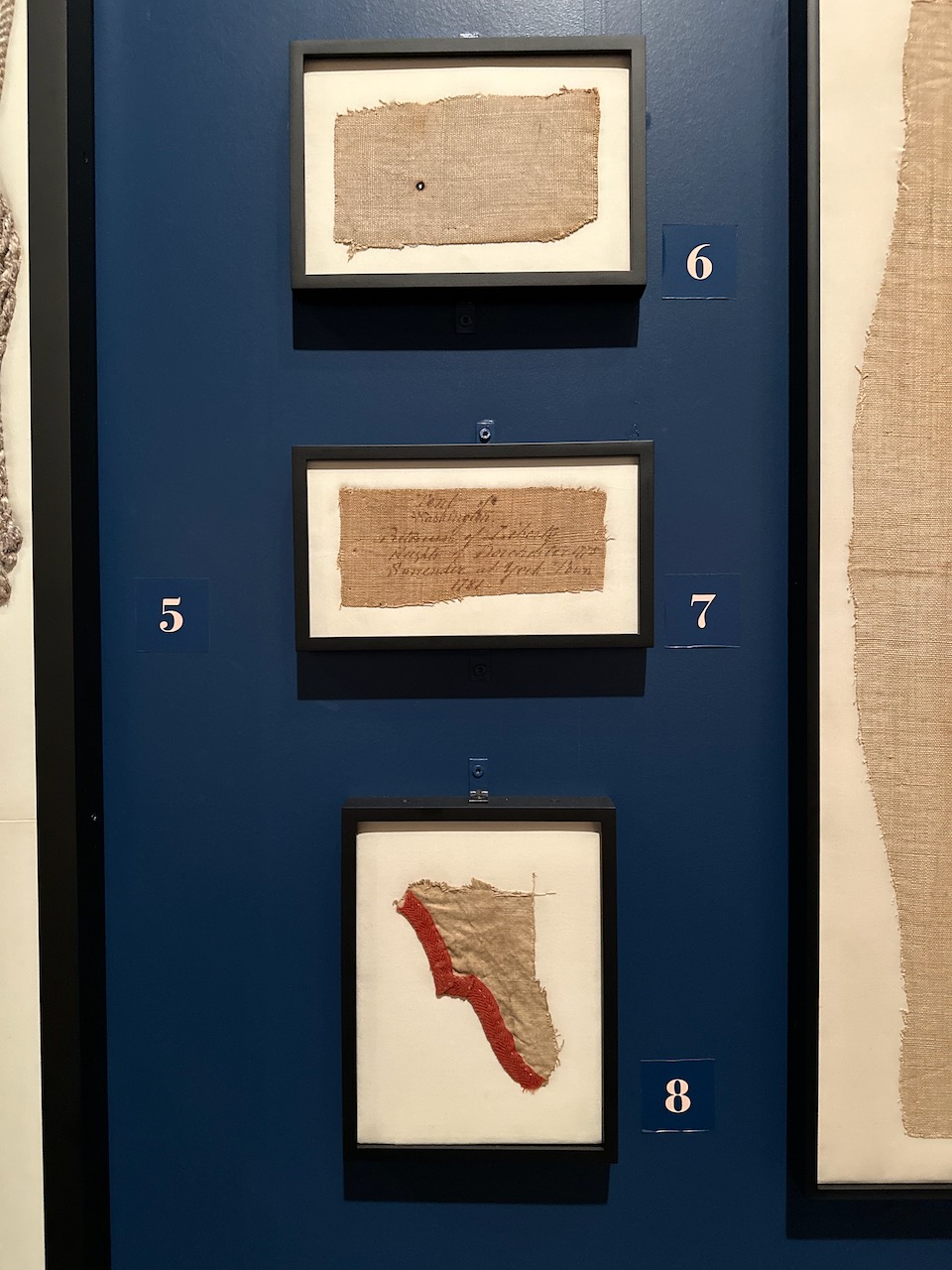
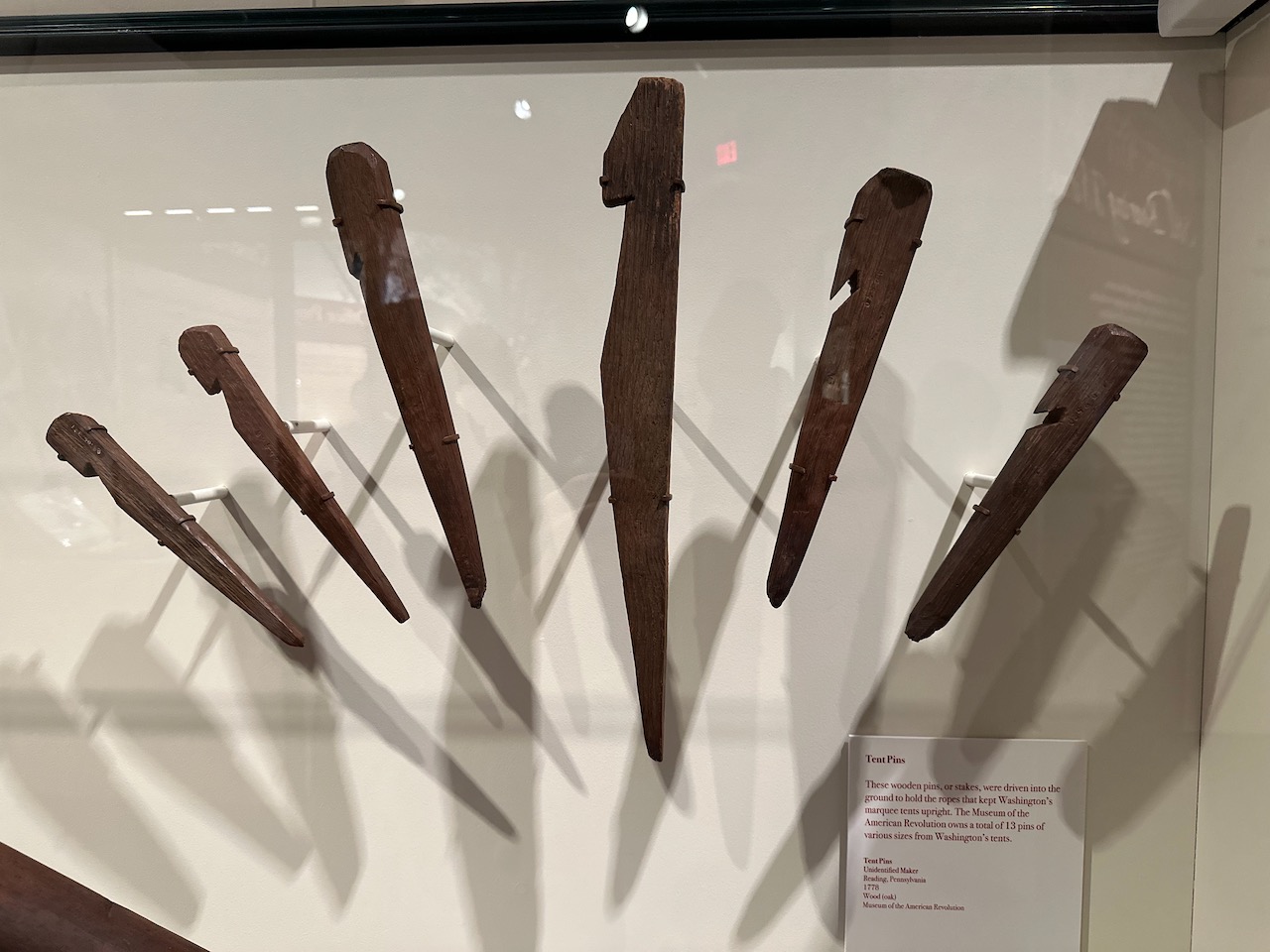
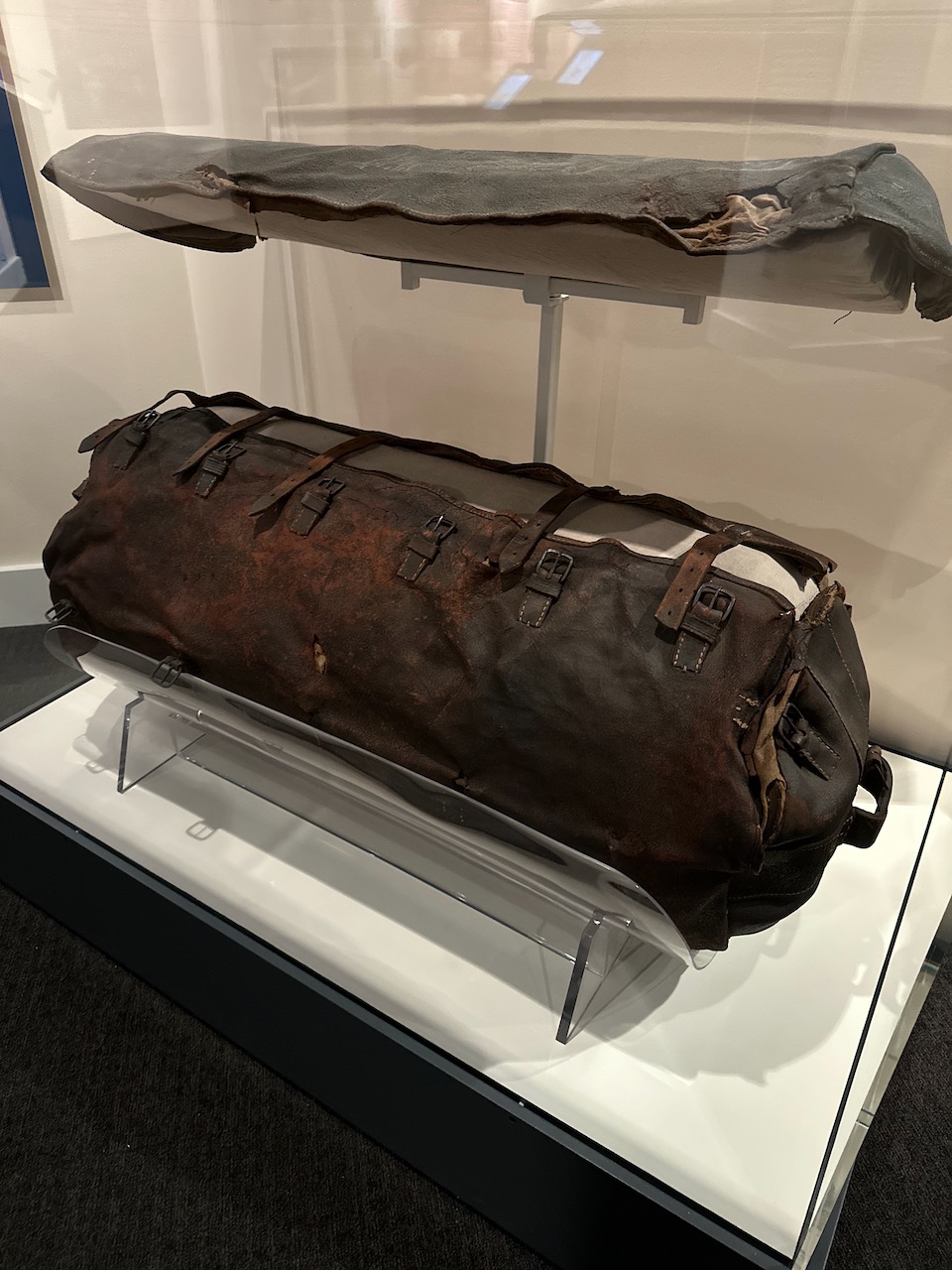
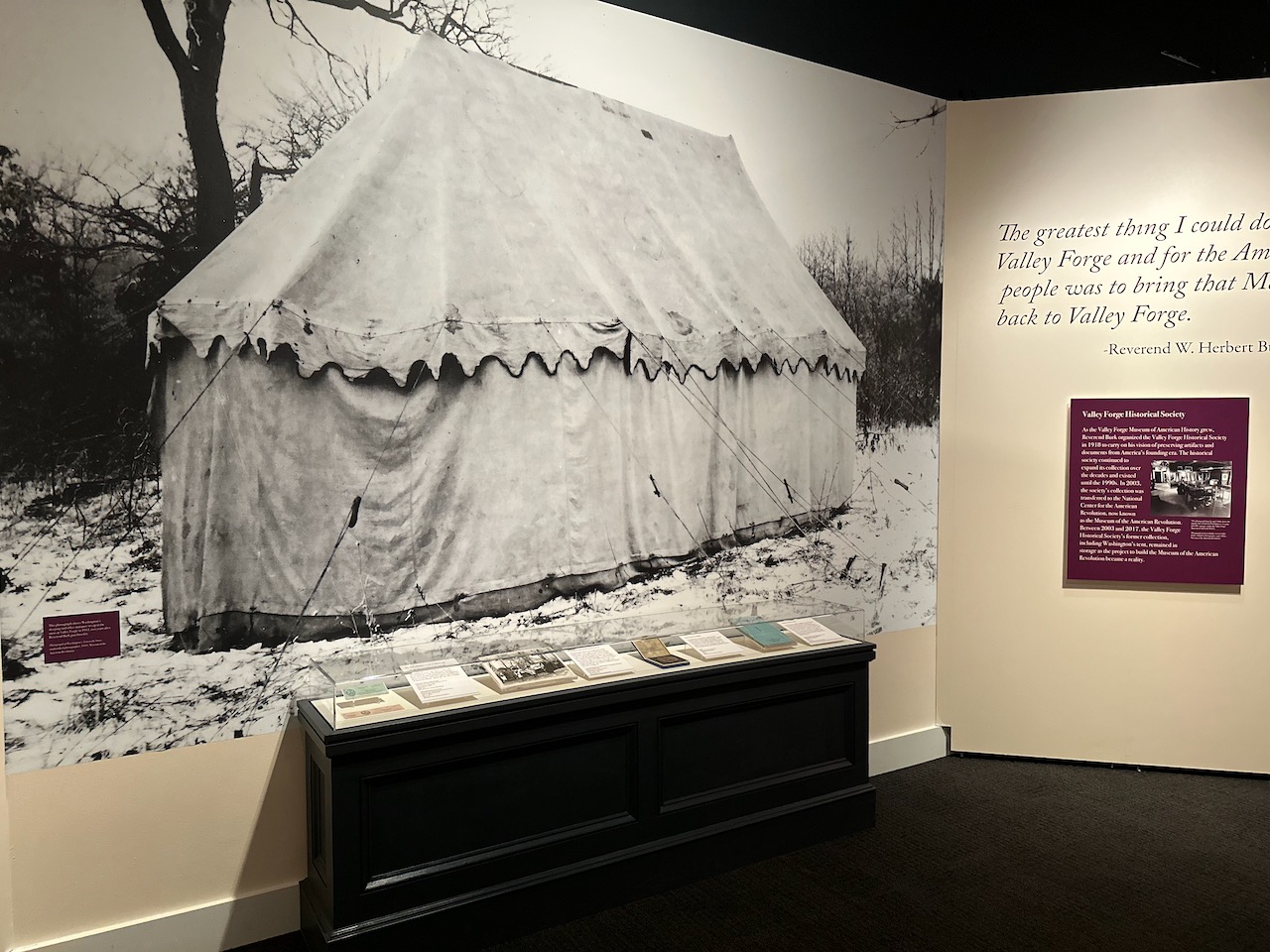
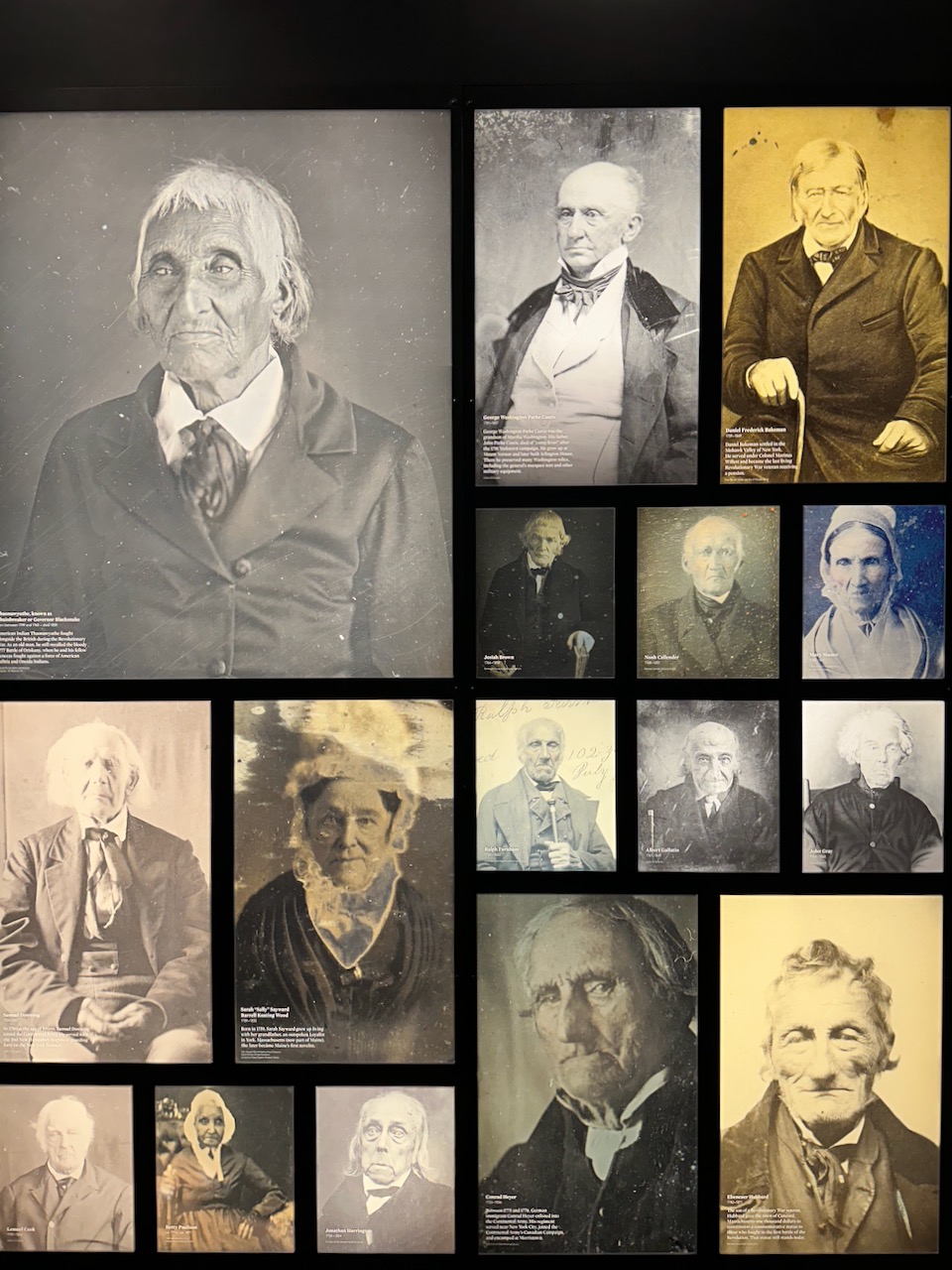
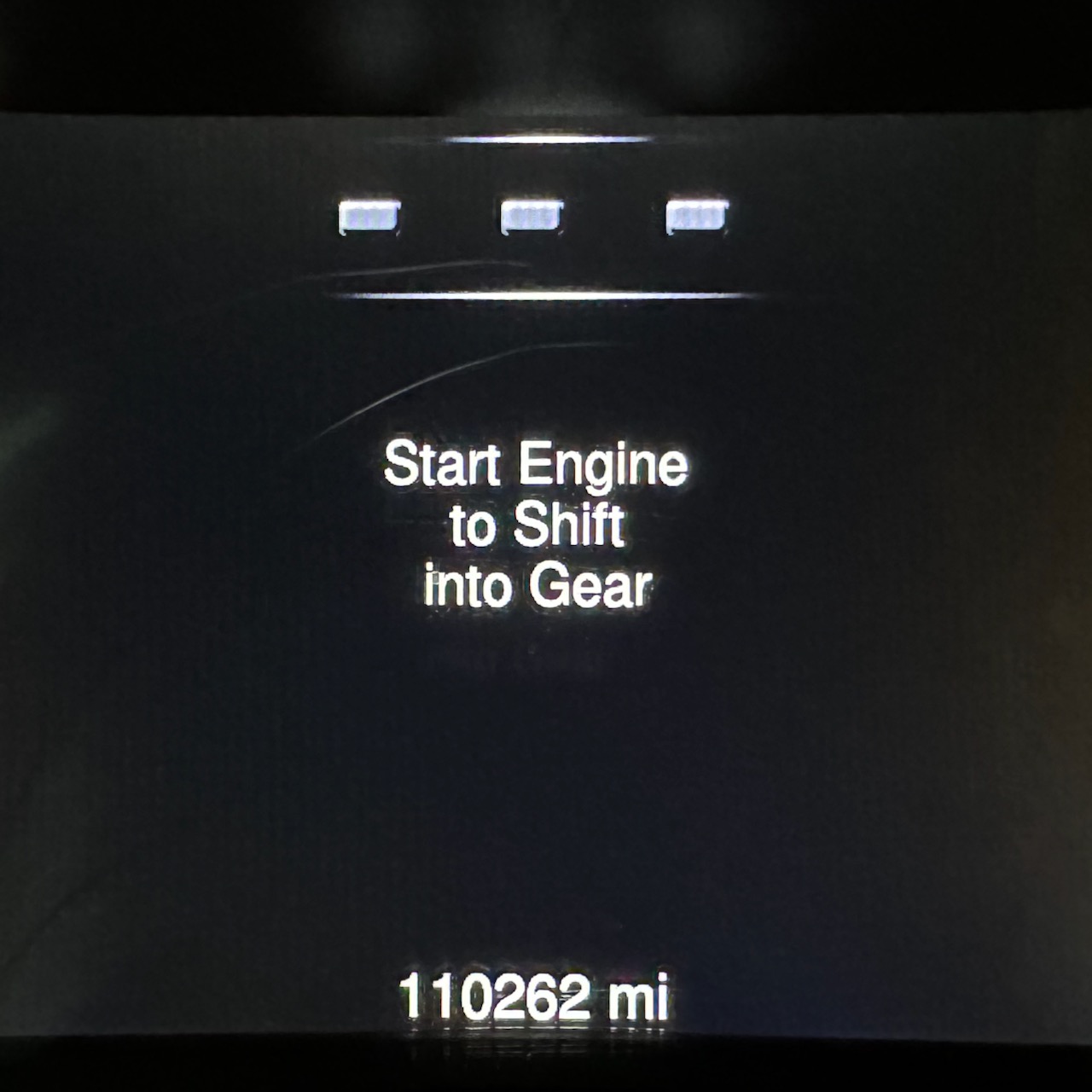
After some lengthy recent road trips, Philadelphia felt like merely a hop, skip and jump from our house, with only about an hour of travel time.A little over a half hour after leaving home, we crossed into Pennsylvania. Our chosen vehicle for this trip was Grace, our 2014 Jeep Grand Cherokee. Strong thunderstorms and torrential rains were forecast for the afternoon, so we opted for the Jeep’s higher ground clearance, in case we had to navigate flooded roads.The weather was seriously unpleasant – hot, humid, and with low-hanging clouds that obscured the Philadelphia skyline.After parking the Jeep in a nearby lot, my wife and I hurried beneath our umbrellas through rain-soaked streets to our first stop: The Rosenbach Museum and Library. Mercifully, the downpour would be the only rainstorm we would encounter for the rest of the trip.The Rosenbach Museum and Library is housed in two mid-19th century townhouses a few blocks from Rittenhouse Square. Tickets are sold in advance for timed tours, so we took a few minutes to dry off in the museum’s cozy lobby as we waited for our tour to begin.The museum houses the personal collection of two brothers: Phillip and Abraham Rosenbach. Phillip was a lifelong businessman who opened a succession of stores, but he gained true wealth when he incorporated his brother Abraham’s trade in ancient and rare books into his shops. Abraham, who held his PhD in English literature from the University of Pennsylvania, made a career in finding and selling valuable books and manuscripts. The brothers became phenomenally wealthy, and the museum displays their personal collections (via Wikipedia).Our tour guide pointed out some of the rarest and most valuable works on the shelves. For instance, the Eliot Indian Bible (red spine), published in 1663, was the first attempt to translate the Bible into a Native American language, as Massachusetts colony settlers attempted to Christianize the local native peoples. It also represents the first Bible printed in the western hemisphere (via The Rosenbach).The Rosenbach museum also has a larger holding of more recent works, including the original manuscript for Bram Stoker’s horror classic Dracula.The Rosenbach also owns the original manuscript of one of the greatest works of fiction of the 20th century: Ulysses by Irish author James Joyce.With his love of book collecting and selling, Abraham Rosenbach became close friends with a wealthy Philadelphian named Harry Elkins Widener, another notable book collector who, by age 27, assembled a personal library of over 3,000 books. A Harvard graduate, Widener died alongside his father on the RMS Titanic. After his death, Harry’s book collection was donated to Harvard University, where it now holds pride of place in the Widener Library (via Harvard Magazine). Having visited the Harry Elkins Memorial Library Reading Room countless times when I was a student, I’d like to find out how many of Harry’s books were found for him by Abraham Rosenbach.Beyond the Rosenbach’s personal collection, the museum also houses some other interesting exhibits. This is American poet Marianne Moore’s living room, arranged as it was in her apartment in Greenwich Village.The Rosenbach brothers became wealthy enough to buy whatever collectible they wanted… such as this vase-shaped clock, designed by Jean Baptiste Baillon, clockmaker for Marie Antoinette. Yes, the “let them eat cake” Marie Antoinette (via The Rosenbach).The Rosenbach collection includes fragments of the original manuscript of Geoffrey Chaucer’s The Canterbury Tales. Several important works from William Shakespeare are also in the library, including this valuable Second Folio (a collection of his works), published in 1632. Our 90-minute tour of The Rosenbach was time well spent. As tickets are only $12.50 per adult, it’s great value for your money. With our brains now full of knowledge, we headed to lunch.Our next stop was to P.S. & Co., a cafe and bakery serving only gluten-free and vegan dining options.Dessert as an appetizer? When it’s an organic rose pistachio scone, the answer is, “Yes, absolutely!”While my wife enjoyed an iced chai tea, I sipped an organic maple cinnamon cold brew coffee. So good!My wife’s meal – a grilled cheese sandwich, made with non-dairy cheese, smothered in pesto sauce, and a fresh salad to go with it. She was in heaven!Buried beneath all that fruit was my lunch: four slices of absolutely amazing French Toast. Paired with maple syrup from Lancaster, PA, it was a phenomenal meal. Fueled up, we headed out for our next adventure.We drove across town to the Old City section of Philadelphia. Old City features many of the oldest buildings and has numerous historic landmarks. After parking the Jeep, our walk took us past the B. Free Franklin Post Office. Still a working post office, each letter mailed here is hand-cancelled with Benjamin Franklin’s signature “B. Free Franklin” stamp (via National Park Service).Our final stop for the day: the Museum of the American Revolution. Established in 2017, this museum tells the story of America’s revolt against British rule.The museum begins at the beginning: British rule over the American colonies, with England led by King George III. The king oversaw the entire British Empire, called by God to lead, and his people to loyally obey. Parliament represented the British peoples, even those citizens of the Empire who did not have a vote. Or so the thinking of the British rulers went. (Side note – if you’ve watched the musical Hamilton, try to look at this portrait and NOT hear the song “You’ll Be Back.”)During colonial times, even items manufactured and sold in the Americas would bear the name or likeness of King George, such as the powder horn, tea canister, chamber pot (!), and document box. The king was truly the center of the universe for the British peoples.Many Americans prospered during British rule. It was not uncommon for punch bowls to be lifted in praise of British commerce when merchants gathered at local taverns. Indeed, this bowl was discovered on this very site when the museum was being constructed a decade ago.For many American colonists, however, the idea that they should select representatives who would directly represent their concerns in Parliament was paramount. The colonies began to see British taxation, and the lack of representation, as key issues. These bronze pieces are fragments of a statue of King George III riding a horse. Erected near Wall Street in New York, the statue was repeatedly defaced before being destroyed after the Declaration of Independence was signed.Colonists would frequently gather around a “Liberty Tree” in their town to discuss their concerns and ideas about the future of the colonies. The original Liberty Tree stood in Boston until it was cut down by British Loyalists in 1775. The Liberty Tree in Annapolis, Maryland stood until 1999, when it fell during a hurricane. A small piece of the Annapolis Liberty Tree is preserved in this exhibit (look in the knot of the model tree).On April 19, 1775, the American Revolution began with the Battles of Lexington and Concord in Massachusetts. In the display case is a support from the North Bridge in Concord, where the initial skirmish was fought. For a more in-depth exploration of these battles, you might enjoy reading about my visit to Concord several years ago.Under the command of General George Washington, the American colonies began to assemble an army to fight Britain. At the time, the British commanded the world’s most capable military. The American volunteers were not always the most capable or disciplined. For instance, while camping in Harvard Yard, soldiers from Massachusetts and Virginia began to argue, and then to pelt each other with snowballs. Washington (center) personally interceded to stop it before it became more serious. Glad to see my alma mater doing its part in history.The British were better supplied, better trained, and better armed. Although they were initially victorious in the Siege of Boston, the American forces were resoundingly defeated in New York and Philadelphia.Enemy fire was not the only threat that American forces faced. While approximately 7,000 soldiers died in combat, over 17,000 died from disease (via Veterans Museum), such as Captain Michael Cresap who died from illness in October 1775.The Native American peoples attempted to navigate the conflict to the best of their abilities… some sided with the American colonists, others with the British, and yet others attempted to remain neutral. The Oneida peoples supported the Americans in the battle, including providing food when Washington’s Army was threatened with starvation.Chased from New York and Philadelphia, Washington’s Army retreated to Valley Forge, Pennsylvania, where they spent the winter of 1777-1778 in brutal conditions. Despite the hardships, the soldiers were able to be resupplied and trained, finally forming a cohesive fighting force. The training was led by Baron von Steuben, a Prussian soldier who had served in the army of Frederick II. Washington put von Steuben’s expertise to work, helping him shape the Continental Army into a unit that could engage the British on equal terms.Washington’s 12,000-man army left behind the odds-and-ends of daily life in Valley Forge, and archeologists are still finding items to this day.By 1781, Washington’s Continental Army achieved a decisive victory in Yorktown, Virginia, and British rule over the colonies ended. Instead of engravings of King George, manufacturers in the Americas began to use a new symbol…Fun fact I learned at the museum – from 1781 until 1807, anyone could vote in New Jersey as long as they were free and owned property. Gender and race were not criteria for voting eligibility until new laws were passed in NJ in 1807.When traveling with the army, George Washington used a pair of tents, one as his office and sleeping quarters, the other for dining. The museum has in its collection several items he used in his tents (foreground), along with the exterior of the tent he used as his office and sleeping quarters. Avoiding ostentation, Washington used a tent similar to those used by his officers.The museum also has shards of other sections of the tent on display. The tent ended up in Virginia, owned by Mary Ann Custis Lee, whose husband was Confederate commander Robert E. Lee. When advancing Union soldiers caused the Lees to flee from their home, it was their enslaved housekeeper, Selina Gray, who watched over Washington’s tent and ensured it did not get accidentally vandalized or stolen (via Wikipedia).Most impressive to me was that these six wooden tent pins have survived for almost 250 years.This is one of two valises that Washington used to carry his personal belongings as he traveled throughout the war. It was made in Philadelphia in 1776, and has survived in remarkable condition to the present day.Before coming to the Museum of the American Revolution, the tent came into the possession of Valley Forge Historical Society, who erected it in 1911 as part of an exhibit on the Revolution (pictured). What stands out most to me is the simplicity of the tent. Washington eschewed elaborate displays of the trappings of power. That humility would stand him in good stead as this nation’s first President. Washington desired to be neither a king nor a dictator. When his term in office ended, he returned home, a civilian once again.The display that most captivated me in the museum was this collection of 19th-century photographs of the Revolutionary War generation as they entered the later years of their lives. Given that the photograph was not invented until the mid-19th century, these photos preserve the last remnants of a generation who brought about a new nation. After examining the display in depth, we headed to back to the Jeep for our ride home.We arrived home shortly before strong storms rolled through our area, with thunder, high winds, and heavy rains. Our timing was perfect! And speaking of perfect, Grace performed flawlessly as well, carrying us to Philadelphia and back in comfort and style. 110,000 miles is now in the books… onward!
Garage Updates
Before closing, I wanted to share a few updates from my garage, along with some stories from my readers.
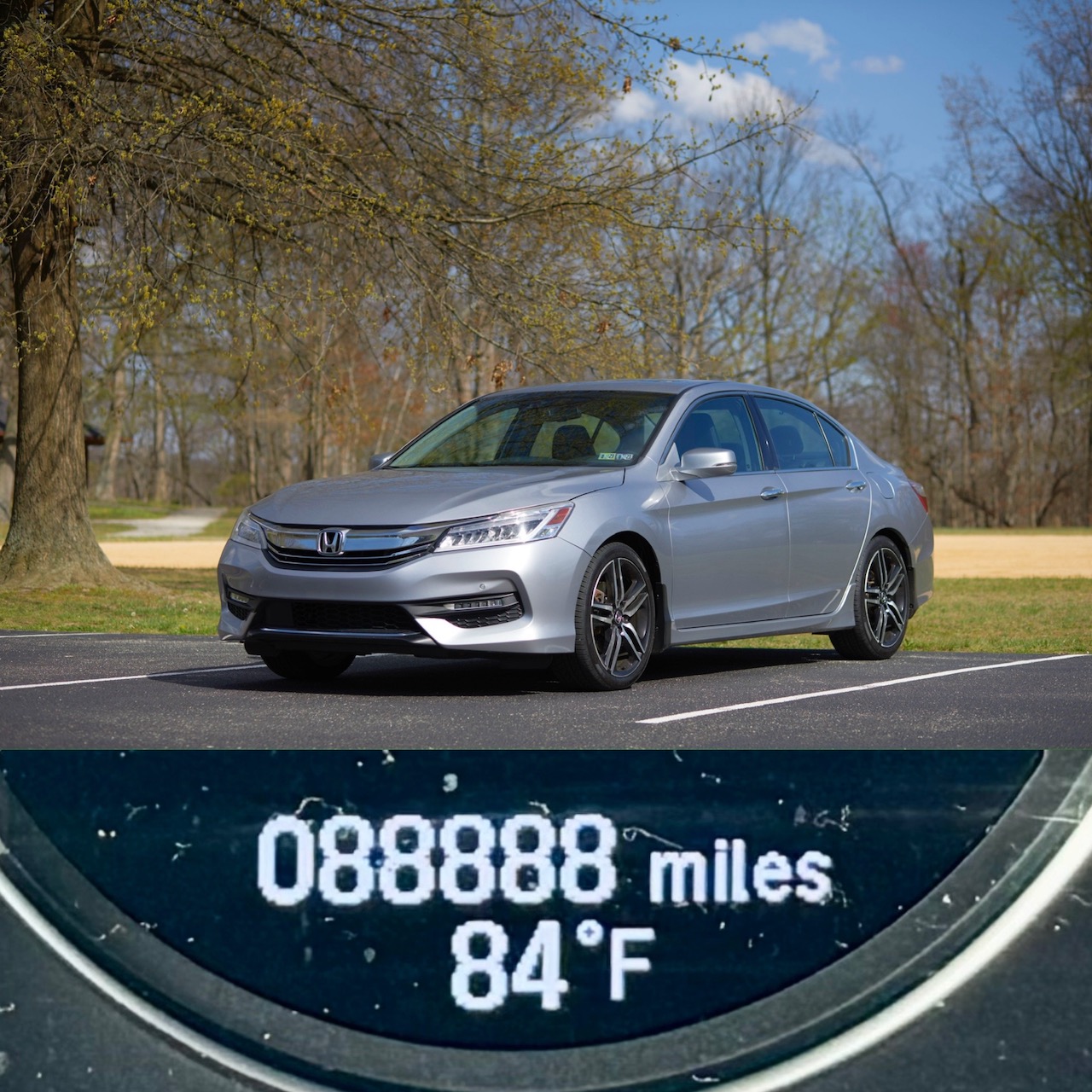
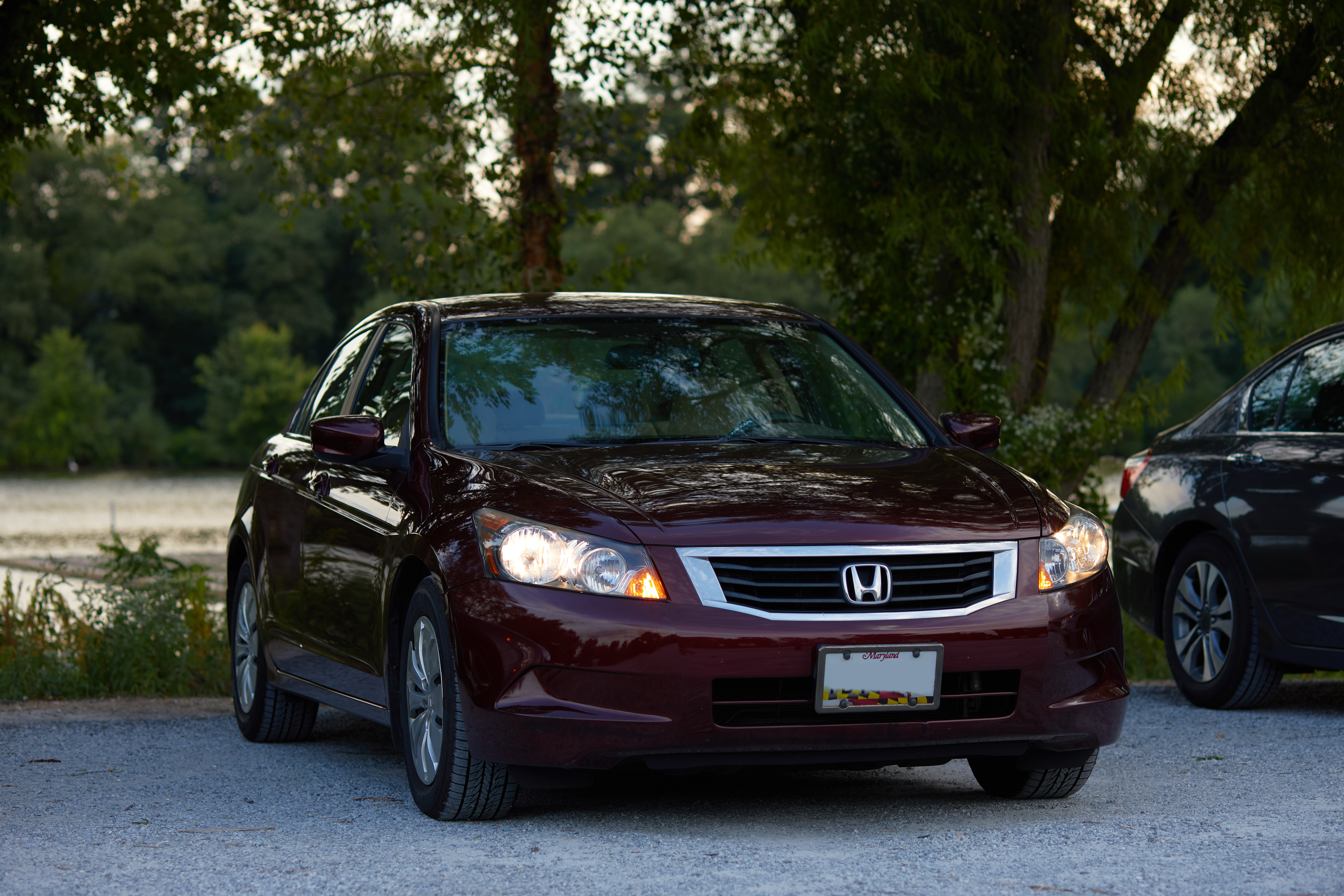
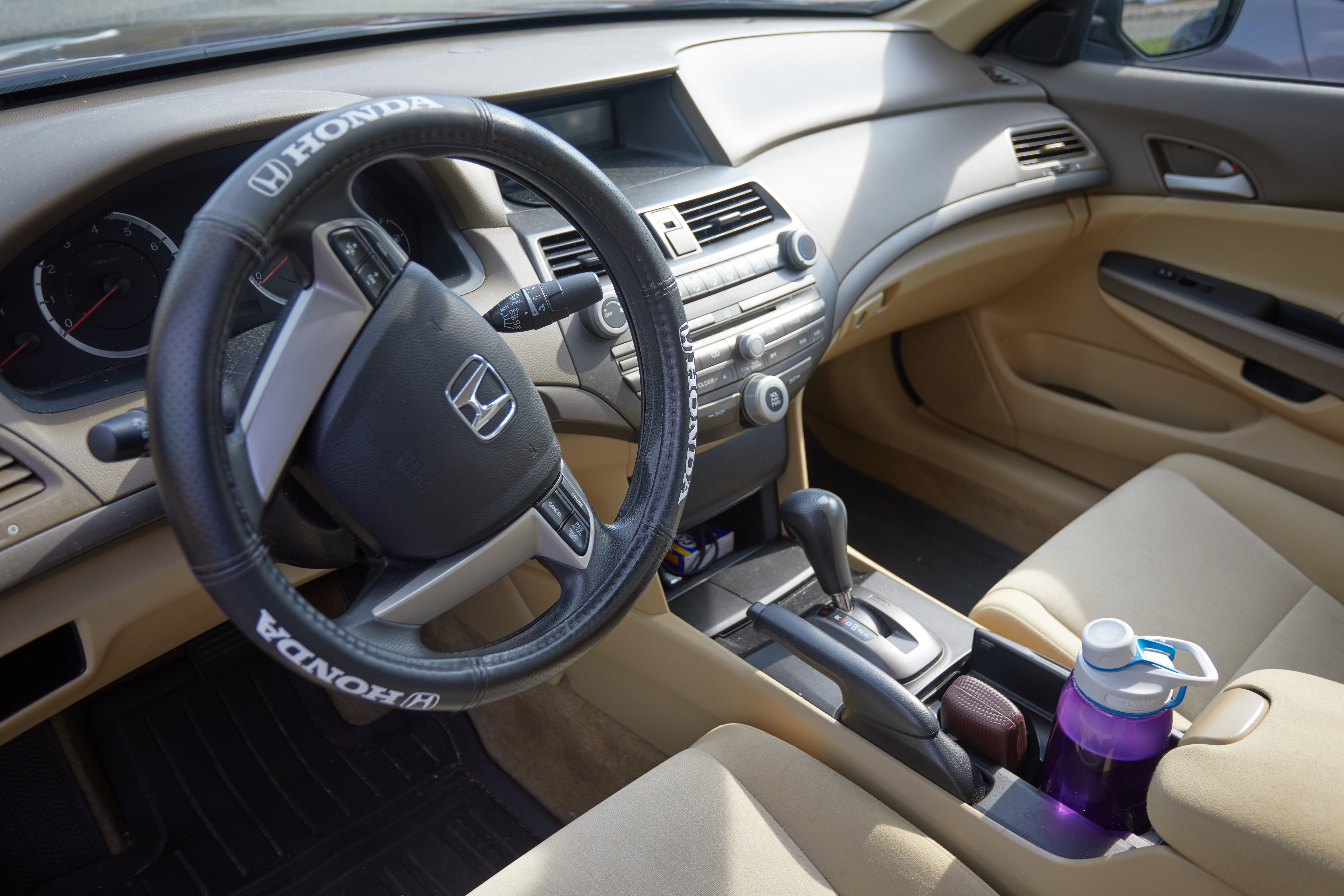
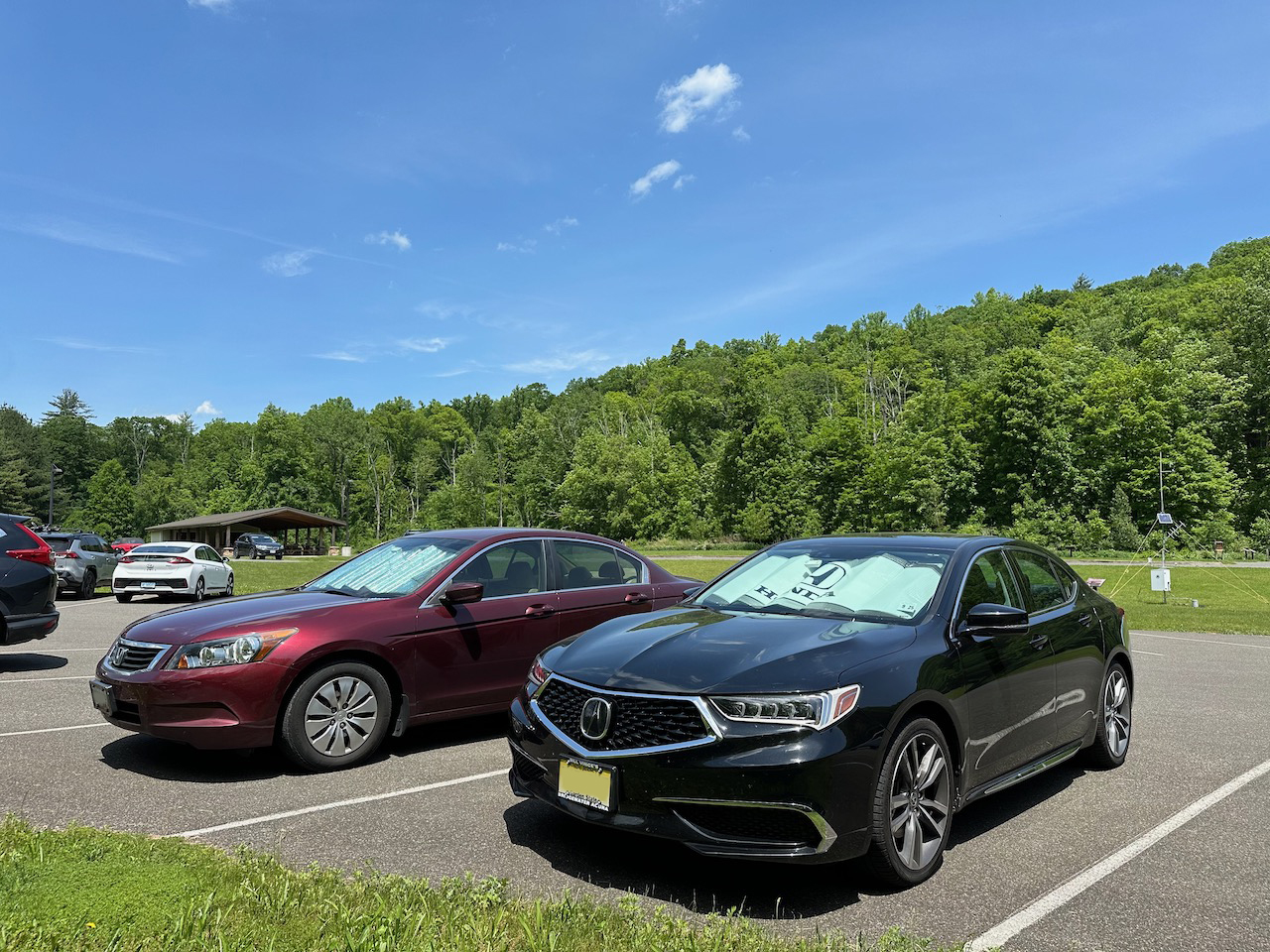
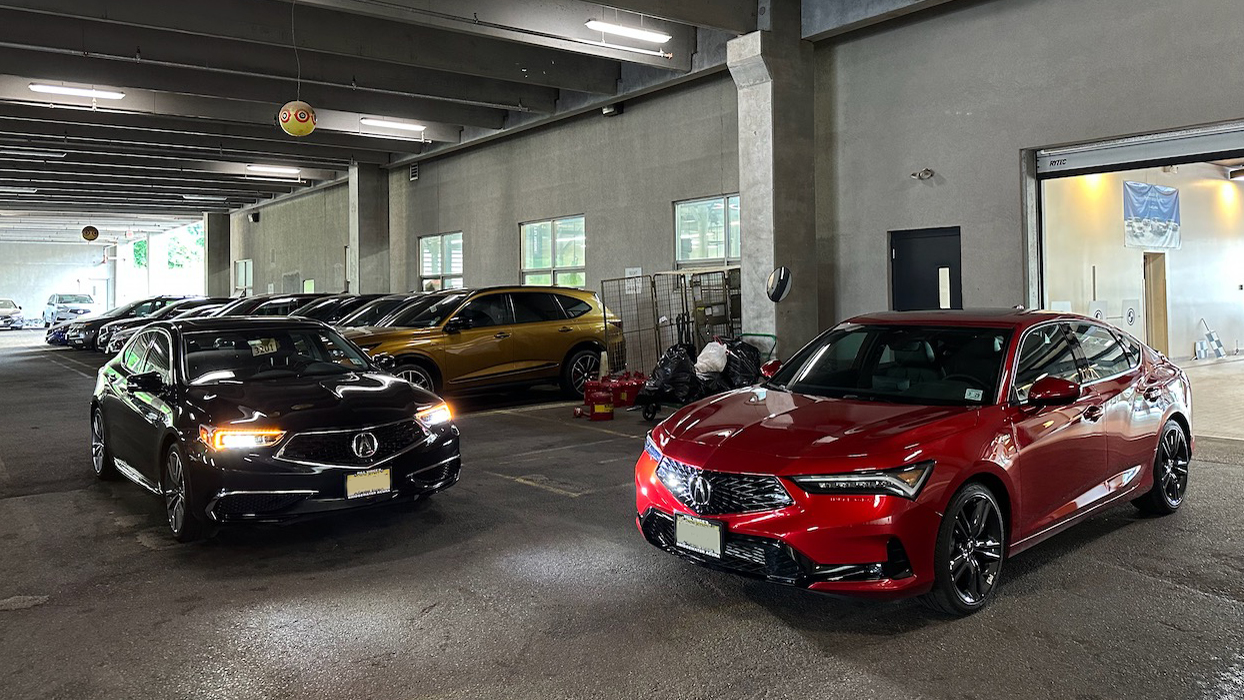
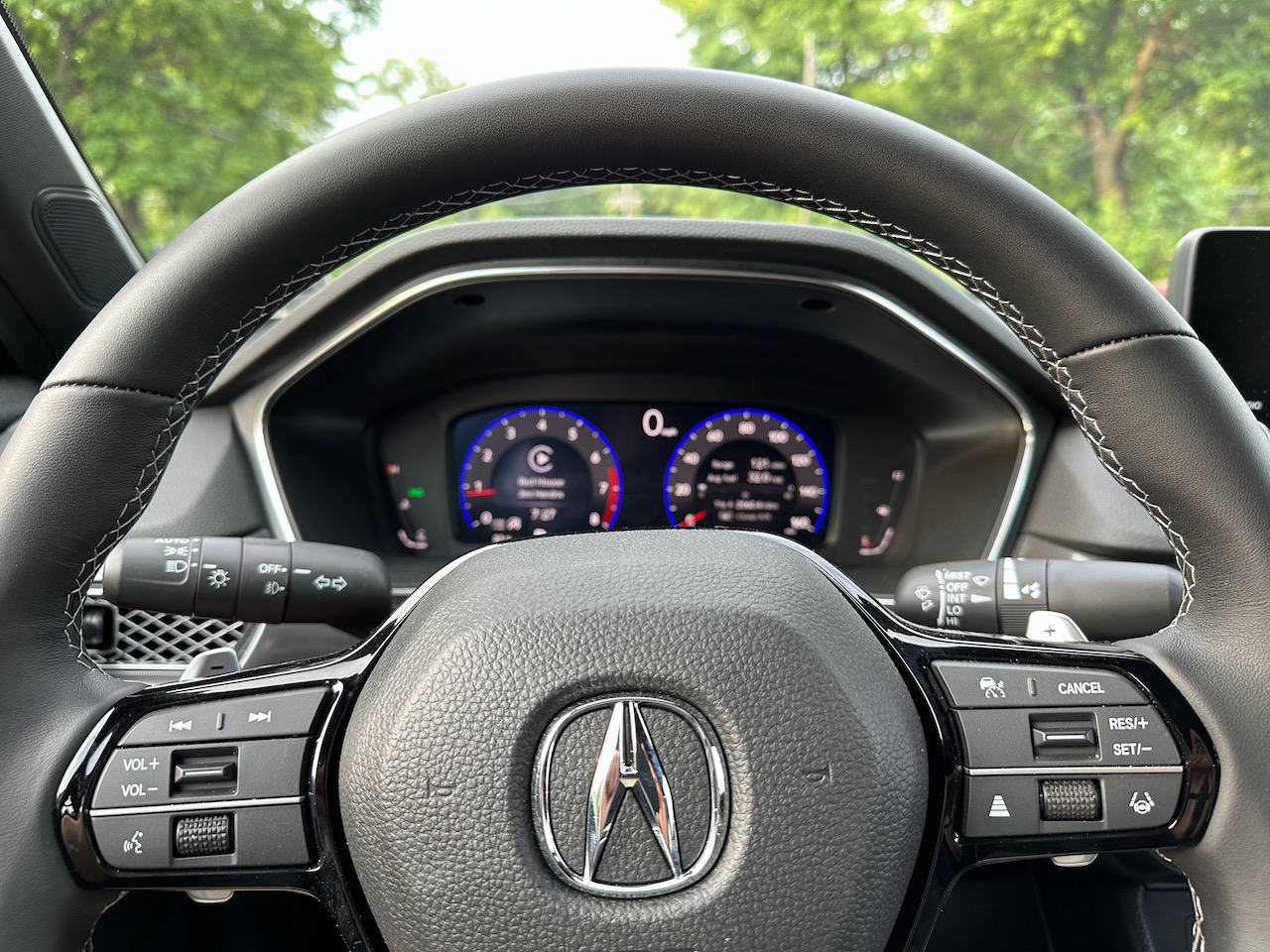
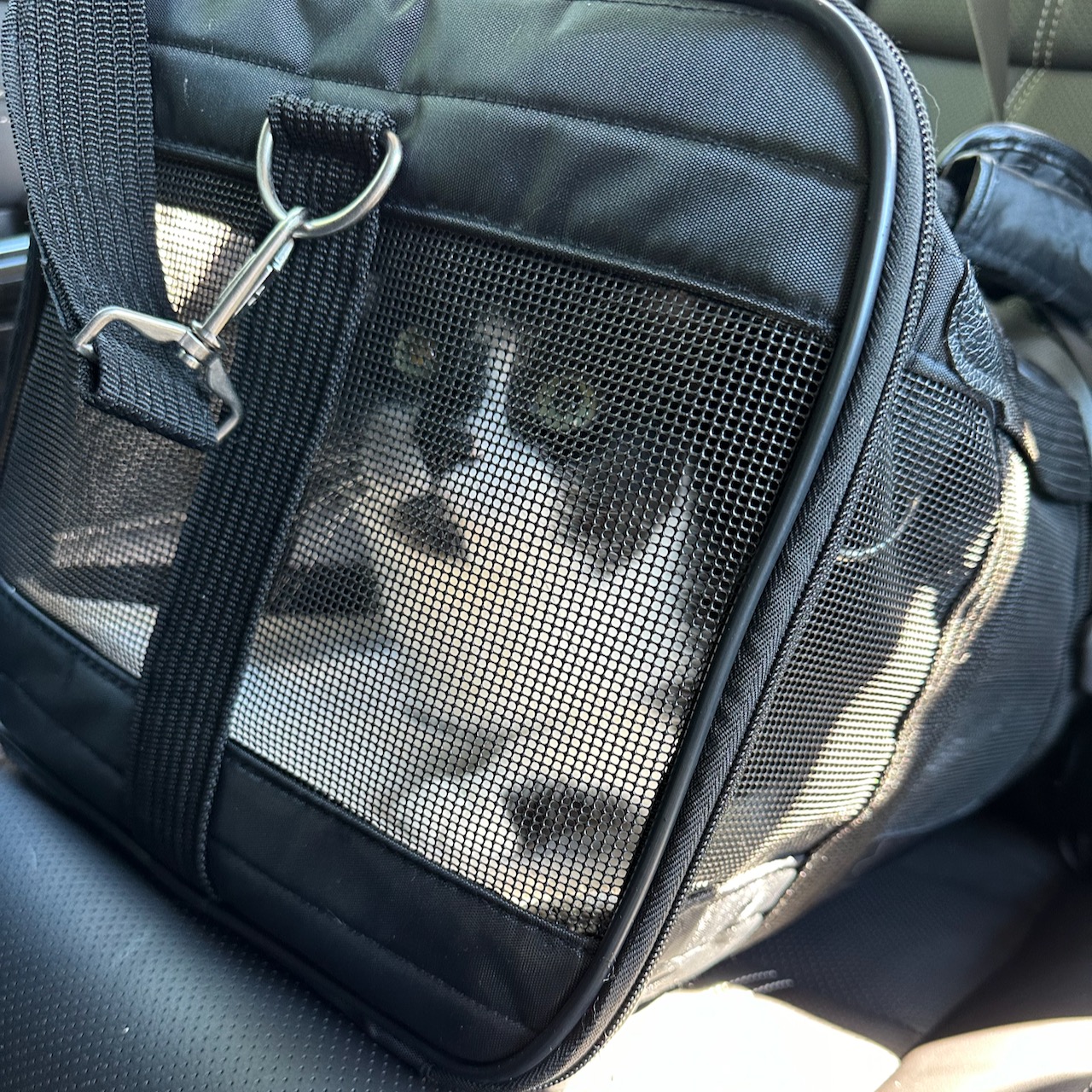
First, I want to give a quick shout-out to my Dad, who snagged an odometer of all 8’s on his 2017 Honda Accord Touring sedan. Good eye, Dad! Looking forward to a photo at 90,000 miles.Next, I wanted to share an update from my friend Ash, who recently passed 100,000 miles on her 2010 Honda Accord LX sedan. Ash bought her Accord in June of 2019 with about 68,500 miles on it at the time. Her family had owned another eighth generation (2008-2012) Honda Accord, so she had confidence that this would be a great car for her. Ash’s family has a tradition of naming their cars, so I’m pleased to introduce you to “Cinnamon.”I asked Ash what Cinnamon has needed to keep her on the road, and she said Cinnamon has mostly needed only routine servicing: oil, transmission fluid, coolant, and brake fluid changes. The only significant repairs were a new catalytic converter at 92,000 miles and new brake pads and rotors at 99,000. Ash comes from a long line of self-described “gear heads,” so I’m sure she’ll be keeping Cinnamon in tiptop shape for a long time!I asked Ash about her favorite road trip with Cinnamon, and she responded without hesitation that it was the recent trip she took to the Catskills region of New York (as detailed in this blog). She spoke of loving the scenic views, the people, the culture, and the affordability of upstate New York. I asked Ash if she had any plans to replace Cinnamon anytime soon, and she said, “Nope! The 8th generation Accord is such a fantastic vehicle that Cinnamon will be in my possession for the rest of her life.” Amen, Ash.I recently took my Acura TLX to the dealer for some work – beside needing new fluids for the all-wheel drive system, I was getting a grinding noise from the brakes. While the dealer sorted everything out, they gave me a loaner – a 2024 Acura Integra. I test drove the Integra when I was looking at new cars last summer, so I was eager to see how the little hatchback would be as a daily driver.I really enjoyed the Integra – it’s small, handles like a go-cart, and is a blast to drive. However, after spending 24 hours with it… I made the right choice when I bought my TLX. It’s a far more refined, smooth, comfortable, feature-packed vehicle that still provides plenty of driving entertainment. I was glad to return the Integra to the dealer and get back in my TLX.Finally, while I love driving my Acura, our cat Betty remains less-than-impressed. During a recent trip to get her nails trimmed, she was unenthusiastic about the vehicle. Ah, well… I’ll make her a Honda/Acura fan yet!
Wrapping Up
Despite having grown up in the suburbs around Philadelphia, and having gone to the city more times than I can count, I still feel like I discover something new every time I visit. The Rosenbach Museum is open Thursdays through Saturdays from 10:30 am – 6:00 pm and Sundays from 10:30 am – 4:30 pm. Tickets cost $12.50 for adults, $10 for seniors age 65+, and $7 for students and children over 12 (children under 12 can enter for free). The Museum of the American Revolution is open daily from 10:00 am – 5:00 pm. It’s $24 for an adult ticket ($22 if you order online in advance), $19 for seniors age 65+, $19 for students, teachers, and military personnel, and free for children age 5 and under. Both museums are excellent – I would highly recommend a trip to Philadelphia to see them!
Thanks for coming along on another journey down the open road ahead!


 The Open Road Ahead
The kids didn’t hang in until the cat picture, but I did!! Darn kids don’t appreciate history 😉
LikeLiked by 1 person
We always save the best parts for the end…. Thanks for reading!!
LikeLike