New York City is the financial capital of the United States. However, its might in banking and trade would be nonexistent without one important geographical blessing: New York Harbor. From the time when Lenape native peoples used the harbor for hunting and fishing, to being a major transportation hub between American and Europe during the 19th and 20th centuries, to now being a logistics hub handling ships transporting over four million cargo containers annually, New York’s wealth and success is tied to the sea.
The South Street Seaport Museum chronicles this history. The museum is housed in several early 19th century buildings, representing the largest collection of surviving buildings in New York City from that time period. The museum also owns five historic vessels which are moored nearby in the harbor. On a hot, muggy Sunday in mid-July, my wife and I set off for Manhattan, to be transported back into the New York of yesteryear.
So come along, then, as we make a port of call at the Seaport Museum! We’ll also see some historic sites and grab a bite to eat at a favorite spot.
Let’s begin:
The South Street Seaport Museum
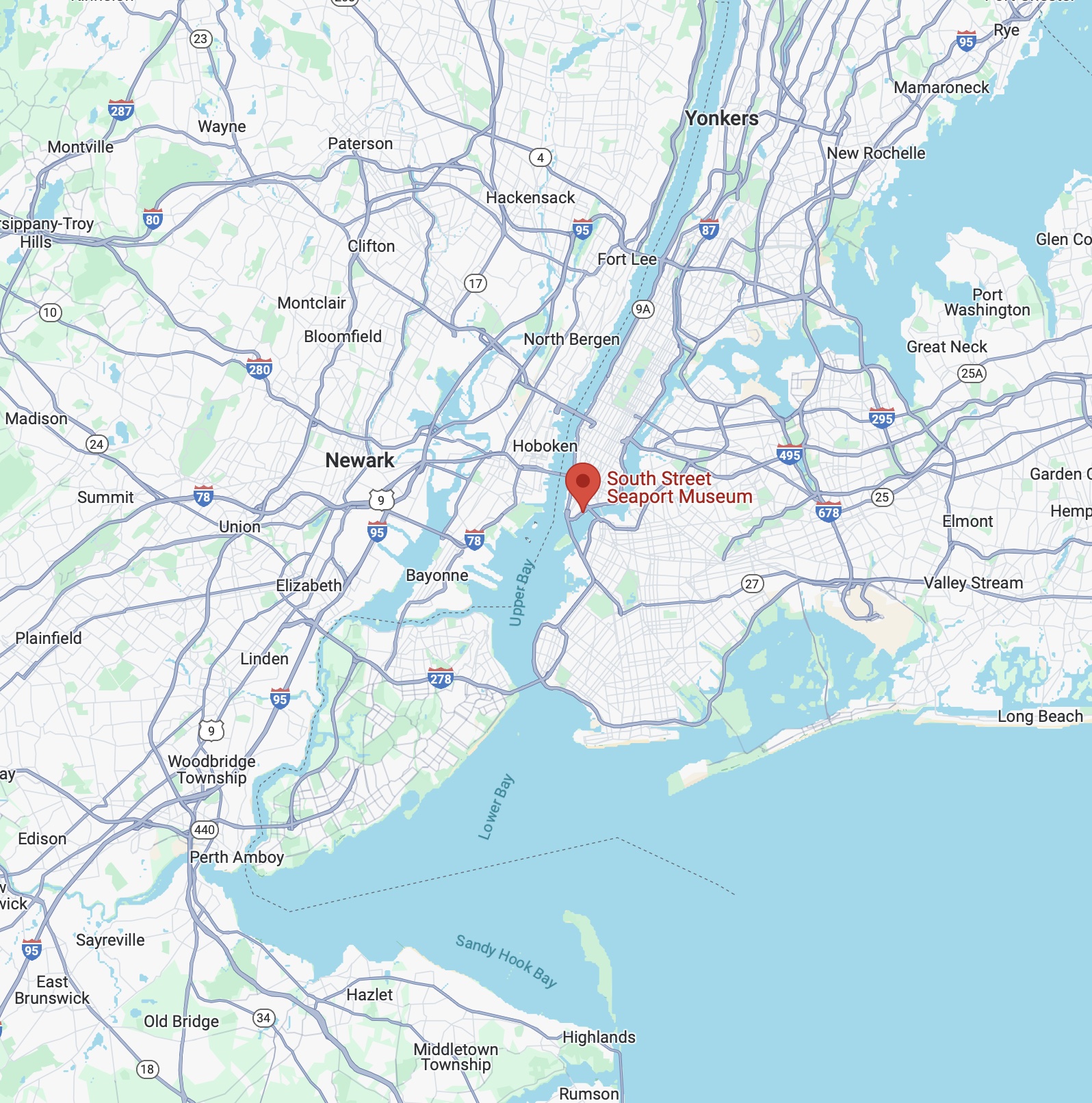
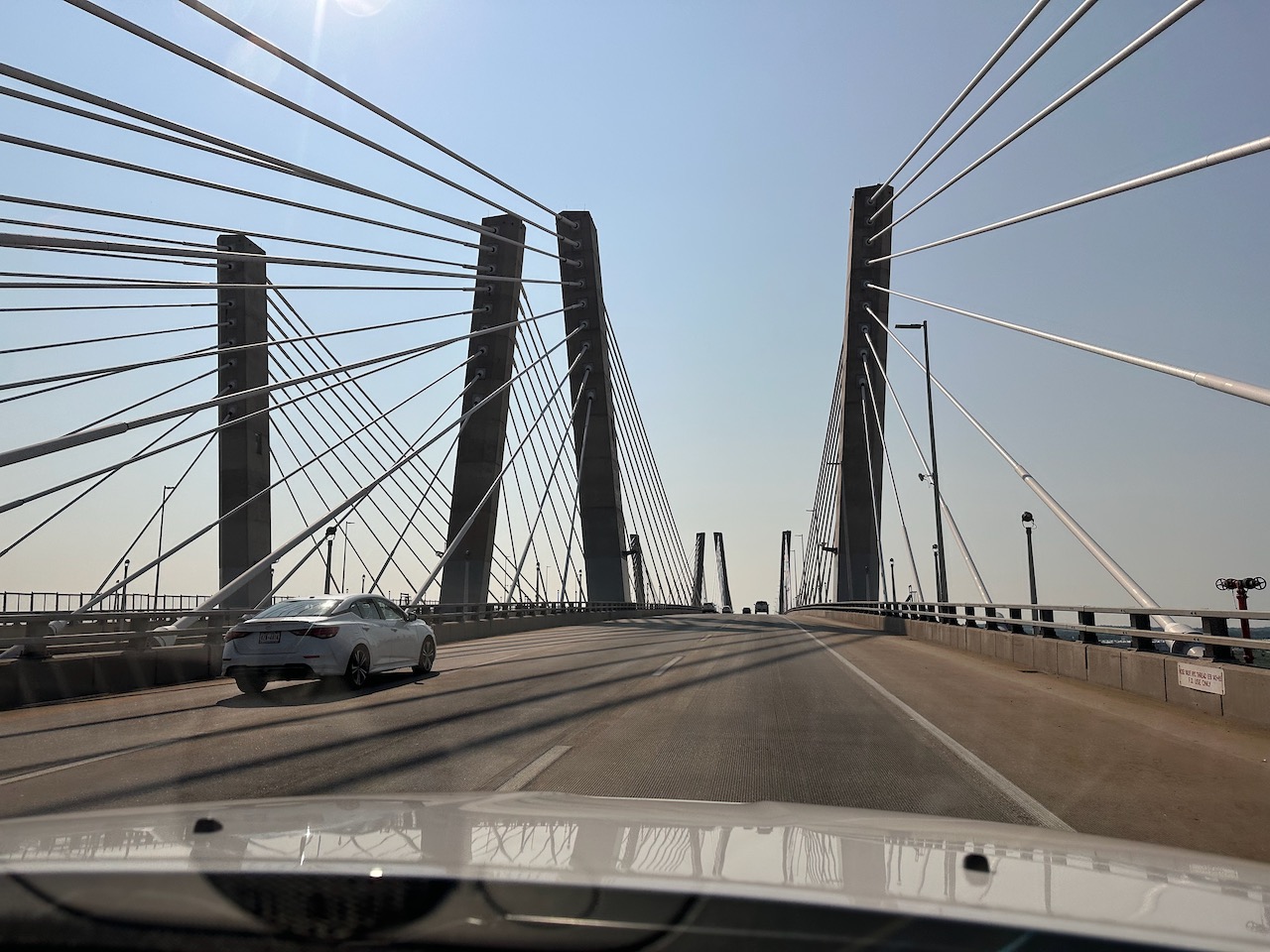
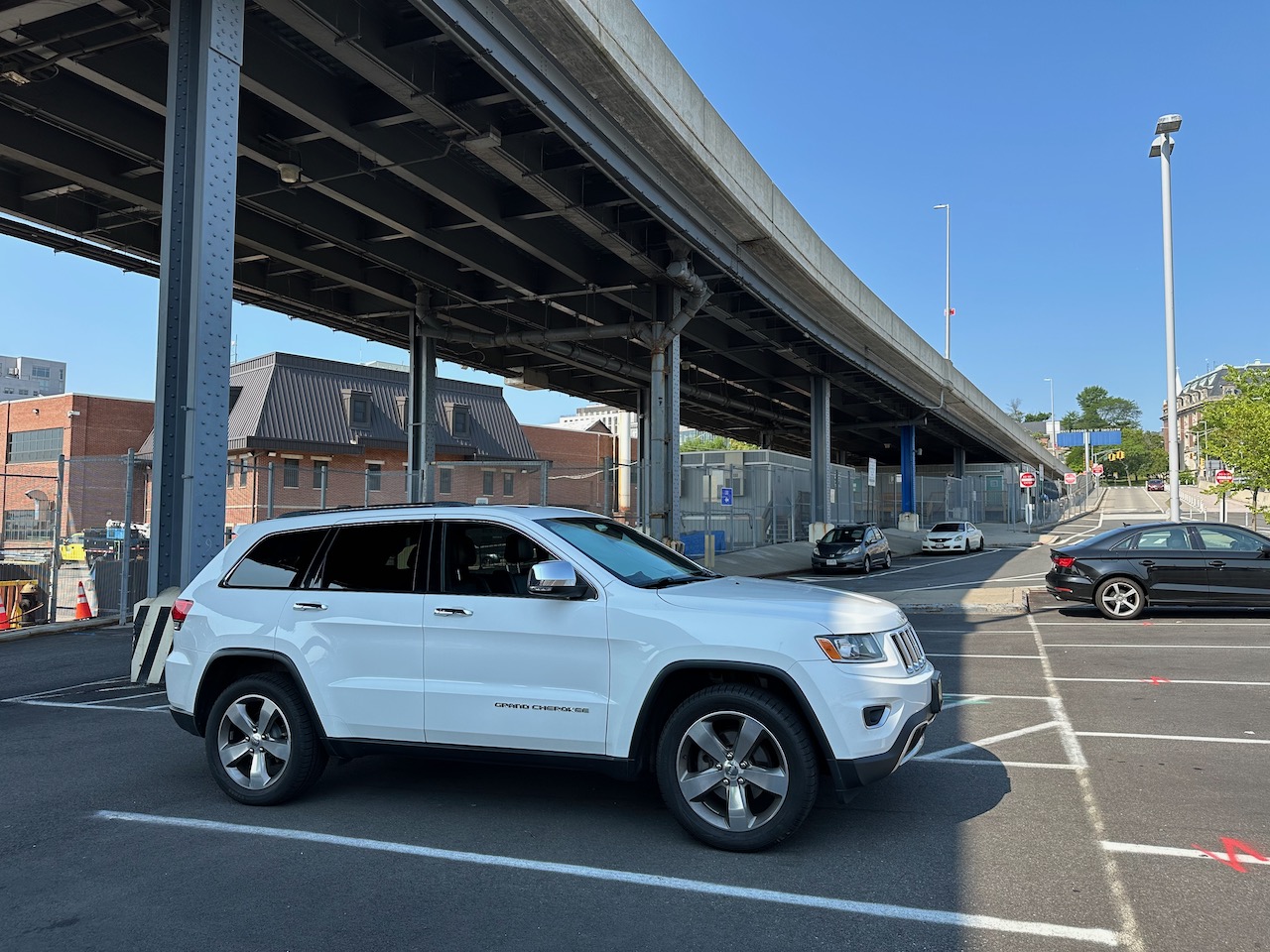
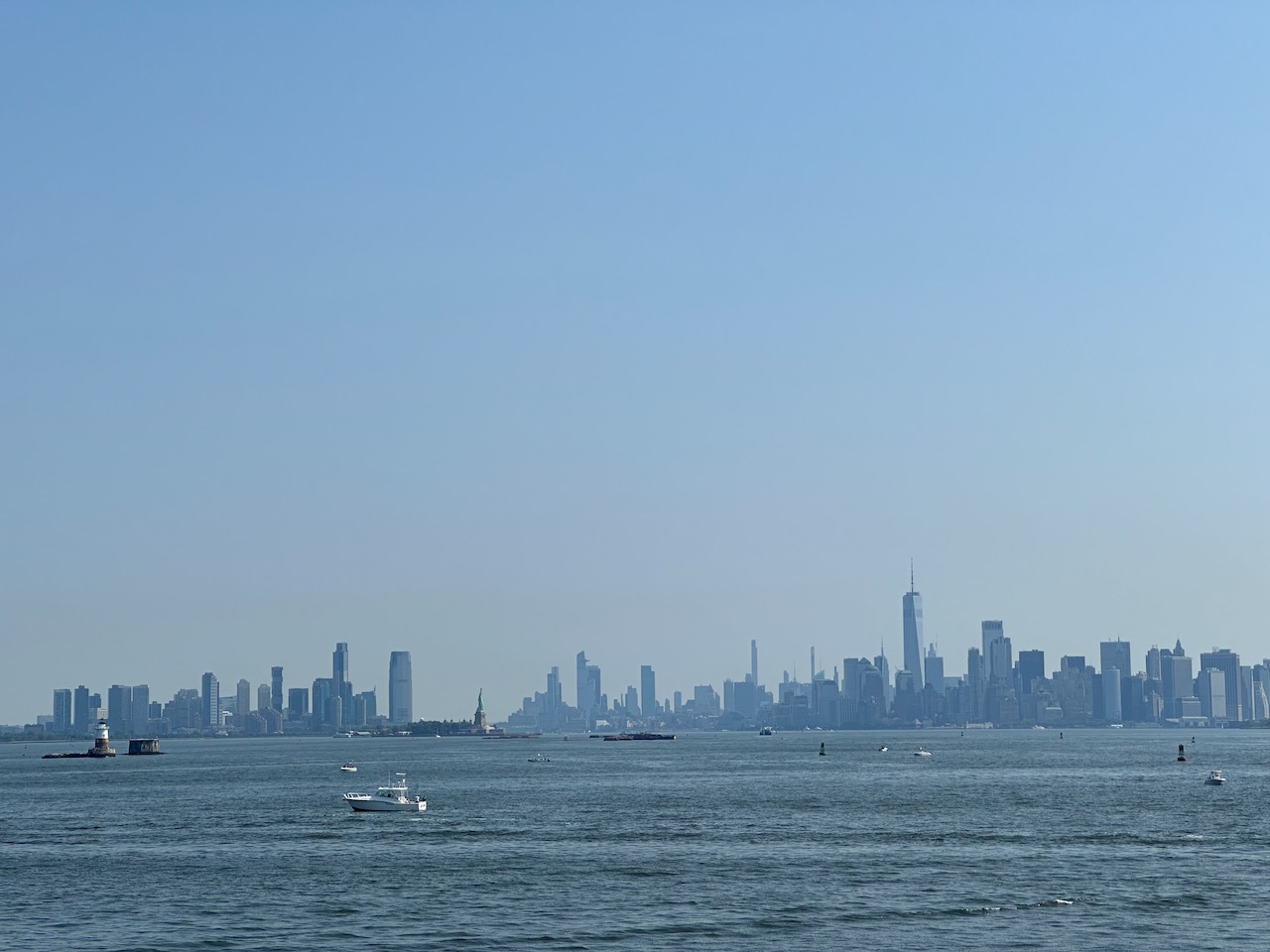
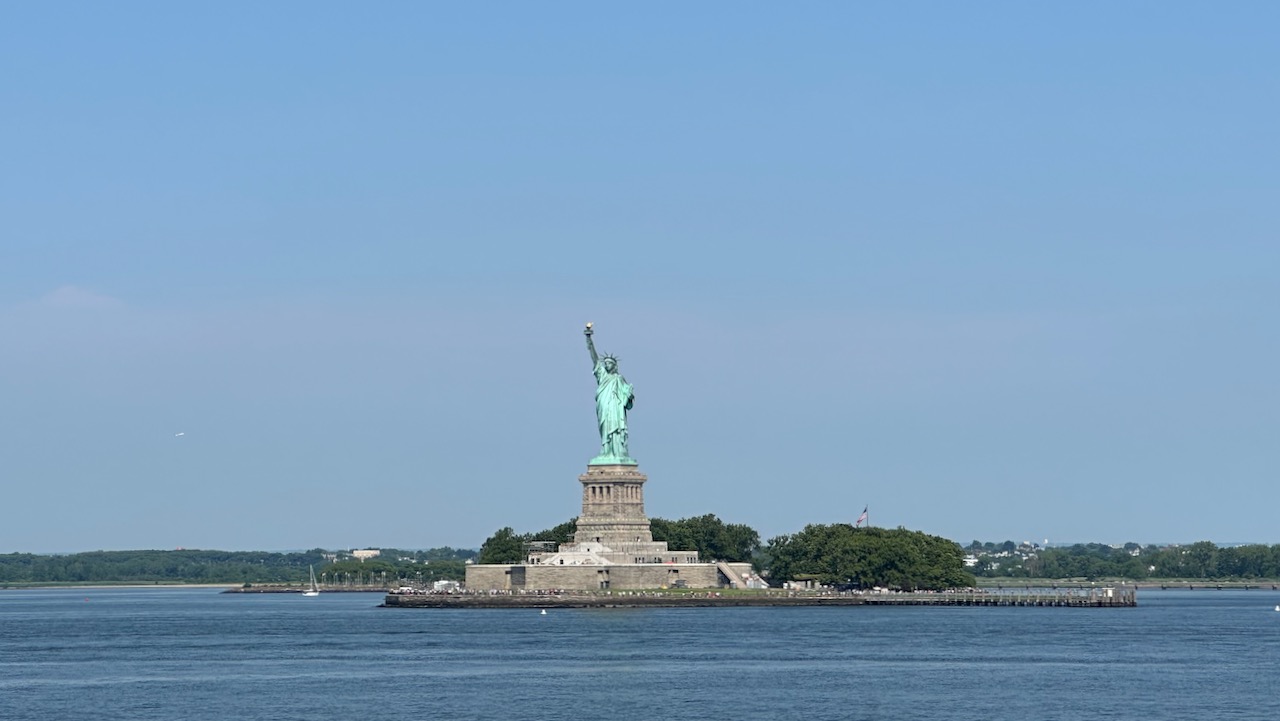
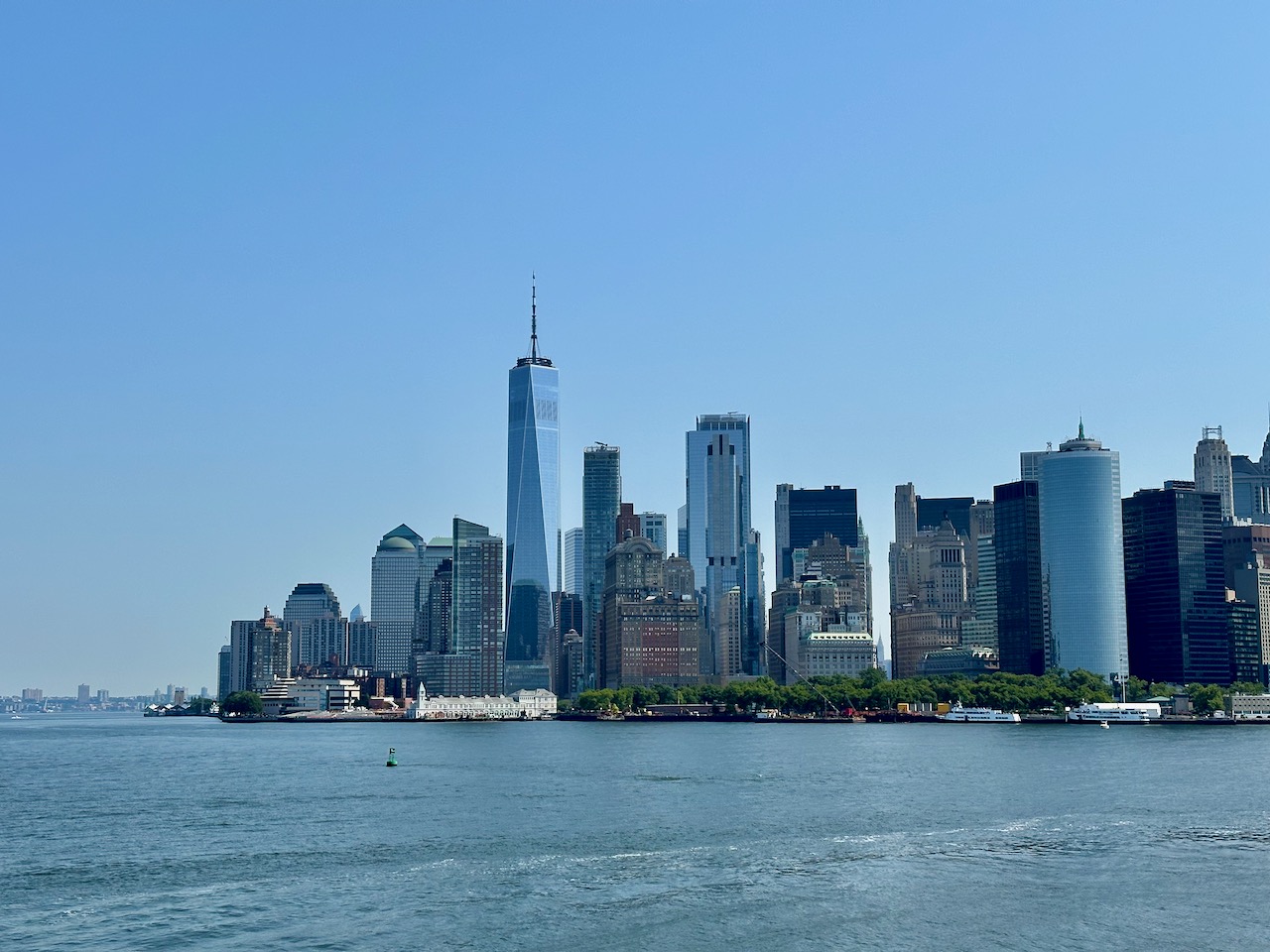
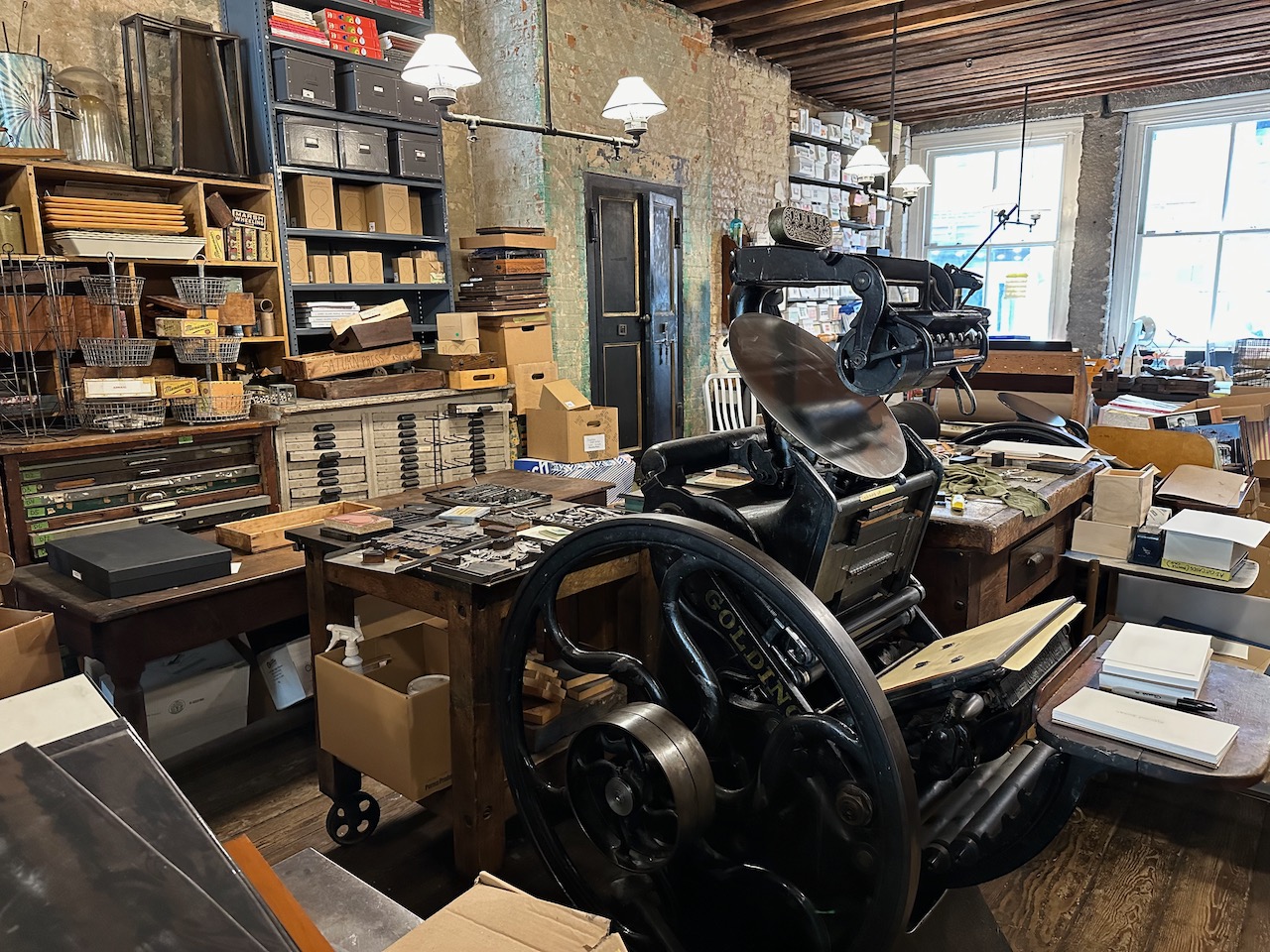
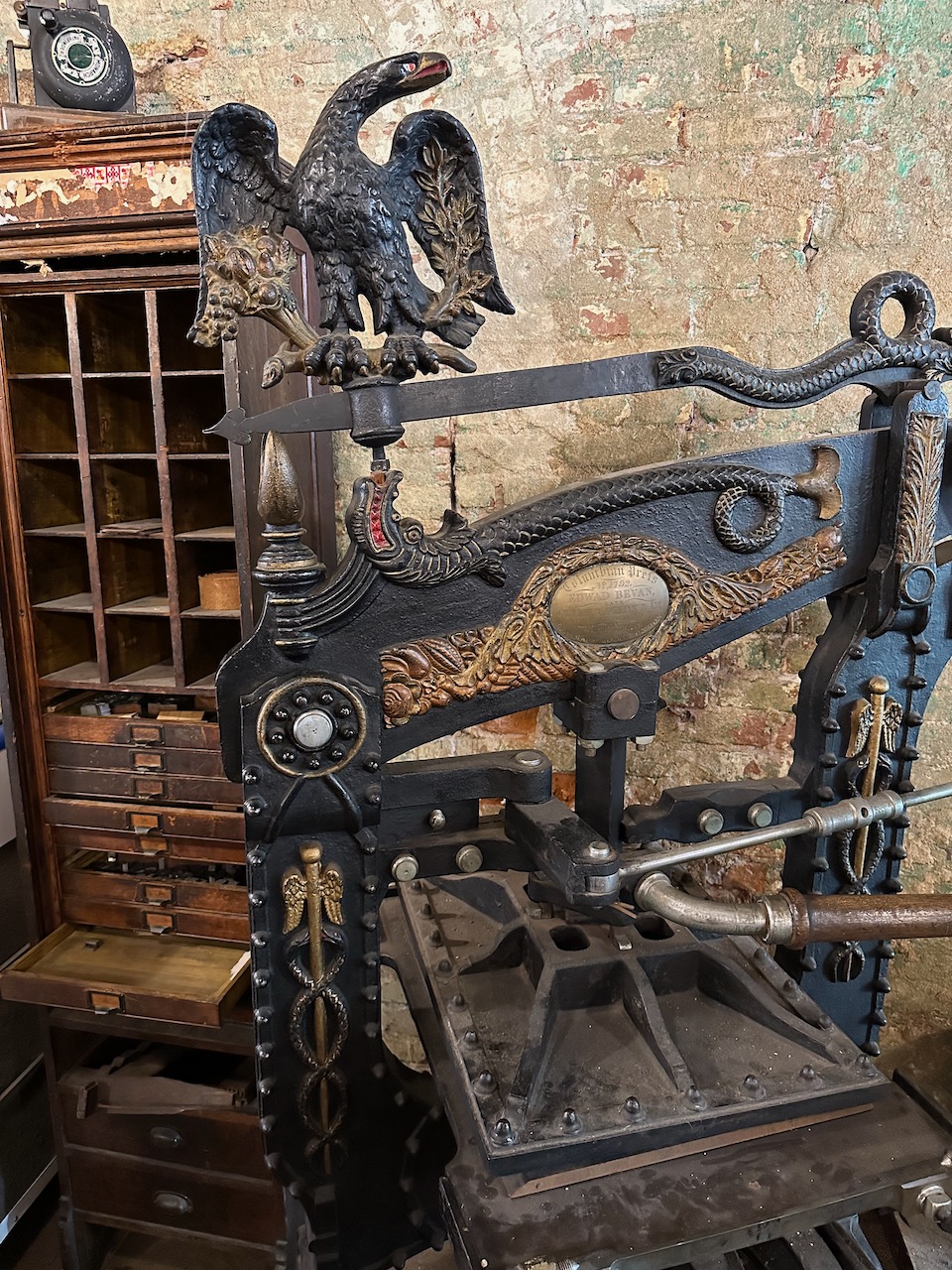
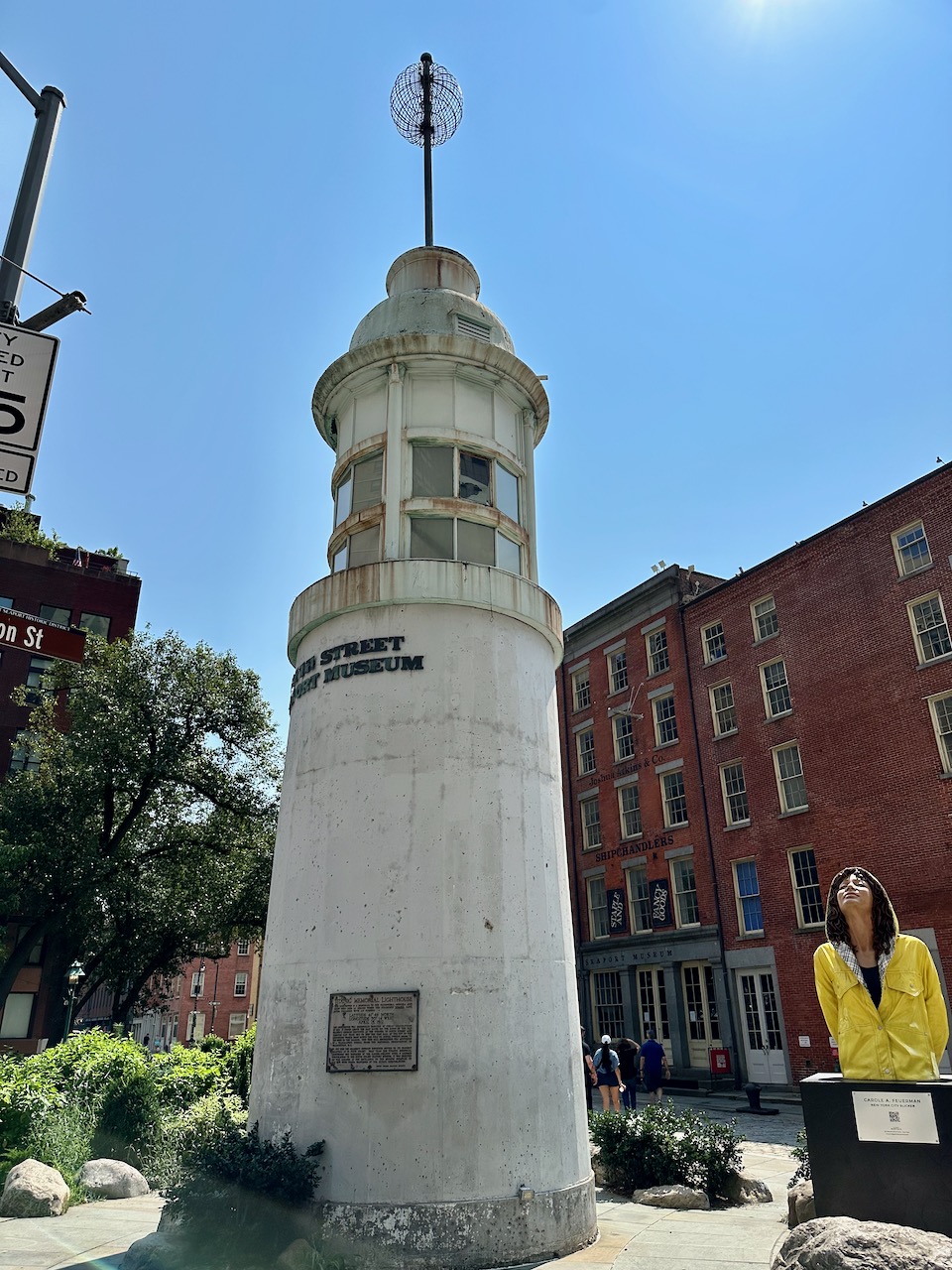
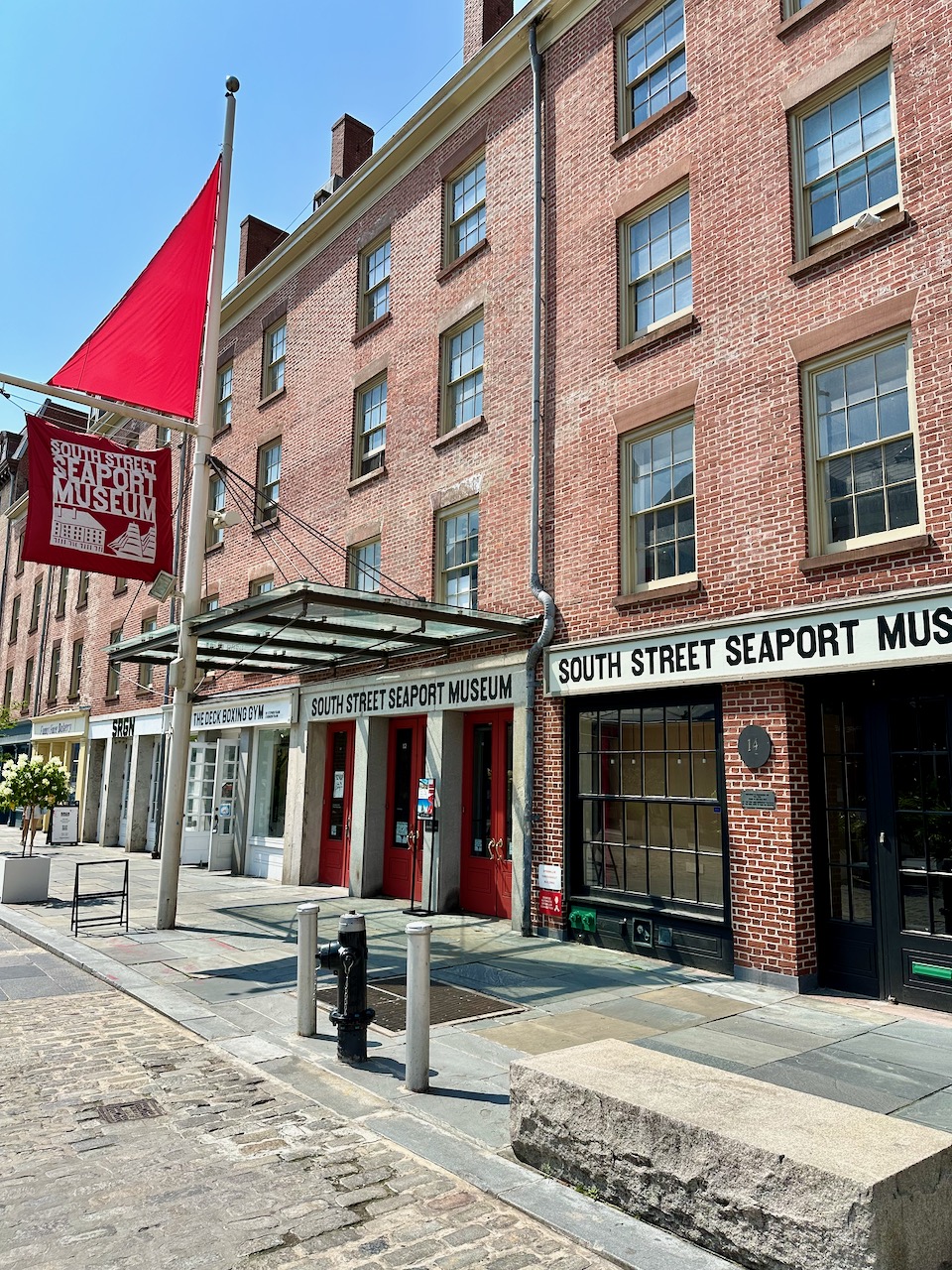
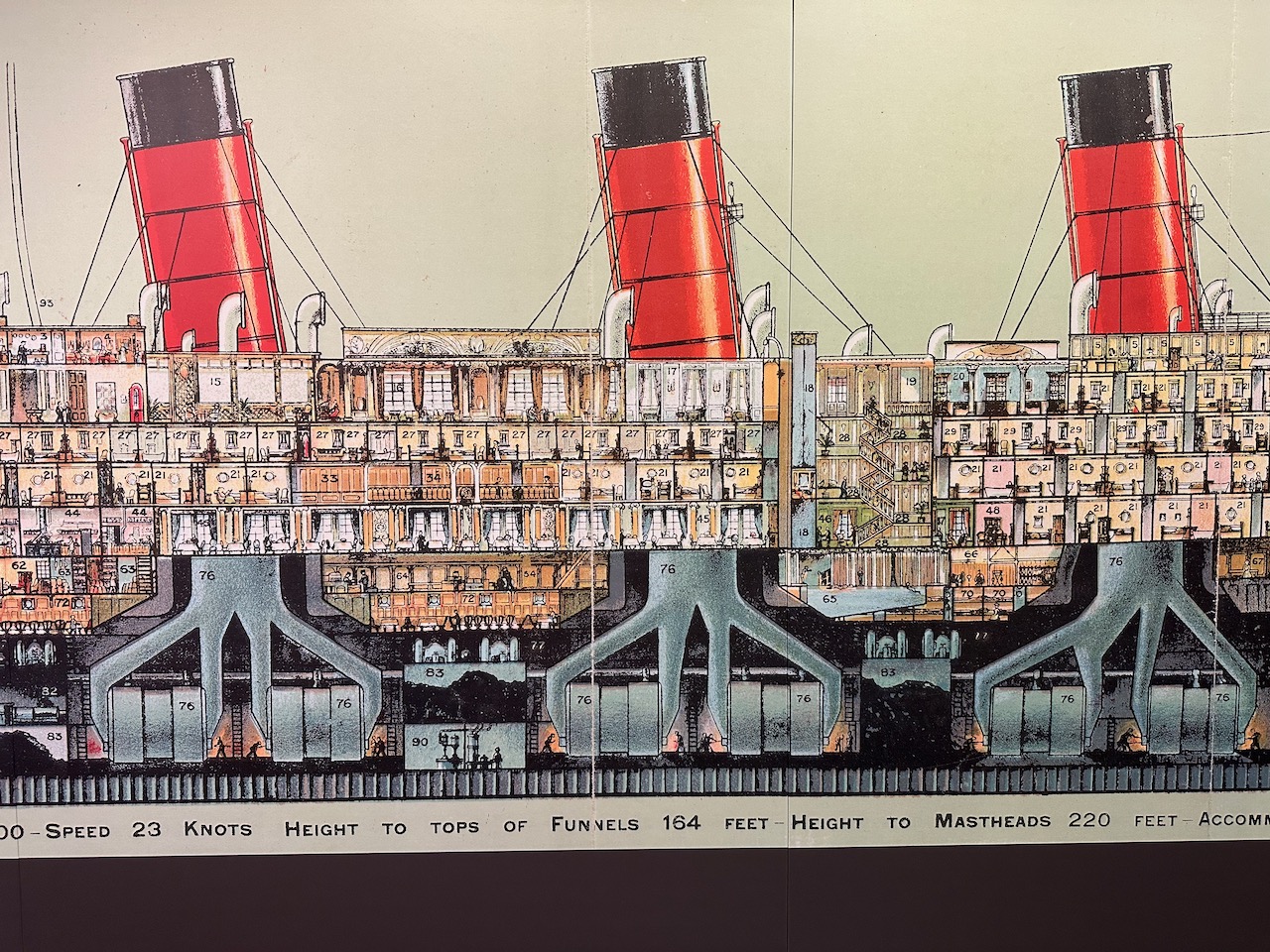
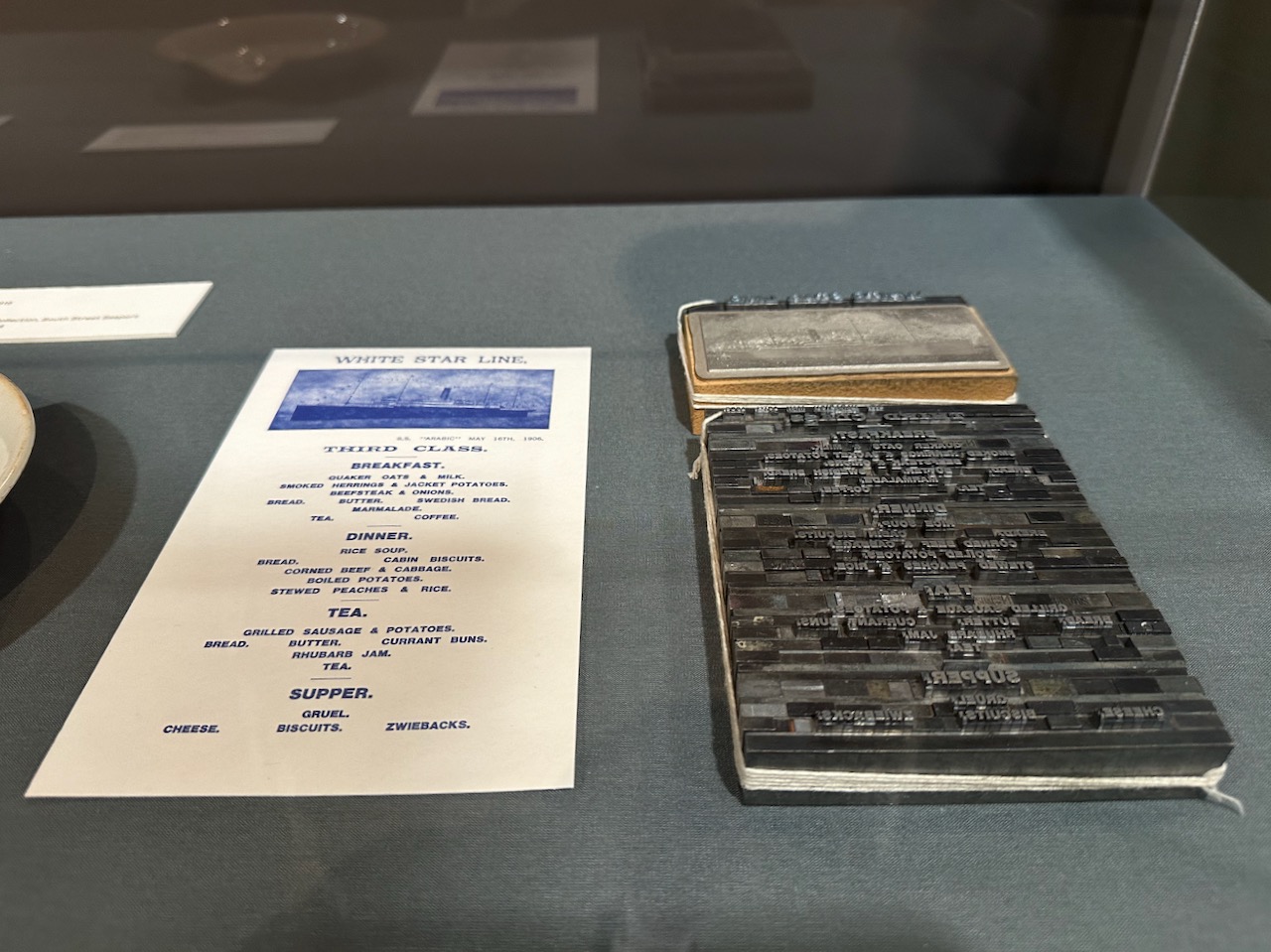
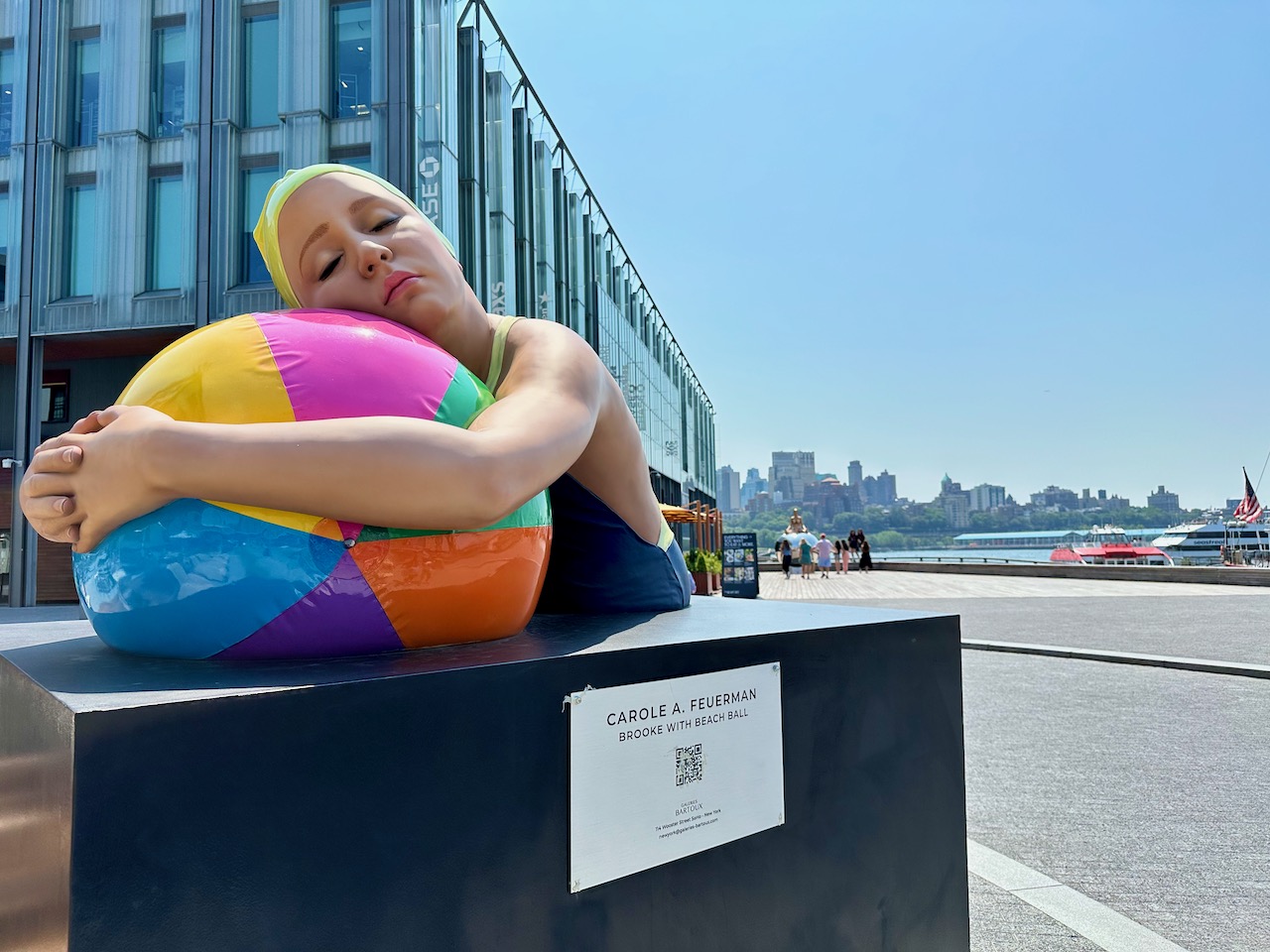
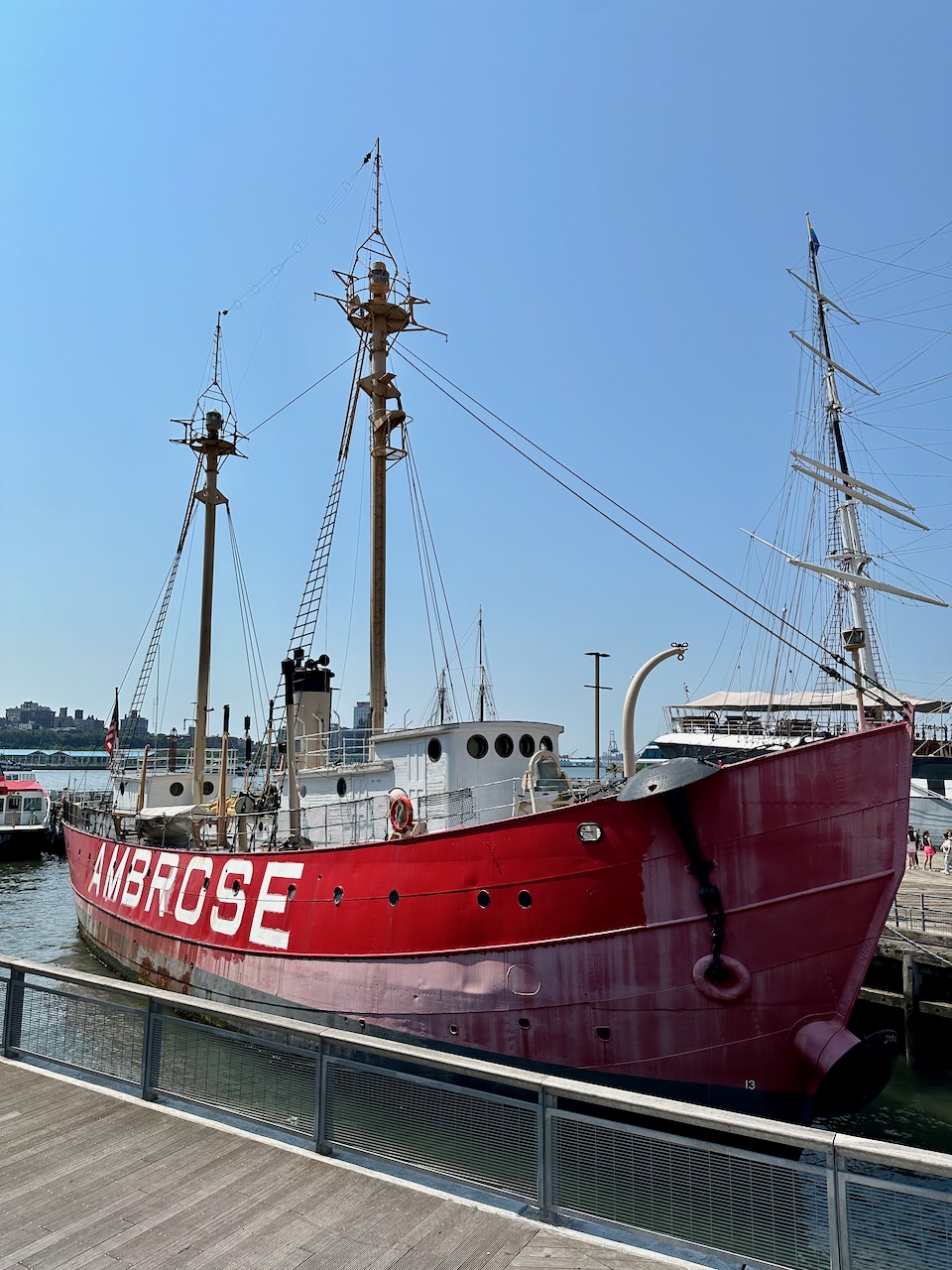
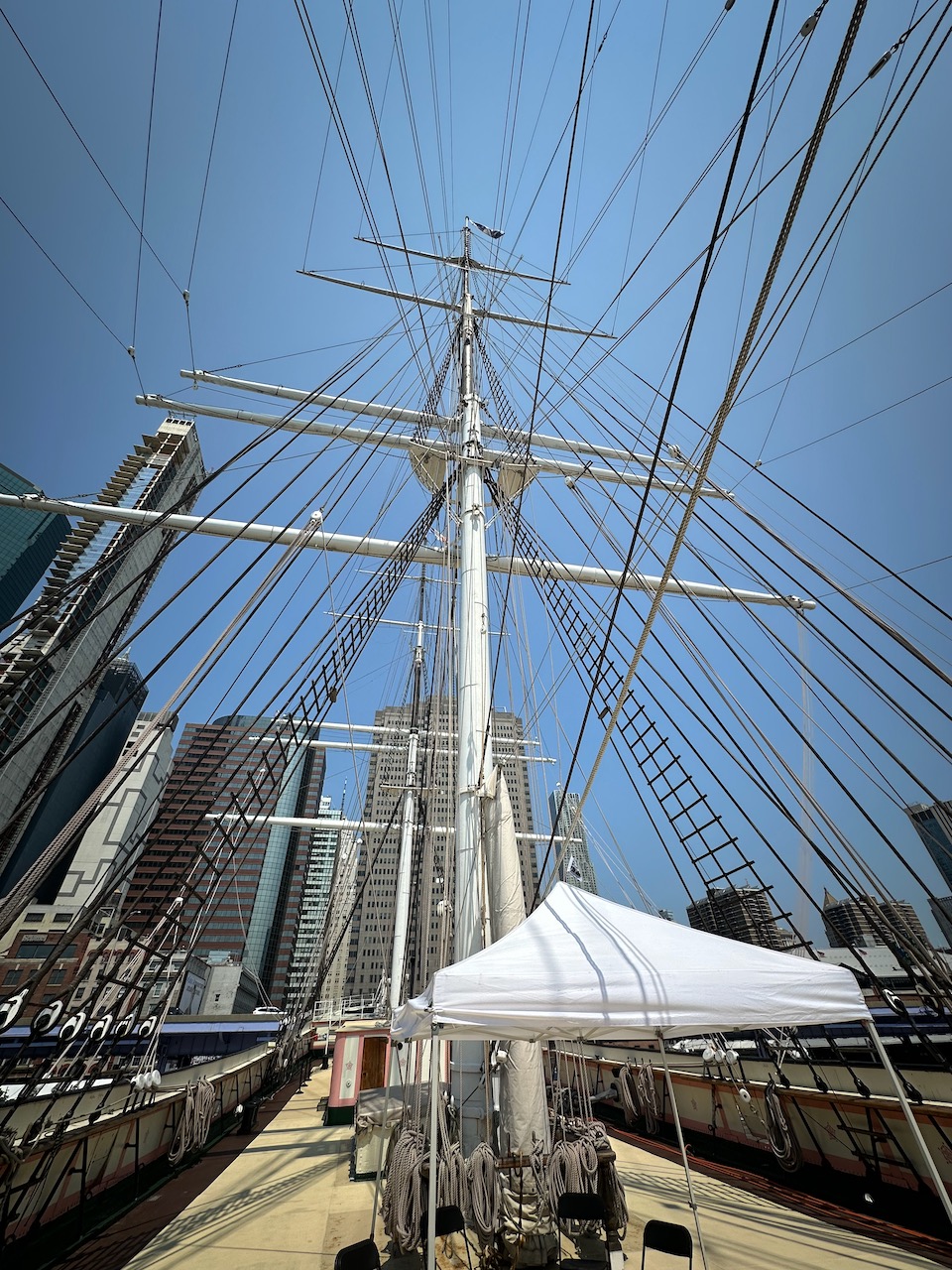
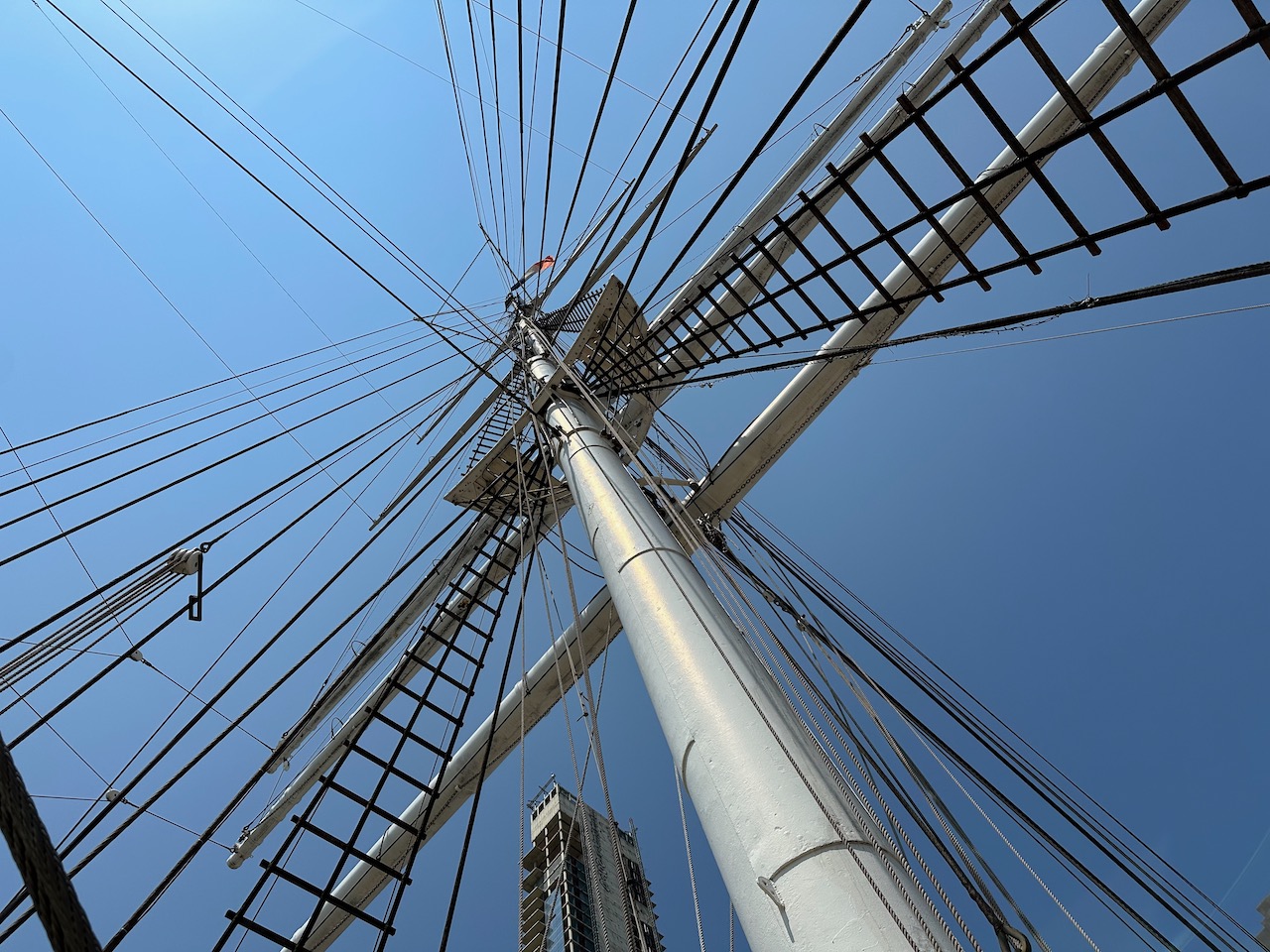
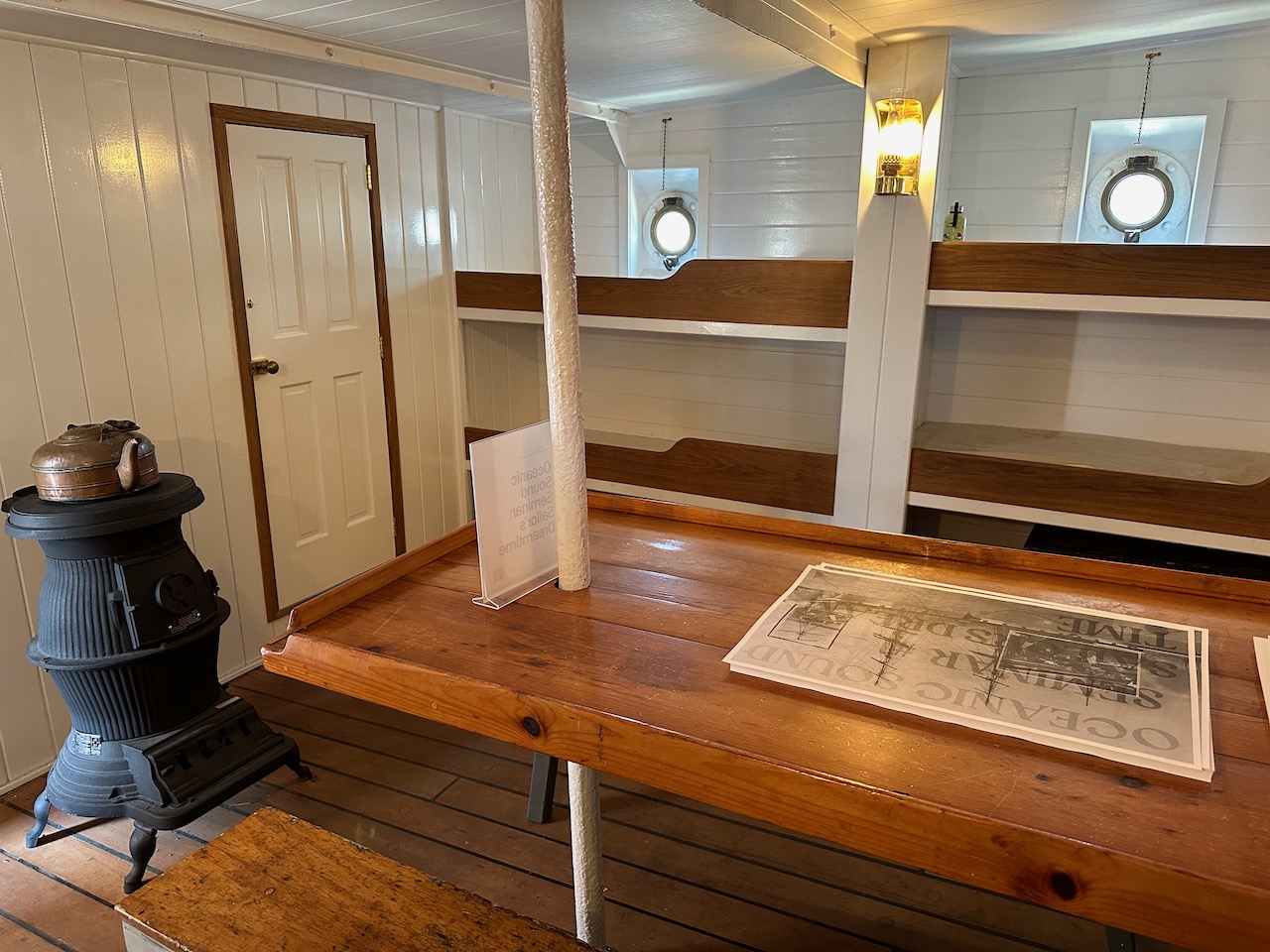
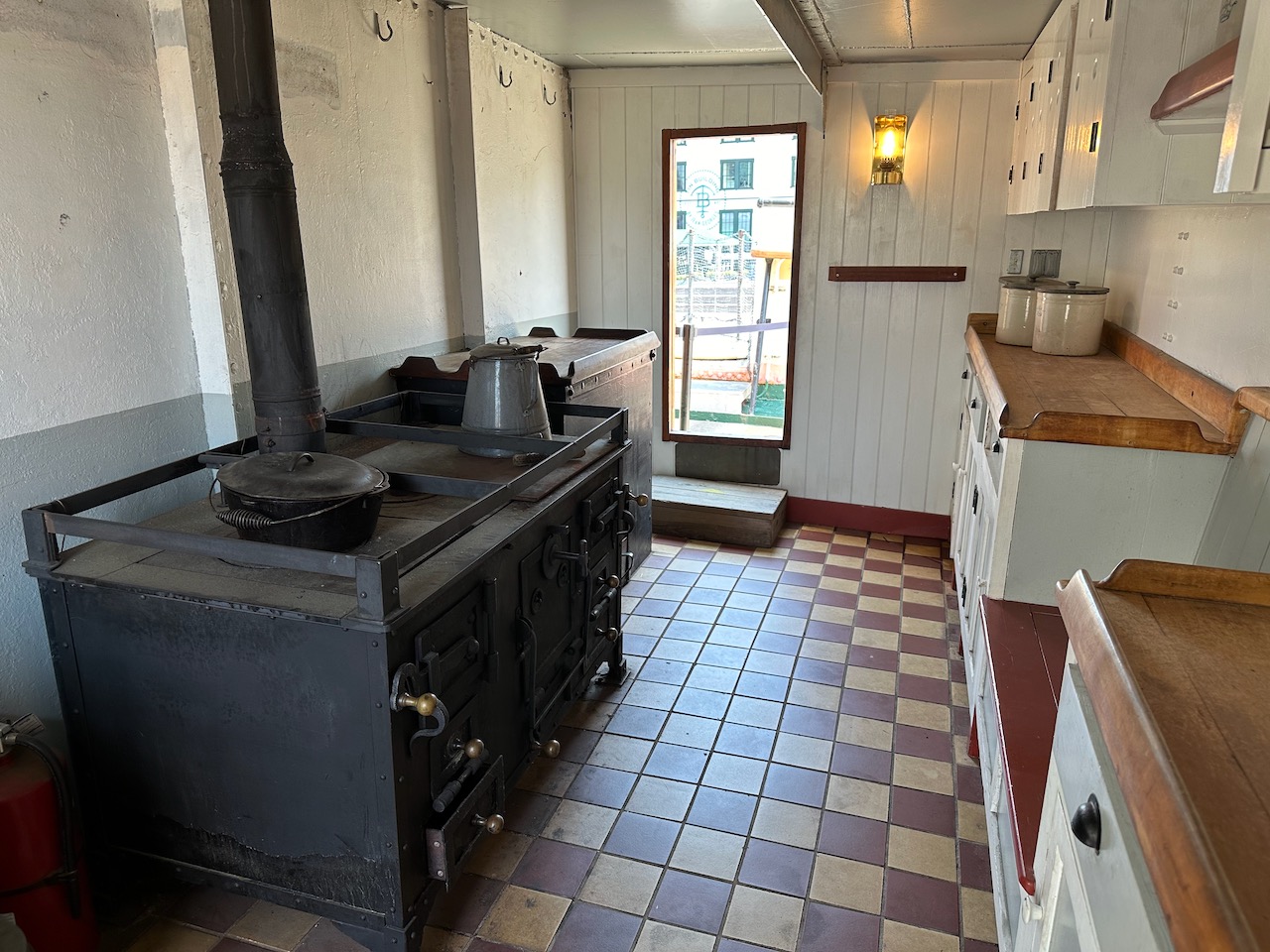
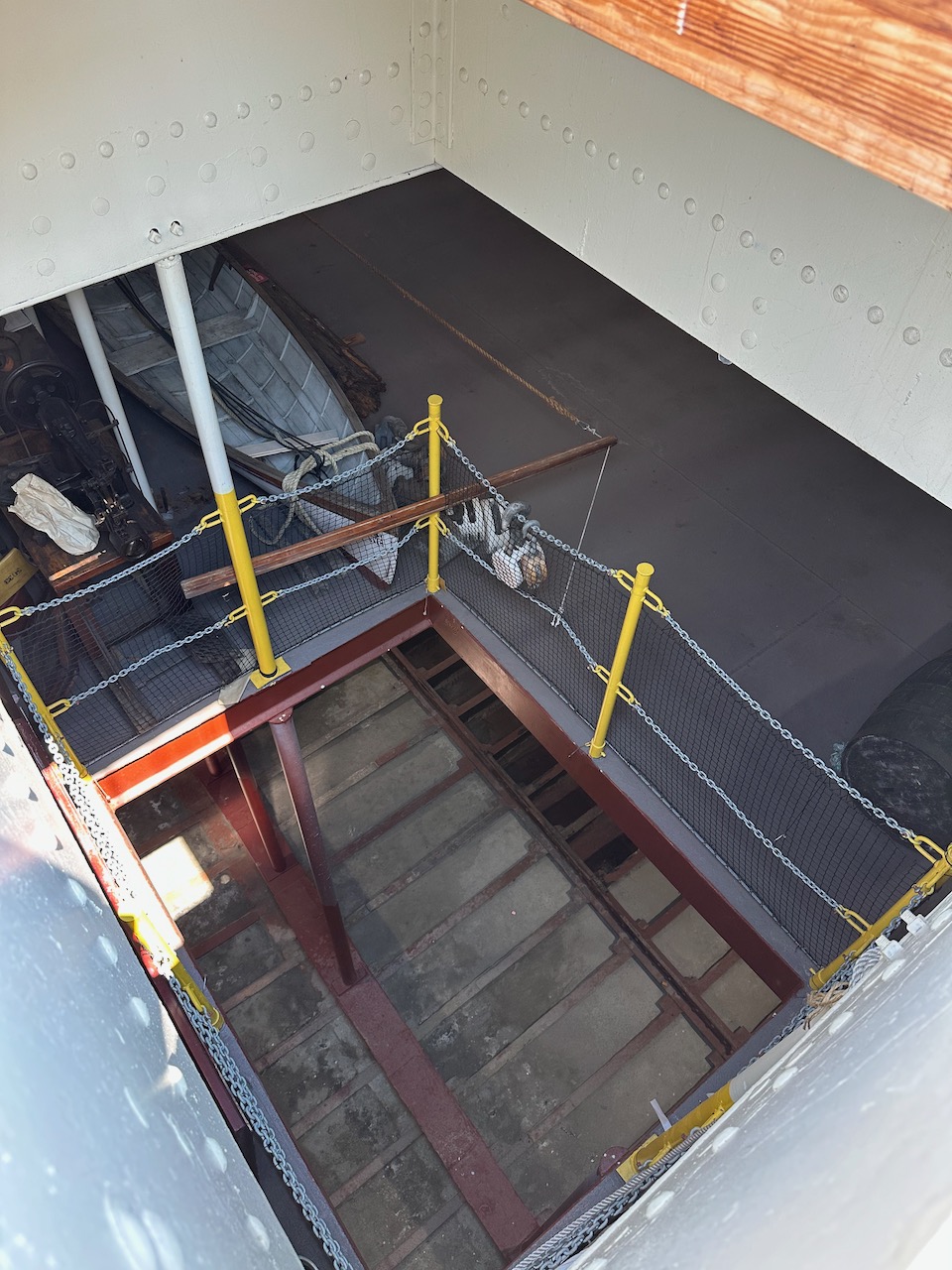
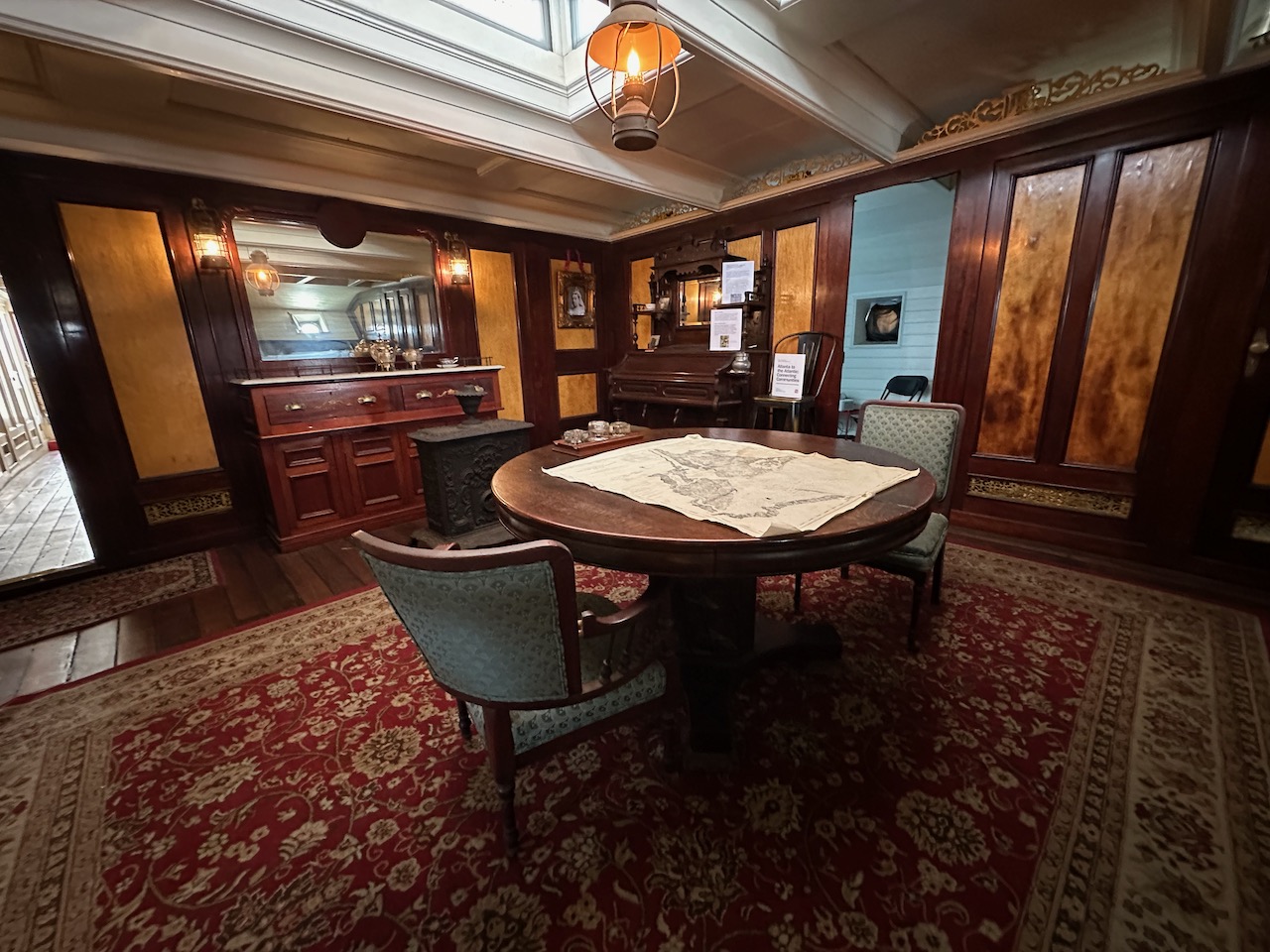
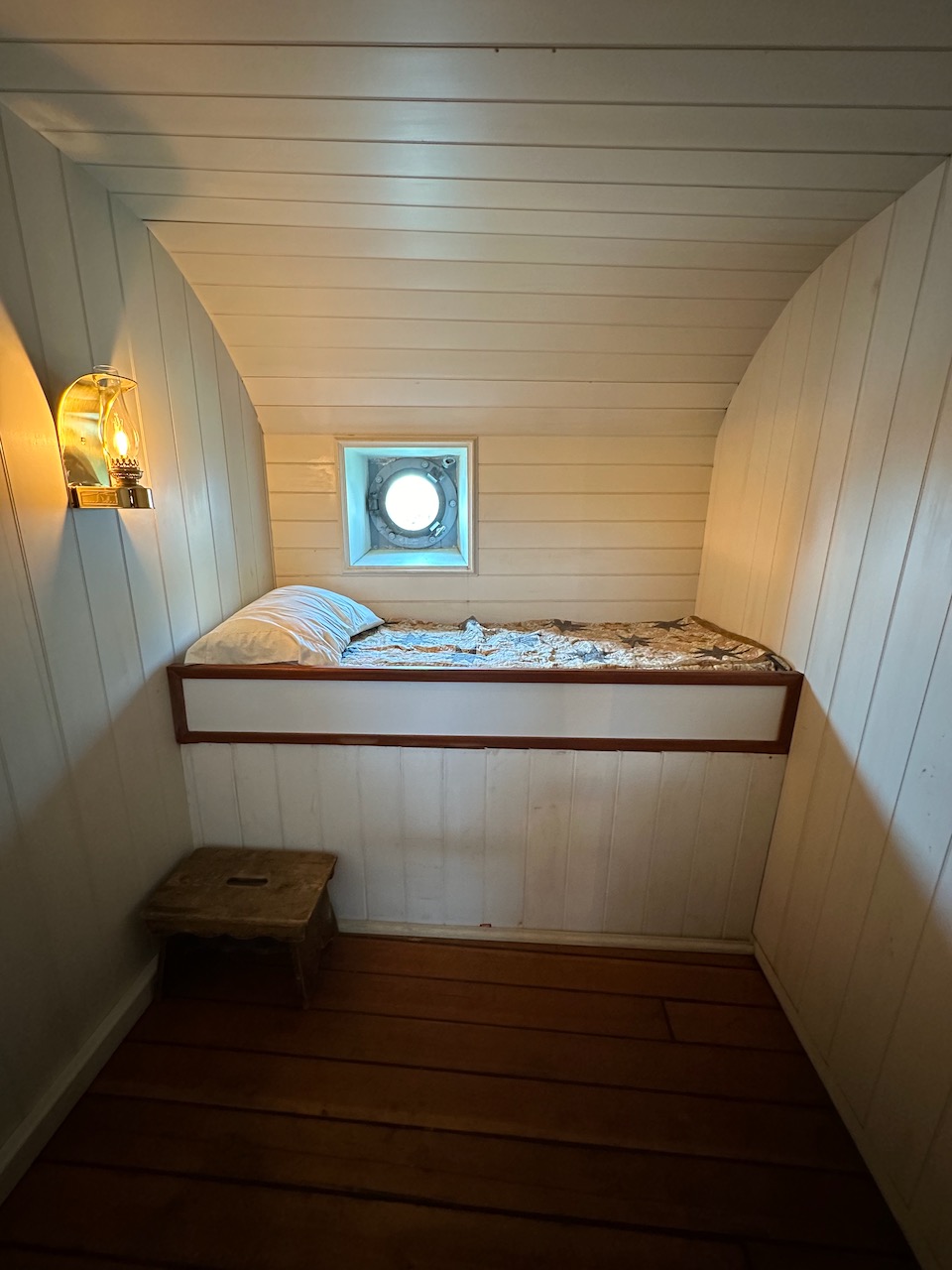
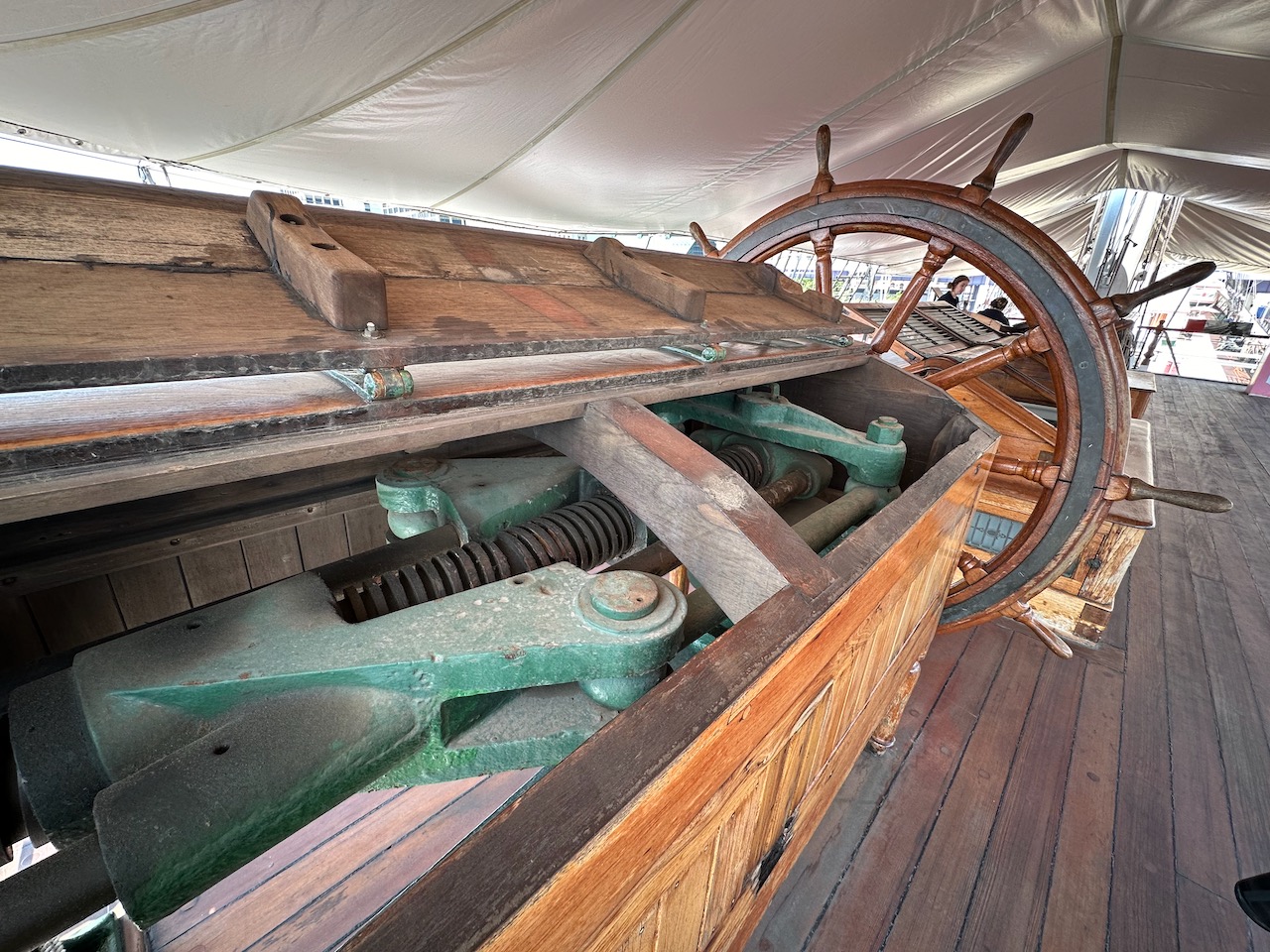
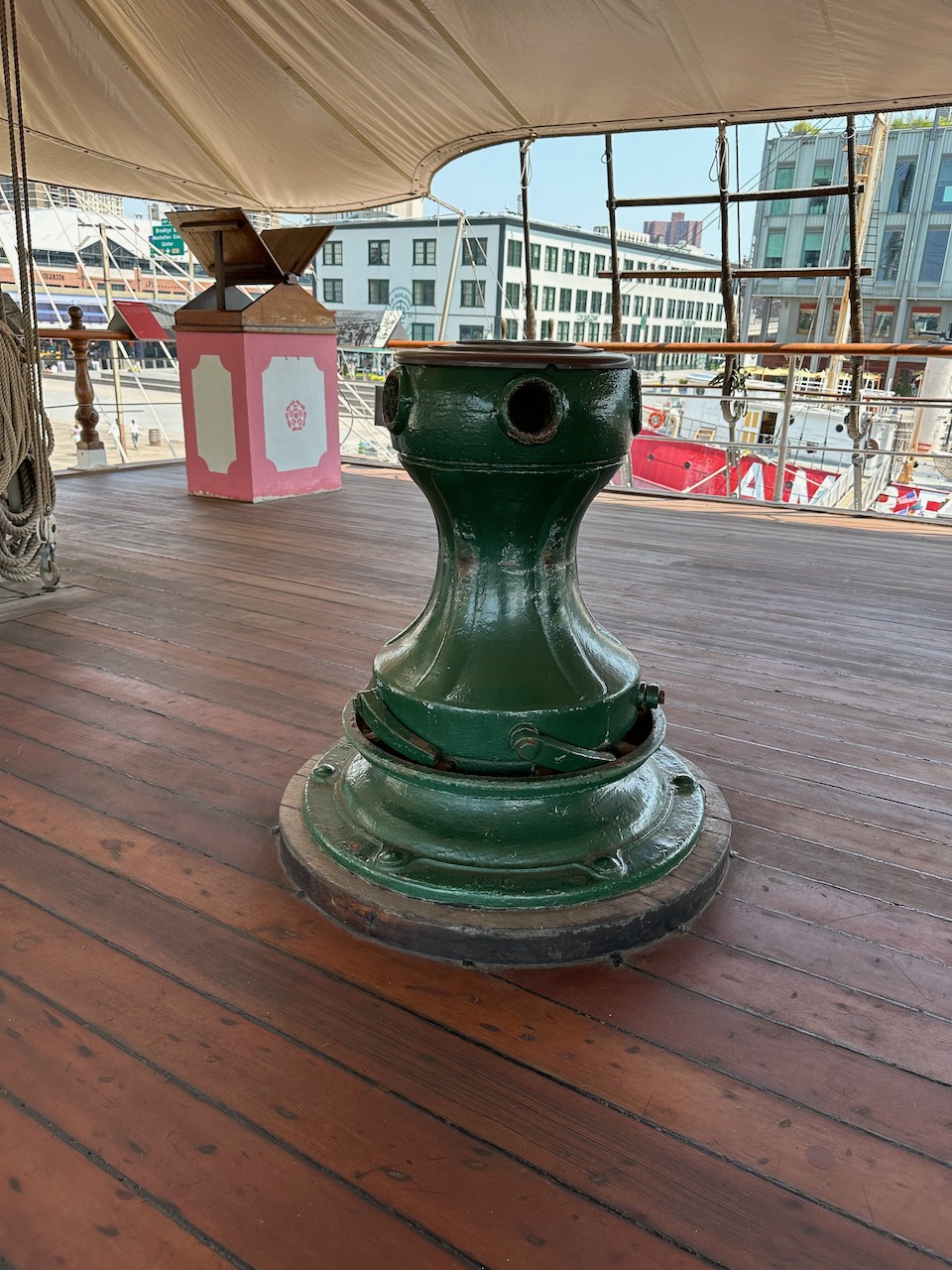
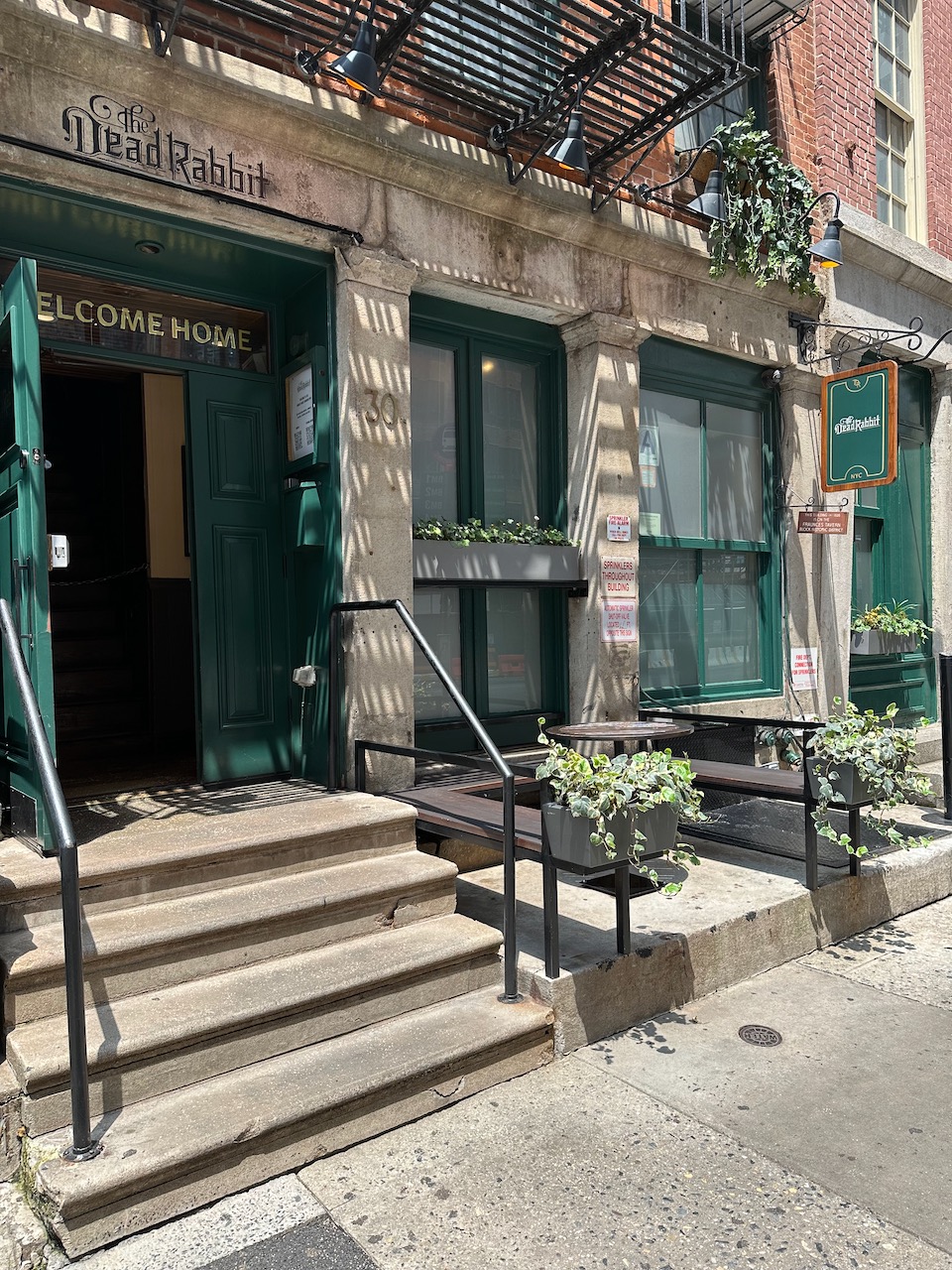
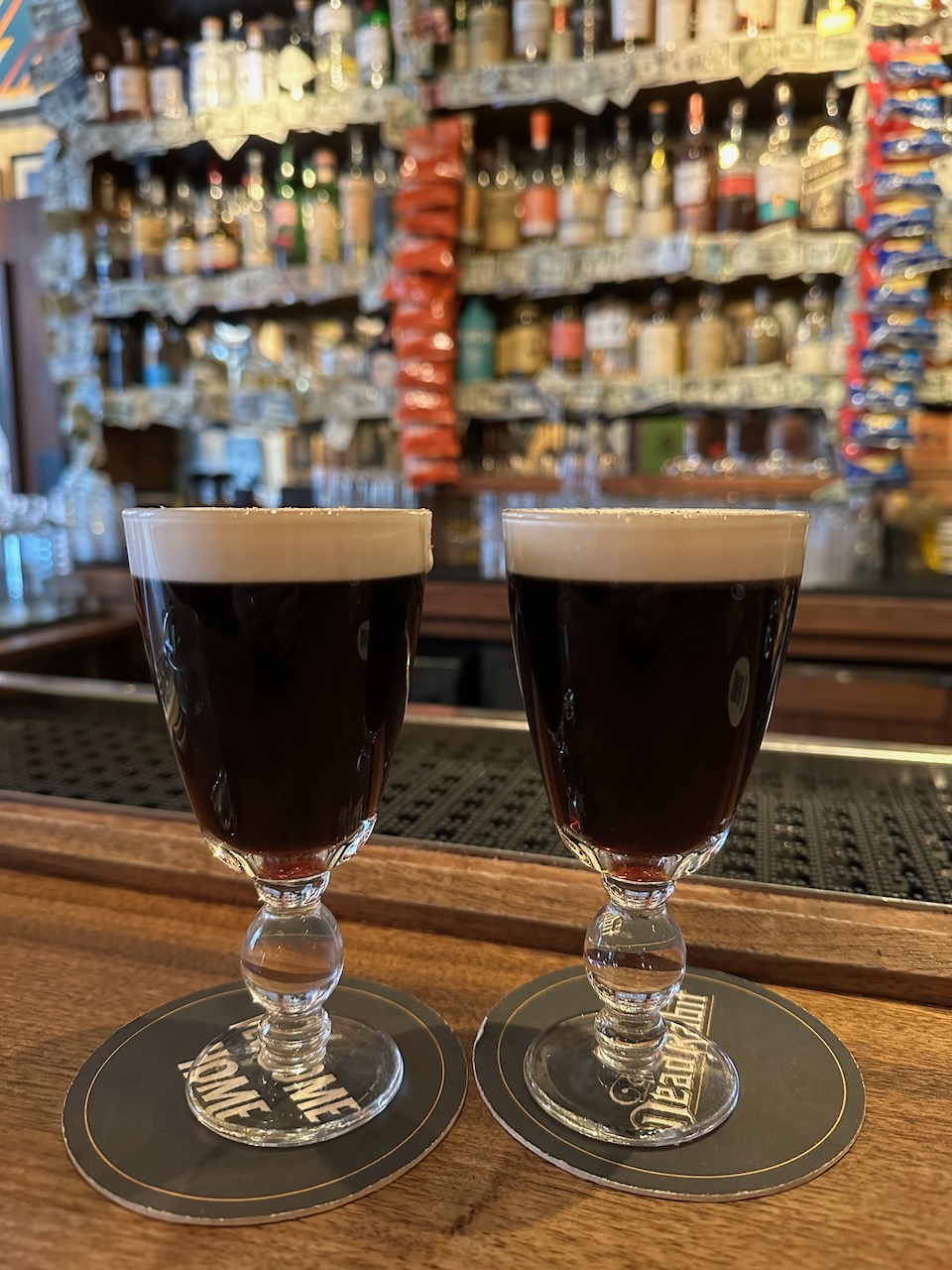
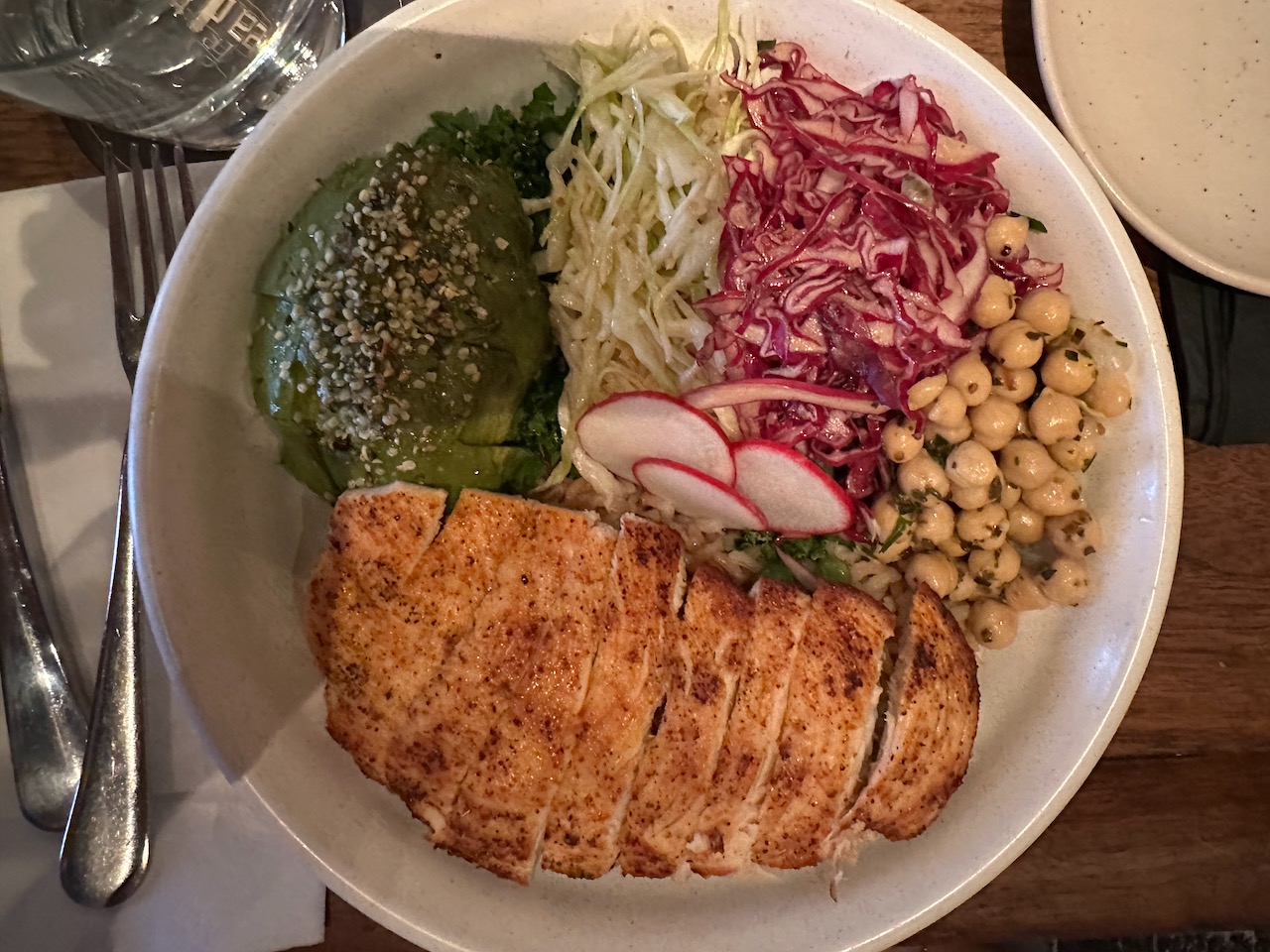
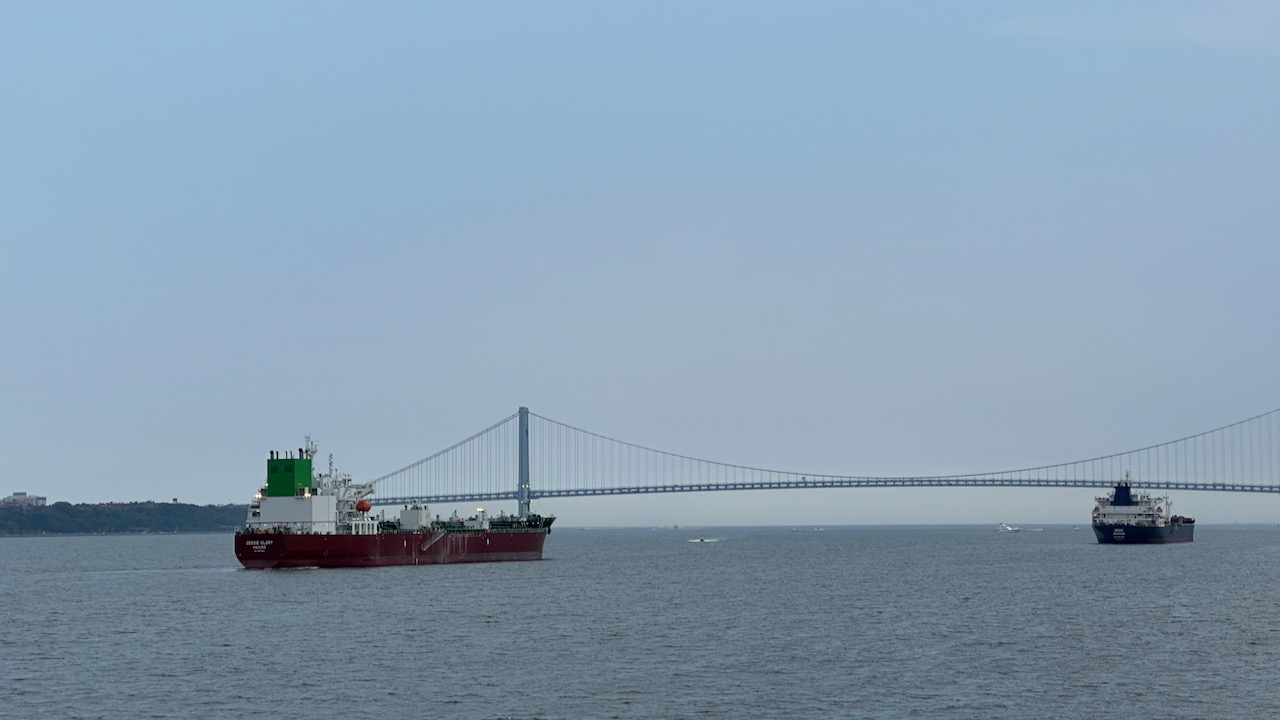
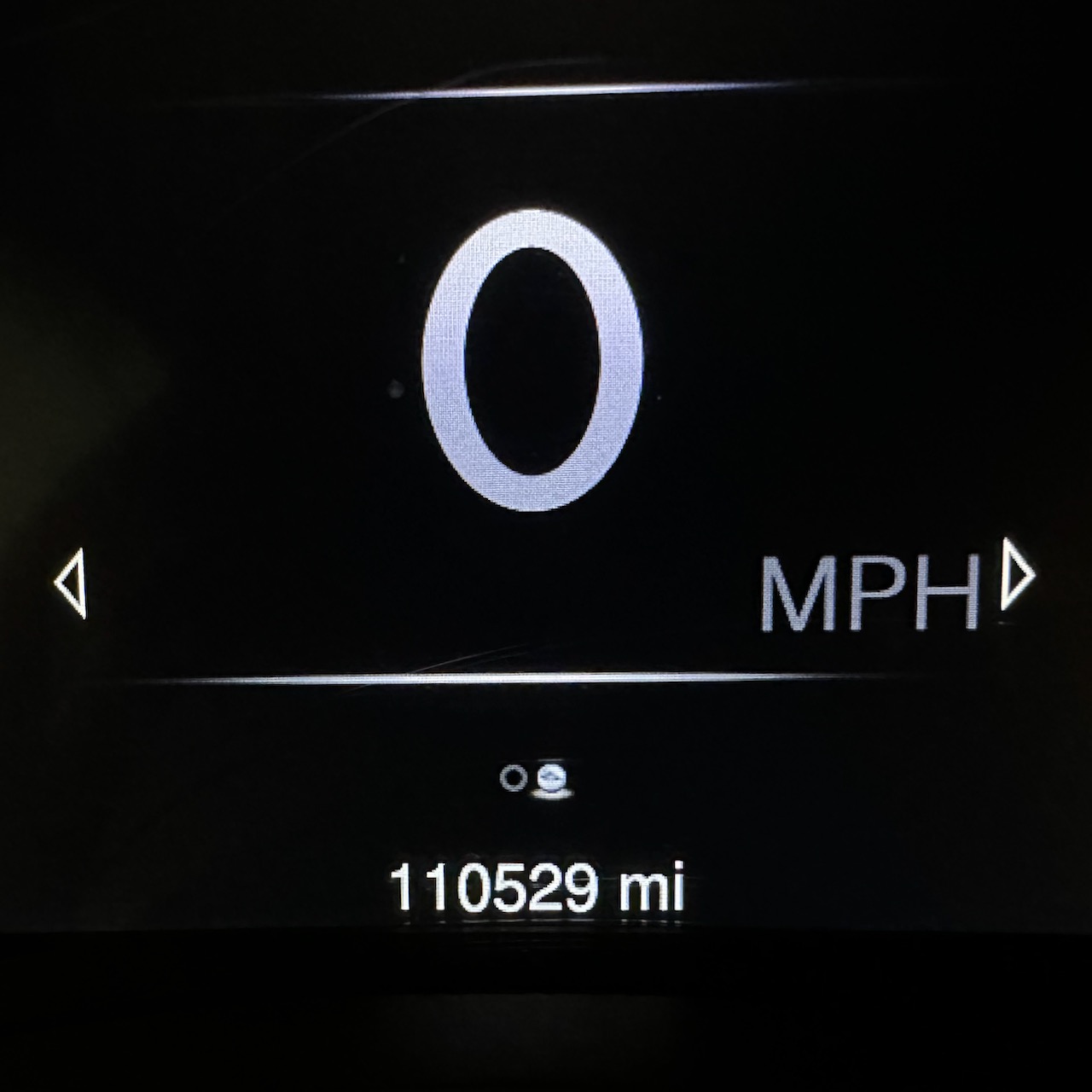
Our destination: the South Street Seaport Historic District, located in the Financial District of Manhattan.We set off mid-morning, trying to reach our destination before the temperatures became unbearable later in the day. Given the crumbling, pothole-strewn roads of Staten Island, we opted to take Grace, our 2014 Jeep Grand Cherokee. Some of the potholes we encountered would have swallowed my Acura whole.Arriving at 9:45 am at the St. George Ferry Terminal in Staten Island, we had our choice of parking spots. The Staten Island Ferry is free to ride every day, and Sundays are free parking days at the terminal. Talk about an affordable trip!Between freighters, cruise ships, military transport vessels, fishing boats, pleasure craft, and jet skis, it was a busy day on the harbor!In addition to the Staten Island Ferry providing free, safe, comfortable transportation to Manhattan, it also offers an unparalleled view… such as this free tour of the Statue of Liberty!I love the sight of Manhattan as the ferry approaches the Whitehall Terminal. Despite the high temperatures ashore, a pleasant breeze on the water made the ferry ride rather comfortable.It was a ten minute walk from the ferry terminal to the South Street Seaport Museum. Rather than one building, the Seaport Museum is a collection of several buildings, statues, and ships. We started our tour at Browne & Co., a 19th century printshop that continues to operate well into the 21st century.Browne & Co. is still in operation, printing items on-demand utilizing 19th century equipment. In addition to commercial printing, visitors can also sign up for printing classes utilizing the vintage presses.Check out the decorative art on this 19th-century printing press. It was built in 1858 in London, and still operates!Across the street from Browne & Co is the Titanic Memorial Lighthouse. Built in 1913 to honor the victims of the RMS Titanic, the lighthouse ceased operation in 1967 and is now part of the Seaport Museum. See the ball at the top of the lighthouse? When in operation, it would drop down at noon every day to signal the time to ships in the harbor.Our next stop was to the galleries of the Seaport Museum.The Seaport Museum gallery is only one level. One of the exhibitions in this small space was on the importance of ocean liners. These grand ships were once the primary transport for visitors and immigrants across the oceans. This is a cutaway of the RMS Aquitania, a 4000-passenger ship that was in operation between 1914-1950.Ocean liners would carry aboard their own printing presses so they could print important documents, such as this menu for third class passengers. Actually, the food looks pretty good!My favorite item in the museum was this ship’s bell from the lightship Relief. This floating lighthouse served off the coast of Rhode Island and New York from 1905- 1960 before being sunk in a collision with a freighter. After soaking in the cooler air of the museum, we were off to our next destination.As we made our way to the waterfront, we passed a series of sculptures. Sea Idylls is an installation by artist Carole A. Feuerman. Brooke With Beach Ball is one of five highly lifelike sculptures on display.One of five ships in the museum’s collection is the Ambrose, a lightship. Built in 1908 in Camden, NJ, this ship was designed to serve as a floating lighthouse, capable of being stationed at locations too deep or geographically unsuitable for a permanent lighthouse. The Ambrose is open for 45-minute guided tours.Instead of touring the Ambrose, we set our sights on a visit to the Wavertree, the last remaining iron-hulled sailing cargo ship in the world. Built in 1885, the Wavertree sailed the Atlantic and Pacific Oceans, survived violent storms off Cape Horn, and has been a museum ship in New York since 1970 (via South Street Seaport Museum).Tours of the Wavertree are self-guided – stay for as long, or as short as you wish. Perfect for a hot, humid day! A word about admission: the entire South Street Seaport Museum is “pay what you wish.” Admission is free, and visitors can donate as much for a ticket as they deem reasonable.Jobs that your humble author would not enjoy: climbing a rope ladder to the top of the mast.The crew quarters were… spartan. Up to twenty seamen lived in this small bunkhouse toward the front of the ship. Positioned on the top deck, the bunkhouse was exposed to the elements – wind and seawater entered with alarming regularity when the ship was at sea.Directly aft of the bunkhouse is the galley, responsible for preparing the meals that fed the ship’s crew and officers. I’m trying to imagine preparing food for 25-30 sailors while the ship pitches and rolls in heavy seas.The purpose of the Wavertree was to transport goods around the world, and we were able to peer down into its massive cargo hold. The ship began by transporting jute (used in the making of rope), but later in her career would transport any good that could fill her holds (via South Street Seaport Museum).What luxury that exists on the Wavertree is reserved for one person: the captain. The saloon was the captain’s quarters and office. In this room, he would meet with trade representatives, the ship’s owners, merchants, and creditors.The hallmark of the captain’s quarters: privacy. He alone had the only solitary bunk aboard.The poop deck (from the French “la poupe,” which means “stern”) is an elevated deck at the rear of the ship where the captain and his mates would command. The museum staff had the cover removed from behind the ship’s wheel, allowing us to see the mechanical linkage that ultimately connects the wheel with the ship’s rudder.Also on the poop deck is the capstan – this device acted as a giant winch to help the crew haul in ropes. Despite the heat, we enjoyed our tour of the Wavertree – signage was excellent, and the museum staff were ready and willing to answer our questions. After taking one last stroll around the ship, it was time to walk a few blocks to lunch!Our lunch destination was to one of my favorite places in lower Manhattan: The Dead Rabbit. An Irish pub that was established in 2013, it is housed in a building that dates back to 1828.The Dead Rabbit’s signature drink is its Irish Coffee – made from Teeling whiskey, coffee, Demerara, freshly whipped cream, and nutmeg, it is one of my favorite mixed drinks. The menu also features a highly rated non-alcoholic version of this drink.While I devoured a “Classic Burger” (perhaps one of my favorite burgers anywhere), my wife had the brown rice and chickpea salad with roasted chicken. She let me have a few bites – it was really good! Fueled up and happy, we made our way back to the ferry terminal after lunch.As we made our way back to Staten Island, the skies darkened as strong thunderstorms moved through the area. Moments after I took this photo, a large crack of lightning flashed in the distance. After docking, we managed to make it to our car before the skies opened up.About an hour after docking, we were back in our driveway at home. We ended up driving at a snail’s pace through some wicked weather on the NJ Turnpike, but Grace remained unperturbed by the elements, transporting us in safety and comfort. 111,000 miles is fast approaching – onward!
Wrapping Up
We had a lovely, if toasty, Sunday in New York City. The South Street Seaport Museum is worth a visit if you’re in Lower Manhattan. The museum is open Wednesday through Sunday from 11:00 am – 5:00 pm. Tickets are “pay what you wish,” creating an easily accessible museum experience. The Staten Island Ferry is a great, completely free way to tour New York Harbor, and is a nice way to beat the heat on a hot afternoon!
Thanks for coming along on another journey down the open road ahead.




 The Open Road Ahead