“Over there, over there, send the word, send the word, over there… that the Yanks are coming, the Yanks are coming…”
-Over There, George M. Cohan
Over the past eight-and-a-half years, American military history has comprised a not-insignificant percentage of the subjects of this blog. From walking the route that the British took as they retreated from Lexington and Concord, to standing within a Civil War-era submarine, to strolling the flight deck of an aircraft carrier, much of this blog’s focus has involved the stories of the men and women who gave service to our nation.
My interest is a family affair – both of my grandfathers served in World War II. My mom’s dad fought with the US Army in Europe in the struggle to defeat the evils of Nazi Germany. My dad’s dad served as a mechanic for the Army Air Force in the Pacific Theater, keeping American fighters and bombers airworthy to continue the battle against Imperial Japan. Growing up with their stories of military service instilled in me a deep and abiding respect for our service personnel, and also a fascination with the equipment those soldiers, sailors, and pilots have used in the line of duty.
Recently, my Dad discovered a military museum on Long Island, New York, dedicated to the history of American tanks and armored vehicles. His email included a strong hint that I should visit the museum and report back. On a sunny, if chilly, Saturday morning in mid-December, I threw my camera gear into my car’s trunk and set off for the town of Bethpage.
Let’s begin:
The Museum of American Armor
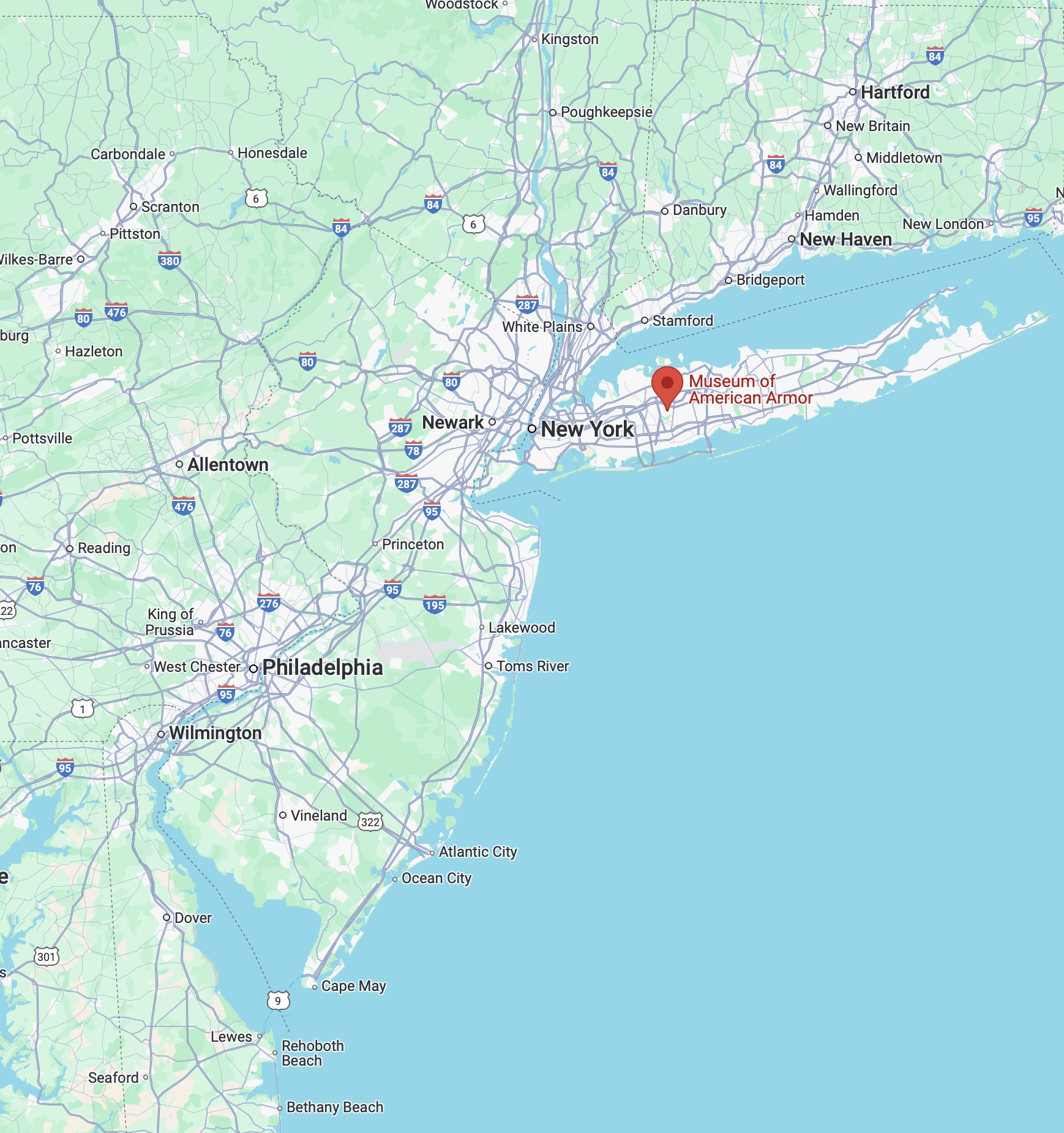
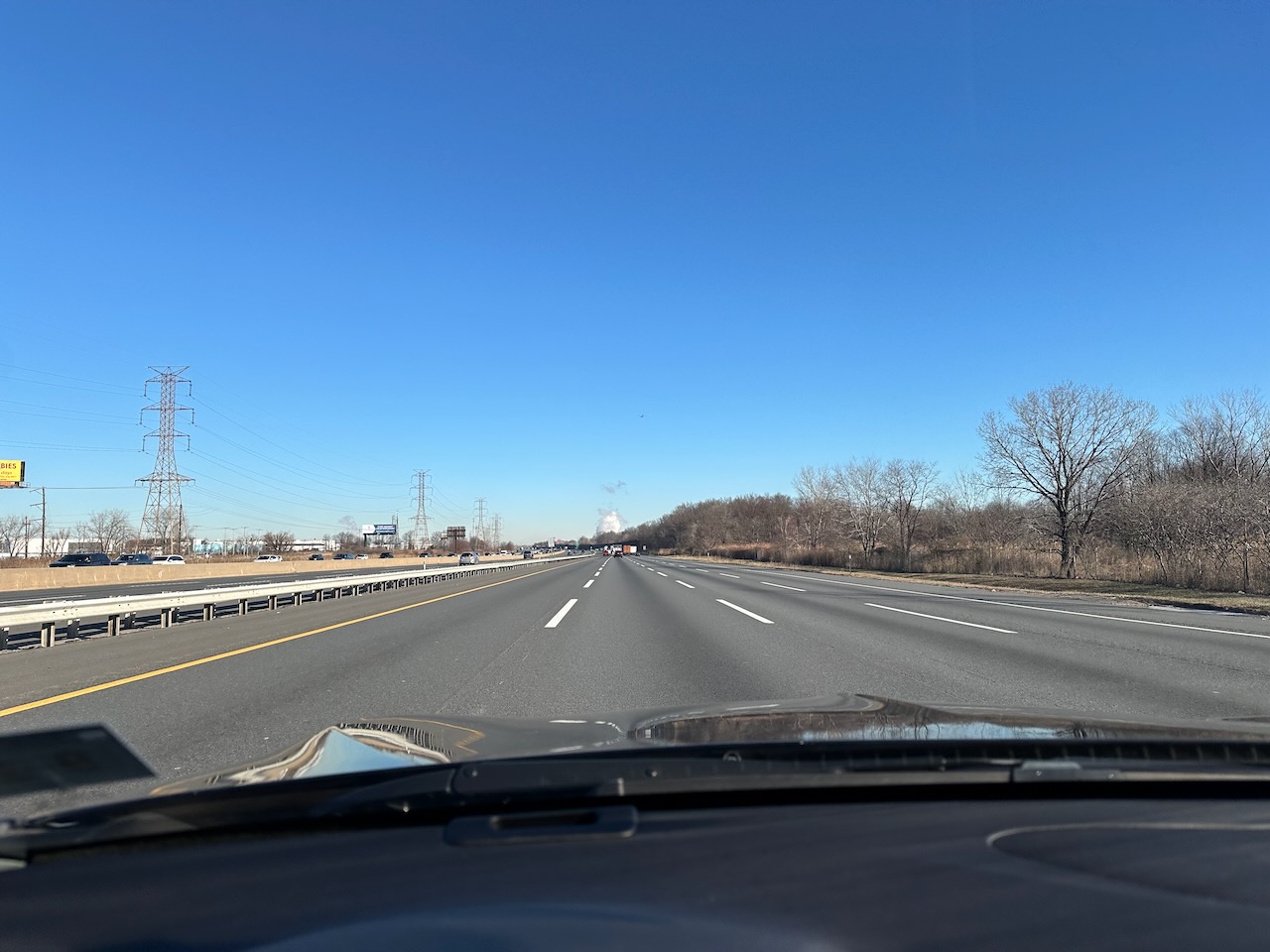
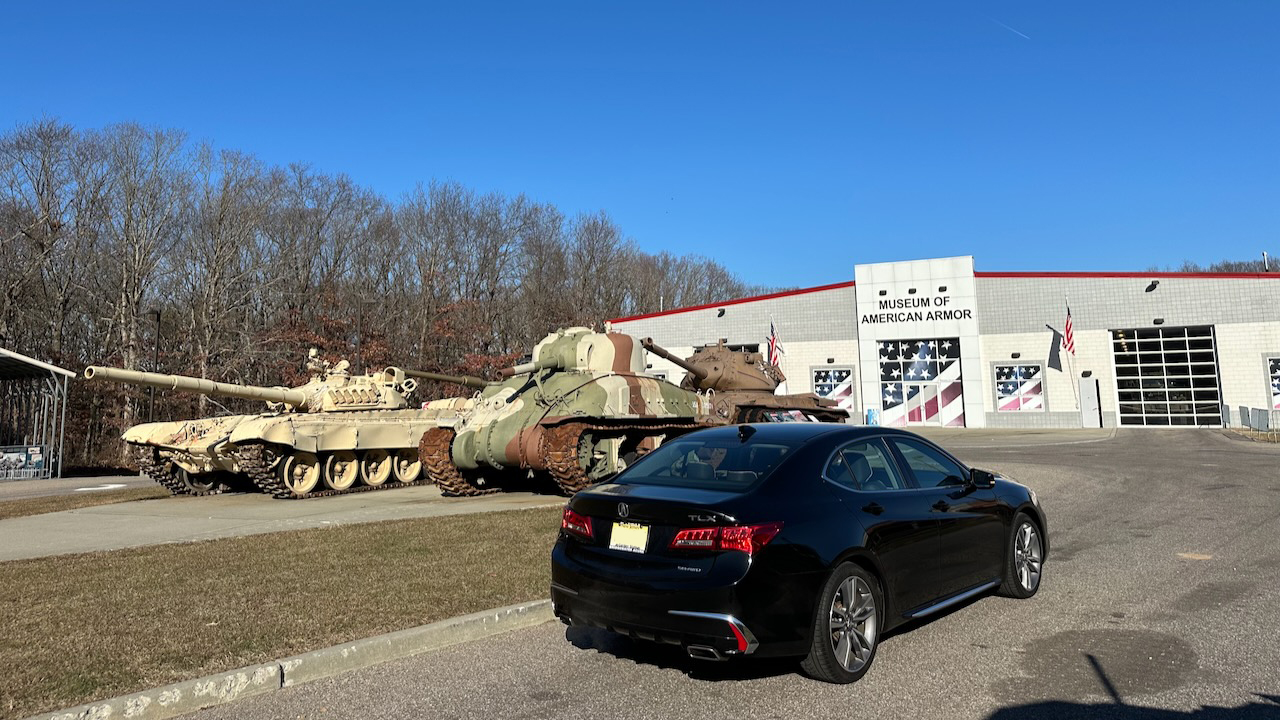
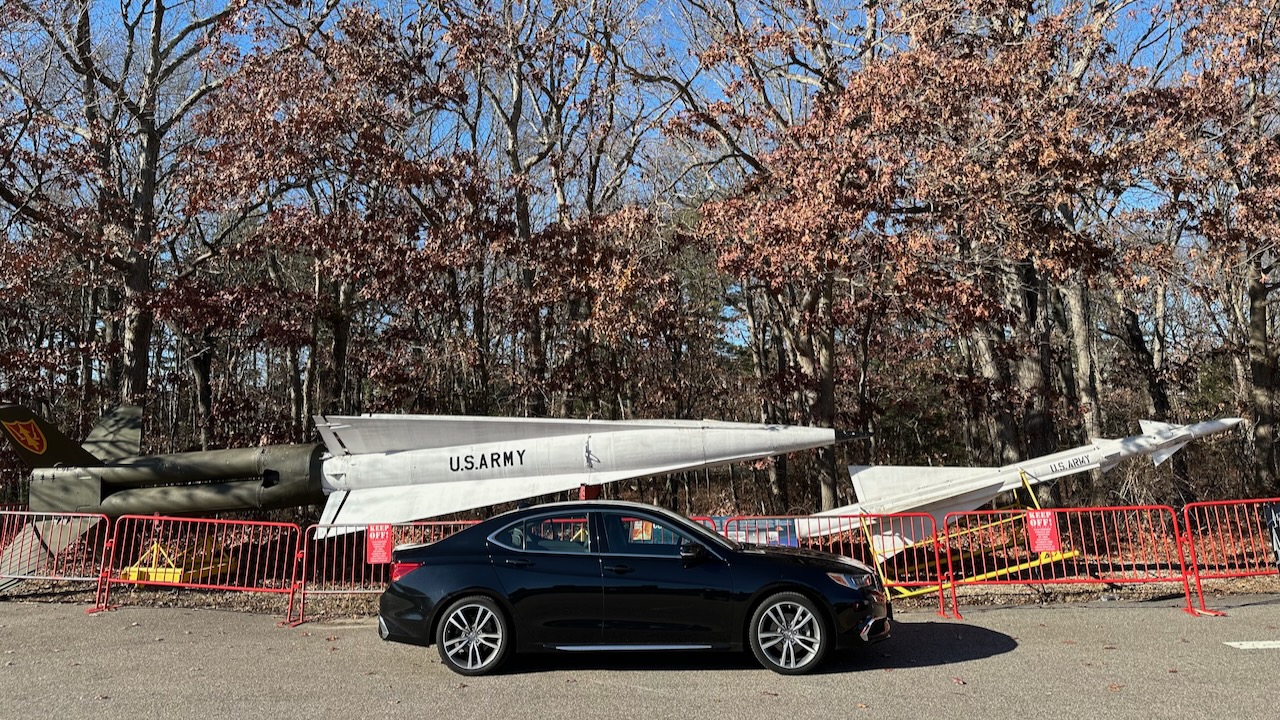
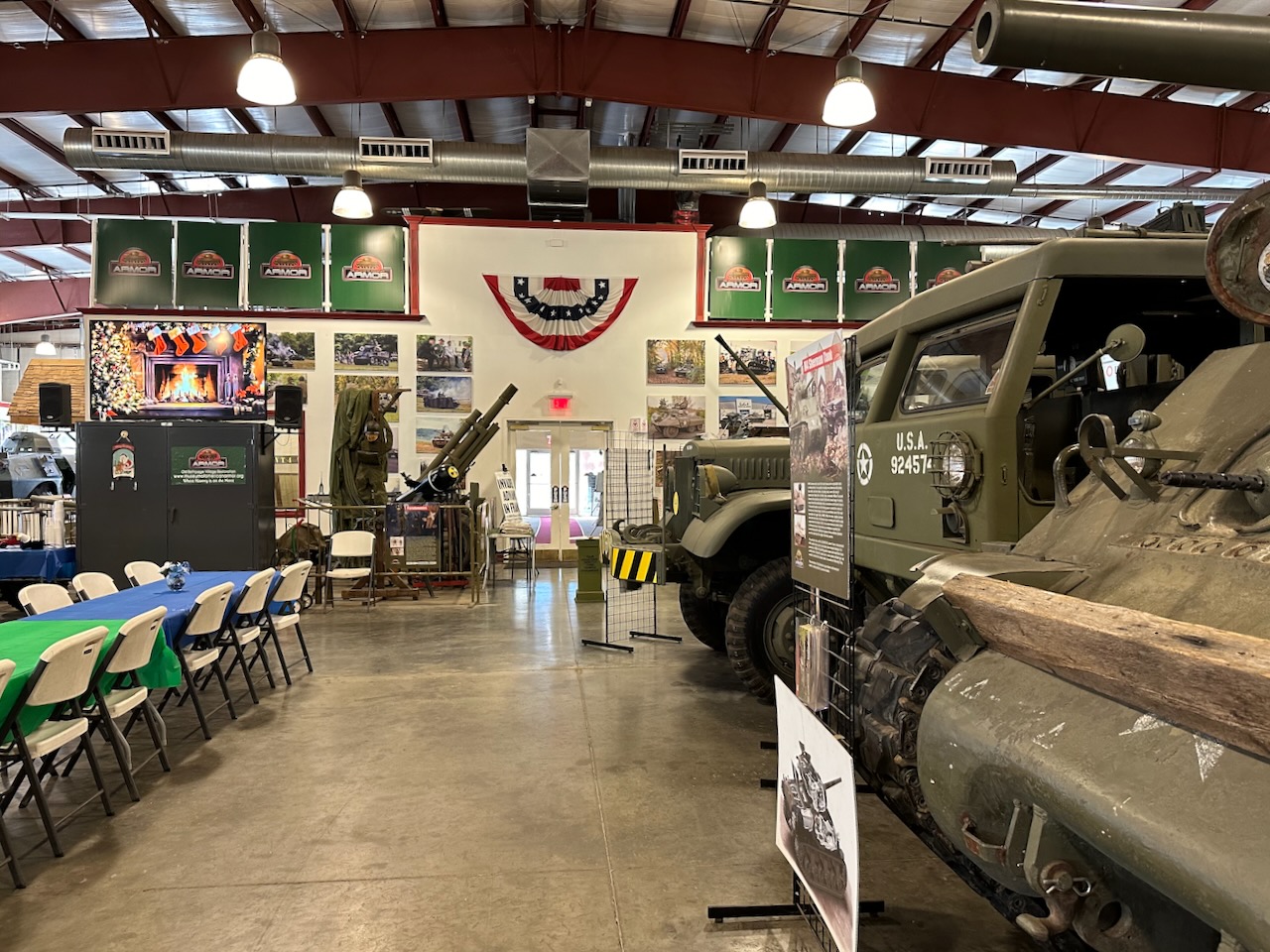
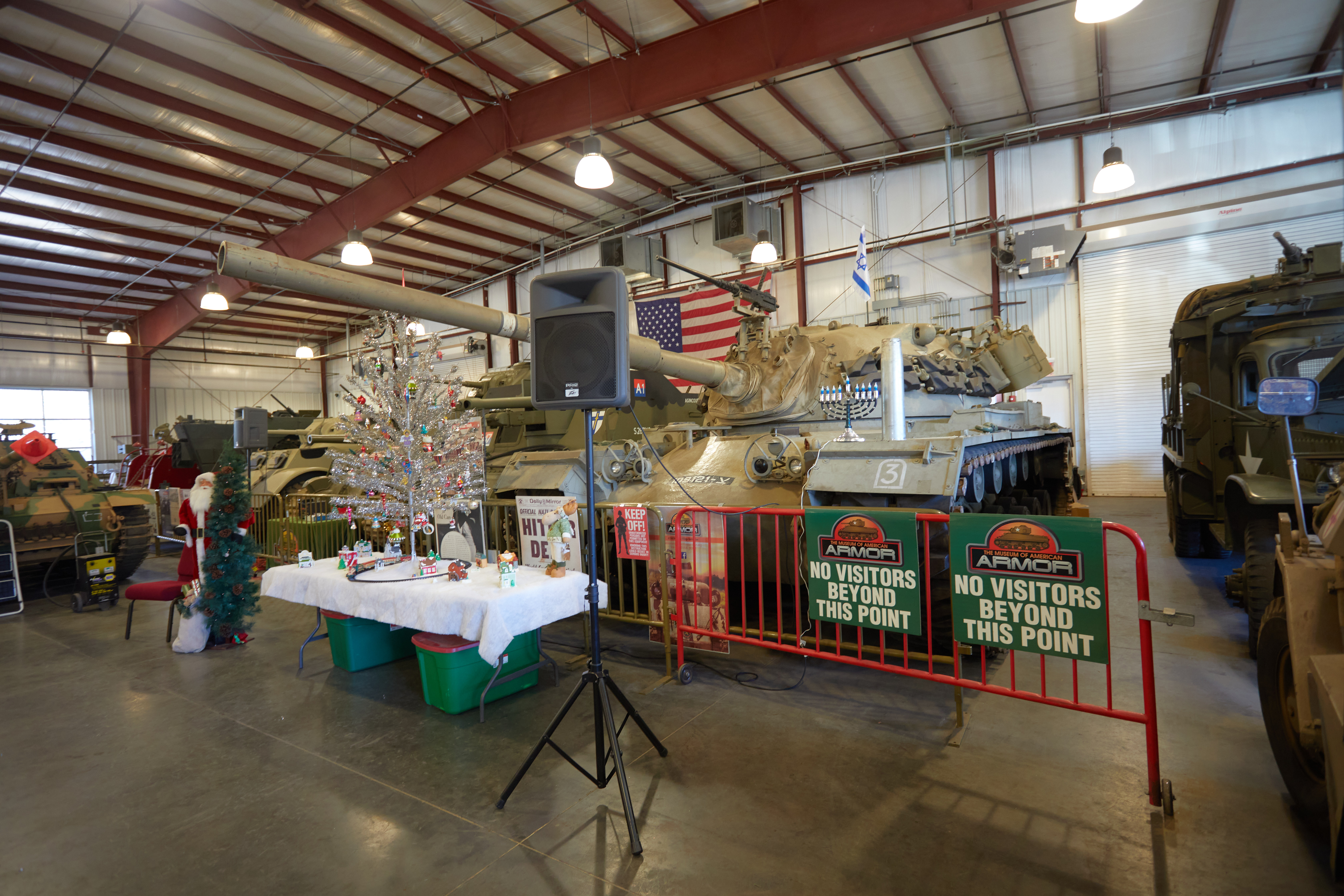
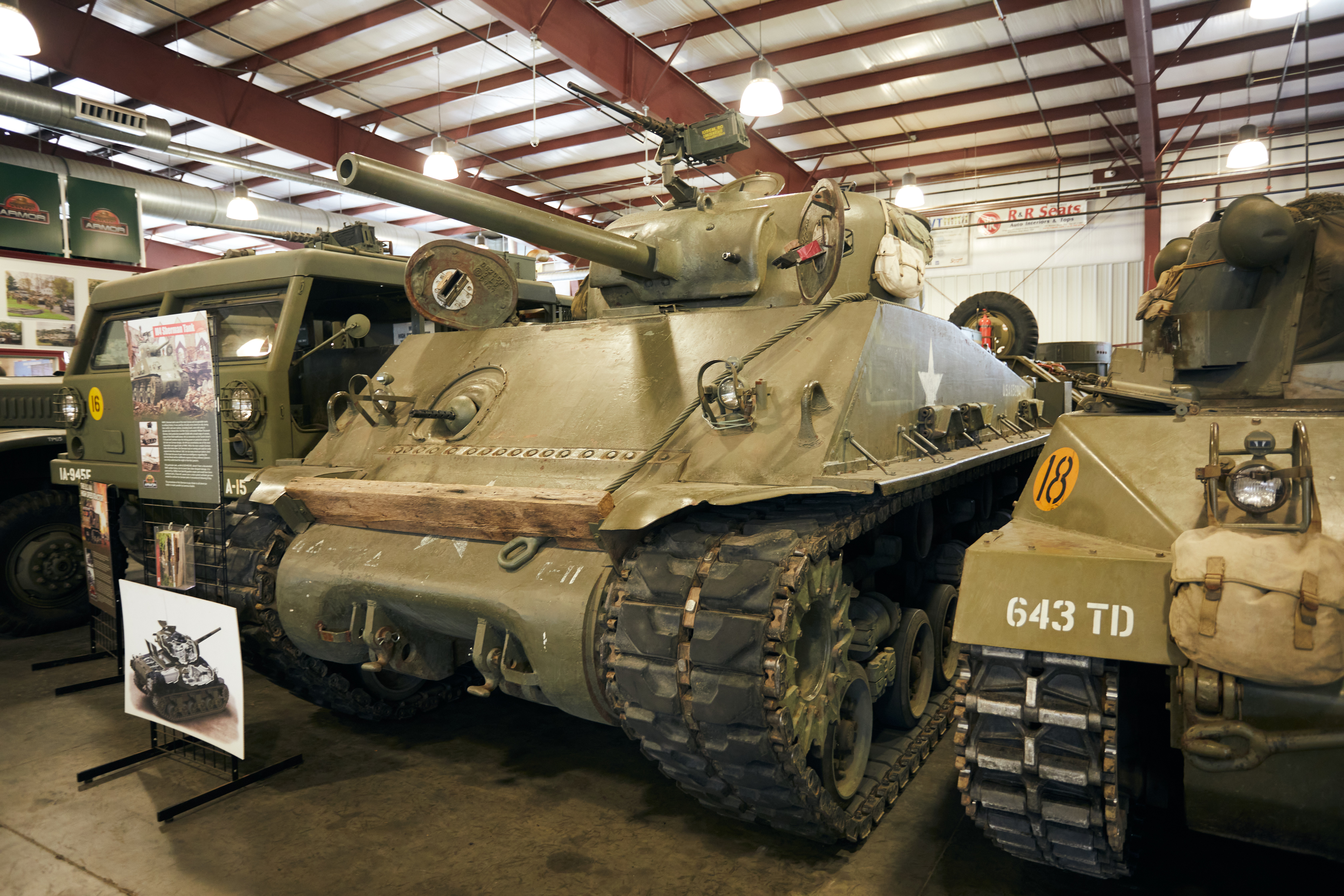
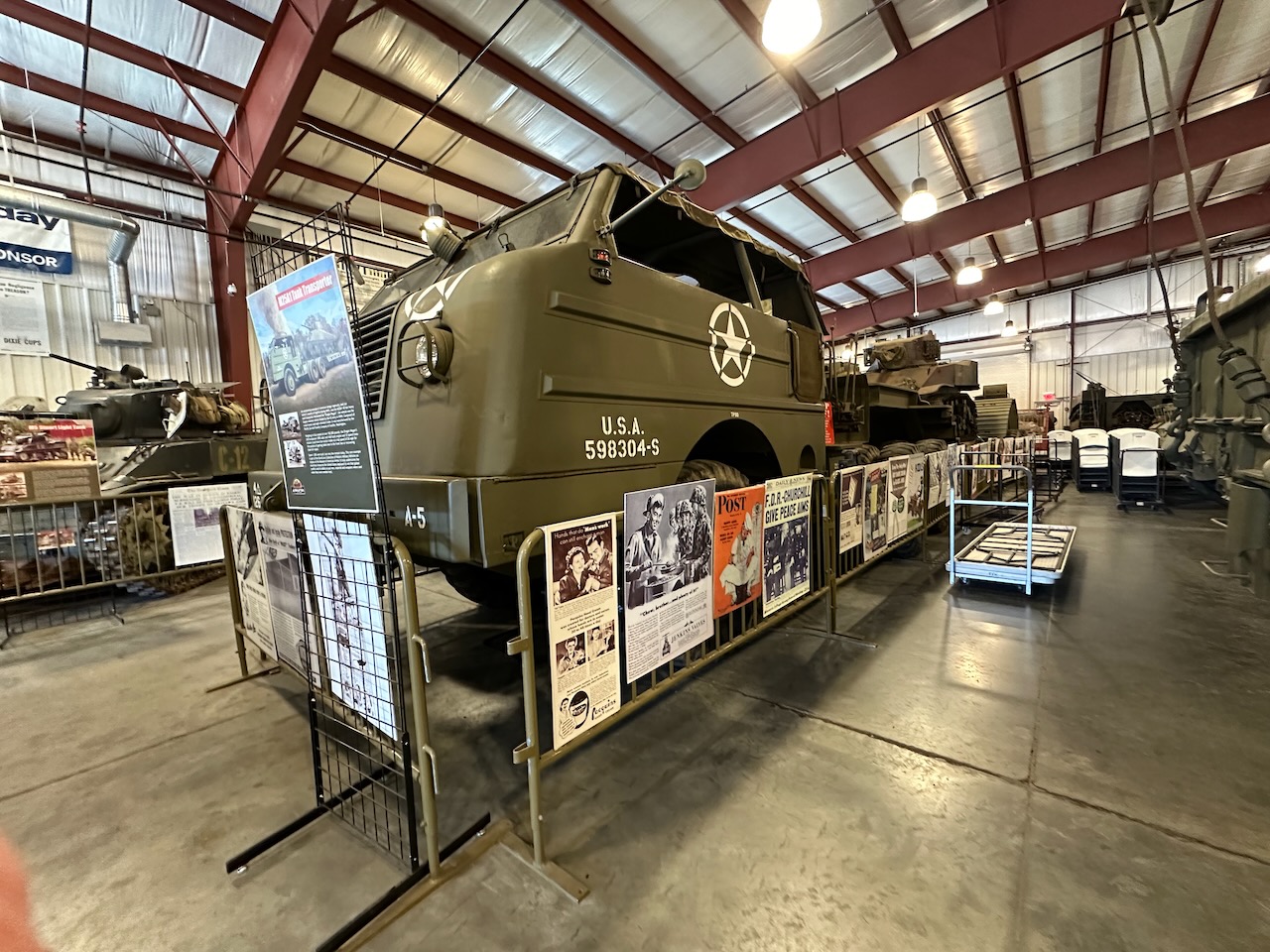
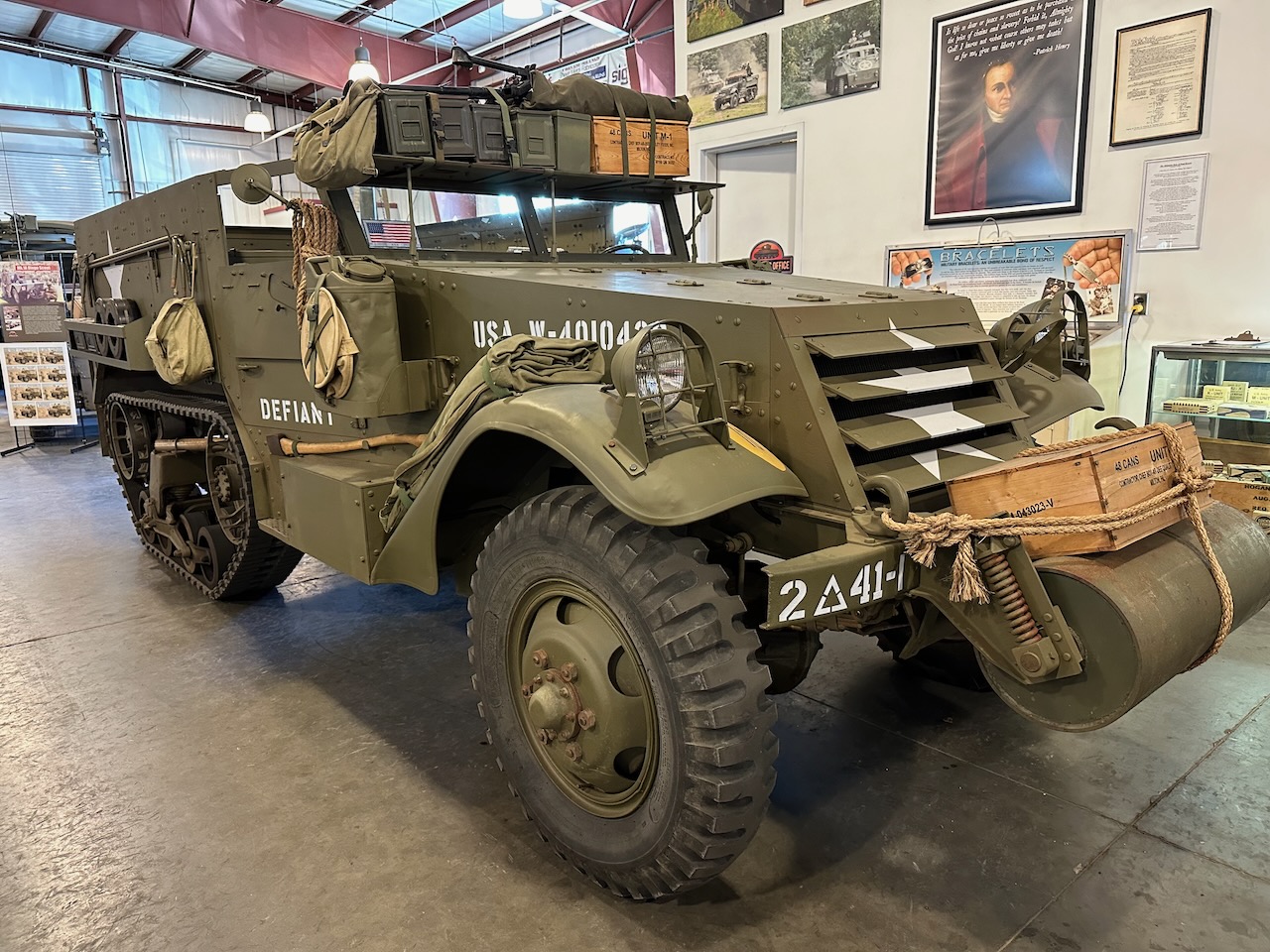
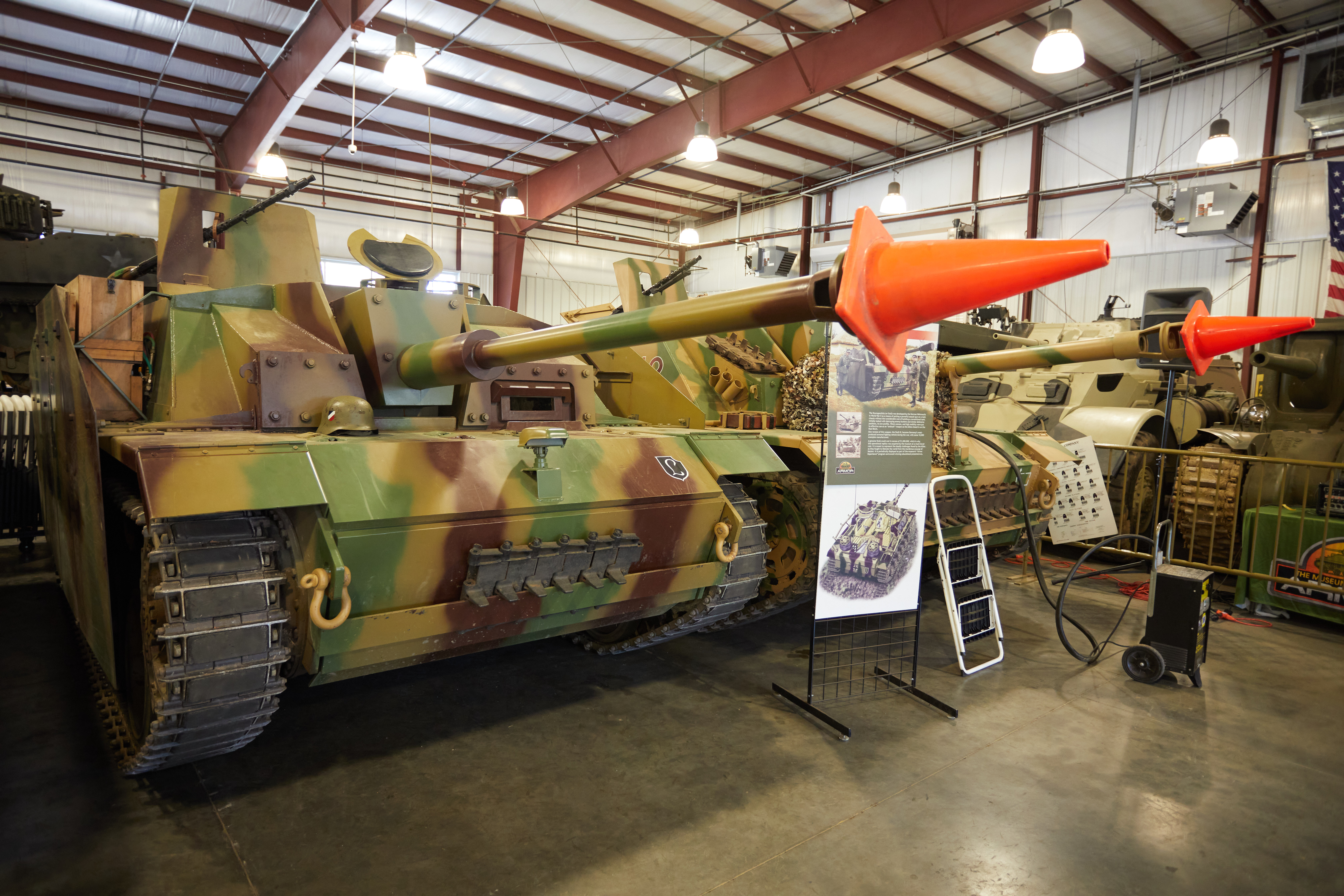
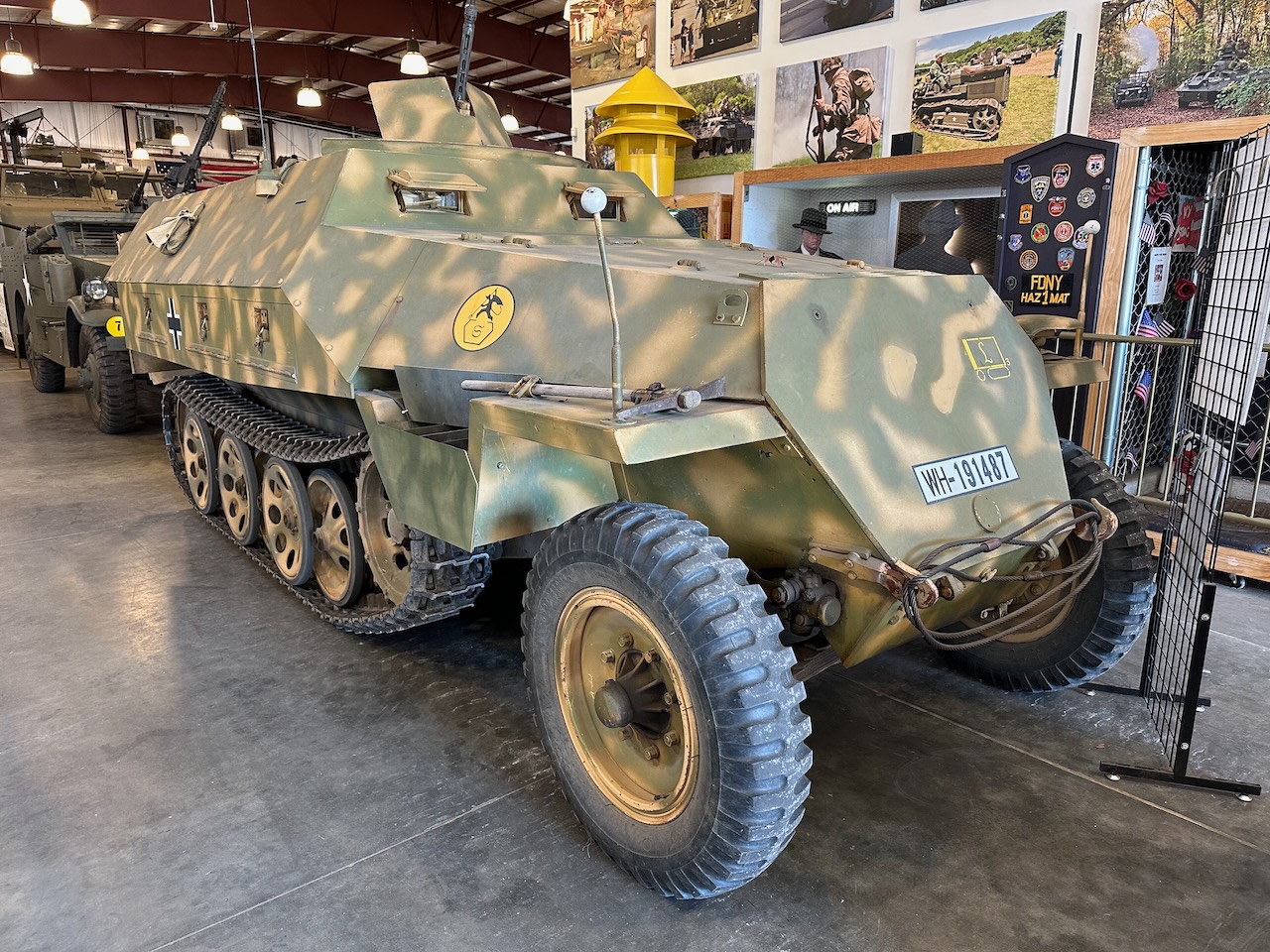
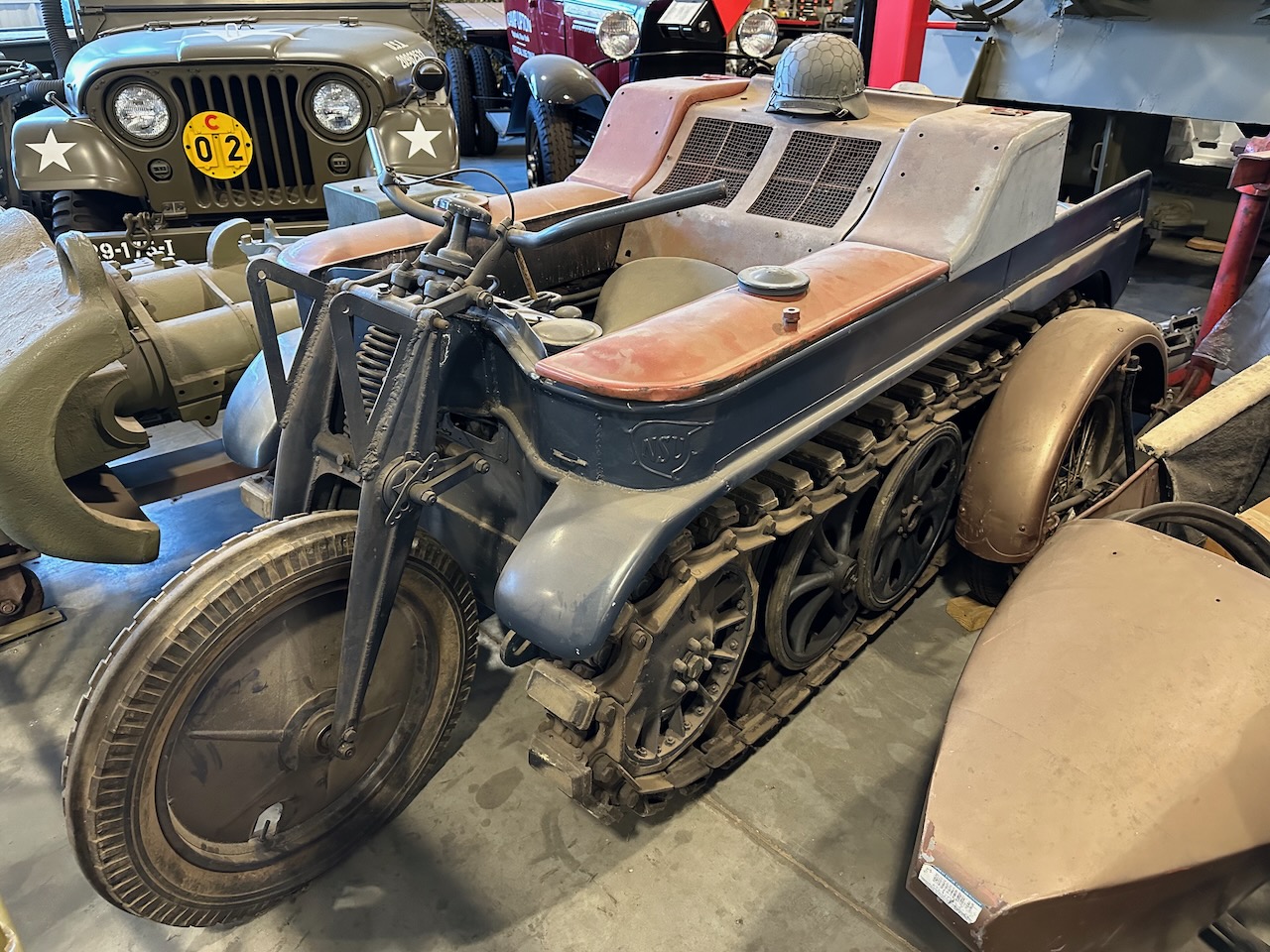
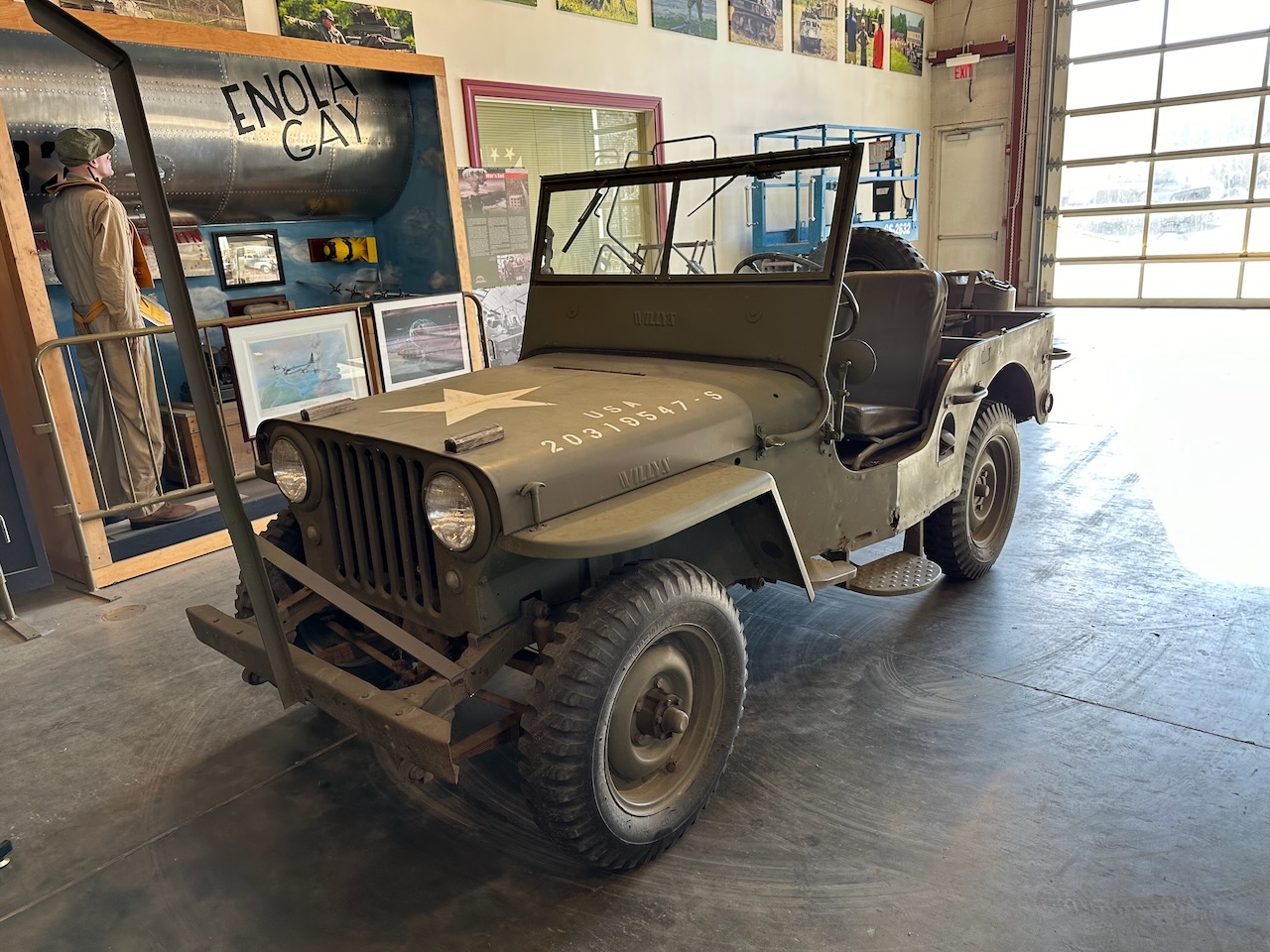
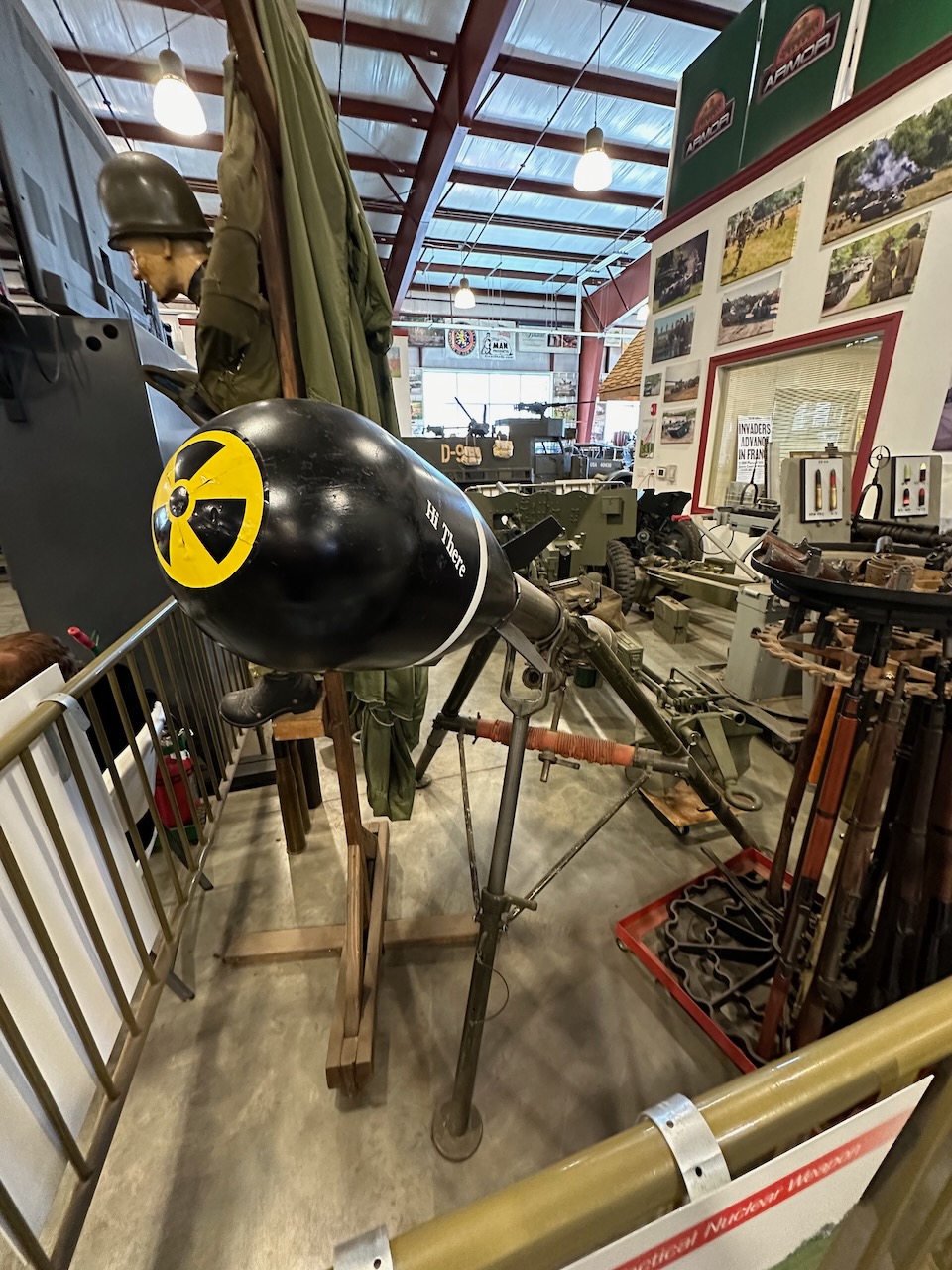
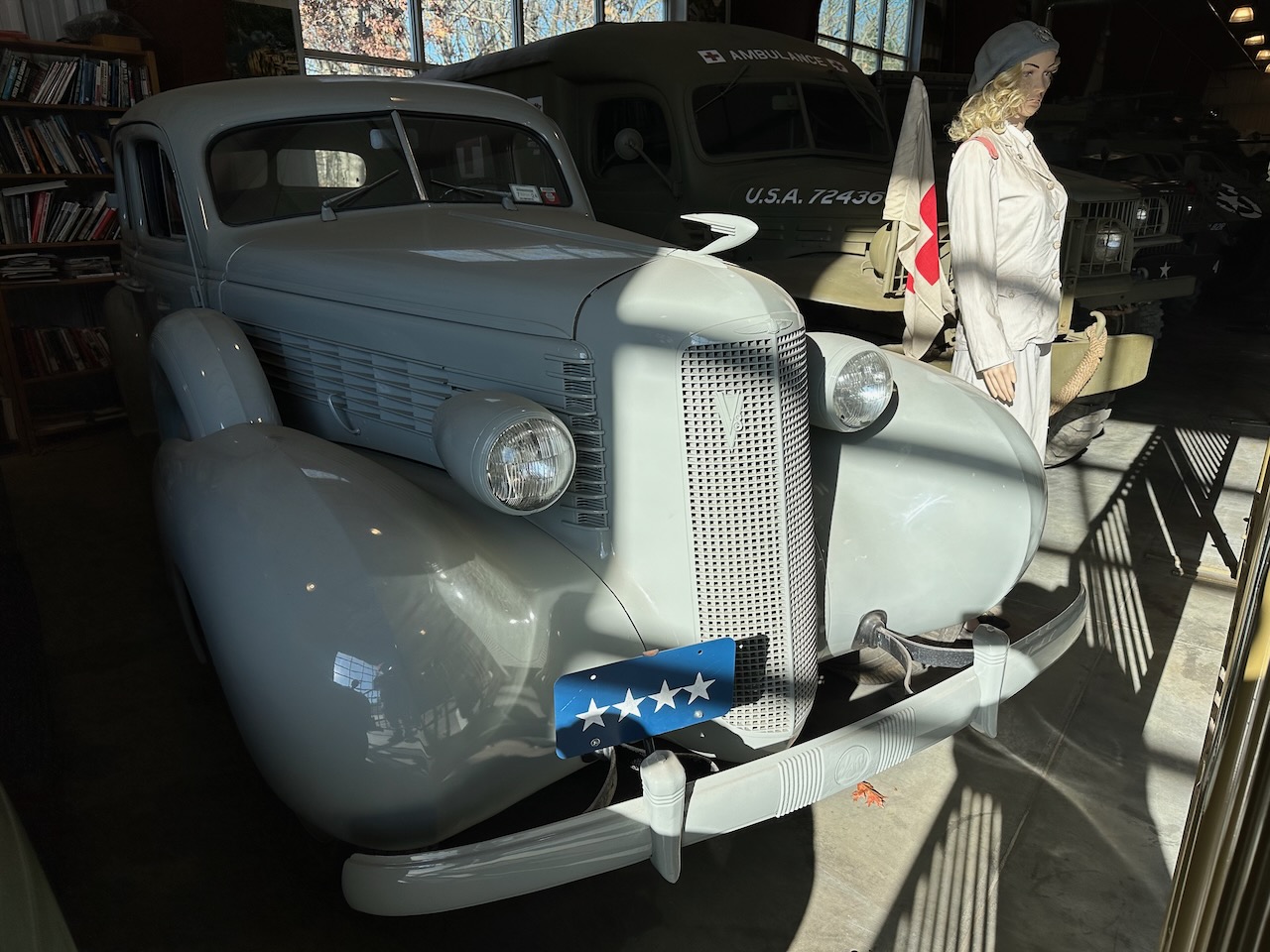
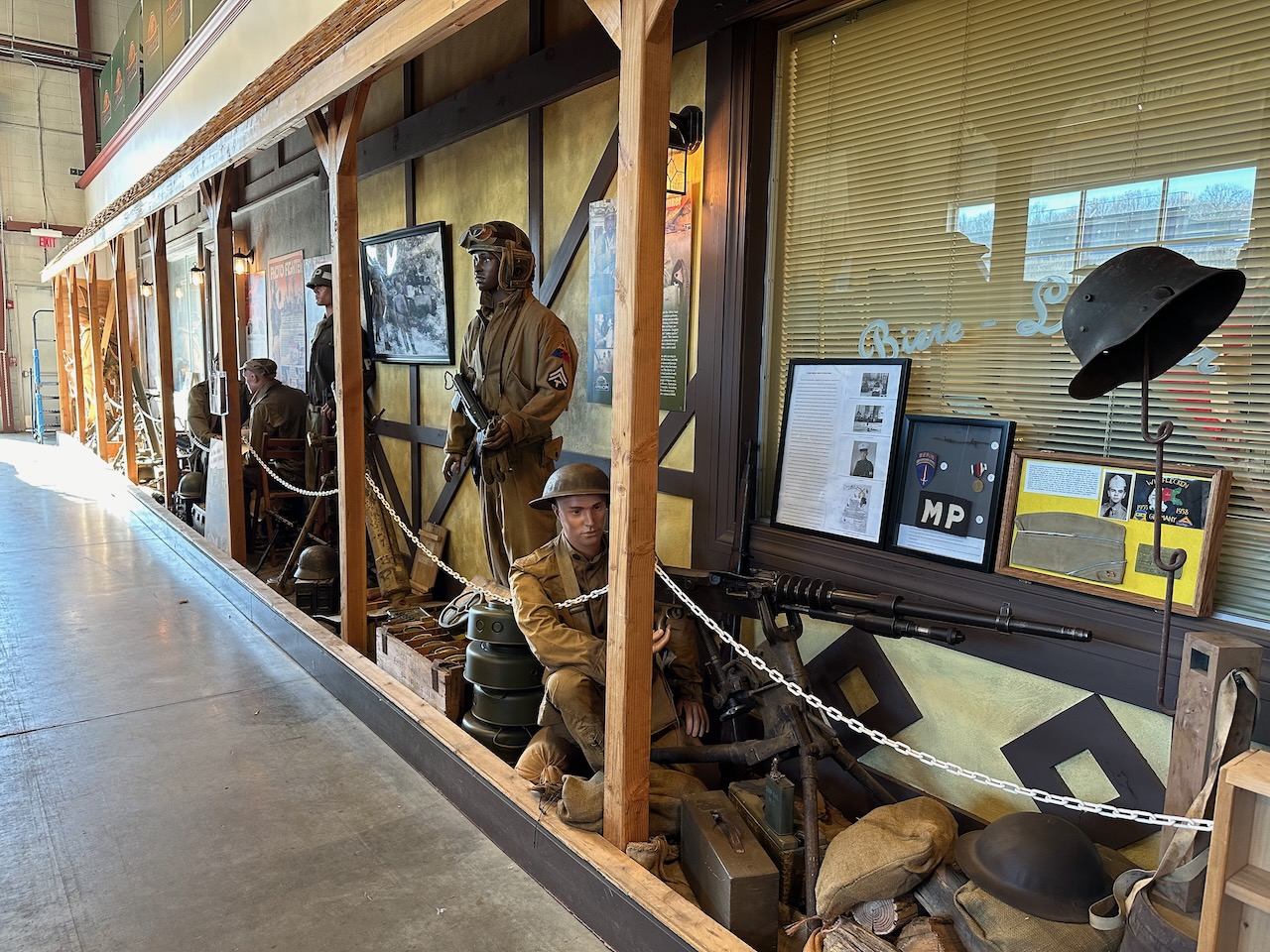
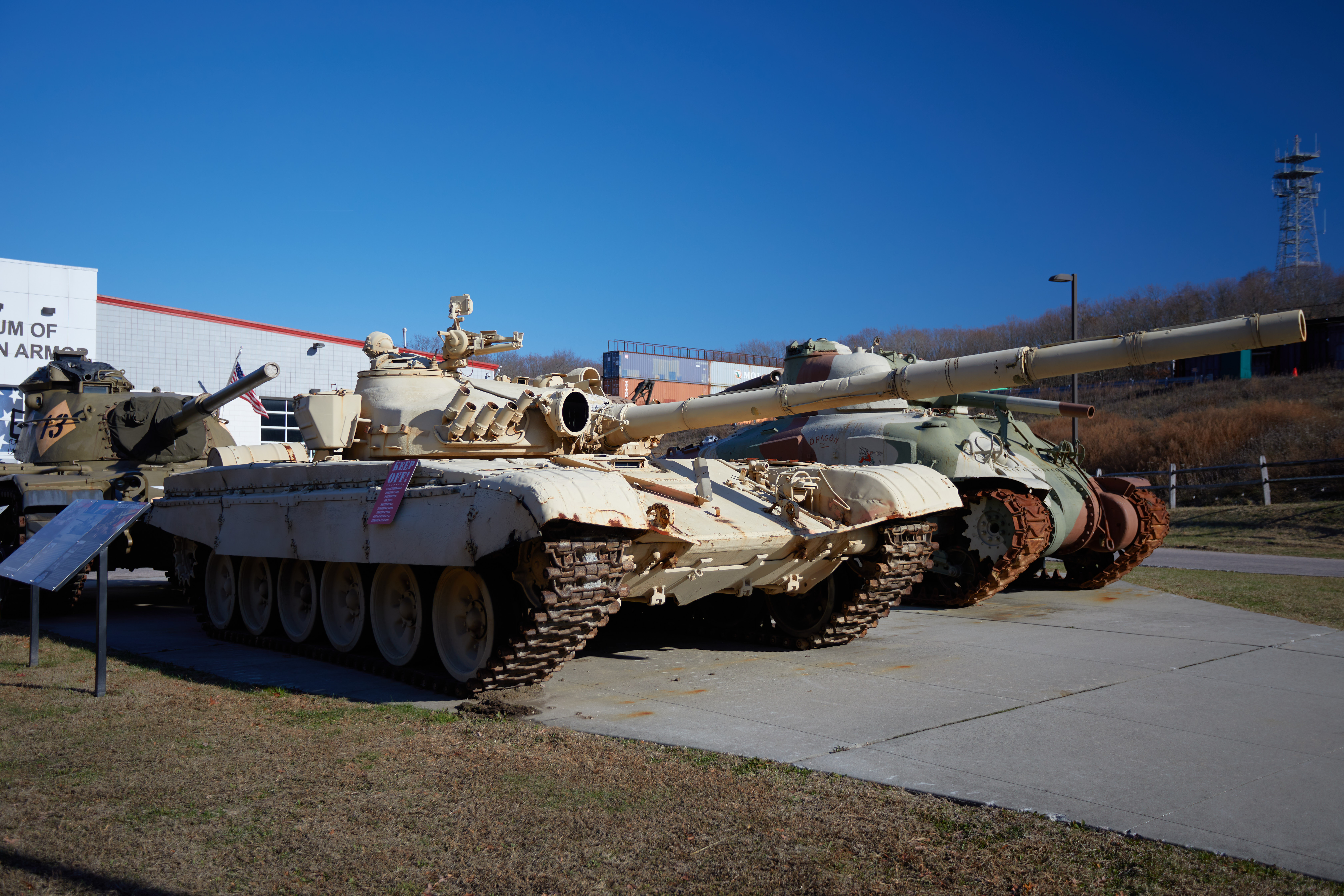
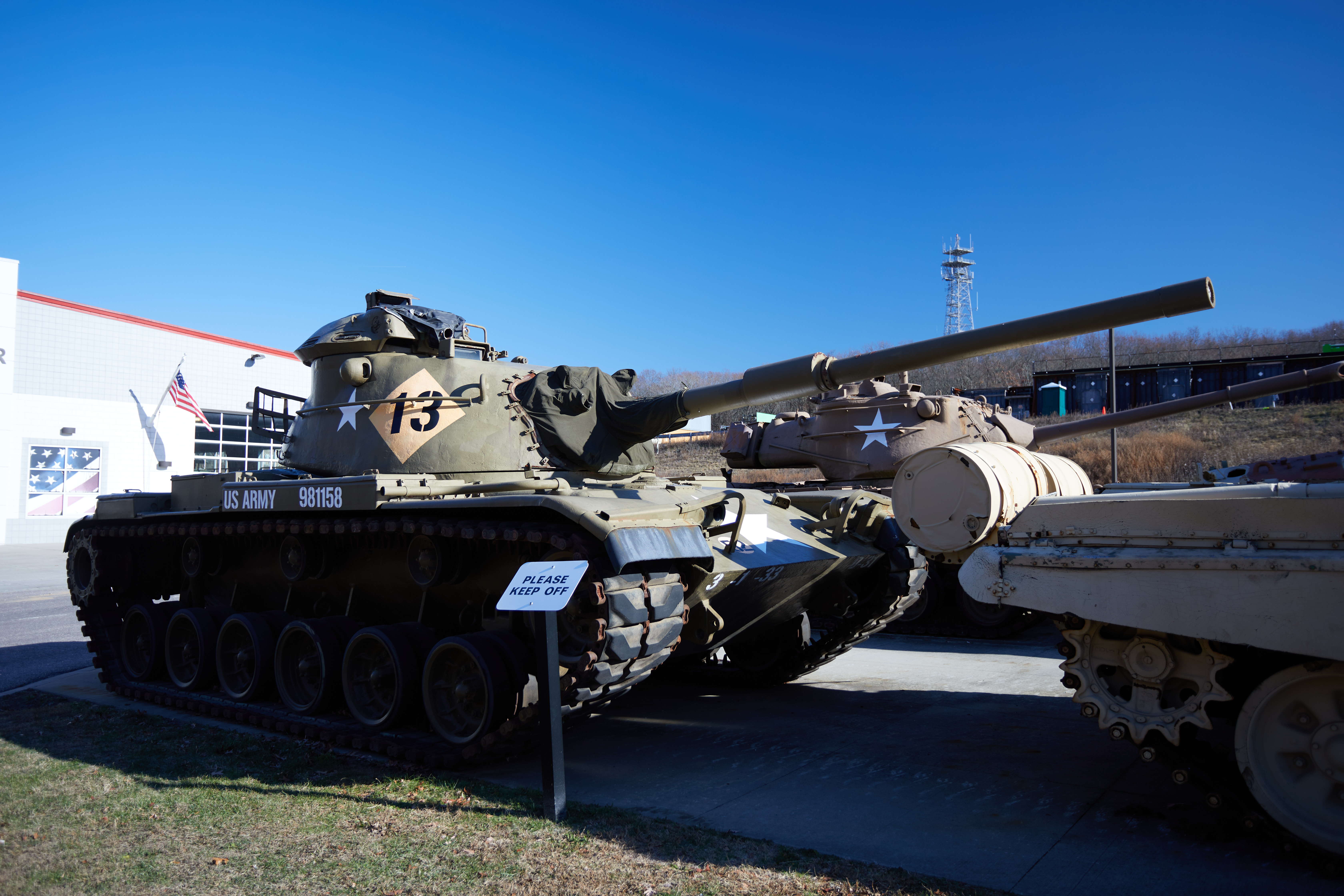
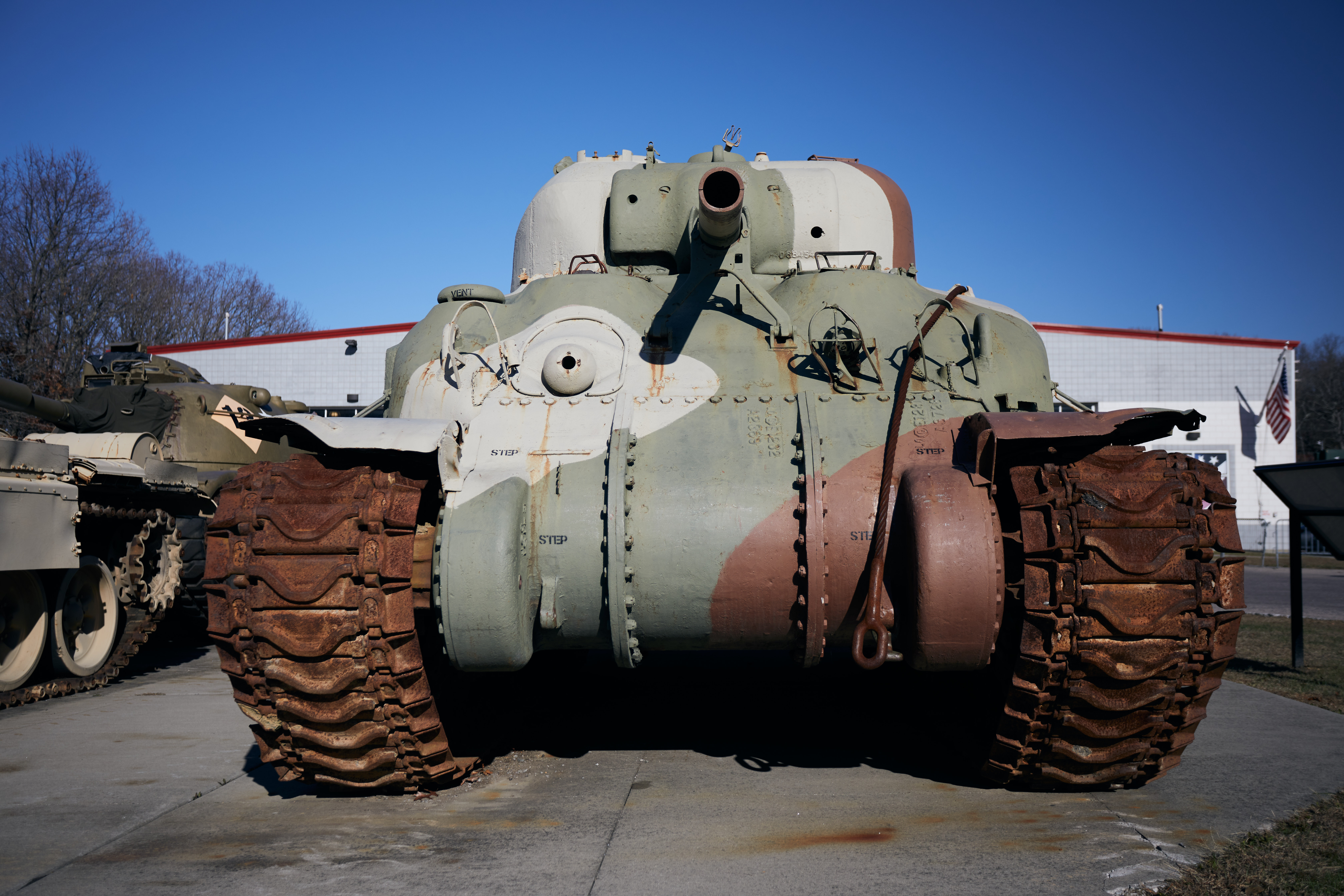
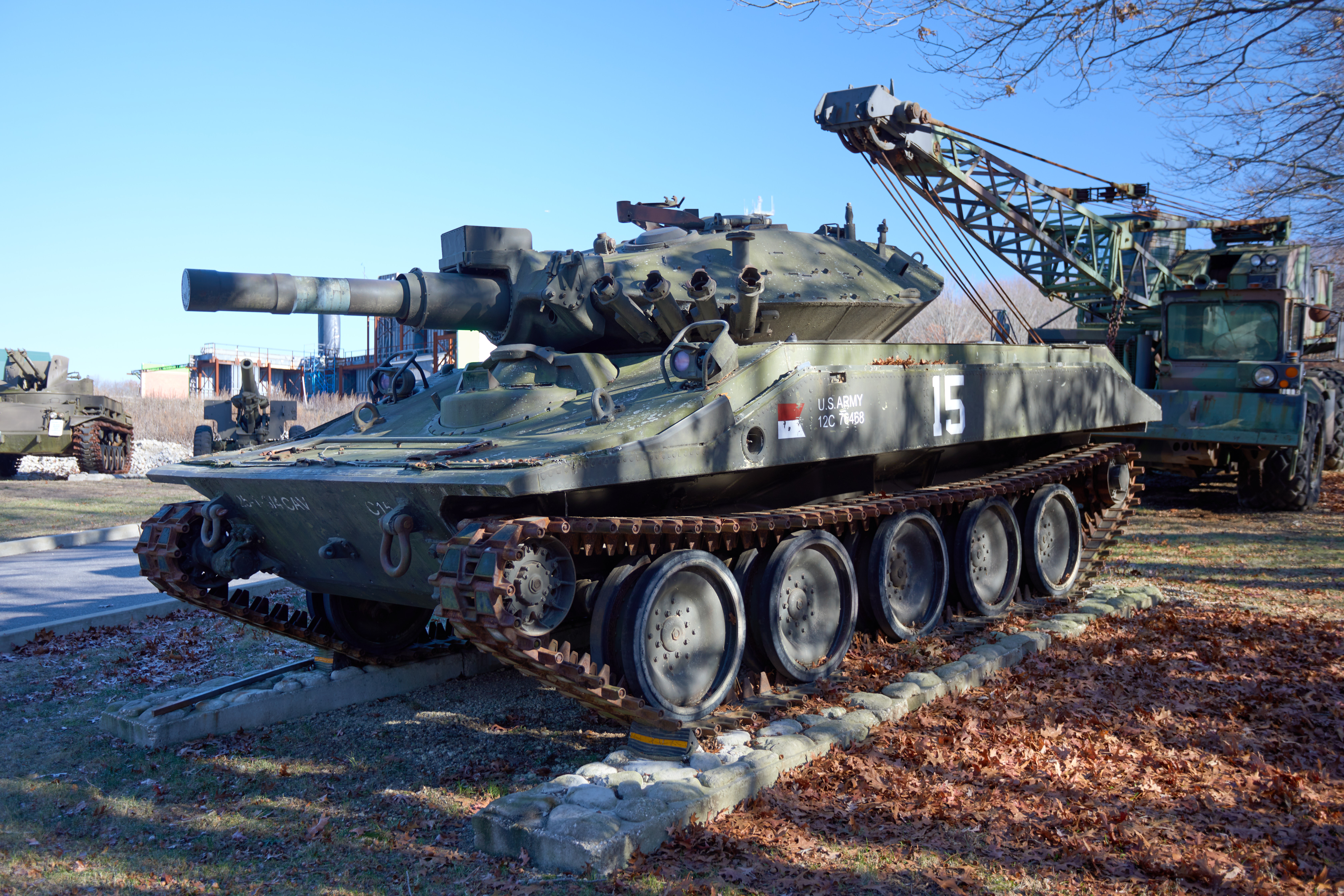
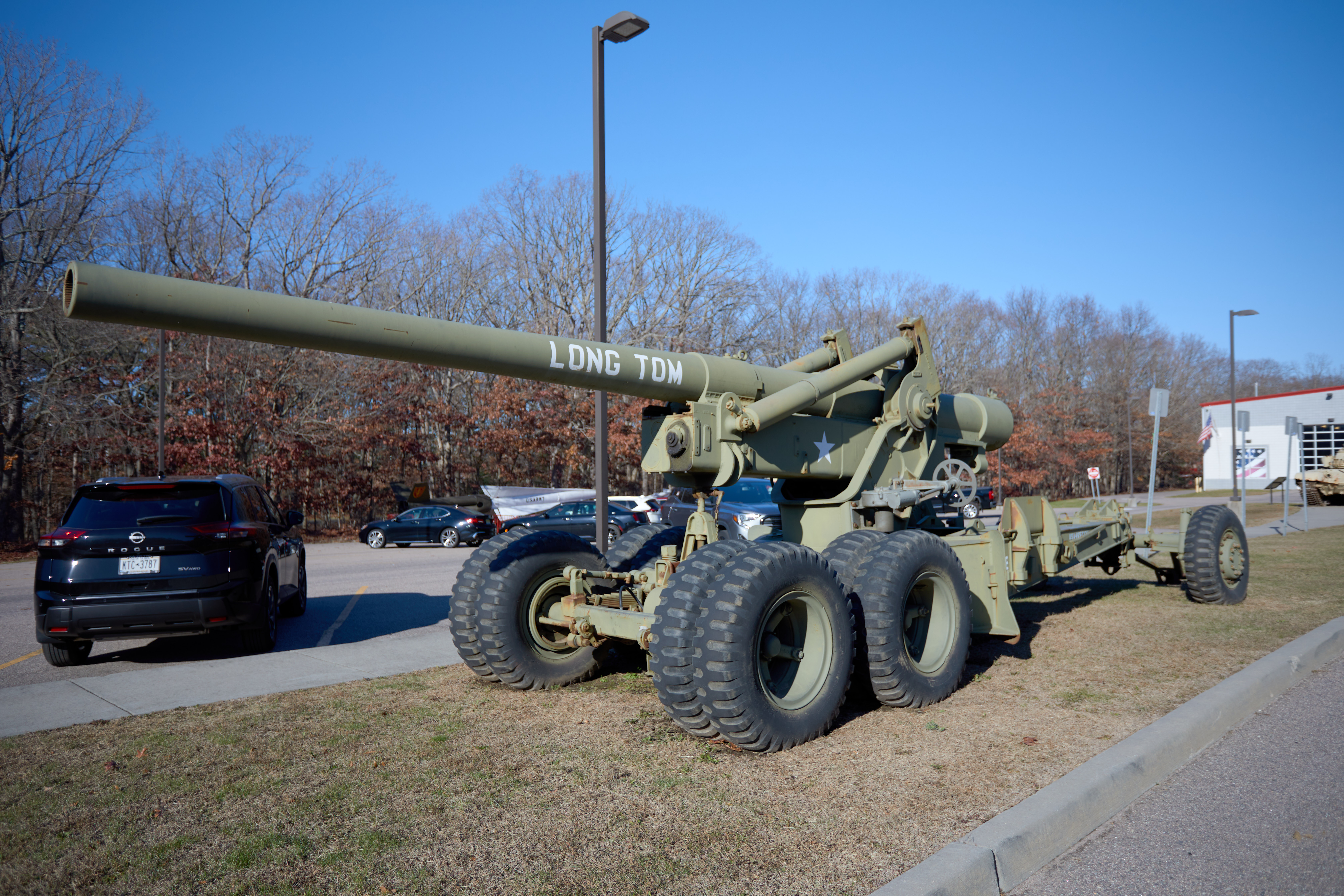
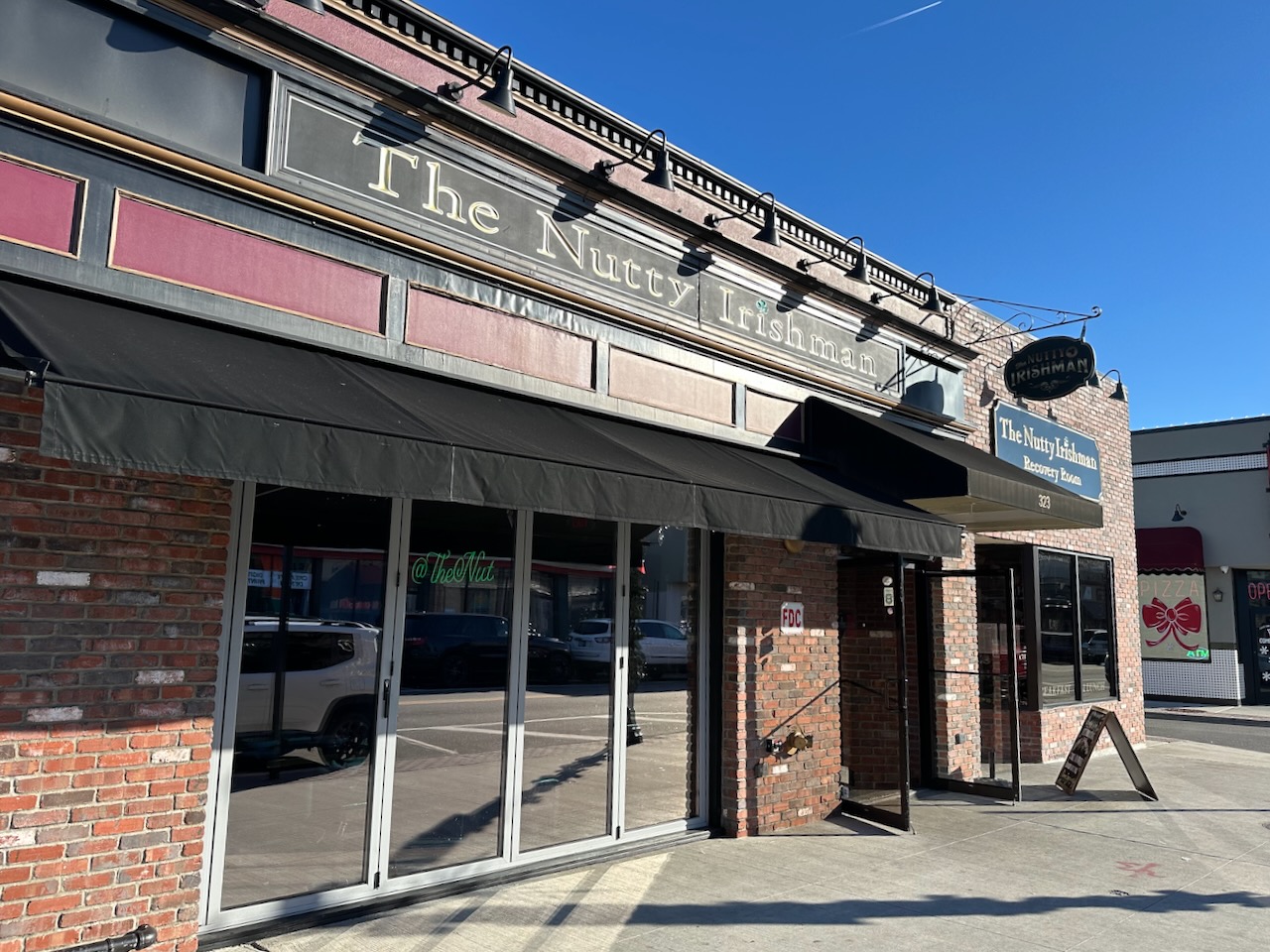
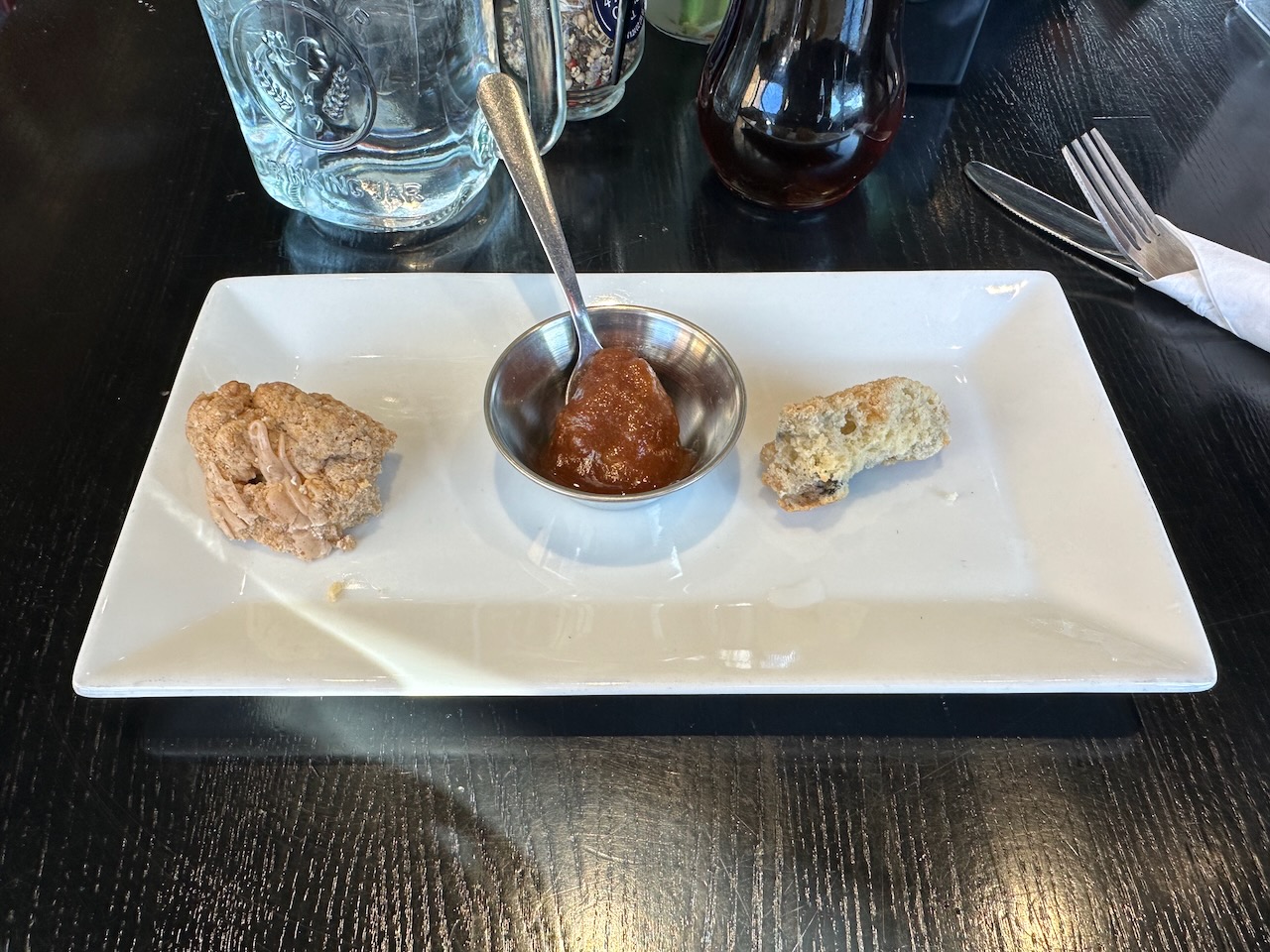
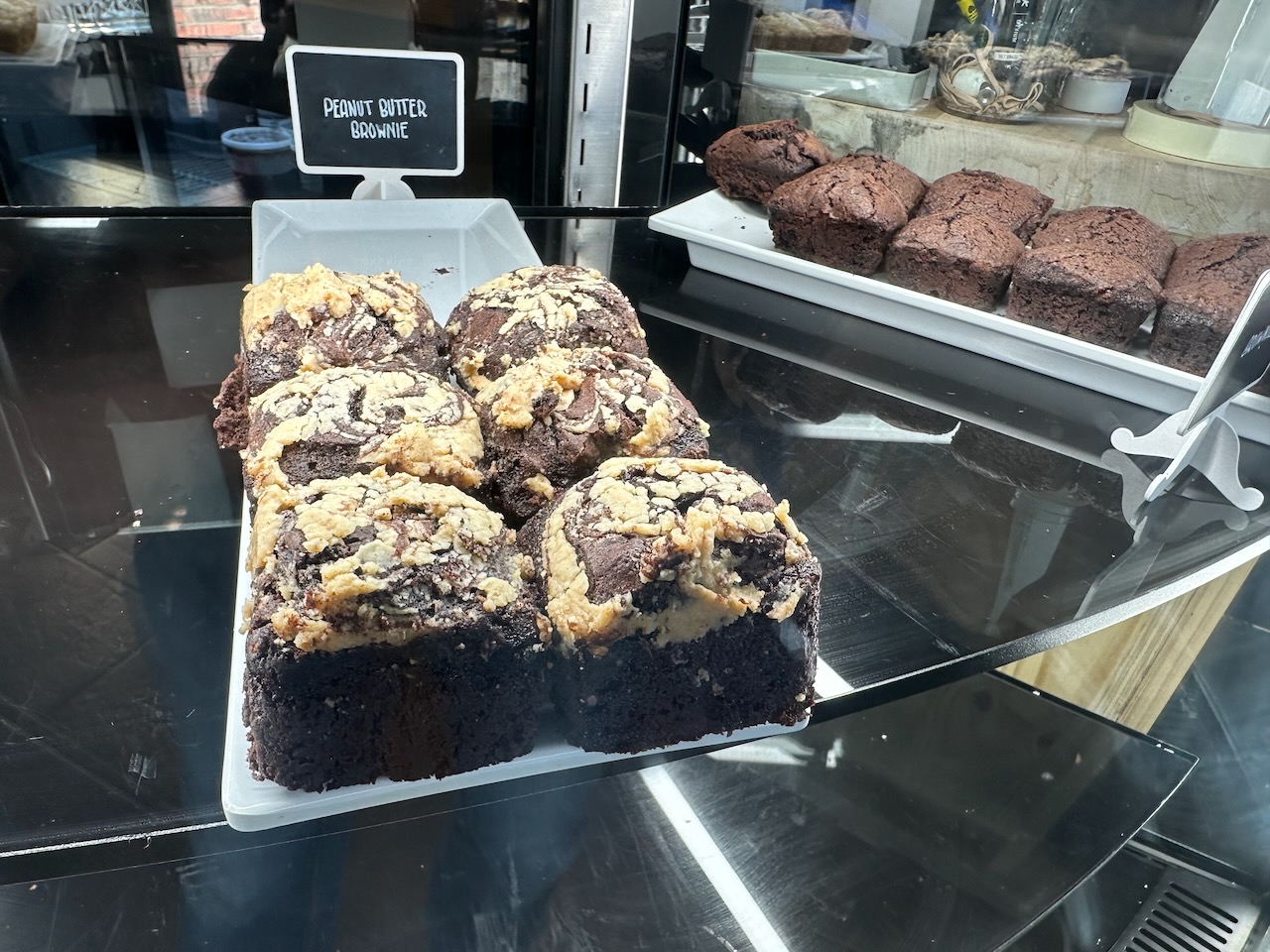
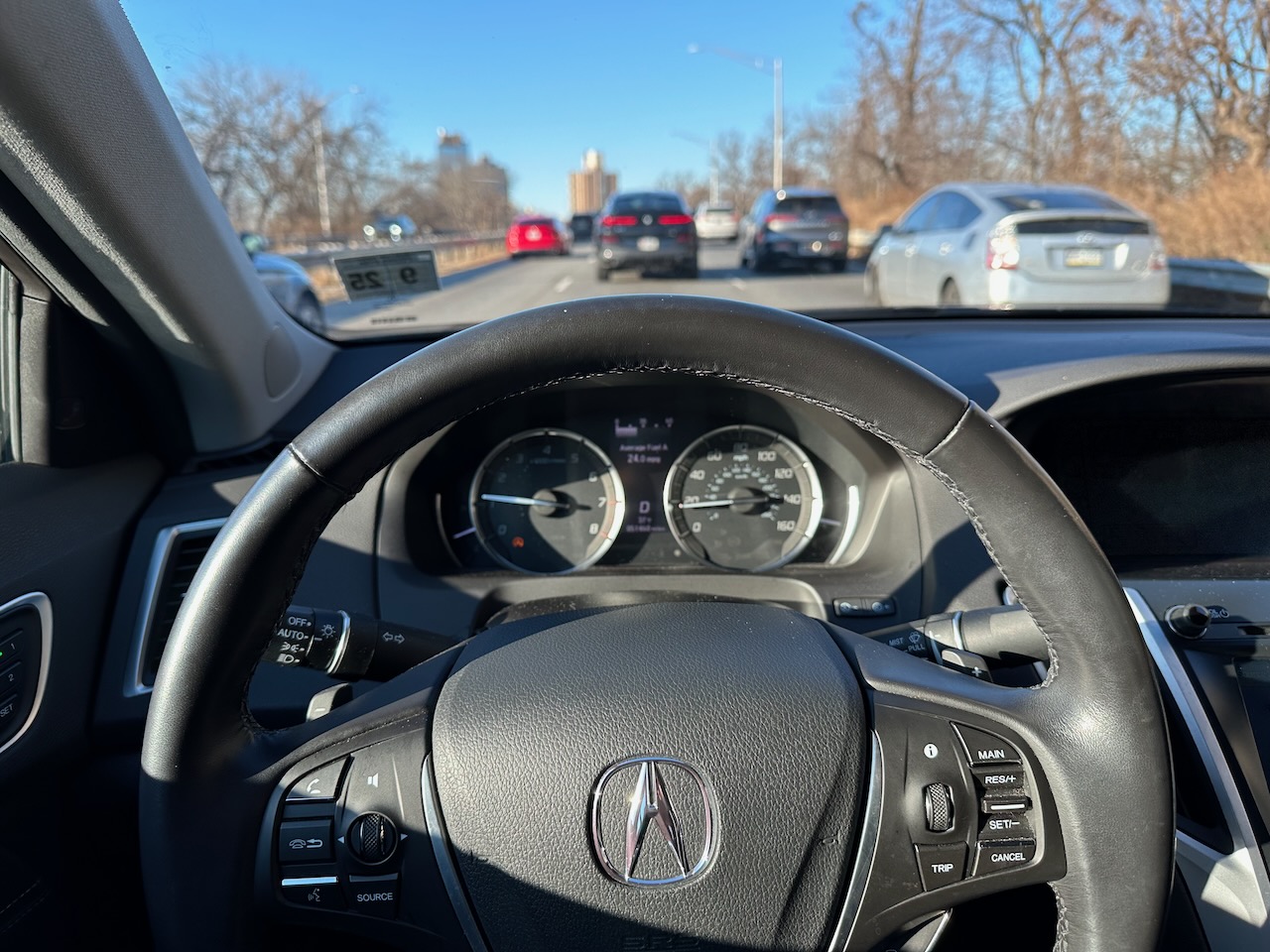
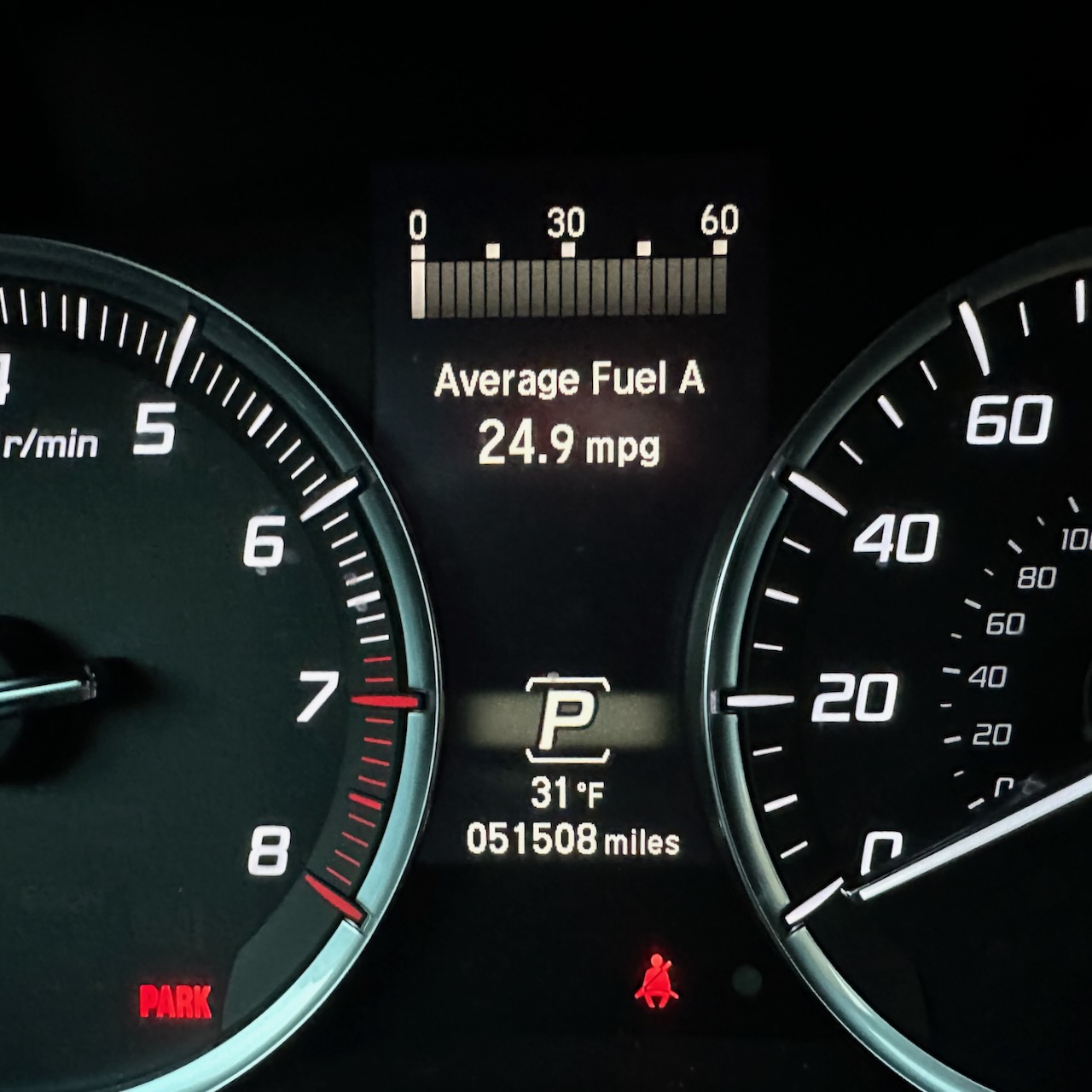
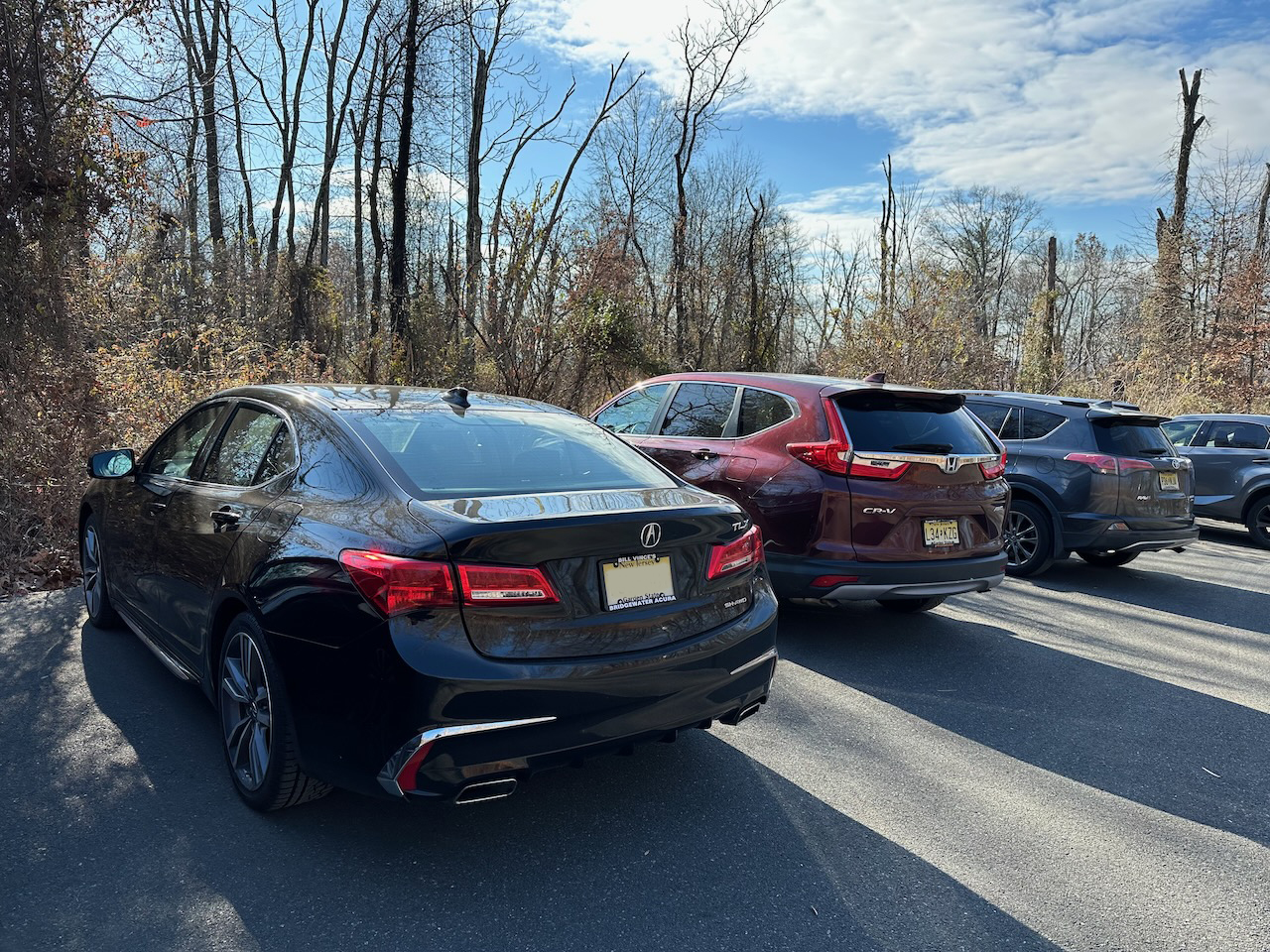
The Museum of American Armor, in Bethpage, NY, is only about 70 miles from my front door. As road trips go, it’s a hop-skip-and-a-jump compared to many of the adventures in this blog. However, no matter what time of day or what day of the week, if you choose to travel to Long Island there is no escaping New York traffic.I started my day with a task familiar to anyone who lives in cold weather: scraping frost off my windshield! A family member recently upgraded my scraping game, though, gifting me a Snow Joe Edge scraper. The Snow Joe uses a brass blade which quickly clears the windshield of ice and frost. Brass is softer than glass, so it has the double benefit of not scratching or pitting your windshield as well.Encountering hardly any traffic on the New Jersey Turnpike, I flew northward, my confidence rising that I would arrive ahead of schedule. Ah, silly me.I hit traffic as soon as I crossed the George Washington Bridge into New York, and then proceeded to crawl the last 30 miles to the museum. It took 90 minutes to go 30 miles… ouch.If the tanks didn’t give it away, I finally arrived at the Museum of American Armor! Founded over four decades ago and now residing within a Nassau County park, the museum showcases the history of American fighting vehicles from World War II to the present day. The volunteer staff keeps the museum in tip-top shape.These Hercules and Ajax missiles, part of a Nike anti-aircraft system that defended New York against Soviet bombers during the Cold War, kept watch over my Acura while I toured the museum.Admission to the museum is typically $15 for adults, $12 for seniors, volunteers firefighters, children ages 5-12, and individuals with disabilities, and free for children under 4, as well as for active duty military personnel. However, owing to a special event at the museum, admission on the day I visited was free for all visitors (although donations were appreciated).The special event was the volunteer’s annual Christmas party, so the space was a bit cramped owing to the tables and food for the luncheon (which may have contributed to the waived admission fee).Can you make weapons of war festive for the holidays? I suppose you can, as a Christmas tree, model train set, Santa Claus doll, and menorah were all in front of an ex-Israeli M48 Magach 3 tank.Almost every vehicle is kept in running condition, such as this World War II-era M4 Sherman tank. Simply pour some fuel into the tank and start ‘er up.This behemoth is the M25A1 Tank Transporter. The largest wheeled vehicle used by the US military in World War II, this 100,000-pound beast was designed to move tanks toward the front lines, or to recover tanks when they needed repairs from damage. Over 1,300 were built, but this is one of the few remaining examples that has survived the past 8 decades.One of the most-produced vehicles in WWII was the M3 Halftrack. With traditional wheels at the front and caterpillar tracks at the rear, this truck was designed to transport soldiers across terrain that would stop a typical wheeled vehicle. Over 38,000 M3 halftracks were built from 1941-1945.The museum also has a sizable collection of WWII-era equipment from Axis Germany. The Sturmgeschutz (or “Stug” as it was more commonly known) was used to attack fortifications, as well as tanks. The Stug was the most-produced fighting vehicle by Nazi Germany during WWII (via Wikipedia). The two examples on display at the museum are replicas – despite over 10,000 being produced, very few survive.Another piece of German equipment was this Sd.Kfz. 251, better known as the Hanomag. Similar to the American M3, this vehicle was designed to transport soldiers over challenging terrain. The downside to all halftracks of this era? The passenger compartment did not have a roof, leaving riders dangerously exposed to attack from above (such as navigating urban streets where enemy combatants could lay in wait on upper stories of buildings).One of the most unusual items from Nazi Germany on display: the Sd. Kfz. 2 Kettenkraftrad halftrack motorcycle. Similar to the halftrack trucks, this vehicle could tow light loads across inhospitable terrain.The great-grandfather to my wife’s Grand Cherokee – the Willy’s Jeep. Officially known as the Willy’s MB, over 640,000 of these lightweight four-wheel drive vehicles were produced. Maneuverable, fast, and reliable, the Jeep won acclaim from all who came in contact with it. Enzo Ferrari, founder of the Ferrari car brand, once called the Jeep “America’s only real sports car” (via Wikipedia).Beyond tanks and vehicles, the museum also has a large assortment of military equipment, including something I had never seen before: the Davy Crockett. A battlefield nuclear weapon, this gun had a range of only 2 miles. Designed to attack enemy soldiers at short distance, the nuclear blast was less lethal than the ensuing radiation poisoning of anyone within 1,000 feet of the explosion. Depending on how the winds might shift, this weapon would be nearly as lethal for those firing it as for those under attack. Thankfully, it was never used in combat.In the 1920s, General Motors introduced the La Salle brand. Designed as a lower-cost companion to the Cadillac lineup, La Salle was shuttered in 1940 in favor of GM expanding the Buick brand. With a national shortage of cars during World War II, the US military would “draft” private vehicles for use, and this La Salle 38-50 was one such vehicle pressed into military service.The LVT-4 Amphibious Assault Vehicle was widely used in the Pacific Theater by the US Marines in World War II. Able to ferry troops and supplies from ship to shore, this truck/boat could manage 15 mph on land and 7 mph in the water.Beyond the equipment, the museum also uses dioramas and first-person accounts to tell the day-to-day experiences of soldiers in combat.Outside the museum are a number of other armored vehicles. Despite being exposed to the elements, they all seemed to be in good shape. Perhaps most interesting to me was this Iraqi T-72 tank which was captured by American soldiers during Operation Desert Storm in 1991. The T-72 is in use with numerous armies around the world, including by both side in the current Russian invasion of Ukraine.Keeping close watch over the T-72 is this American M60 Patton main battle tank. The M60 has proven its worth in over six decades of service. Although no longer used by the US military, many other nations around the world still operate these tanks in frontline service.As American troops battled well-defended Japanese positions on islands in the Pacific Theater in World War II, they often had difficulty dislodging the entrenched Japanese soldiers. The response was this horrific creation – the M4 Flamethrower tank. It could shoot a stream of flame up to 150 yards. Japanese troops would often surrender at the sight of these monstrosities on the battlefield (via Wikipedia).Among the newer equipment is this Vietnam War-era M551 Sheridan light tank. The Sheridan was capable of being dropped from an airplane and landing via parachute. Despite being lightweight, fast, and well-armed, the tank proved unpopular with American soldiers in Vietnam, as its thin armor (necessitated by the need for light weight) put the crew at risk in a firefight.After taking one last amble around the grounds, I made my way back to the museum to leave a small donation. The Museum of American Armor is an excellent site to visit if you are interested in military history.I next headed south to nearby Farmingdale for lunch. I had scoped out a few promising restaurants, and settled on one with good reviews… and a unique name! Next door to The Nutty Irishman pub is The Nutty Irishman Recovery Room. The cafe serves breakfast and lunch from 8:00 am – 3:00 pm Monday through Saturday.After I ordered my meal, the server brought out a complimentary appetizer – freshly baked scones with homemade apple butter. It was excellent!For my entree, I chose a spicy grilled chicken club wrap. With grilled chicken, applewood smoked bacon, cheddar cheese, fresh spinach, sliced tomato, and buttermilk ranch dressing, it hit the spot!The Recovery Room also sells a number of fresh baked goods. I took a peanut butter brownie and a slice of coffee cake to go (they were both excellent!). Fueled up, it was time for my return journey home.And by “journey,” I mean “crawled in stop-and-go traffic from Long Island all the way to the Goethals Bridge into New Jersey.” Oh well… at least I had plenty of time to admire the Acura logo on my steering wheel.Finally home! Even with the miserable traffic, the TLX transported me in comfort and ease. 51,000 miles is now in the books… onward!
A Man-Made Waterfall
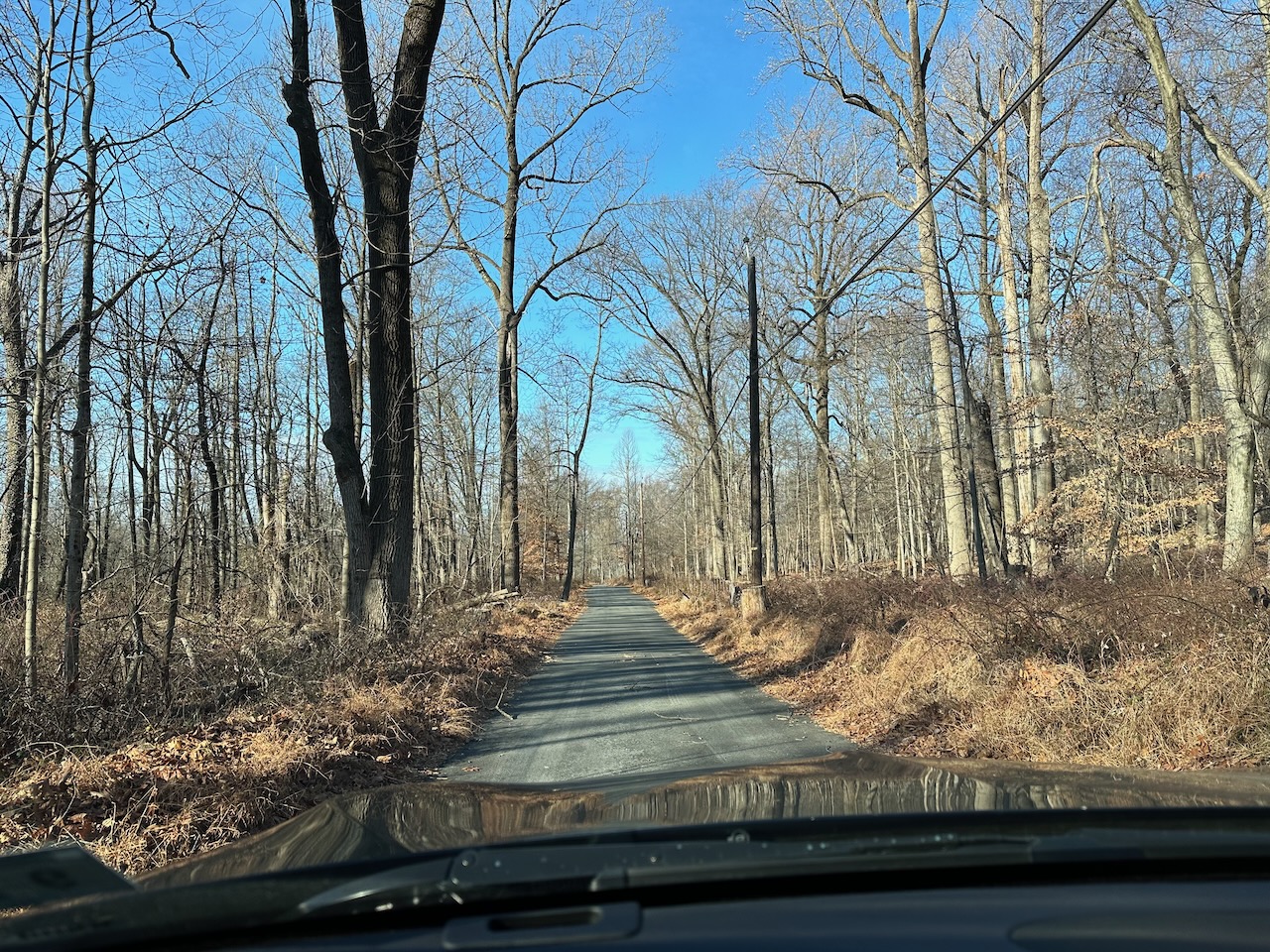
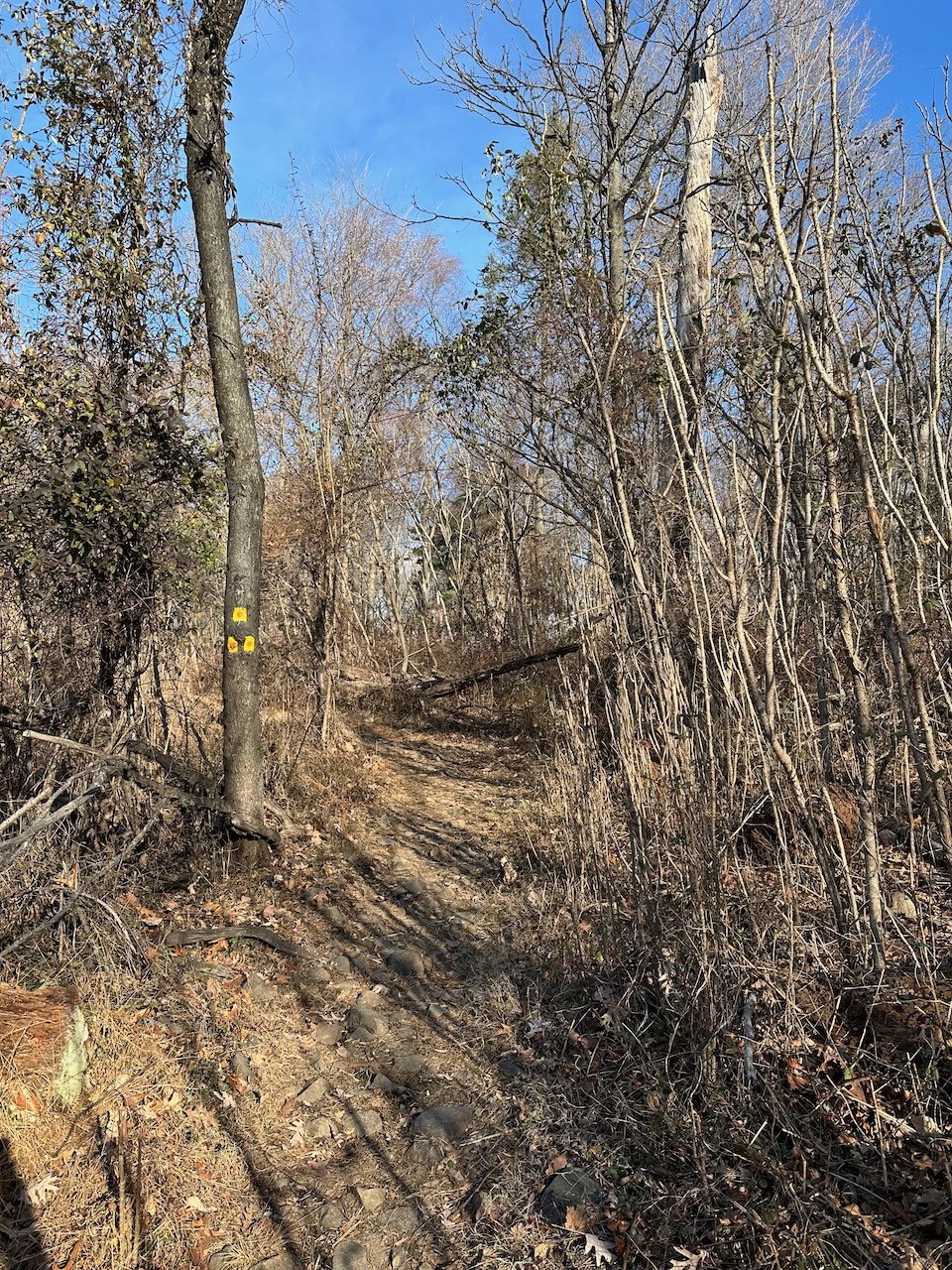
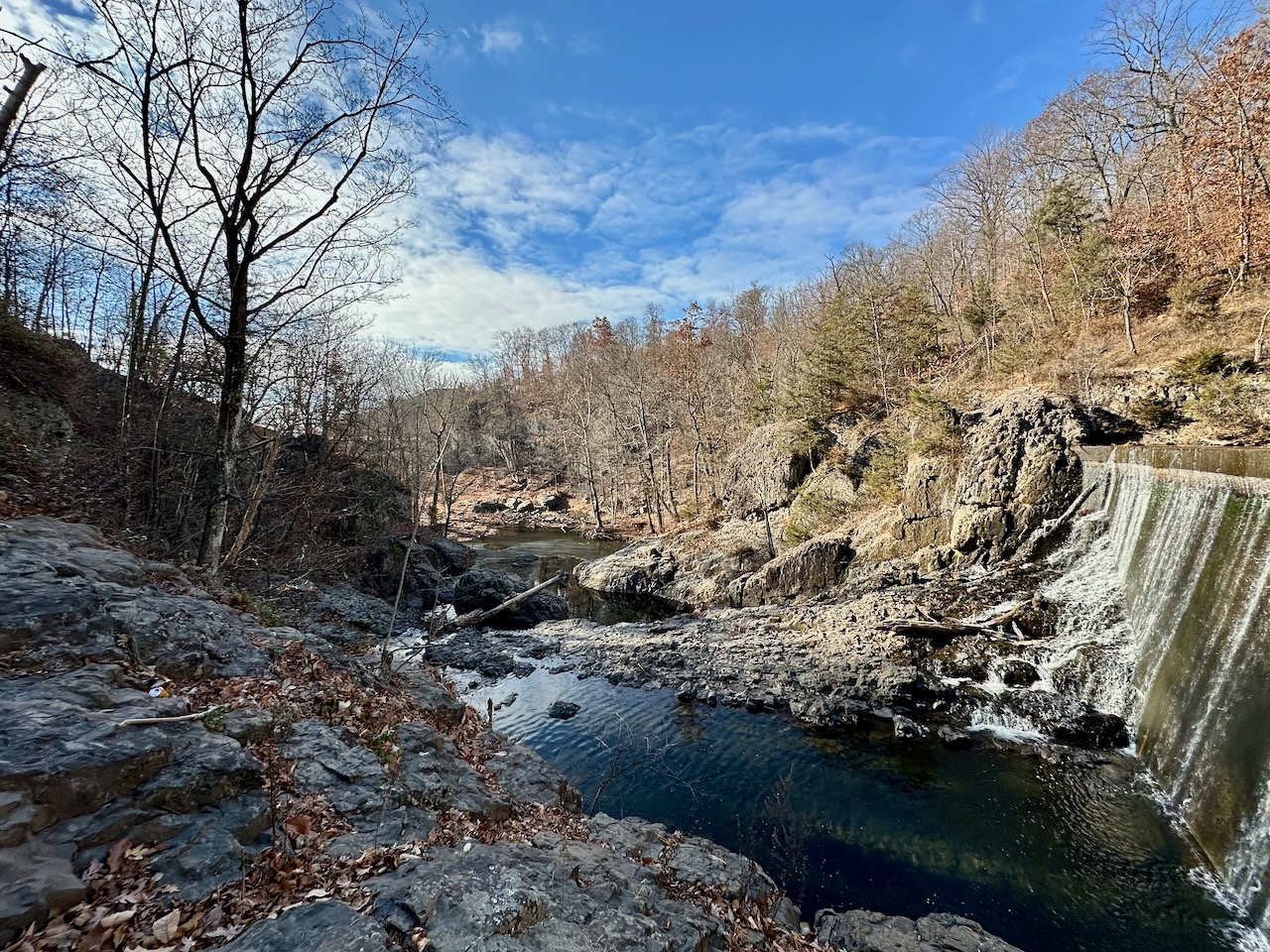
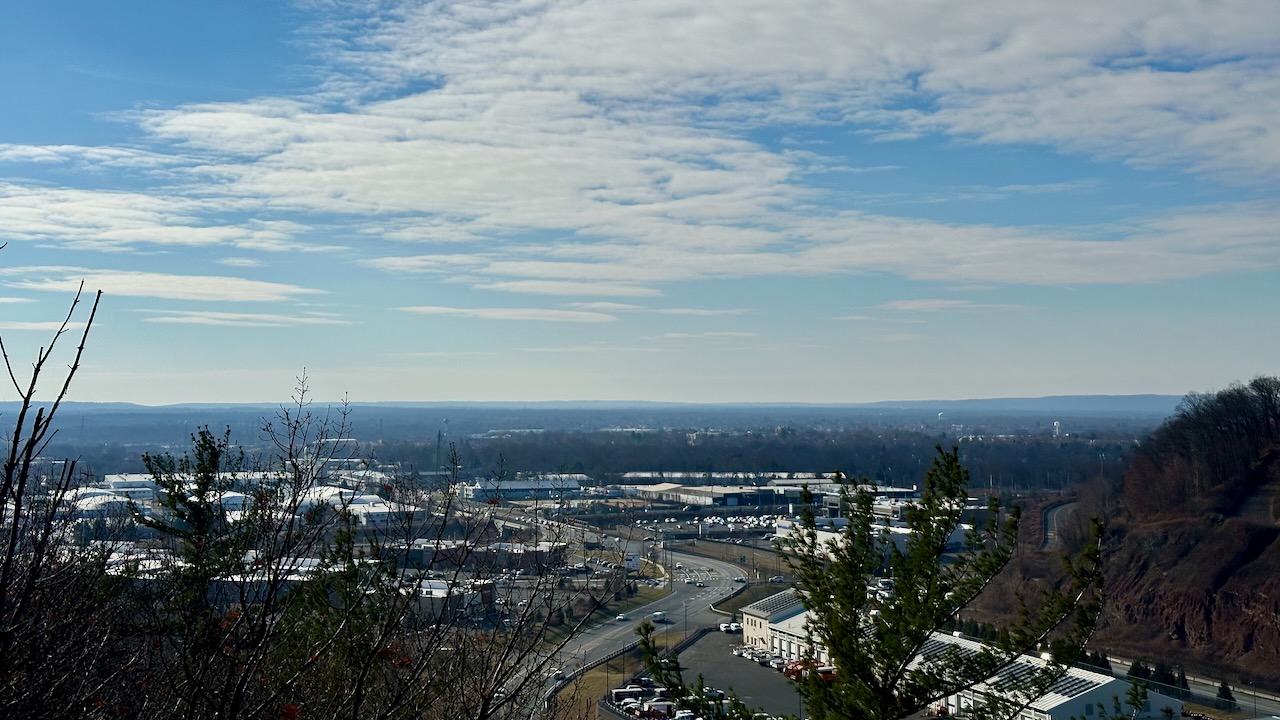
I recently discovered a new hiking trail that I wanted to share. Washington Valley Park in Bridgewater, New Jersey has a cool, man-made waterfall that is the payoff for a 1.5-mile round trip hike. A narrow (!) road led into the park.I arrived early on a Saturday morning. I had read online that the parking area was pretty small, and I managed to snag the last available spot when I arrived.I started at an unmarked trailhead at the edge of the parking lot. The park is criss-crossed by several hiking trails, and while there are markers on the trees to keep you pointed in the right general direction, there aren’t many signs, making it somewhat challenging to figure out which trail to take. If you’re a novice hiker, I would strongly suggest keeping a map with you (the map in the AllTrails app is perfectly acceptable).The trail can be a little rocky at points, but is manageable as long as you watch your step. This section of the trail offered a nice view of the East Branch Middle Brook, which was beginning to freeze.Buttermilk Falls is formed by a dam on the East Branch Reservoir. The 30-foot waterfall is quite pretty, and a nice reward for the hike.The initial hike was a gradual descent to the reservoir. The return hike was a steep, half-mile climb that definitely got my heart pumping (or, as a mountain biker said to me as he struggled up the hill: “Are we there yet?”). The payoff was this lovely view of the town of Bound Brook and the surrounding countryside. It was definitely a fun adventure!
Hugie Acura
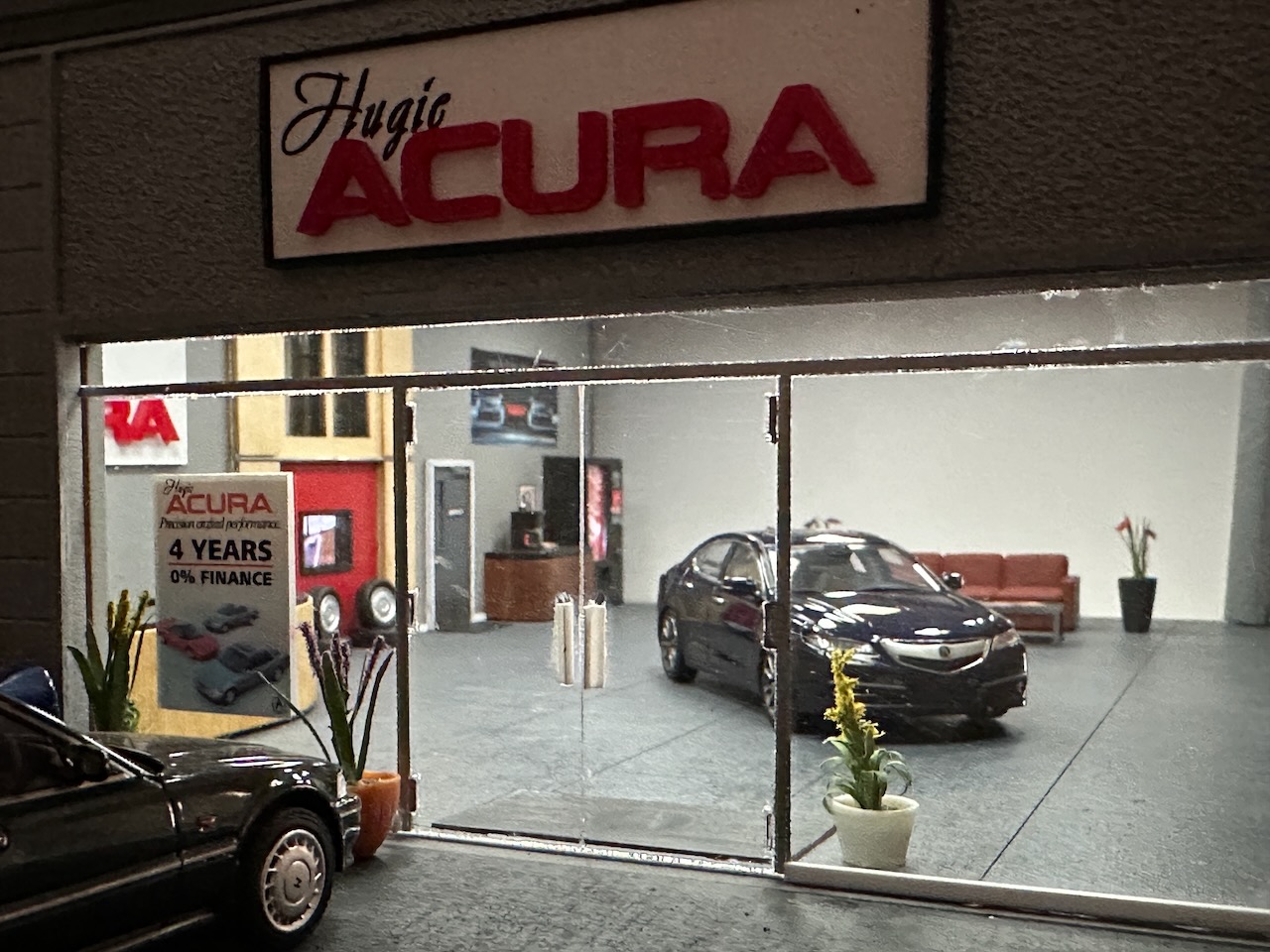
Finally, I wanted to close with a cool Acura-related story. Longtime readers will recognize the name Tyson Hugie, whose blog Drive to Five was one of the primary inspirations for The Open Road Ahead. Tyson is a friend and an avid collector of 90’s Acuras. His pride and joy is a nearly 600,000-mile 1994 Acura Legend coupe. Besides the Legend coupe, he has a collection of about a dozen other 90s Acuras, along with countless examples of Honda and Acura memorabilia. He recently added to his inventory with a 1:43-scale model Acura dealership (Hugie Acura!). Of course, there is a video tour.
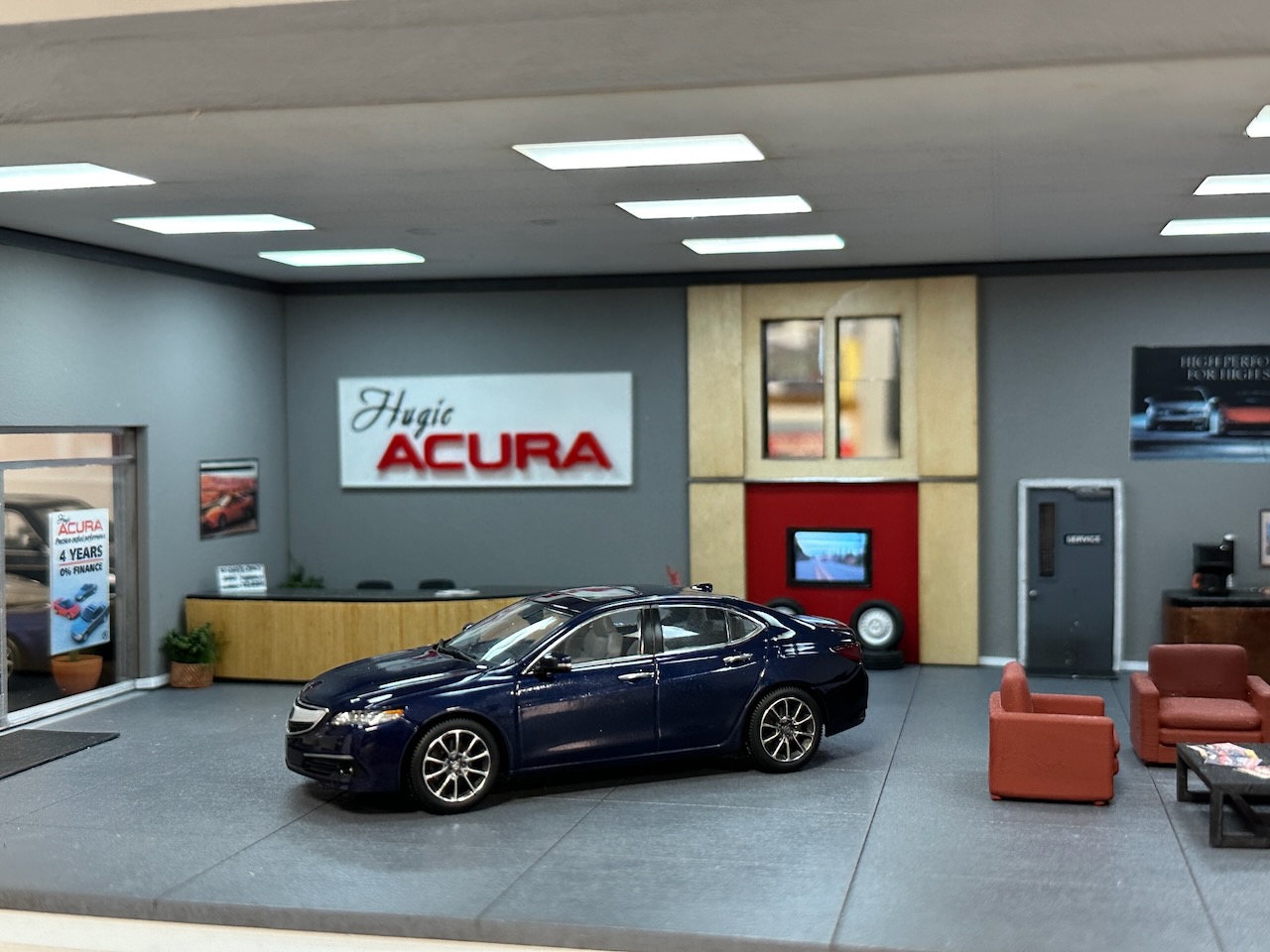
I asked Tyson if he had a 1:43-scale Acura TLX so that “my car” could sit on display at his dealership. He was happy to oblige:
I present you… Hugie Acura! Created by Canada-based David Miniatures (which has made scale models for companies such as Amazon Prime, Adobe, and BMW), this dealership is a spot-on reproduction of a 1990s Acura dealership. I loved the period-correct posters and brochures that dot the dealership, the leather furniture, and the working tiny TV (which shows a loop of 90s Acura commercials).The attention to detail is deeply impressive. I briefly owned an Acura Integra in the late 90s, and seeing Hugie Acura brought back a wave of nostalgia. So very, very cool!
Wrapping Up
Despite the arduous drive, the Museum of American Armor was well worth the drive to Long Island. If you are spending a weekend or vacation in Long Island, the museum would be an excellent stop for military enthusiasts, history buffs, and children of all ages. You can get up close with almost all of the vehicles, and on special days each year, you can even see the tanks and other equipment running under their own power as they traverse the grounds around the museum. Some events even welcome visitors to ride along!
Thanks for coming along on another journey down the open road ahead.







 The Open Road Ahead