For all of the sleek fighter jets, hulking tanks, warships bristling with weapons, and submarines that lurk far beneath the waves, the US military’s greatest advantage is its ability to ship stuff around the globe at a moment’s notice. The United States Air Force’s Air Mobility Command can put soldiers, equipment, or supplies anywhere in the world in a matter of hours. No other nation has the ability to comprehensively pick up and move large-scale troop formations in such a short timespan.
Yet this vital unit within the US military is little known. When the public sees images of American soldiers deployed far from our shores, how many of us wonder about the men and women whose job it is to ensure that those troops arrive quickly, safely, and well-equipped? On the grounds of Dover Air Force Base, the Air Mobility Command Museum exists to tell the stories of the soldiers and equipment behind this logistical powerhouse.
On a cloudy and gray Saturday in November, I set off to Delaware to learn more about this fascinating, unheralded, but vital branch of the US Air Force.
Let’s begin:
The Air Mobility Command Center
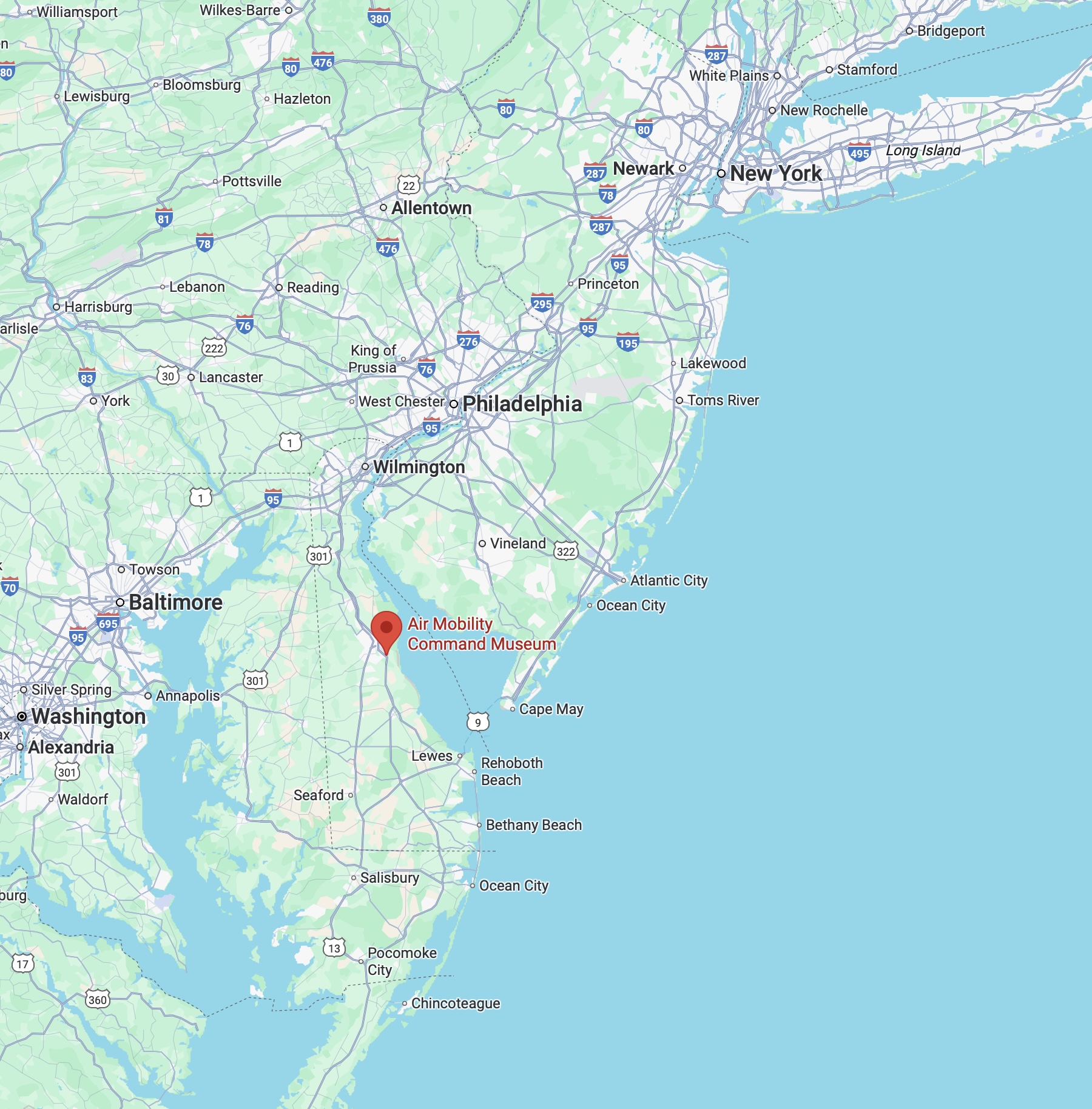
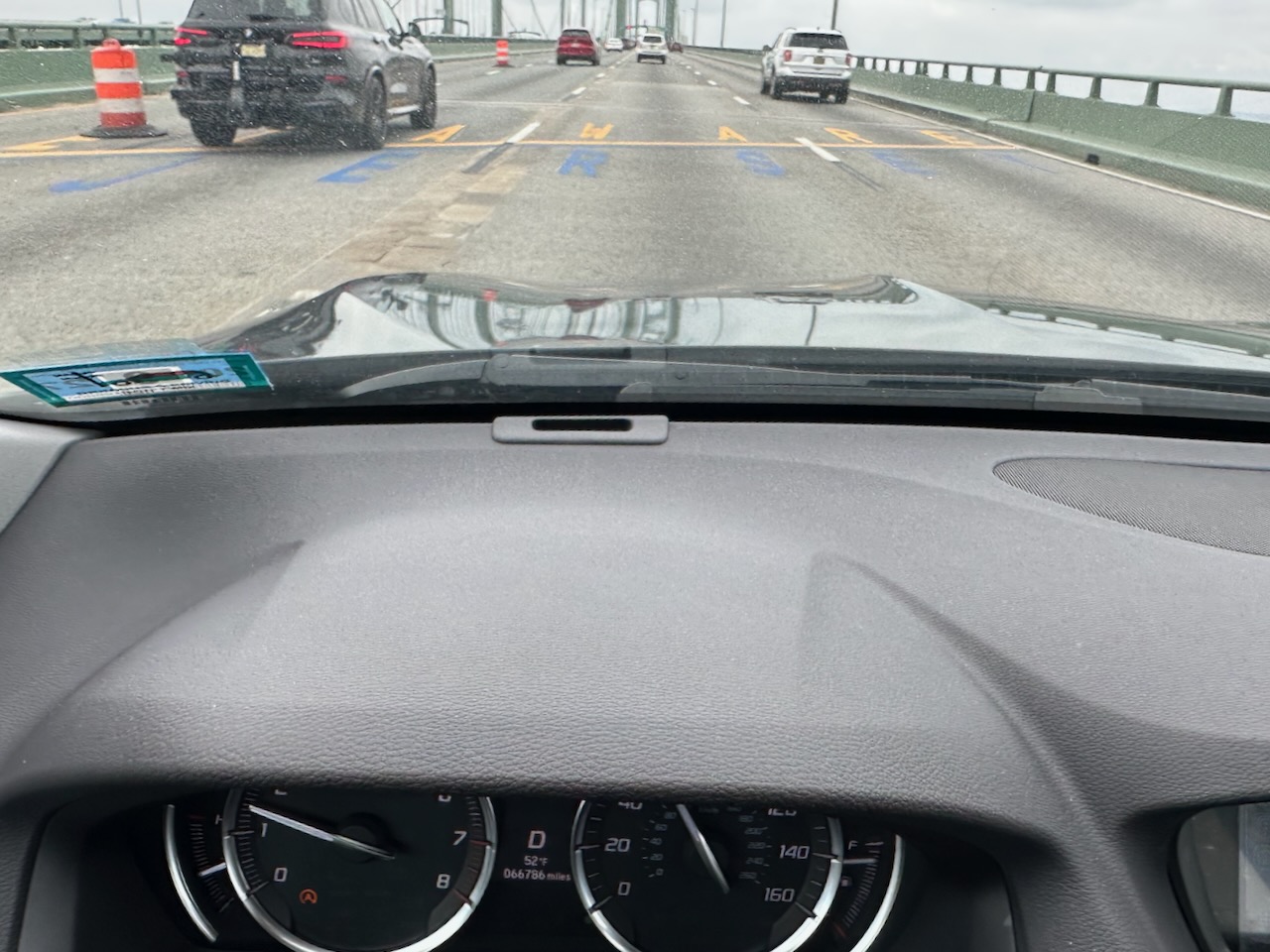
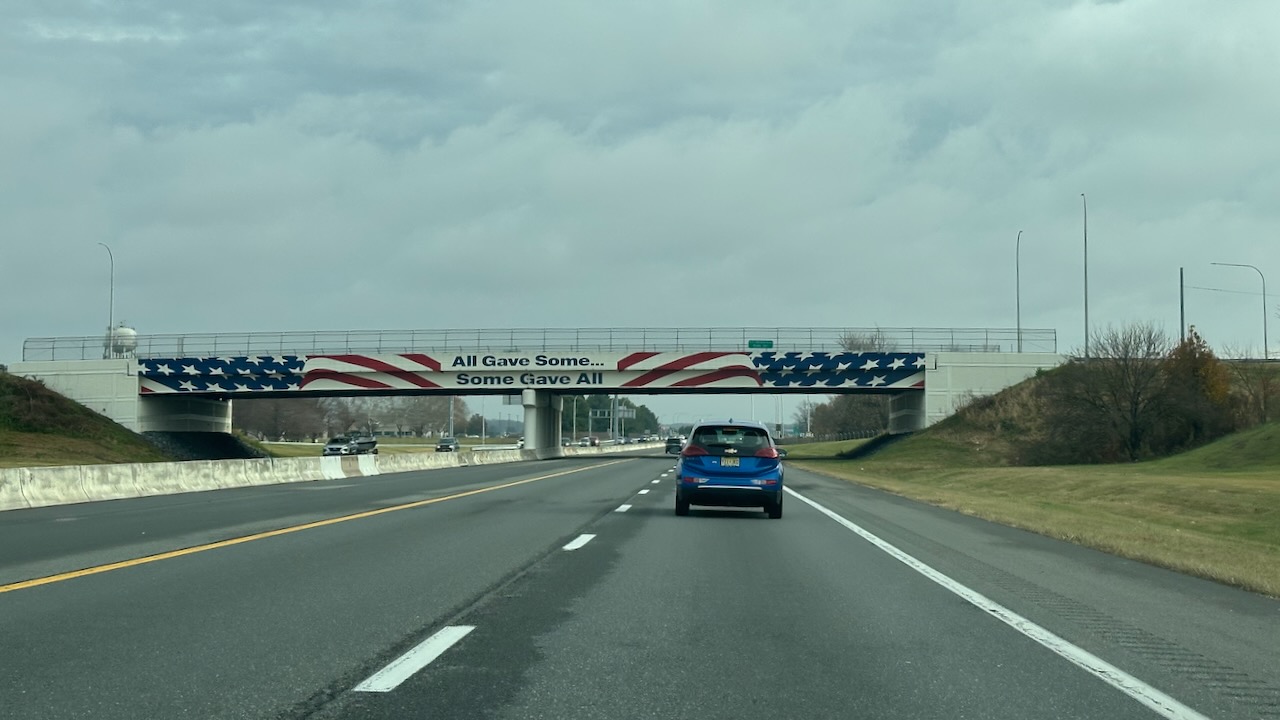
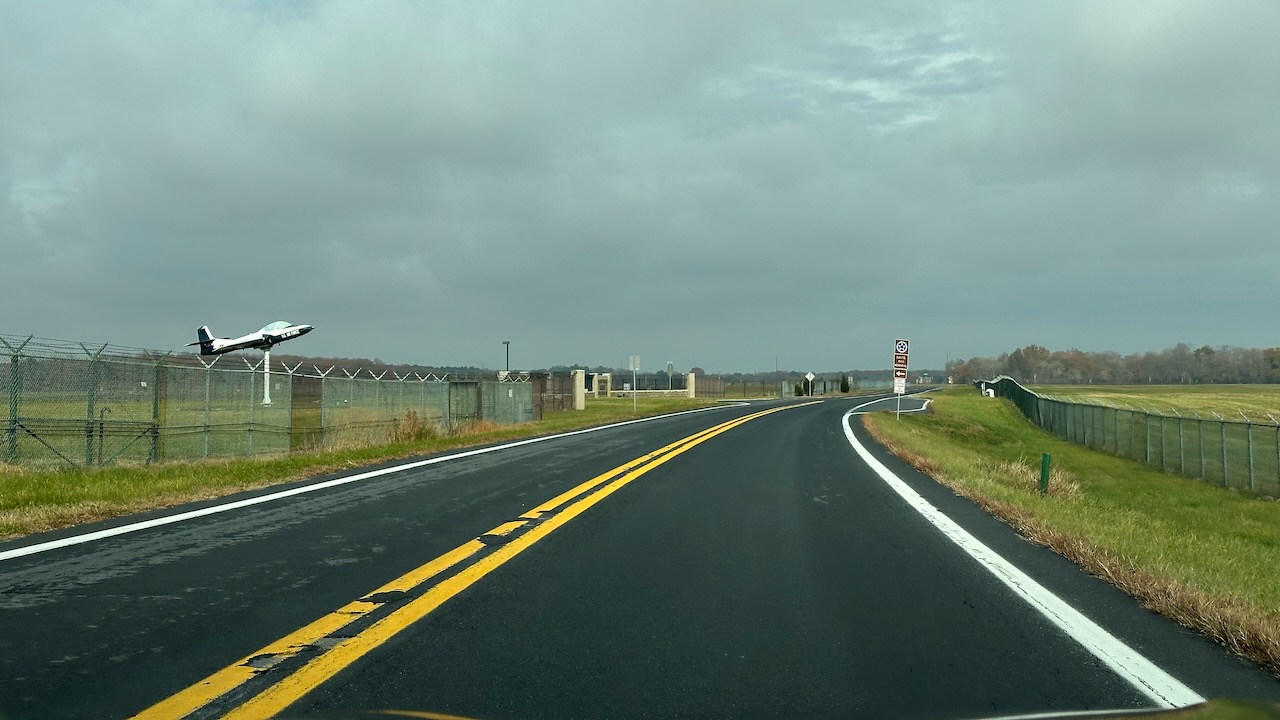
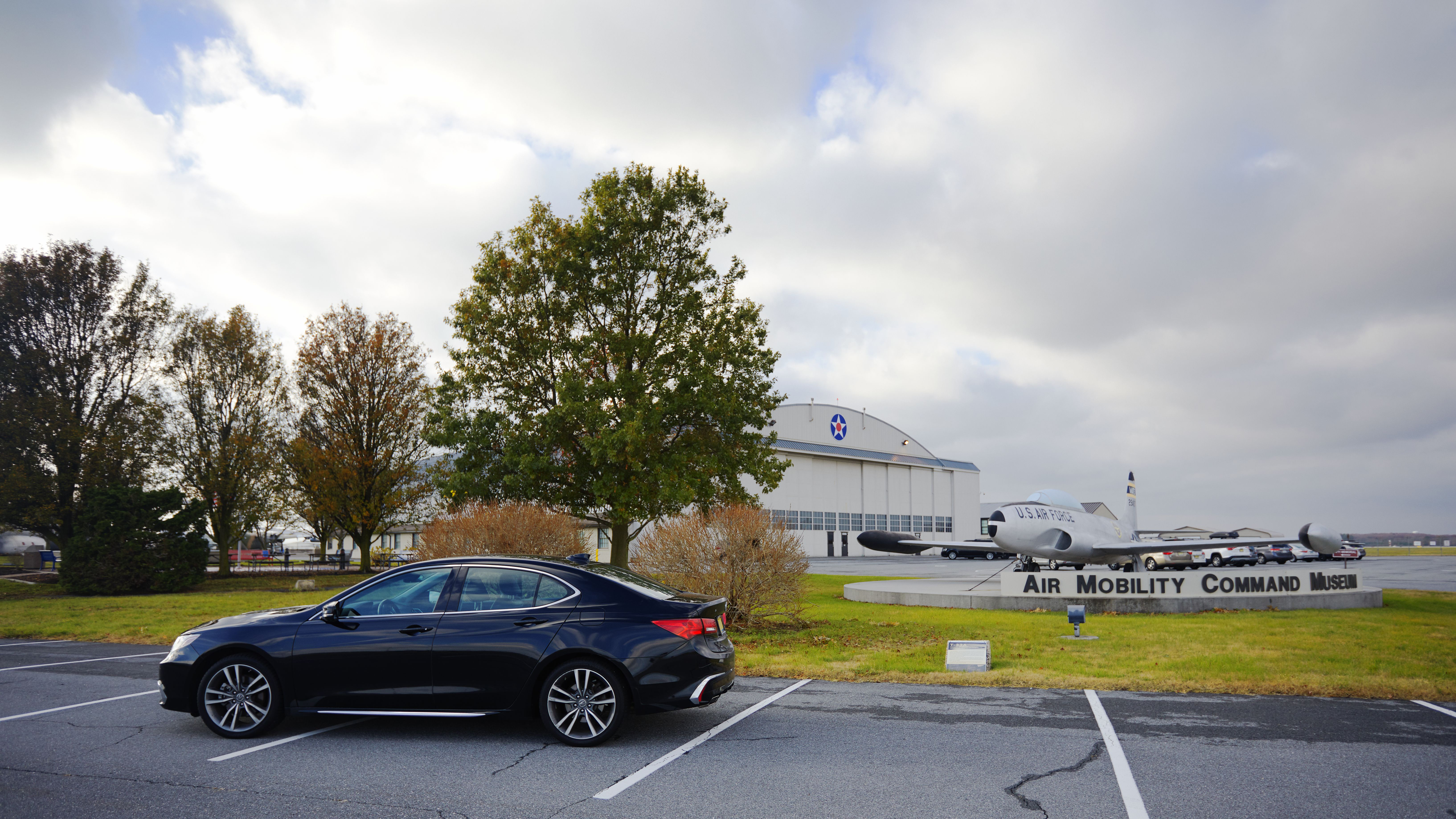
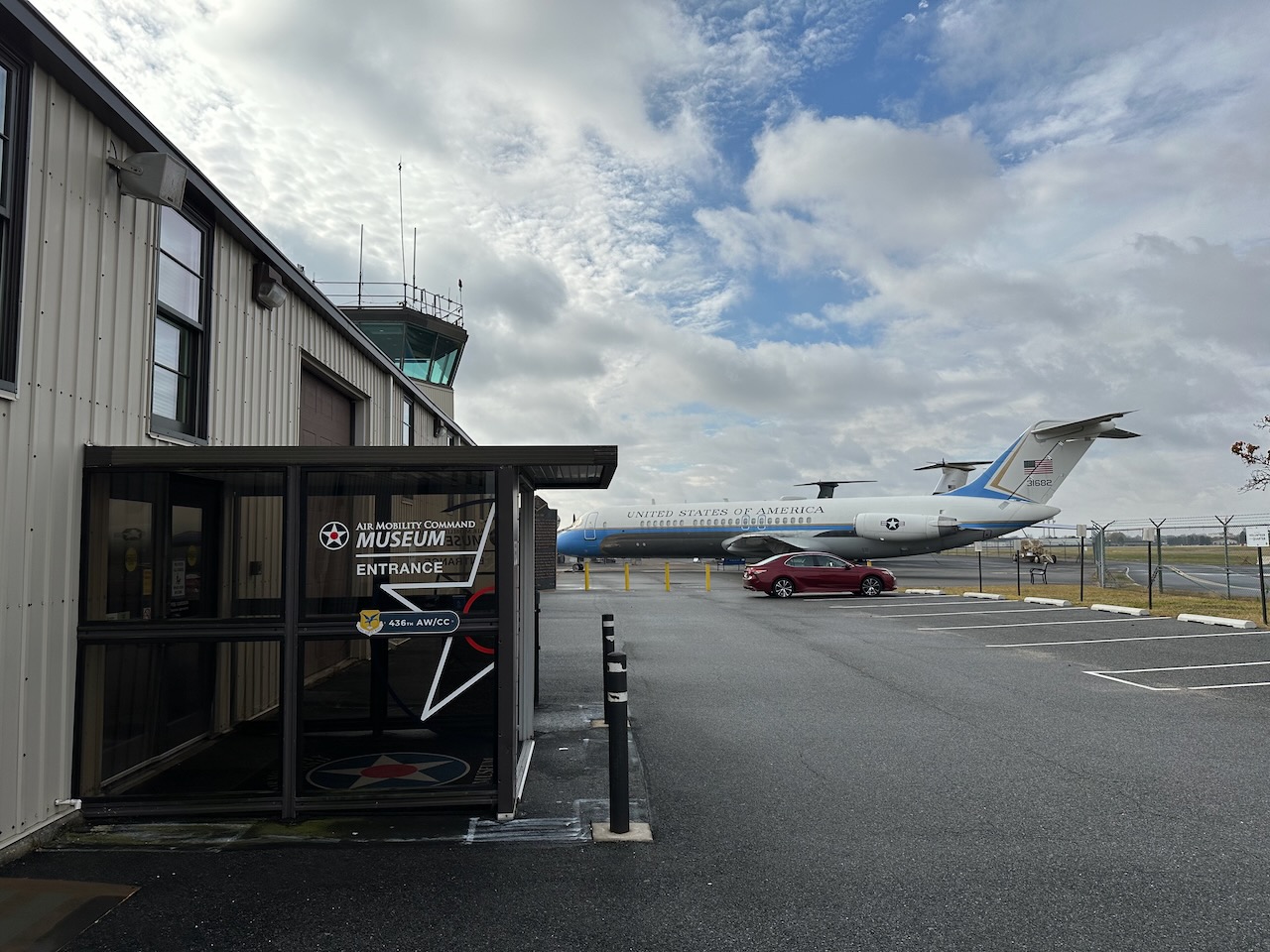
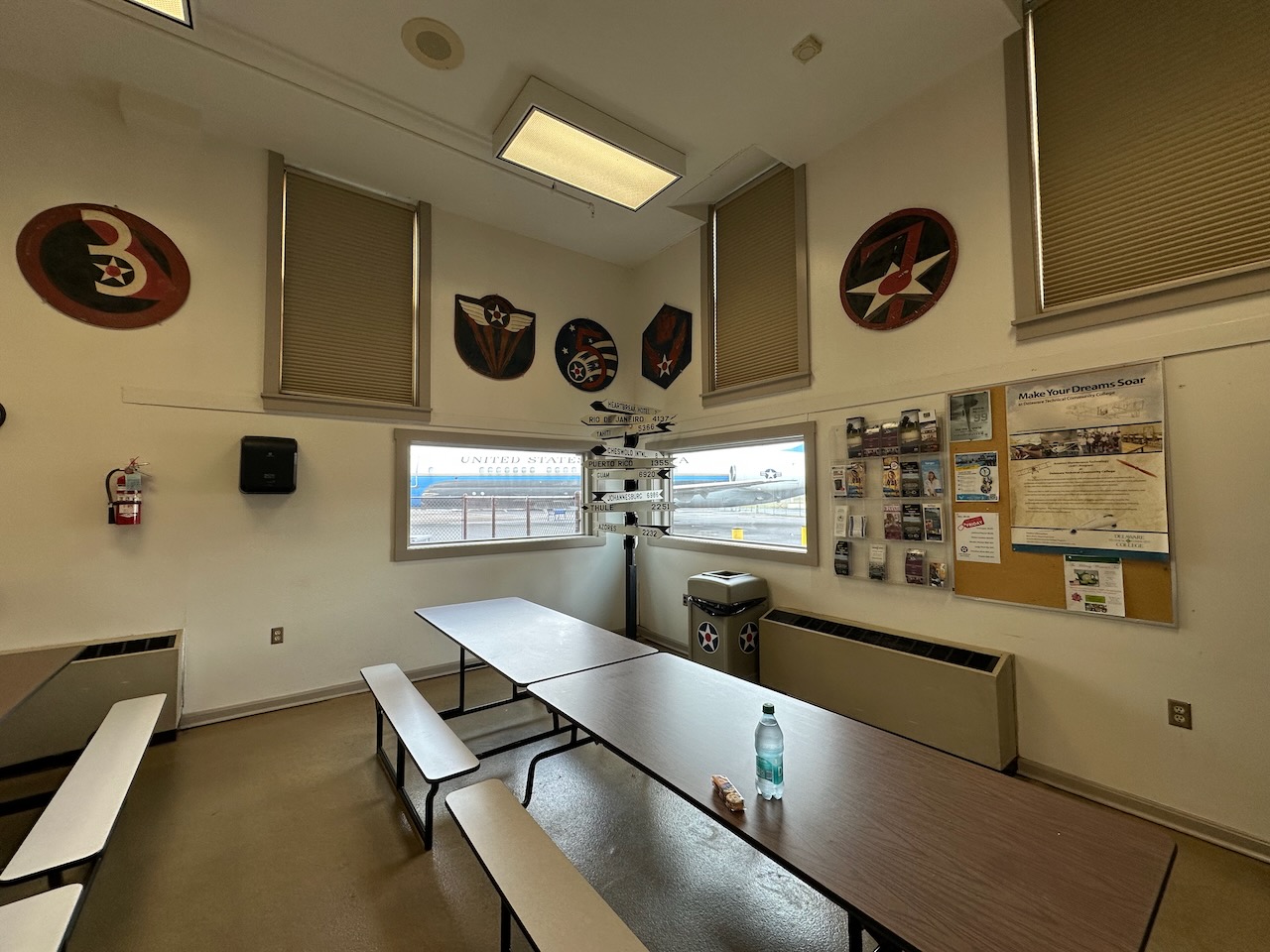
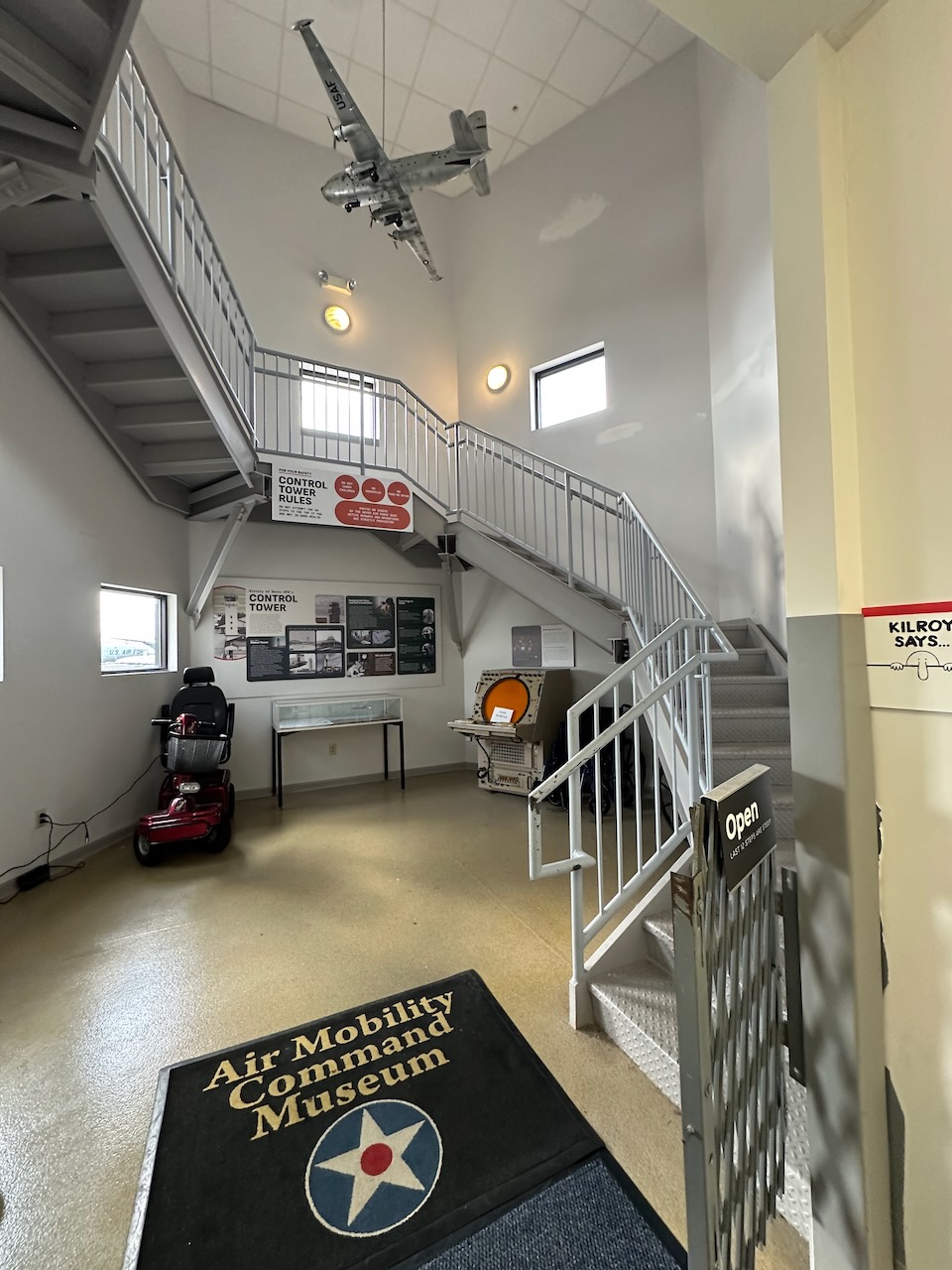
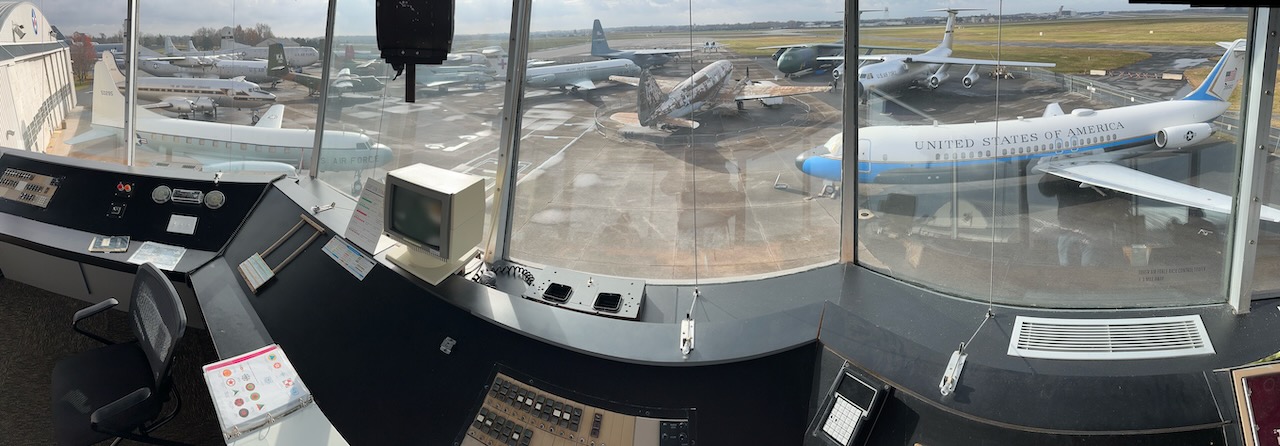
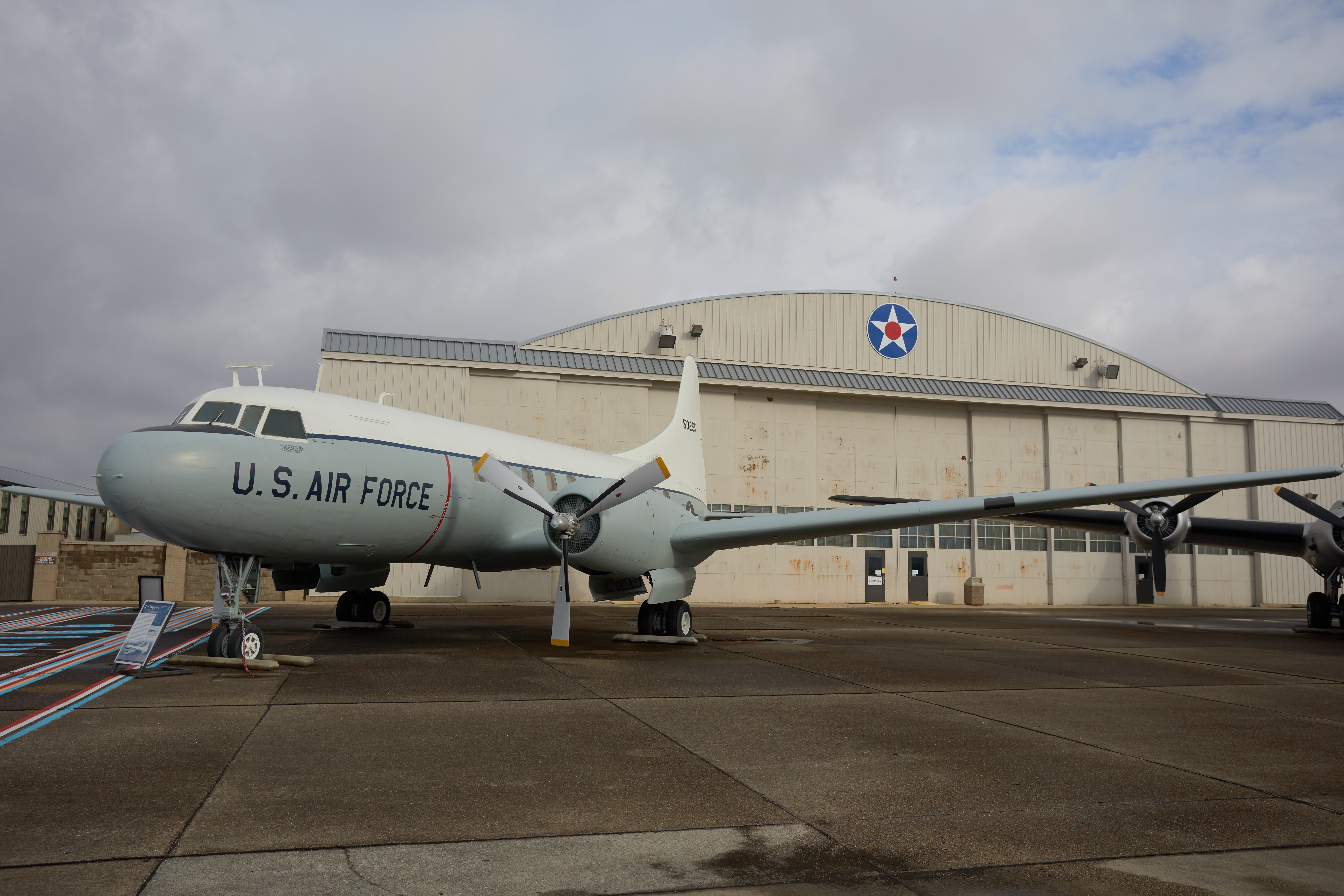
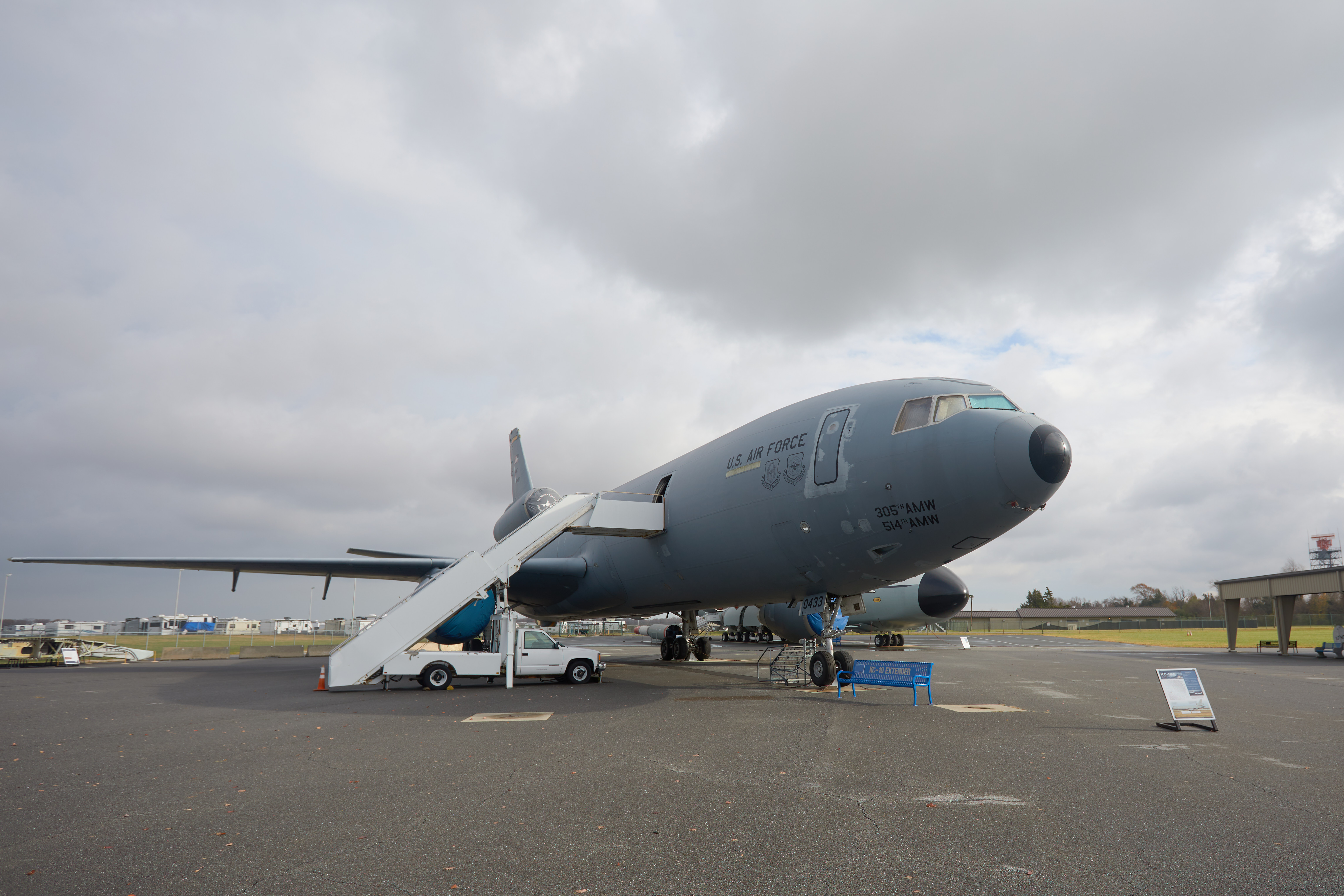
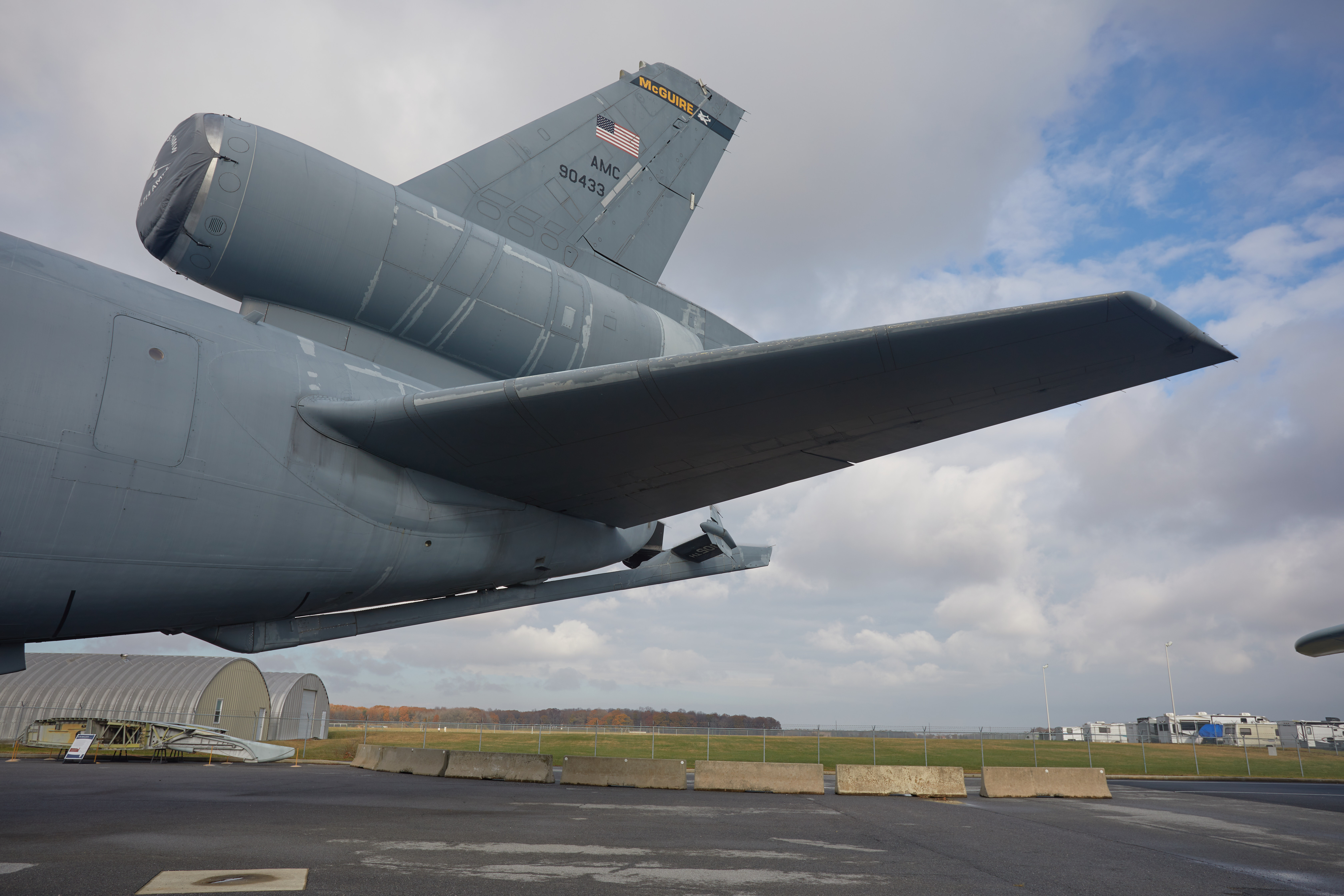
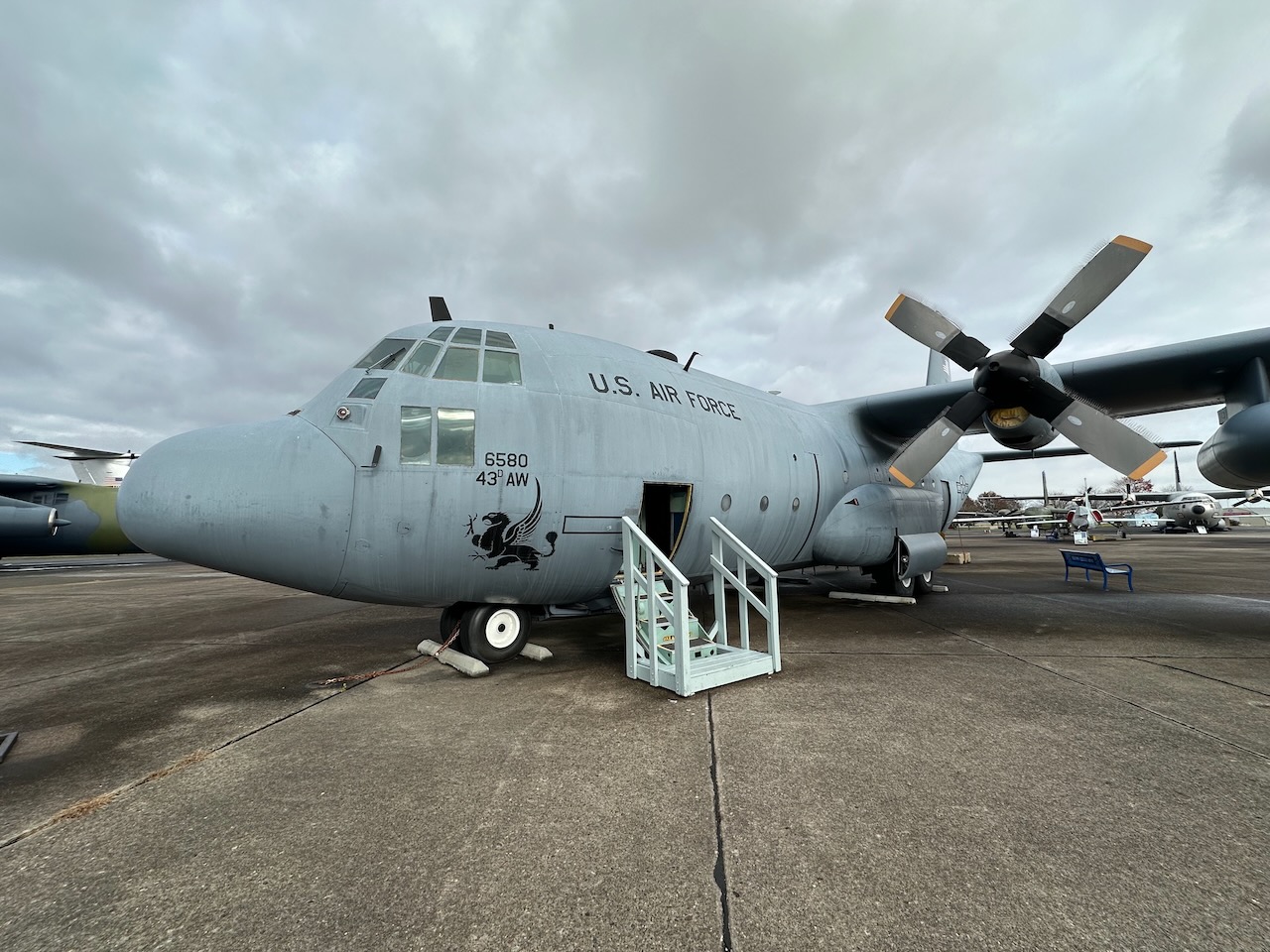
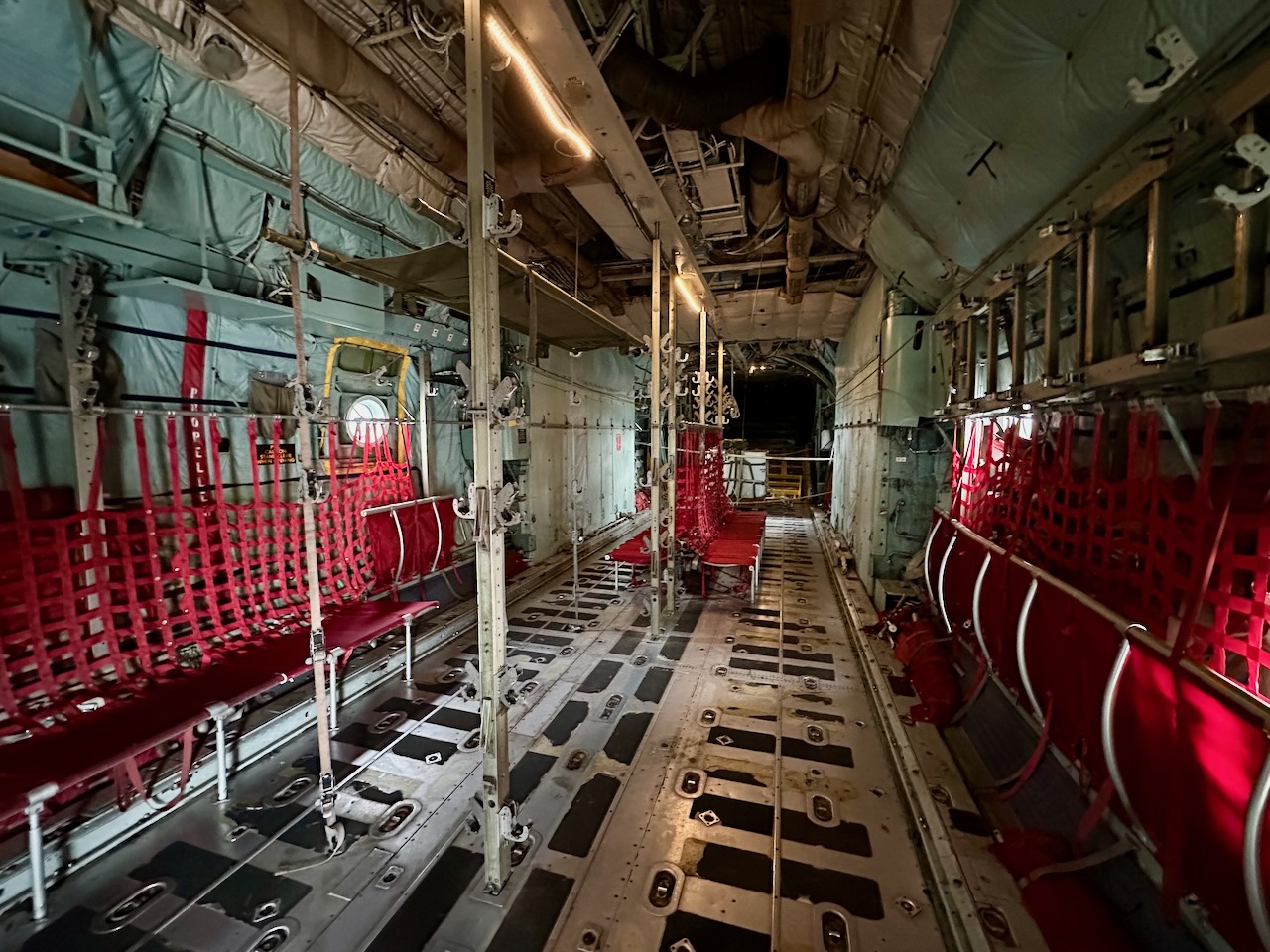
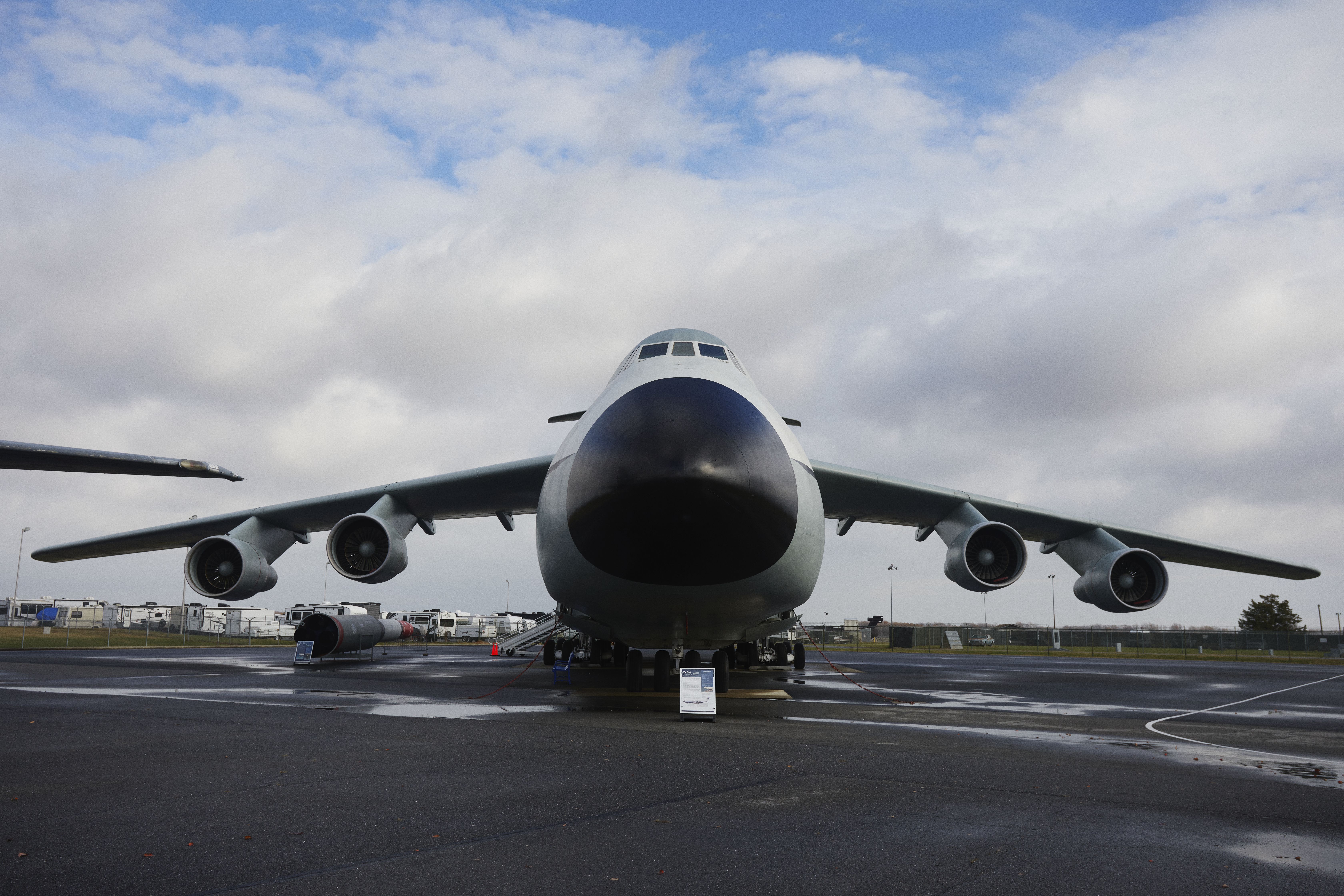
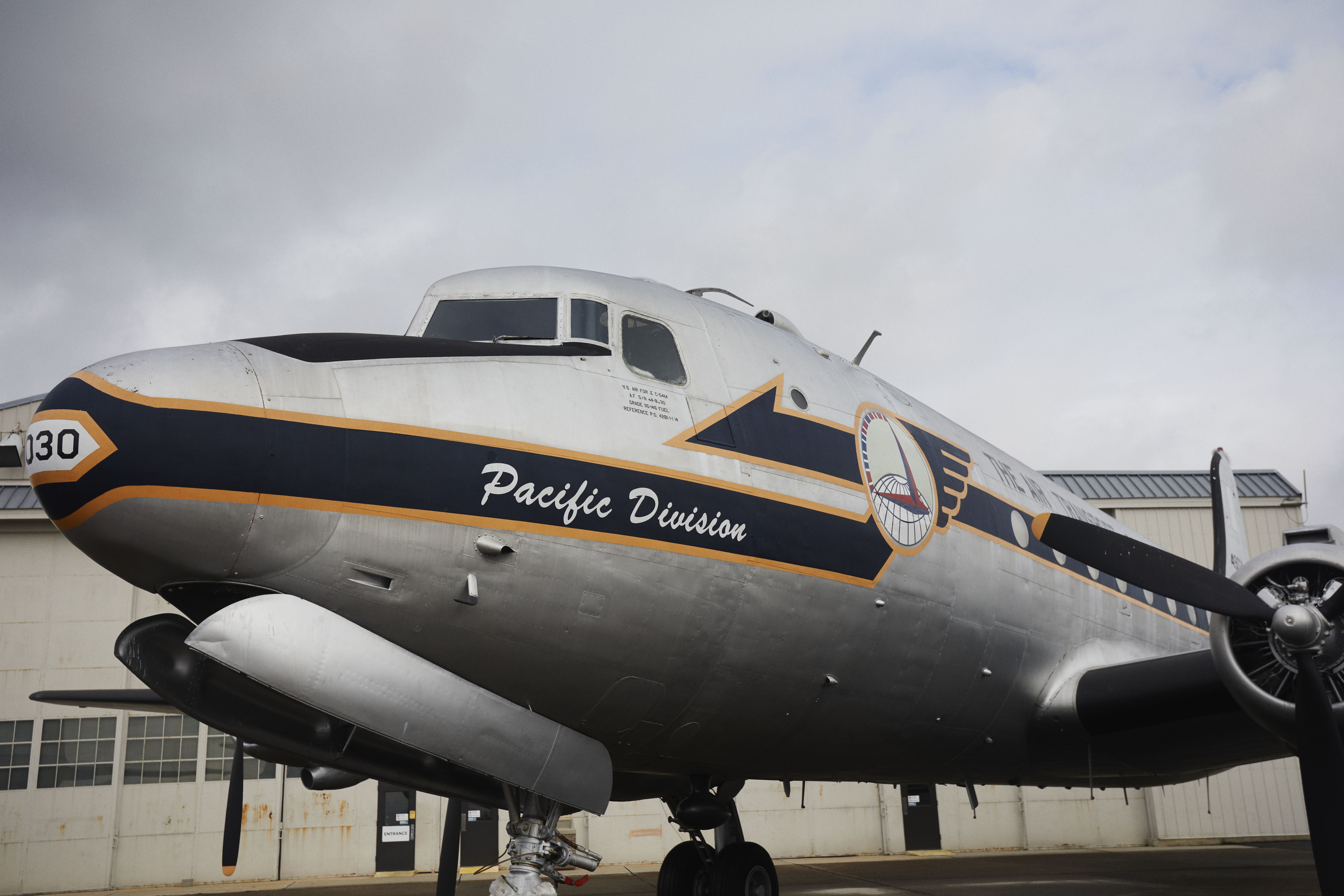
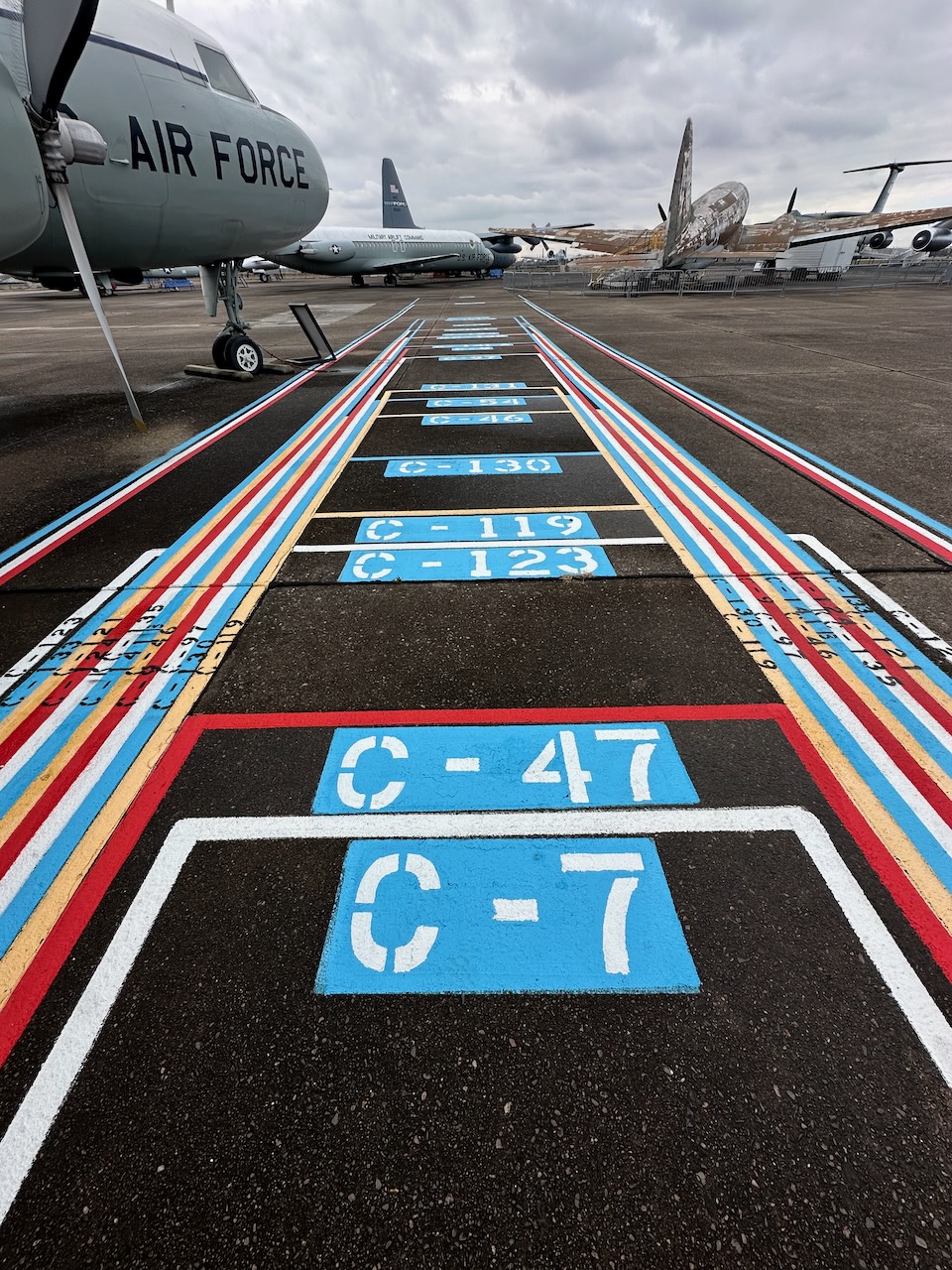
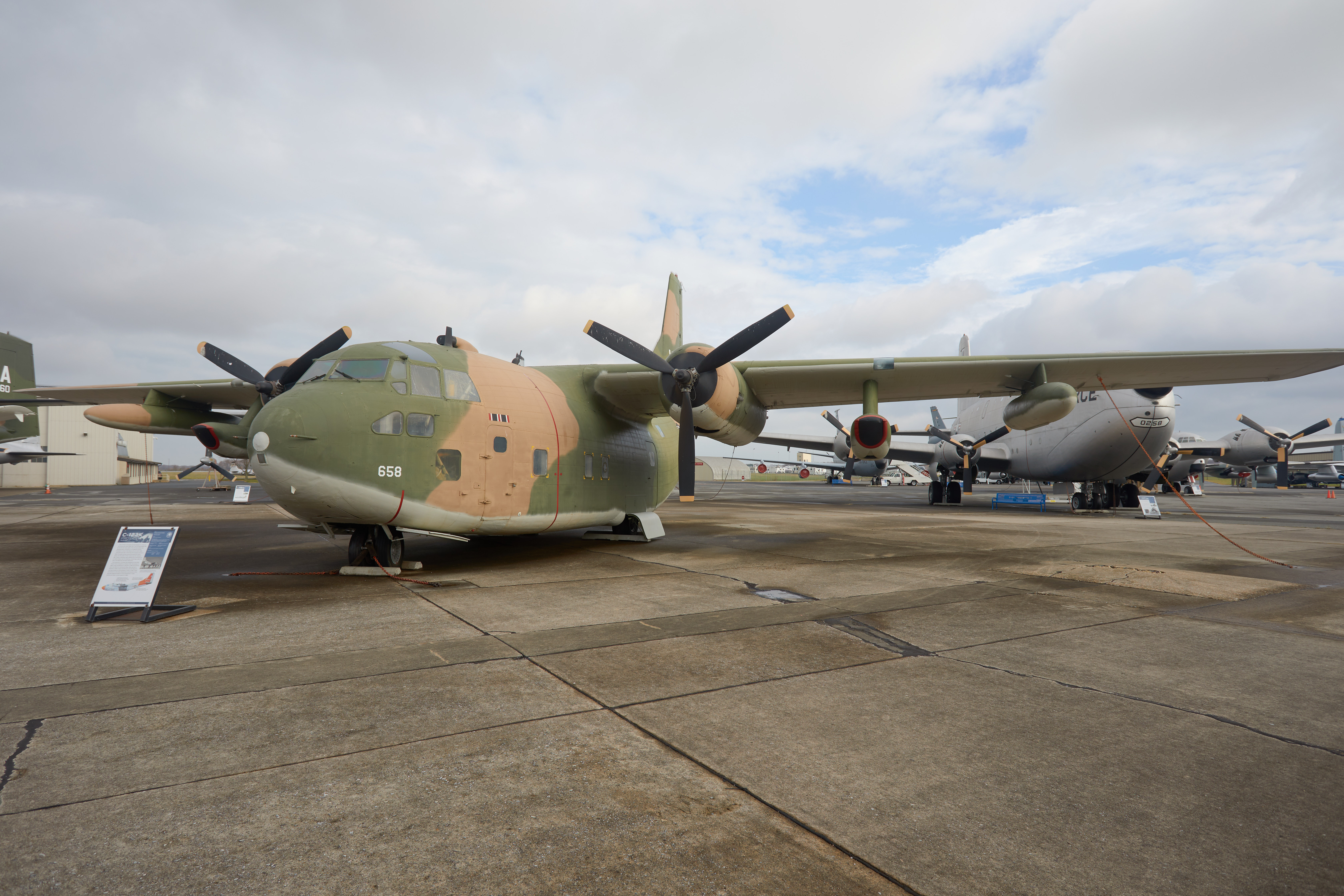
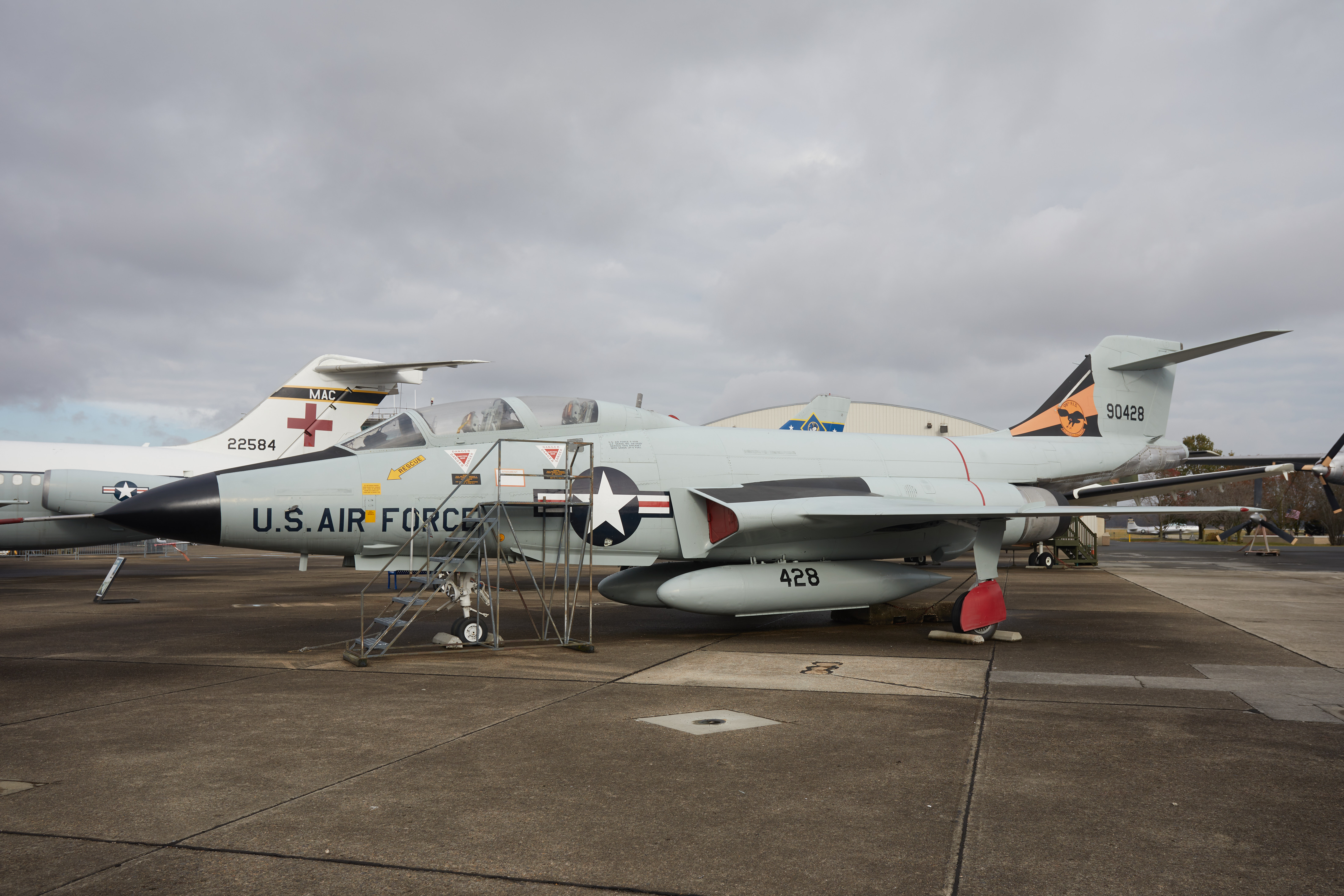
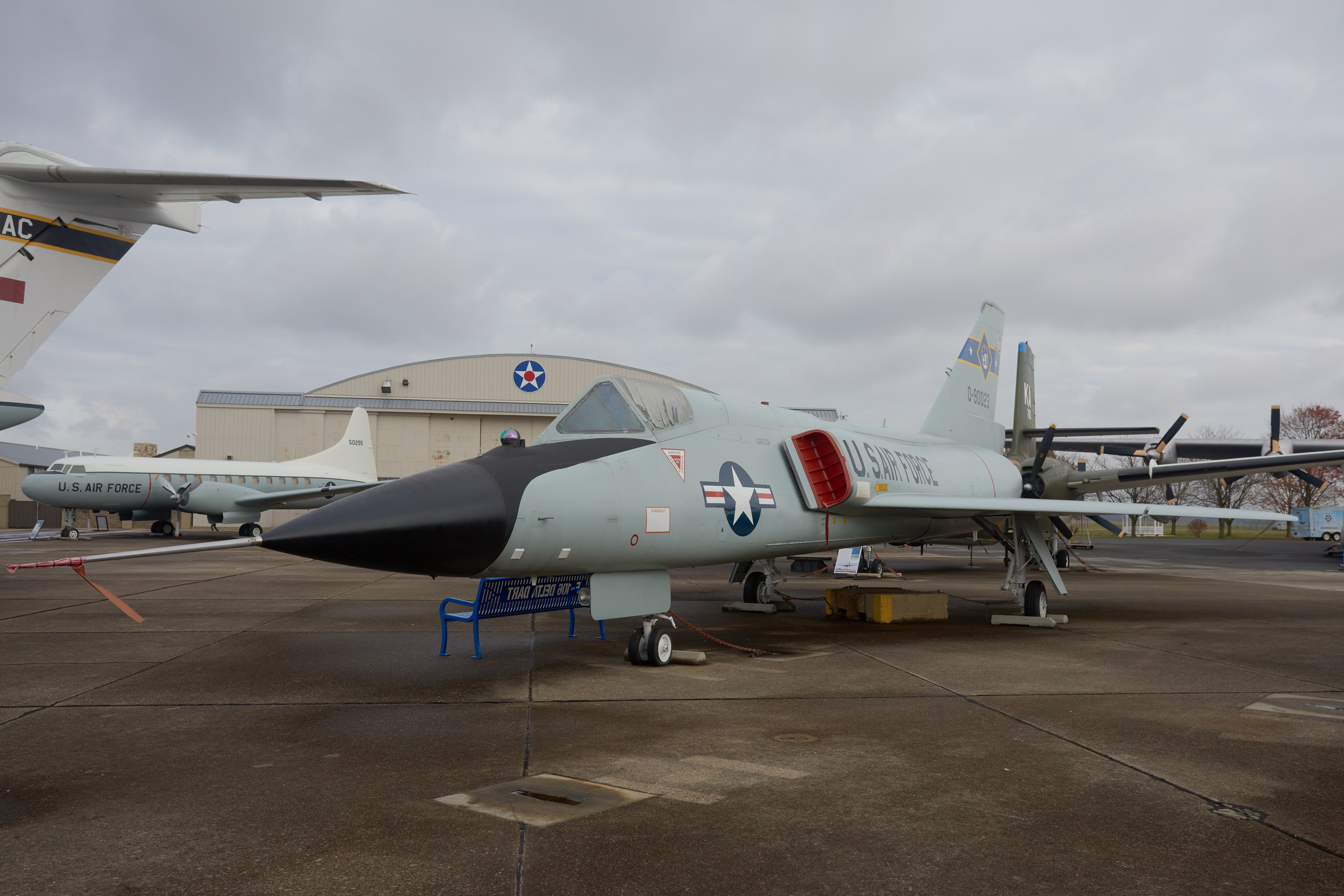
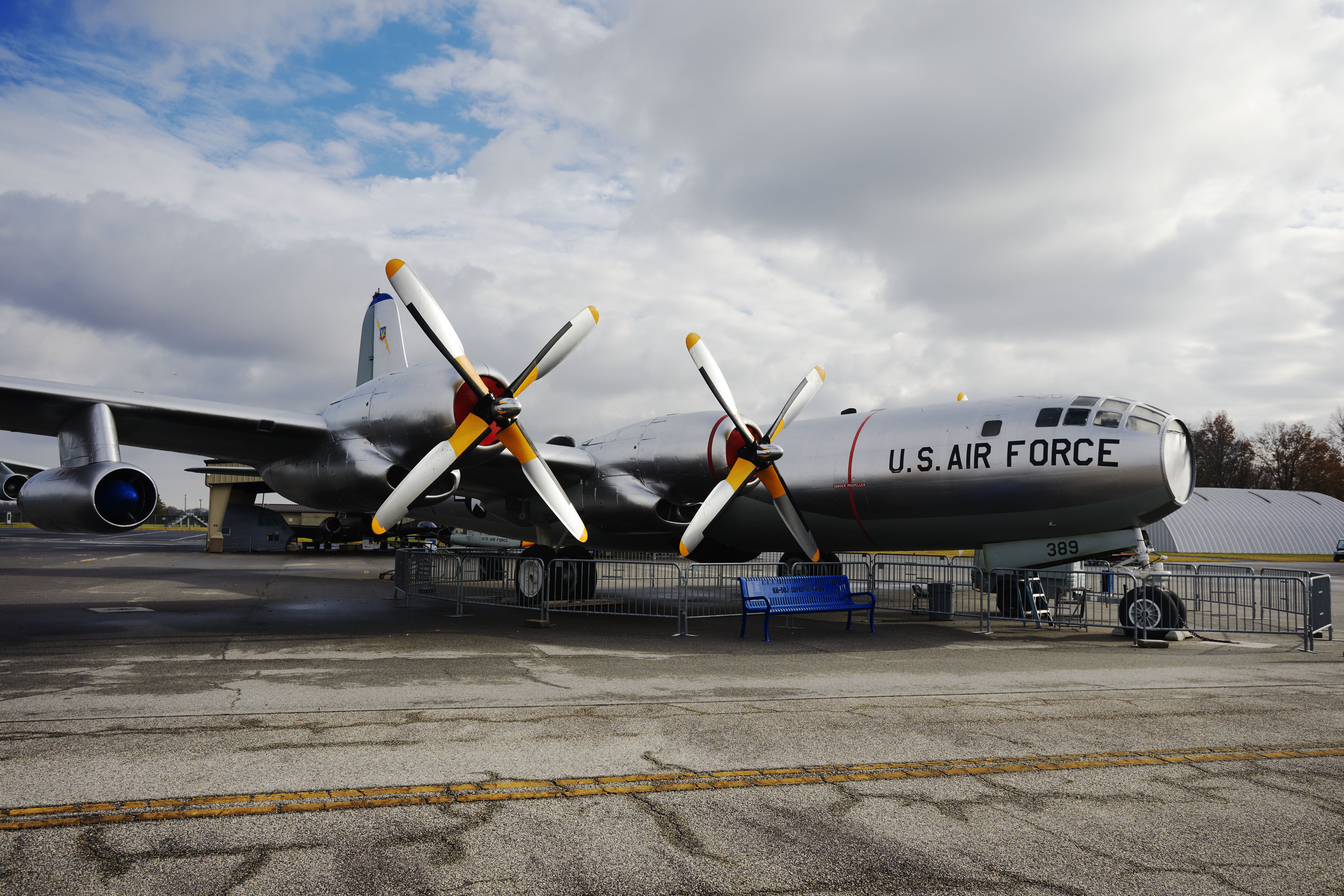
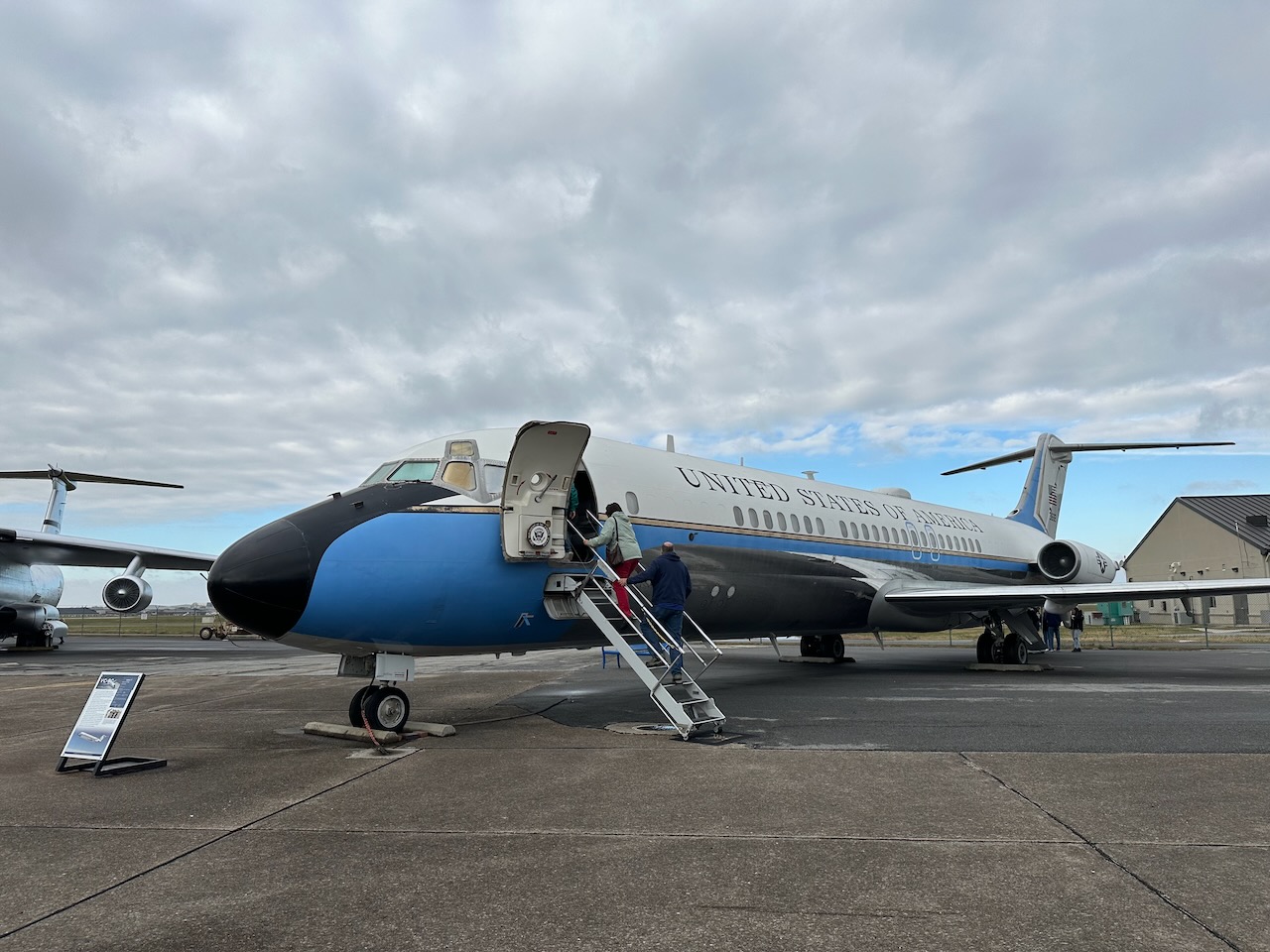
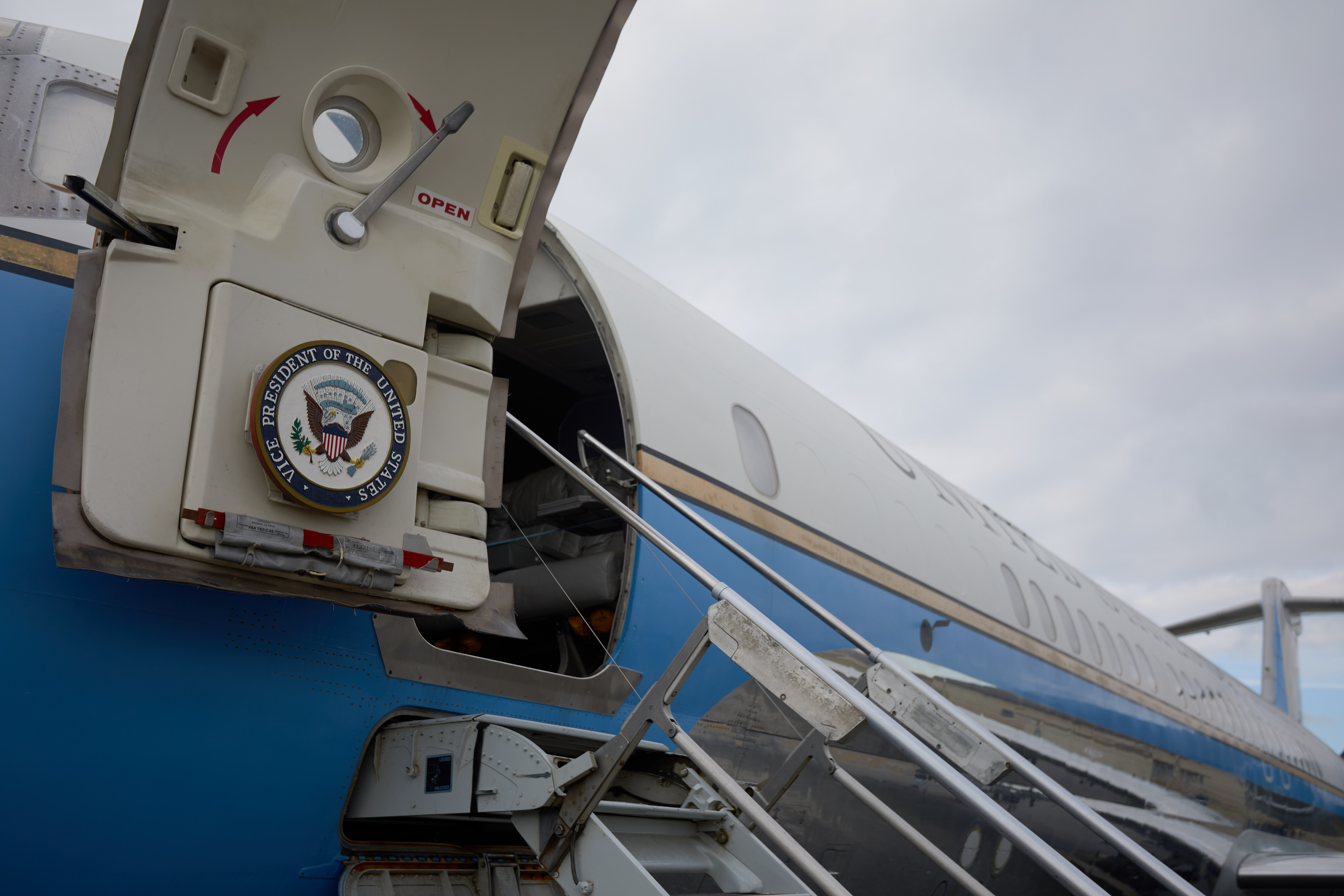
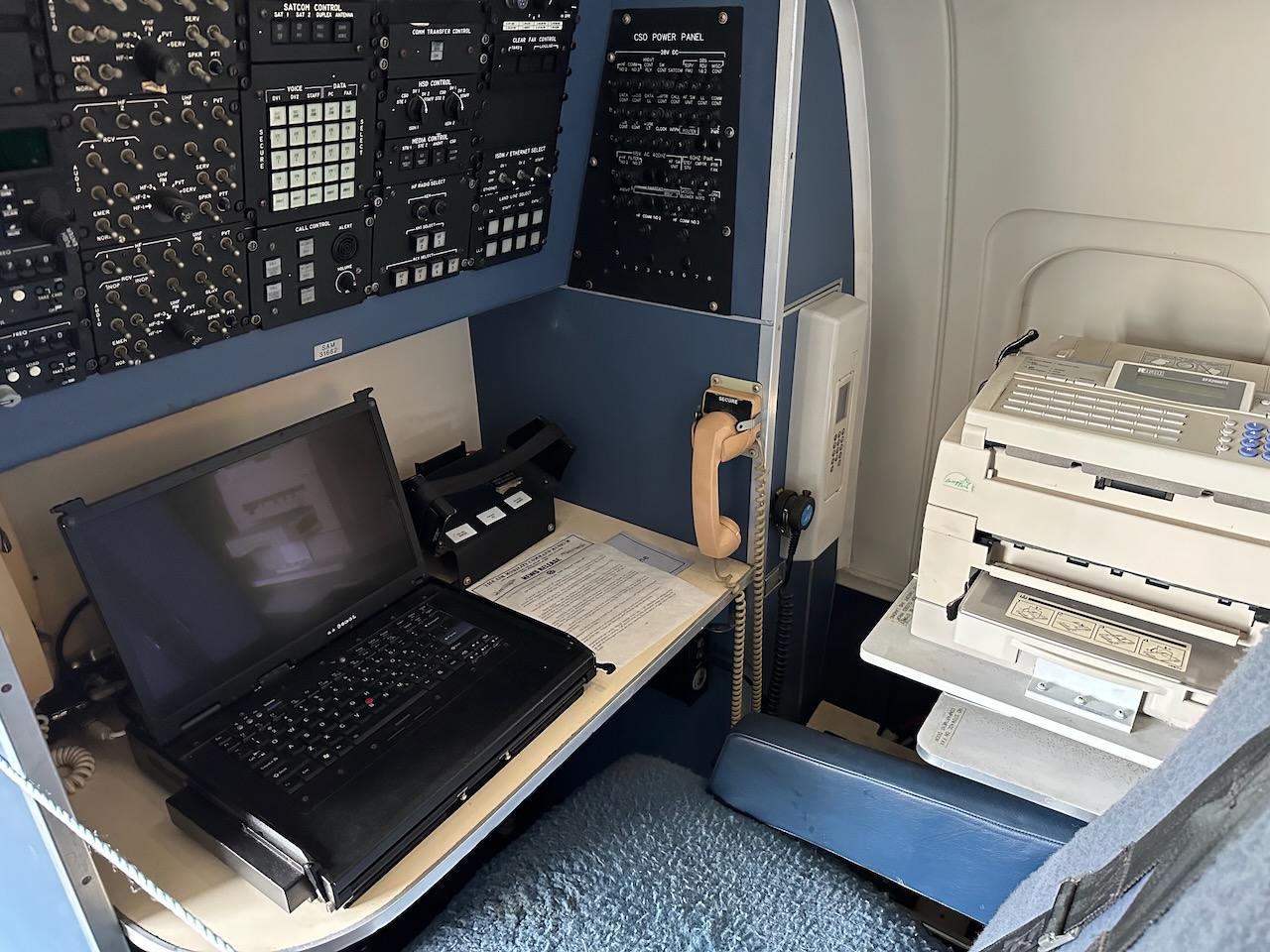
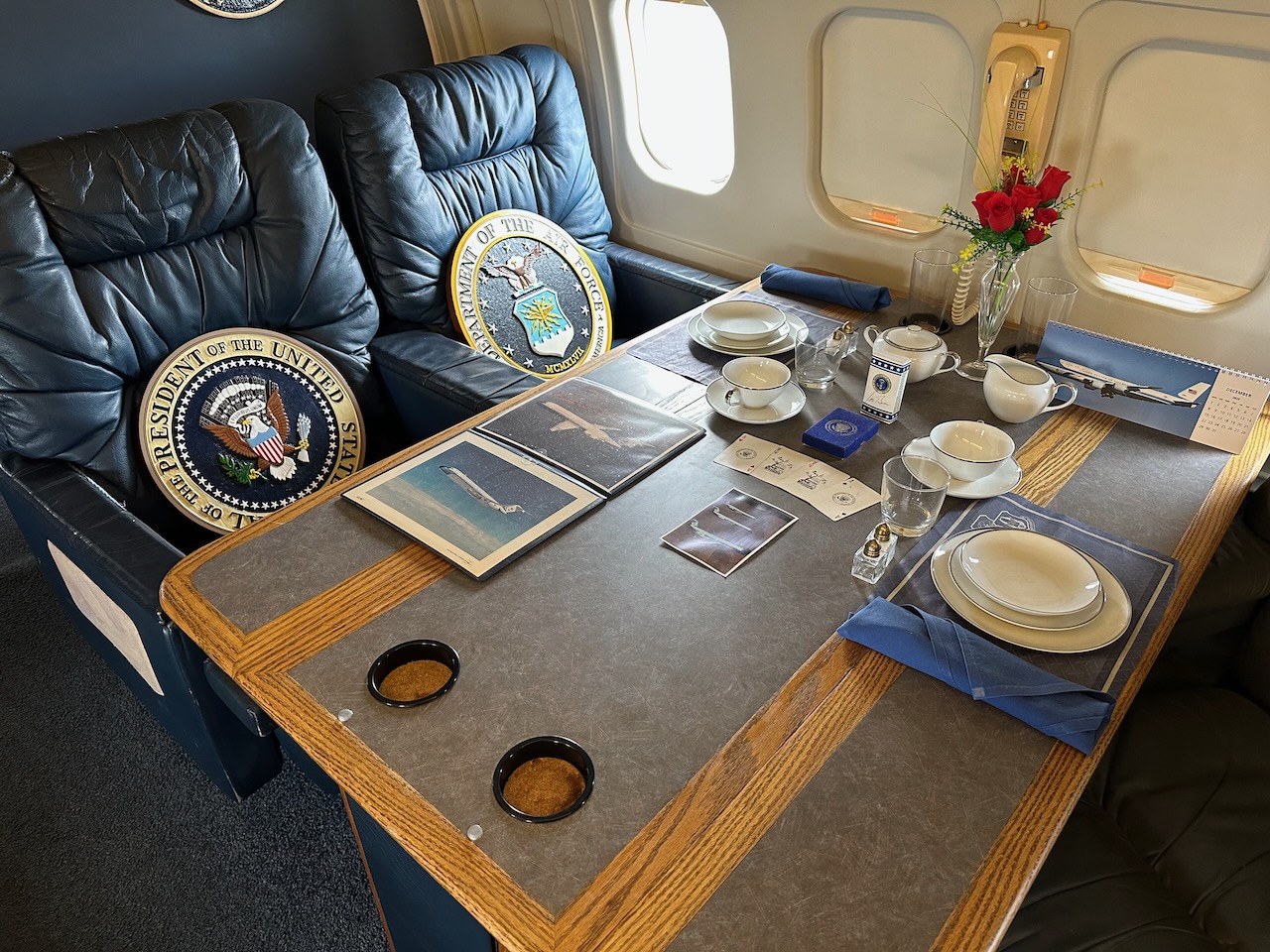
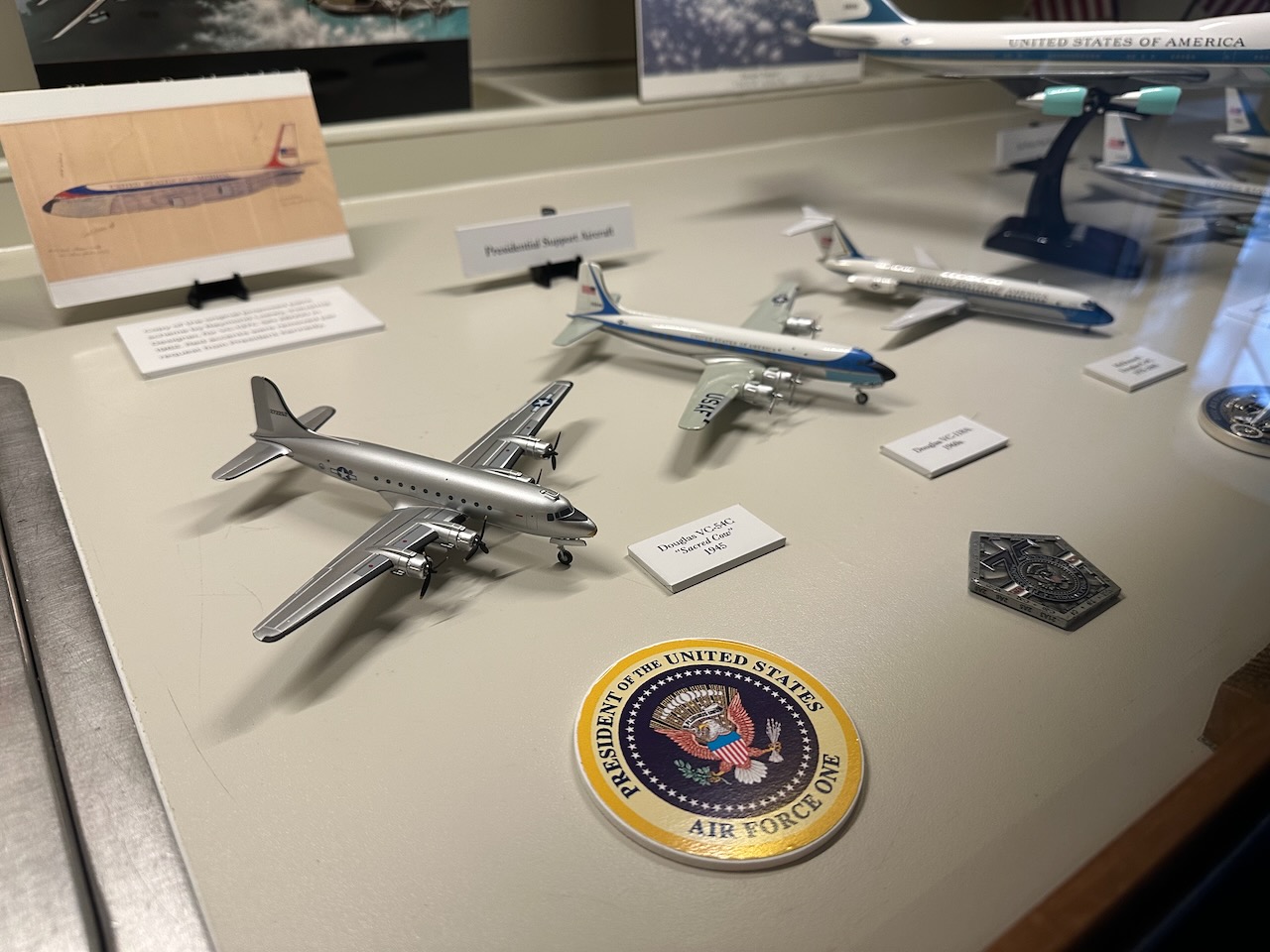
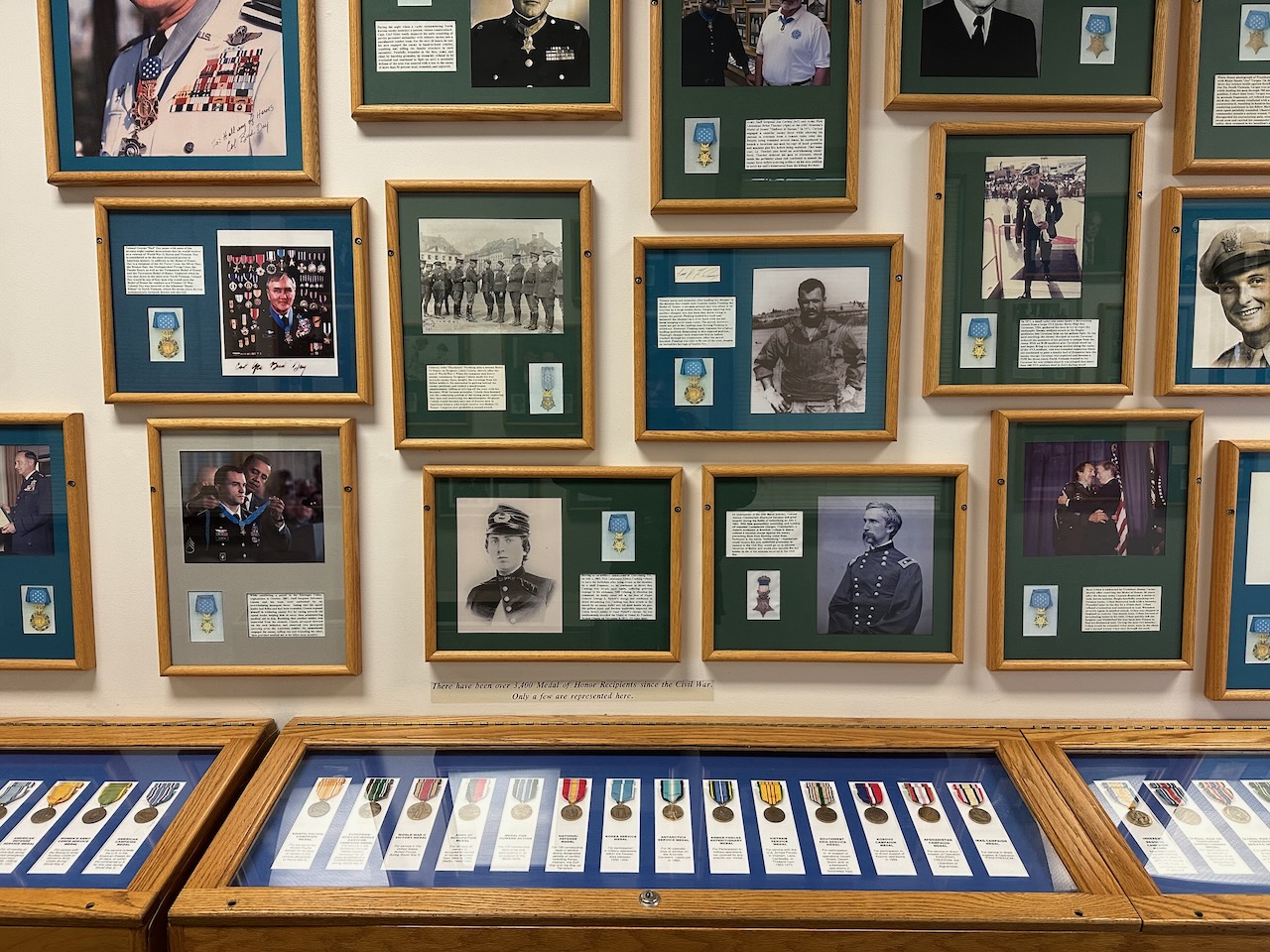
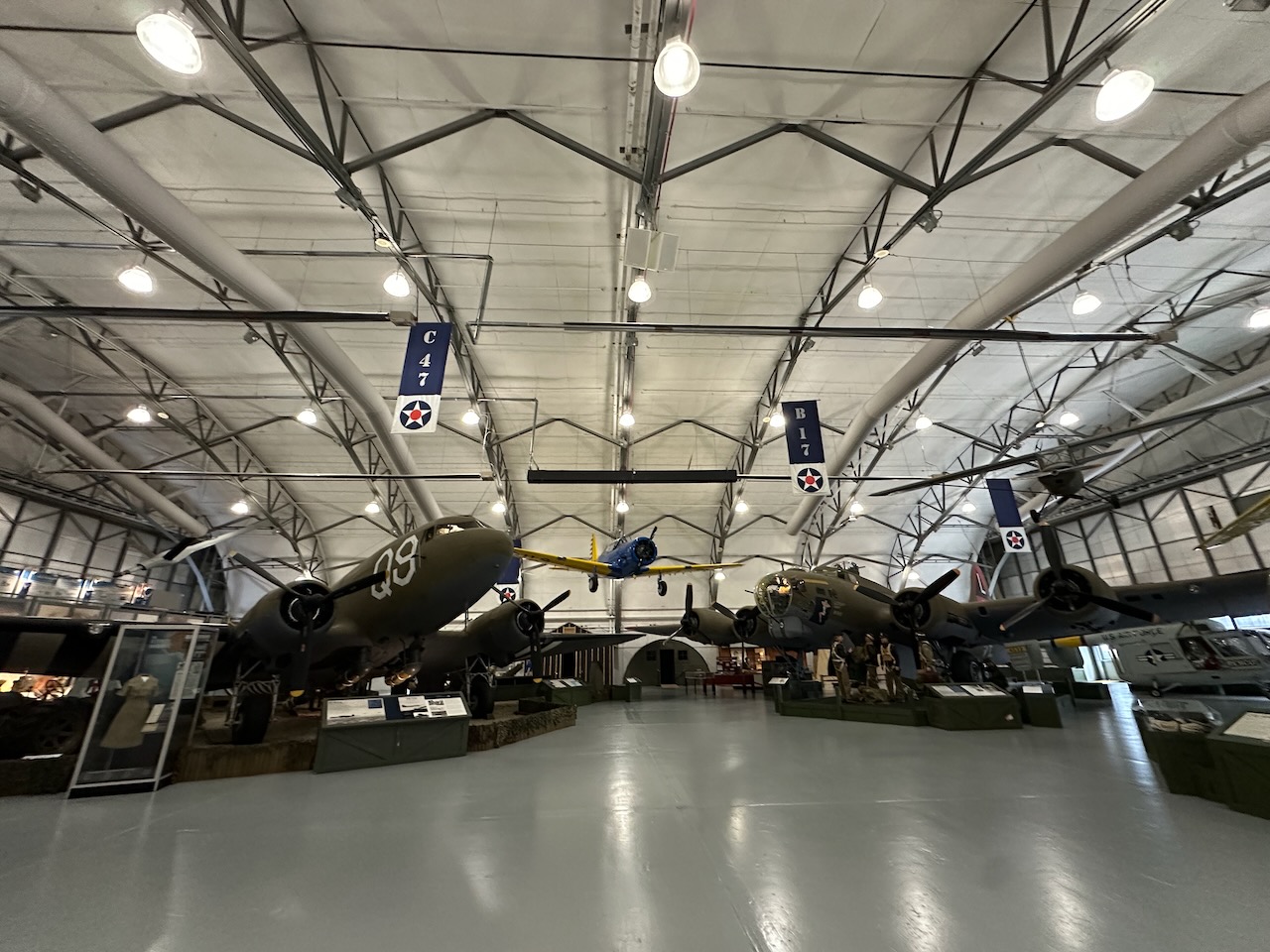
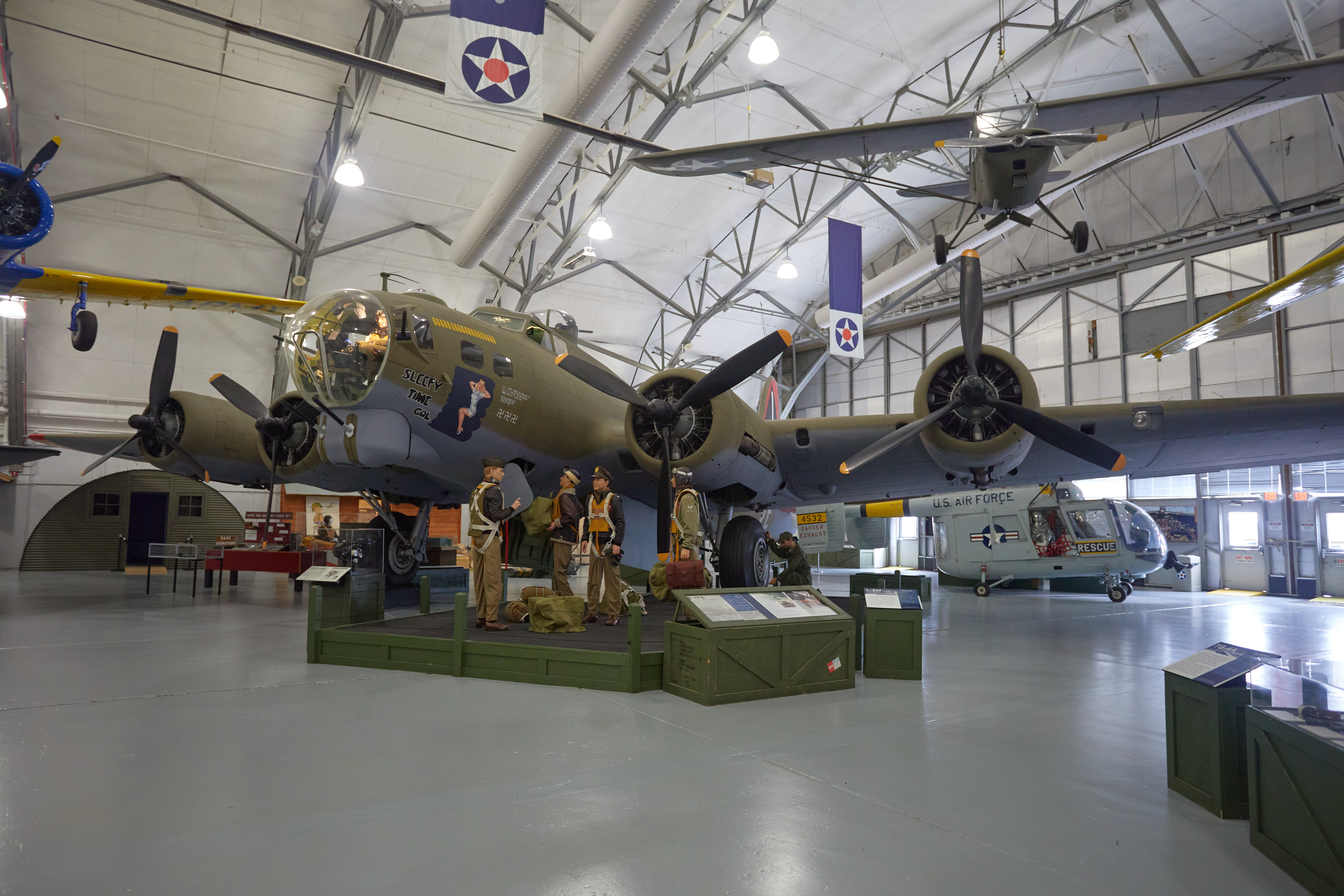
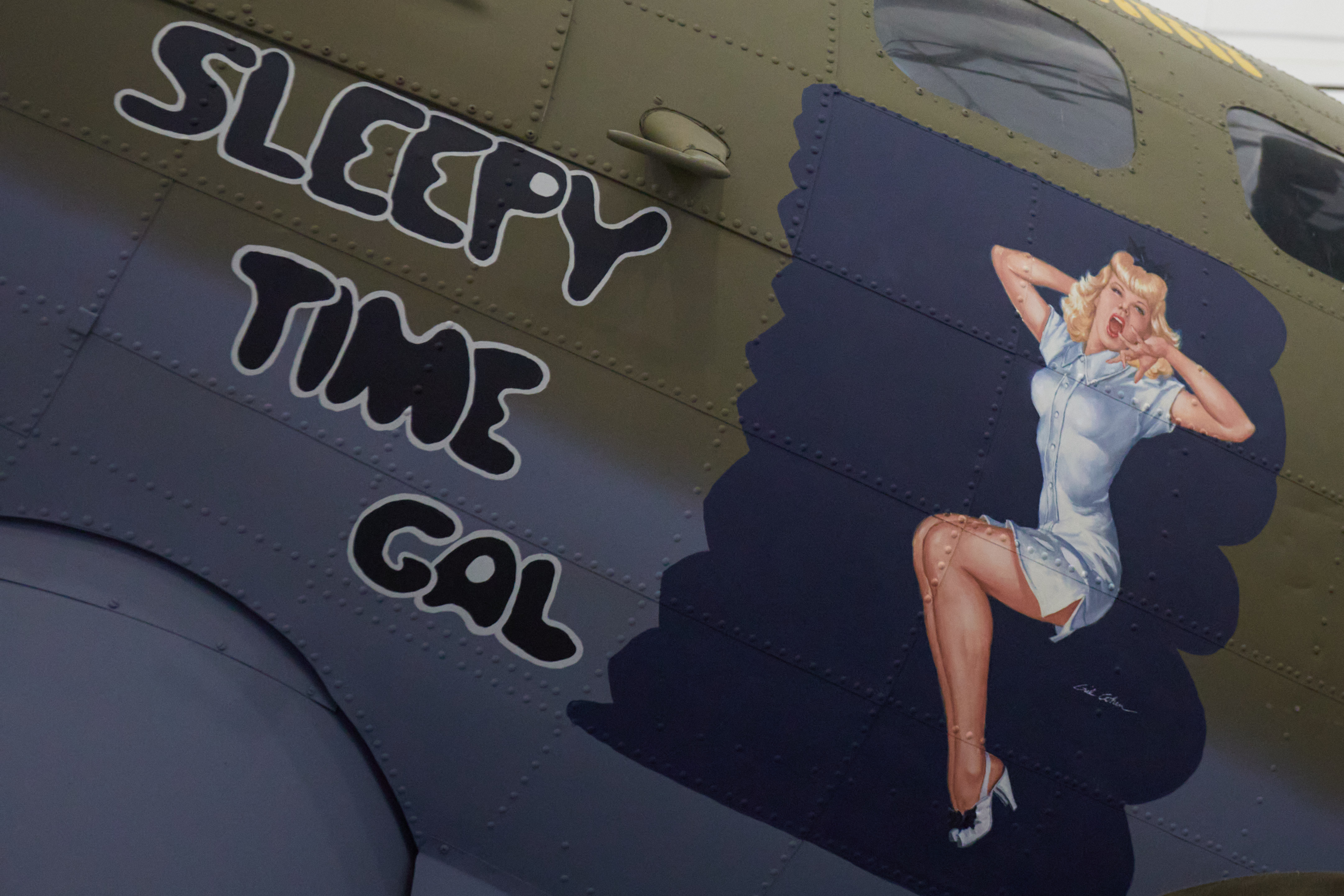
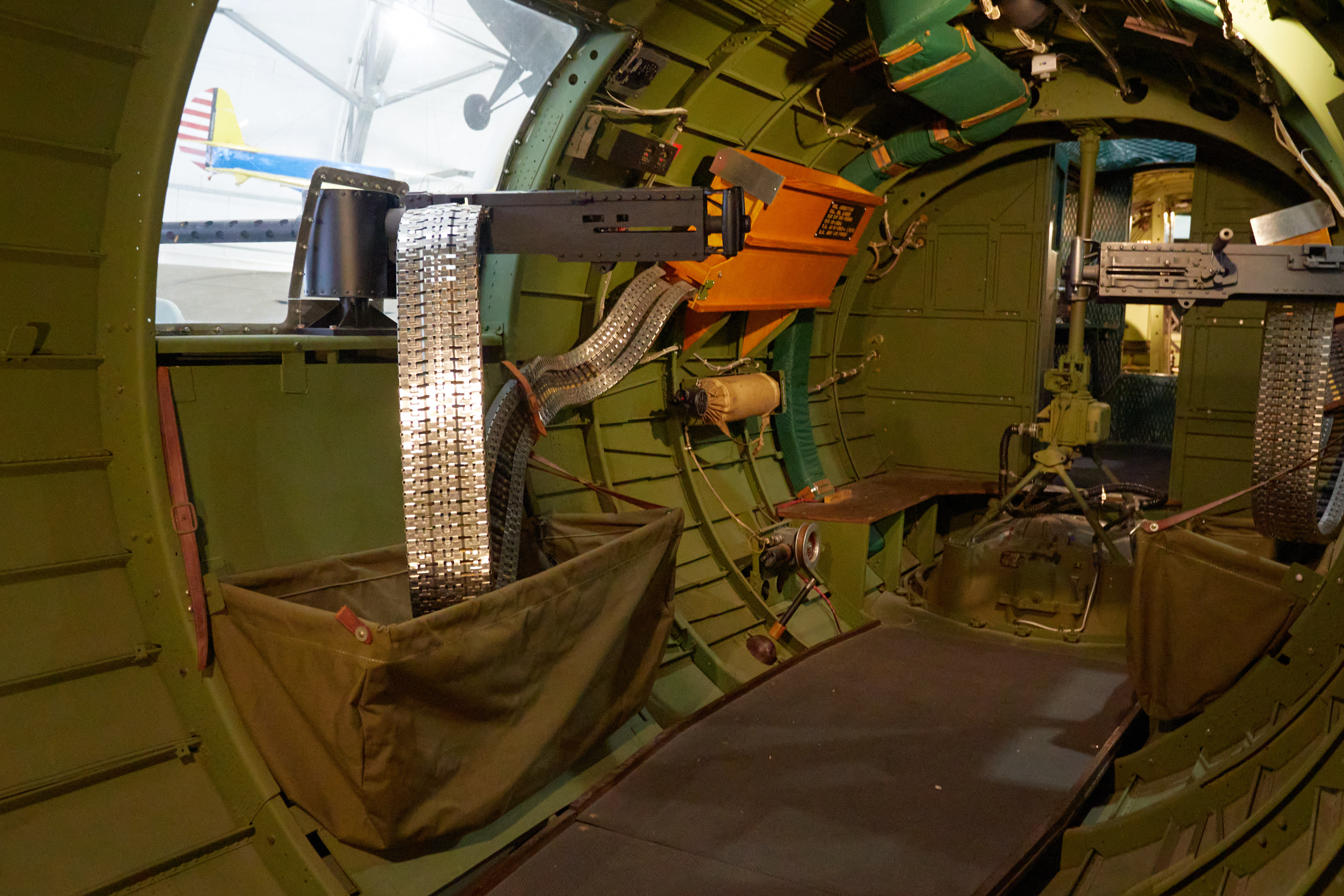
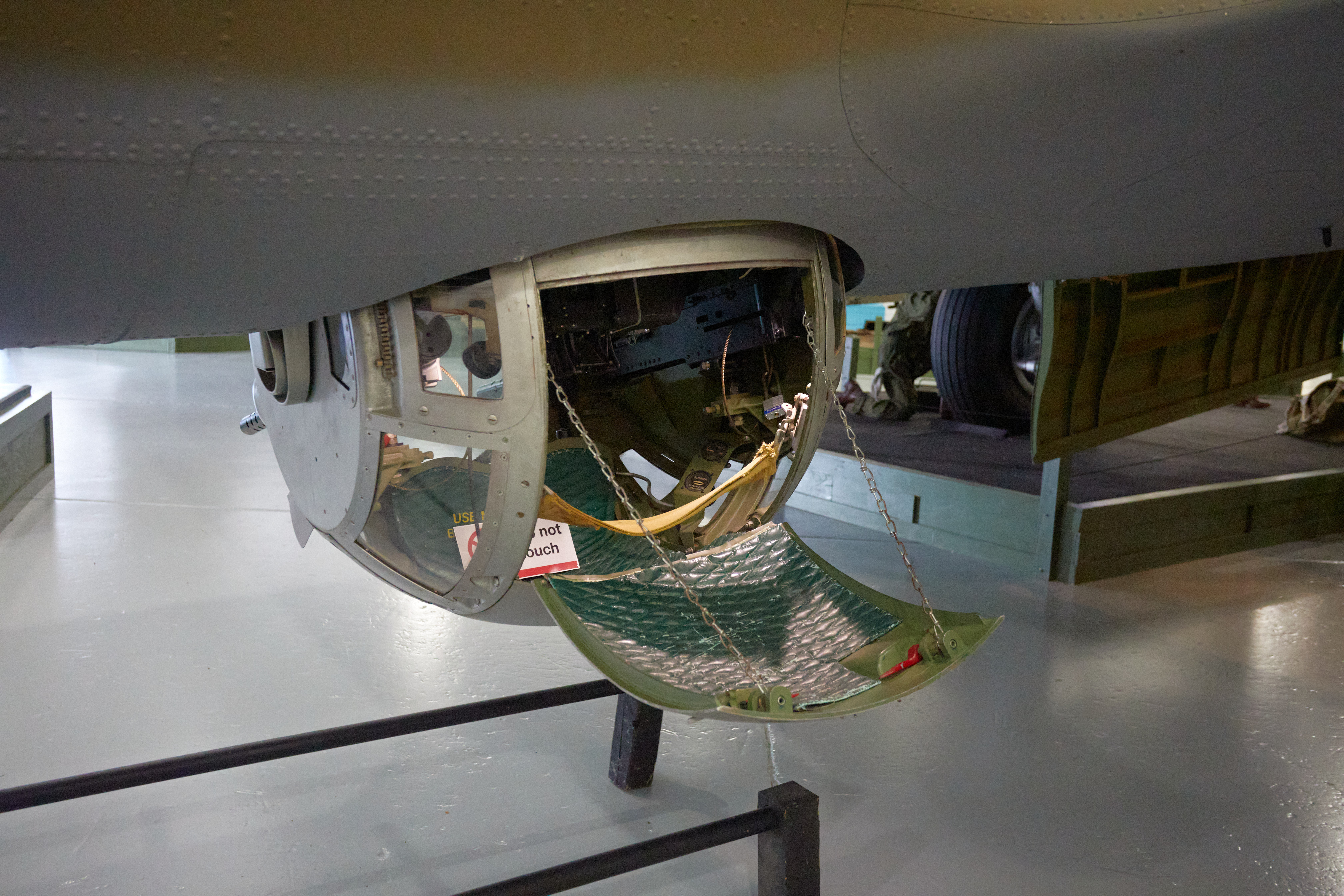
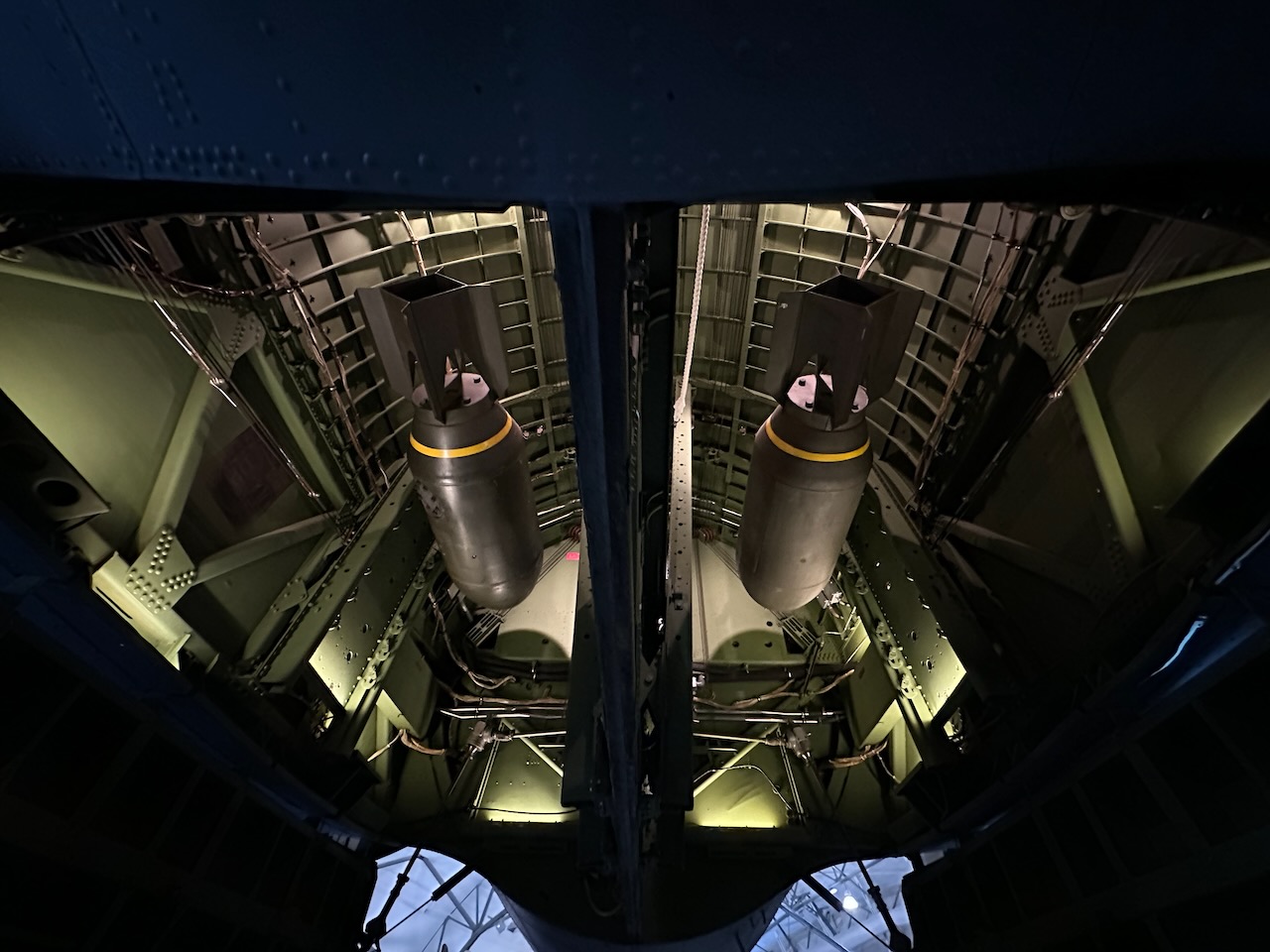
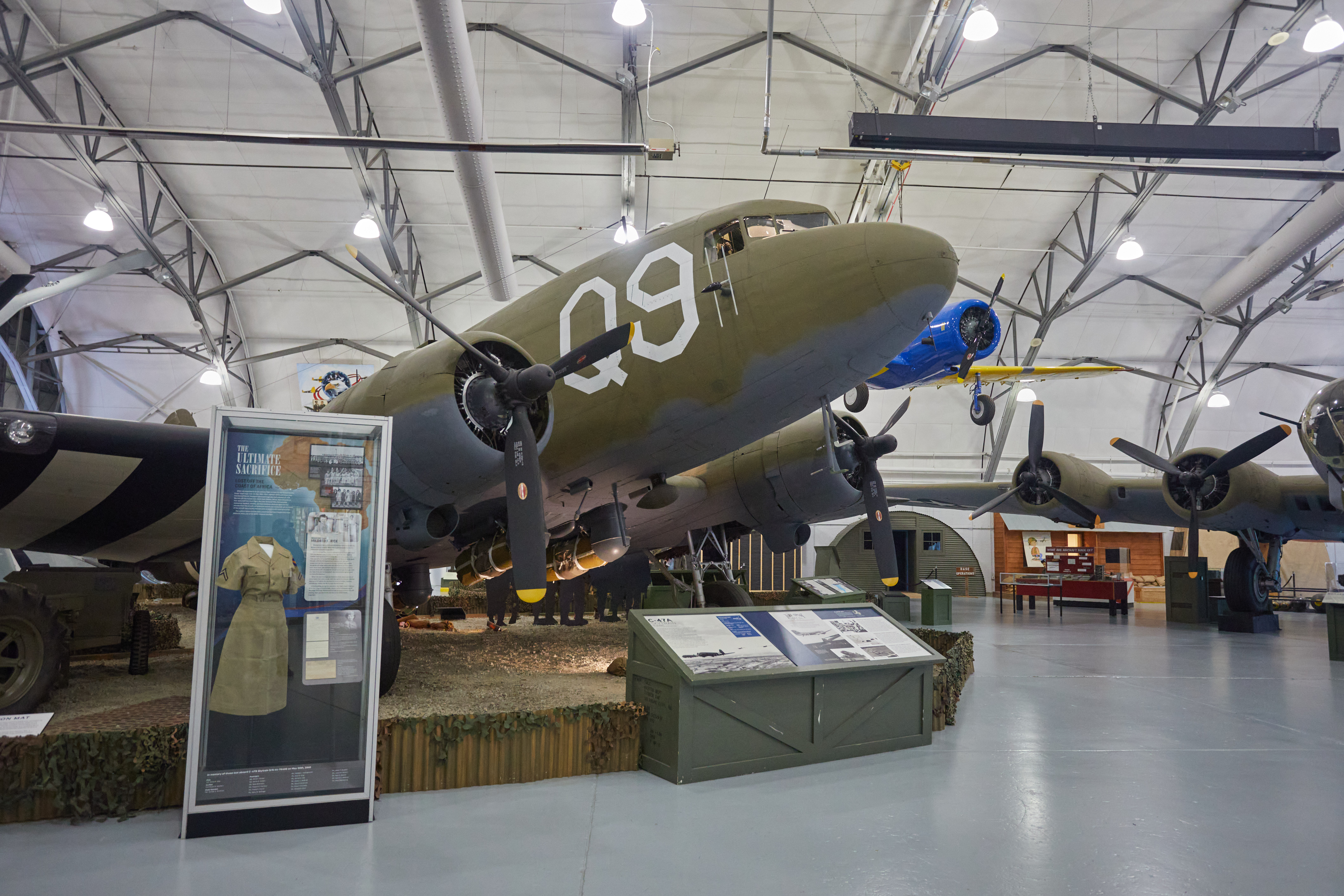
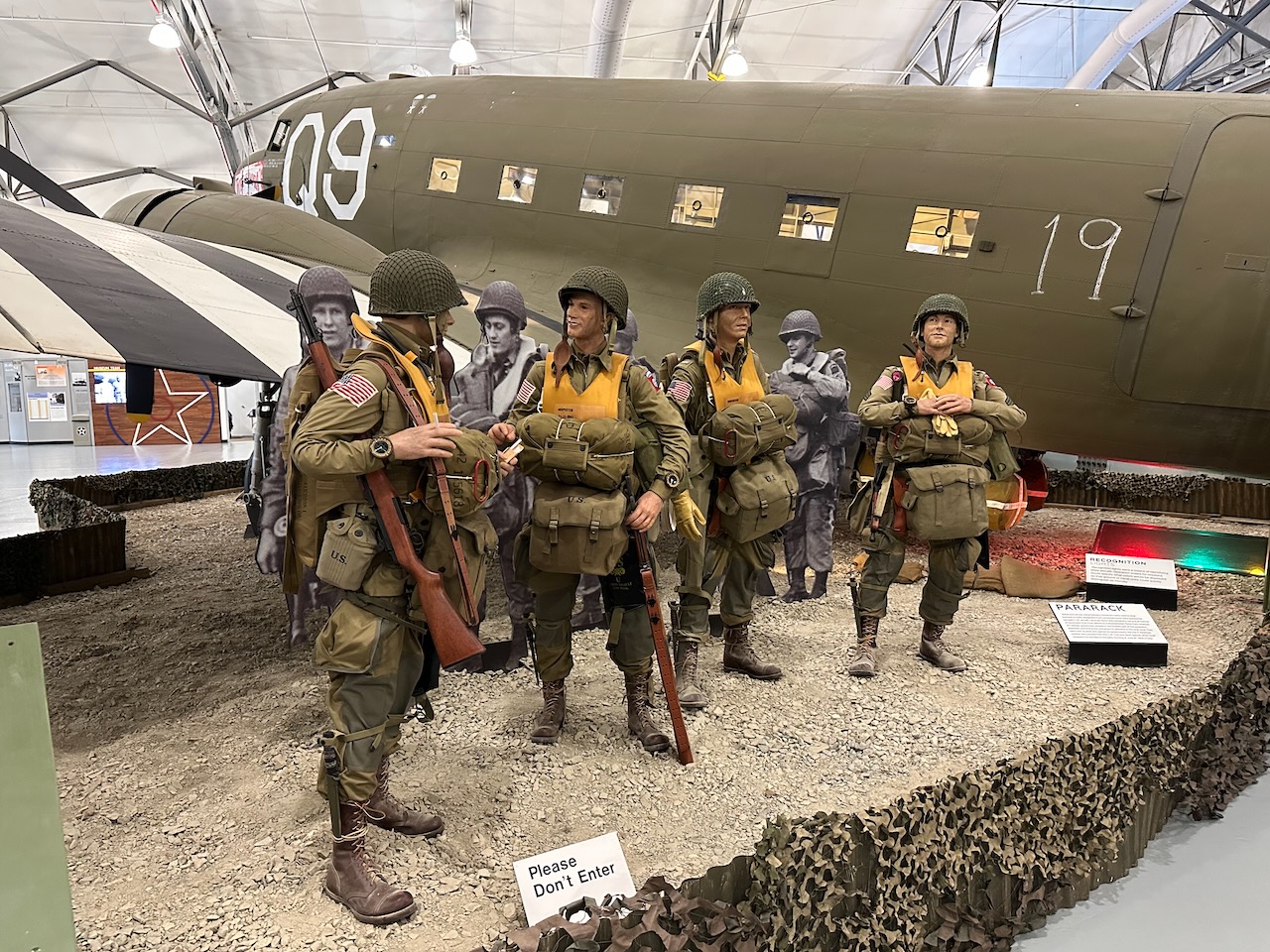
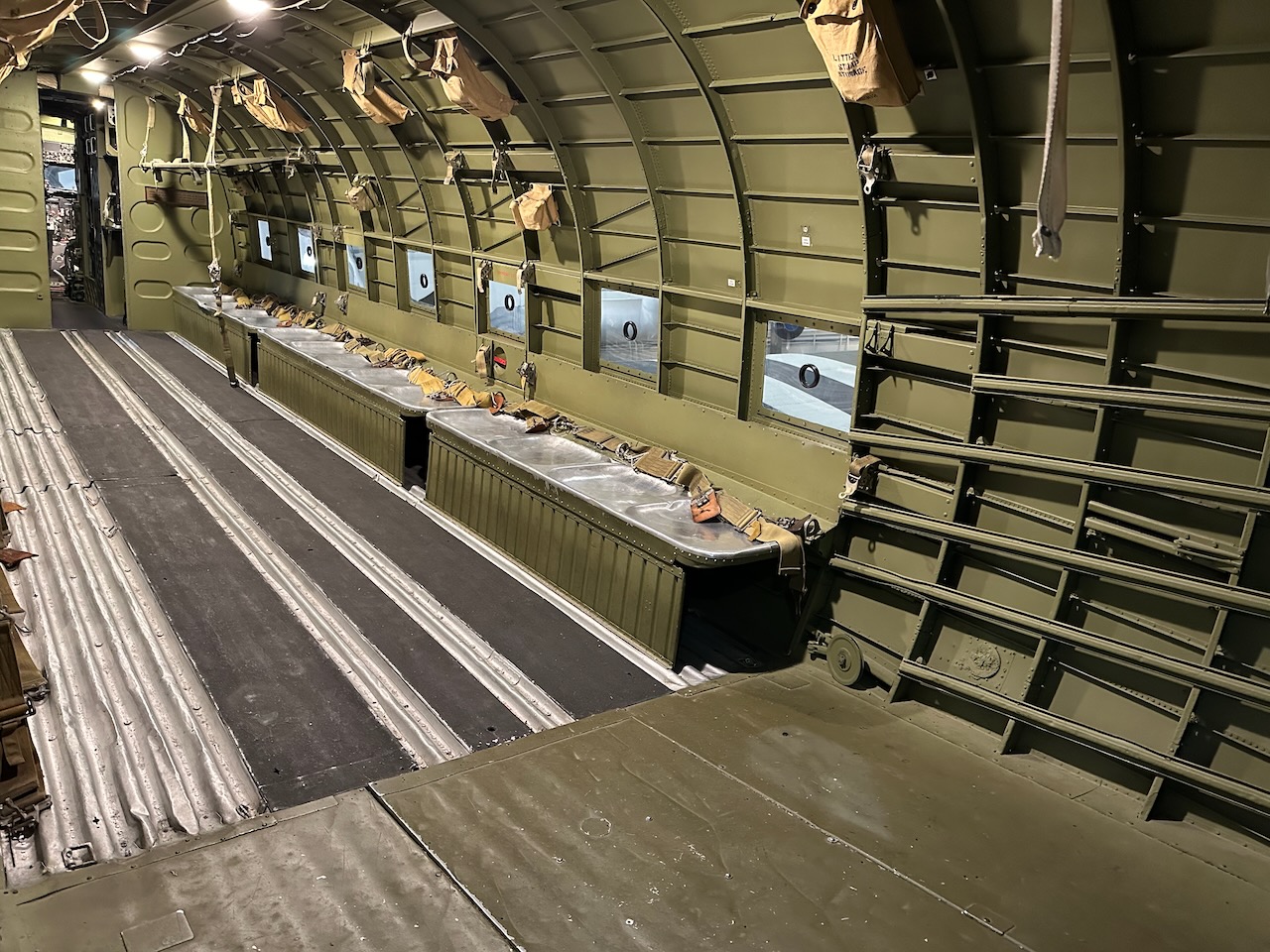
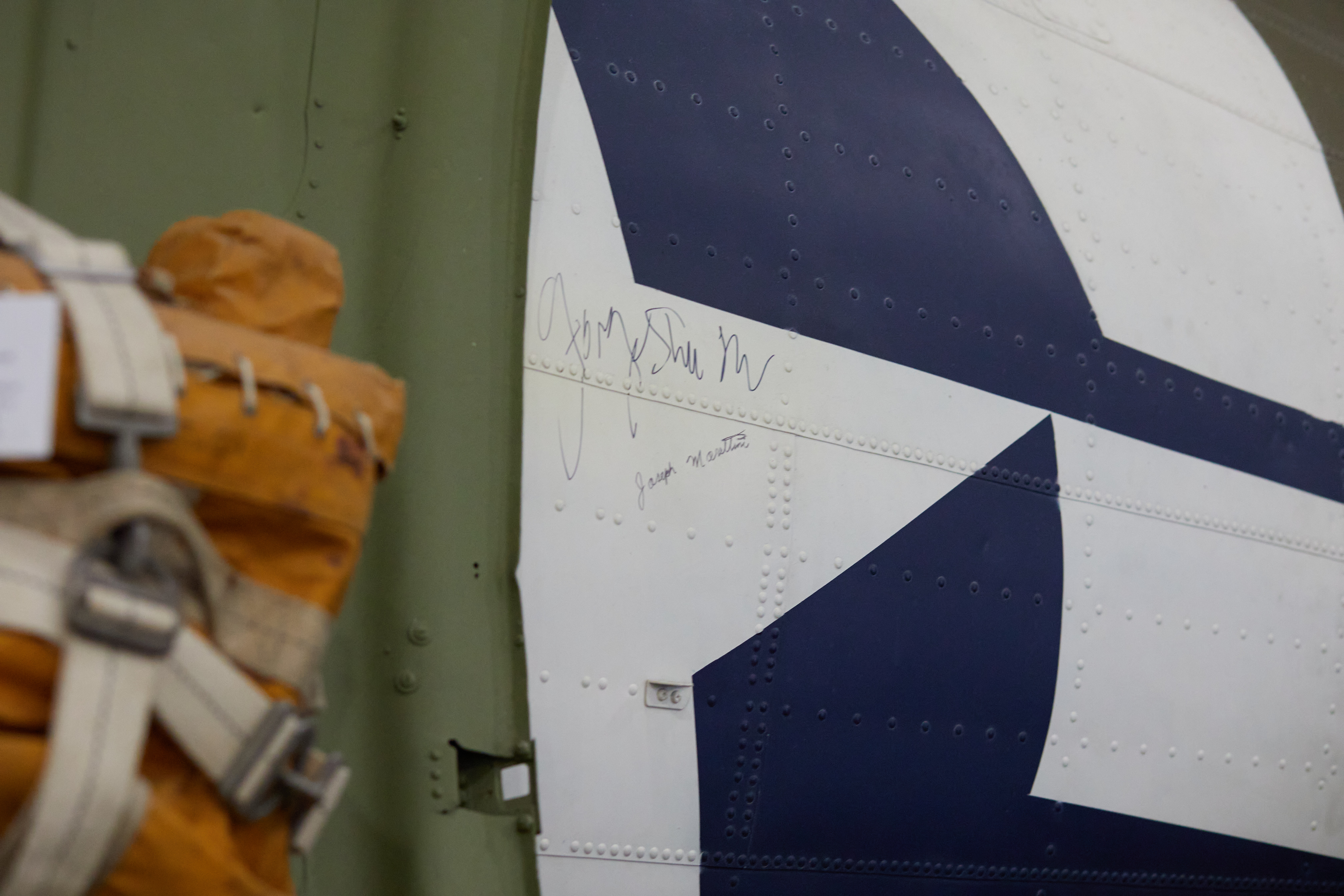
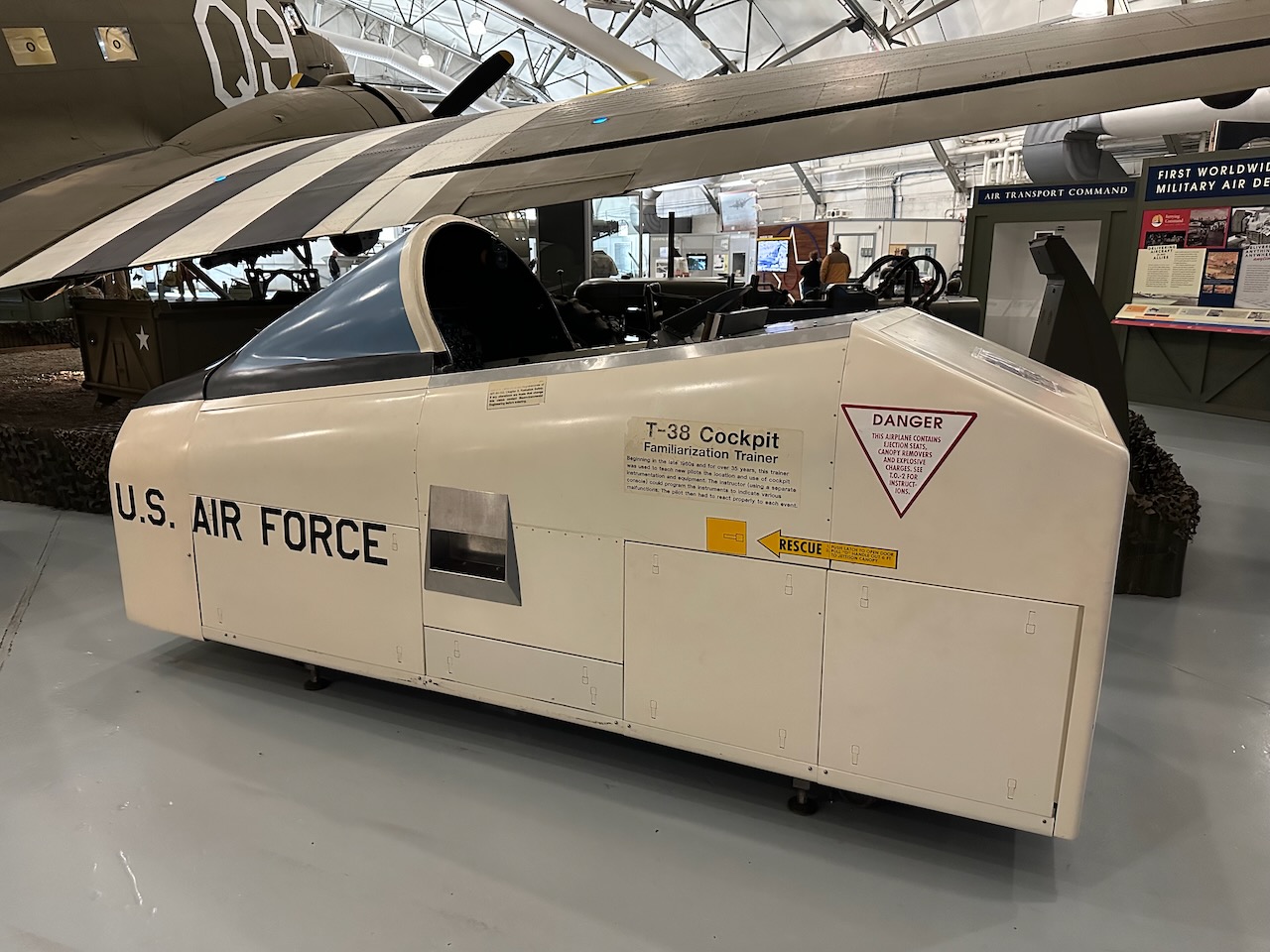
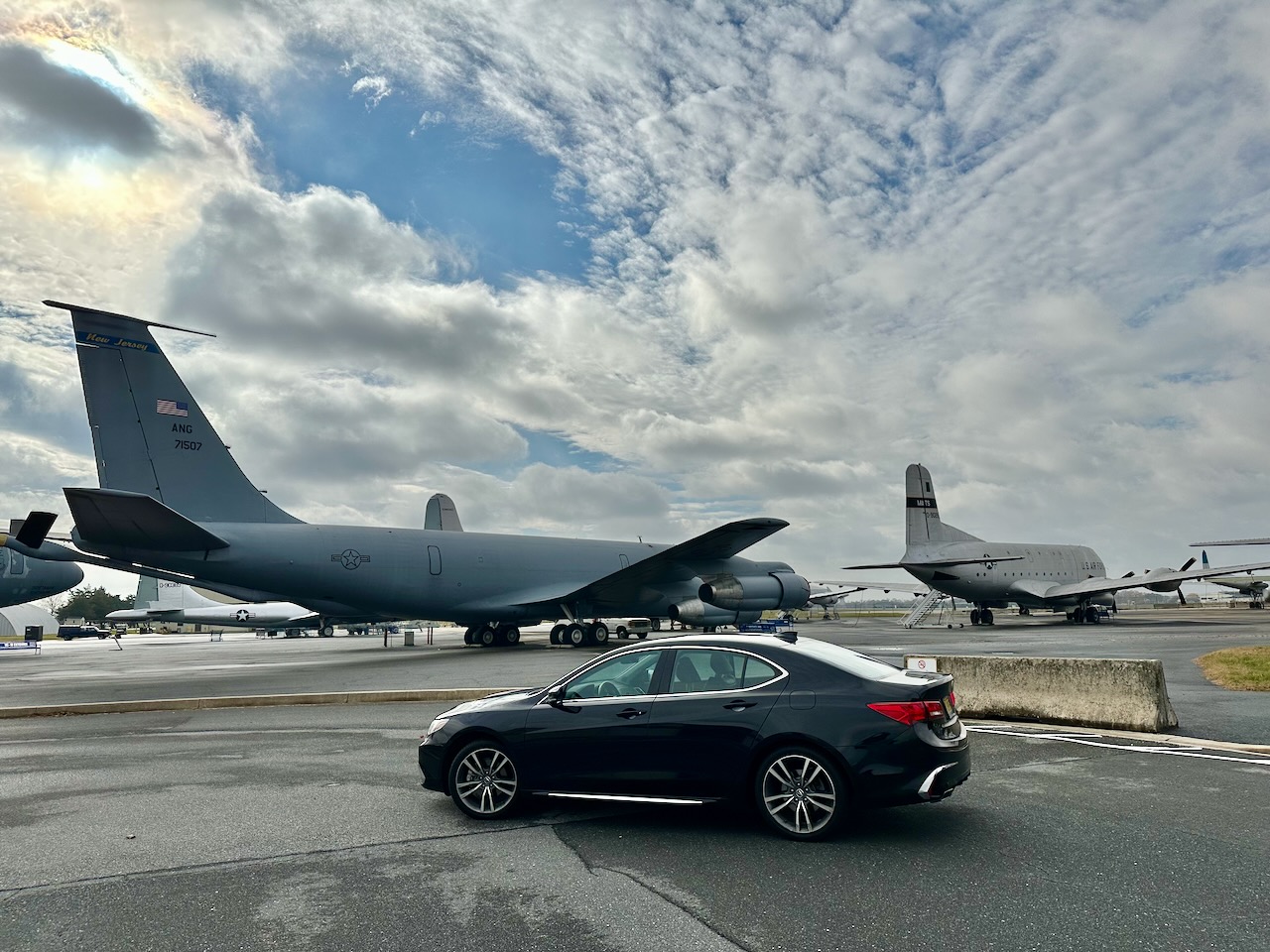
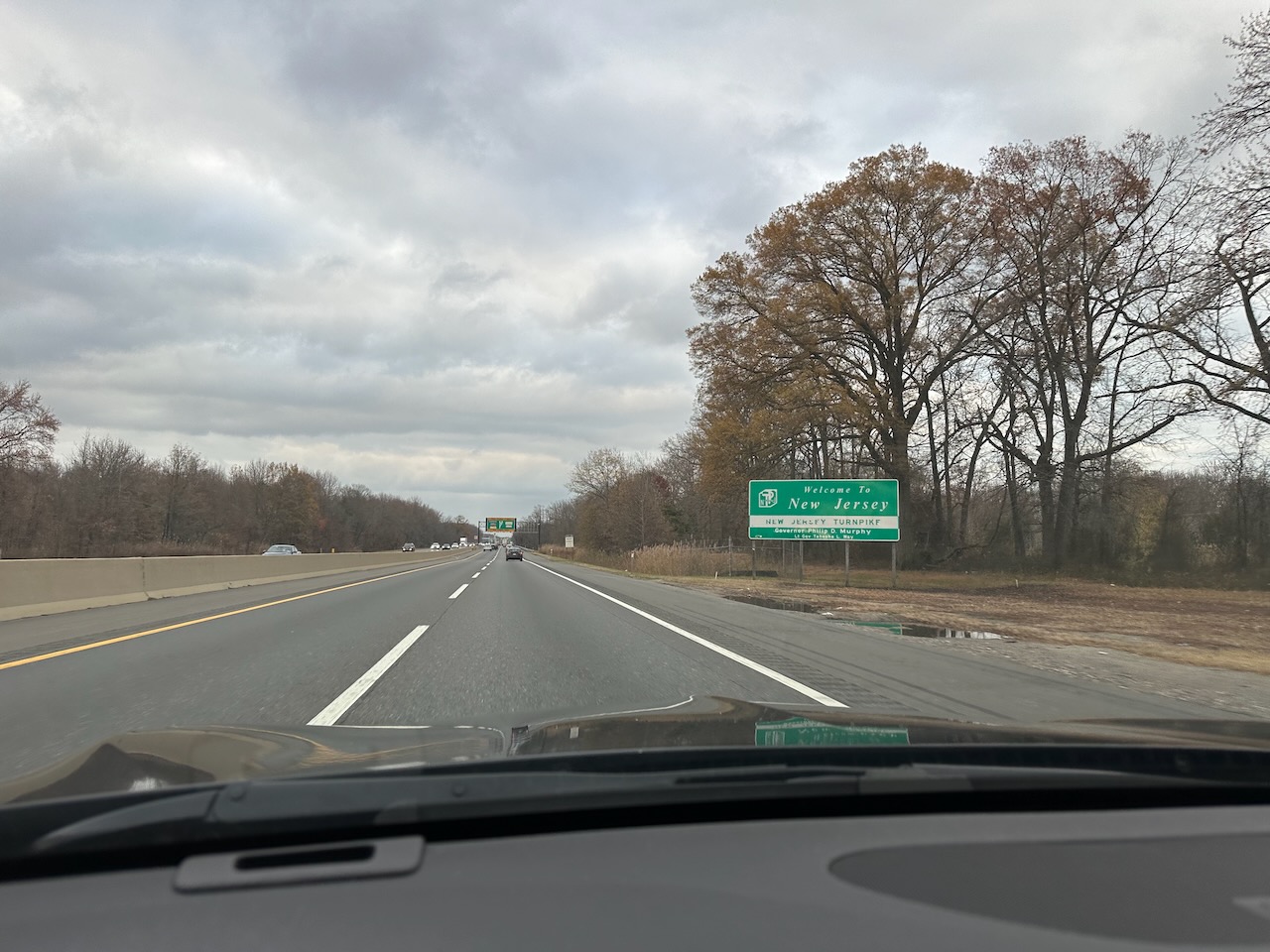
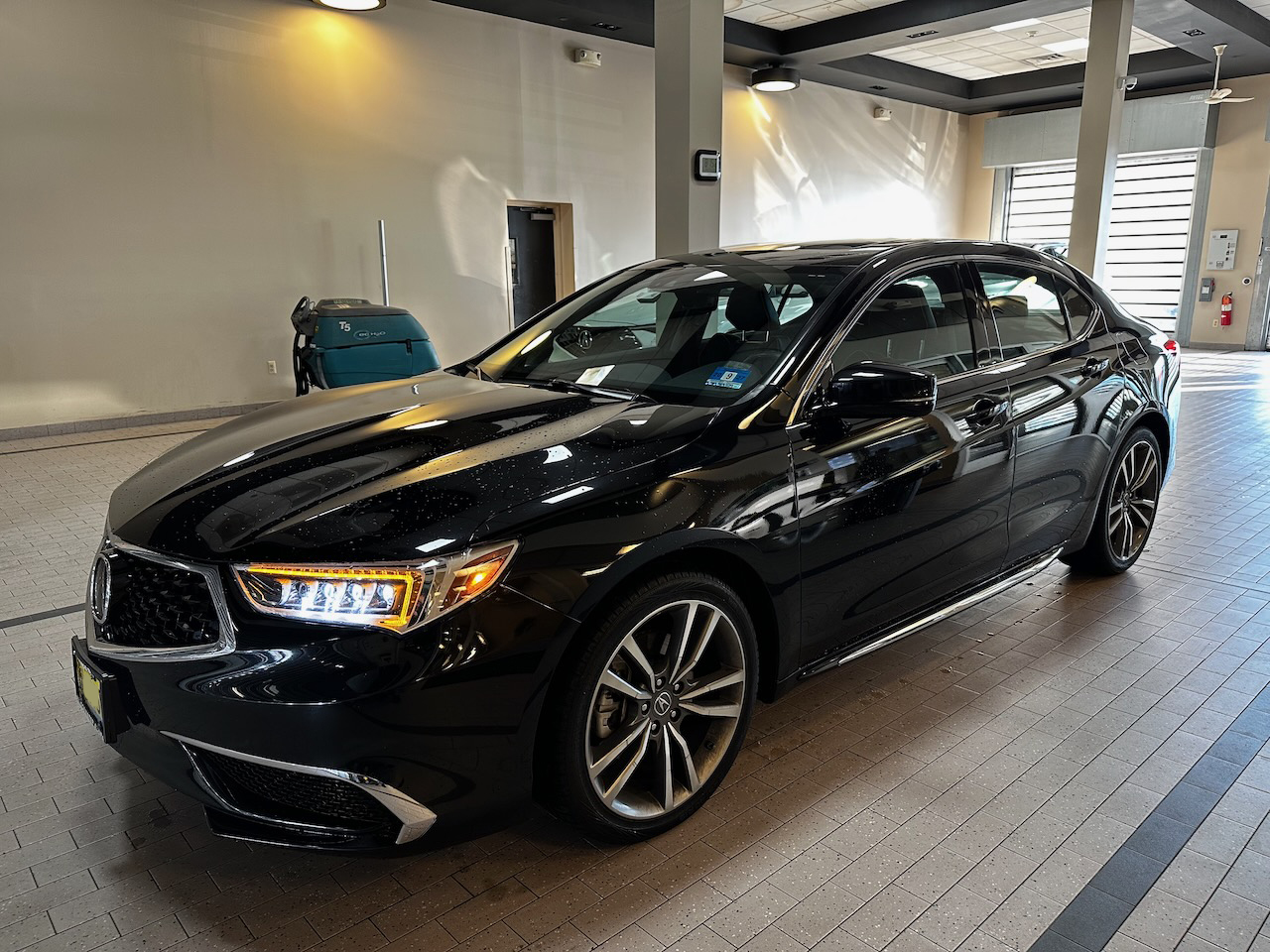
My destination for the day? Dover, Delaware, located on the western shore of the Delaware Bay.I started my drive south under cold and gray skies, with intermittent rain showers. It was a less-than-promising beginning to the journey. With my wife out of town for a family event, this would be a solo trip for your humble scribe.By the time I reached the Delaware Memorial Bridge, the skies had begun to brighten and the sun poked out from behind the clouds. Also? I love how the New Jersey-Delaware state line is demarcated on the roadway of the bridge!As I drove down Route 1, this overpass told me I was nearing my destination. The words take on special meaning when you learn that Dover Air Force Base is responsible for processing the remains of soldiers killed overseas (via Wikipedia).“Make a left at the fighter jet” would be an appropriate direction here.Arrived! Although located on Dover Air Force Base, the museum is wholly separate from the base and has its own entrance. The museum is open Wednesday through Sunday from 9:00 am – 4:00 pm, and is free to visit.Ample signage points you toward the entrance. After getting a quick overview from one of the museum guides, I began my explorations.My first stop, however, was a visit to the gift shop to pick up a snack. I timed my arrival poorly, and ended up missing lunch. So my gourmet meal in the museum canteen was a pack of peanut butter crackers and a water. Five star meal? No. Good enough to fuel me up for my explorations? Yep.After inhaling my “lunch,” my next stop was to the control tower. The structure was the original control tower for Dover Air Force Base and was in operation from 1956 – 2009. When it was replaced by a more modern structure, the original tower was relocated to the museum.The control tower offers a view of the museum’s tarmac and outdoor exhibits. All of the equipment was original to the tower, as well.The museum has over 20 aircraft parked outside on permanent exhibit. Like other aircraft on display, this C-131D Samaritan cargo plane is in remarkably good condition – a testament to the hours and hours of upkeep provided by volunteers (via AMC Museum).Several planes, such as this KC-135E Extender, were open to the public. It was really cool to climb up the stairs and explore the interior of the jet!The KC-135E is, essentially, a flying gas station. It is designed to refuel other aircraft while in the air. The boom tucked up under the tail descends during flight and connects to another aircraft. Let’s say that you’re an F-15 Eagle fighter jet pilot in need of a fill-up. To fuel up, you must get your jet within 100 feet of the KC-135 and hold steady at 300 miles per hour, while the boom operator attempts to plug the fuel line into your jet. Talk about skill!Another plane open to the public is the venerable C-130 Hercules. Its rugged construction and powerful prop-jet engines means it is capable of operating from primitive airfields anywhere in the globe. When equipped with skis for landing gear, it has even handled supply deliveries in Antarctica.I’ve seen the C-130 countless times in movies and on television shows. I was surprised how small the C-130 felt in real life compared to how large it always looks on TV. Ah, the magic of Hollywood.If you need to move something by air… I mean really move something big… you can’t beat the C-5A Galaxy. This thing can swallow up to six AH-64 Apache attack helicopters, or five M2 Bradley armored personnel carriers, or two M1 Abrams tanks. Remember how I said the interior of the C-130 looked small in real life? In person, the C-5 was jaw-droppingly huge.I love the art and color schemes that adorned planes of yesteryear. The stripes on this C-54M Skymaster make the plane look fast! A long-range cargo hauler, this plane was specially redesigned to carry coal during the Berlin Airlift of 1948.The museum has several innovative exhibits that help to better explain its aircraft and their capabilities. I liked this outline on the tarmac which showed the cargo capacity of each of the cargo planes in the collection. The outer blue line that extends waaaayyyy off into the distance? That’s the C-5A Galaxy.Not every plane on display was a looker. The C-123A Provider definitely prioritized function over form. This Vietnam War-era transport craft was designed to take off and land from rough, or even unprepared, strips of land, delivering supplies to troops close to the front lines.Over enemy territory, cargo planes can require armed escorts, such as this F-101B Voodoo fighter jet. It served in the Air Force from 1954 until 1972.I have always thought that the F-106A Delta Dagger is one of the best looking fighter jets of all time. This particular plane has the distinction of being the only surviving example of its type to have served at Dover Air Force Base.The KB-50J was one of the first aerial refueling tankers in US service. Originally designed as a bomber, this plane instead carried aviation fuel tanks in its bomb bay, and it would extend a nozzle to waiting airplanes who would tank up in mid-flight. In order to boost its speed to allow it to service faster aircraft, small jet engines were added to the wings.One of the most popular planes open to the public this day was the VC-9C, the first plane ever operated as Air Force Two. Whereas Air Force One carries the President, Air Force Two is the designated plane for the Vice President of the United States.I strode confidently up the steps, waved and smiled to the American people, and entered.Check out this “high tech” communications compartment, complete with a fax machine!In addition to serving as the primary transport for US Vice Presidents, this plane was also used to ferry First Ladies to their destinations.An onboard compartment housed a small collection of models of Presidential planes. Fun fact: Air Force One is not the name of a specific plane, but instead the designation of any aircraft carrying the US President. This VC-9C served as Air Force One on occasion, often when a President needed transport to smaller airfields around the nation. Four Presidents flew aboard this very jet: Ronald Reagan, George H. W. Bush, Bill Clinton, and George W. Bush.After getting my fill of the aircraft outdoors, I next turned my attention to the museum’s indoor exhibits. The “Hallway of Heroes” features recipients of the United States’ Medal of Honor. It is the highest award given to members of our armed services for actions “above and beyond” the call of duty (via AMCM).My last stop would be a visit to the main hangar, where several spectacular aircraft are on display, including a C-47 Skytrain and a B-17 Flying Fortress.The B-17G Flying Fortress bomber was extensively used in World War II in every theater of combat, most notably in Europe. The B-17 had a reputation for absorbing heavy amounts of enemy fire and still bringing its crew home safely.During World War II, crews would name their bombers often accompanying the name with an illustration (not infrequently a ‘pin up’ model such as depicted here). This specific aircraft was built too late to see action in the war. During its seven-year restoration by the museum, it was repainted to depict the original Sleepy Time Gal, which flew 47 missions over Axis Germany.I’d like you to imagine yourself as a crewman on a B-17. You’re flying over enemy territory, anti-aircraft fire is exploding around you, enemy fighters are swarming nearby, and you are stationed at a machine gun to provide covering fire. The plane is flying at 25,000 – 30,000 feet above the ground, the compartment is unheated and unpressurized, and all that stands between you and enemy fire is thin sheet metal.The B-17’s belly gun had a reputation among crews as the most dangerous station on the aircraft. Interestingly, after the war statistical analysis would show that this was actually the safest station on the plane, as the turret was heavily armored. Still, being locked in the gun turret alone, at 30,000 feet, with enemy fire all around you, required a special kind of courage.The bomb bay could carry up to 8,000 pounds of munitions. The plane’s greatest advantage, however, was the Norden bombsight, a 50-pound analog computer that provided a high level of accuracy from 30,000 feet in the air.For me, the centerpiece of the entire museum was the C-47A Skytrain. Originally designed to carry cargo, these planes were later adapted to carry paratroopers who would jump out the rear door and parachute into enemy territory.Early on the morning of June 6th, 1944, over 13,000 members of the 82nd and 101st Airborne divisions of the US Army parachuted from C-47s and landed behind German lines in Normandy. This plane, “Turf and Sport Special,” served during both D-Day and Operation Market Garden.The excellent HBO series Band of Brothers has a powerful scene in which members of the 101st Airborne sit on board C-47s awaiting their time to jump into combat, each soldier quietly contemplating the hours ahead.When this plane, “Turf and Sport Special,” flew into Normandy in 1944, each paratrooper signed their name to the plane’s insignia as they boarded. Decades later, as this C-47 was undergoing an intensive restoration by the museum, it was noted that the signatures were long gone. Once the C-47’s lengthy restoration was complete, two surviving members of the 82nd Airborne who flew on this plane during D-Day came to the museum to re-sign their names.Before pilots are allowed to take taxpayers’ multi-million dollar fighter jets into the sky, they first will go through hours of simulated training. This trainer was used a a initial step before a pilot can fly a T-38 training jet… consider it a trainer for the trainer.After nearly two hours at the museum, it was time to head home. Before departing, however, I had to take an automotive glamour shot to mark the occasion!About an hour after leaving Dover, I crossed back into New Jersey, encountering little traffic as I sped home.I was back in my garage before dinnertime. The TLX continues to impress me as a capable long-distance cruiser. The 70,000-mile mark is fast approaching. Onward!
Garage Updates
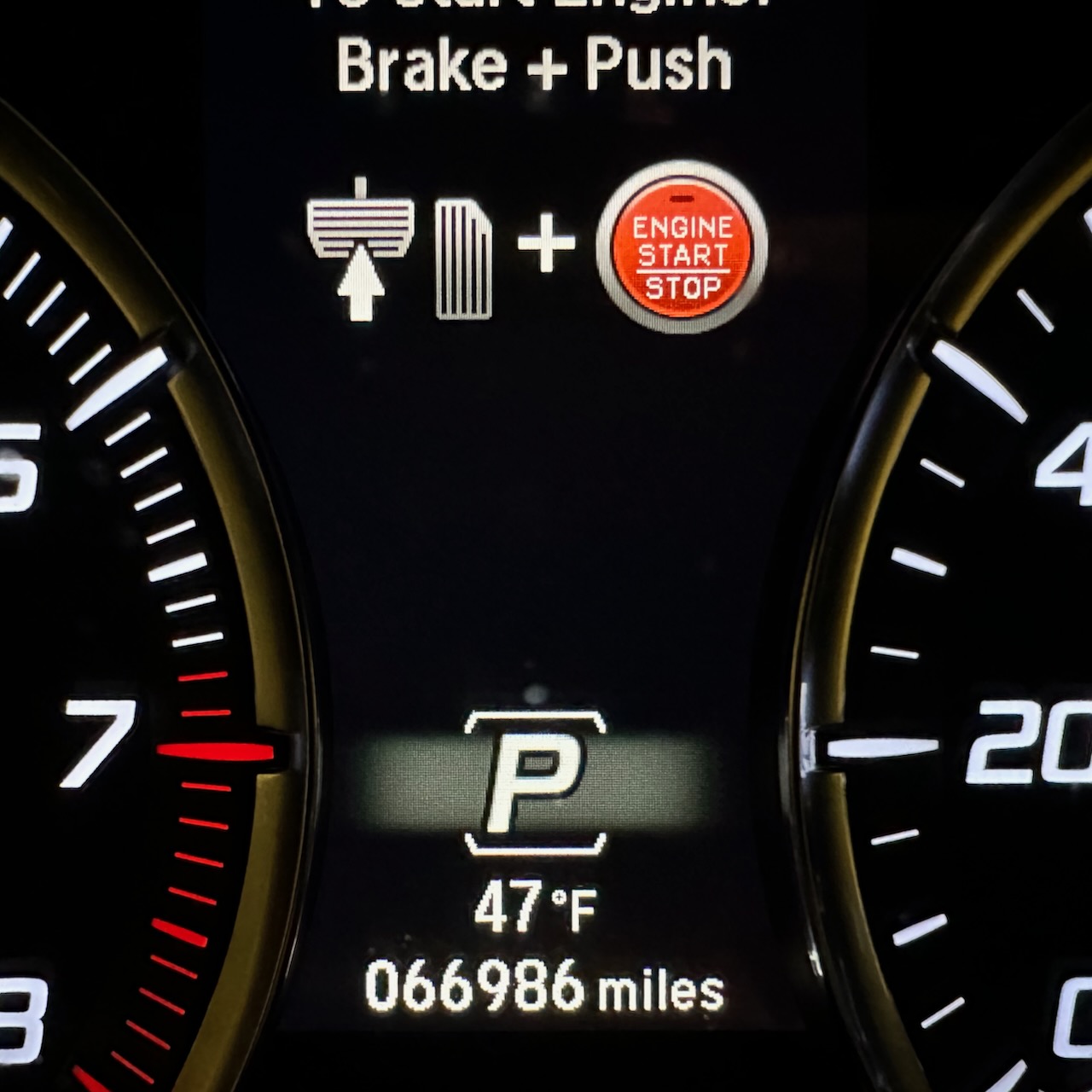
Only one minor automotive update to report – during colder mornings I noticed that my Acura had been taking a few extra moments to start up. I took it to Bridgewater Acura and they informed me that the car’s battery was testing weaker than normal. After nearly six years of service, the old battery was replaced, and all is well. Bonus? I crossed 67,000 miles on the way to the dealer. Once again… onward!Finally, on behalf of the staff of The Open Road Ahead, I would like to wish you a very Happy Thanksgiving!
Wrapping Up
After years of intending to visit, I was glad that I finally made my way to the Air Mobility Command Museum. Parking and admission at the museum is free, and the fact that so many of the planes can be boarded for an in-depth tour is terrific. If you are looking for a cool spot to learn more about 20th century American military history, this is the place for you!
Thanks, once again, for coming along on another journey down the open road ahead.


 The Open Road Ahead