The Outer Banks are a series of barrier islands which run for over 200 miles along the coast of North Carolina. These islands were used by native peoples during summer months for fishing, a trade that supported the earliest European colonists as well. The Outer Banks grew in popularity as a tourist destination, and tourism accounts for nearly half the jobs on the islands. It was the site of humankind’s first powered flight in 1903. Filled with dunes, inlets, wetlands, and forests, the islands support a tremendous variety of wildlife (via Wikipedia). And despite all of the history and natural beauty, neither my wife nor I had ever visited the Outer Banks.
As the snow melted, temperatures rose, and the last vestiges of winter dissipated, my wife and I began planning a vacation this spring. We also wanted a special adventure to commemorate the beginning of this blog’s second decade of existence. She began searching for destinations within ten hours of our home, and we quickly settled on a journey to North Carolina to spend a week exploring the Outer Banks.
So come along then, as we visit six lighthouses, watch the ocean sail by while on a ferry, get up close and personal with wildlife, drive through sand dunes and across mammoth bridges, eat fantastic food, and take ourselves on a proper vacation.
Let’s begin:
Day 1 – Cape May, NJ
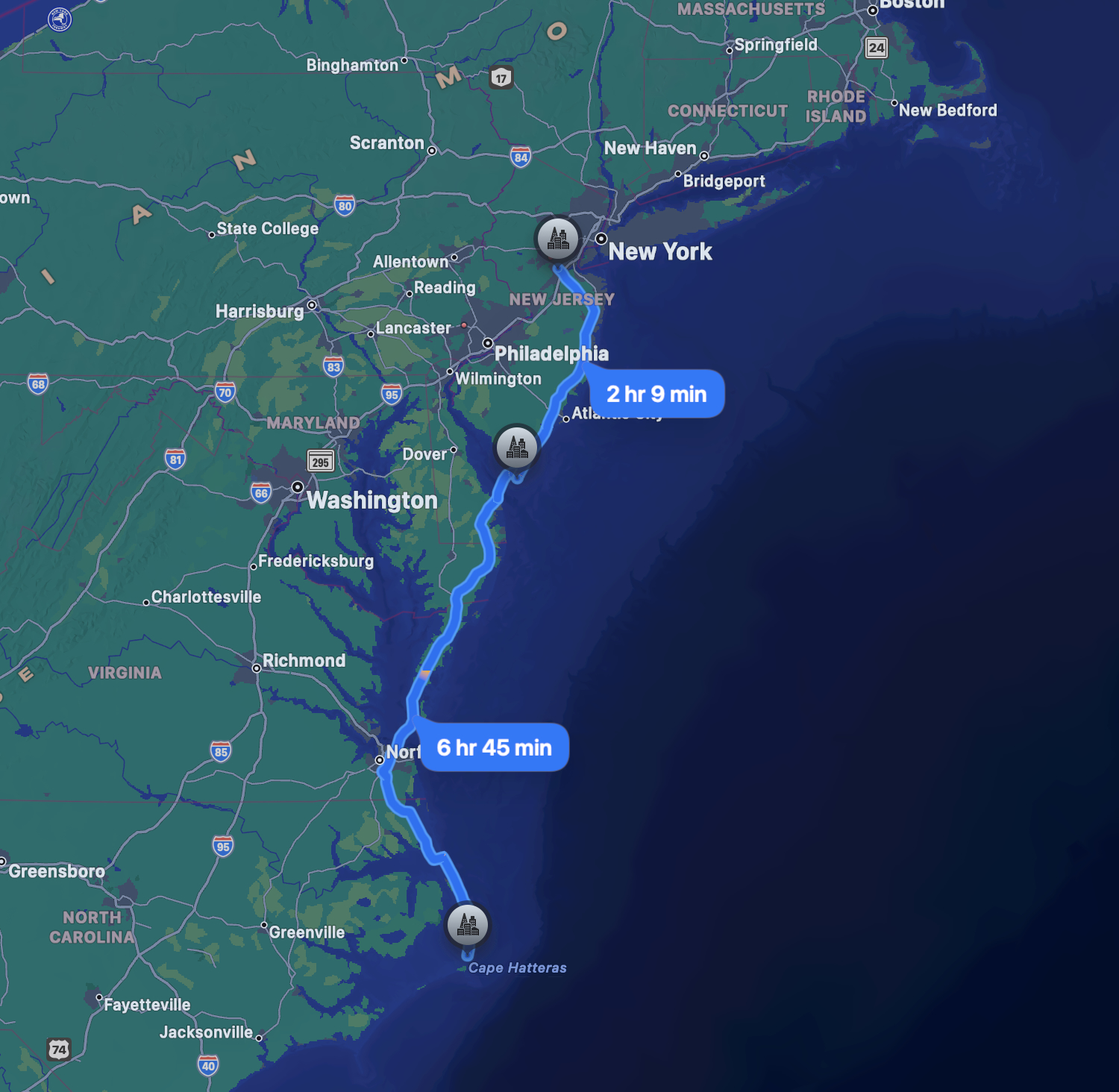
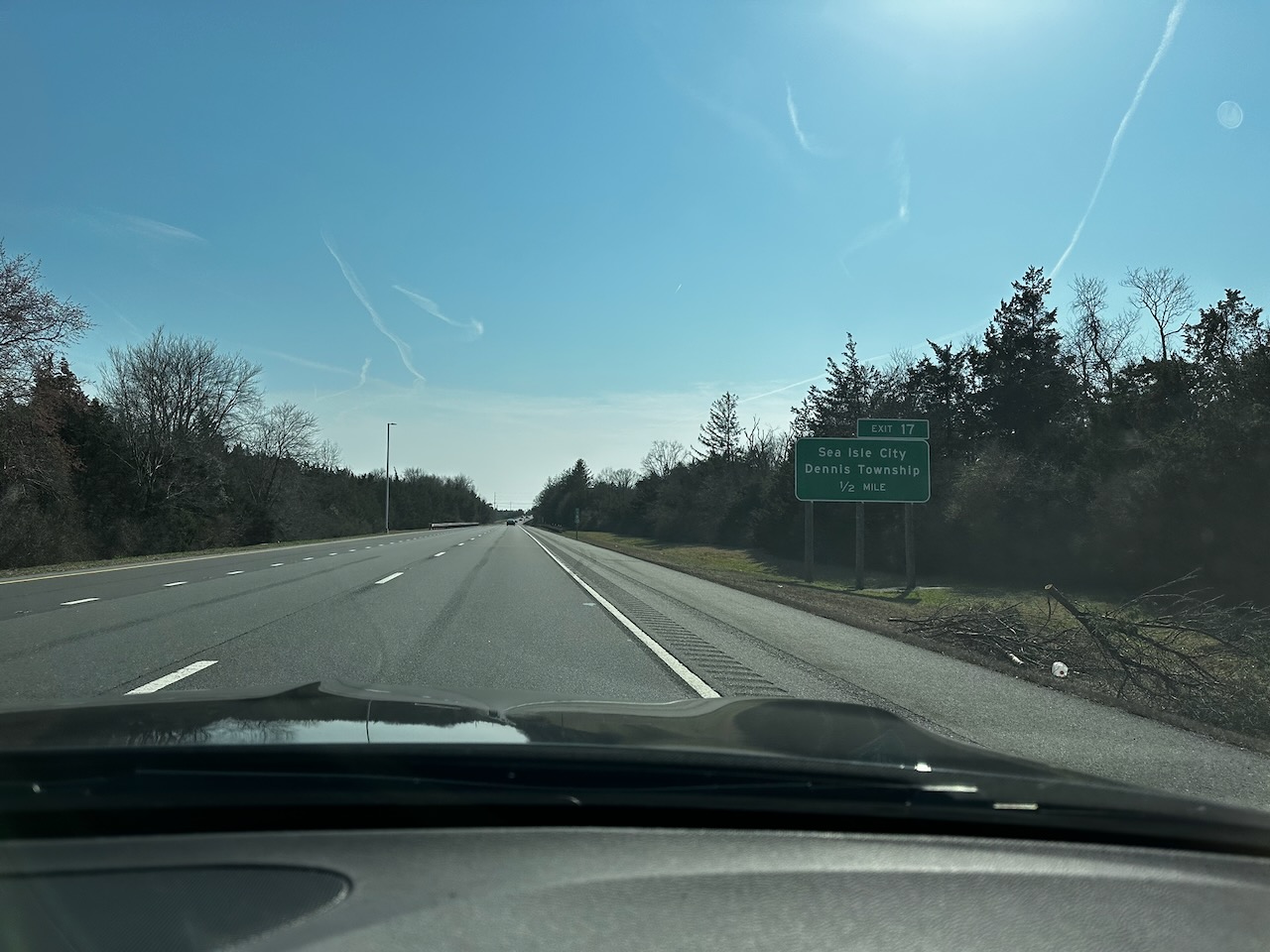
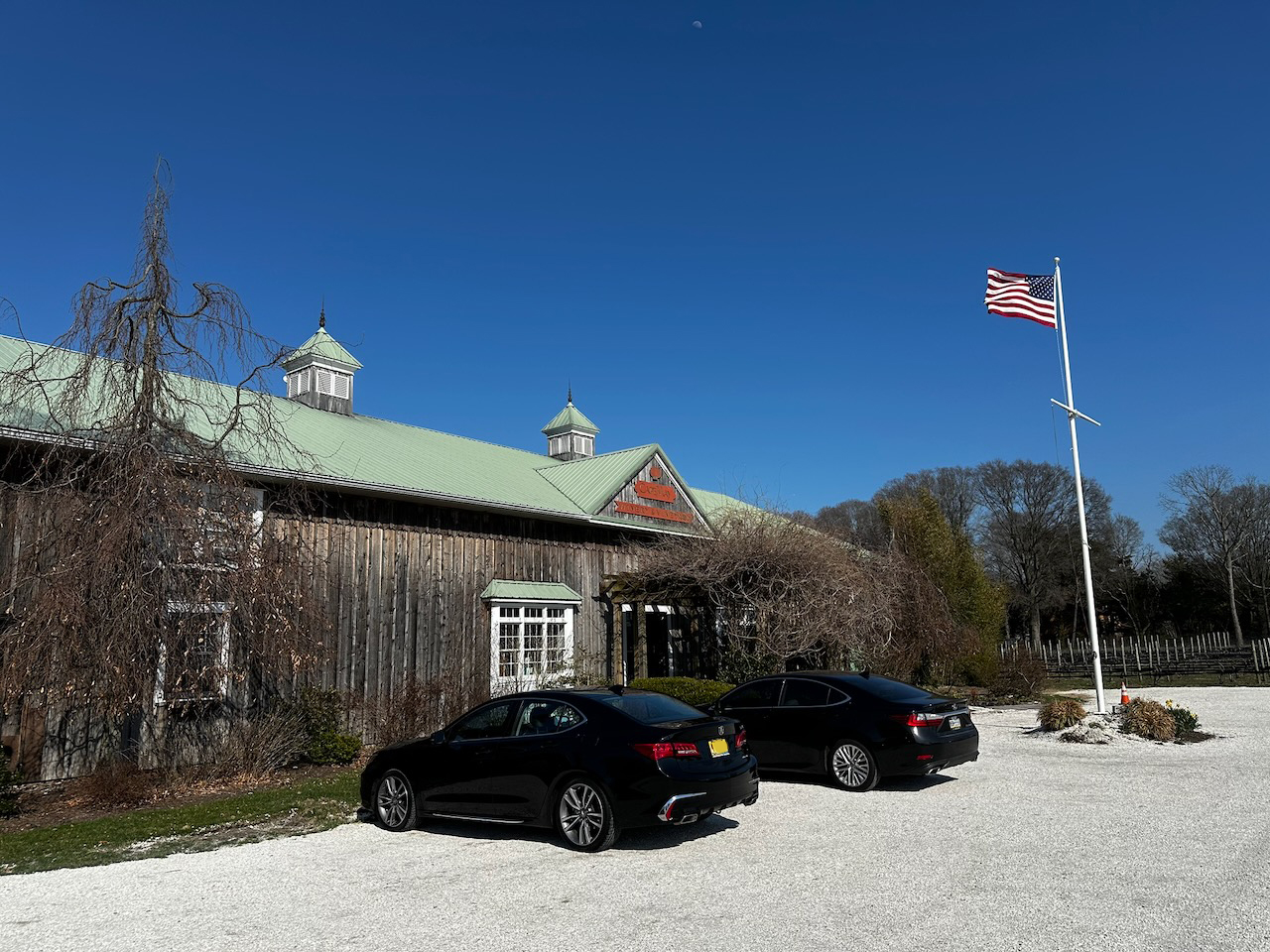
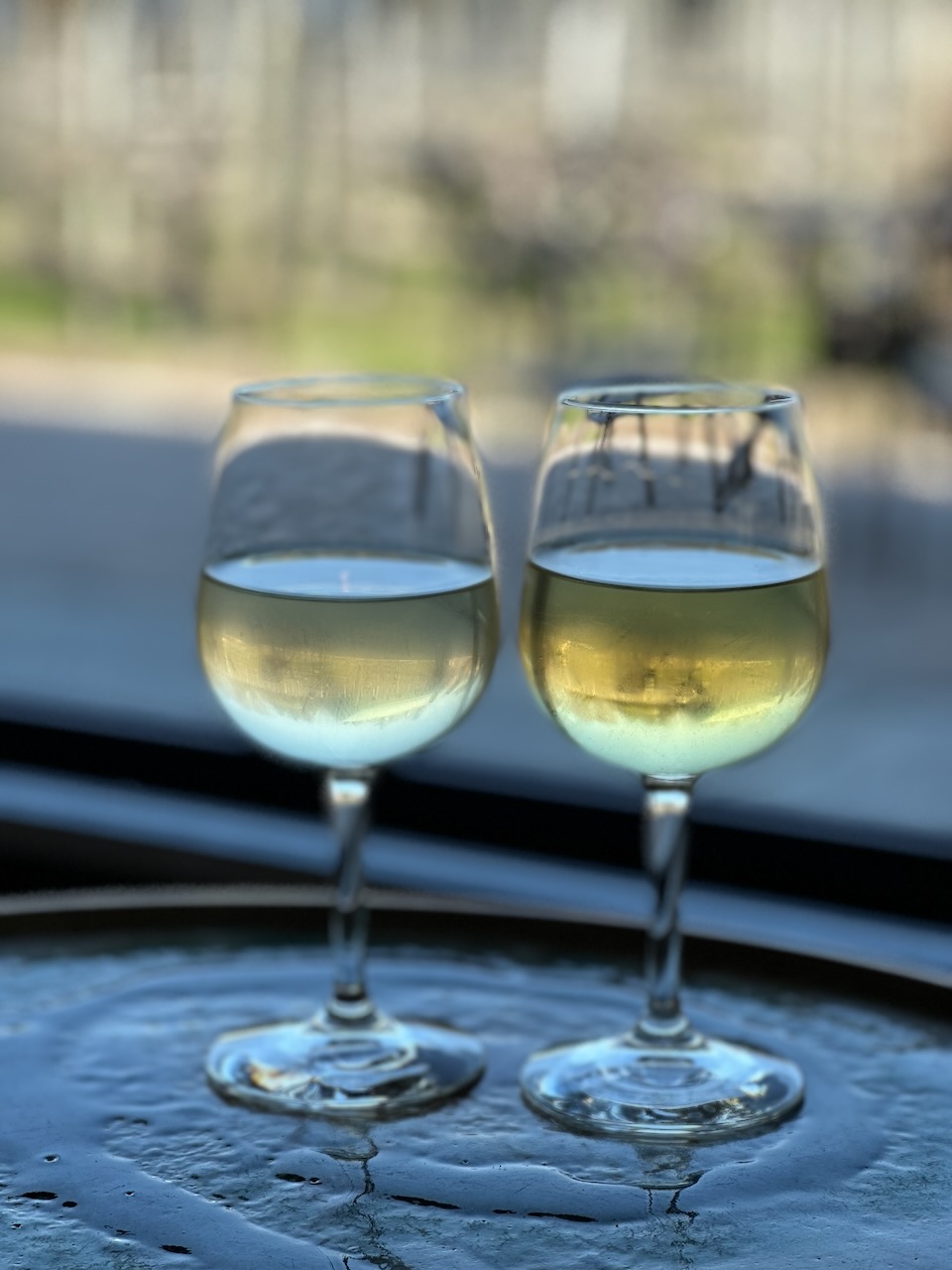
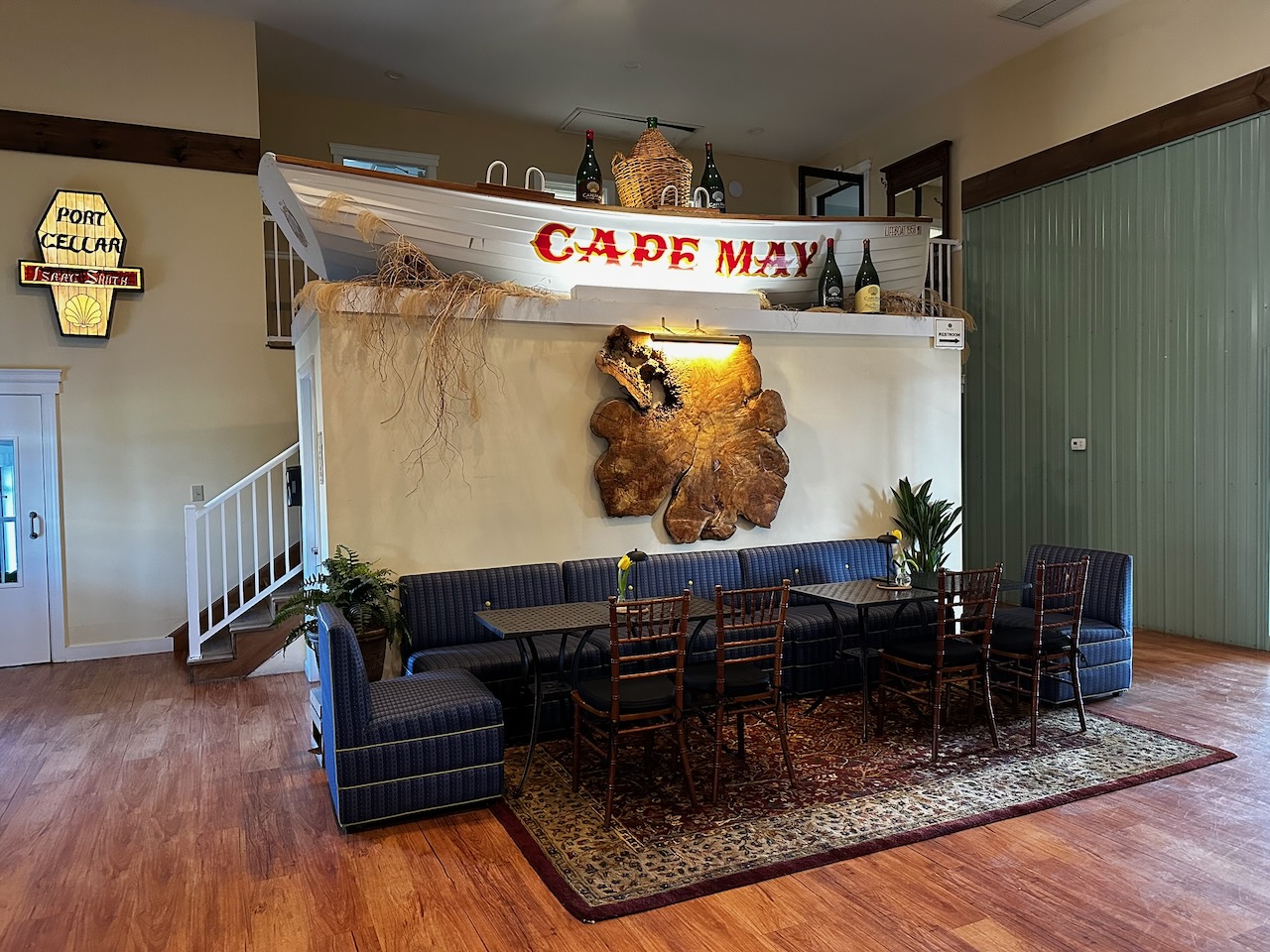
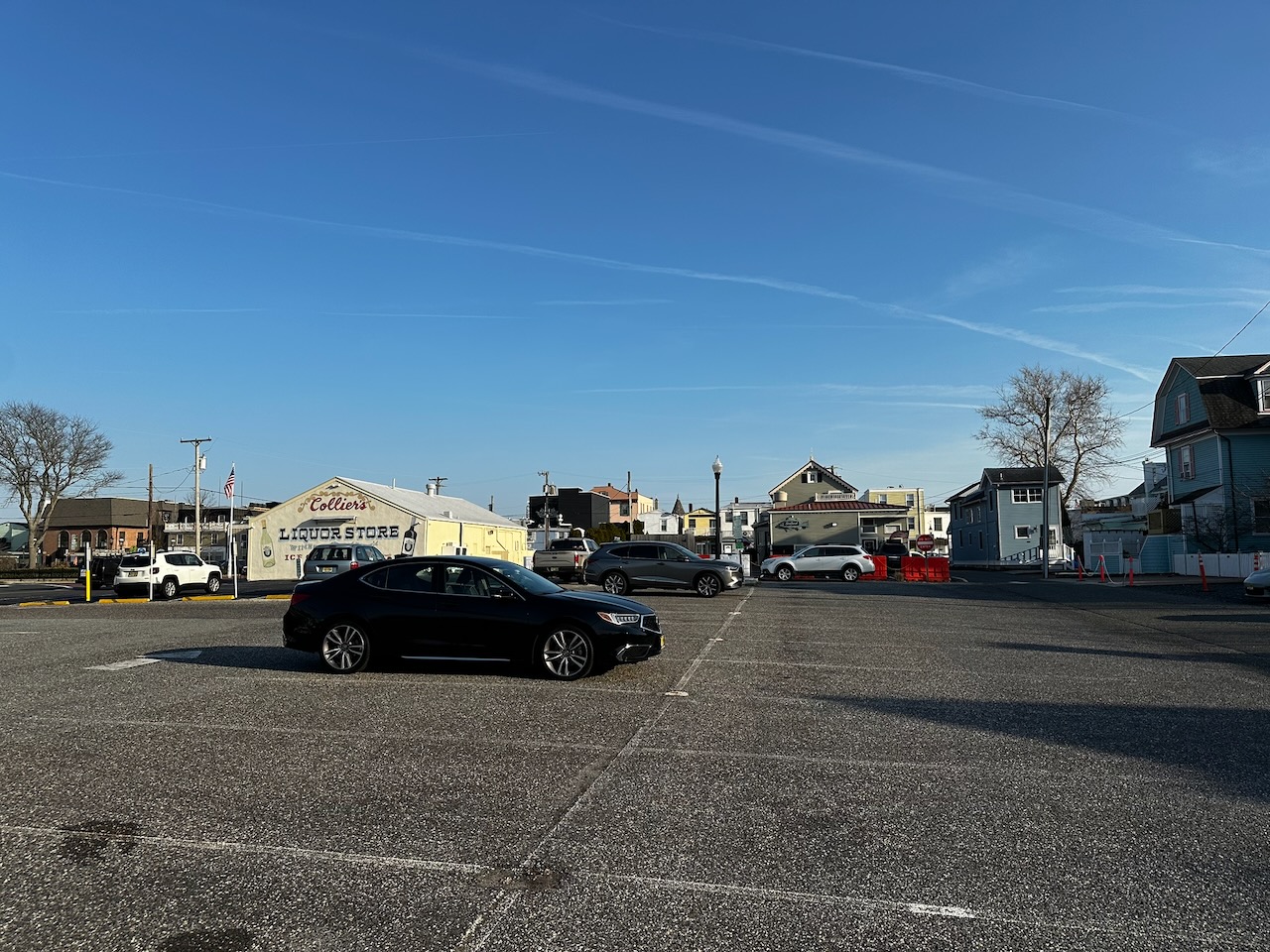
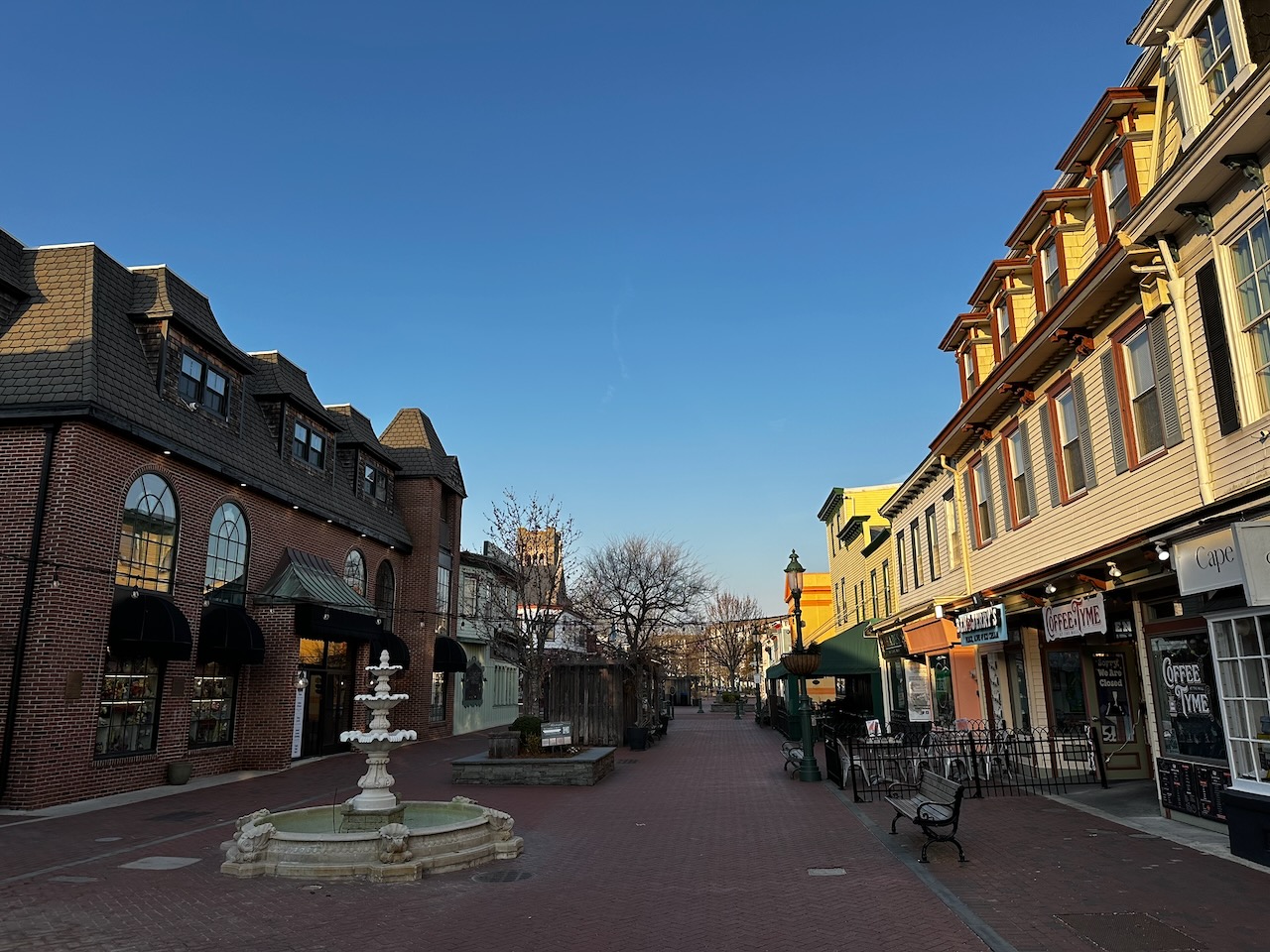
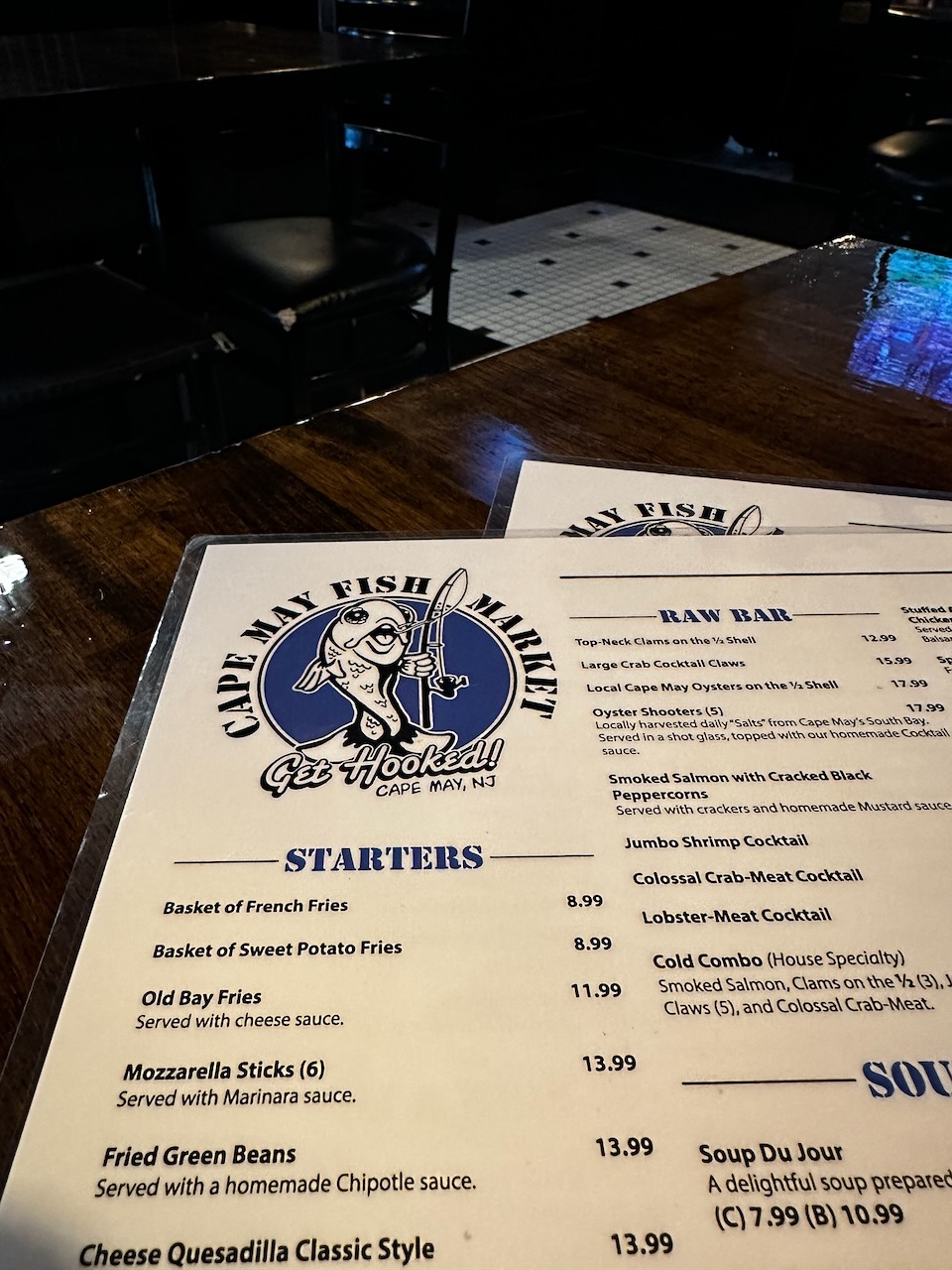
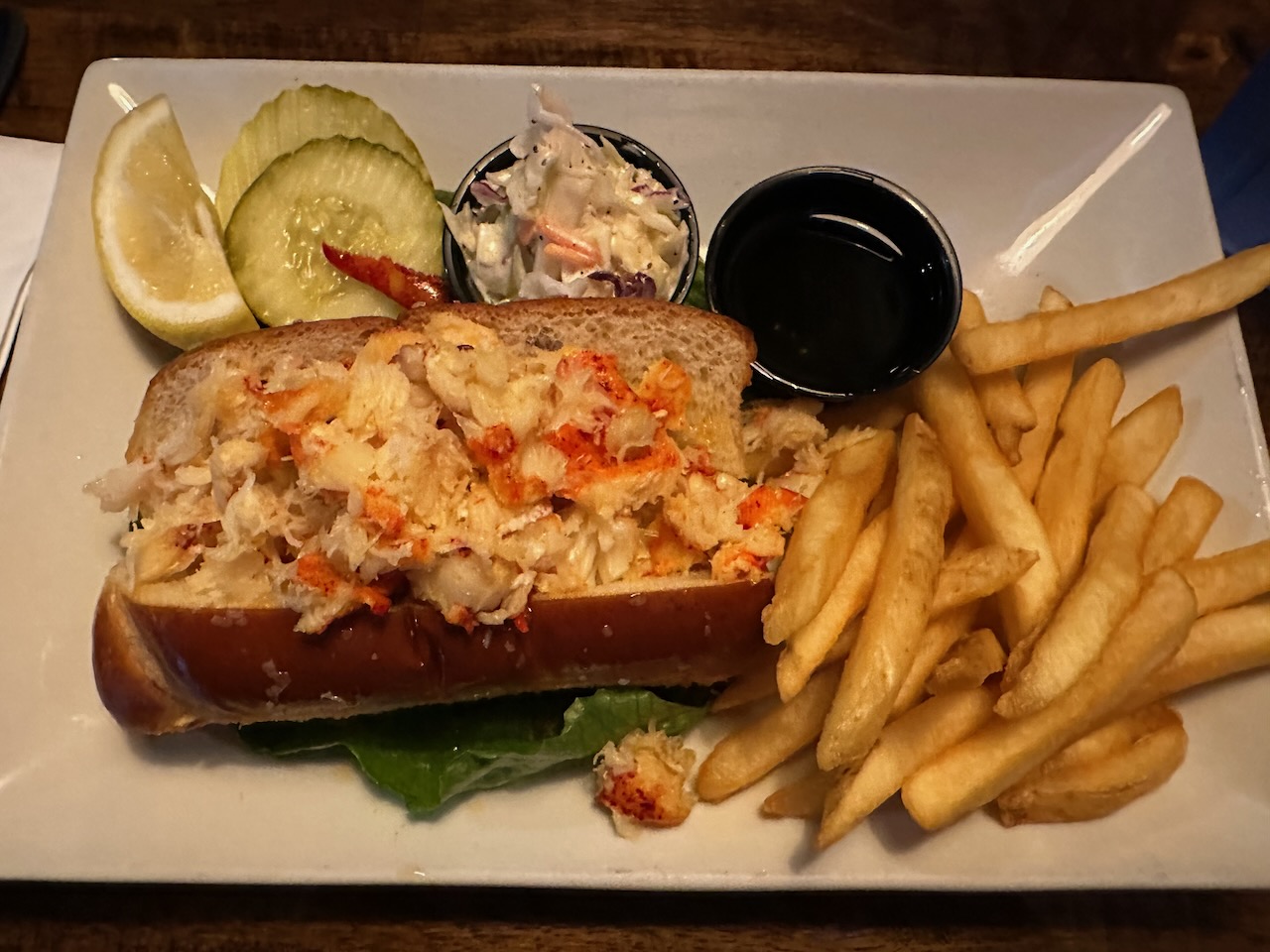
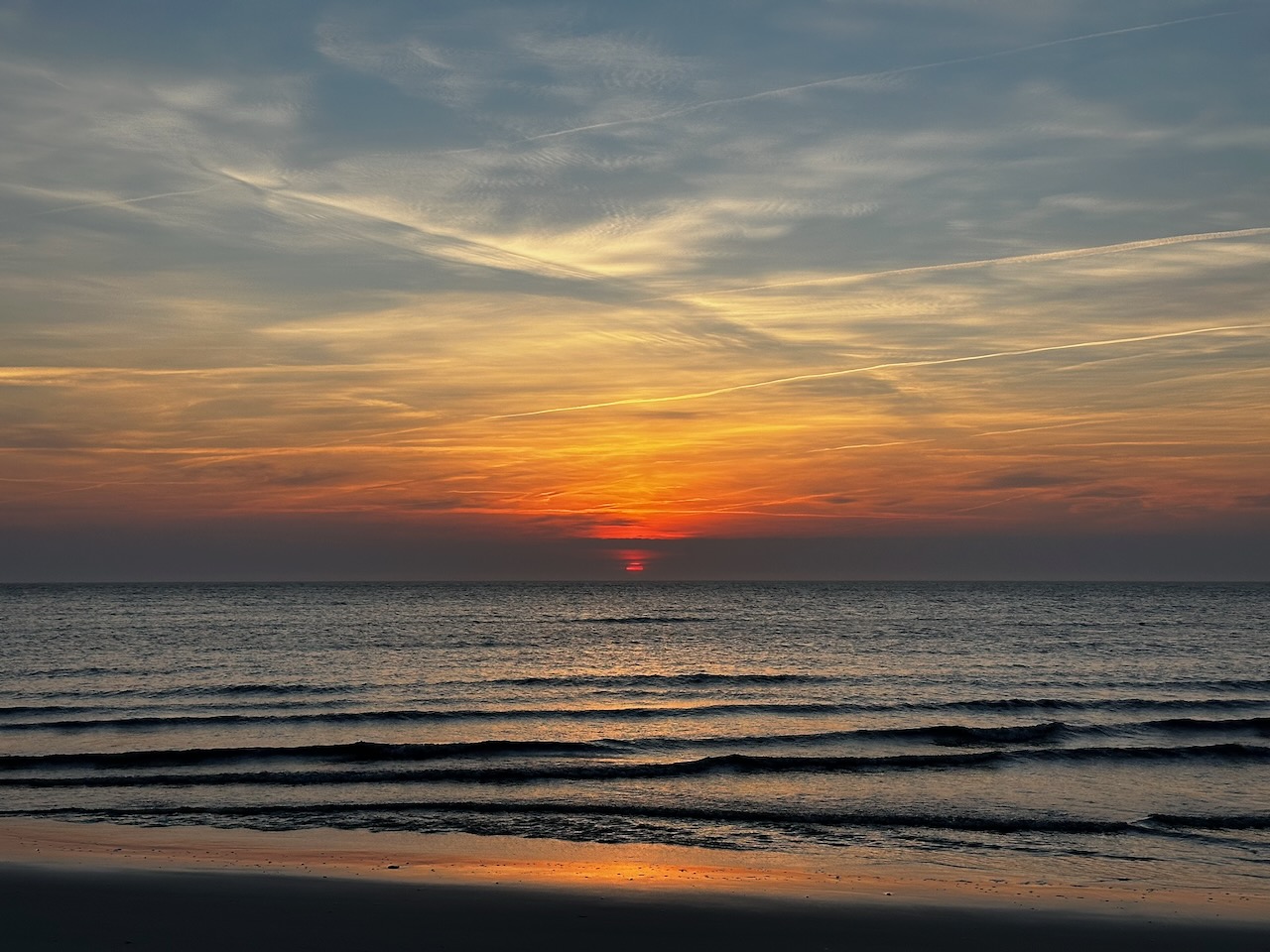
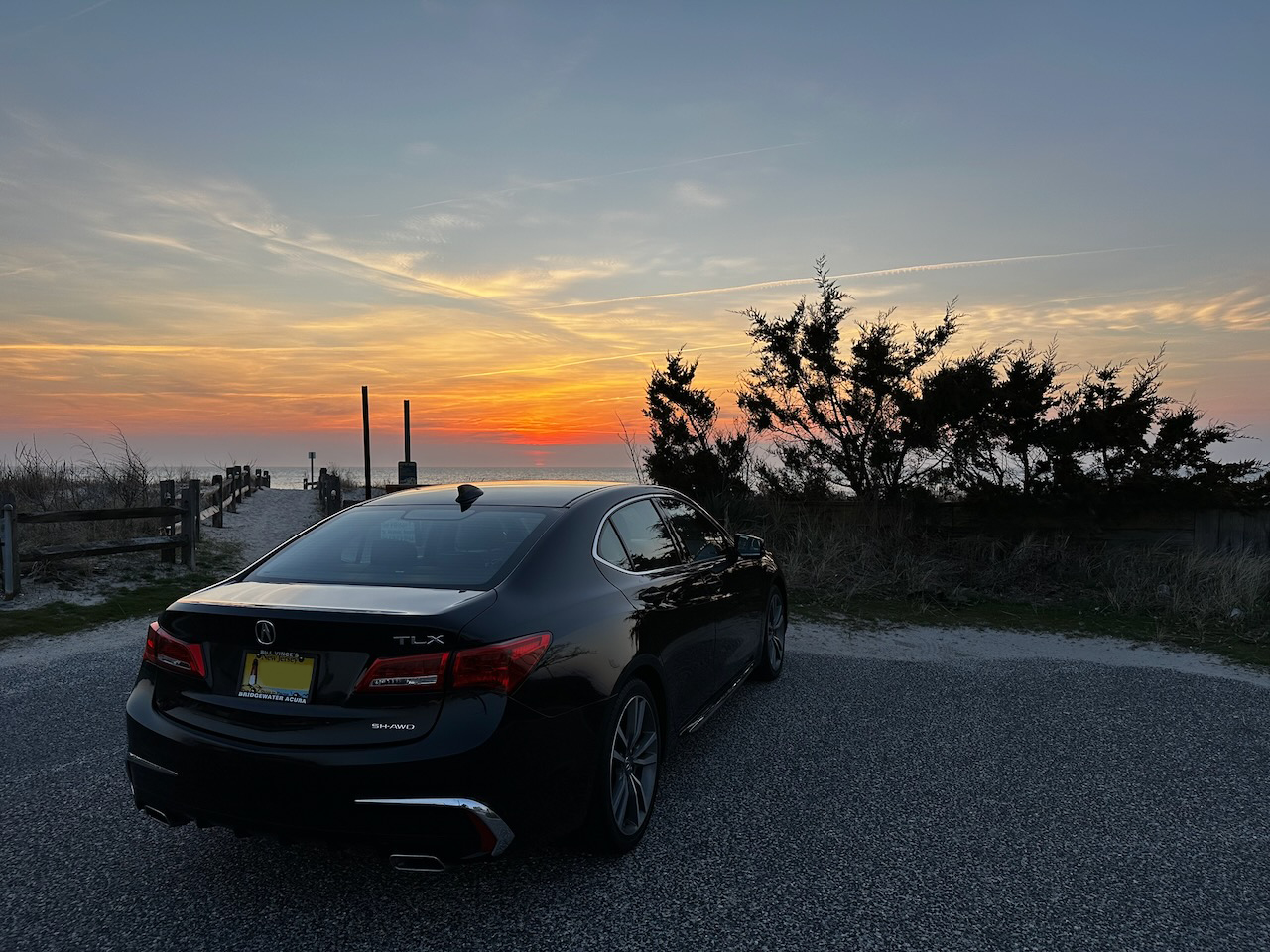
Our journey would take us from New Jersey to North Carolina, by way of Delaware, Maryland, and Virginia. As my wife and I both had to work in the morning, our first stop would be a night in Cape May, New Jersey.Our first drive was accompanied by sunshine and blue skies as far south as the eye could see. Leaving midday, we encountered virtually no traffic on the Garden State Parkway.We kicked off our vacation with a stop at the Cape May Winery, one of our favorite vineyards in New Jersey.Cheers to vacation! That’s a glass of pinot grigio for my wife (left) and a chardonnay for me (right).One benefit of visiting in the late afternoon during a work week? We basically had the place to ourselves. Service, as always, was lovely and attentive, and we thoroughly enjoyed the visit.Our next stop was to downtown Cape May for dinner. In the summer, this lot is almost always full. This is why I love visiting in the offseason.Longtime readers will recognize the Washington Street Mall – a shopping and dining area in downtown Cape May. In the summer, this area is absolutely packed with visitors. The offseason has a bit of a different vibe.Fortunately, our dinner destination was open and ready for business: The Cape May Fish Market!No surprise with our order here: that will be a lobster roll for me, and a lobster roll on a gluten free bun for my wife. It hit the spot!We would be spending the night at our family’s home, and we got back from dinner just in time to catch the sunset.Rest up, little Acura. Tomorrow is going to be a long day…
Day 2 – New Jersey to North Carolina
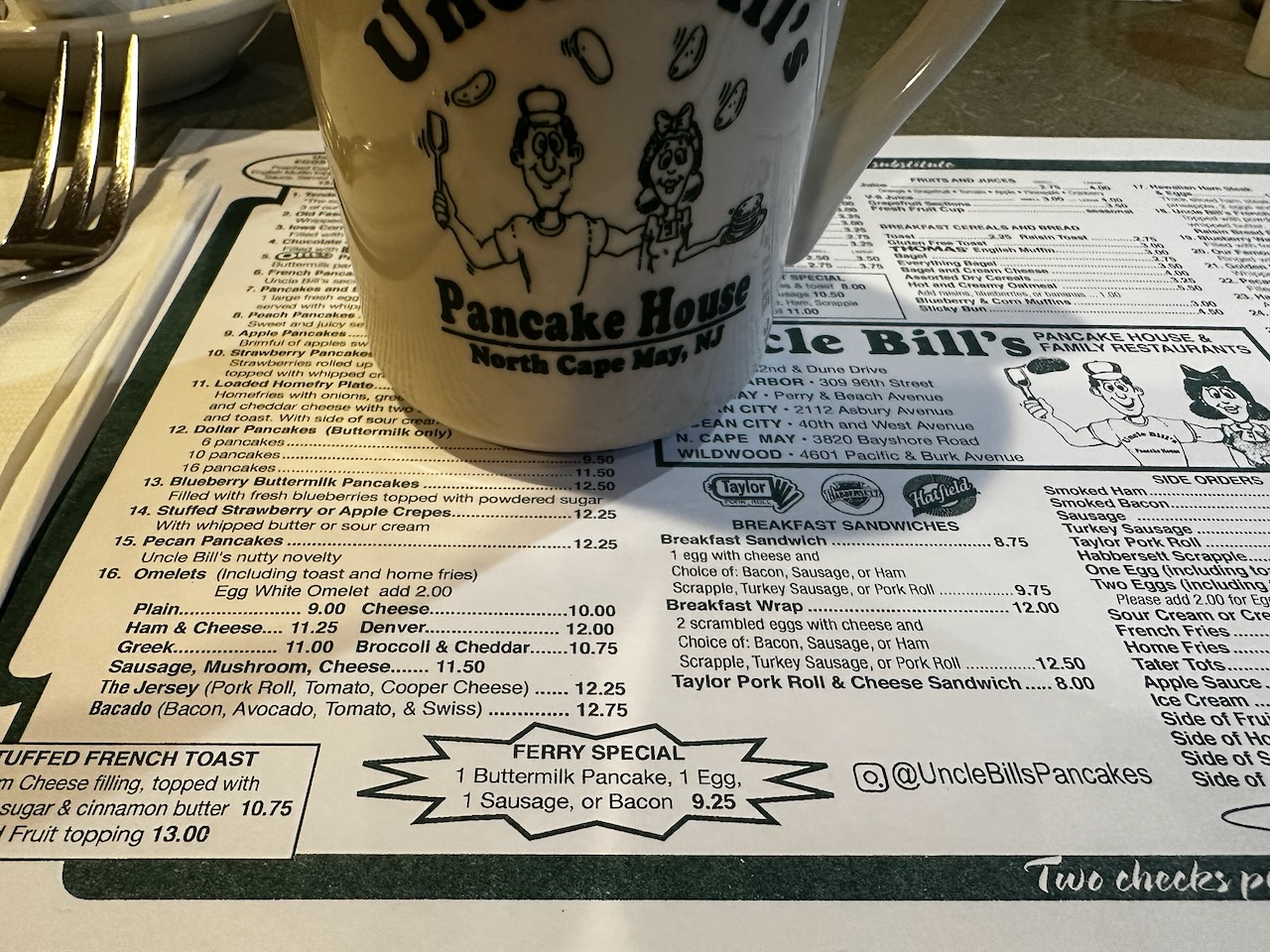
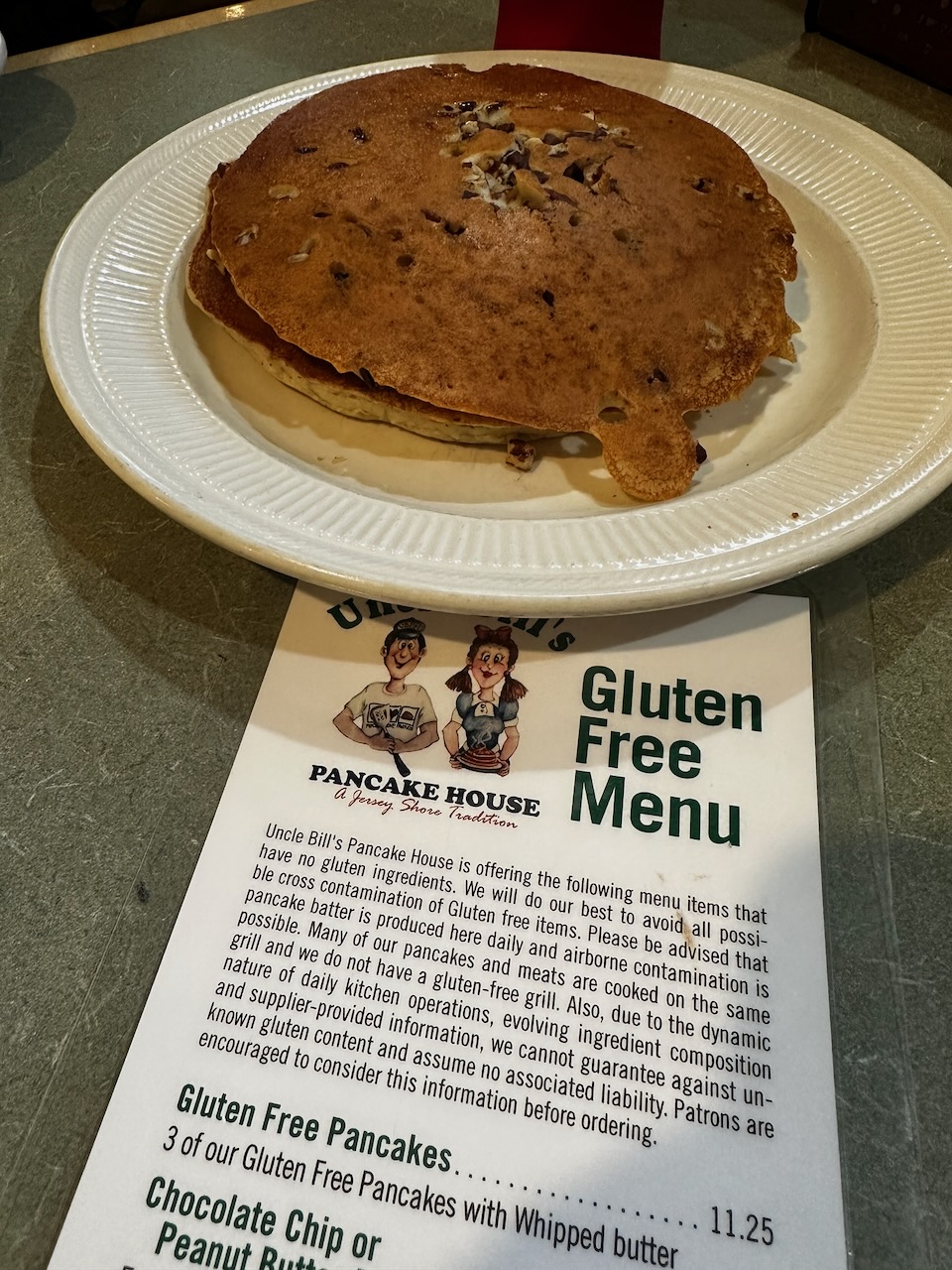
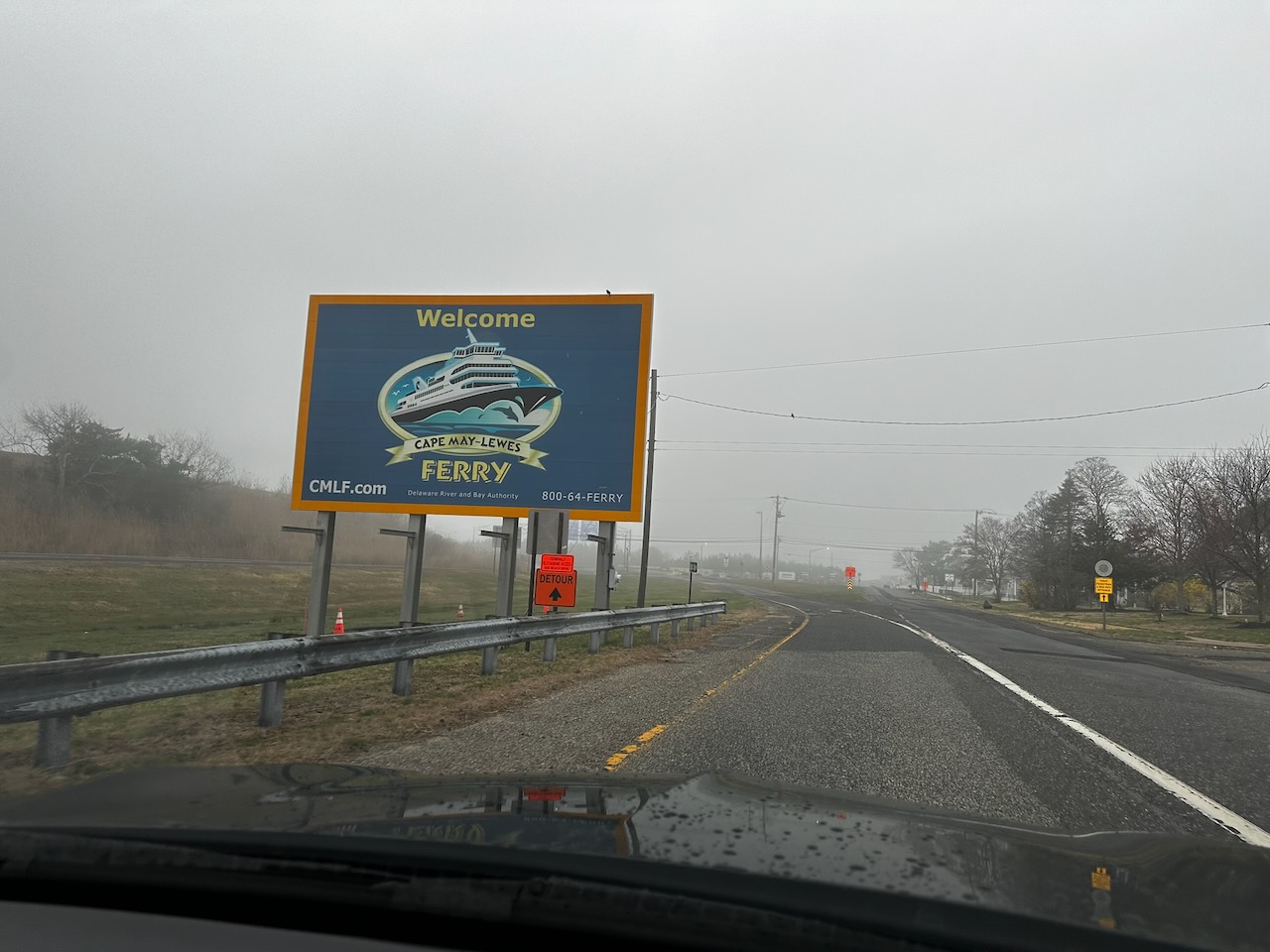
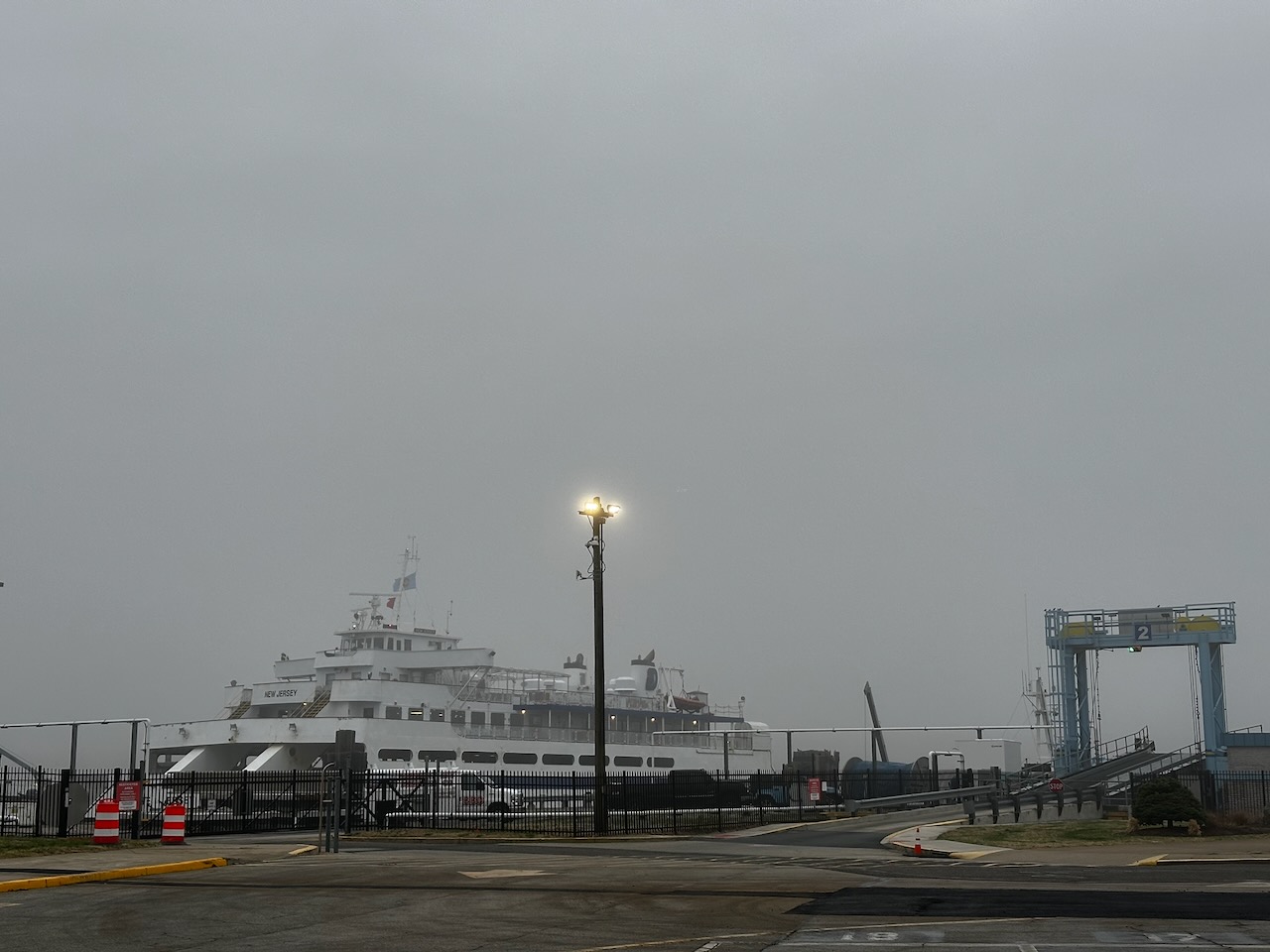
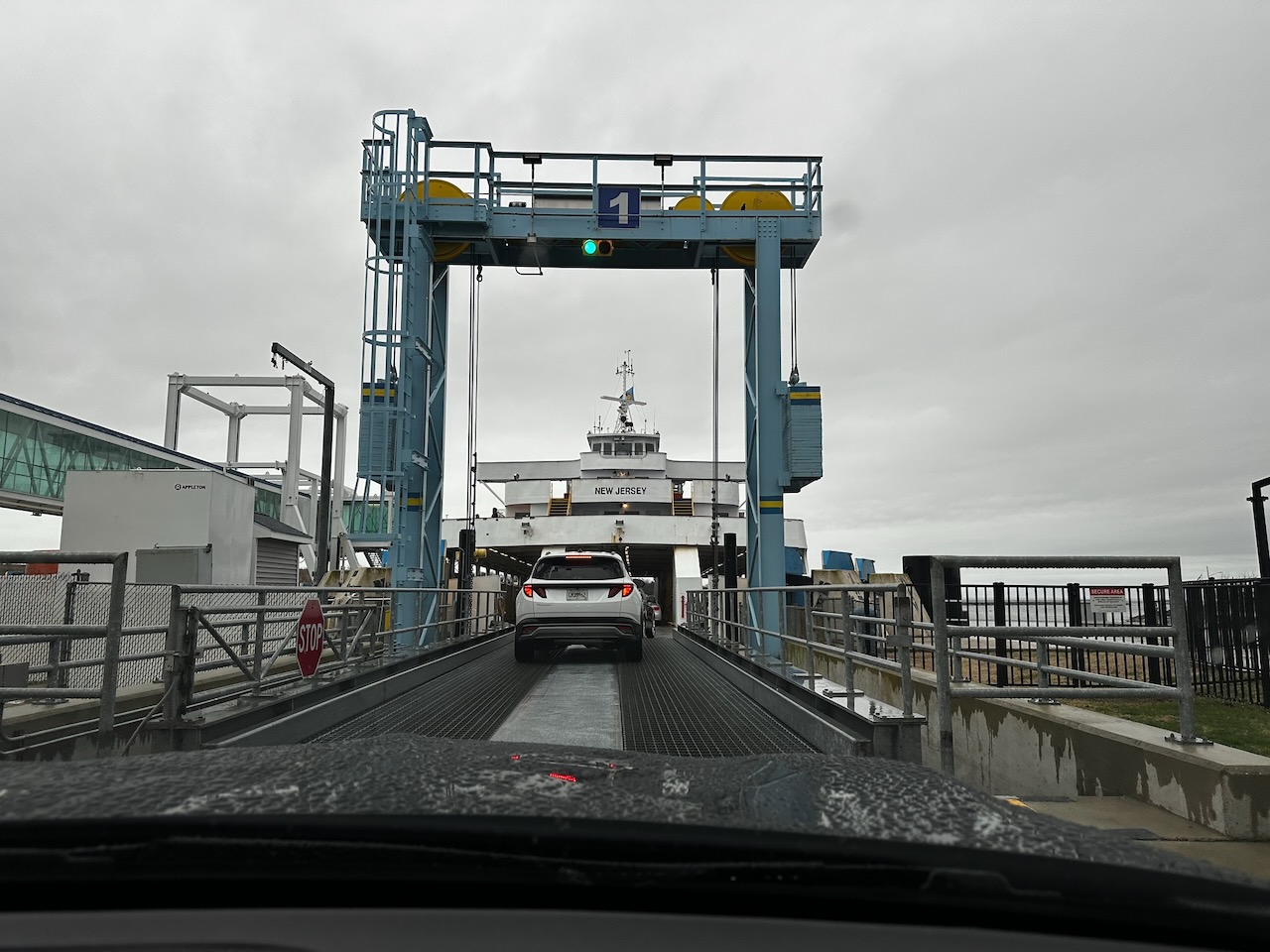
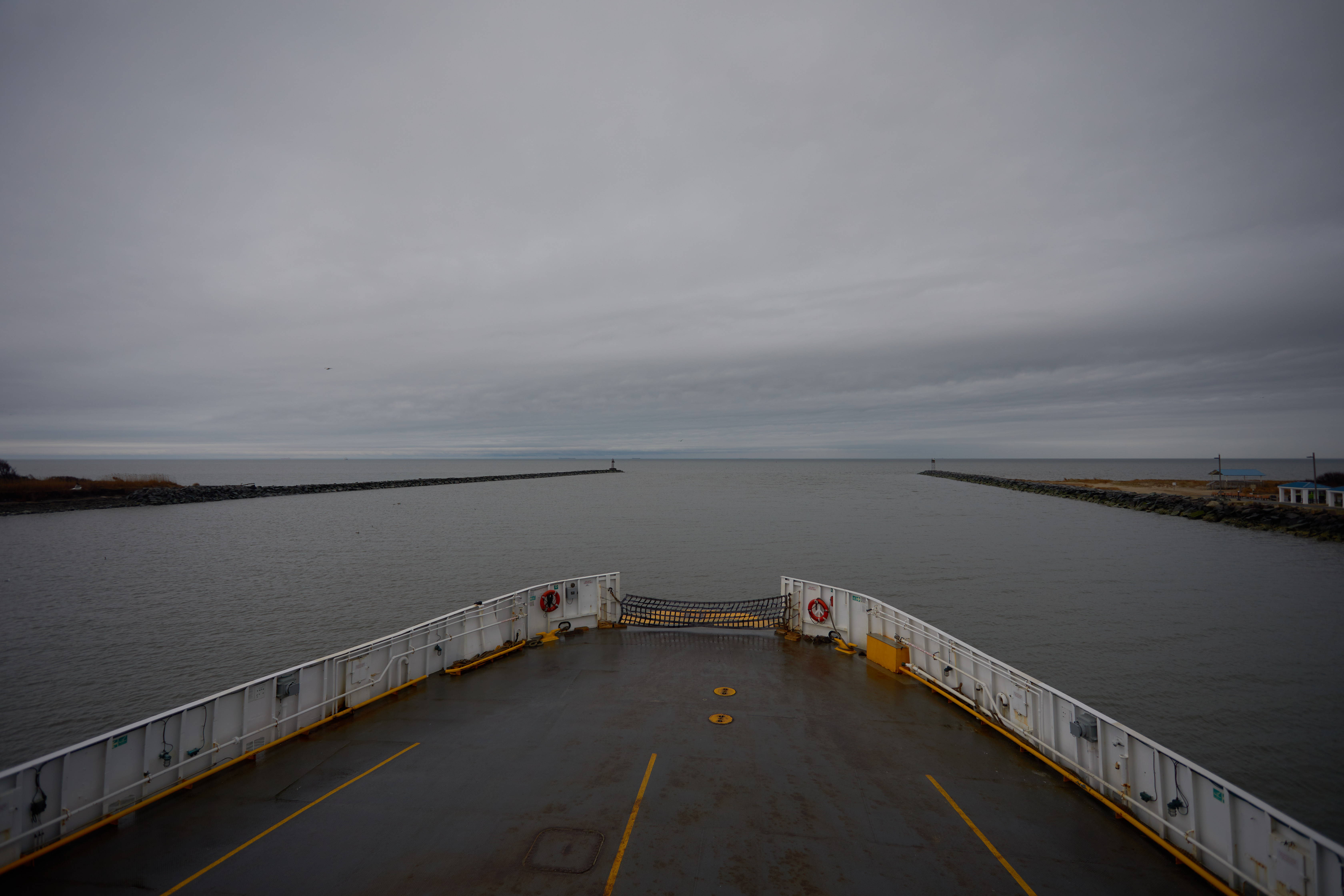
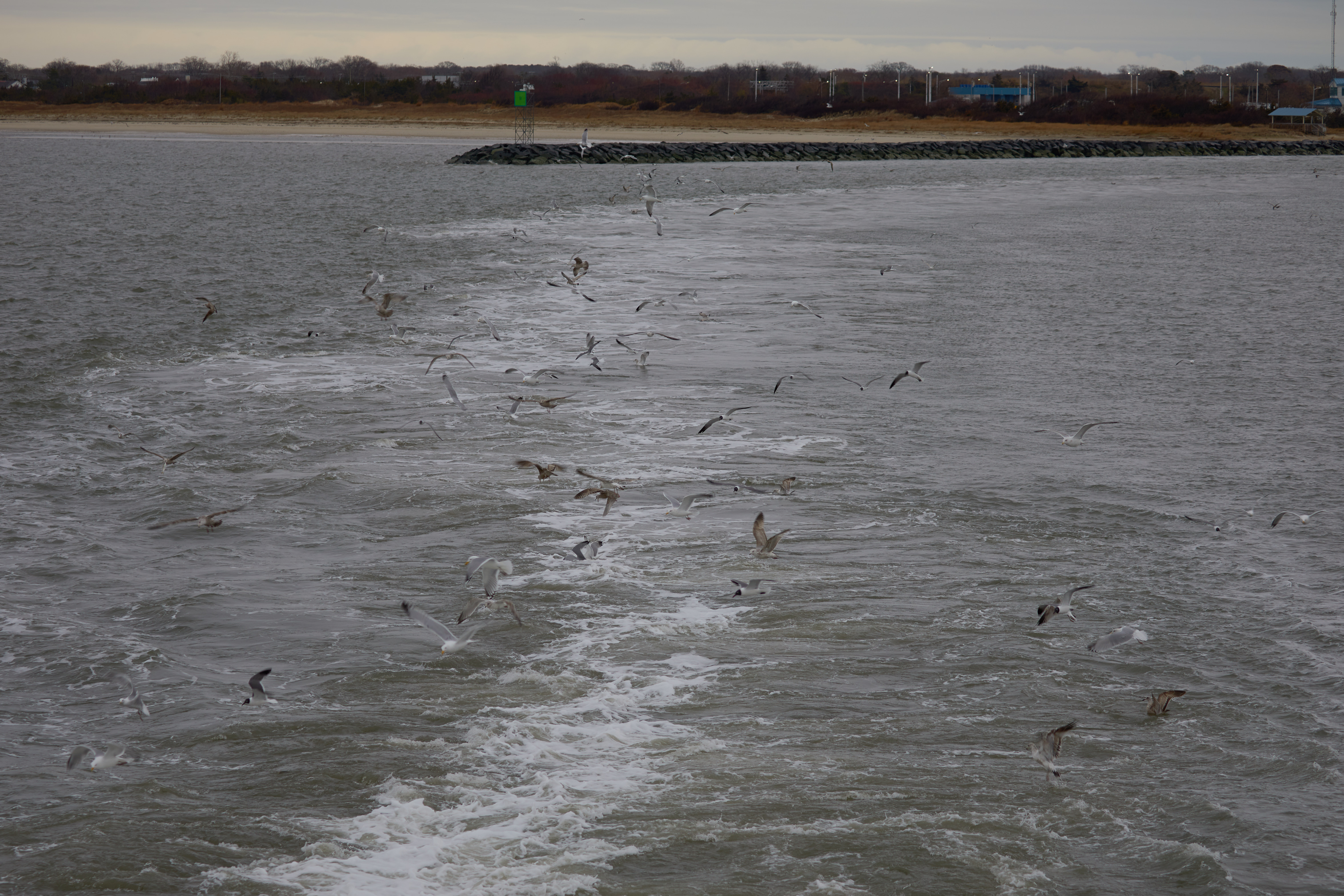
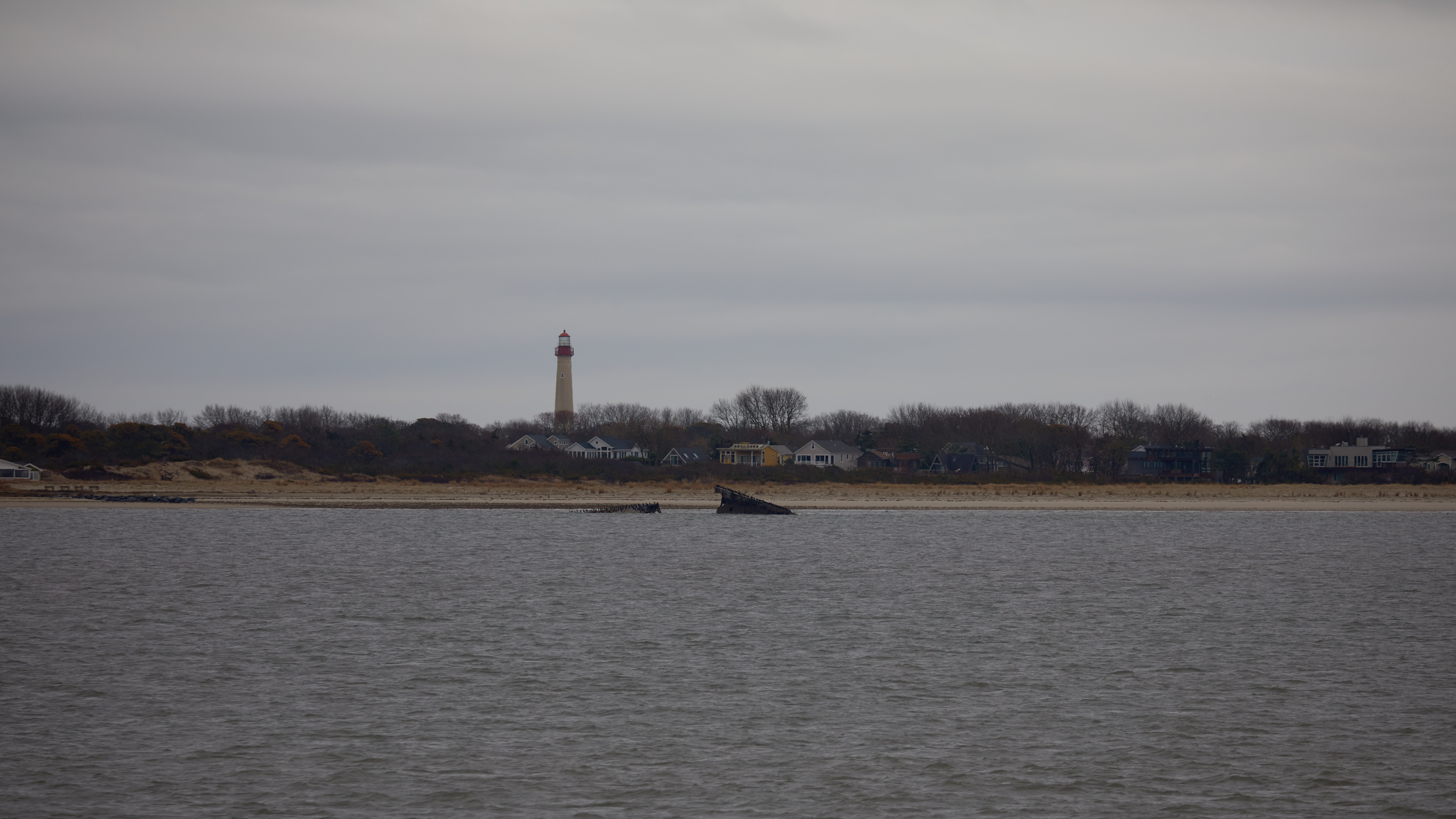
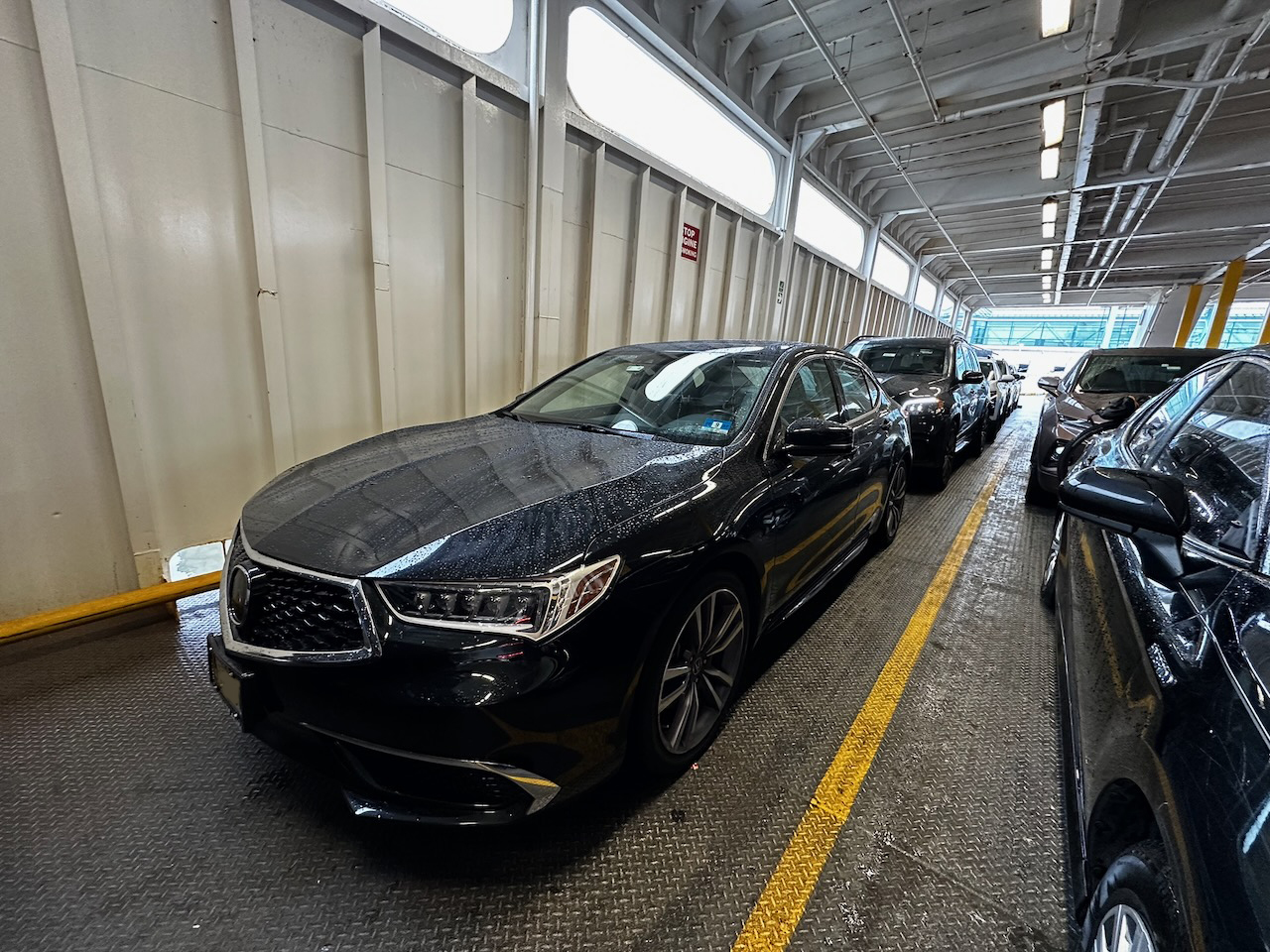
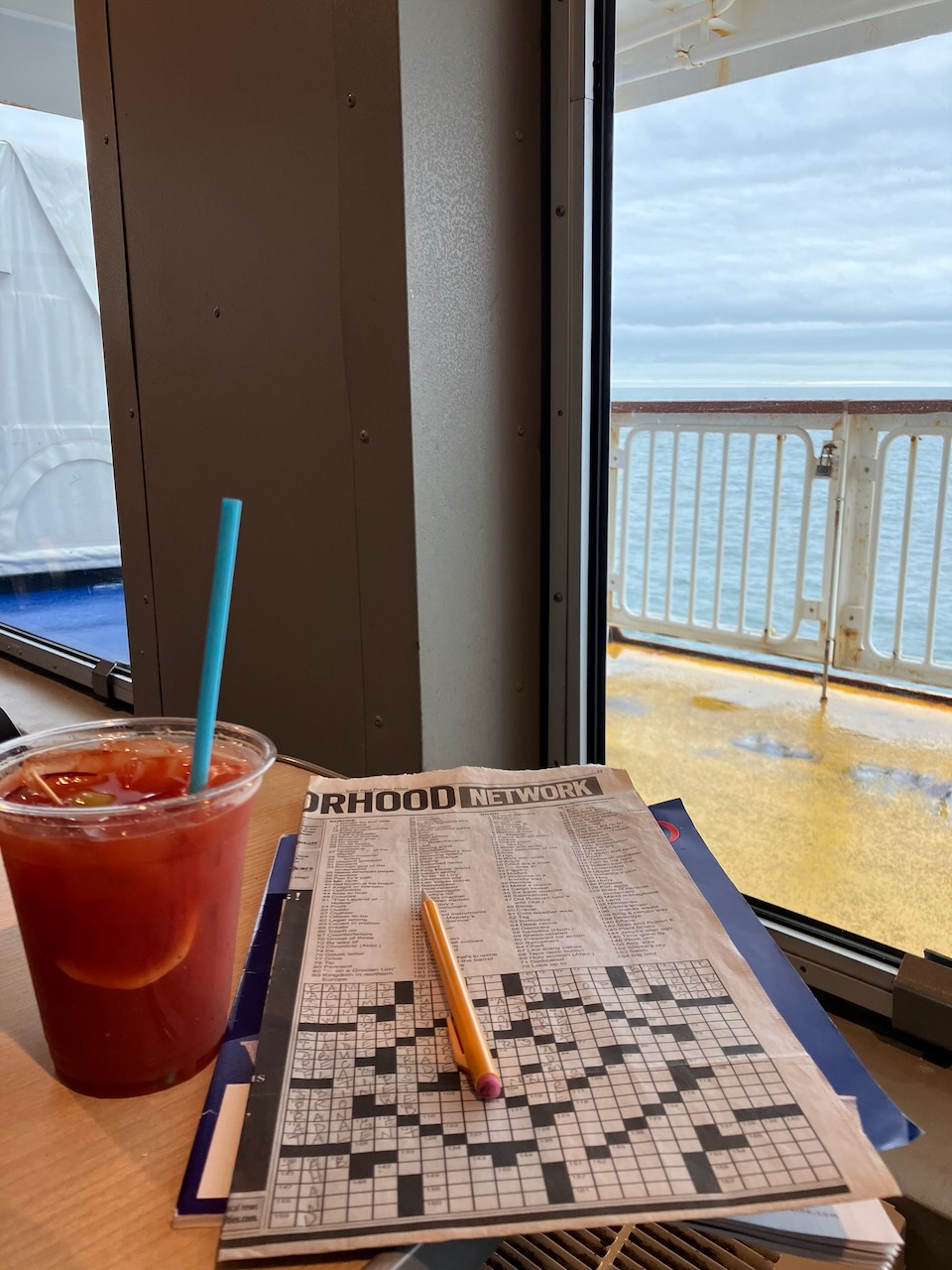
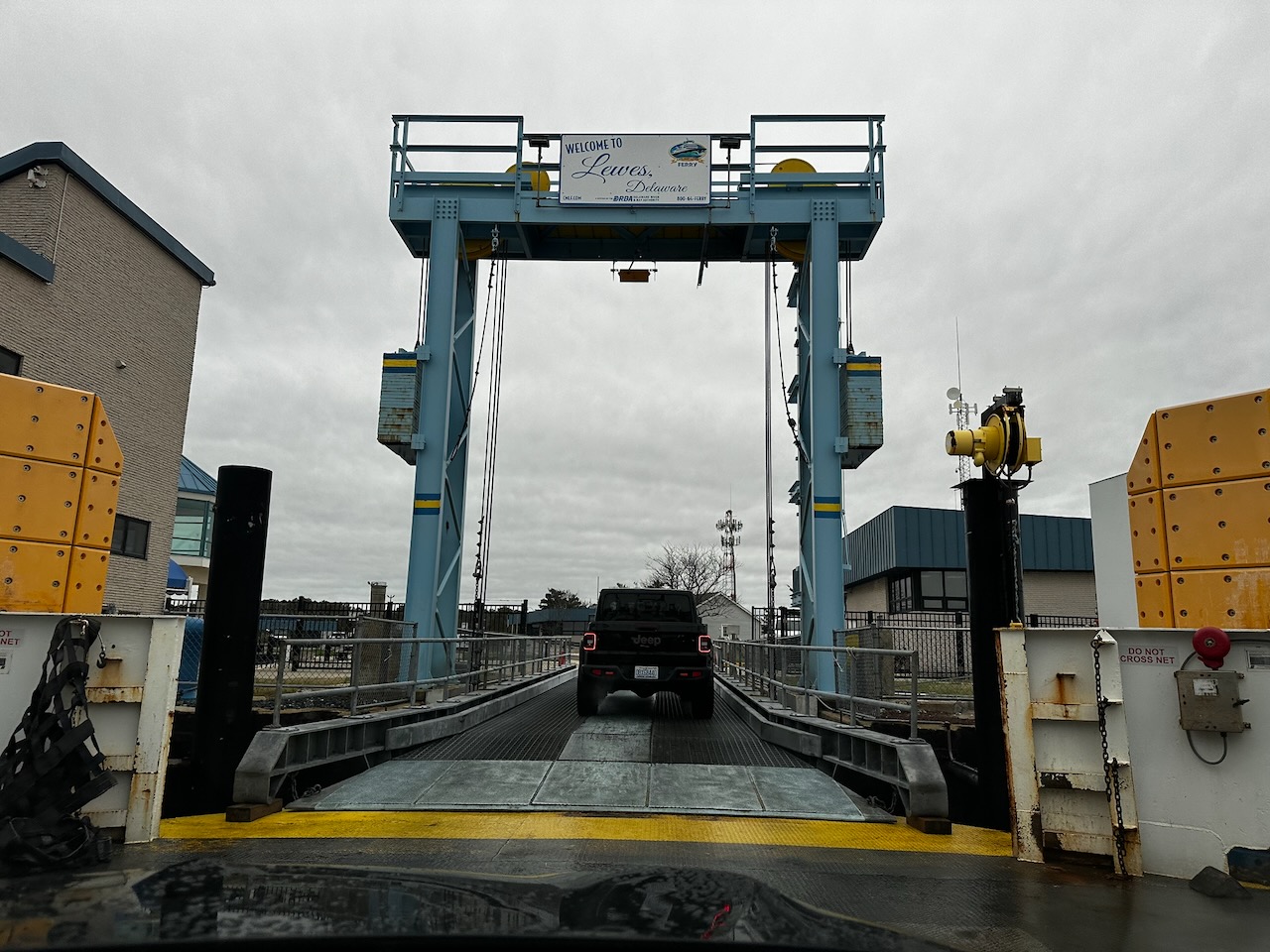
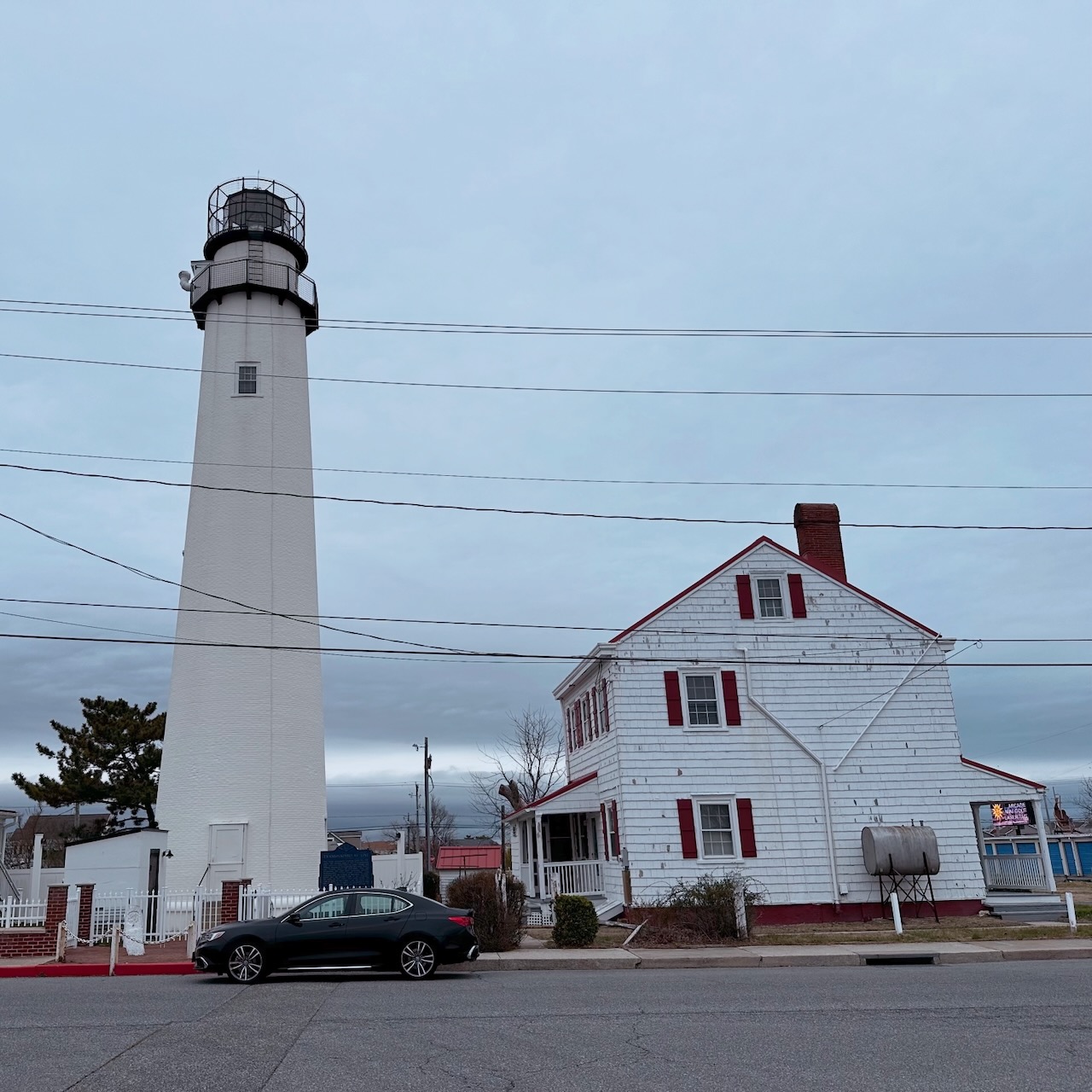
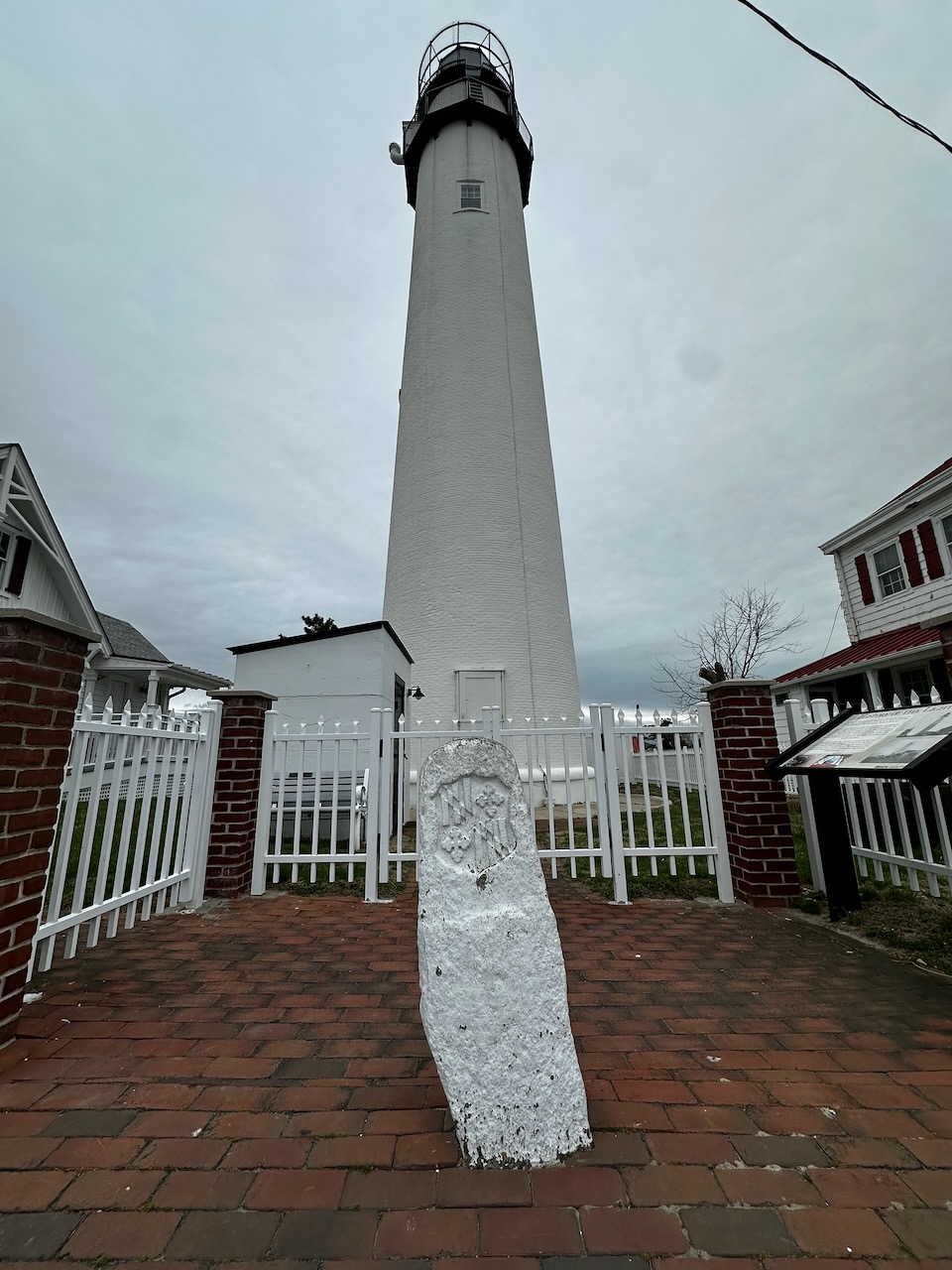
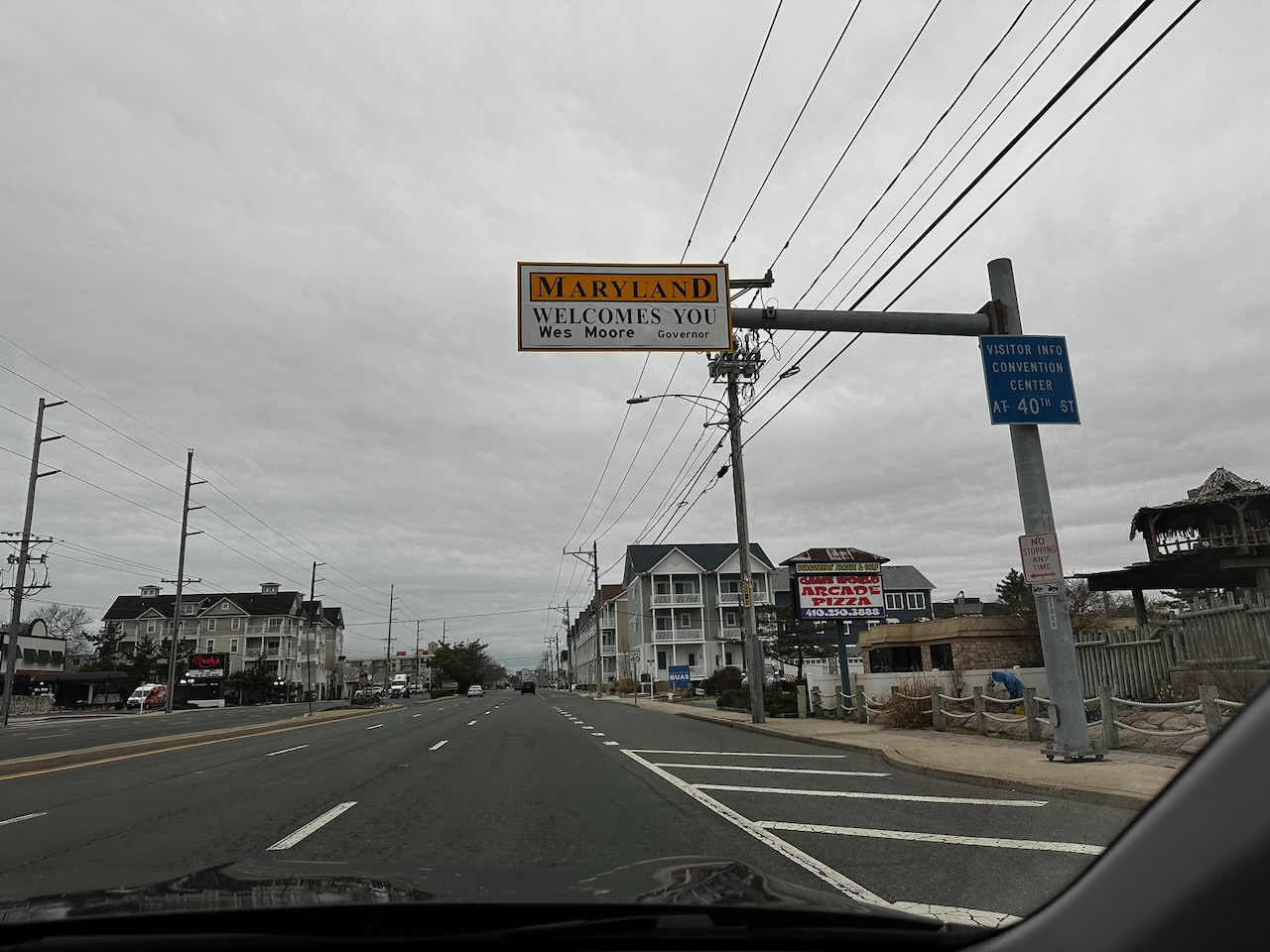
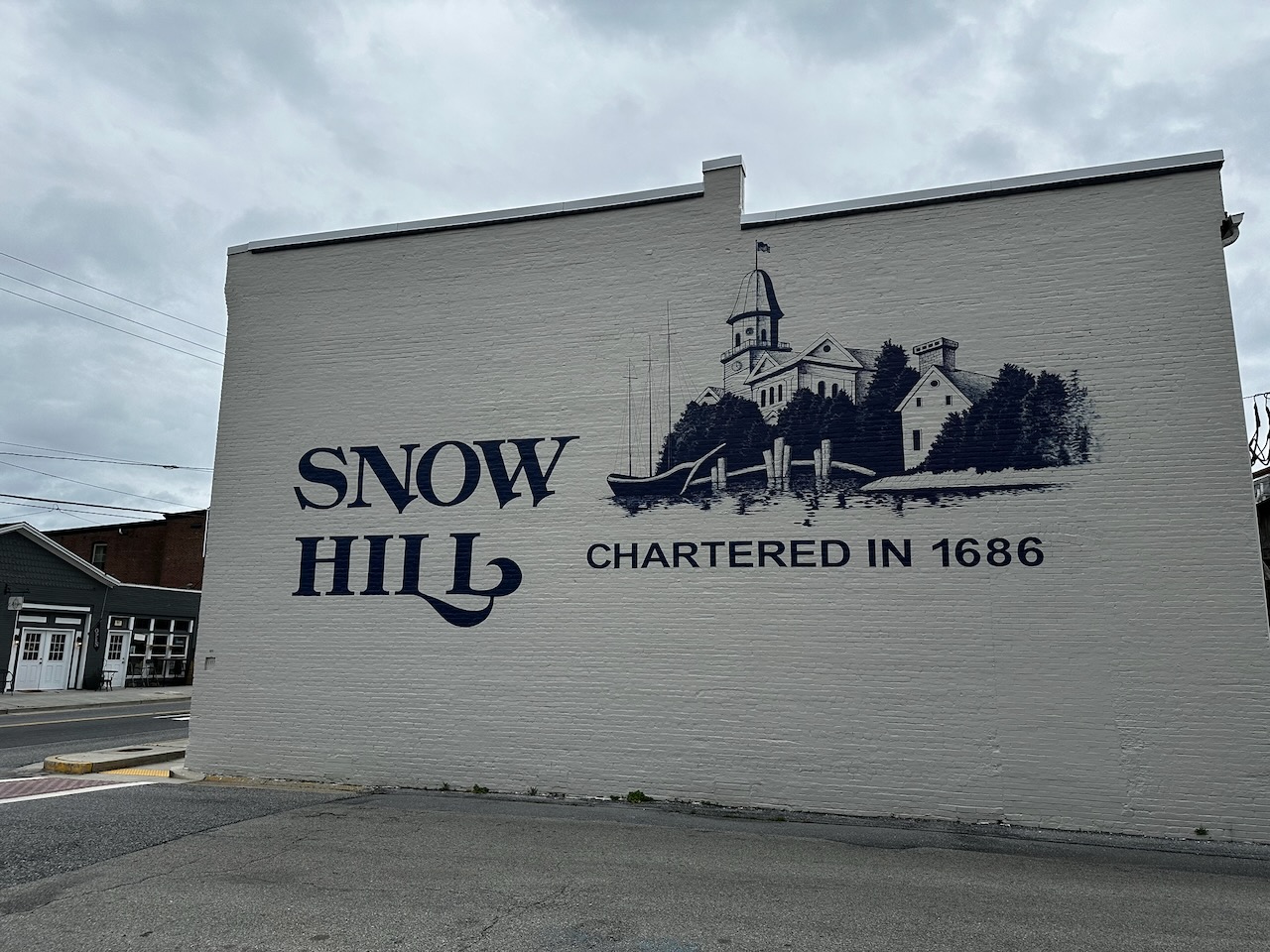
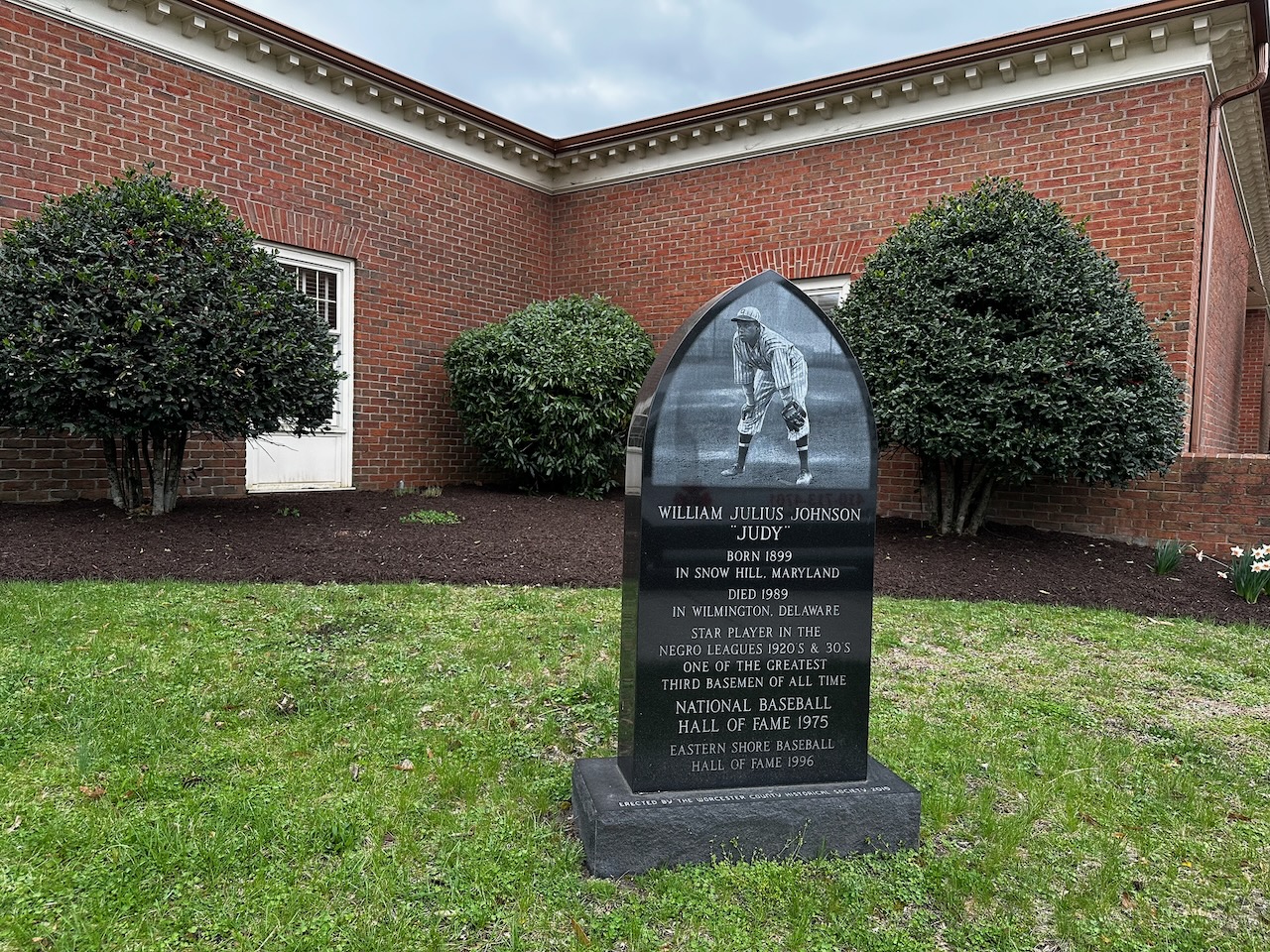
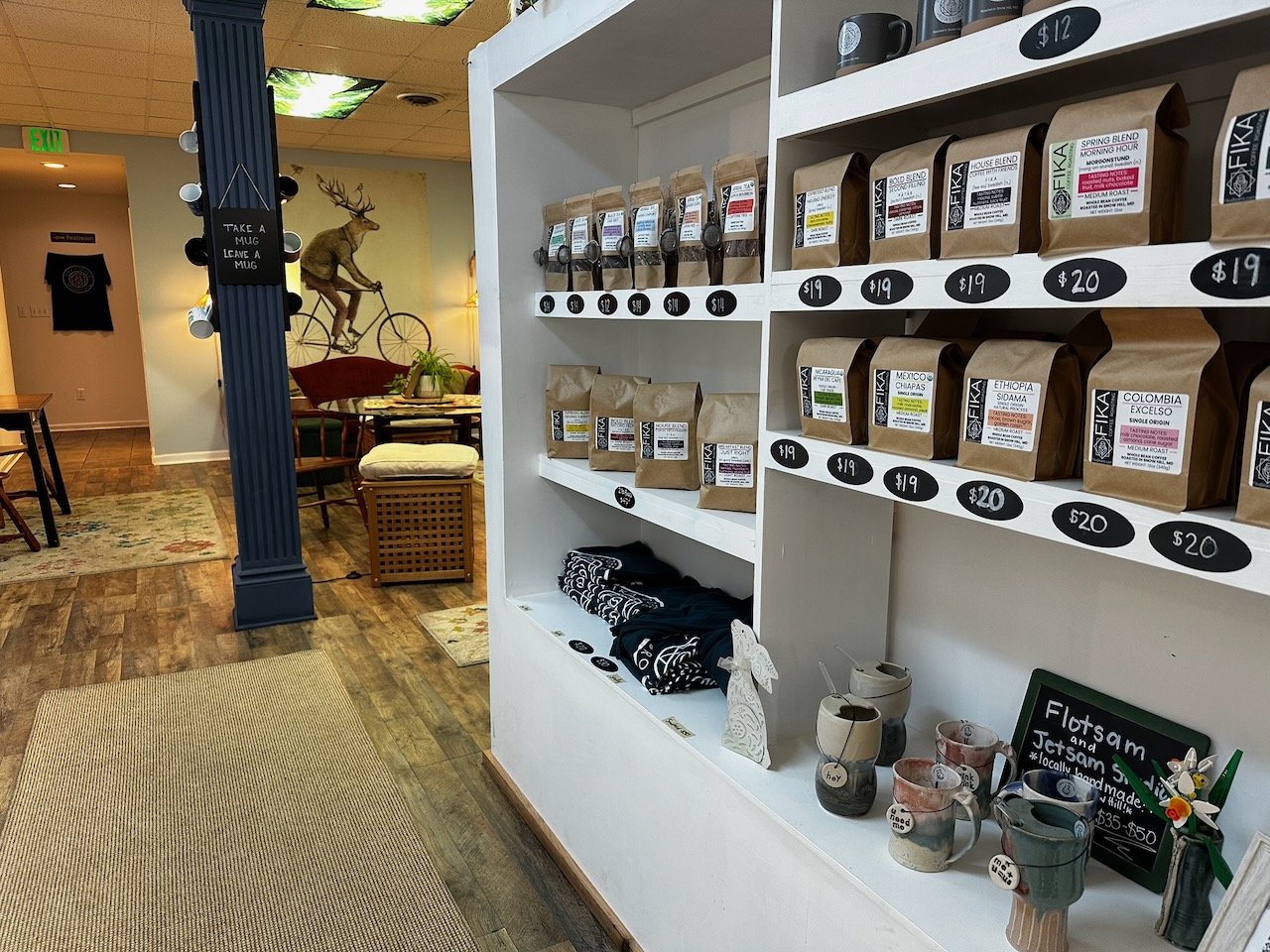
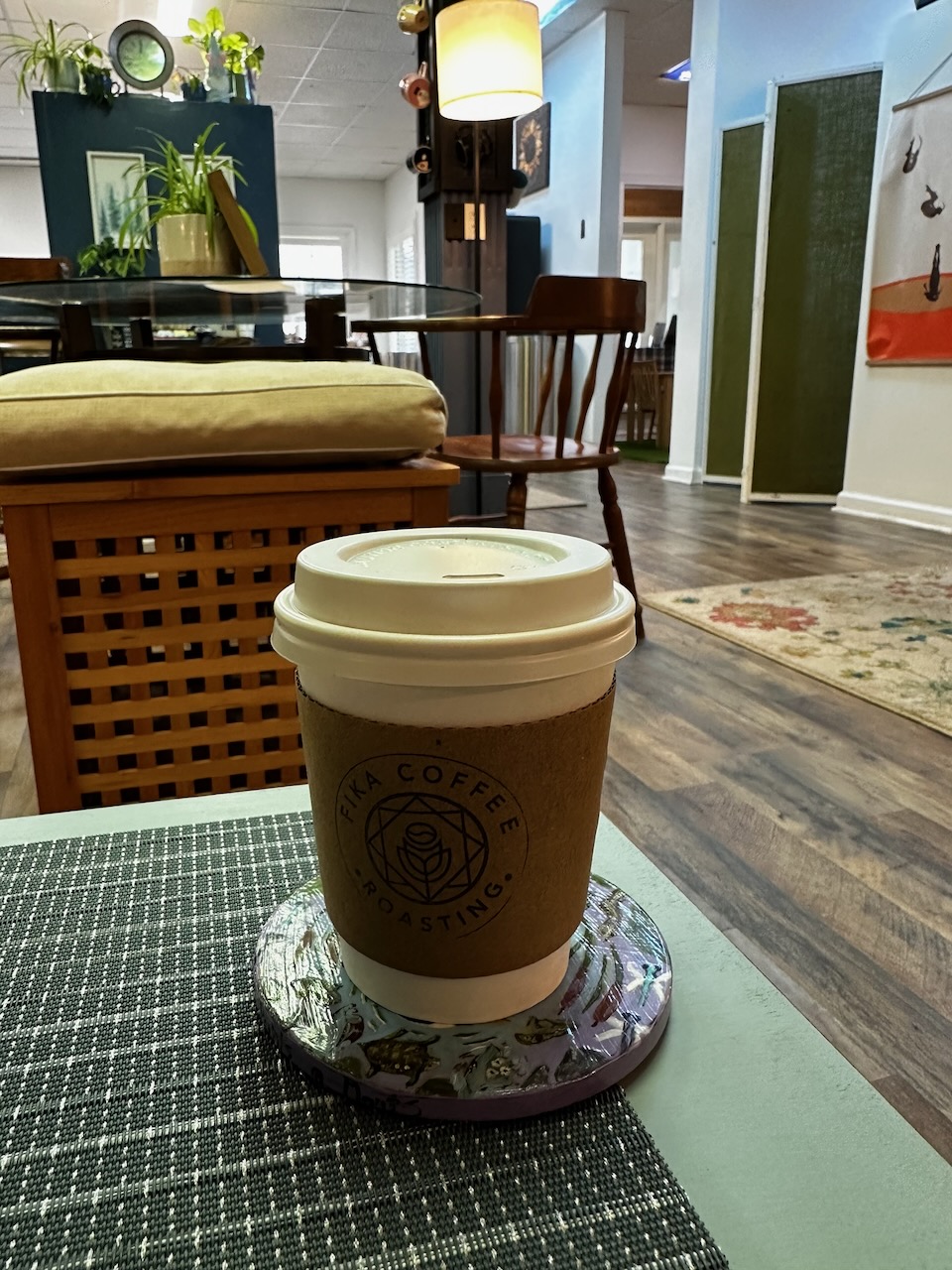
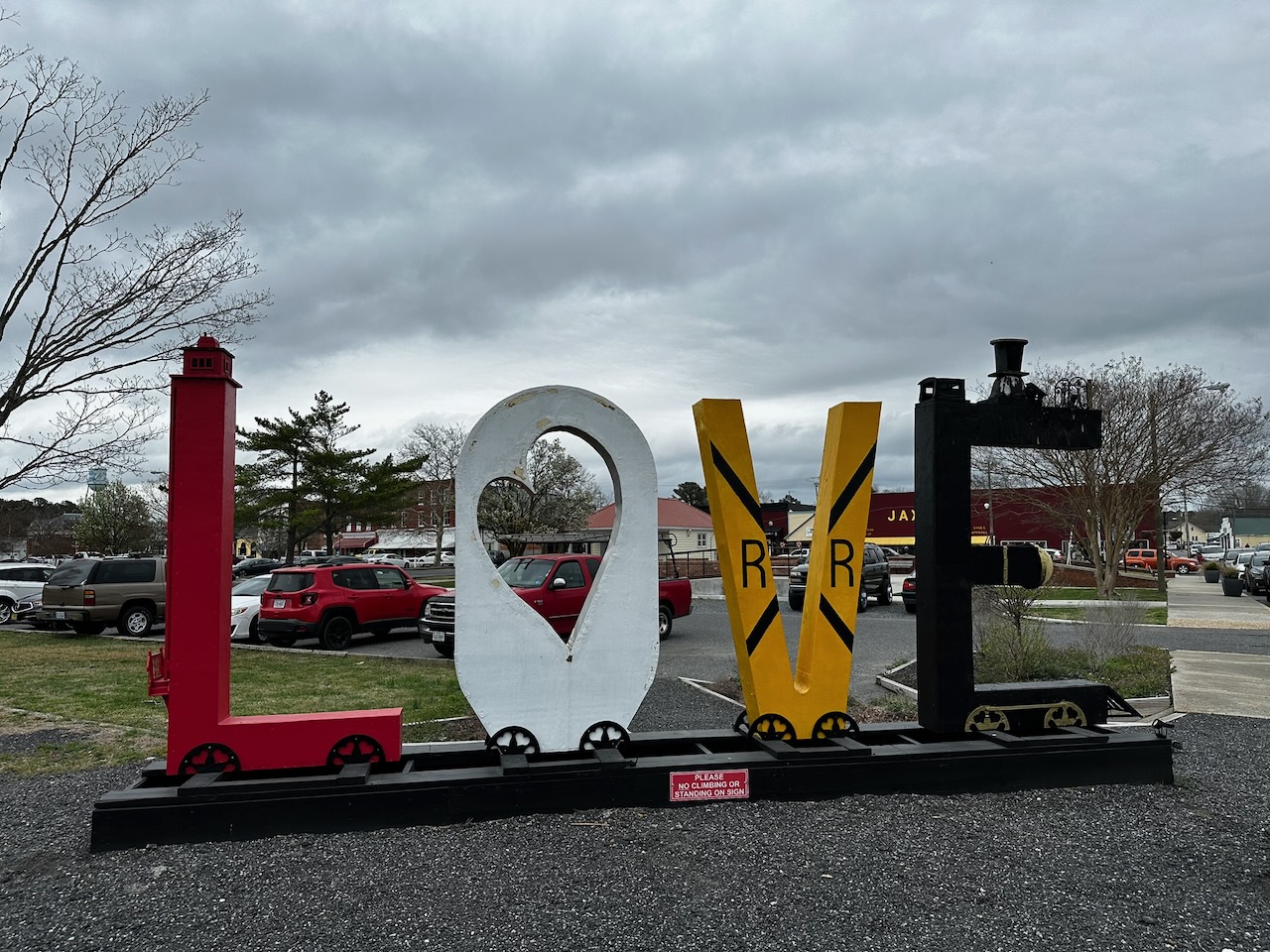
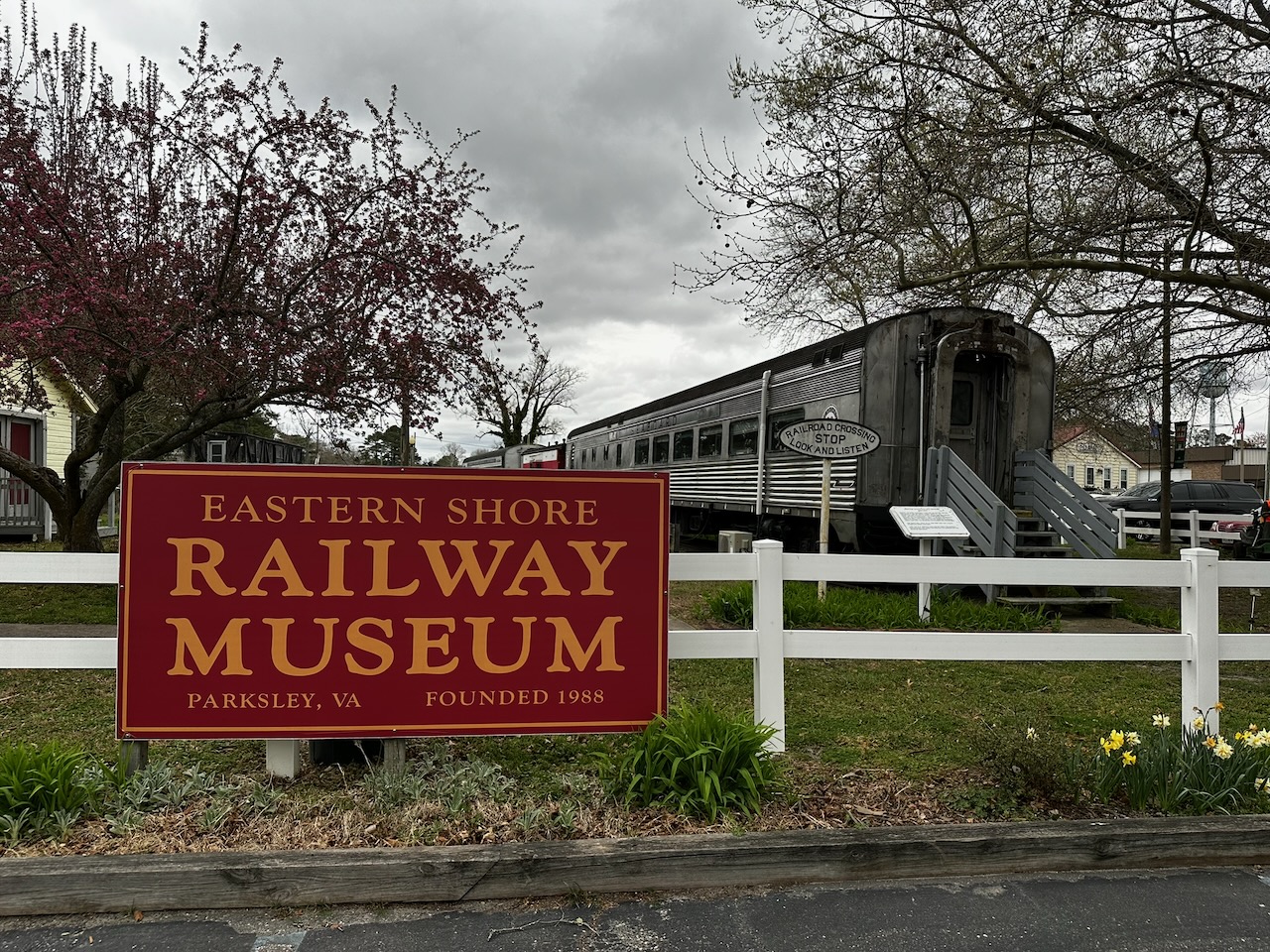
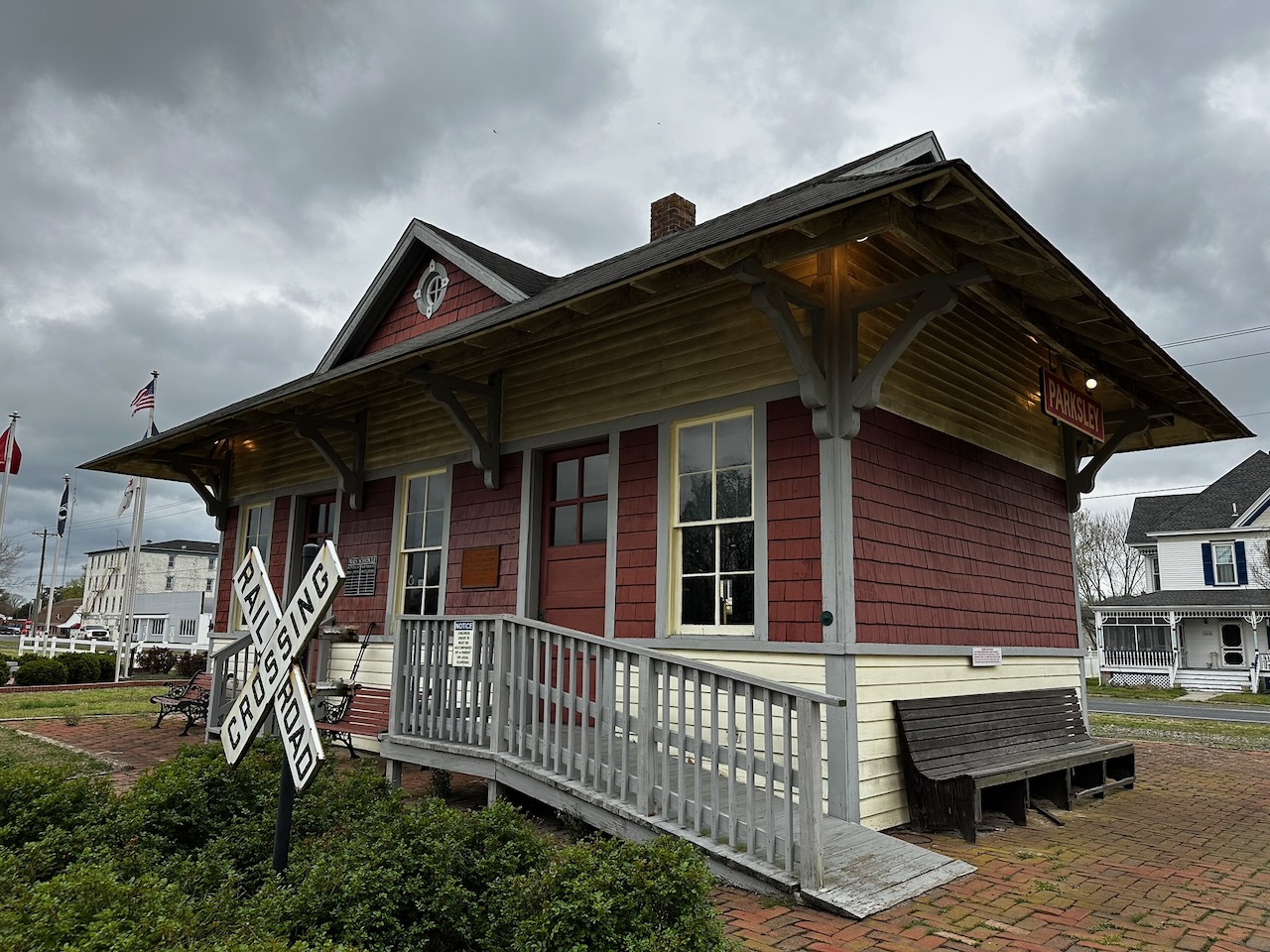
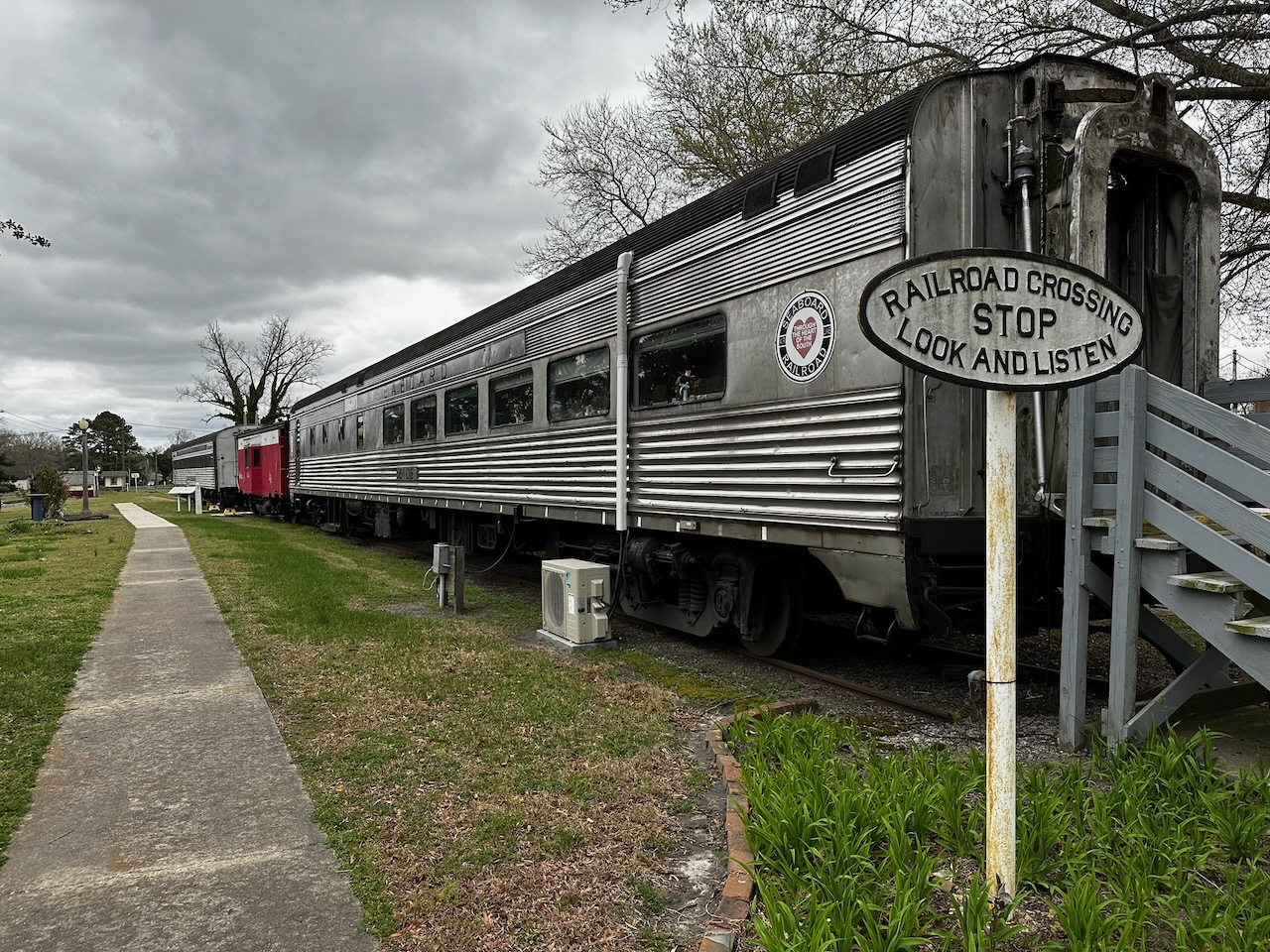
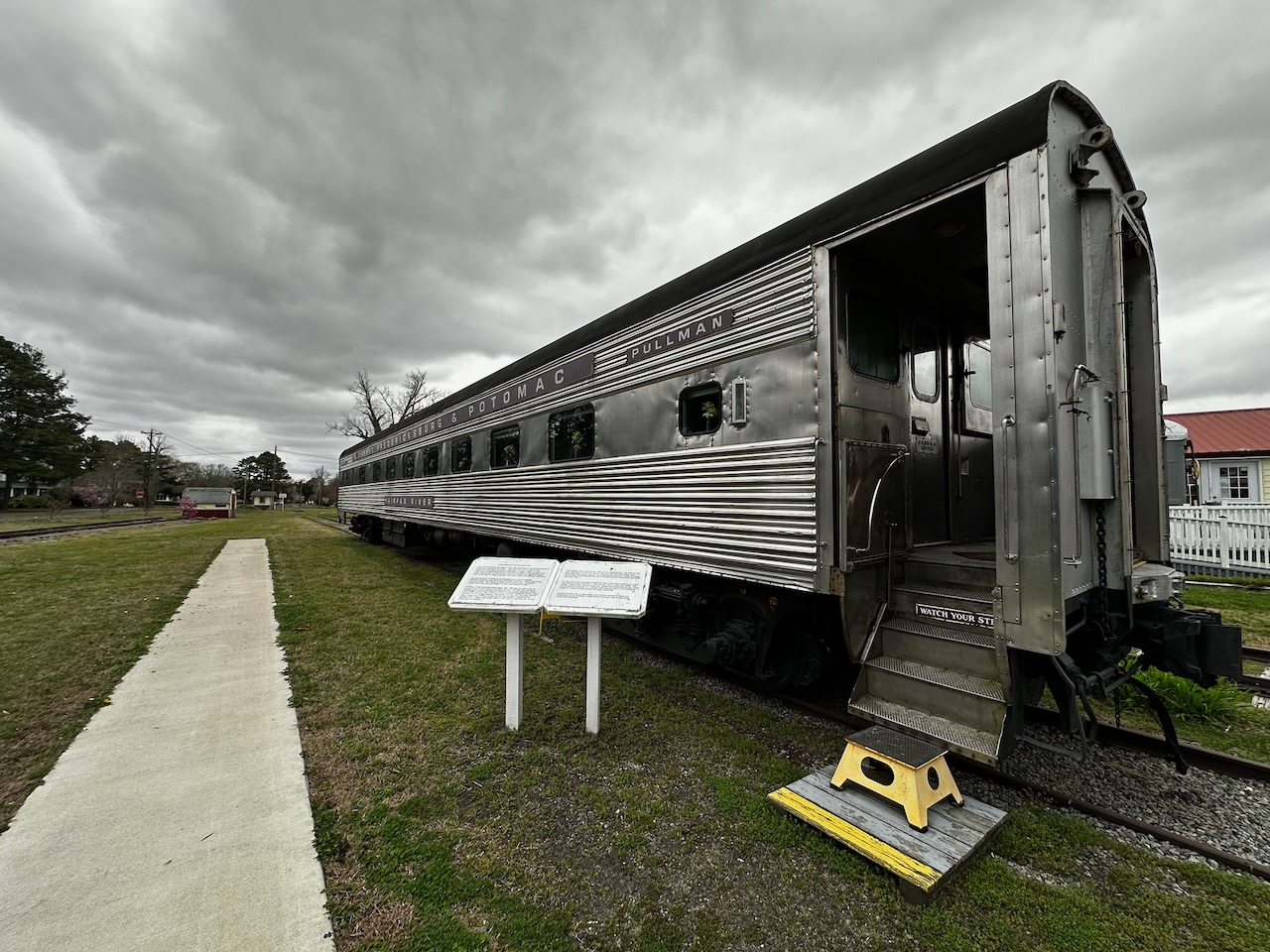
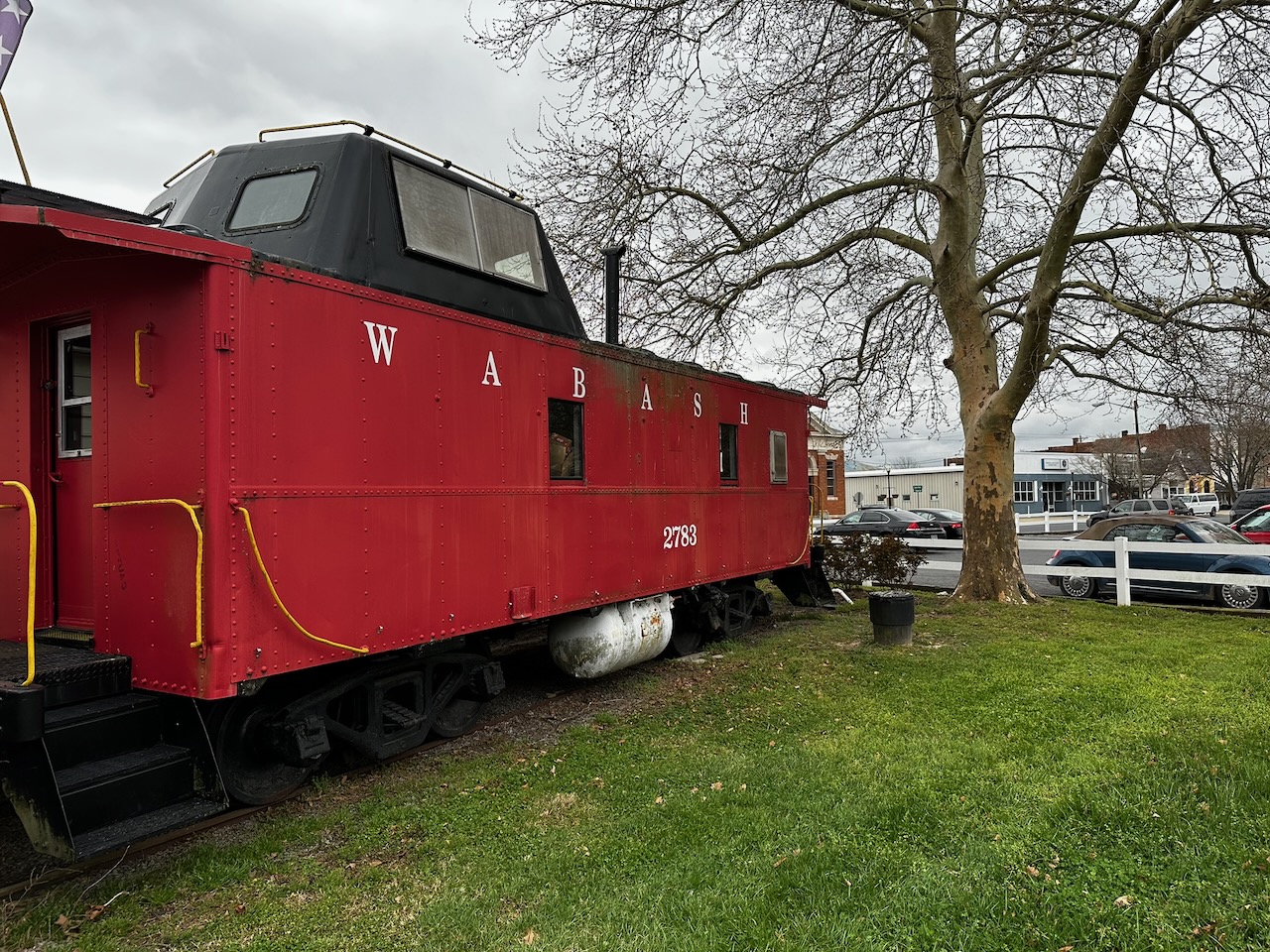
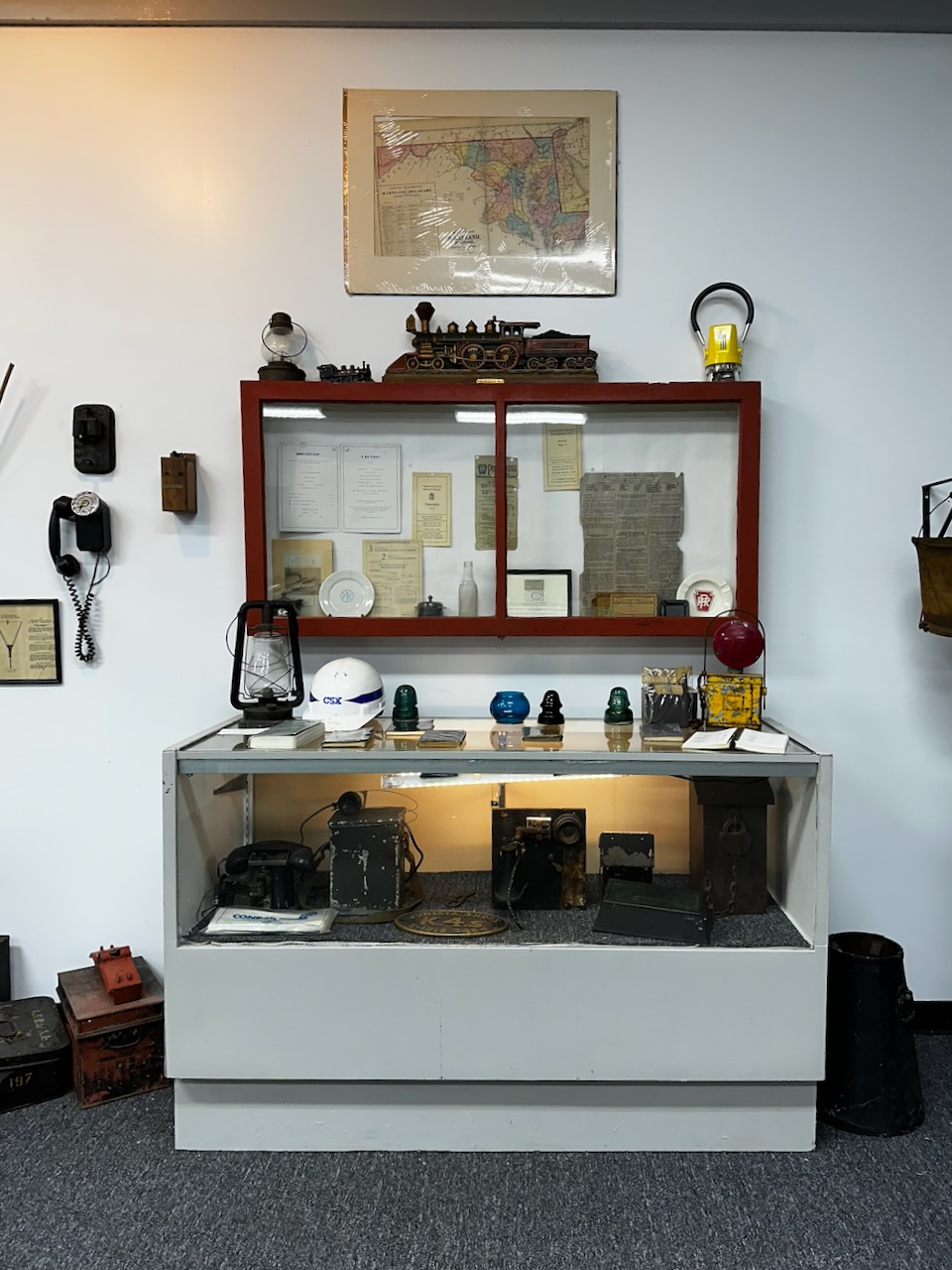
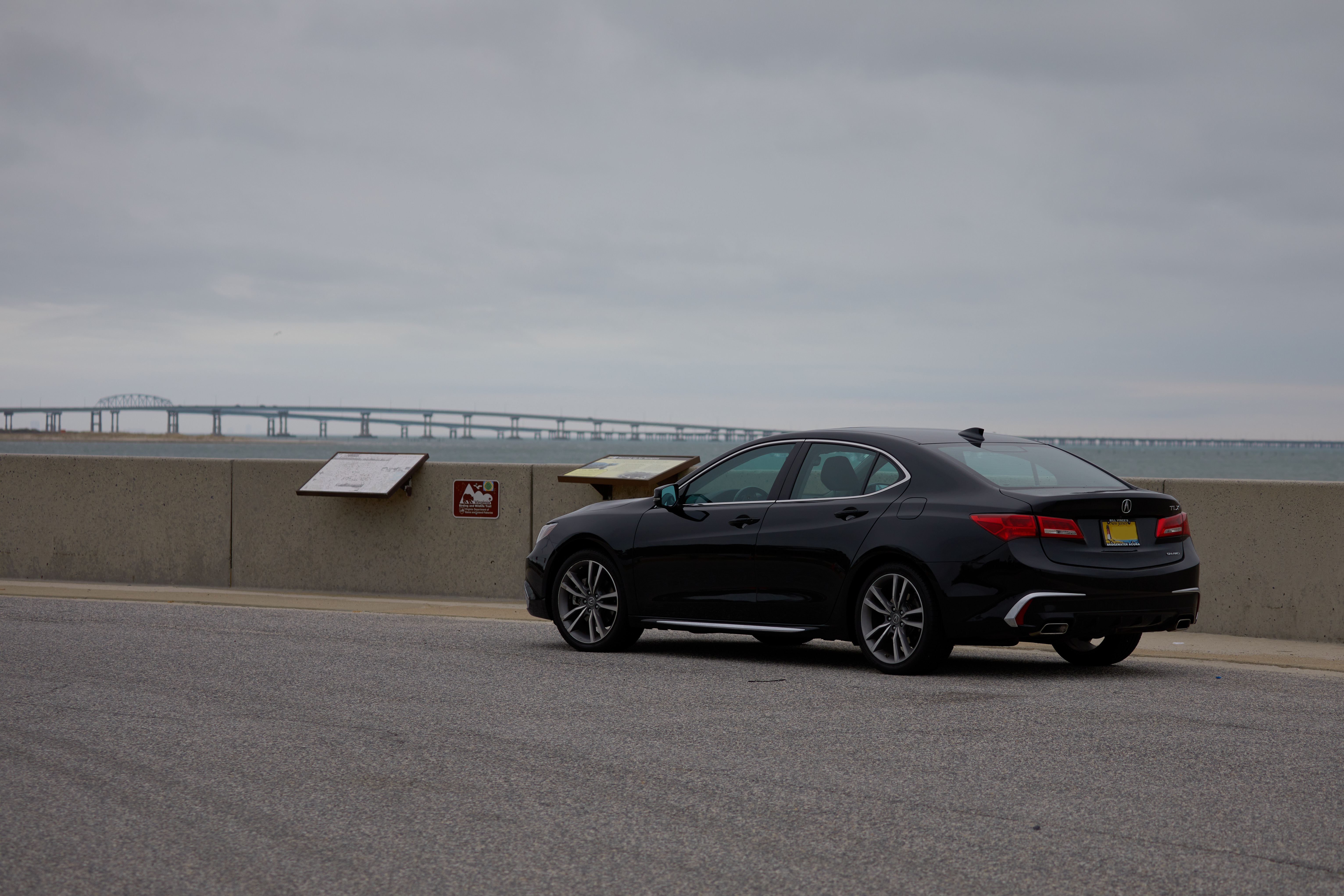
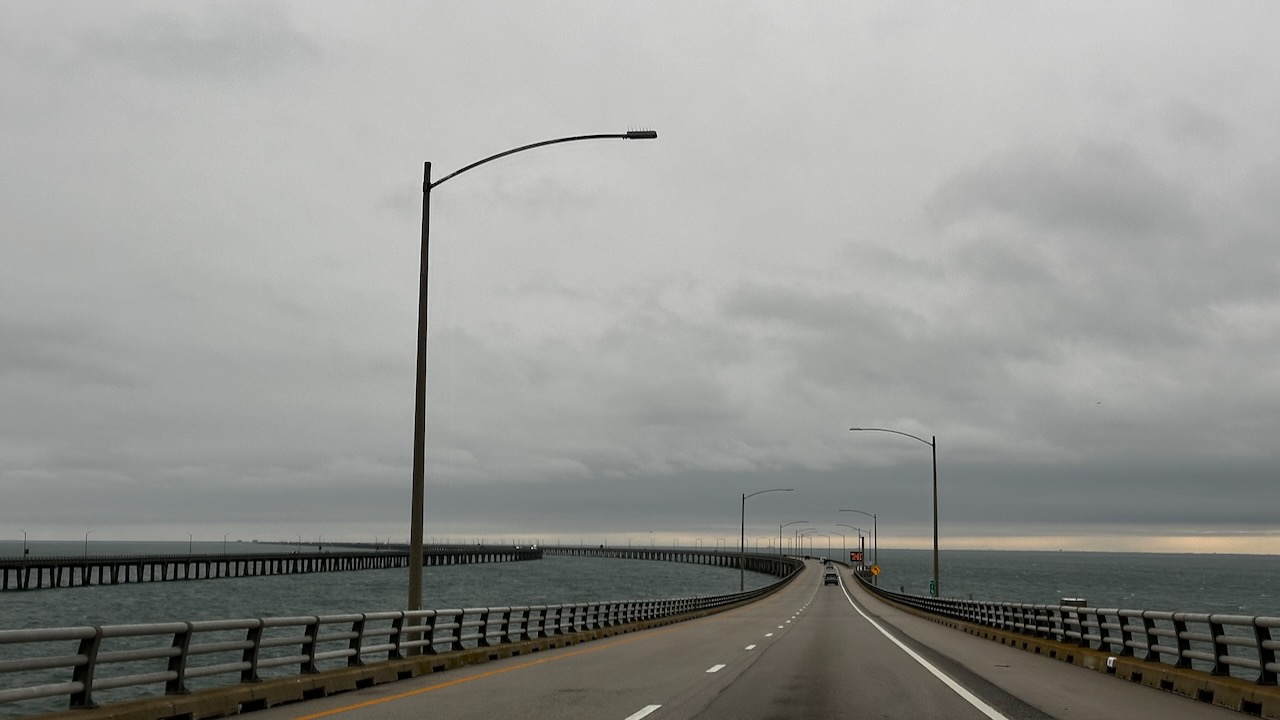
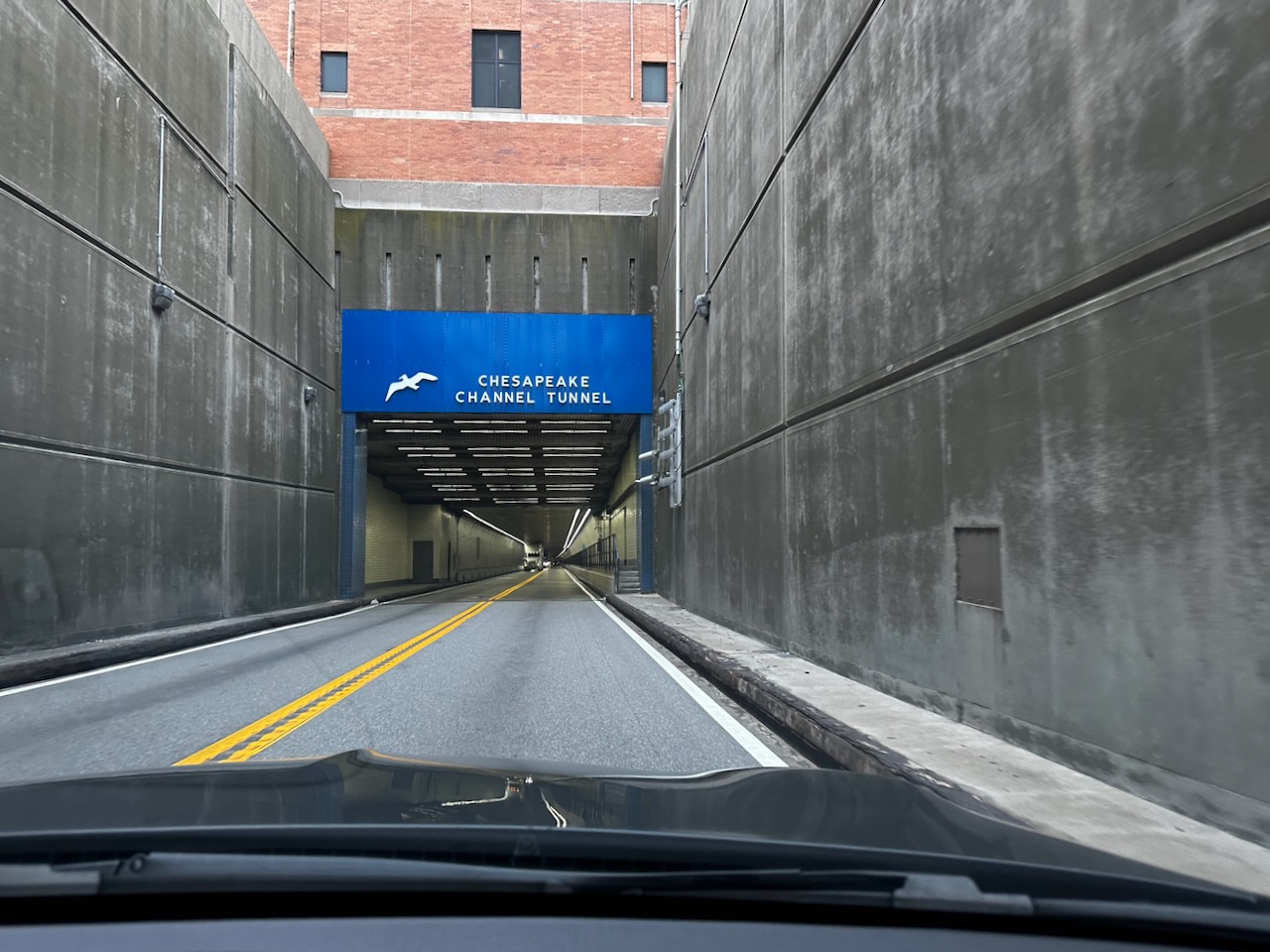
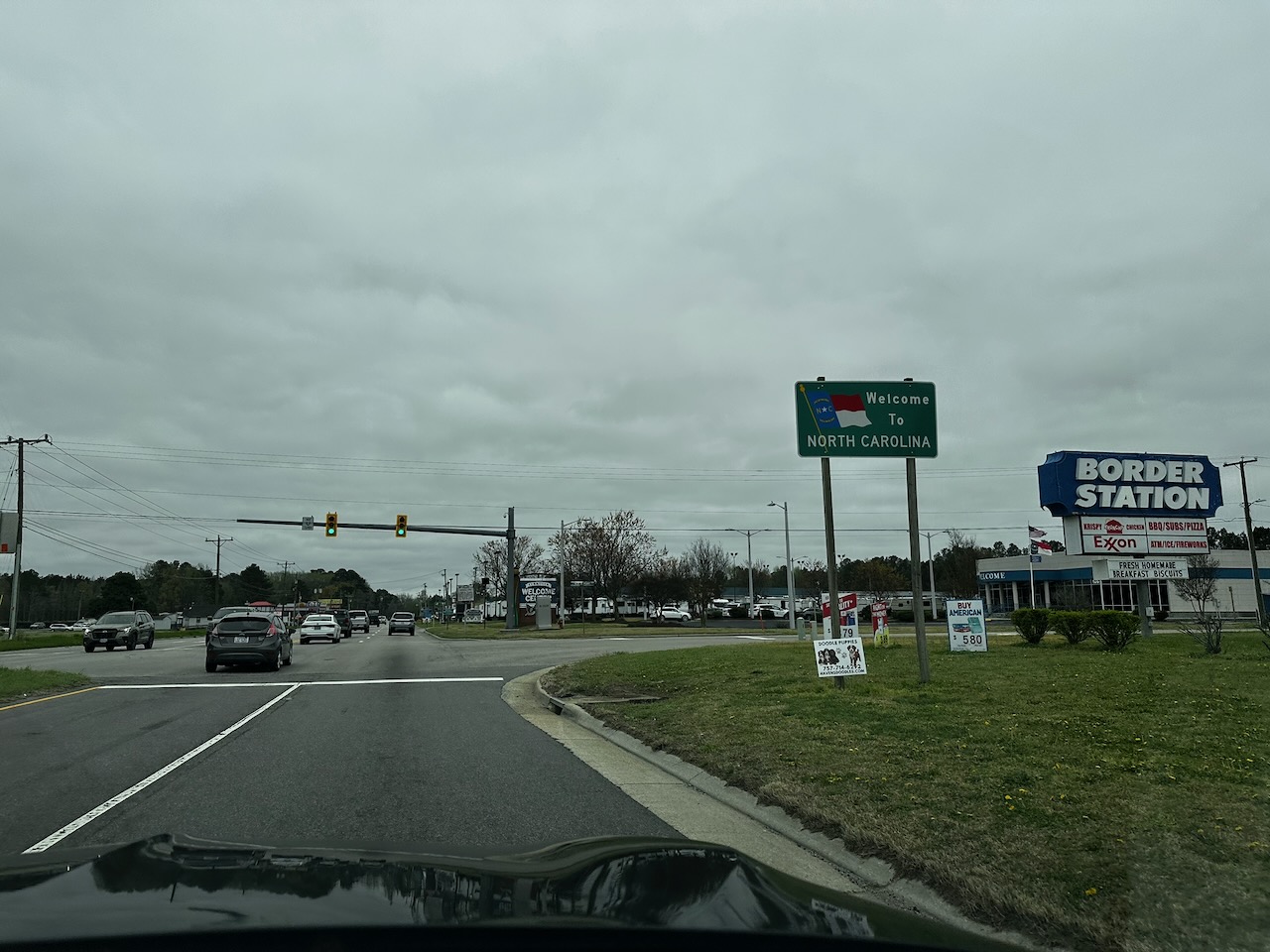
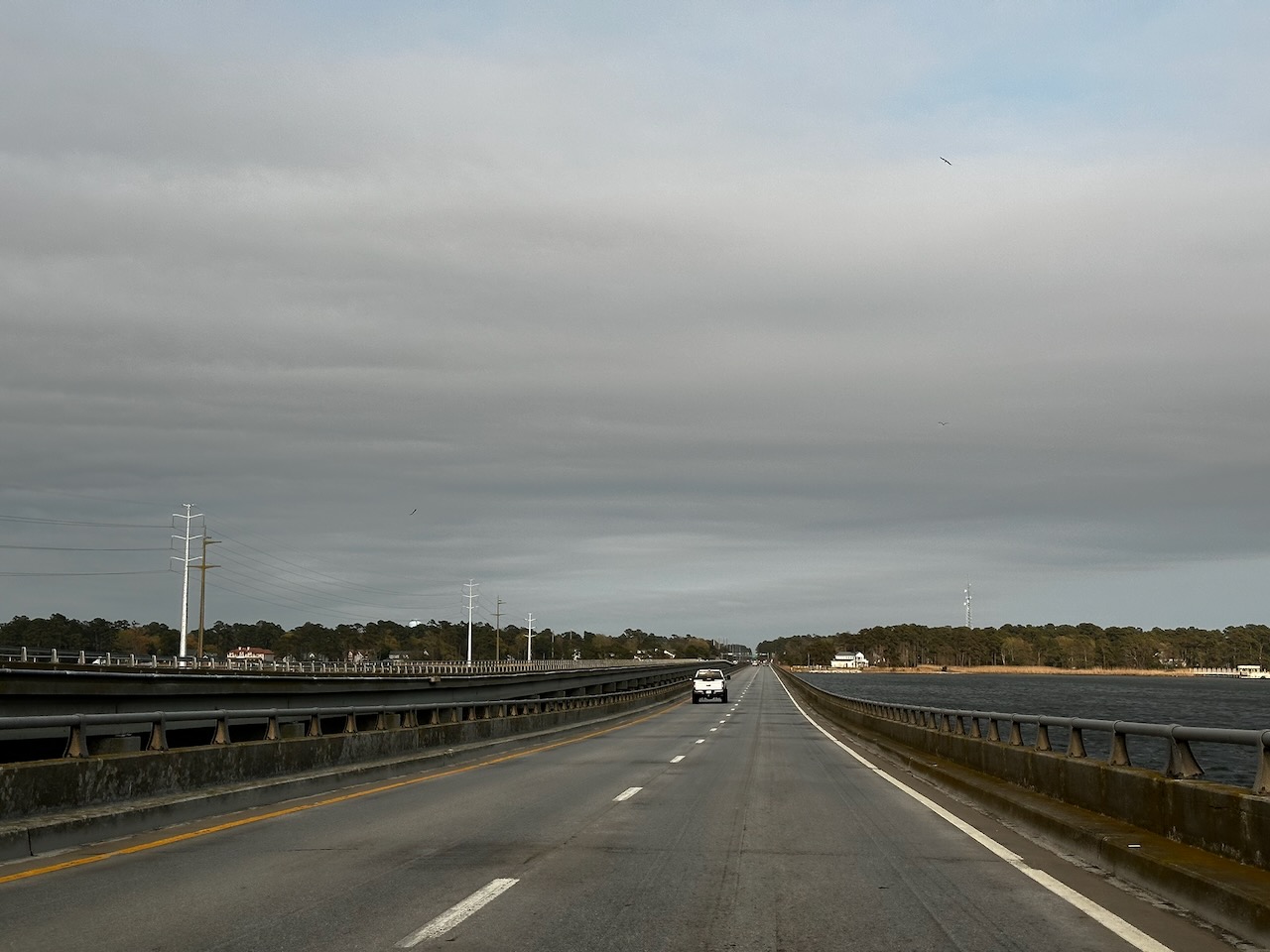
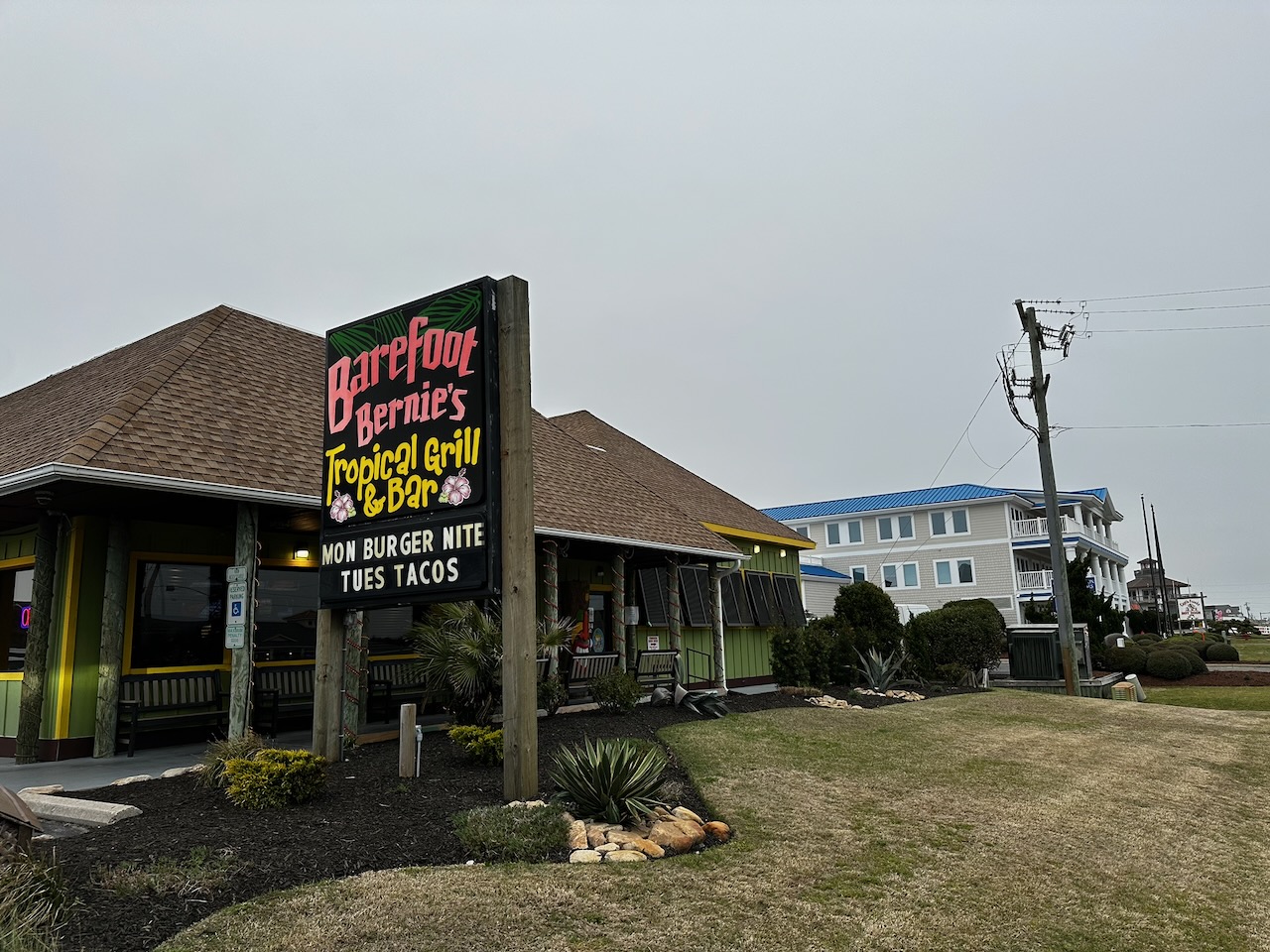
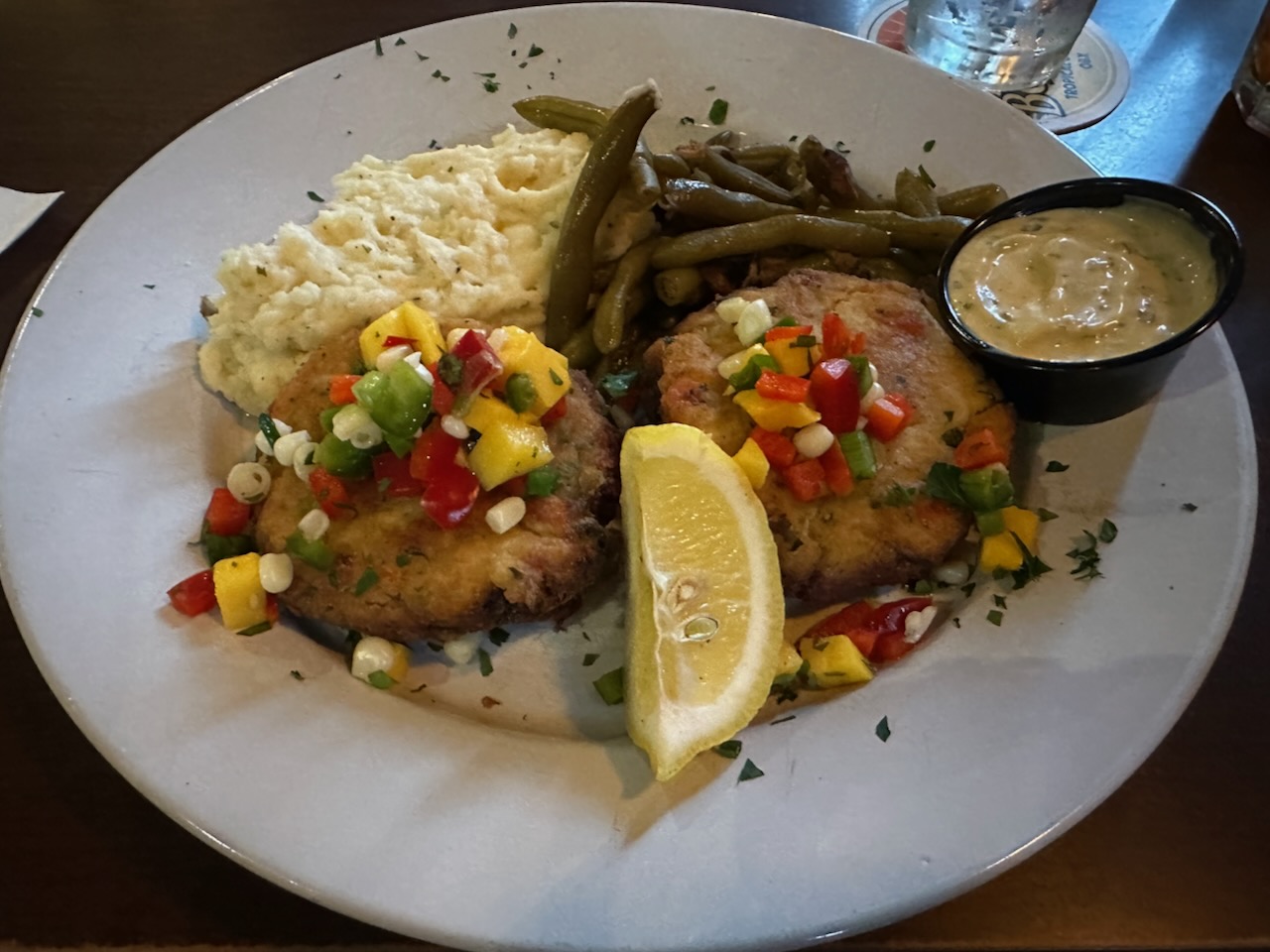
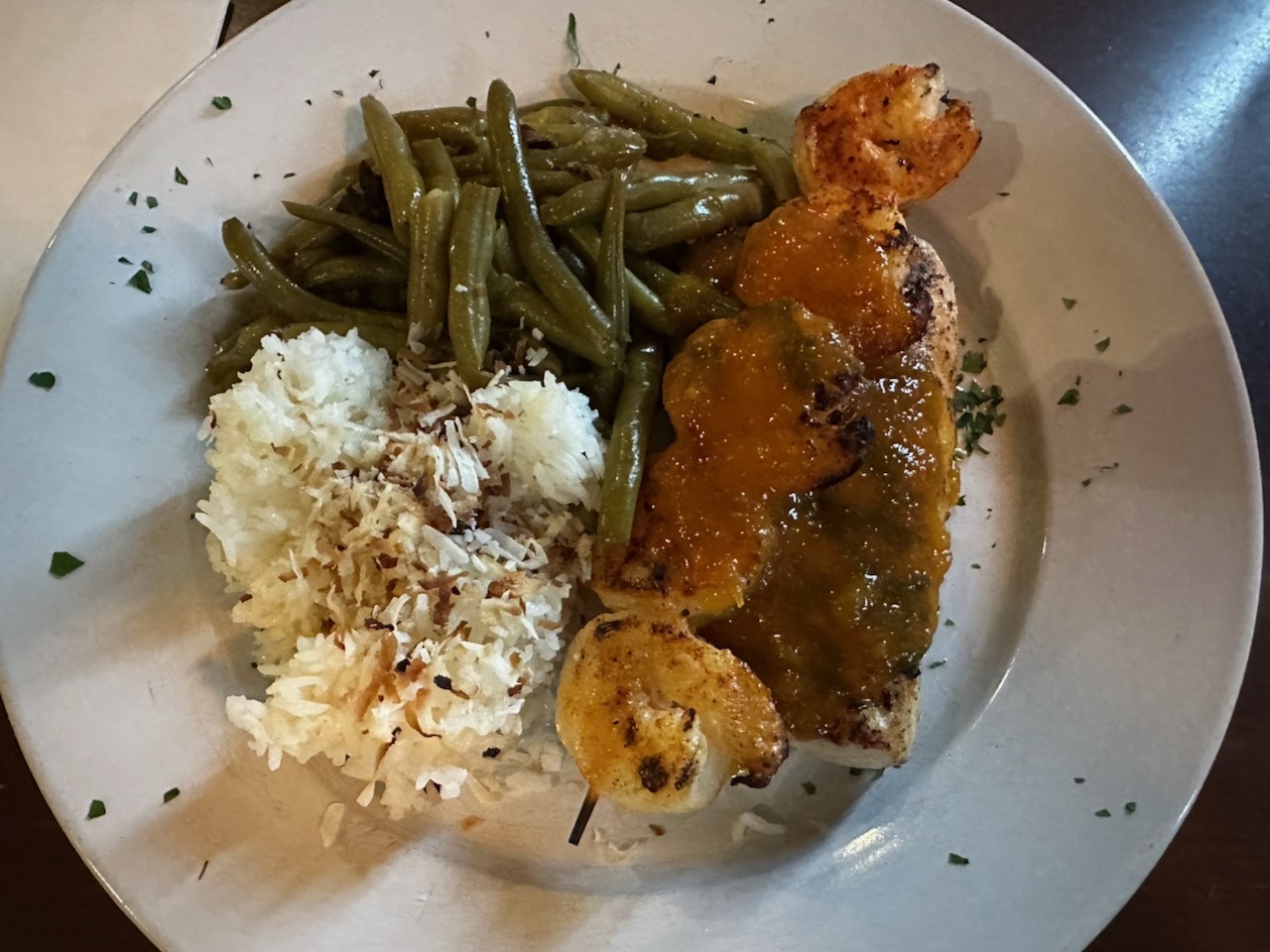
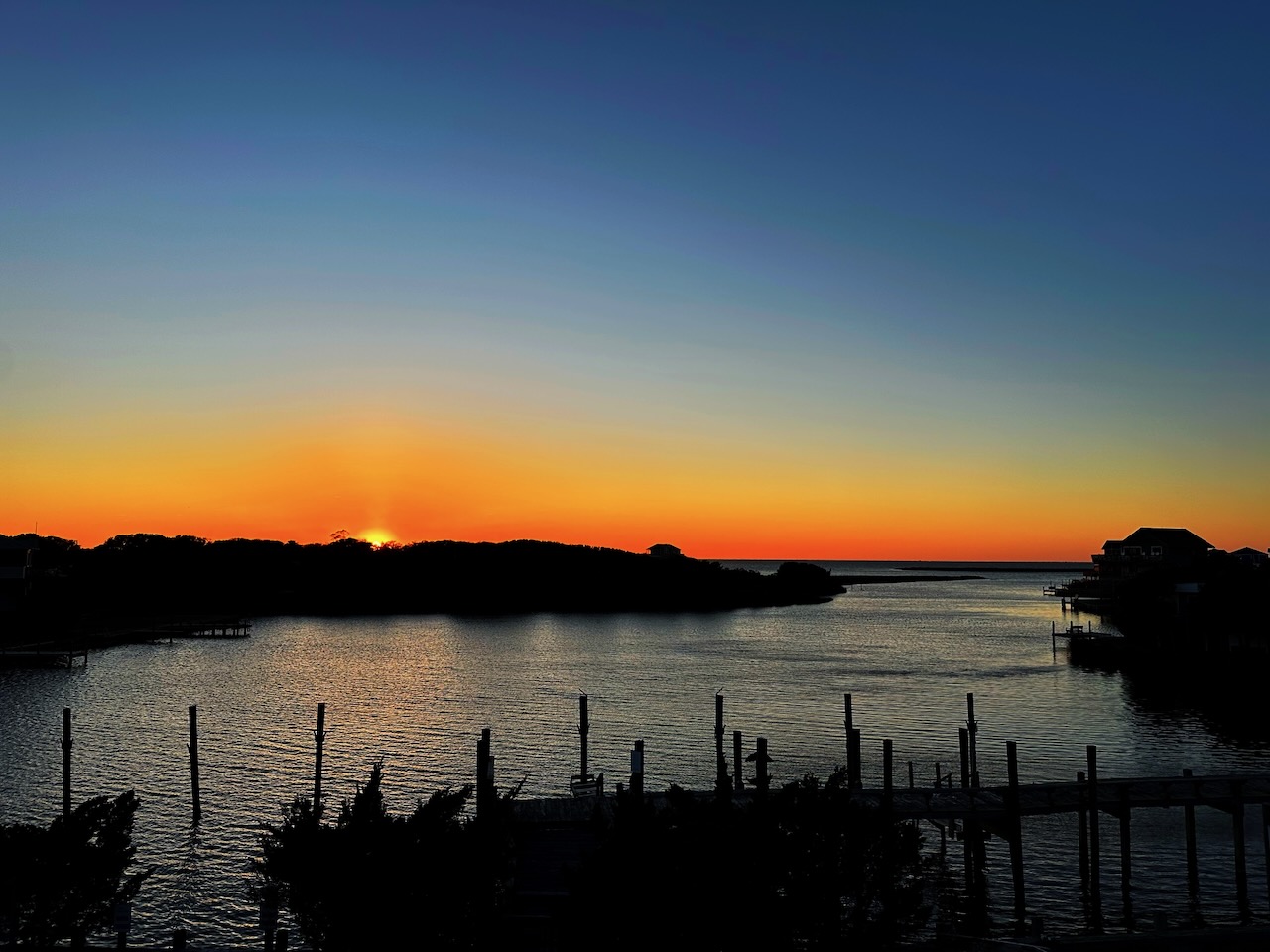
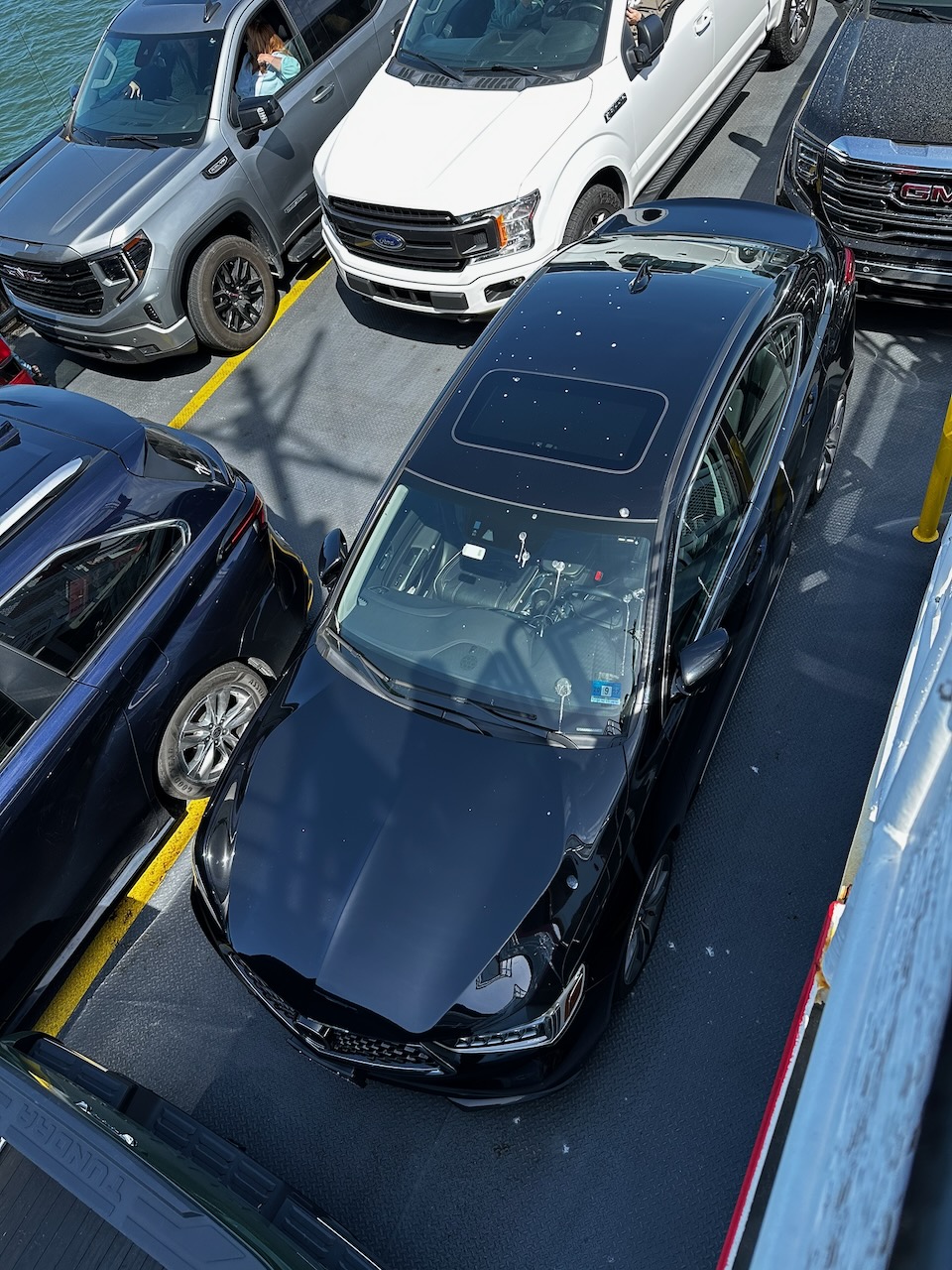
We set our alarms for 6:00 am and were up for an early breakfast at Uncle Bill’s Pancake House. In honor of our morning plan, I ordered the Ferry Special: a pancake, eggs, and bacon. And coffee… lots of coffee!My wife opted for her favorite: gluten-free pecan pancakes. Uncle Bill’s offers a separate gluten free menu as well – if it is not at your table, ask for one from your server. Fueled up, we were ready for our next stop.We drove a few miles south to the Cape May-Lewes Ferry terminal for a 90-minute ride across the Delaware Bay.With gray skies, rain, and temperatures in the 40s, it wasn’t the prettiest day to ride the ferry.Gloomy skies were no problem, as the ferry ride would cut nearly two hours from our arrival time in North Carolina.My old 2012 coupe was no stranger to the Cape May-Lewes Ferry. This would be the Acura’s first time heading out to sea.I do not know what they were hoping to find, but a flock of seagulls followed us as we left port.It was cool to see the Cape May Lighthouse and the wreck of the SS Atlantus from the water.This would be the Acura’s first time heading out to sea. We encountered rough waters for much of the trip, at one point the swells were strong enough that numerous car alarms went off, including the $100,000 Mercedes-Benz SUV parked behind my TLX. My Acura sat serenely through it all, utterly unperturbed.The weather outside might have been dismal, but the Cape May Ferry offers a spacious, comfortable, climate-controlled passenger deck, complete with a snack stand and a full bar. It made for a pleasant way to pass the trip.The trip was uneventful and 90 minutes later we disembarked.In southern Delaware, we stopped by Fenwick Island Light. Built in 1858, the lighthouse sits on the southeastern corner of the state. Longtime readers might remember the weekend many years ago when we attempted to see all the Delaware Lighthouses in one weekend. Fenwick Island Light was the only one we missed, so we were finally able to cross it off the list!Even cooler than the lighthouse, however, was the small white stone, erected in 1751 to mark the dividing line between Pennsylvania’s “three lower counties” (now the state of Delaware) and the Maryland colony. Just for fun, my wife stayed in Delaware and I stood on the other side of the stone in Maryland.A few minutes later we were back in the car and officially welcomed by Maryland.In need of a coffee break, we detoured off the highway to the town of Snow Hill. Founded in 1686, it is one of the oldest towns in the state. Fun fact: several scenes from the romantic comedy Runaway Bride, starring Julia Roberts and Richard Gere, were filmed in Snow Hill.Among Snow Hill’s most famous residents is William Julius “Judy” Johnson. A renowned player in the Negro League during the 1920s and 1930s, Johnson later went on to a lengthy career as a scout with teams such as the Philadelphia Phillies, Milwaukee Brewers, and Los Angeles Dodgers. Johnson was inducted into the Baseball Hall of Fame in 1975.Fika Coffee Roasting was our rest stop of choice. In addition to coffee, the cafe also offers numerous gluten free dessert items – perfect for a break during a long drive.Service was friendly, the cafe was comfortable, and the coffee was excellent. We were recharged and ready to continue our journey.After crossing into Virginia, we detoured to the town of Parksley for a fun stop.Parksley sprung up alongside the New York, Philadelphia, and Norfolk Railroad, and the Eastern Shore Railway Museum commemorates the rail traffic that once flowed through this part of the state.The Hopeton Passenger Station, built in 1906, was relocated to the museum grounds where Parksley Station once stood.Diner car #6061 was built in 1947 and operated until 1986. It has a fully-operational kitchen and can still host special events.This sleeping car was built for the Richmond, Fredericksburg, & Potomac Railway in 1950. It operated until 1980, and has been at the museum since 1994.Perhaps my favorite car on display was this 1949 Wabash caboose.The museum also has a small indoor space that offers an array of historic railroad equipment. The museum is free to visit (donations are appreciated!), so definitely stop by if you are the area!During our epic summer road trip in 2022, my wife and I drove across the Lake Pontchartrain Bridge, the longest bridge in the United States. On this trip, we crossed the fourth-longest bridge: the Chesapeake Bay Bridge-Tunnel (CBBT).This 17.6-mile long bridge is an engineering marvel. The CBBT is comprised of two bridges, two mile-long tunnels, four man-made islands, and has carried over 140 million vehicles in its lifetime (via Bay Creek Life).Perhaps the coolest part of the drive for me were the two mile-long tunnels, both of which were prefabricated on land and then lowered into trenches, with final assembly being handled by divers (via Wikipedia).A short time later, we crossed into North Carolina.After a low-key (and low-traffic) drive on State Highway 158, we crossed the Wright Memorial Bridge into Kitty Hawk… we had arrived on the Outer Banks!Our first stop? Dinner! We decided on Barefoot Bernie’s Tropical Grill and Bar, a casual eatery in Kitty Hawk.Barefoot Bernie’s definitely caters to the tourist crowd, so we went in with low expectations. Our meal, however, was decent. I had the Carribbean Crab Cakes, served with mashed potatoes and string beans.The menu at Bernie’s clearly labels items that can be made gluten-free, and our server was knowledgable about dietary allergies. My wife ordered the Jamaican Jerk Mahi and Shrimp. Fueled up, we headed to check into our rental home.Rather than staying at a hotel, my wife and I rented a private home through VRBO. The house, which sat on Palmico Sound, was cozy, comortable, and well-appointed. Best of all, the view from our balcony could not be beat!
Day 3 – The Central Outer Banks
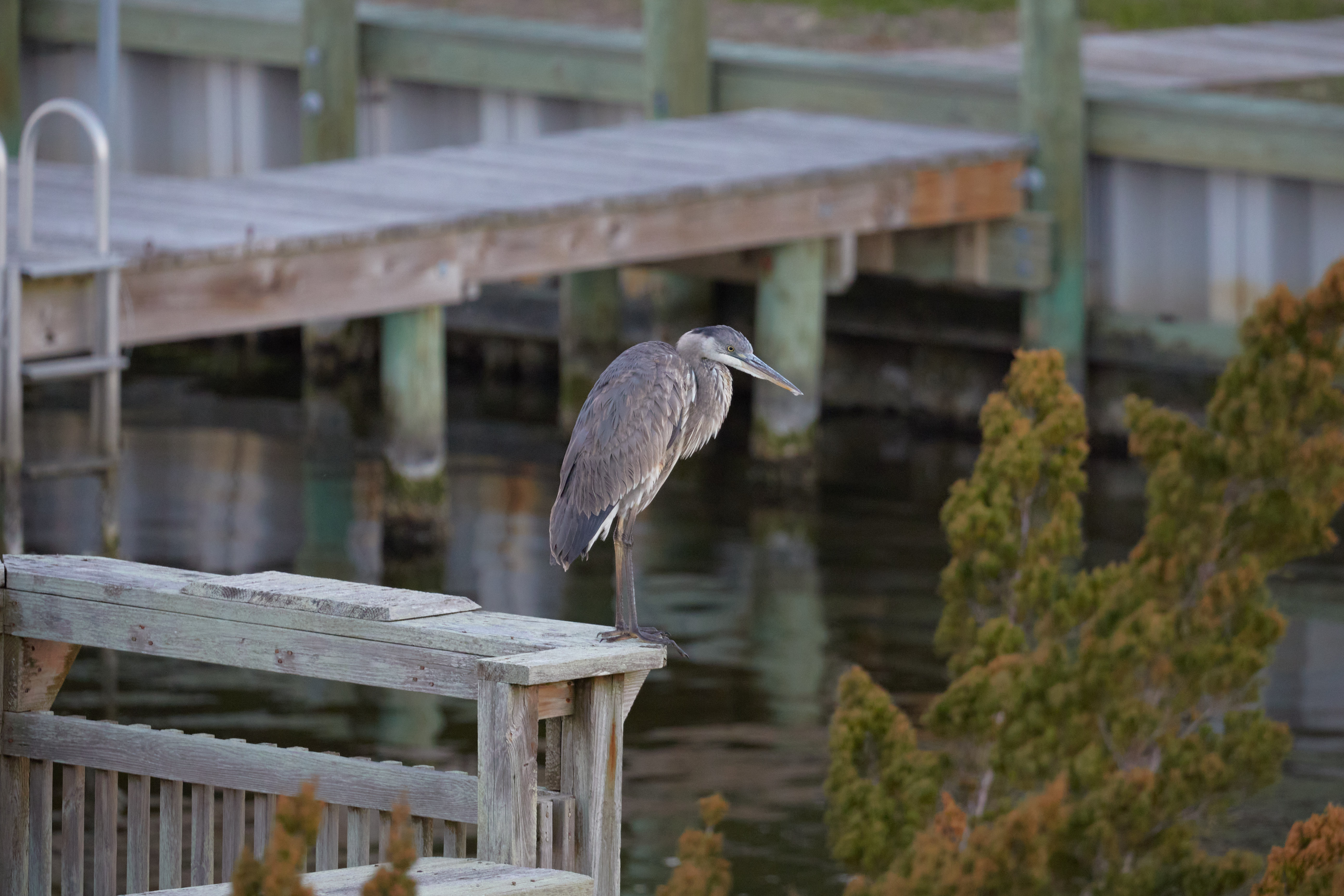
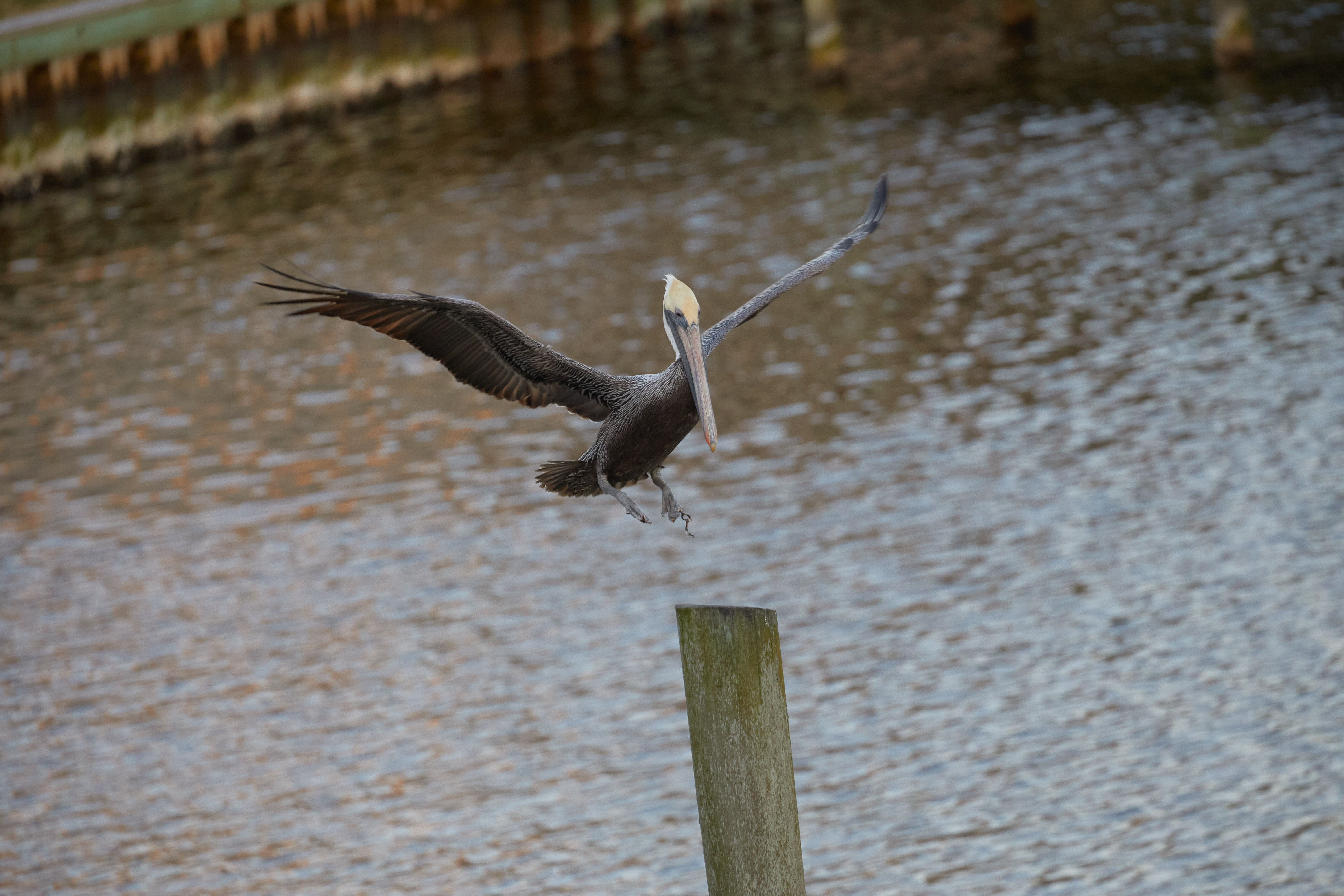
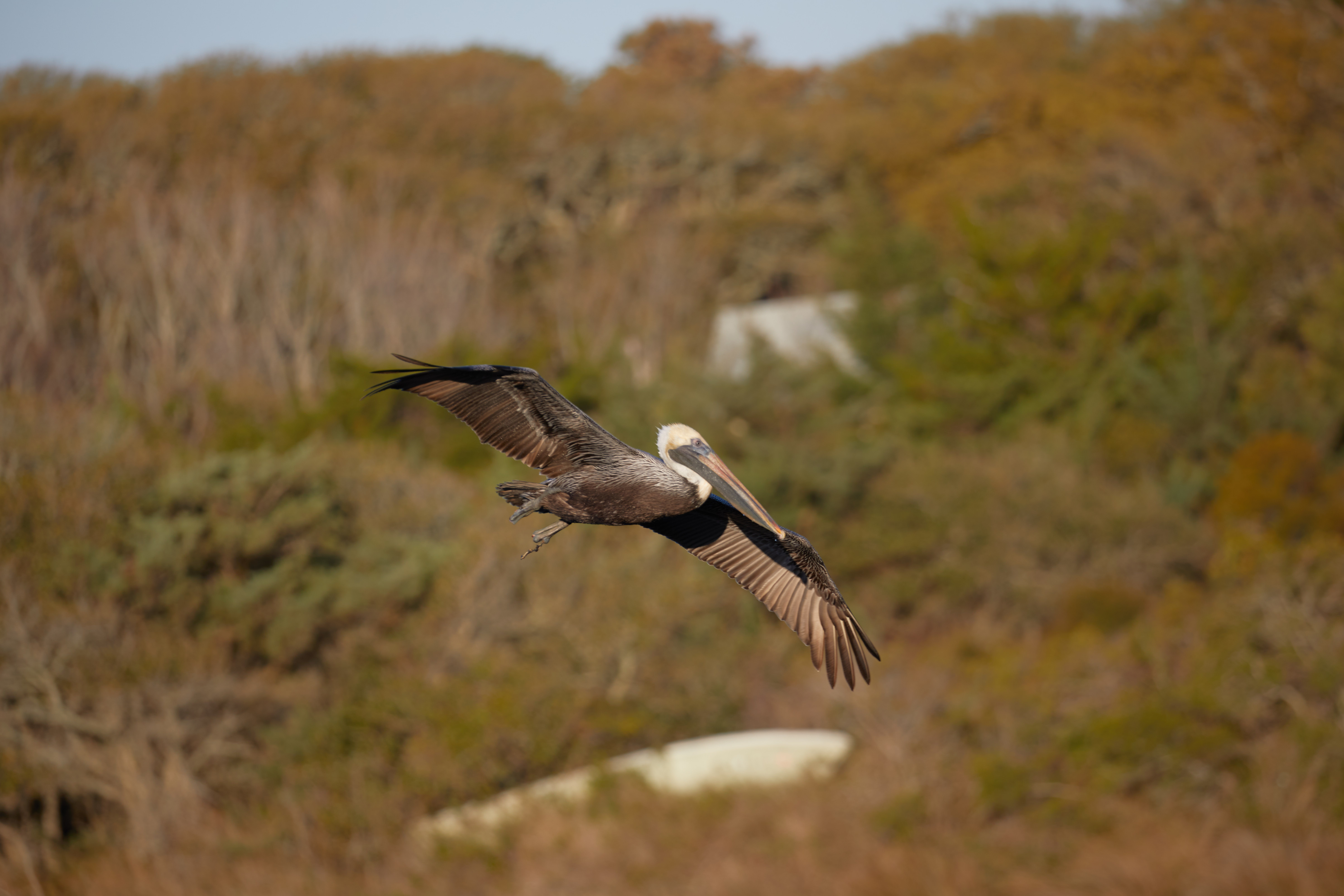
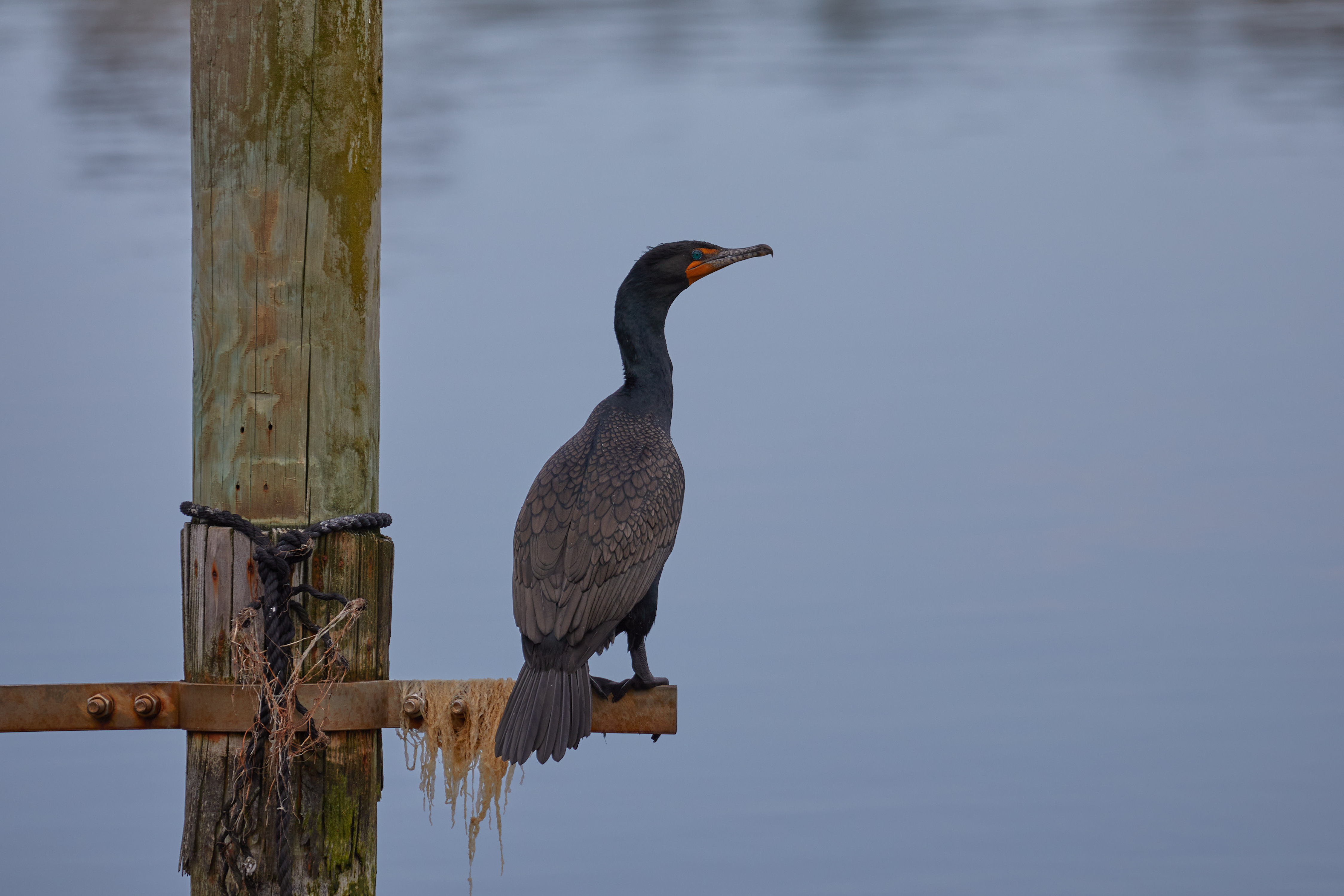
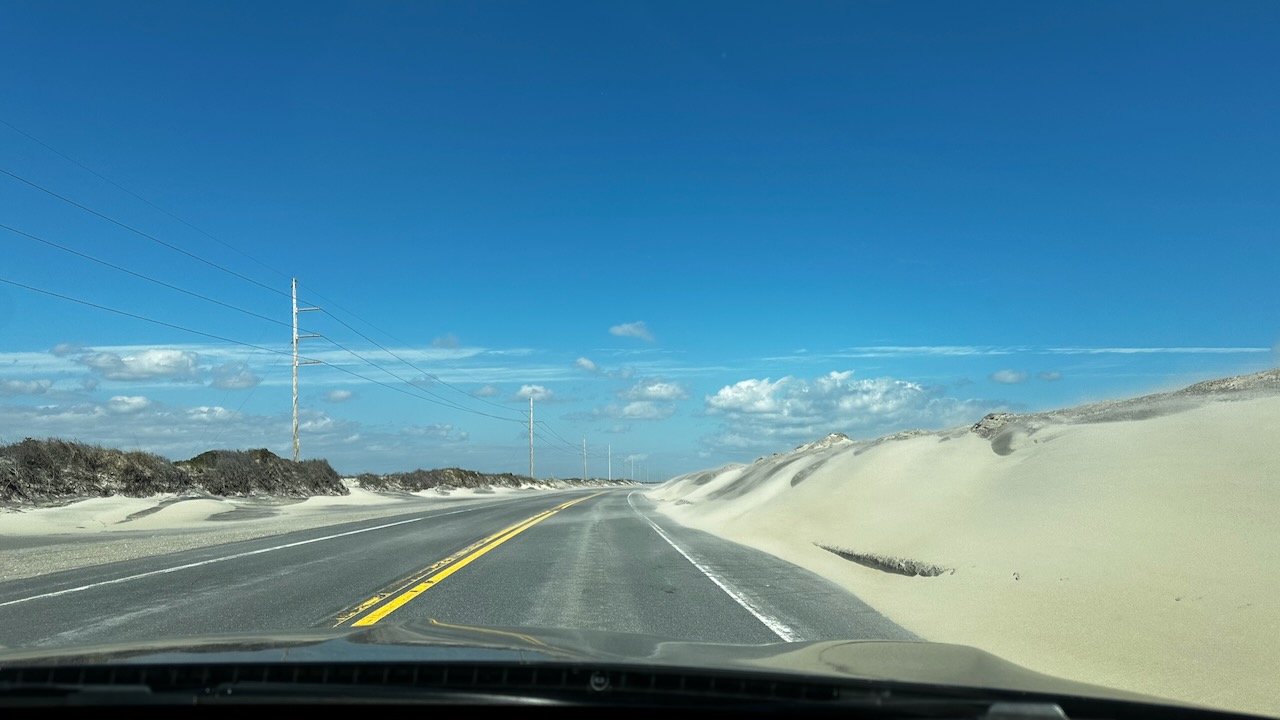
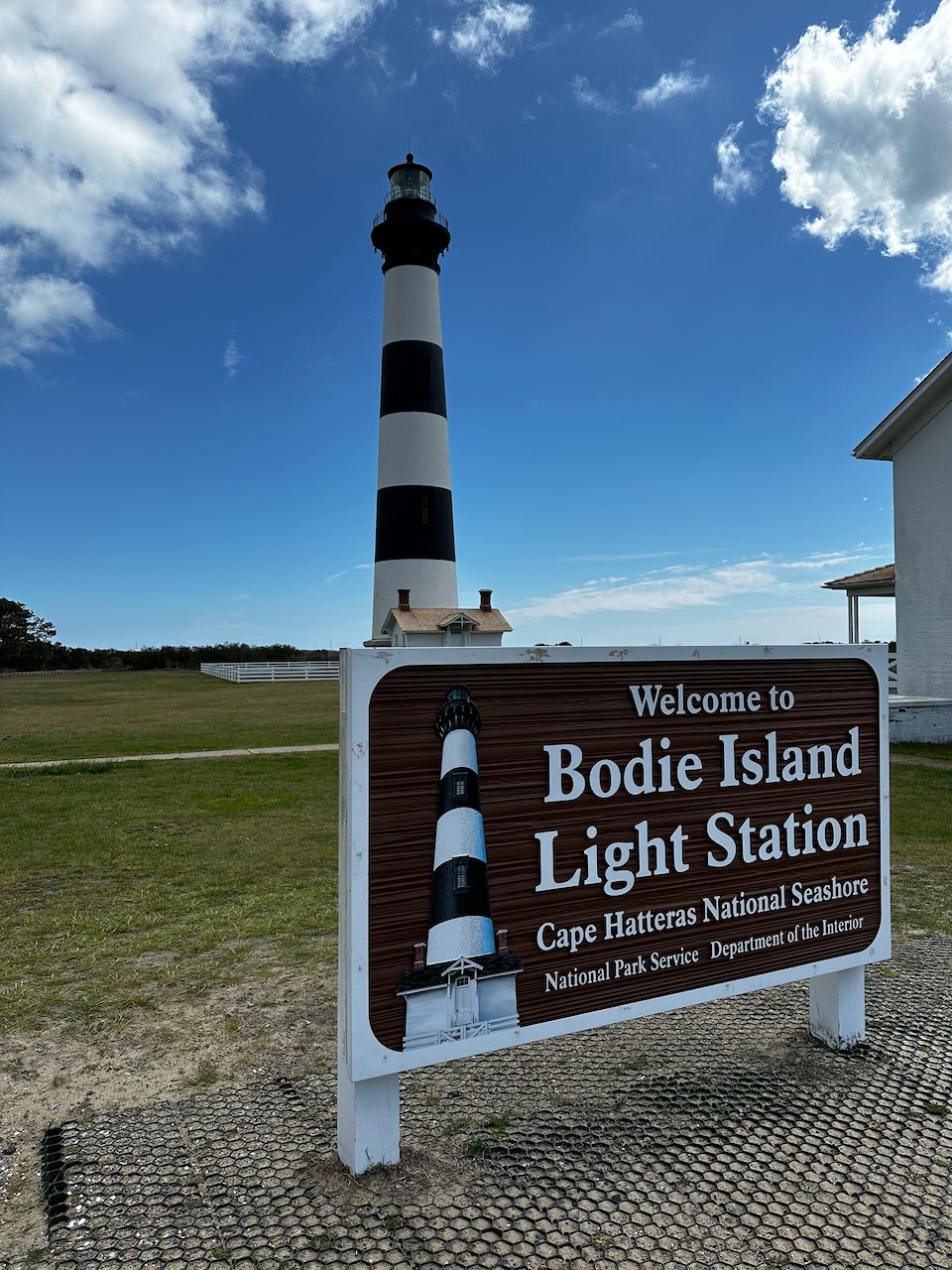
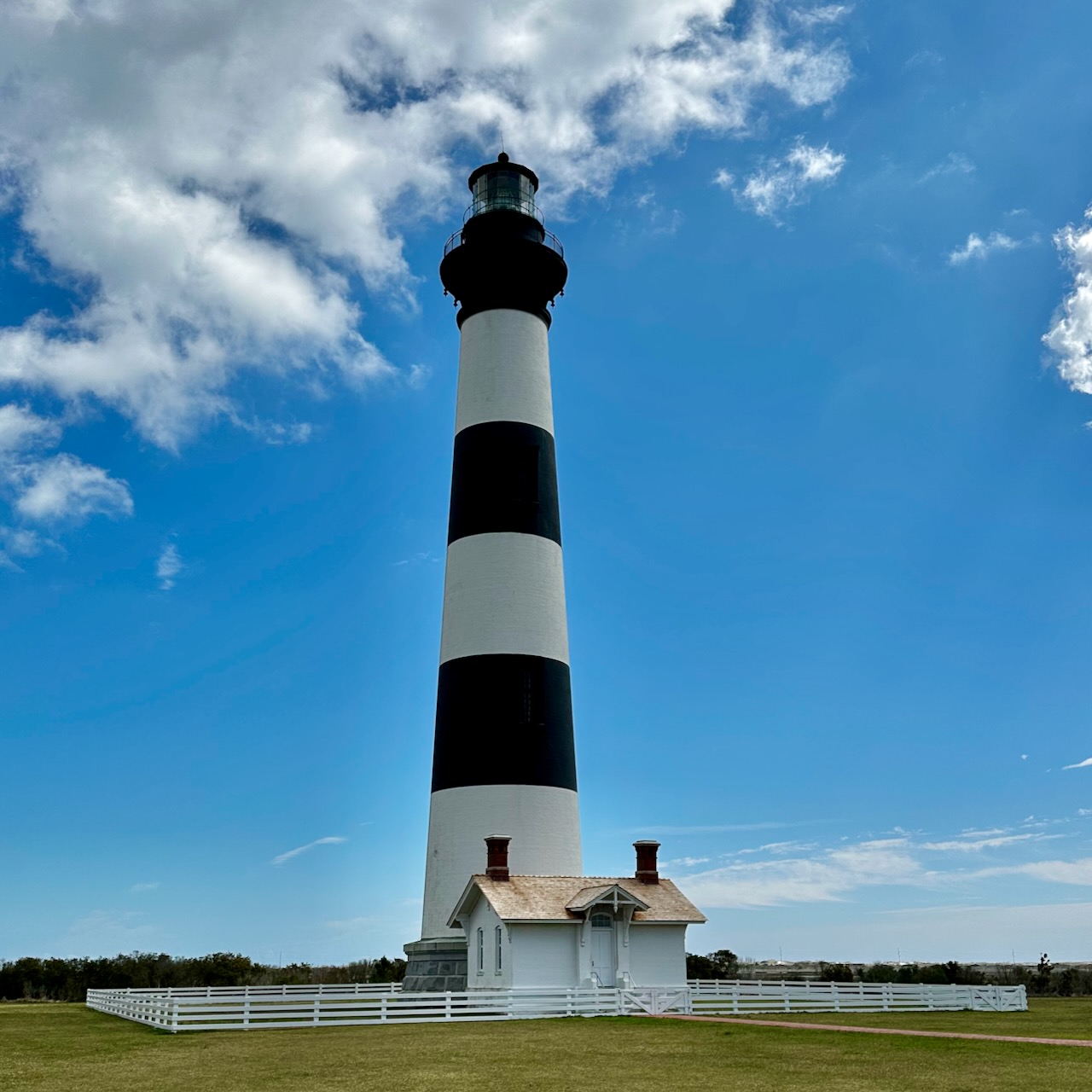
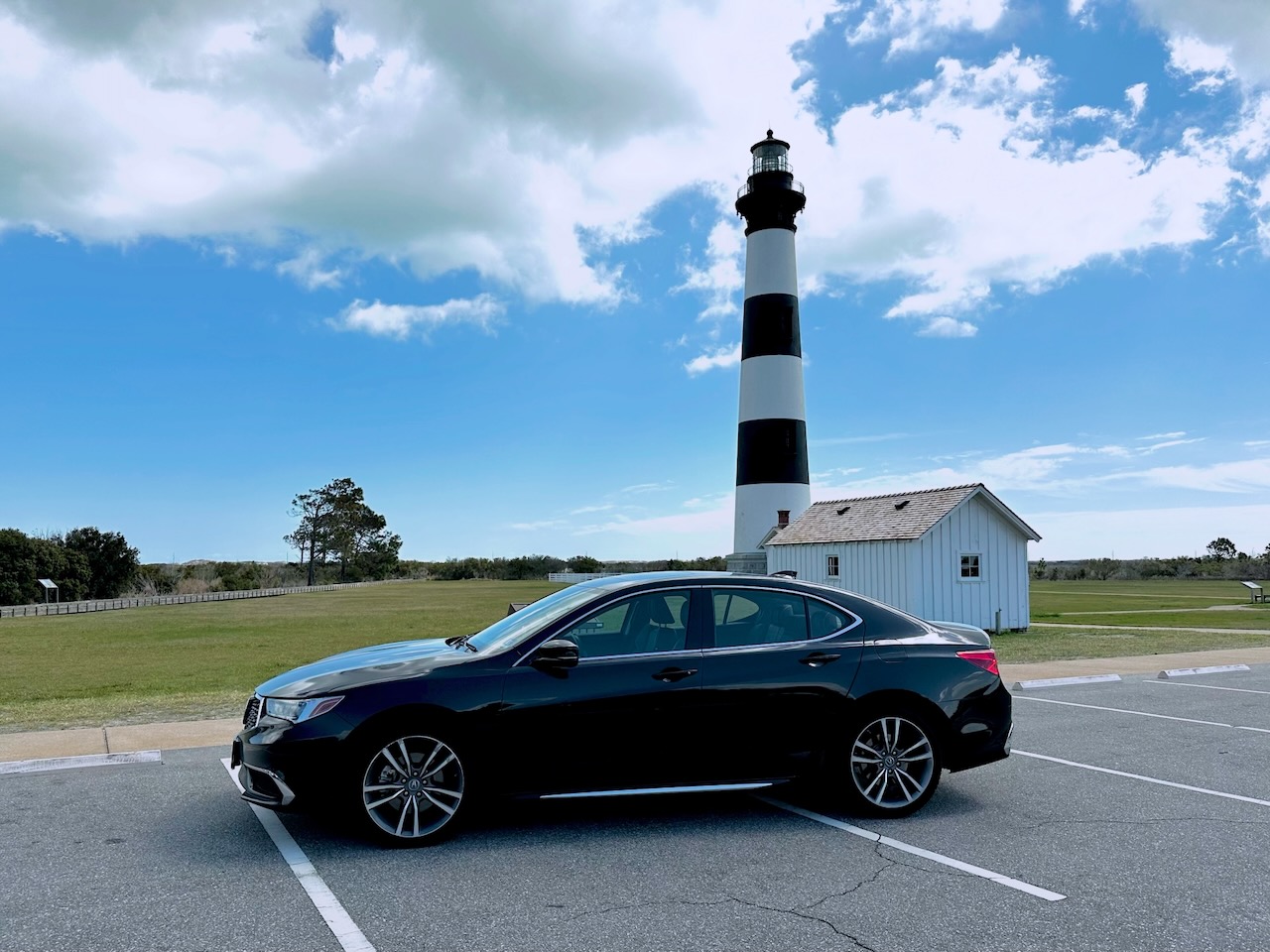
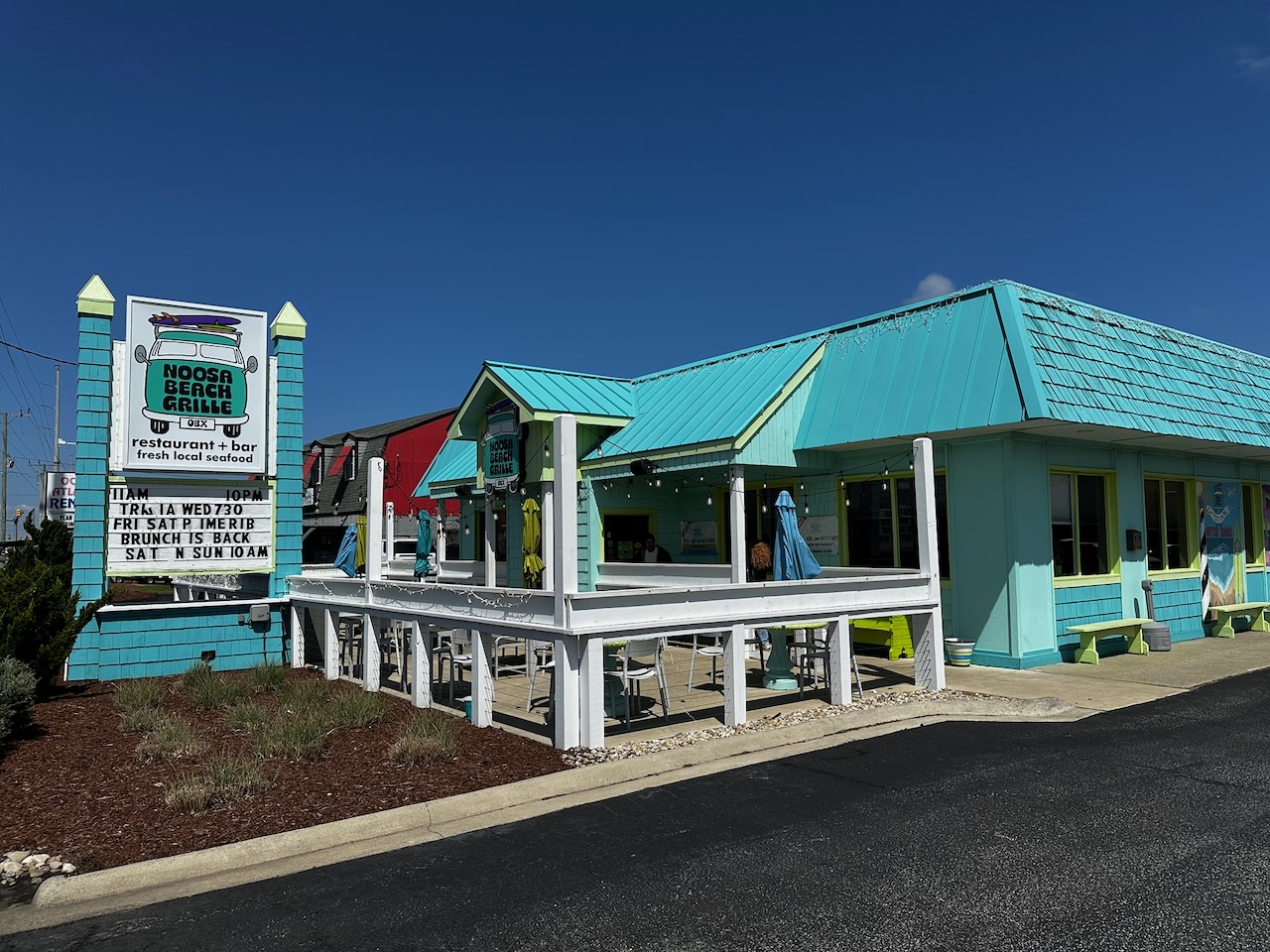
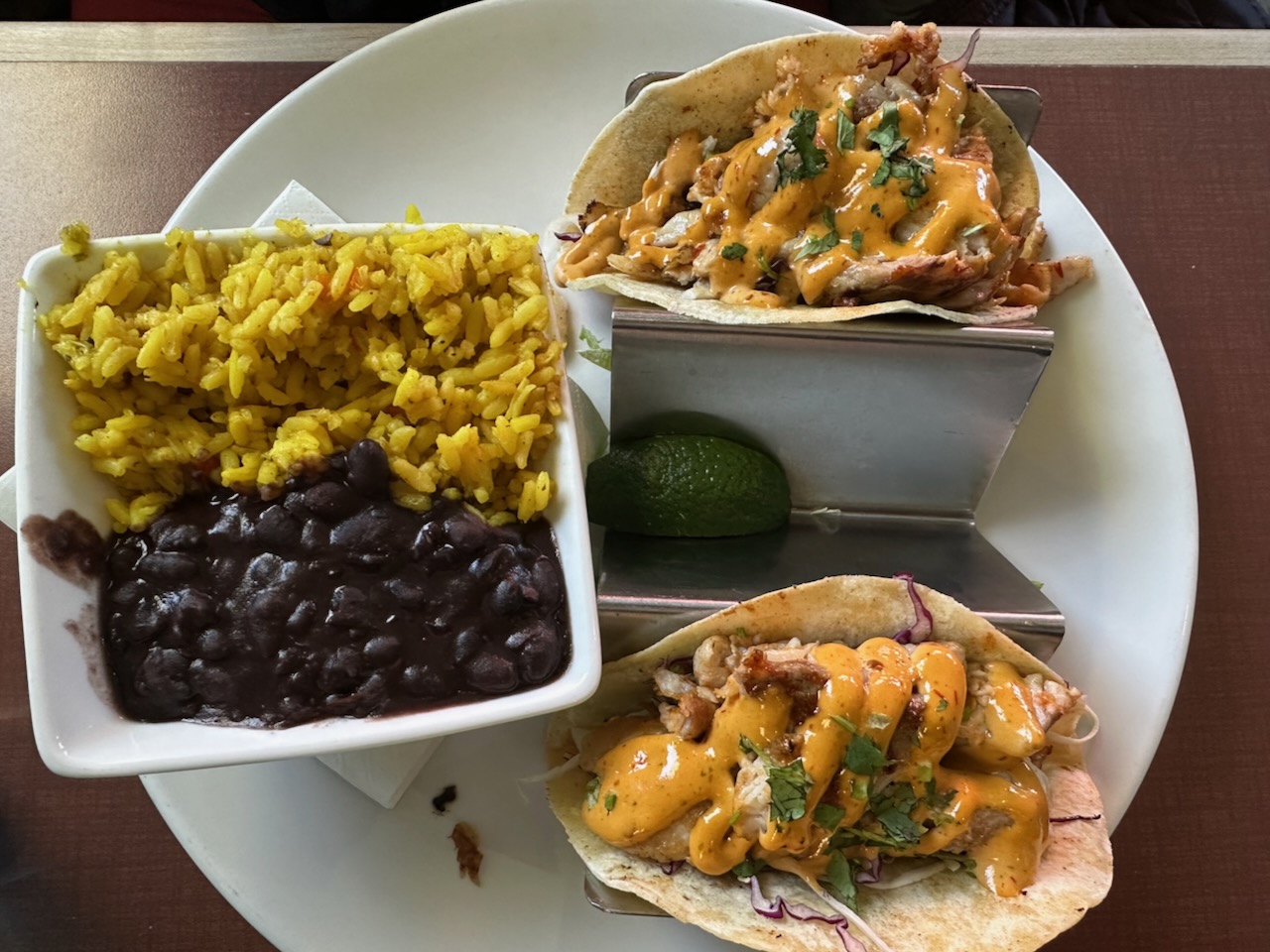
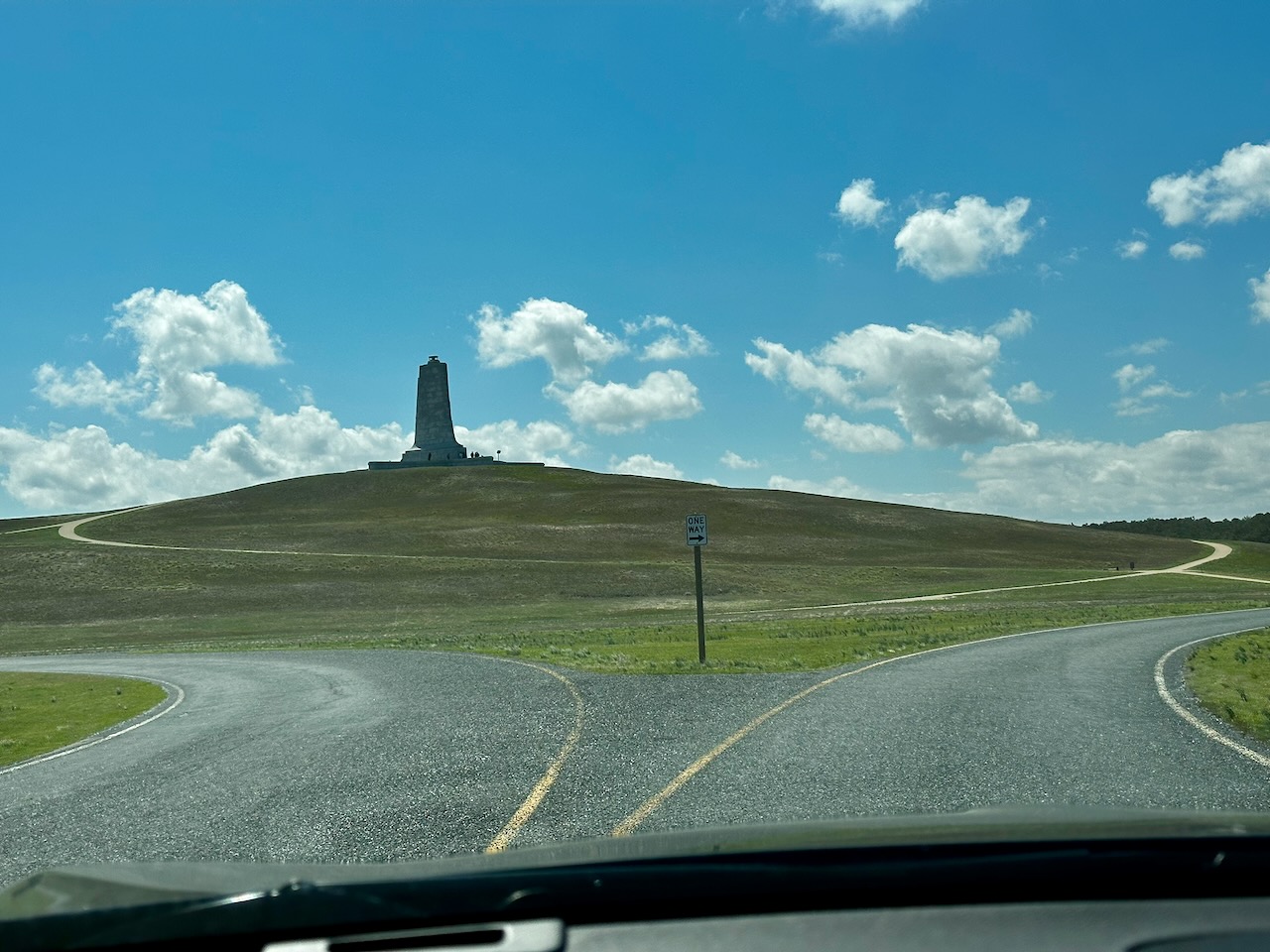
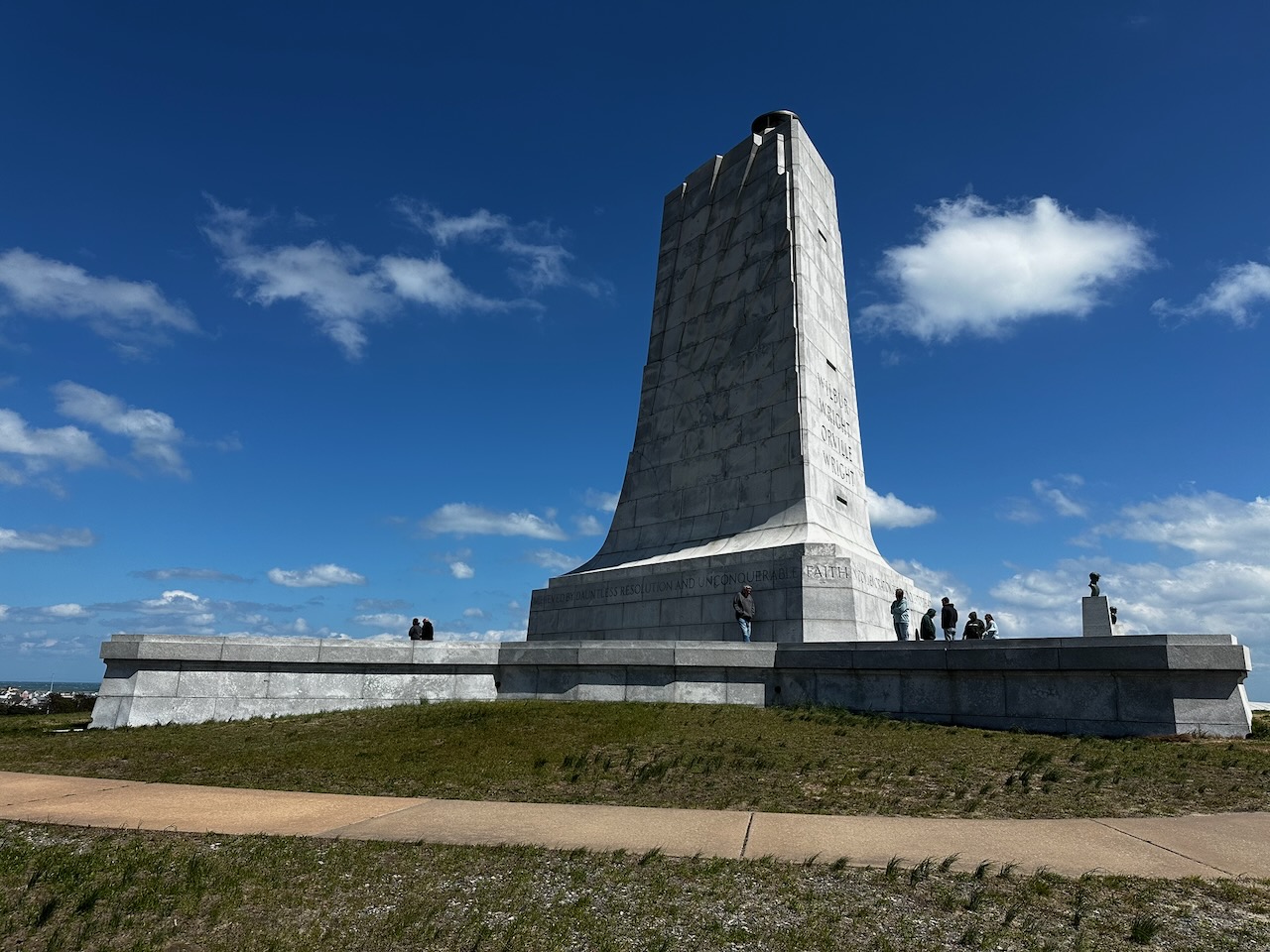
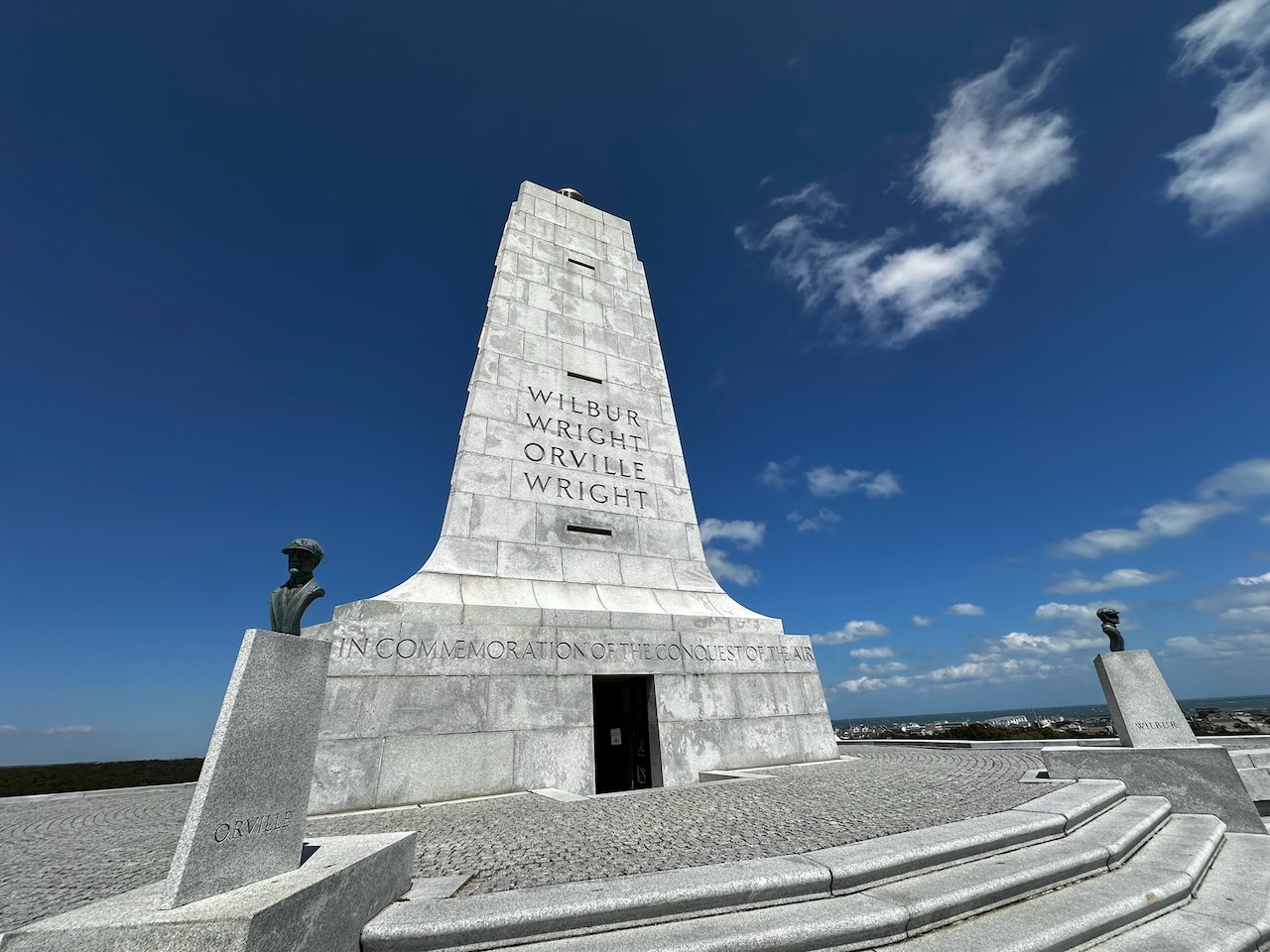
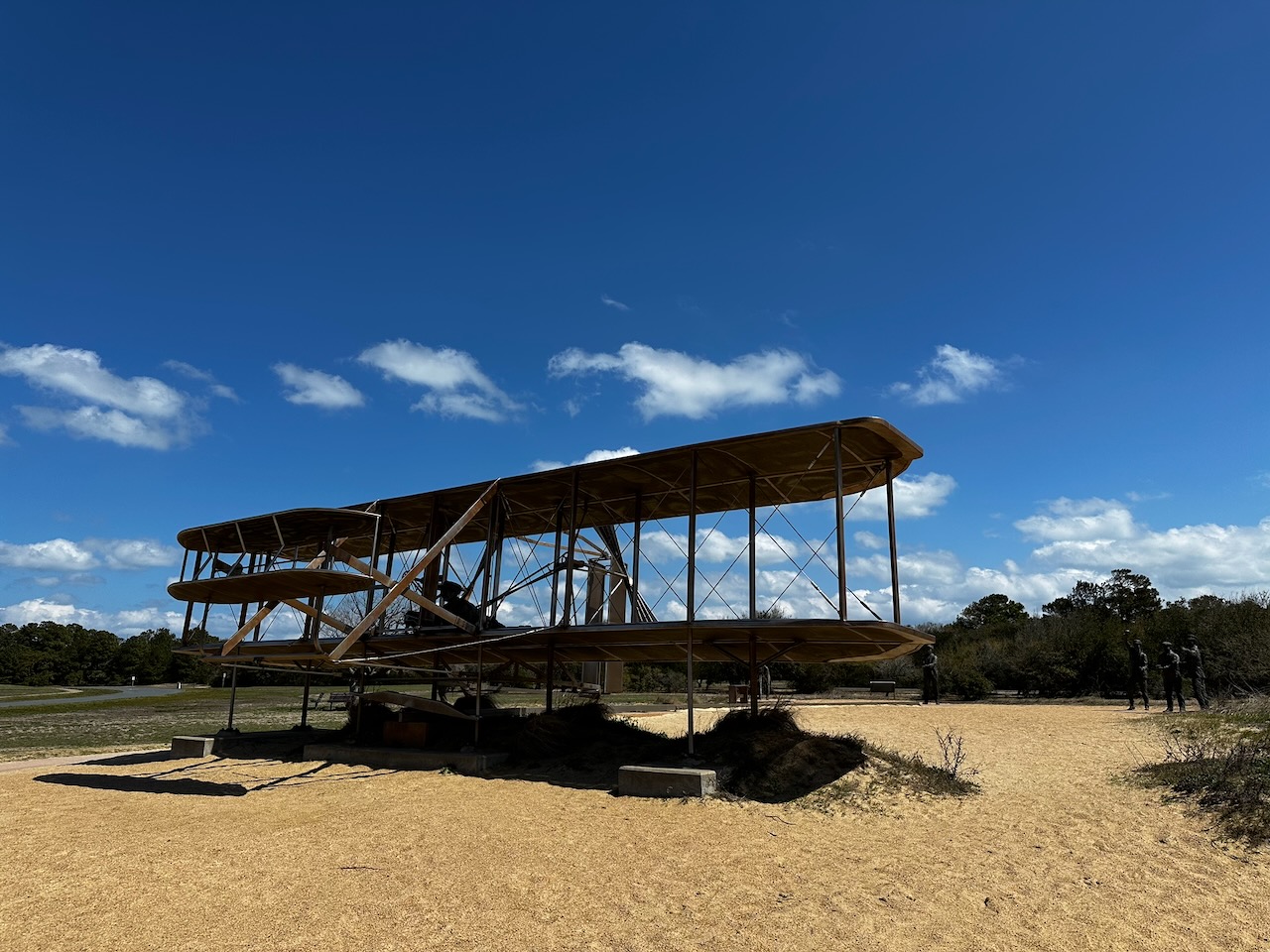
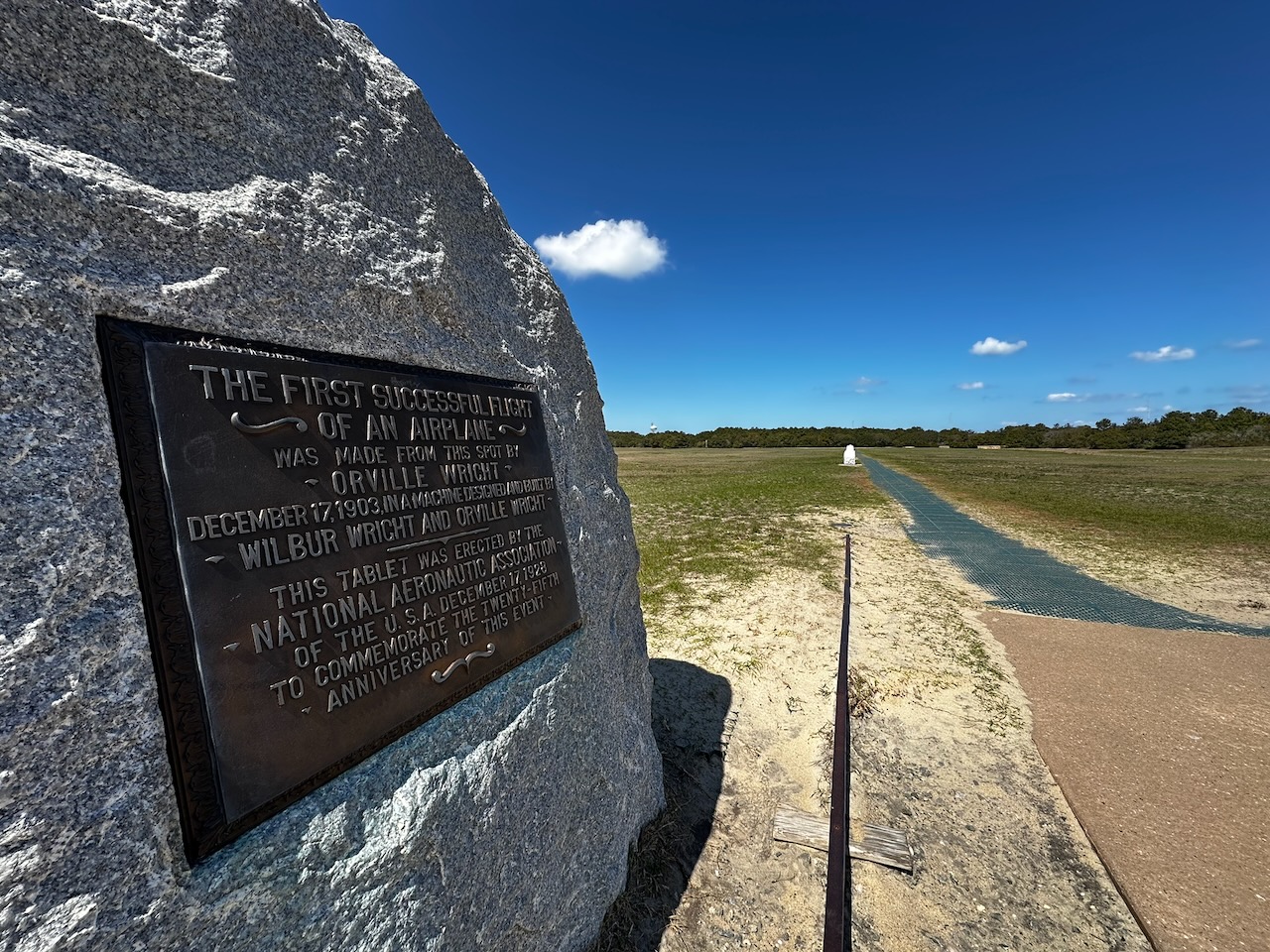
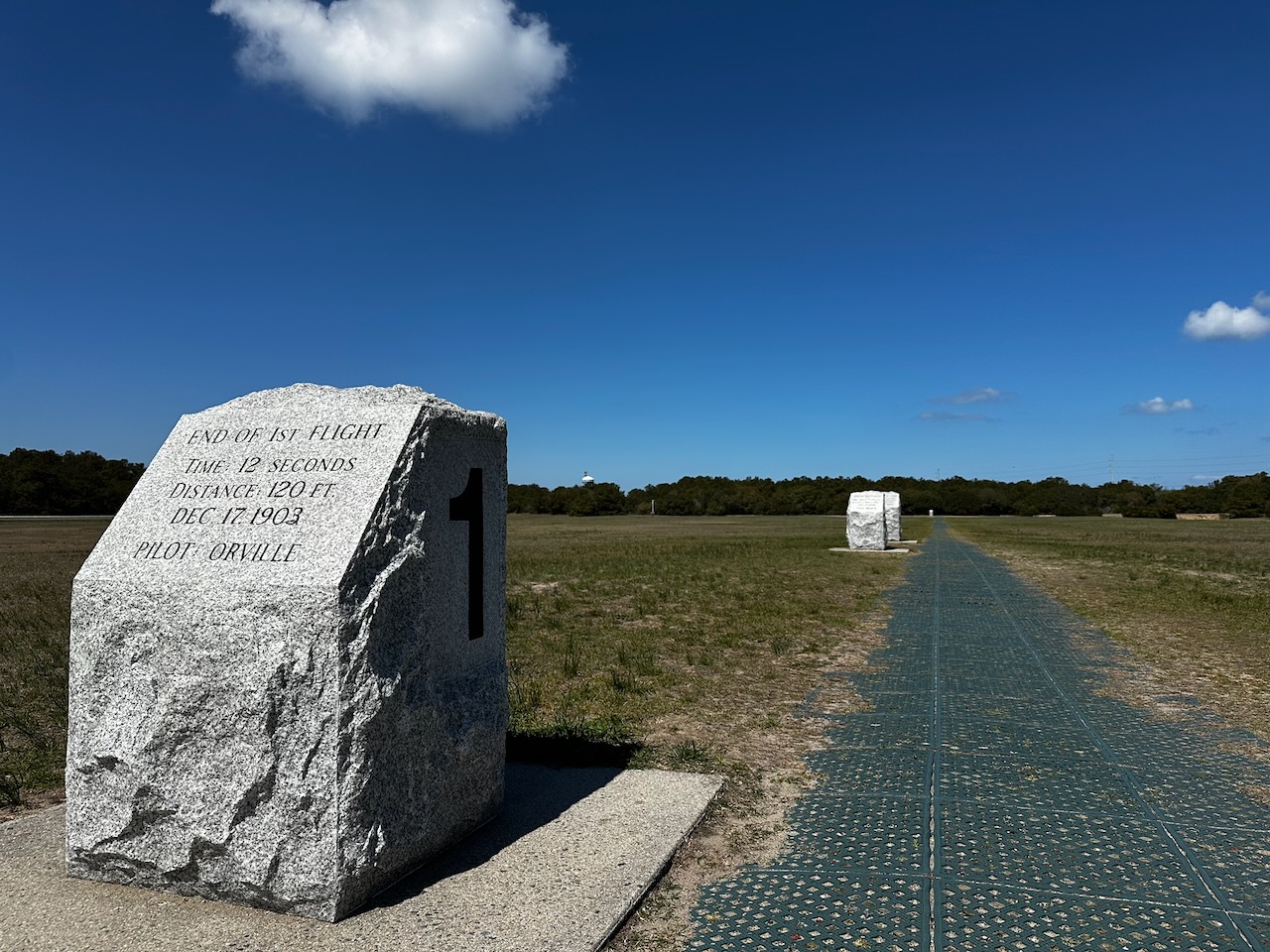
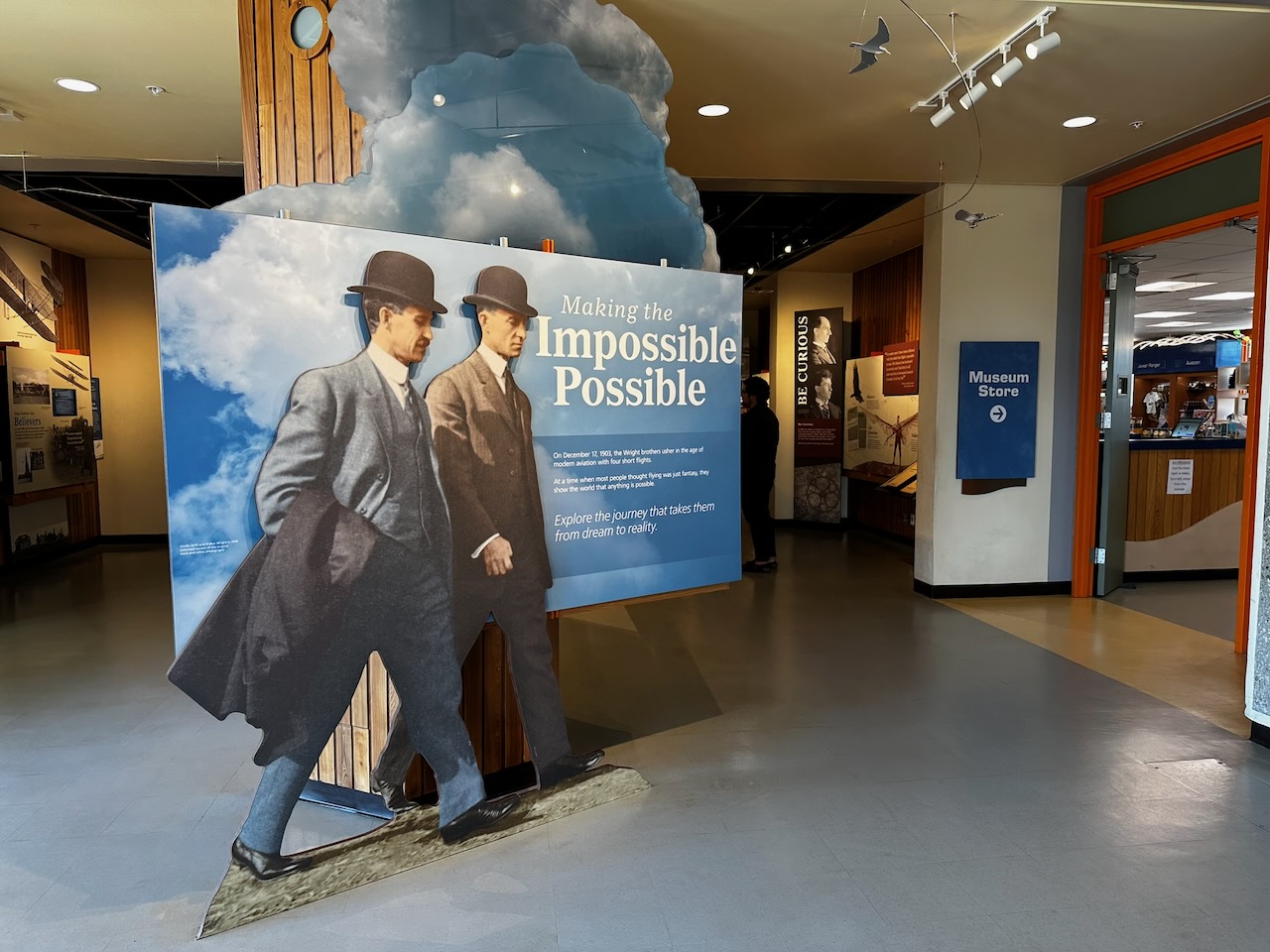
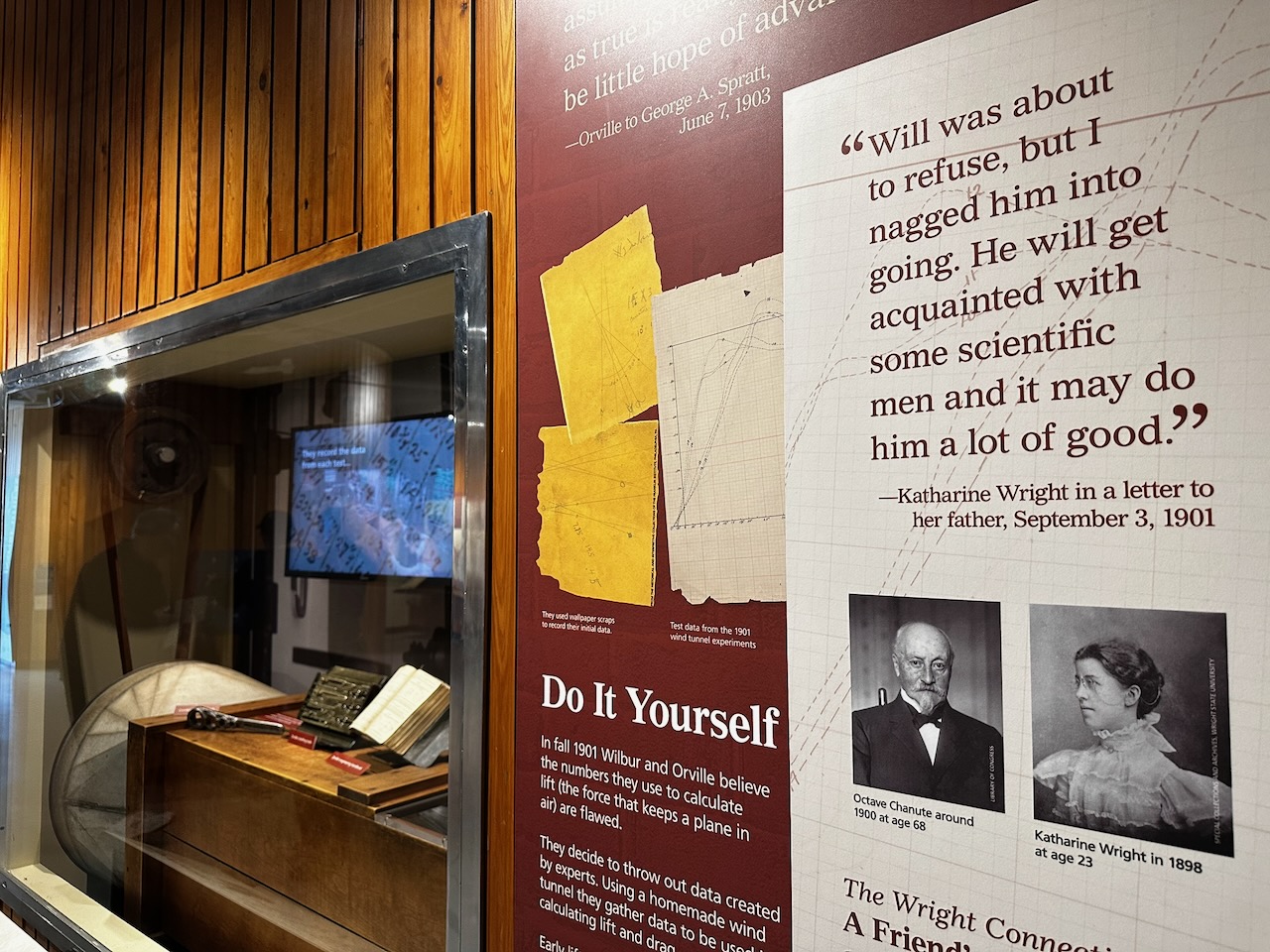
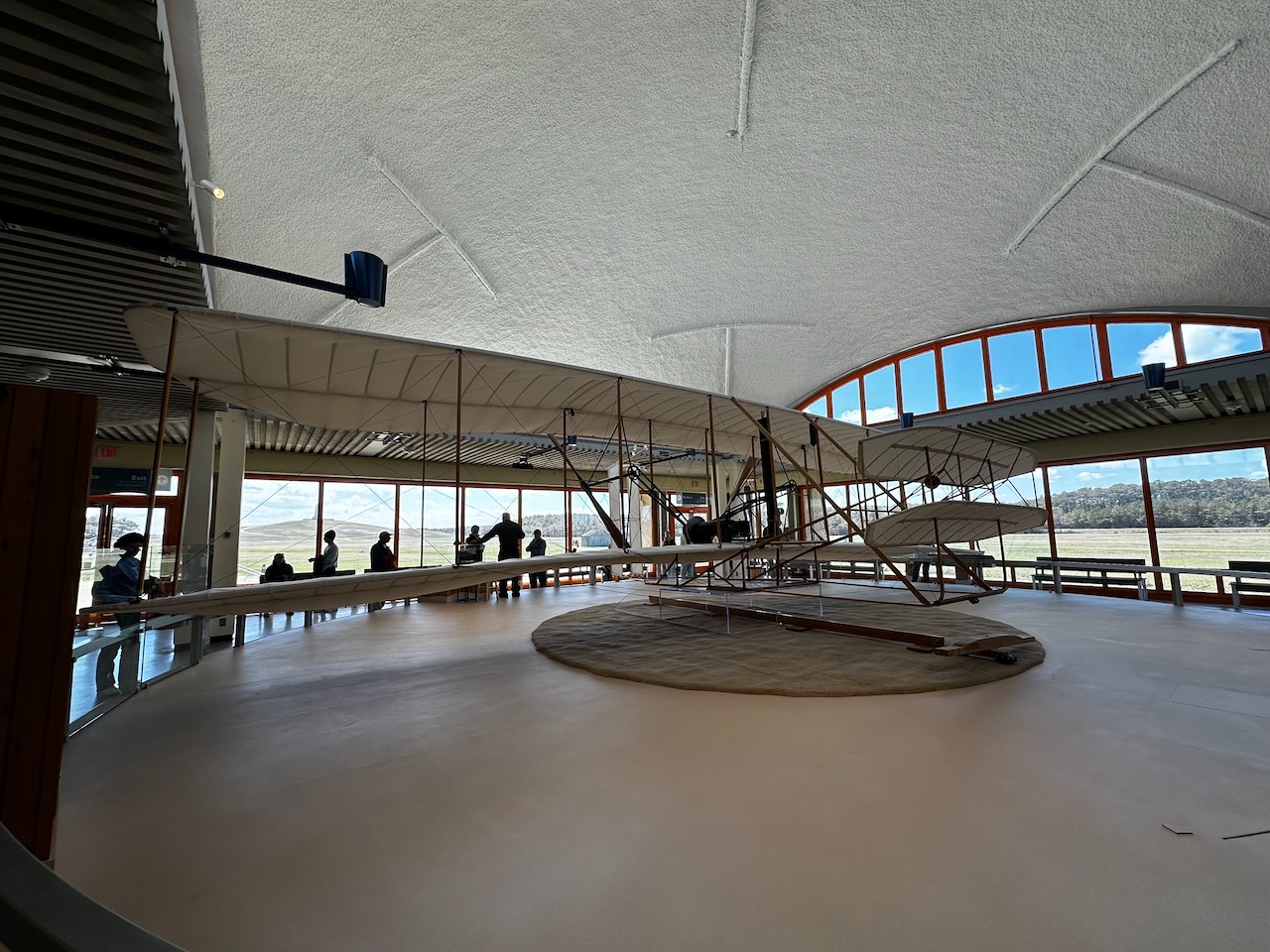
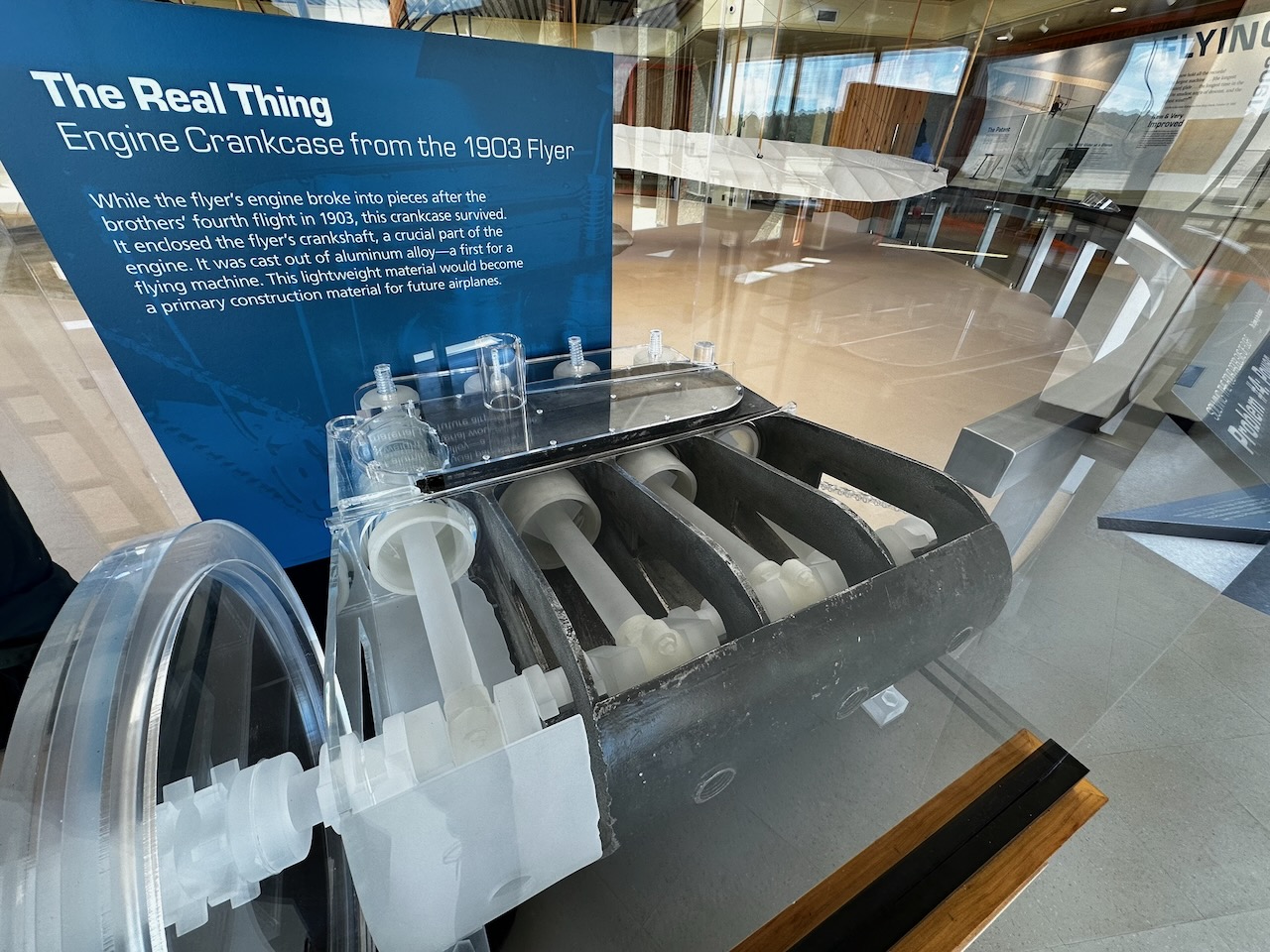
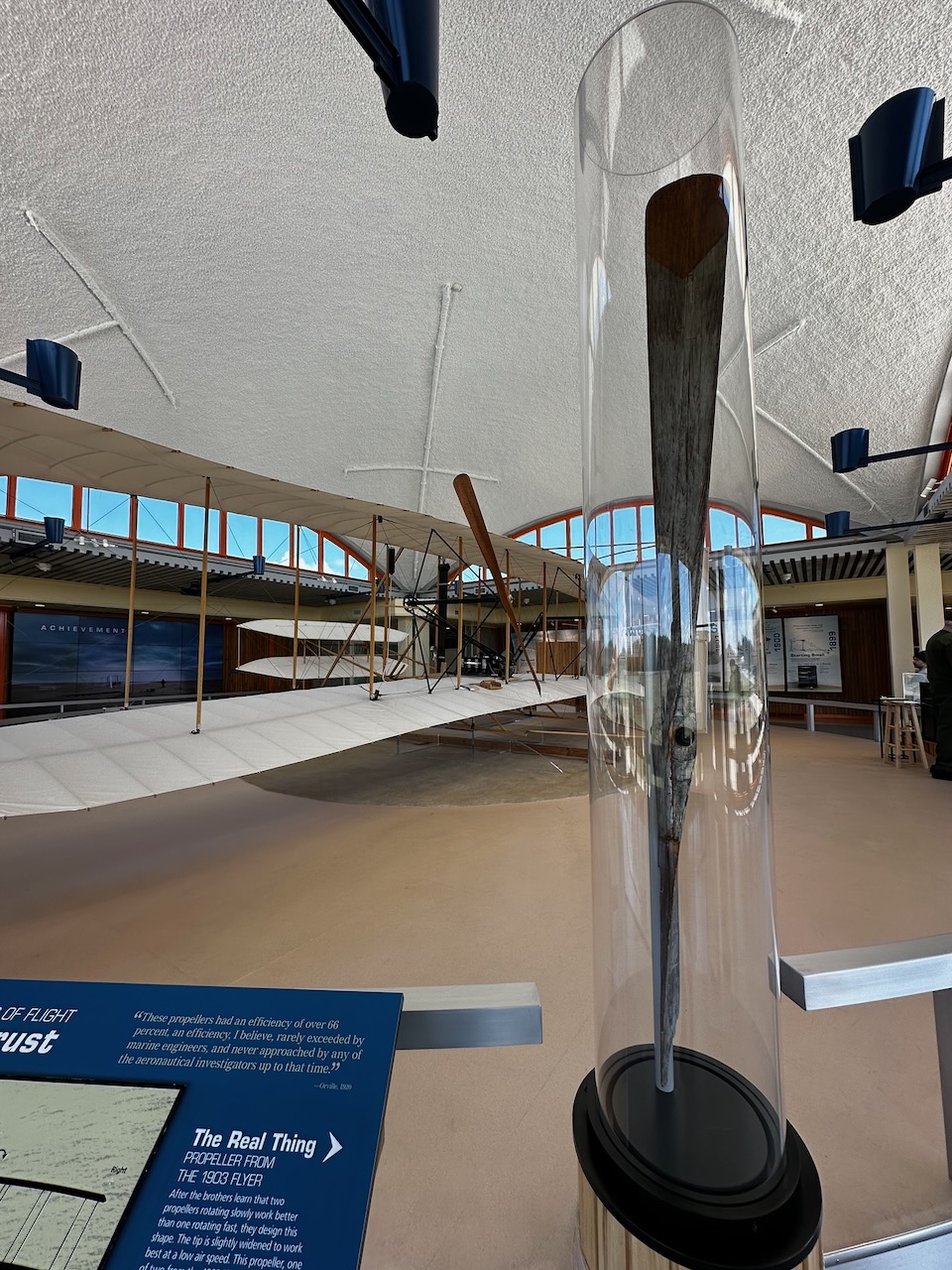
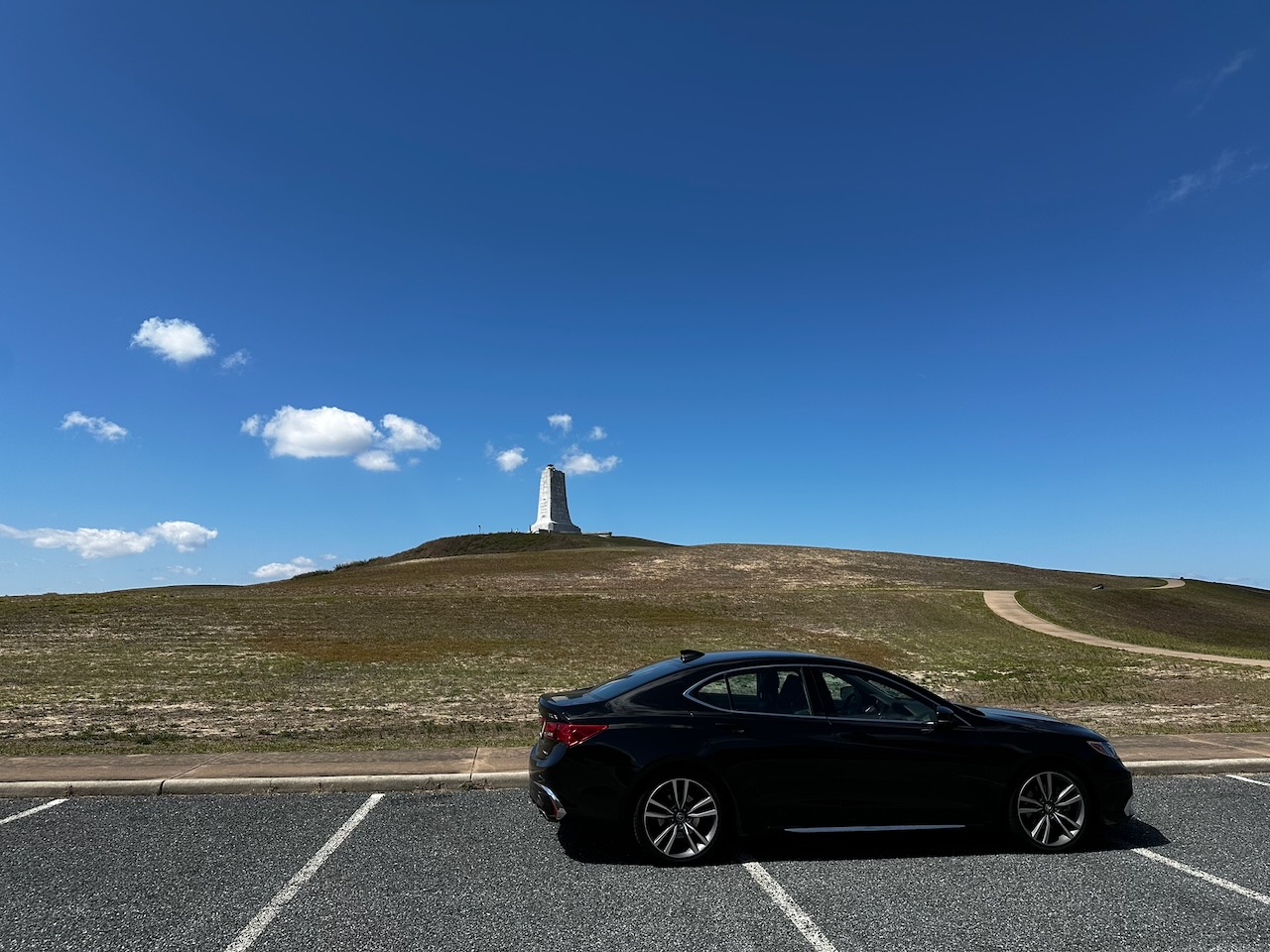
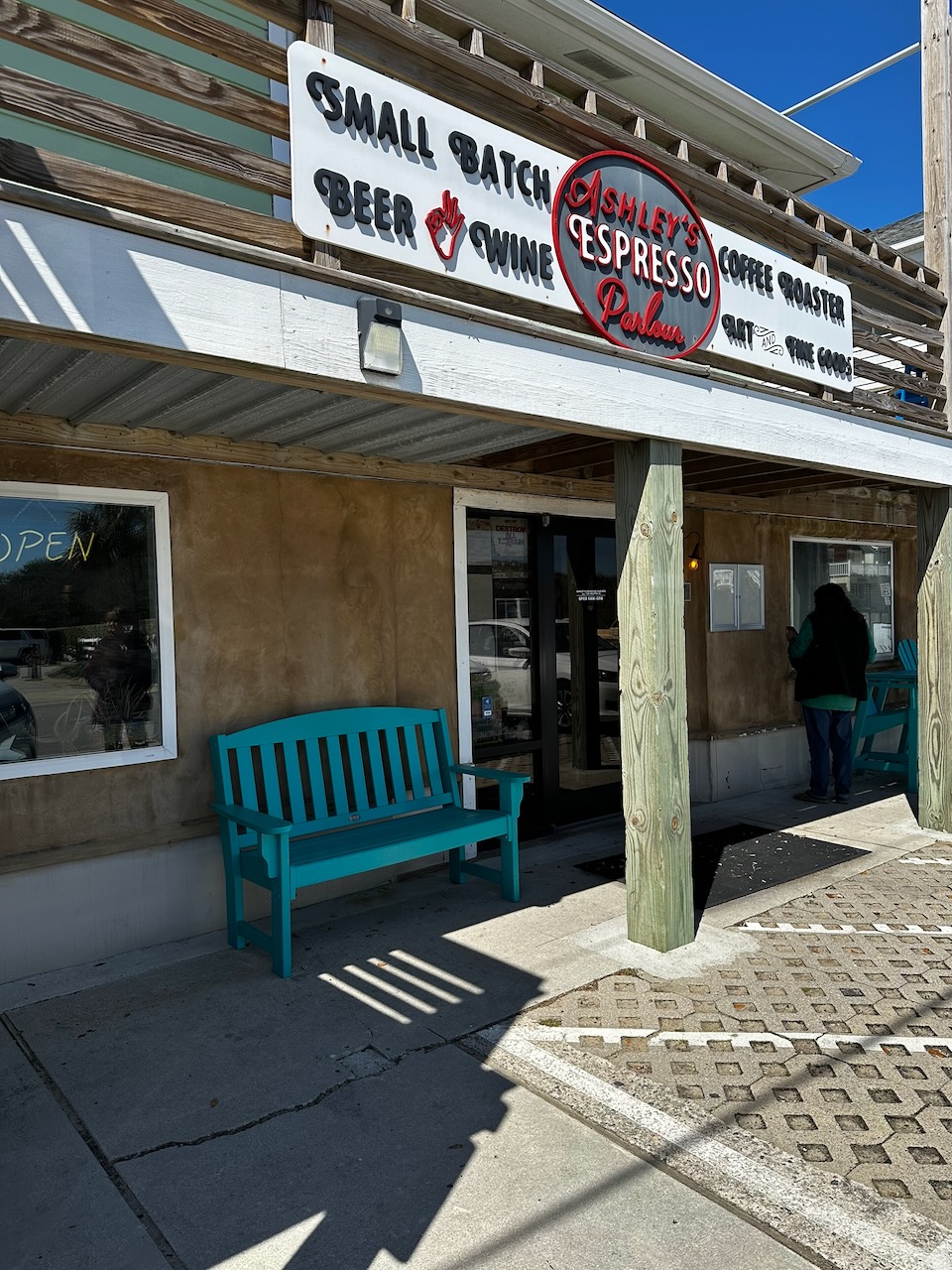
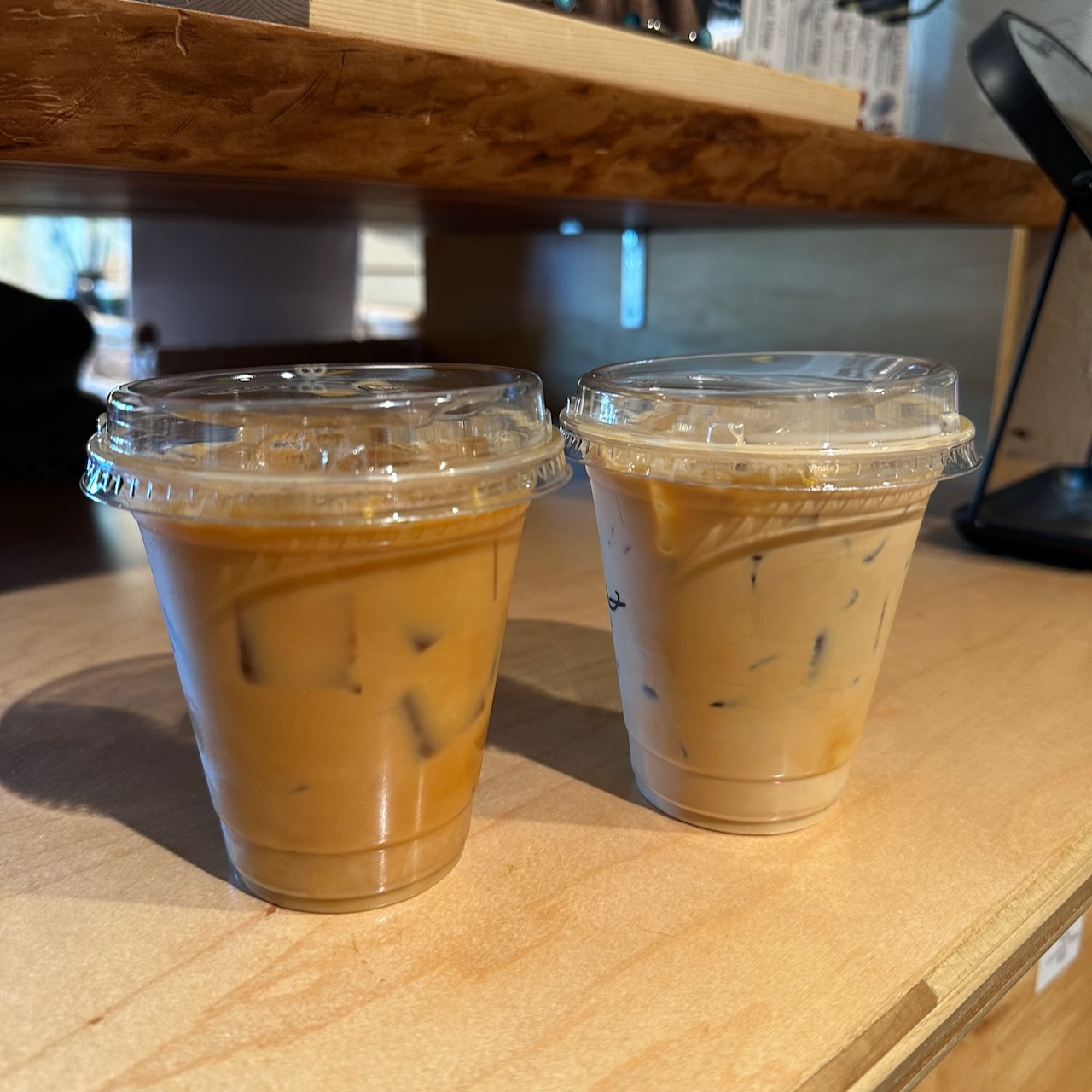
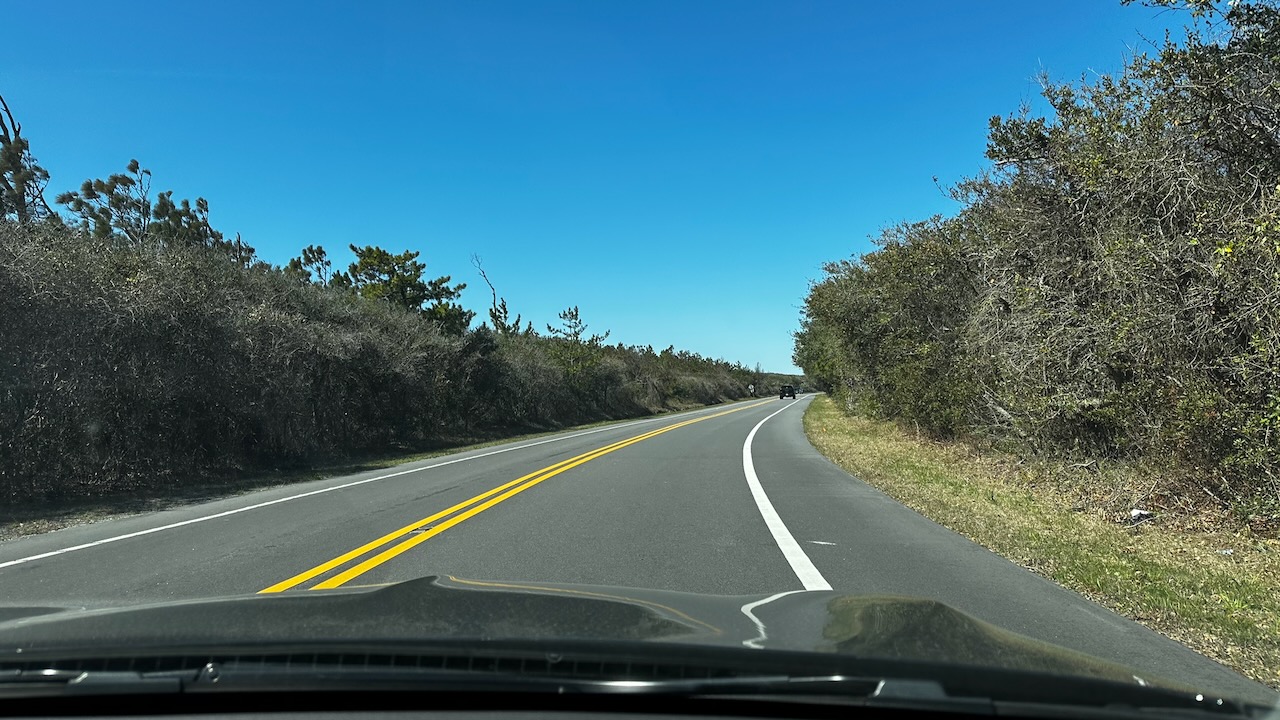
The next morning, as I sipped my coffee, I was treated to a show as numerous birds flew through the inlet behind our home.This brown pelican was quite entertaining to watch.Perhaps my favorite bird photo of recent memory… the pelican really did put on a show!I quite like this cormorant photo as well. Bird photography complete, we headed out to explore the islands.North Carolina Highway 12 runs for over 140 miles from the town of Corolla in the north to Ocracoke Island in the south. It offers some of the most spectacular coastal views I have ever seen. Seventy miles of Highway 12 run through Cape Hatteras National Seashore, which includes wildlife refuges, coastal wetlands, sand dunes, and numerous beaches.Our first stop was to the first of five lighthouses that we would visit on the Outer Banks: Bodie Island Light Station.The current lighthouse, constructed in 1872, is the third structure built on this site. Given the dangerous conditions off the coast of the Outer Banks, lighthouses play a key role in maintaining maritime safety. Bodie Island Light is still active, and is now managed by the National Park Service.With few visitors present, it seemed the perfect time to stage an automotive glamour shot.Before venturing any further, we stopped by Noosa Beach Grill in the town of Kill Devil Hills.Noosa has excellent reviews online, and it lived up to the hype. While I had a tuna caesar wrap (blackened yellowfin tuna, lettuce, parmesan cheese, tomatoes, and house caesar dressing), my wife ordered the fish tacos, served with beans and rice. Both meals were fresh, tasty, and affordable. Service was excellent, and although we did not partake, the drinks menu looked particularly inviting. We will definitely be back!Our next stop was the most important item on our schedule: Wright Brothers National Memorial. Established in 1927, the Memorial commemorates Orville and Wilbur Wright’s first powered human flight in 1903.The monument sits atop a hill, and on this day, winds that approached gale force speeds were blowing through the area. So strong were the winds that I was pretty sure I almost achieved flight on my own. It was a good time.Before they took flight in a powered aircraft, the Wright Brothers tested a succession of gliders from atop Kill Devil Hill, where the monument now stands.Near the monument sits a statue of the Wright Flyer as it appeared at takeoff on December 17, 1903.A stone marker is placed where the Wright Brothers first took flight.This marker, which sits 120 feet away, denotes where the Wright Brothers landed after twelve seconds in the air. Three additional markers capture the subsequent distances of the brothers’ other flights that day.A small but comprehensive museum is located in the memorial as well, offering visitors a deeper view into the life and achievements of the two brothers.Although I had read about the Wright Brothers, I was not aware of how deeply their sister Katharine (pictured) was involved behind-the-scenes in their achievement. A school teacher and the only college graduate in the Wright family, Katharine would oversee the brothers’ bicycle factory in Ohio when they were away. Equally important, she supported the brothers in their efforts, such as encouraging them to contact Octave Chanute, a French-American aviation engineer whose ideas were foundational for the Wright Brothers’ first flight.The centerpiece for me is the life-size replica of the Wright Flyer (the original resides in the National Air & Space Museum in Washington, D.C.). Another fun fact I learned: the muslin fabric that covers the wings was purchased at a Dayton’s department store.A few items from the original Wright Flyer are on display, such as the crankcase of the engine. The motor was a custom-designed 12 horsepower engine that prioritized weight savings over outright power.Another piece of the original aircraft is this propeller, one of two that were utilized to power the Wright Flyer. I was absolutely mesmerized by Wright Brothers National Memorial. To have stood where the first powered human flight took place, to walk the track where the plane would have flown 123 years ago… I felt like a little kid again.Of course, the best souvenir is another glamour shot of the TLX! After a fun (if wind-blown) afternoon, we were off to our next adventure.All that exploring is thirsty work! We stopped at Ashley’s Espresso Parlor in Kill Devil Hills for a mid-afternoon pick-me-up.That will be an iced oatmilk latte for me (right) and an iced almond milk latte (left) for my wife. The coffees were excellent. Refreshed, we took a leisurely drive home along Highway 12.
Day 4 – The Northern Outer Banks
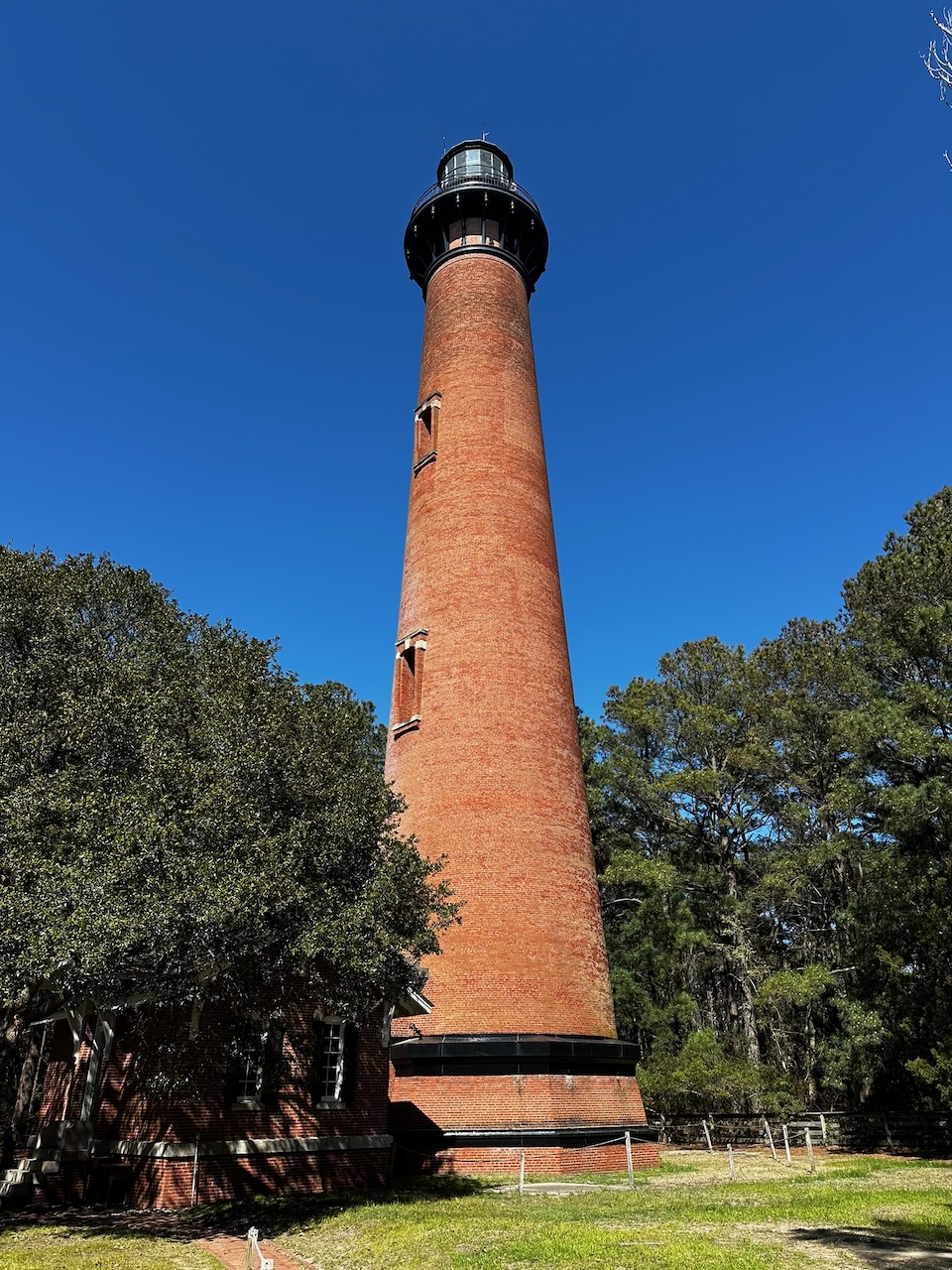
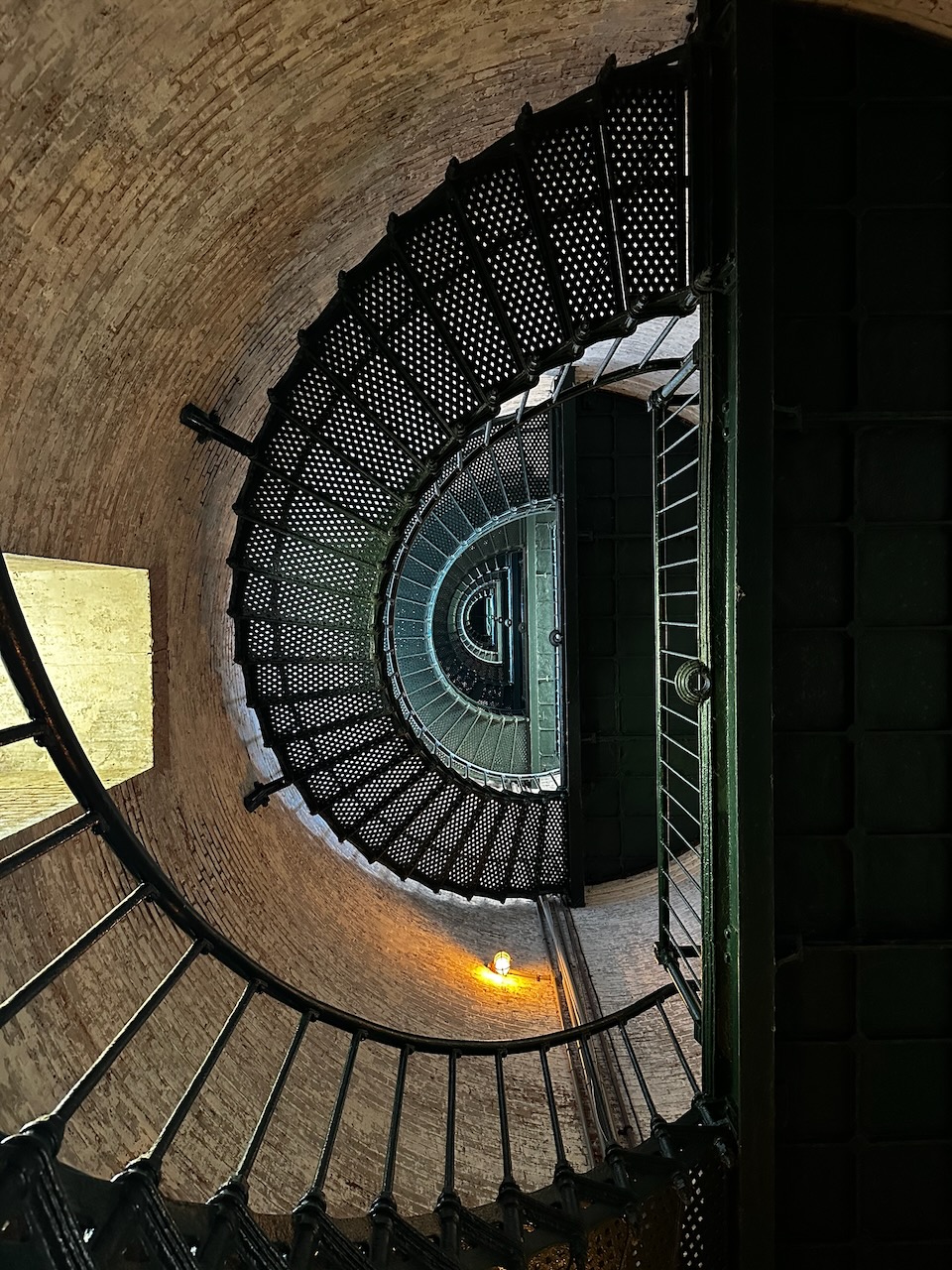
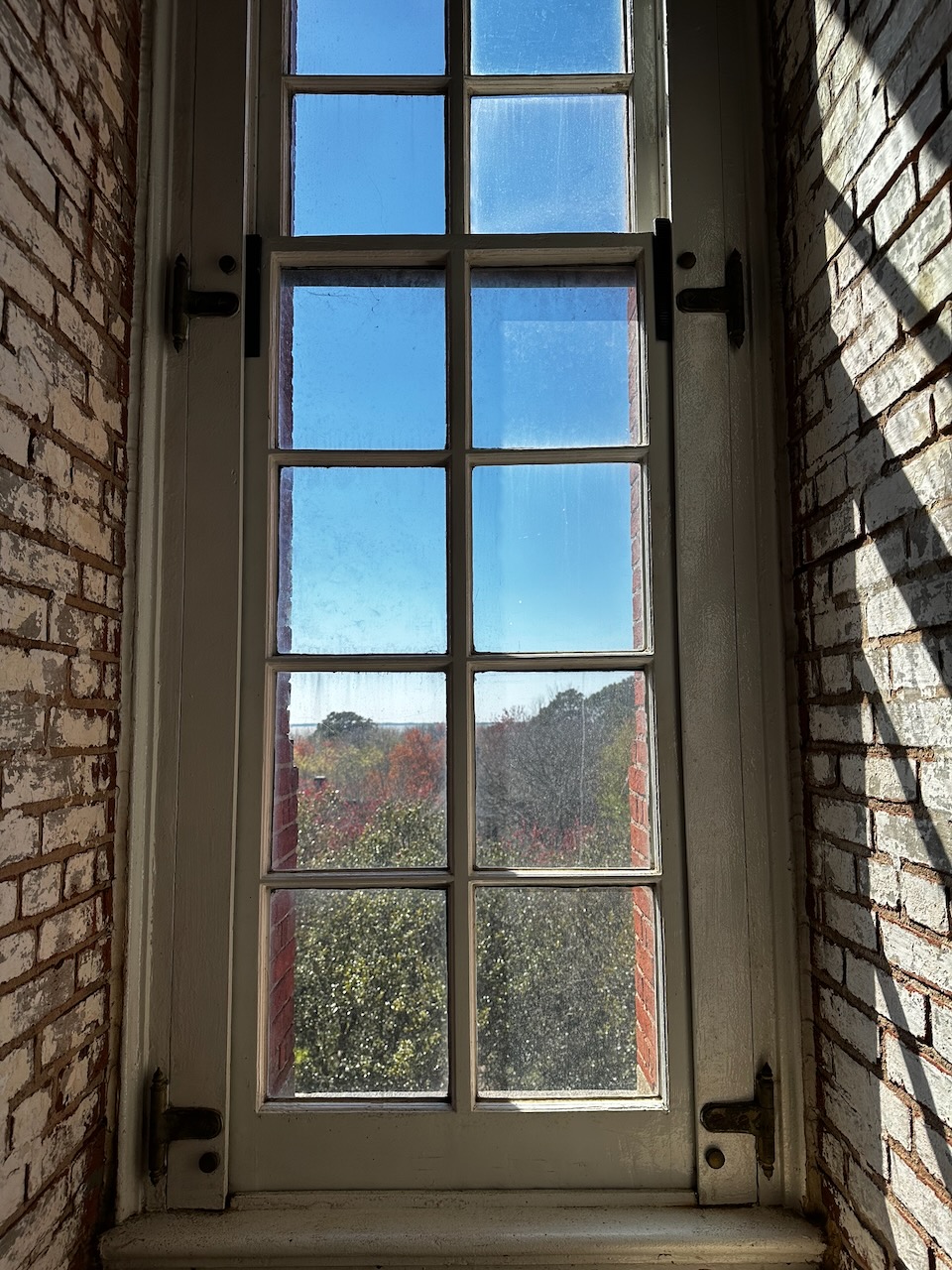
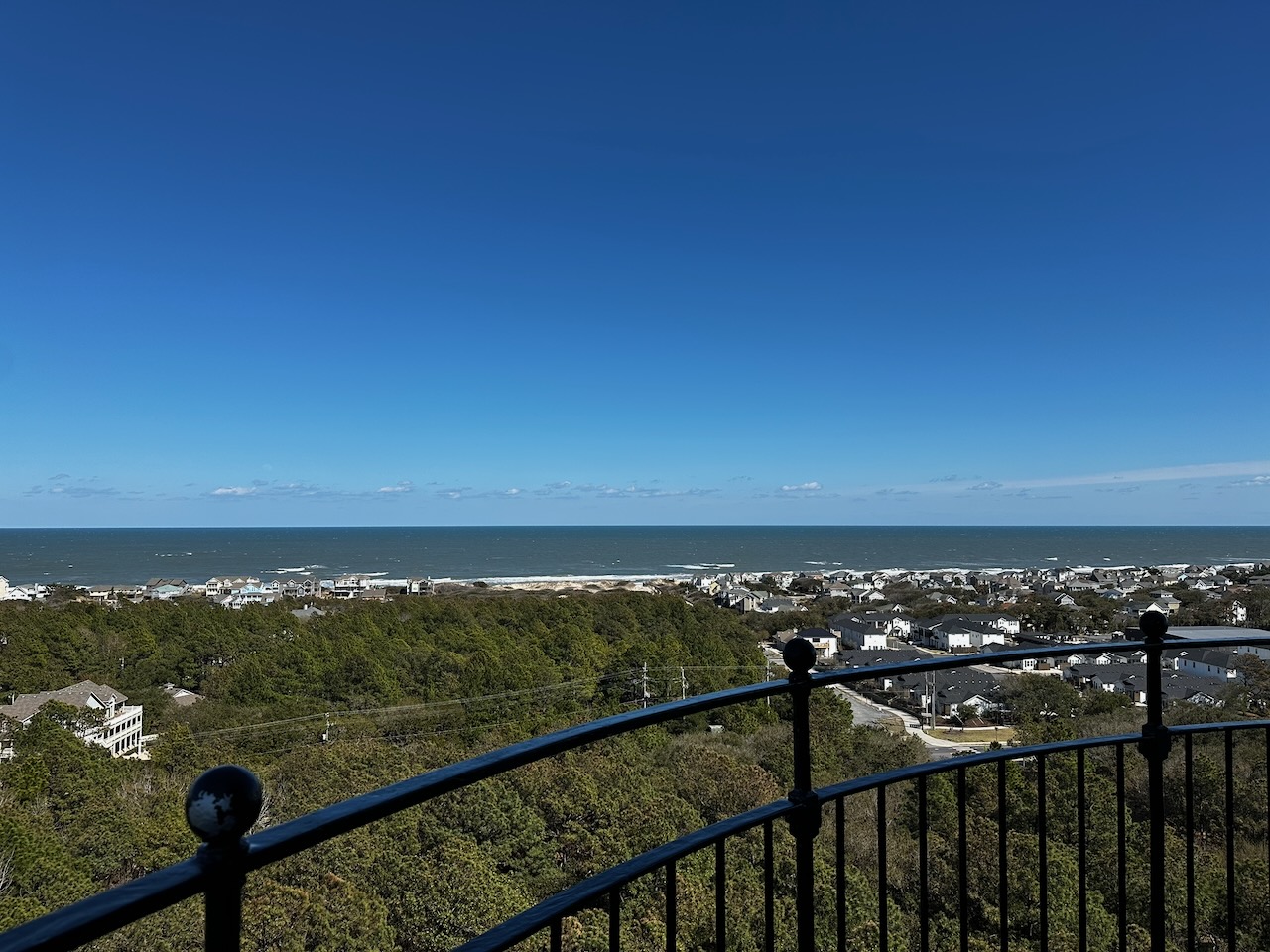
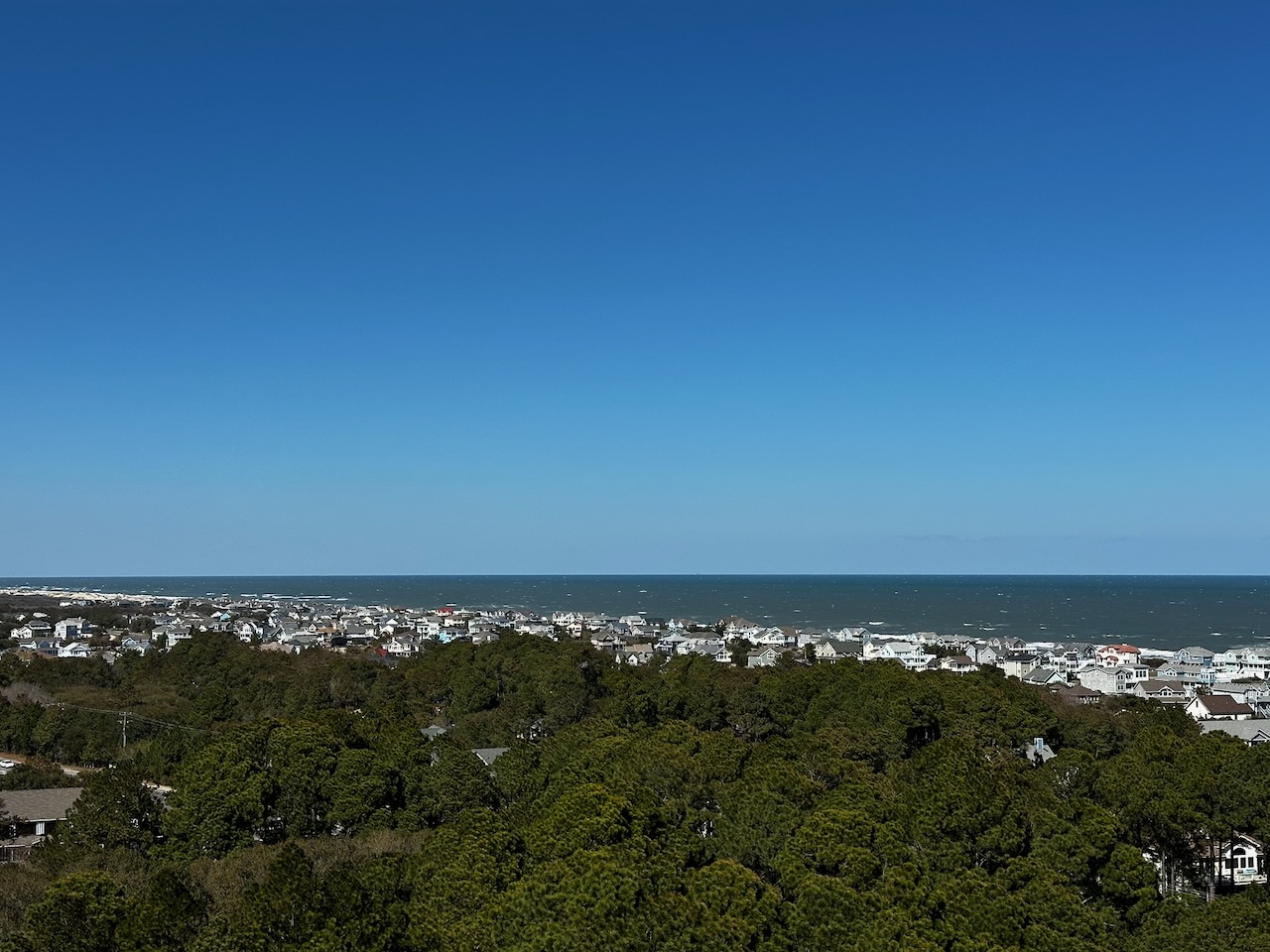
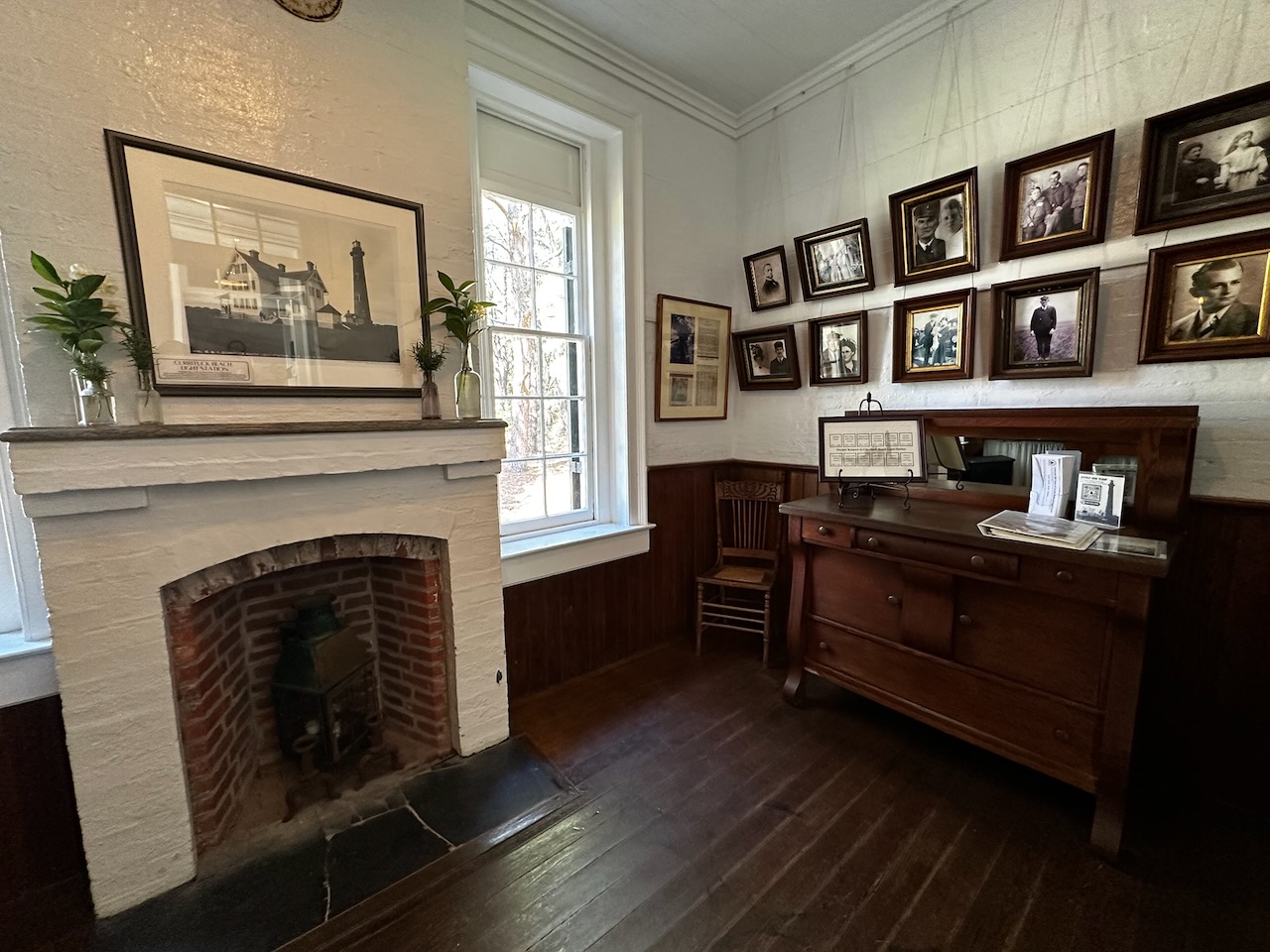
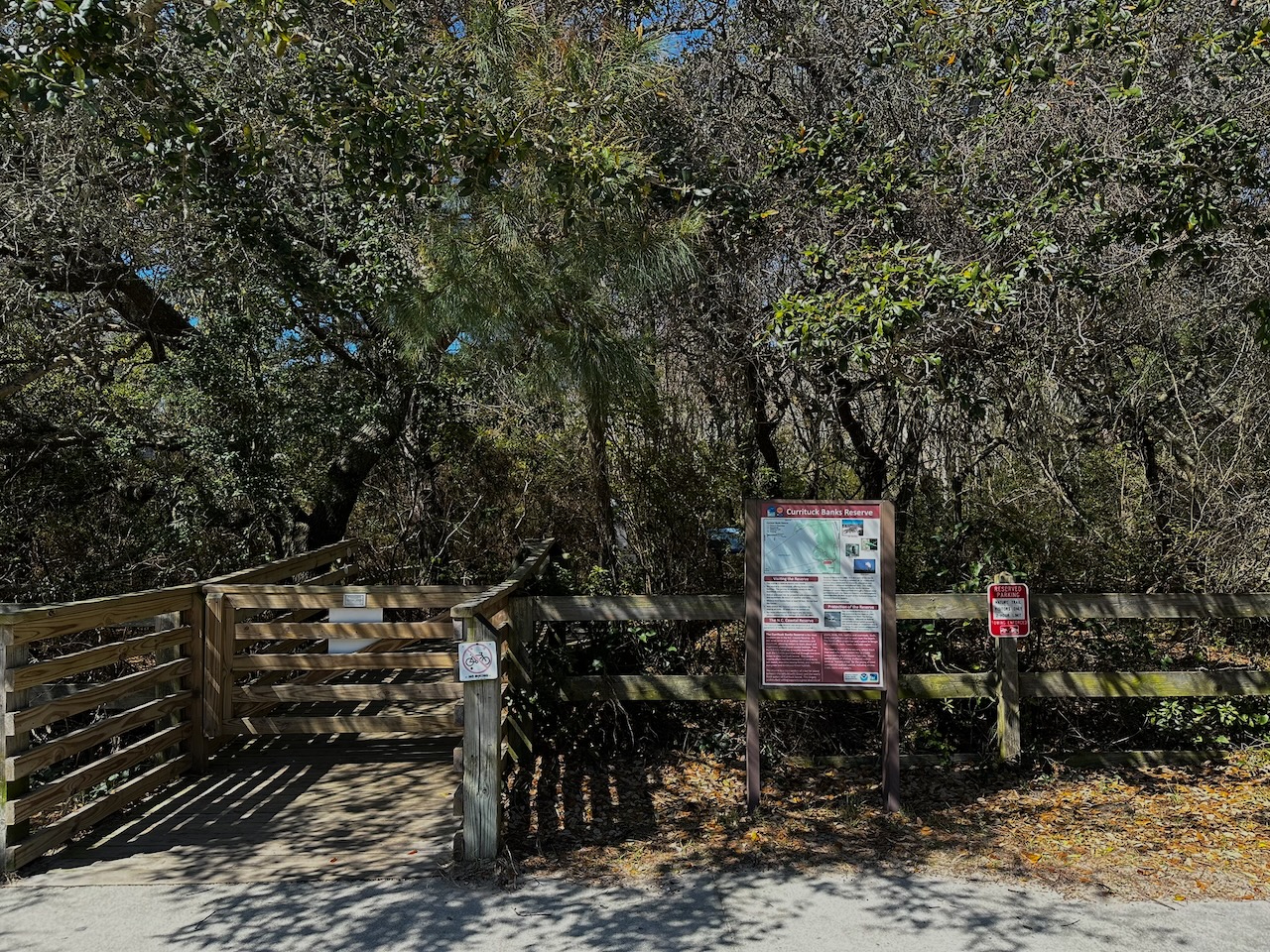
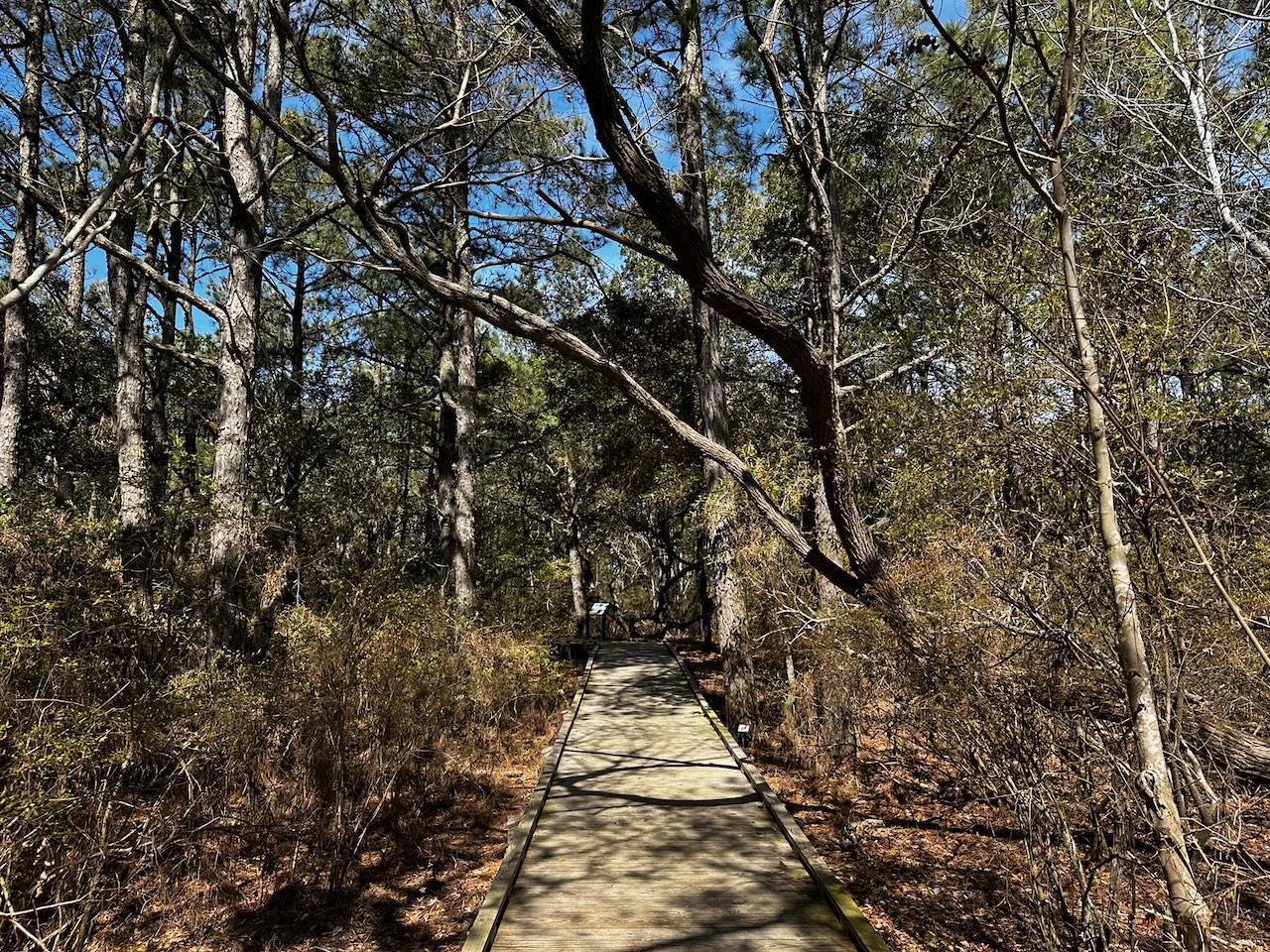
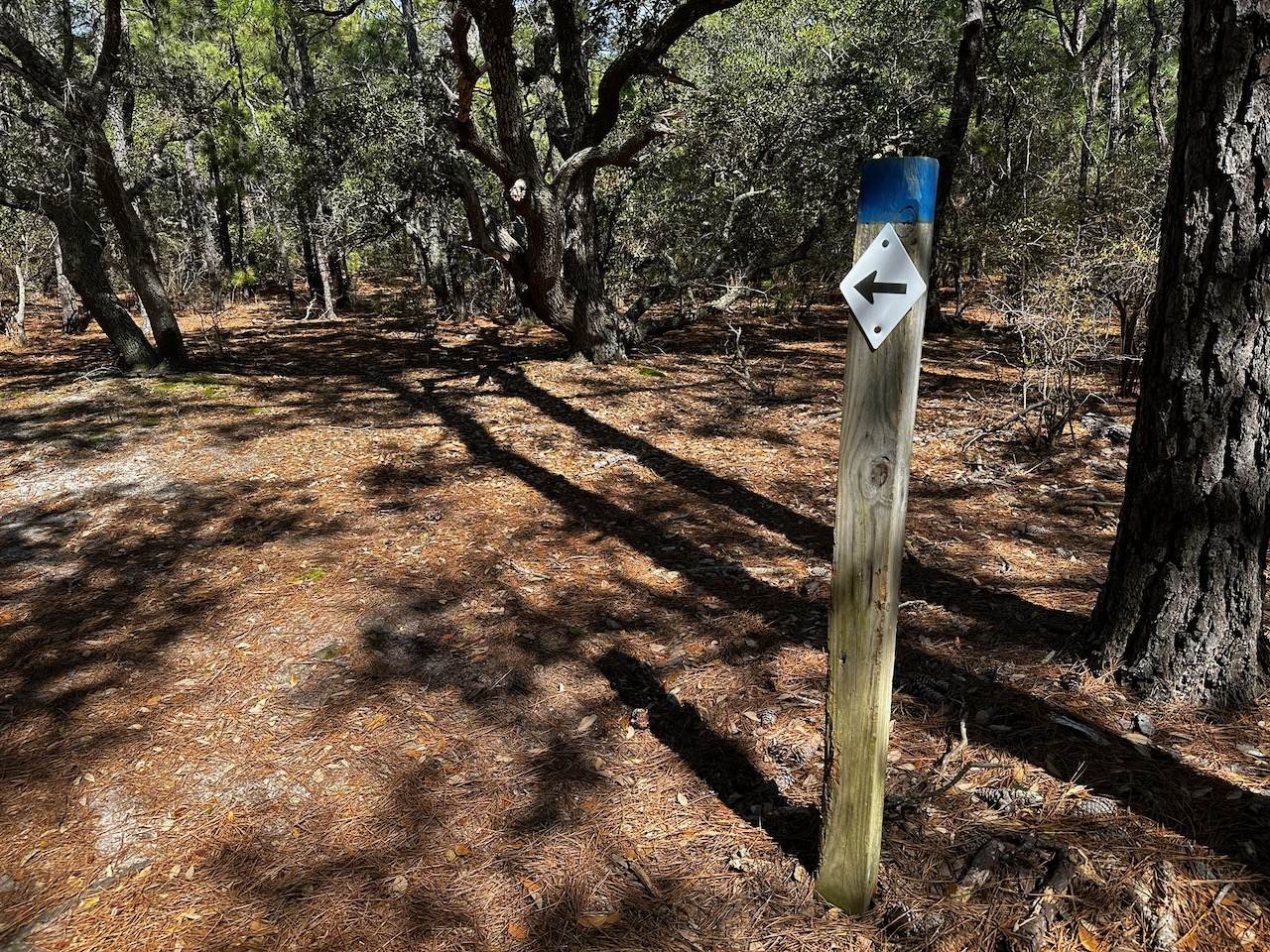
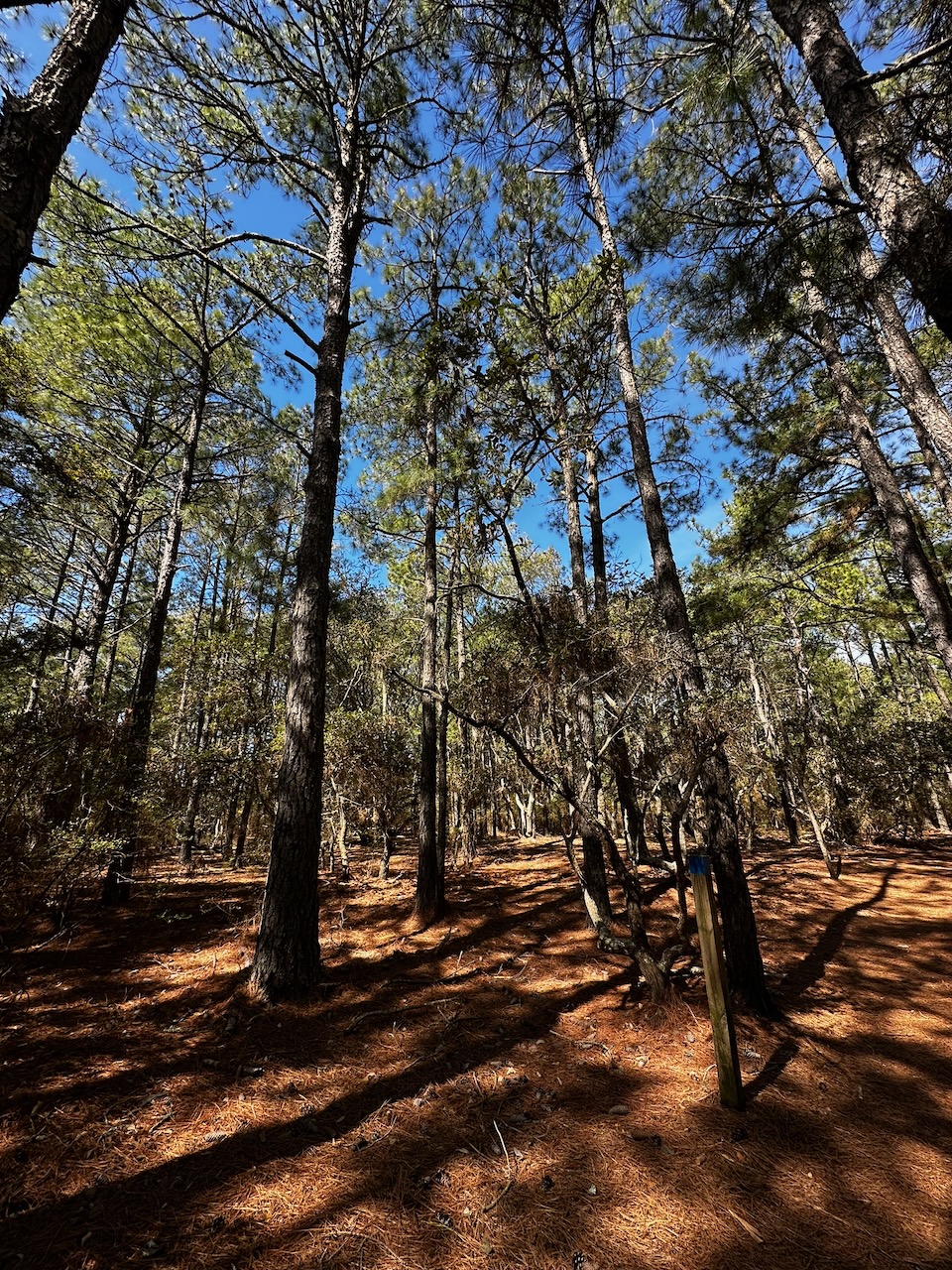
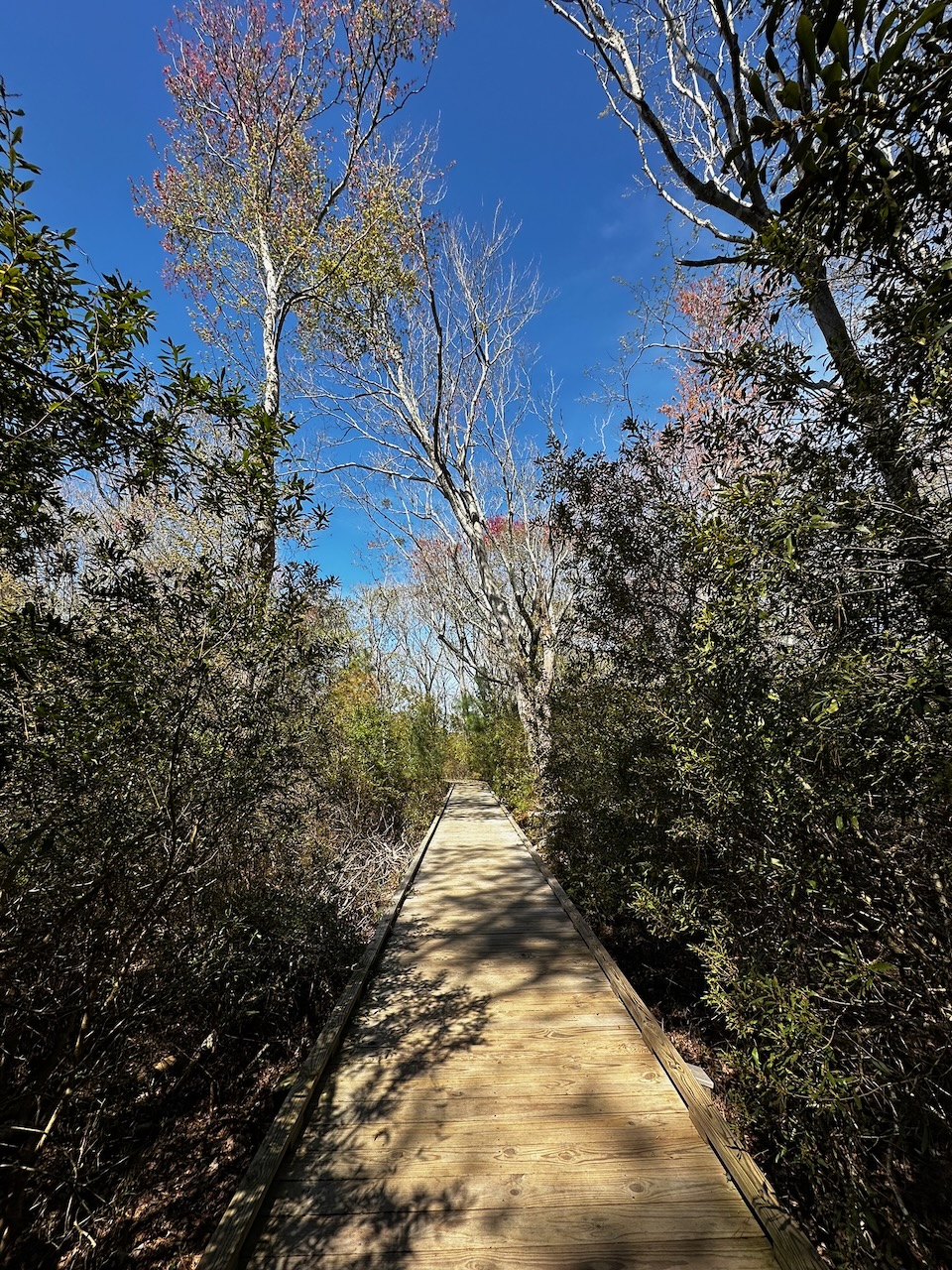
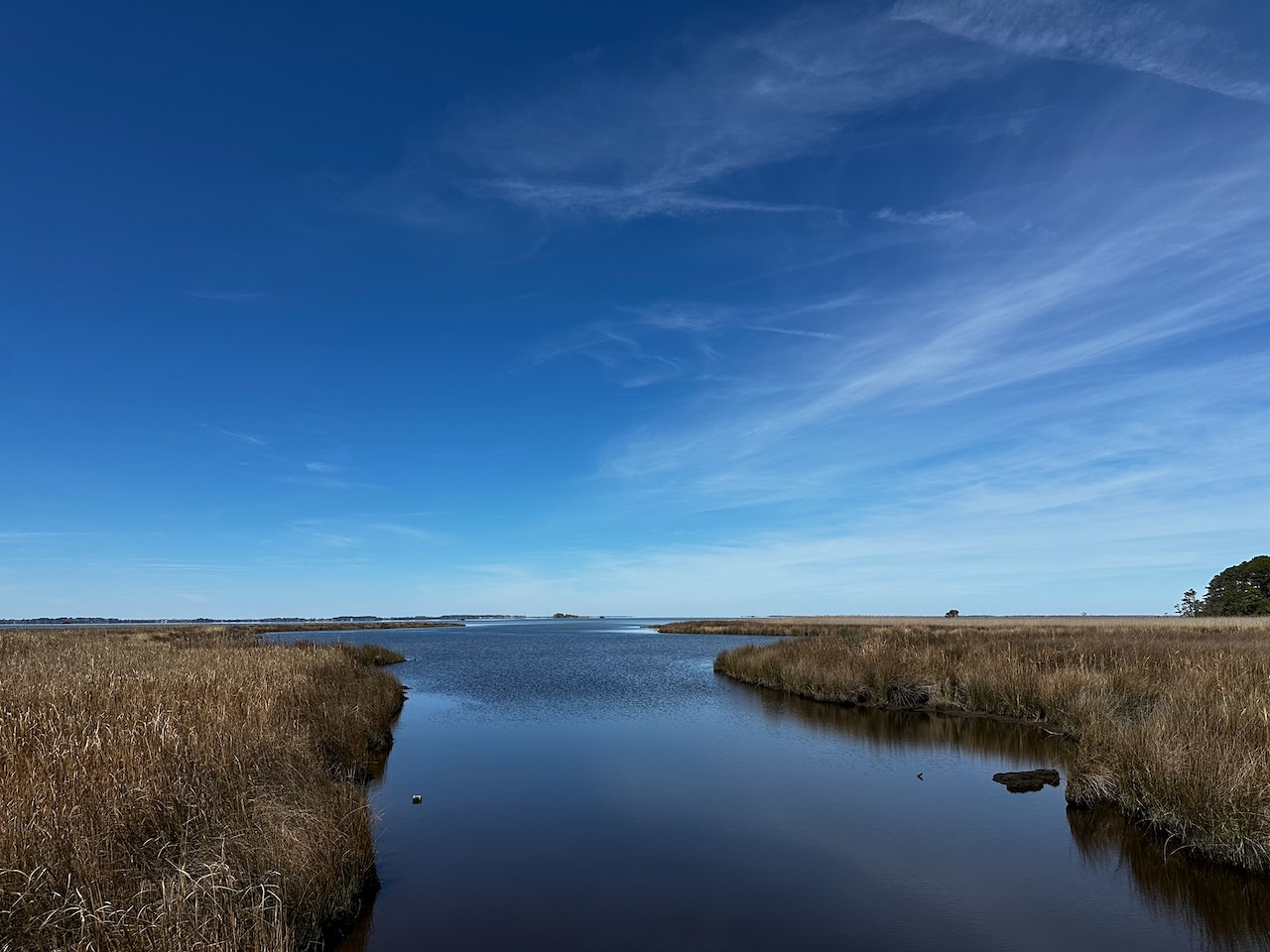
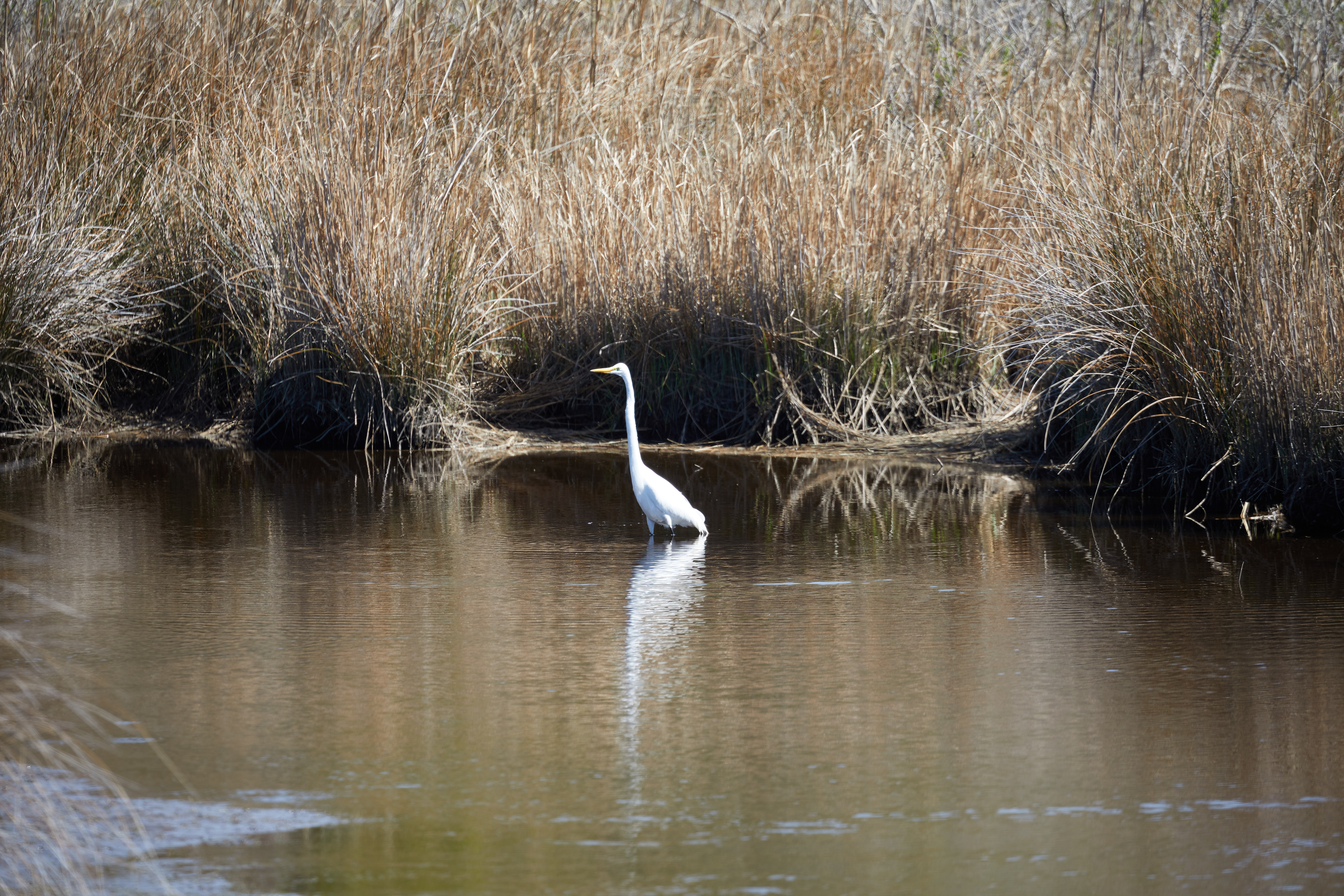
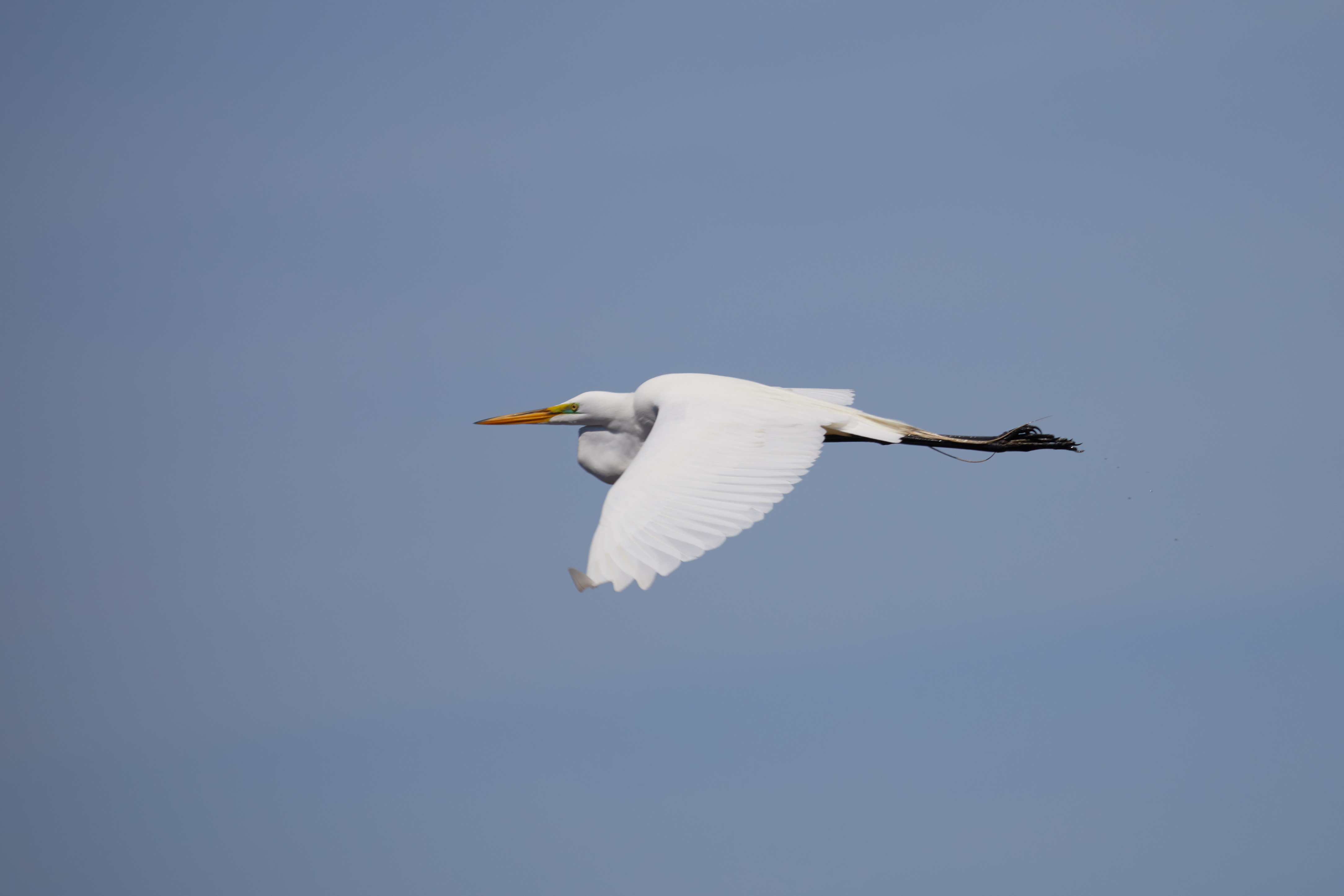
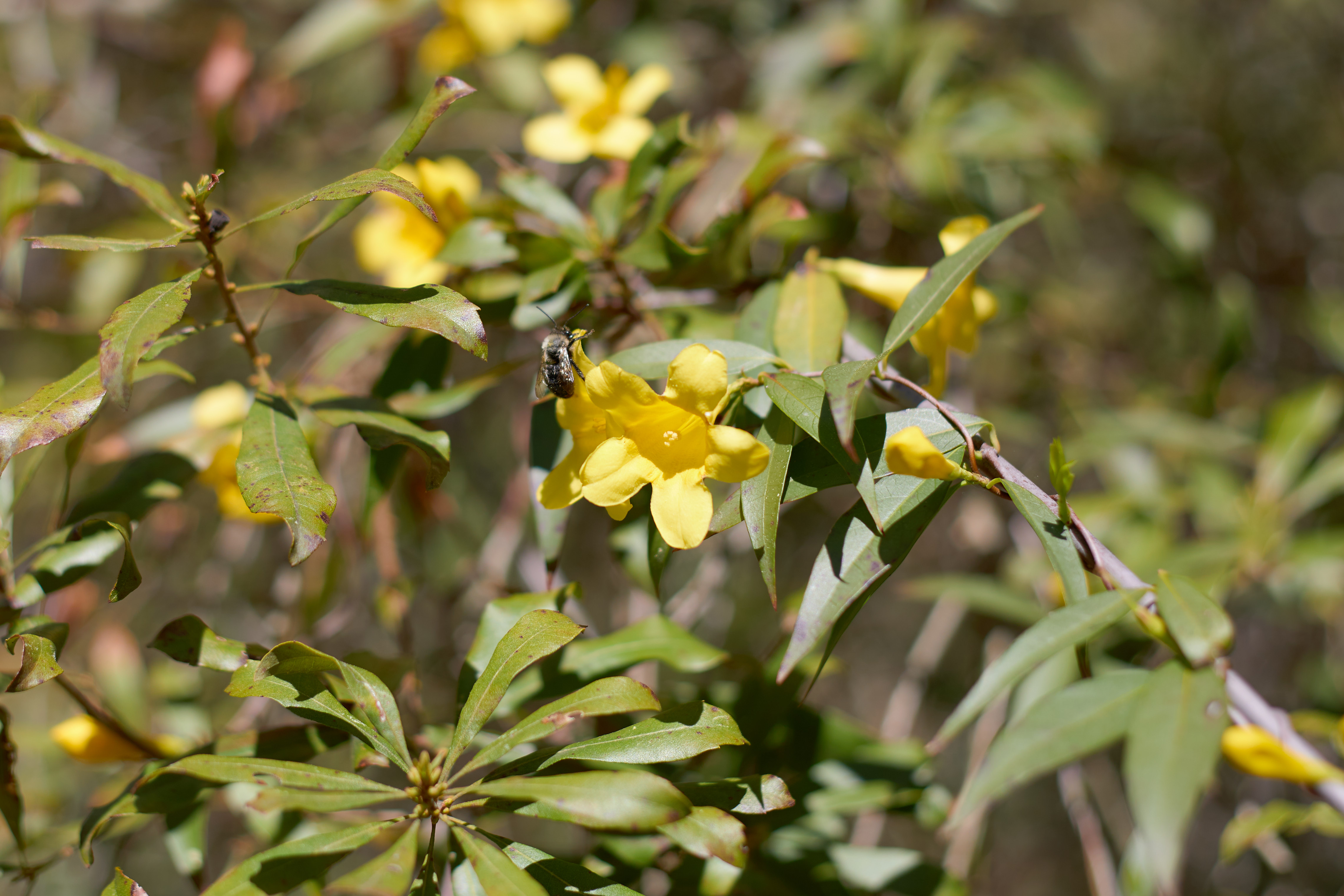
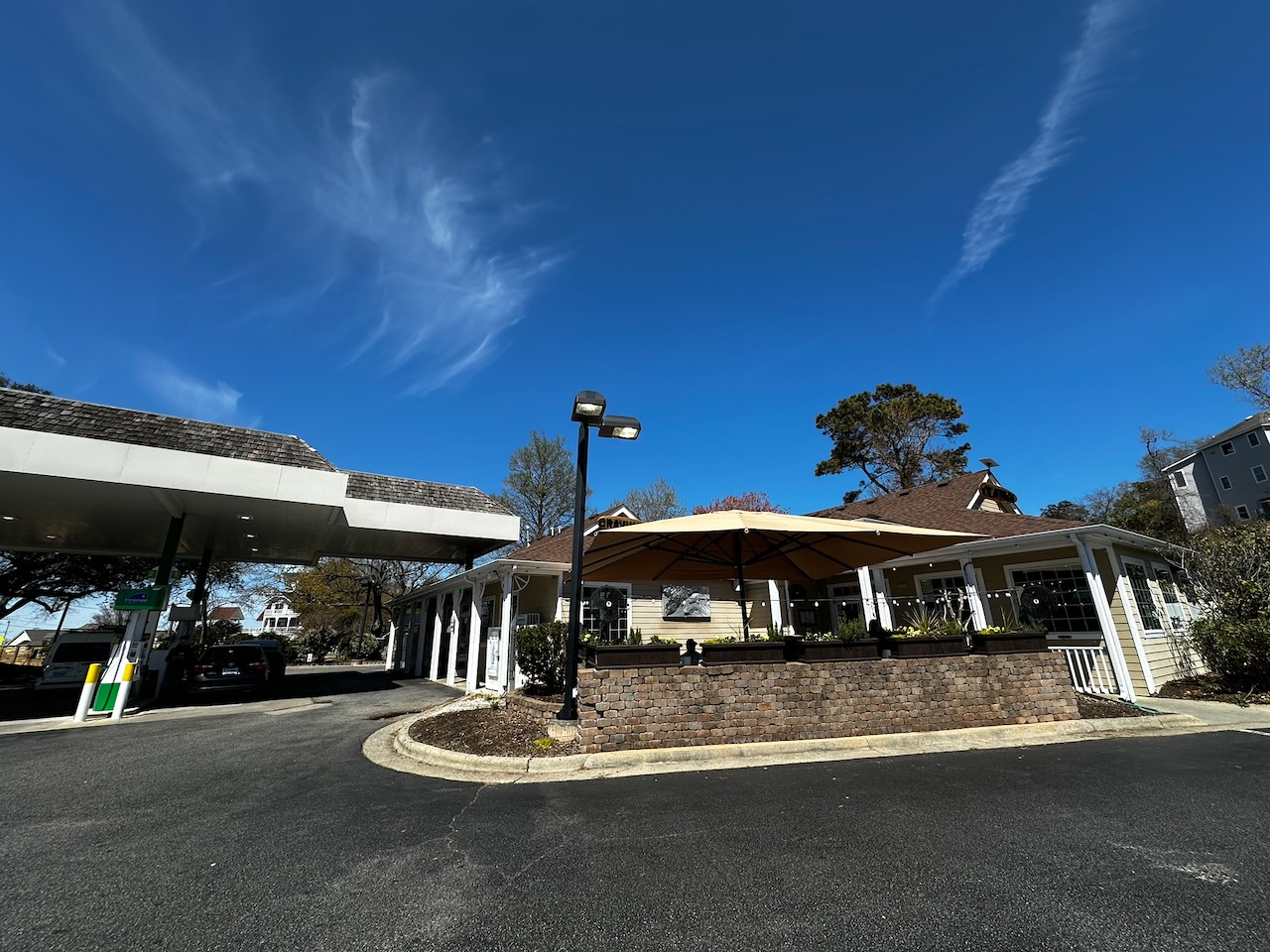
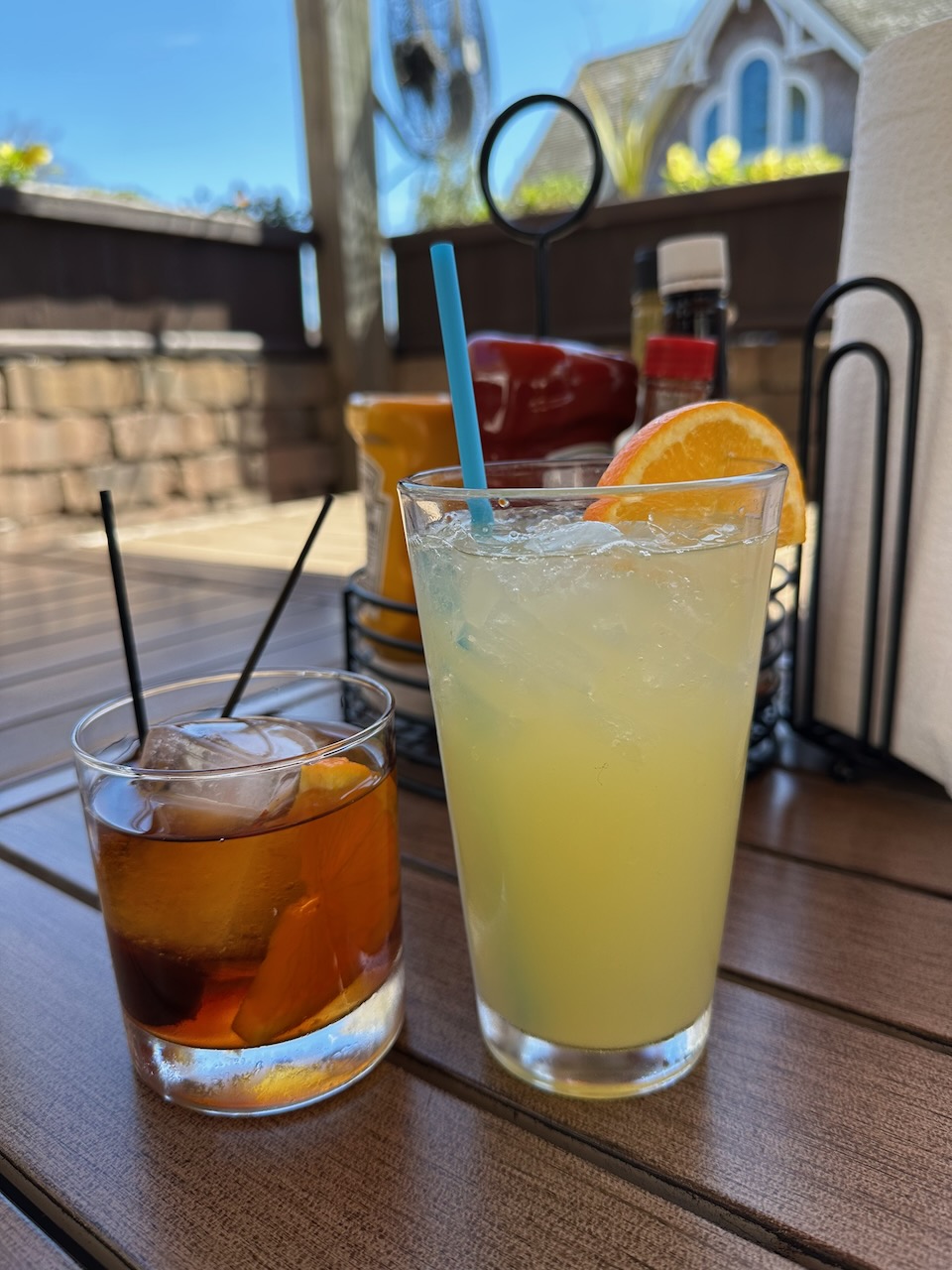
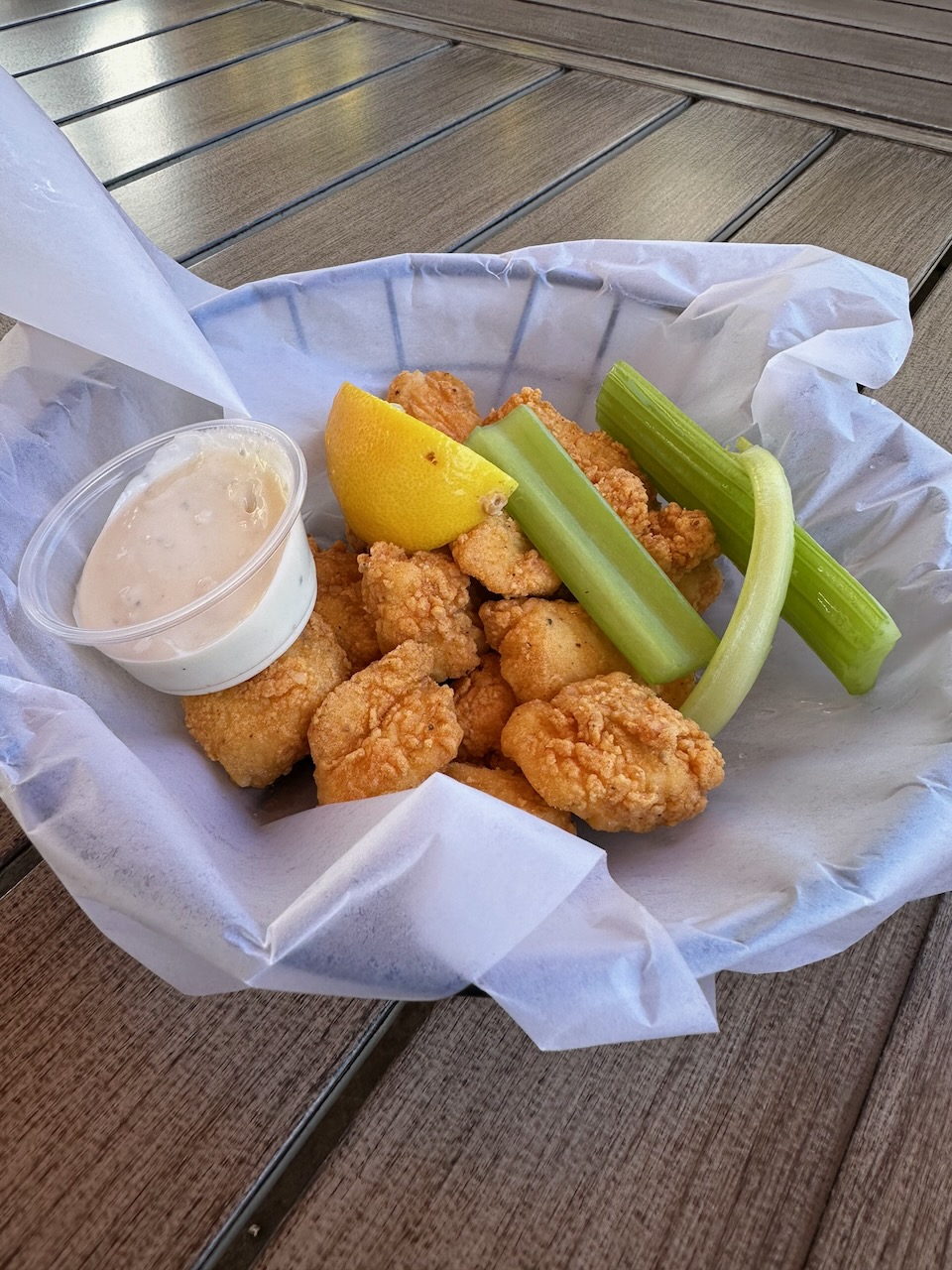
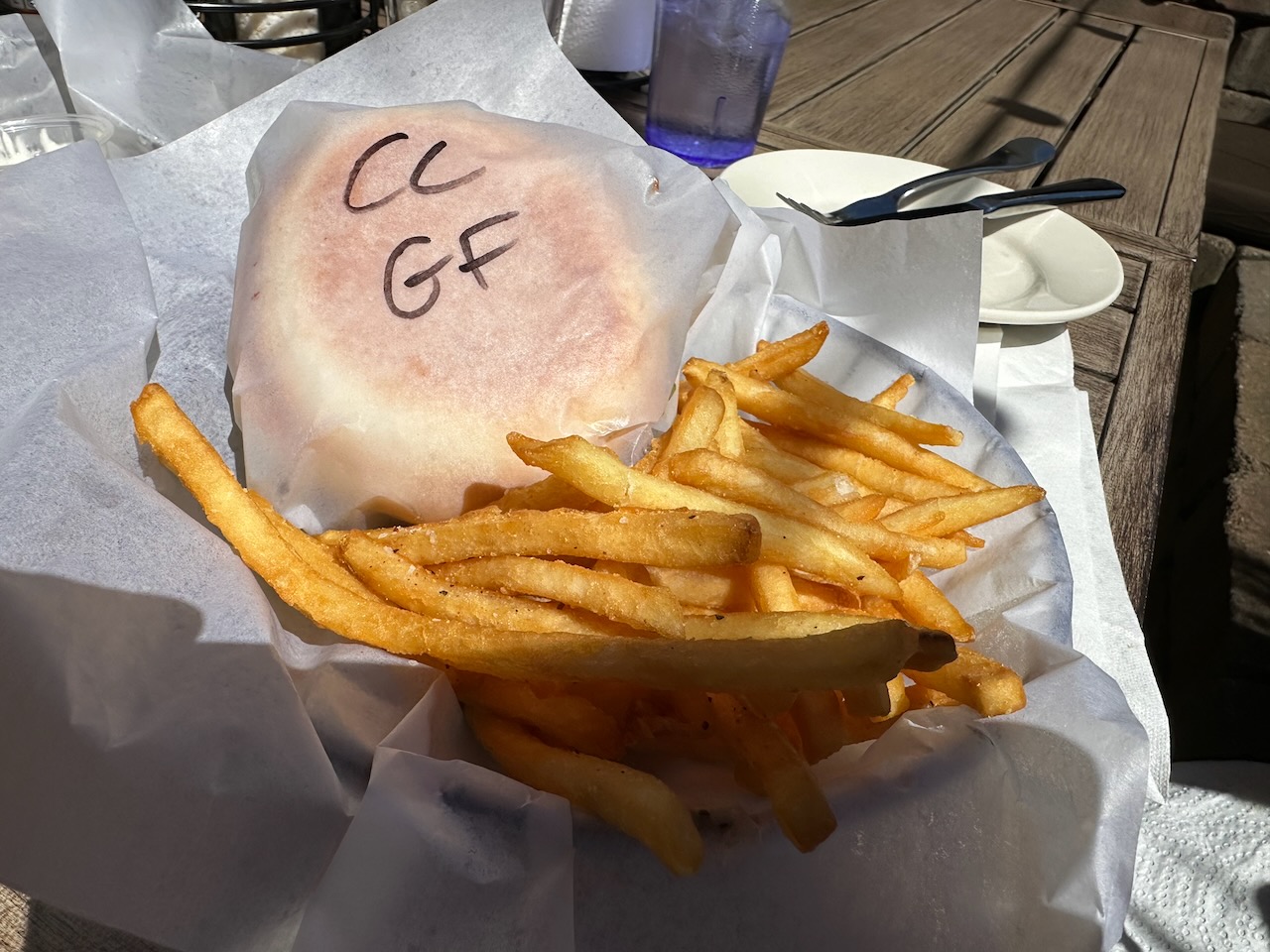
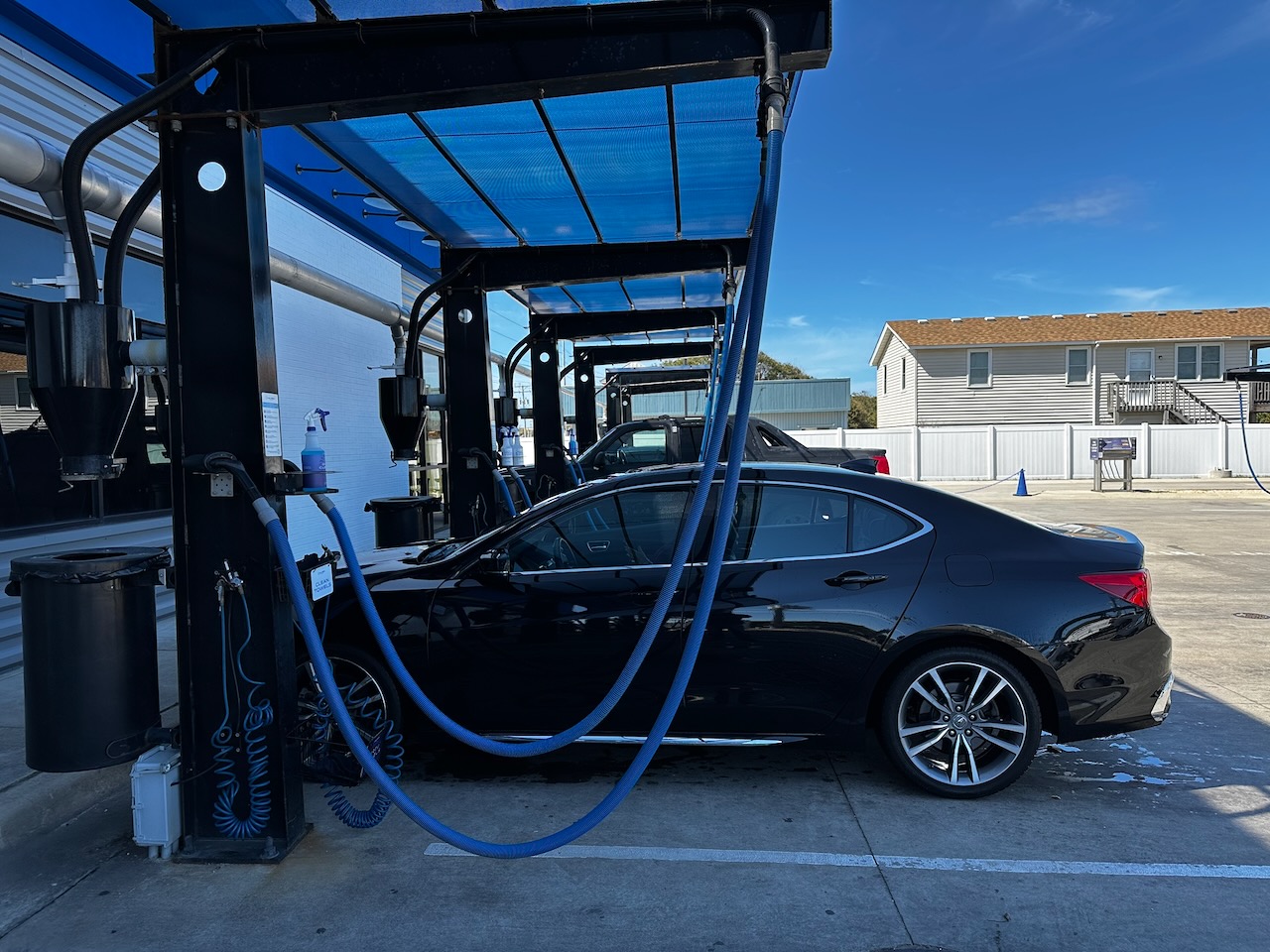
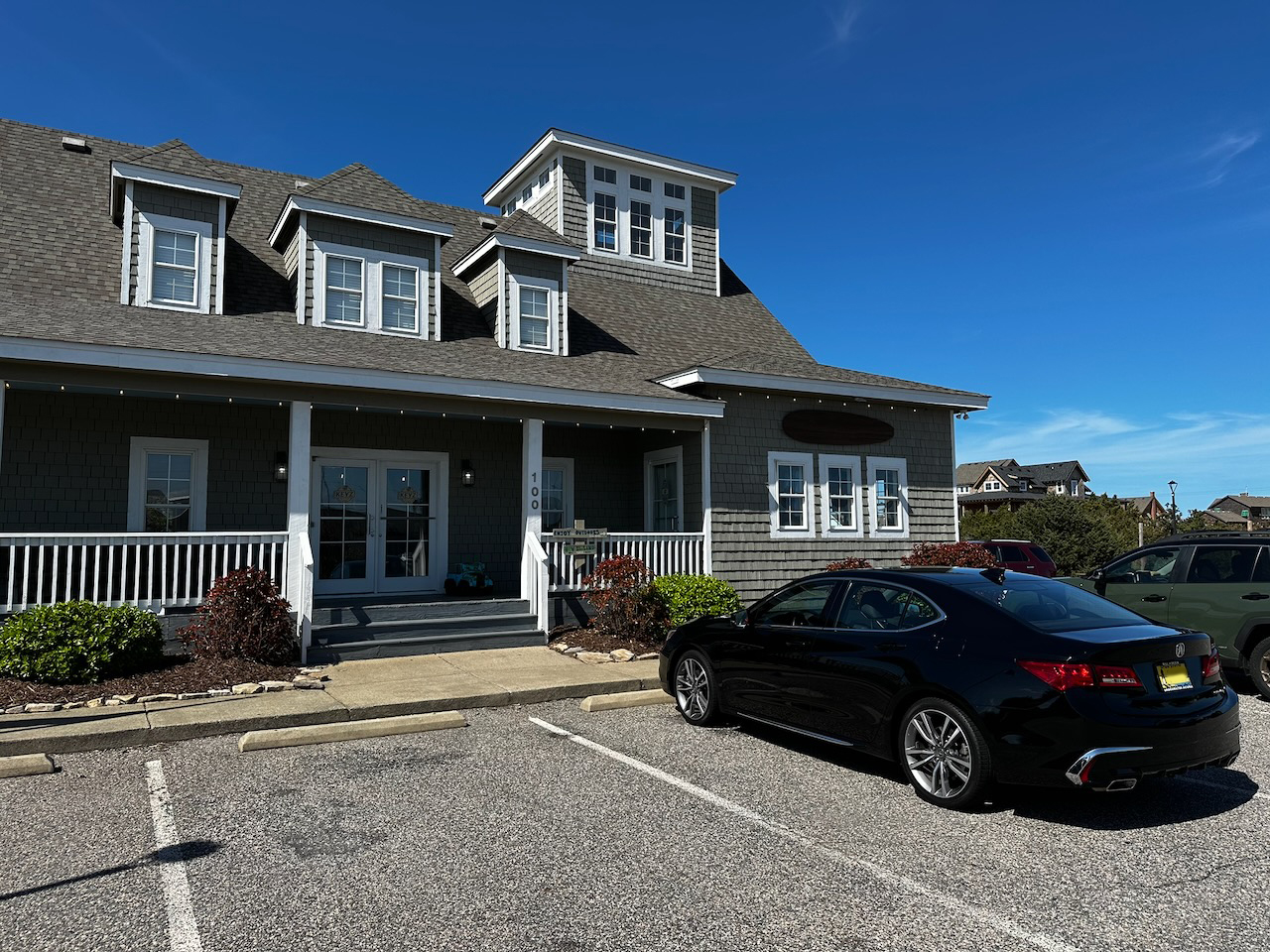
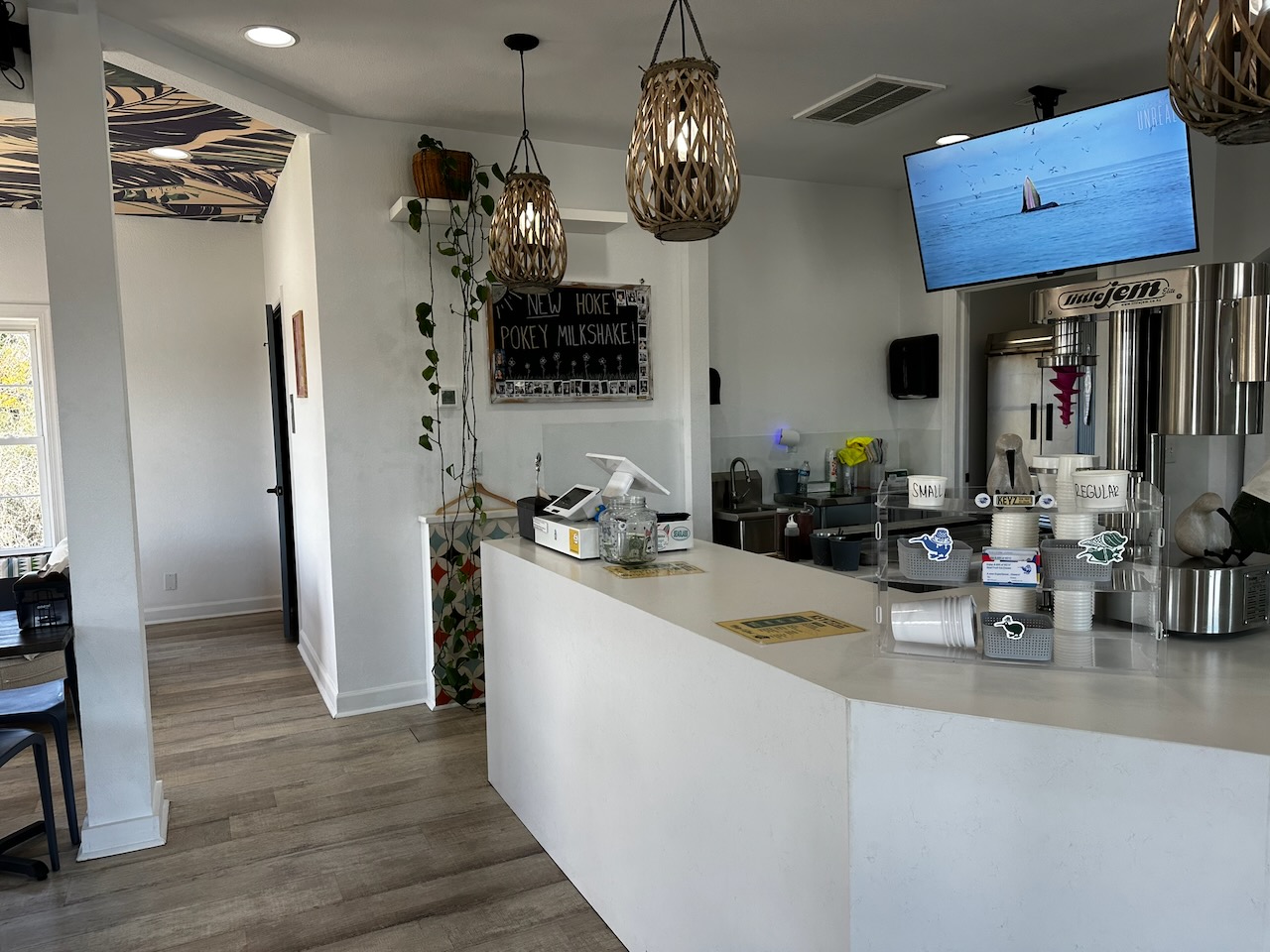
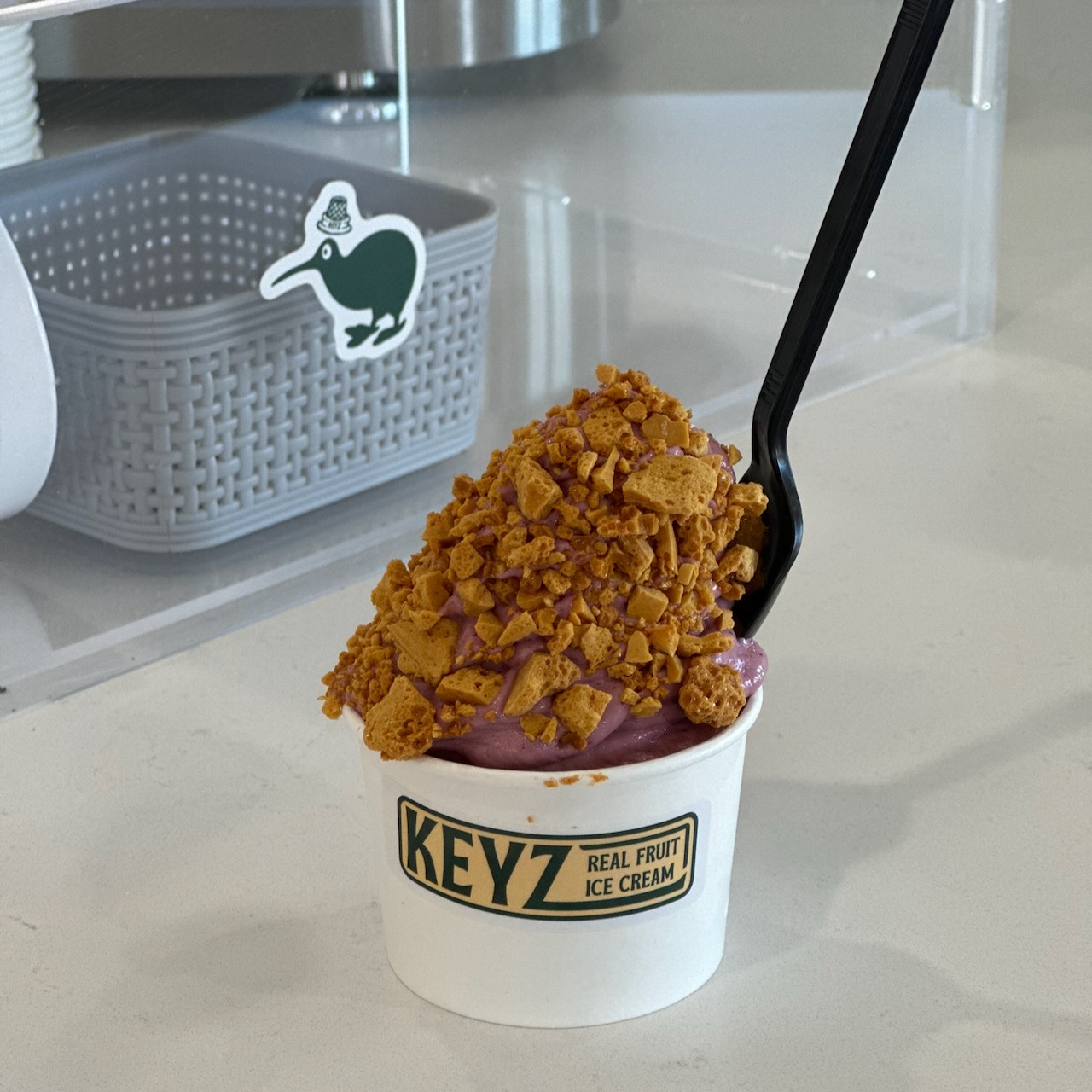
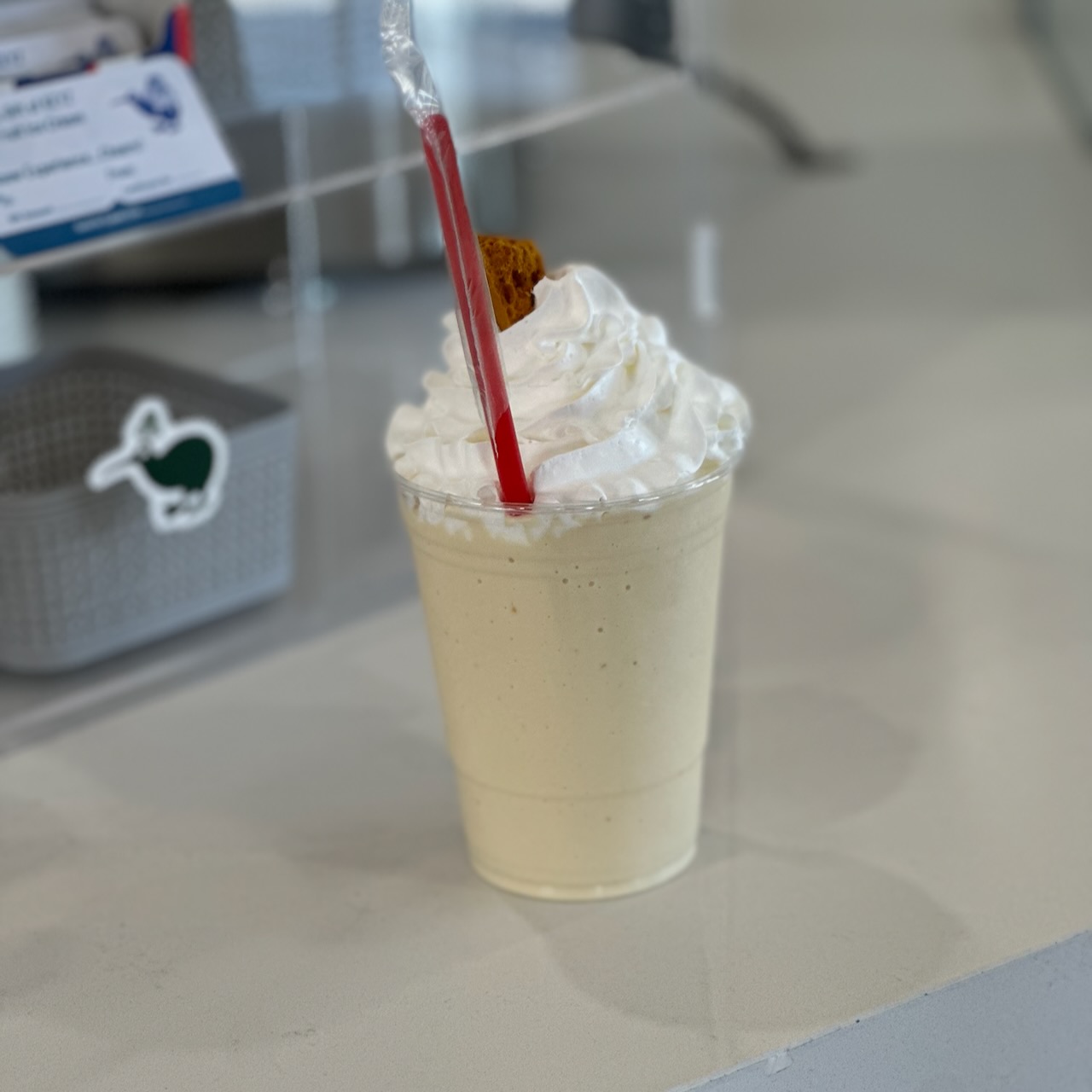
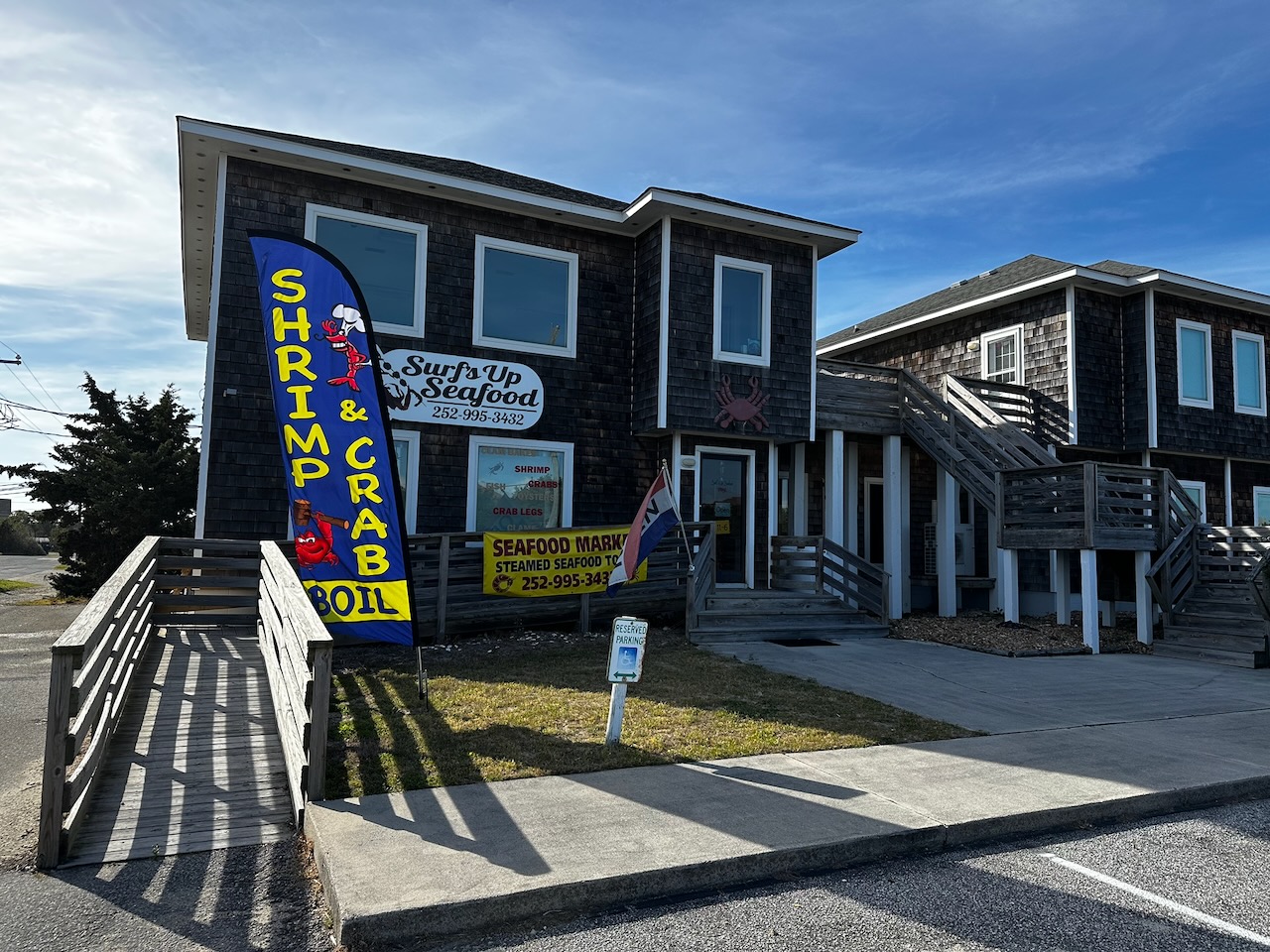
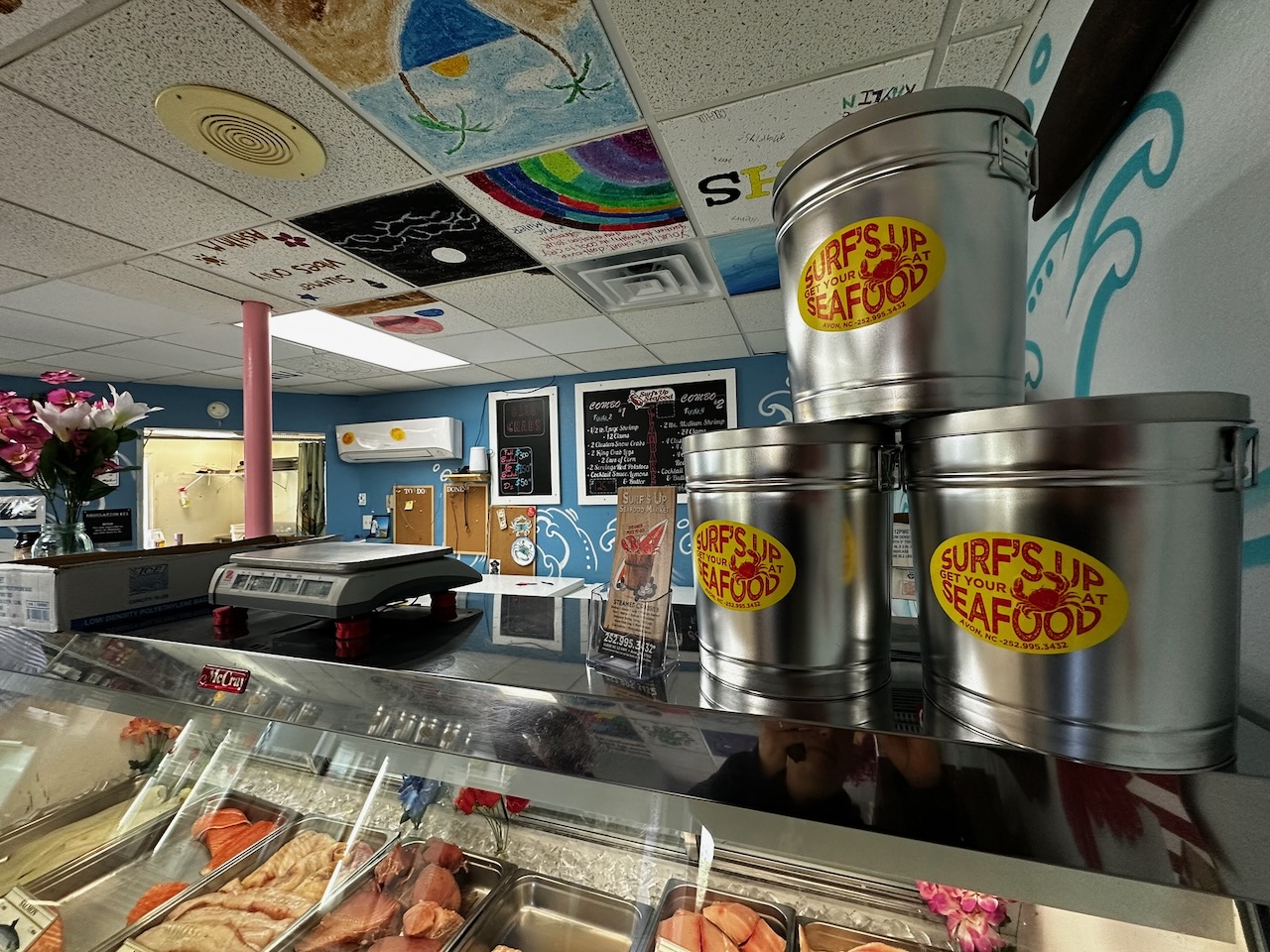
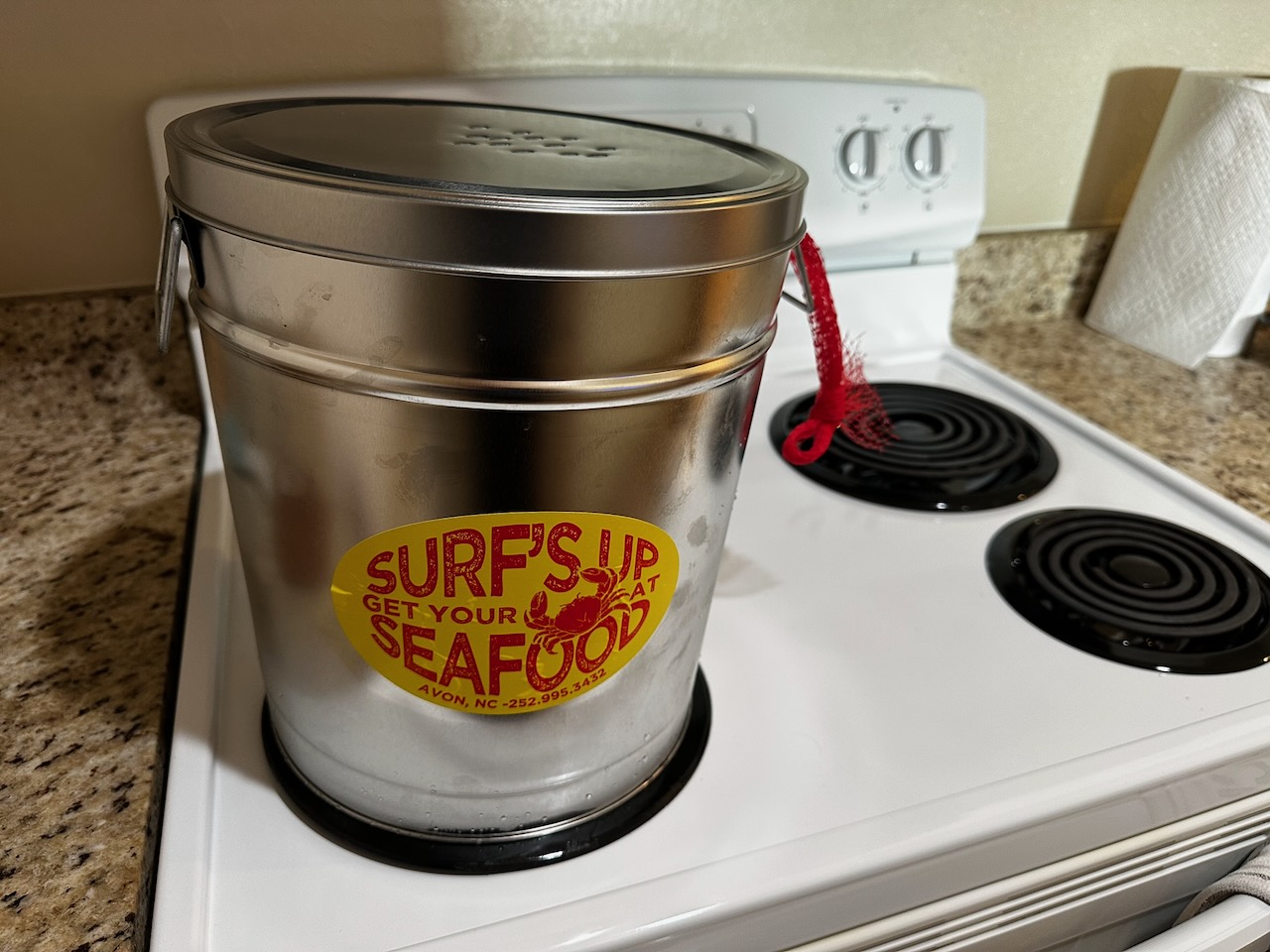
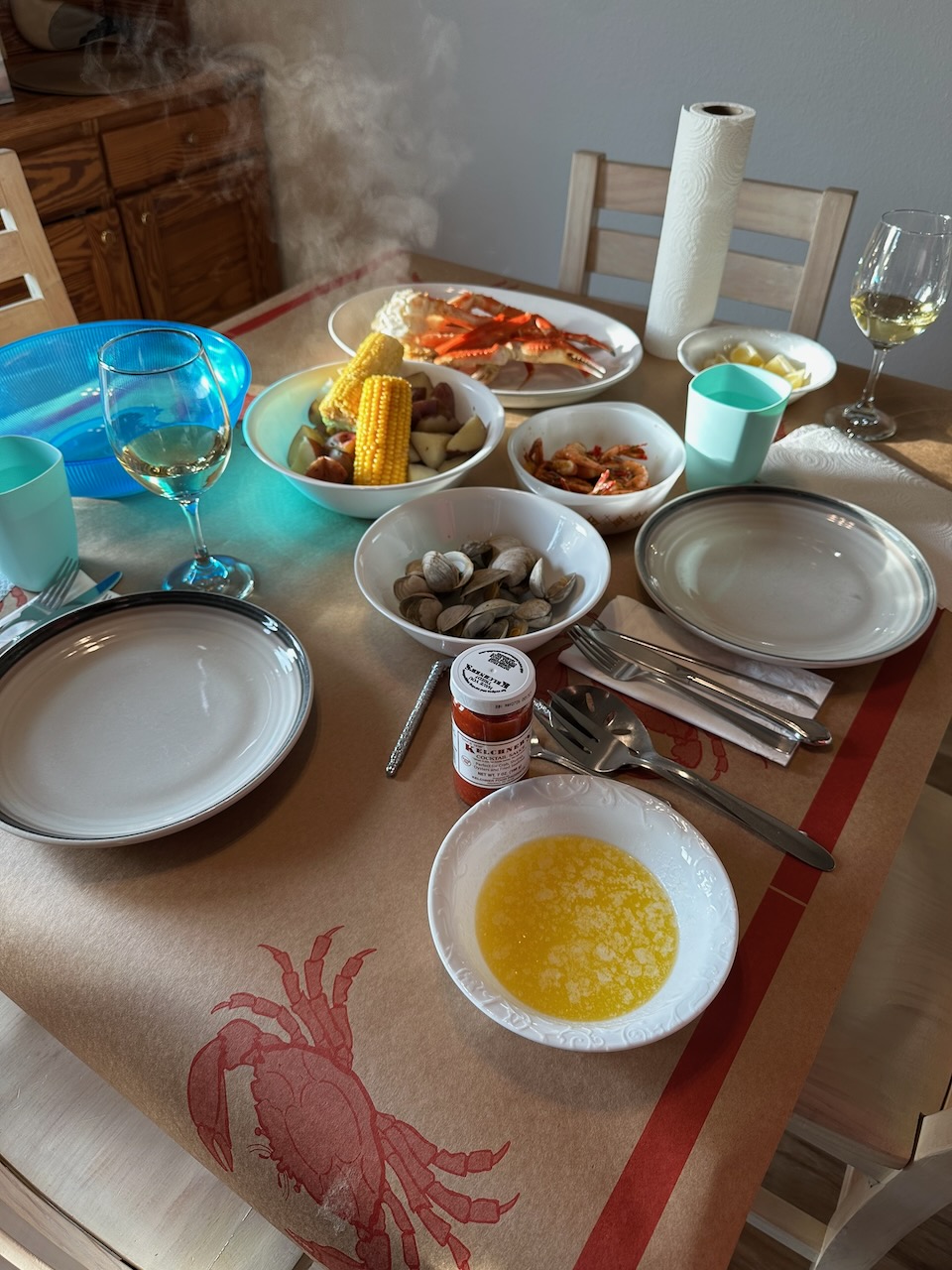
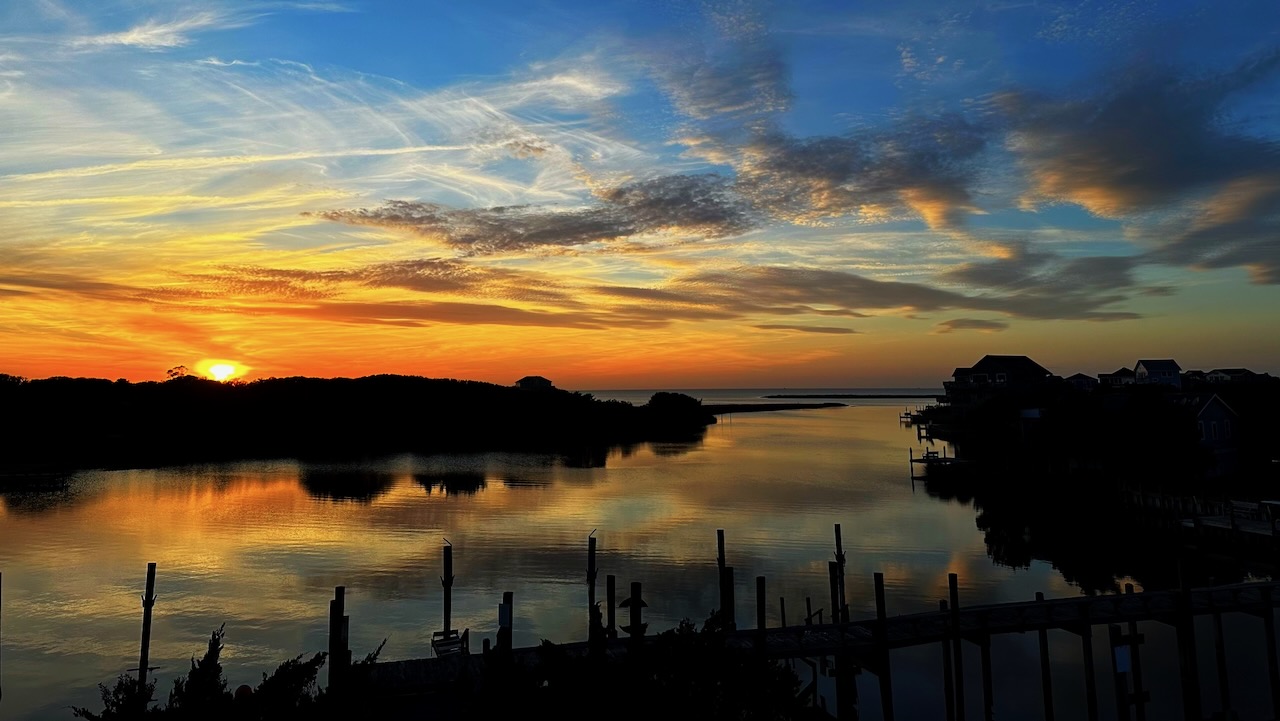
The next morning we were on the road early to do some exploring of the Outer Banks’ northern reaches.Our first stop? Currituck Beach Lighthouse! Built in 1875, this lighthouse still is in active use. It is also open for visitors to climb.Longtime readers will know this faithful scribe suffers from an acute fear of heights. Climbing lighthouses usually involves sweaty palms, heart palpitations, and a churning stomach. Regardless, I forked over my $13 admission fee, signed the waiver of liability, and began my trek upward.This lighthouse was a dream to climb! Every 20 steps is a landing, which both provides rest points on the way up, while also blocking the view downward. It was the least-stressful lighthouse climb I’ve ever had, and the view through the windows was quite lovely.The view from the top was spectacular… and only mildly terrifying.I actually lingered at the top a bit longer than I intended, so captivated was I with the view.On the way out, I checked out a small room near the entrance that displays items from the keepers who maintained the lighthouse. If you’re in the Outer Banks, Currituck Beach Lighthouse is definitely worth a visit!For a little more outdoor activity, my wife discovered Currituck Banks Reserve, which features two miles of hiking through woodlands and wetlands.The hike begins on a fully accessible boardwalk. About a quarter mile into the trail, you have two options.The first option is a 1.5-mile loop trail through the woods. The trail is well marked – just follow the ample white markers for an easy hike.The wooded hike was lovely. Although the trailhead signage mentioned numerous wildlife that lived in the woods, nothing came across our path.Finish the loop hike and you return to the boardwalk for the second hiking option: an additional 0.3 mile stroll to a tidal estuary.The payoff for the hike was a beautiful view of an inlet and Currituck Sound.As we were about to leave, we spotted a lone egret wading in low waters.I did get some wildlife photography opportunities after all!While New Jersey shakes off the last vestiges of winter, Spring has officially begun on the Outer Banks! My wife spotted these flowers in bloom along the trail.All that hiking built up an appetite, so we went for lunch at a gas station! Cravings Seafood and Steak Restaurant, located in the town of Duck, serves up high quality diner food in a relaxed setting. Cravings has been a hit since it was opened, and was featured on Food Network’s show Diners, Drive-Ins, and Dives.We took advantage of the beautiful weather and opted to enjoy our drinks and meal outside on the patio.We started with an order of Mahi bites – buffalo-marinated fried mahi mahi, served with celery and blue cheese.The food was absolutely fantastic. My wife thoroughly enjoyed a gluten-free crabcake, served on a gluten-free bun. I, meanwhile, indulged in a North Carolina pork barbecue sandwich, which was utterly, mouth-wateringly, brilliant. If you are on the Outer Banks, do yourself a favor and eat at Cravings at least once!We spent the afternoon running some errands. I also finally broke down and took my car to the local car wash to have all the sand, sea spray, and dirt cleaned off it.On The way back to our house, we stopped for a mid-afternoon ice cream snack at Keyz New Zealand Style Ice Cream. Ever hear of New Zealand ice cream? Neither had we!New Zealand-style ice cream (also called “real fruit ice cream”) blends ice cream and fresh fruit, creating deep, creamy, sweet flavors.My wife ordered a cup of dairy-free vanilla ice cream with kookaberry (a blend of strawberry, raspberry, and blueberries), topped with Hokey Pokey (crunchy lumps of honeycomb toffee).Meahwhile, I gulped down my Hokey Pokey milkshake – vanilla with blended honeycomb toffee. How were our treats? In the words of Neil Diamond: “So good! So good! So good!”In planning our trip, my wife and I received numerous recommendations. A coworker had recommended Surf’s Up Seafood Market in Avon.Grouper, crab cakes, shrimp, tilapia… there were so many enticing options. We, however, were feeling a bit more adventurous.We ordered a clam bake tin! Crab legs, clams, shrimp, potatoes, and corn were seasoned and placed in this tin can. Simply take it home, add some water, and follow the directions to steam your own clam bake!Dinner was AMAZING! The seafood was seasoned perfectly, and the steam-at-home directions could not have been easier. So very, very delicious!Mother Nature gave us another beautiful sunset to end the day. We headed to bed early, as our next day would be our last full day on the islands and our itinerary was chock-full.
Day 4 – The Southern Outer Banks
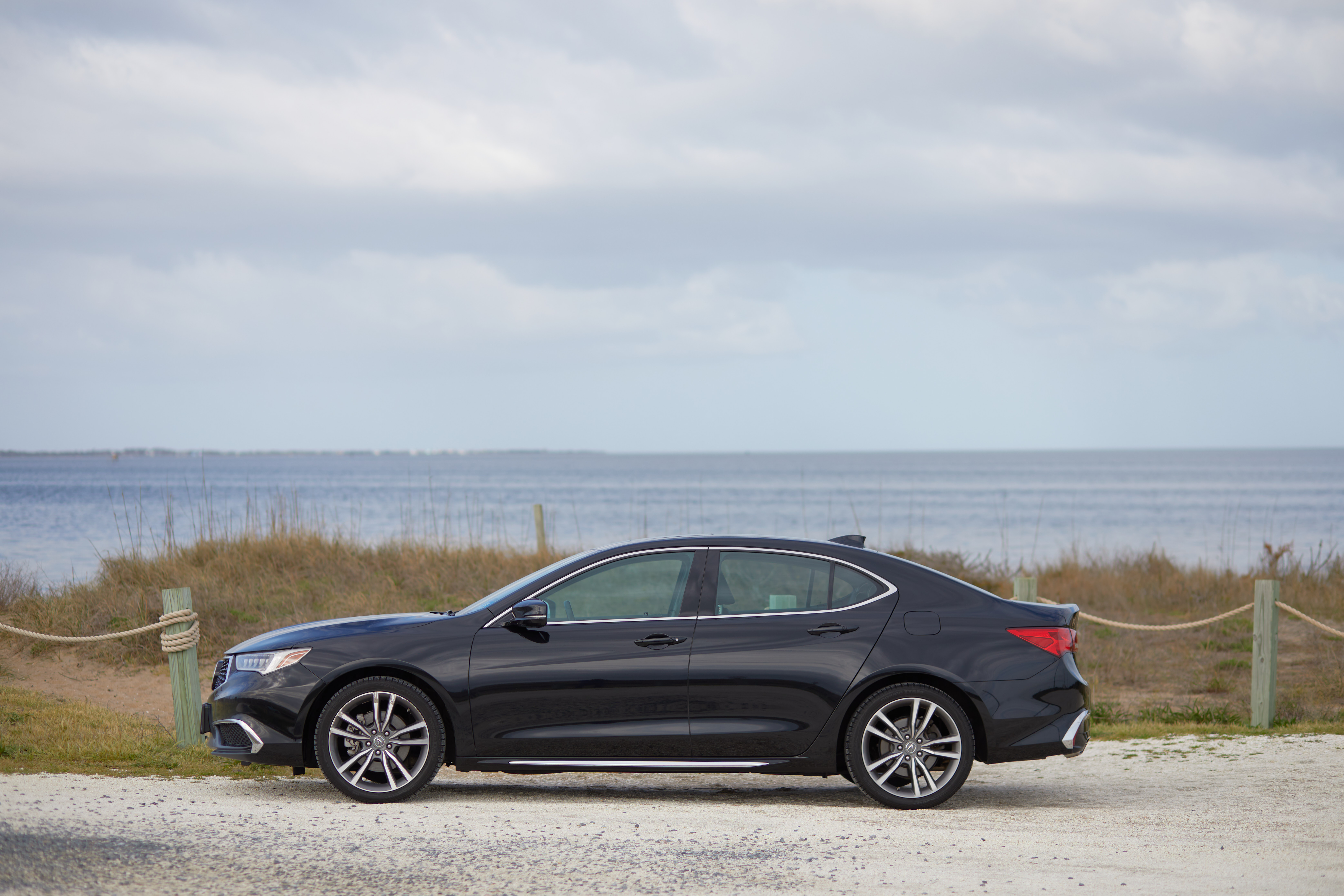
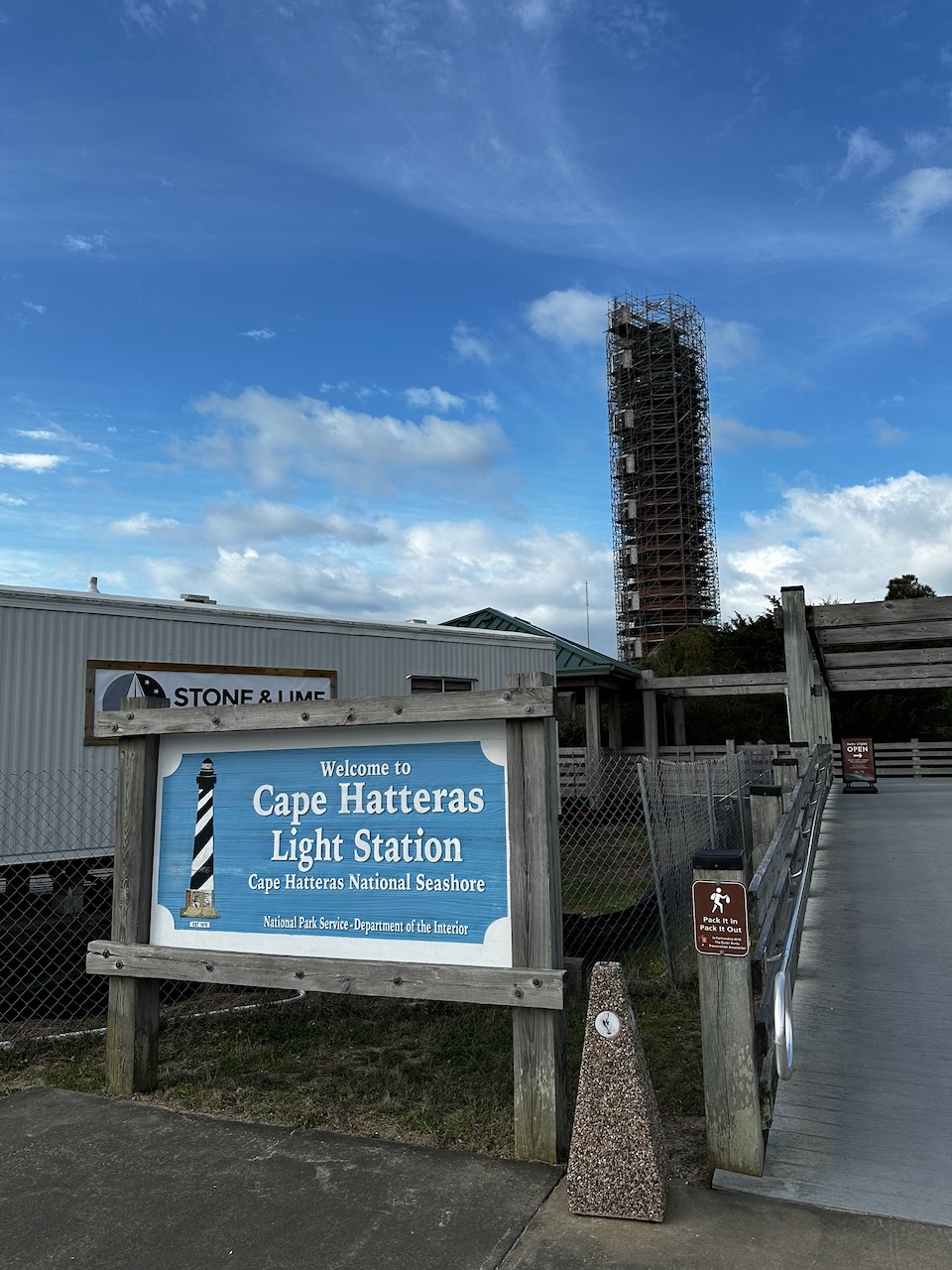
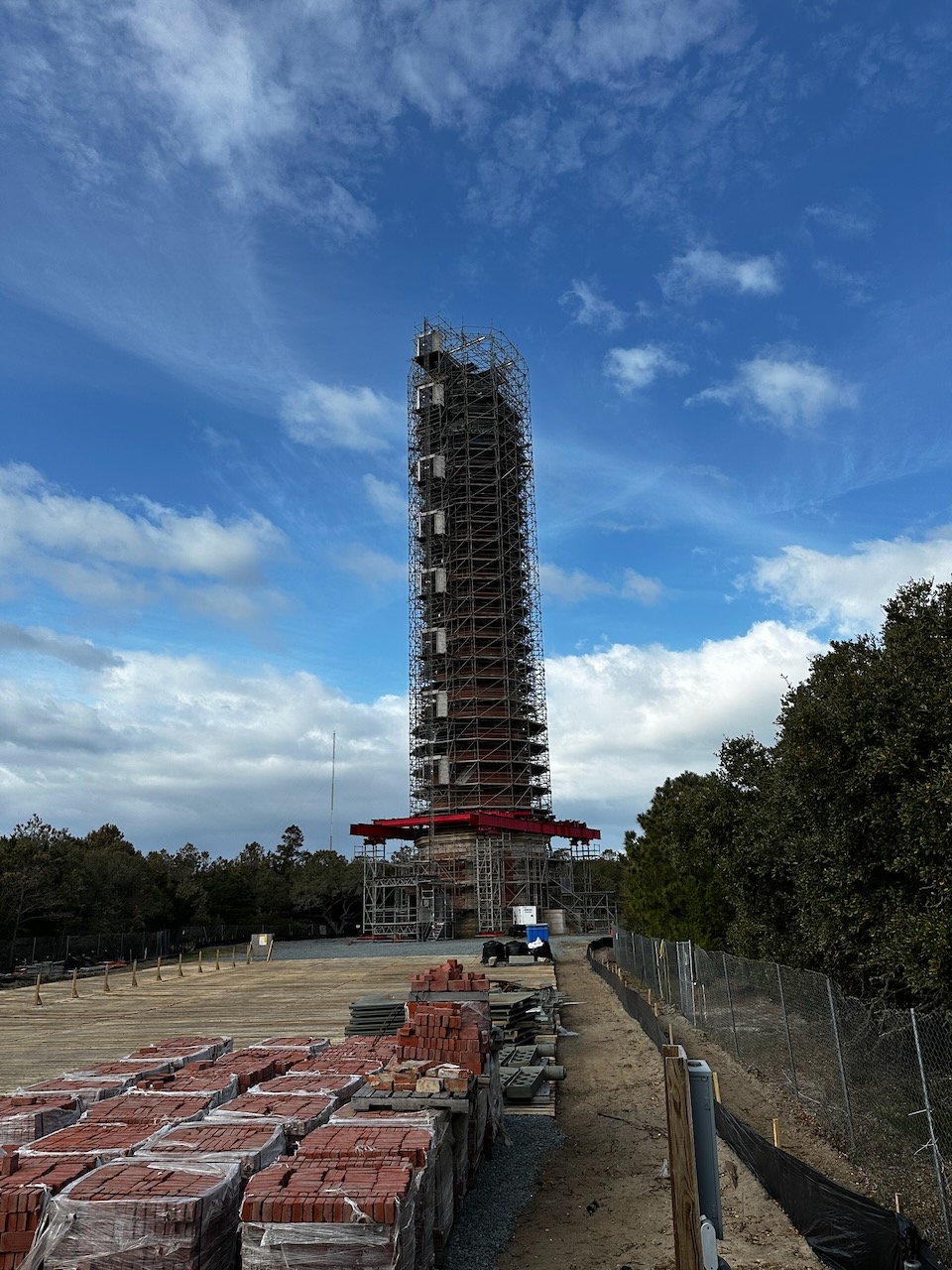
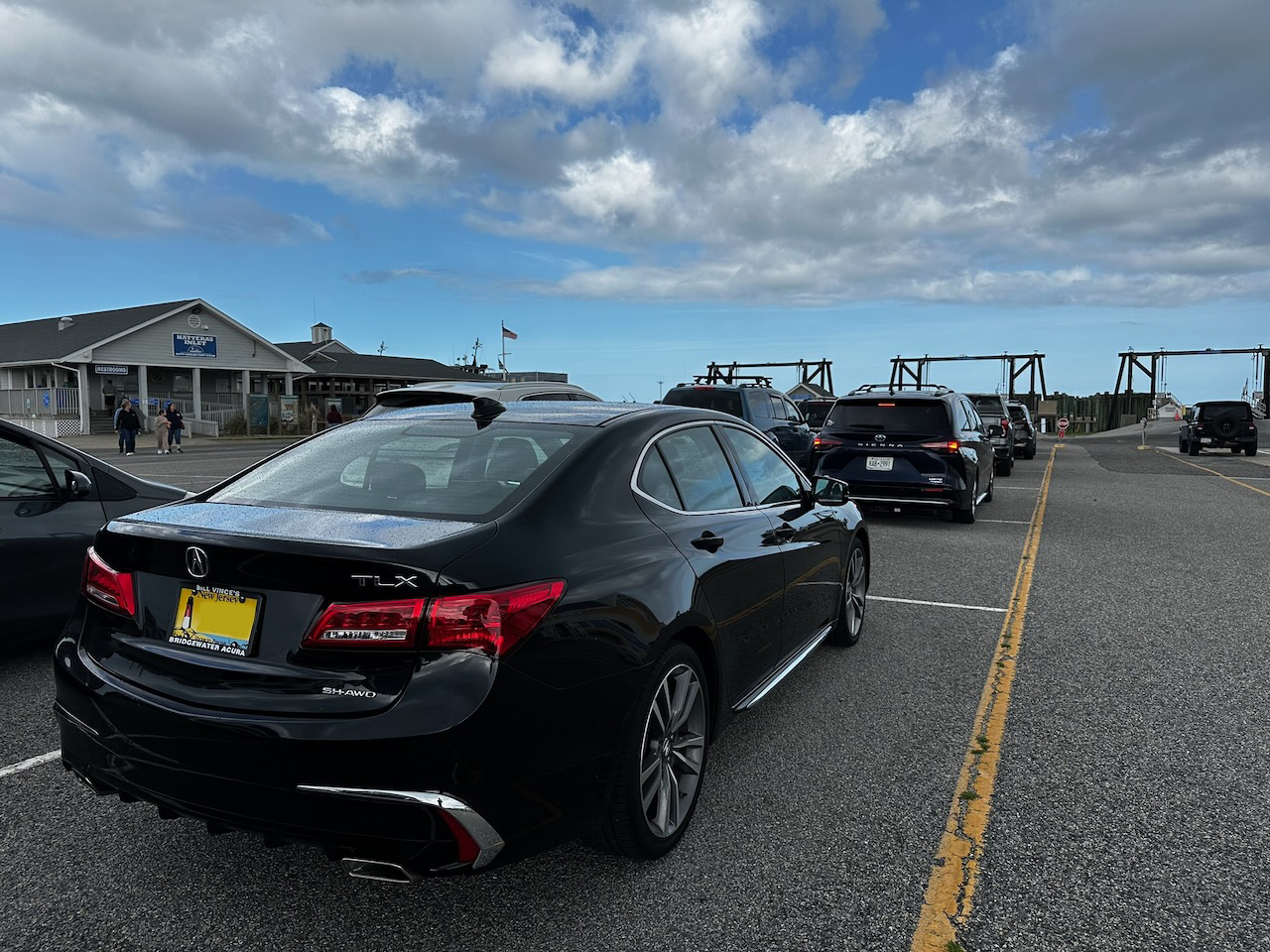
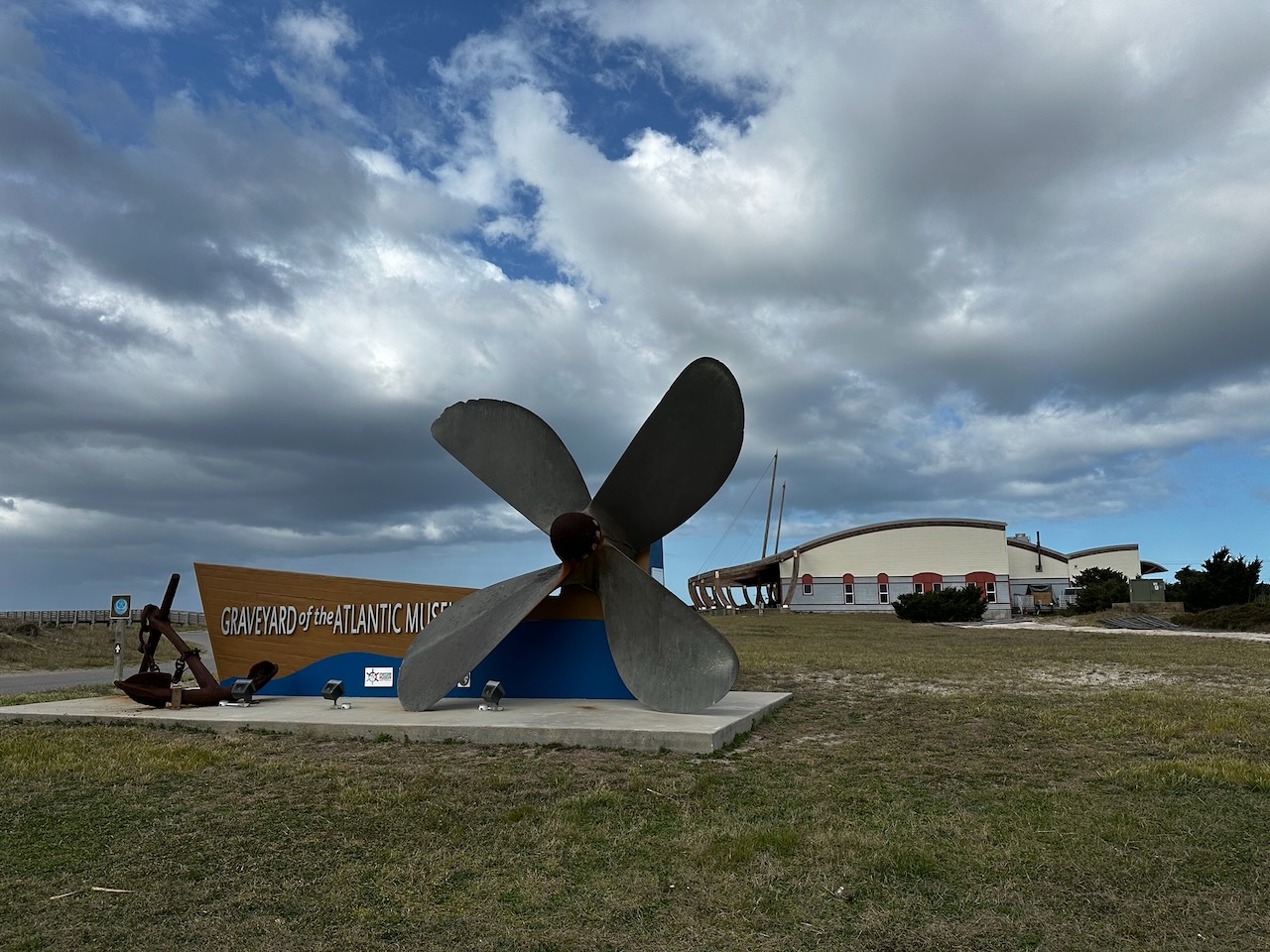
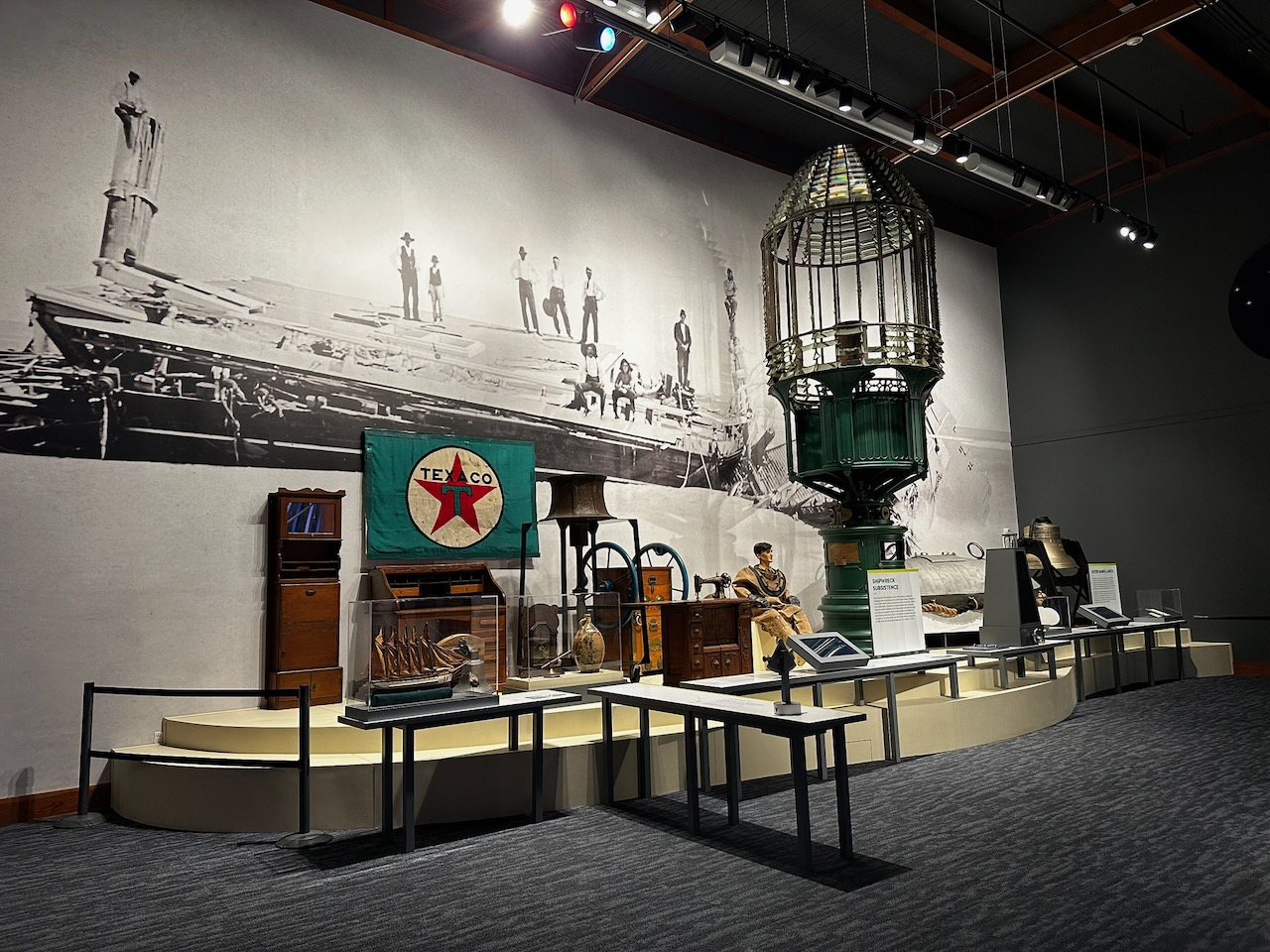
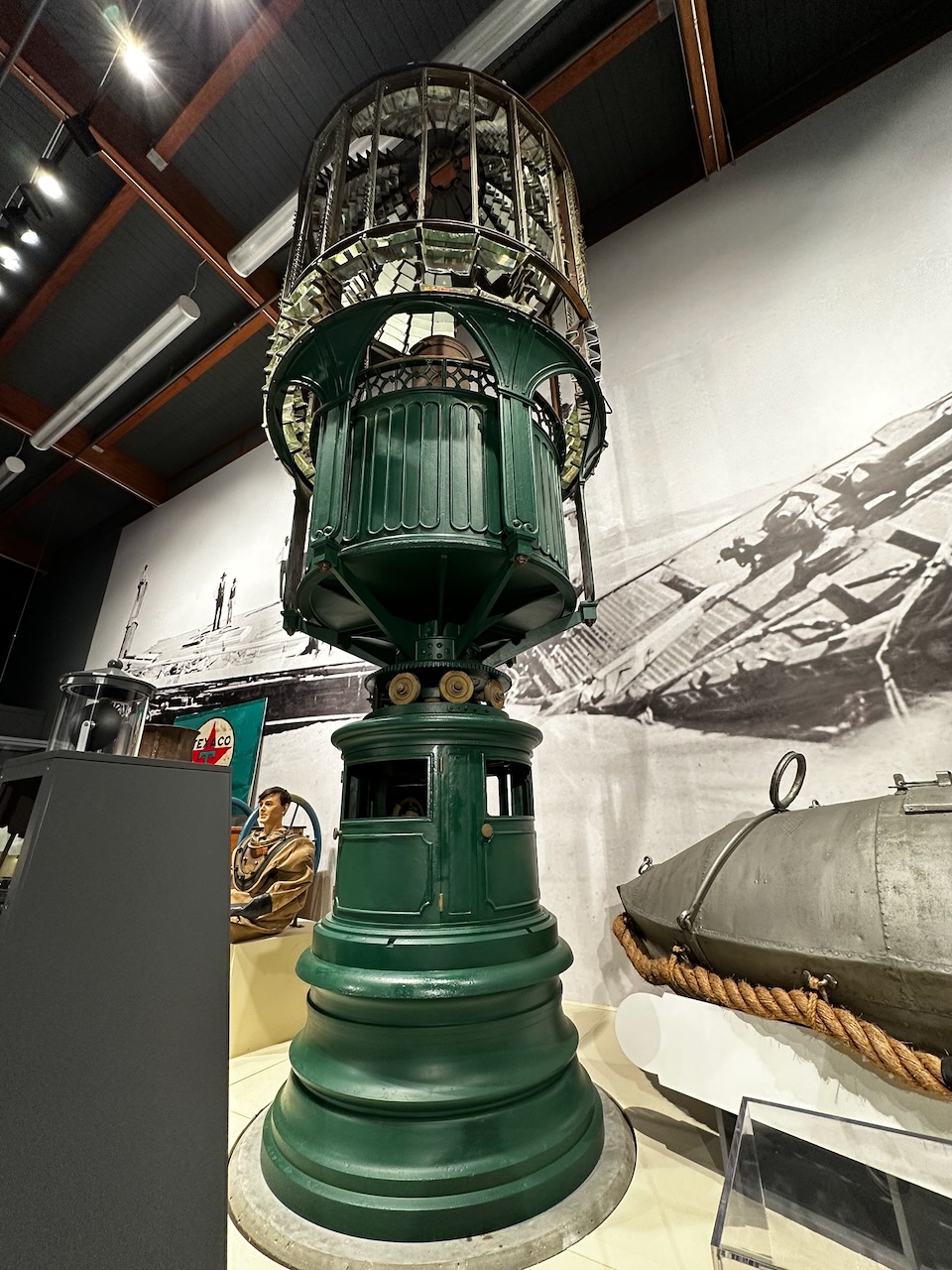
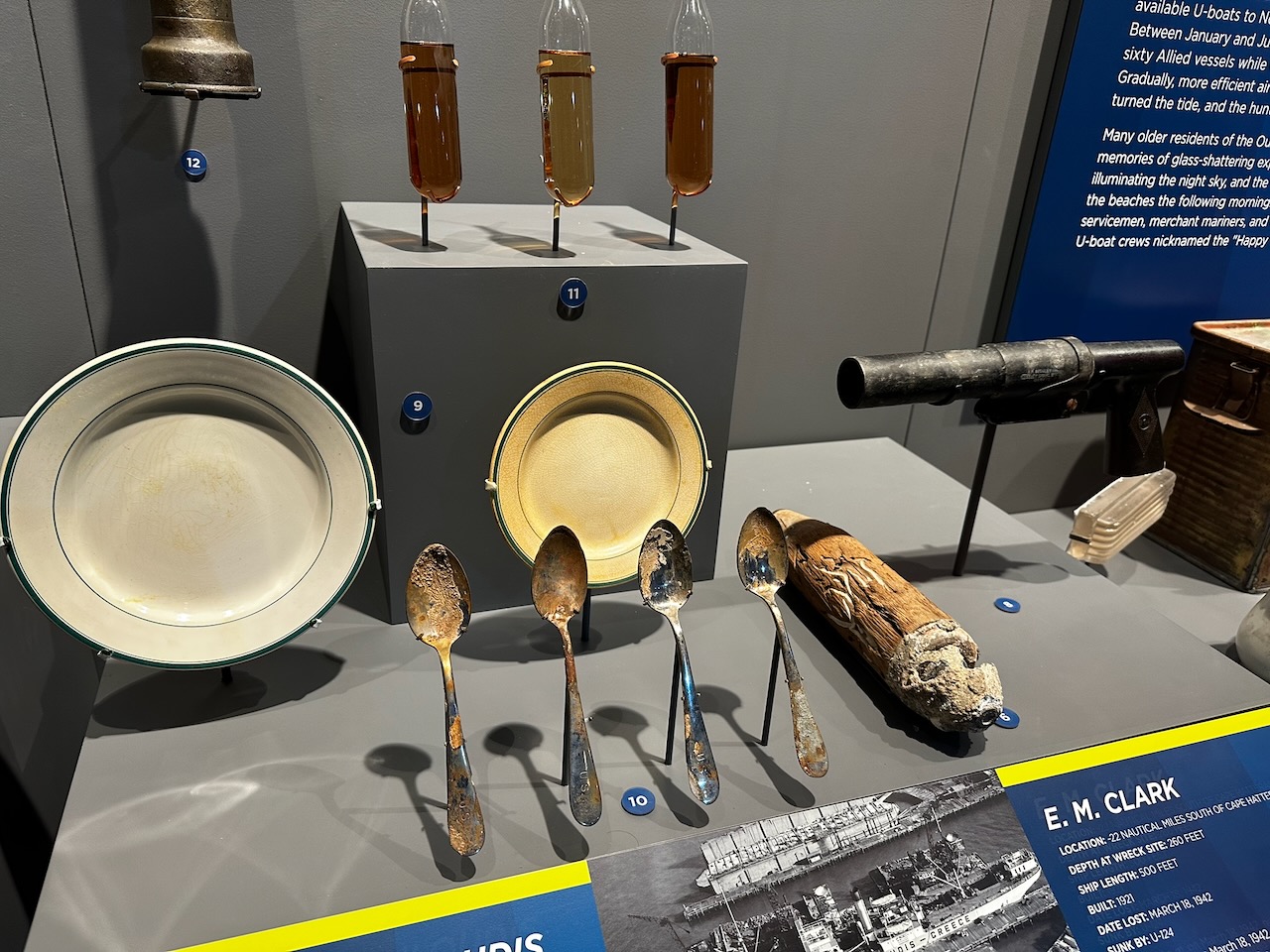
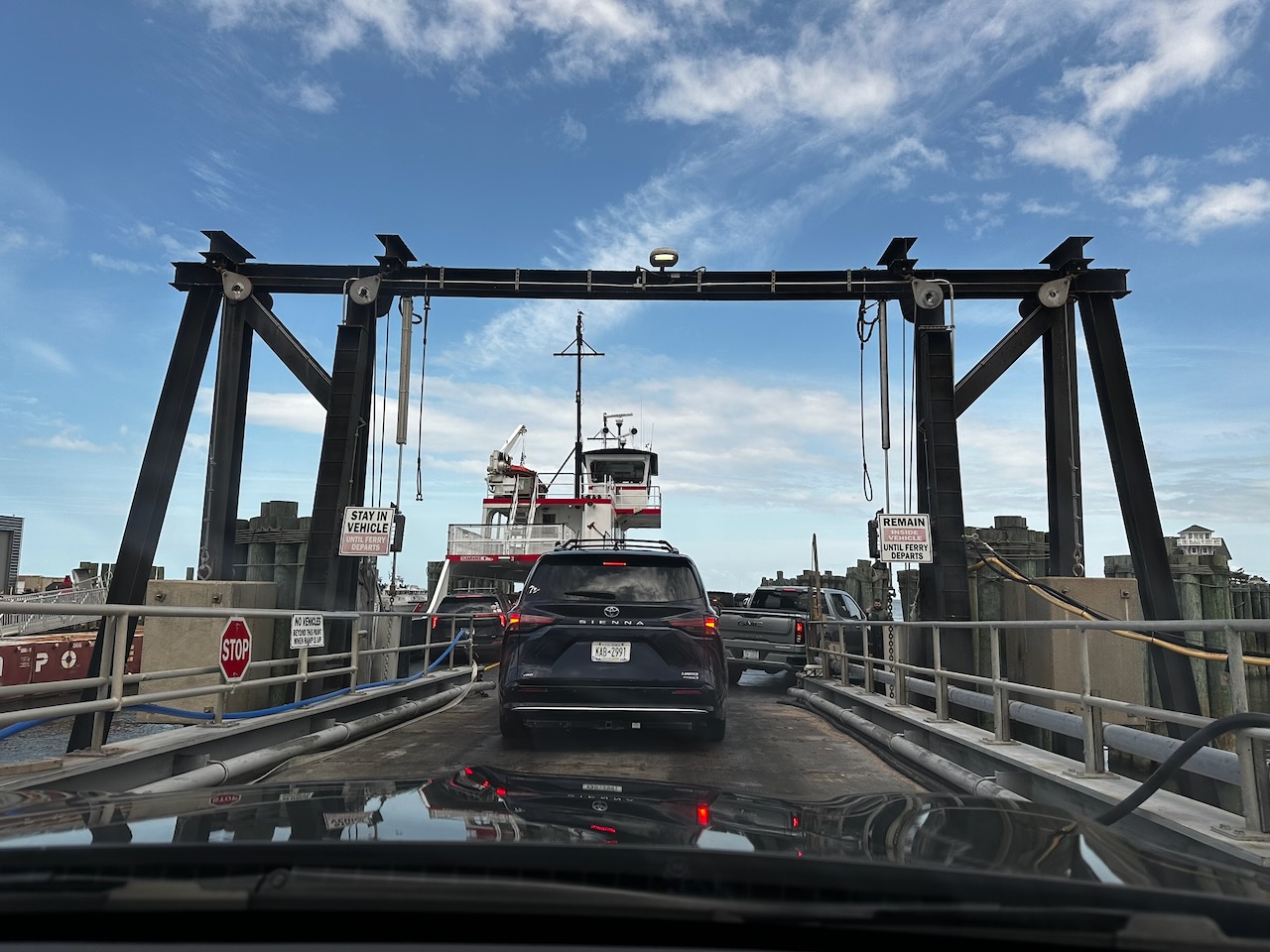
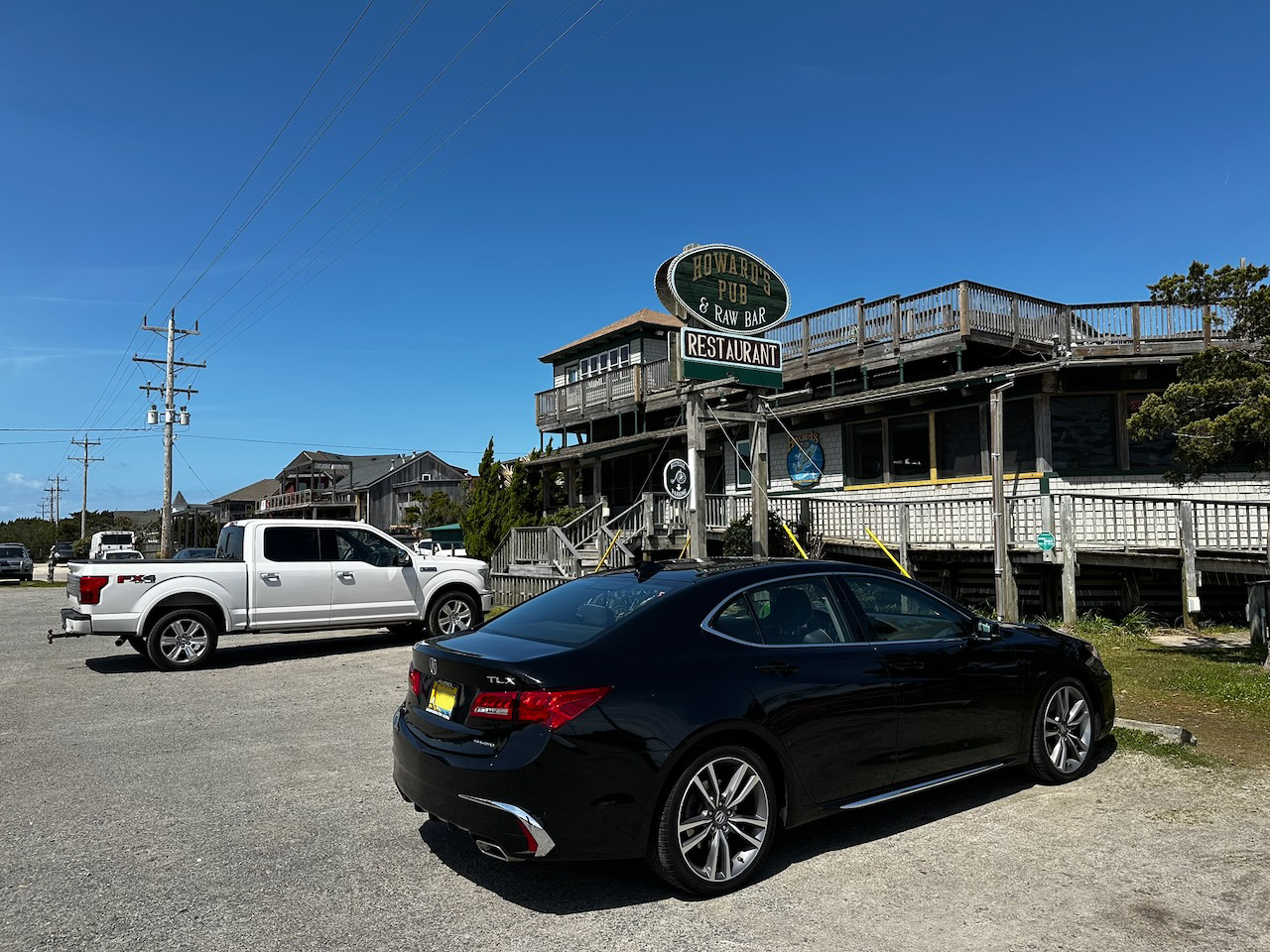
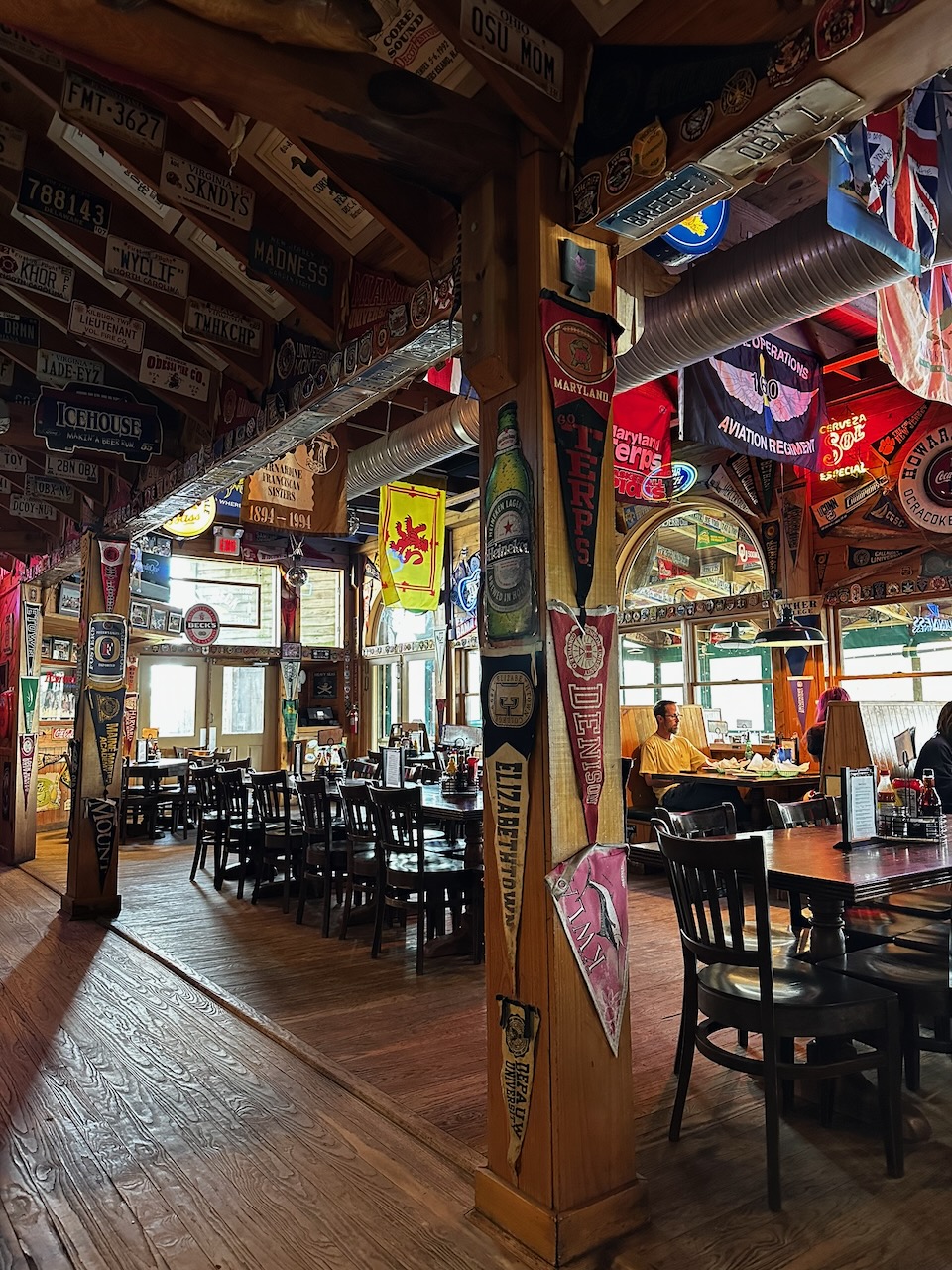
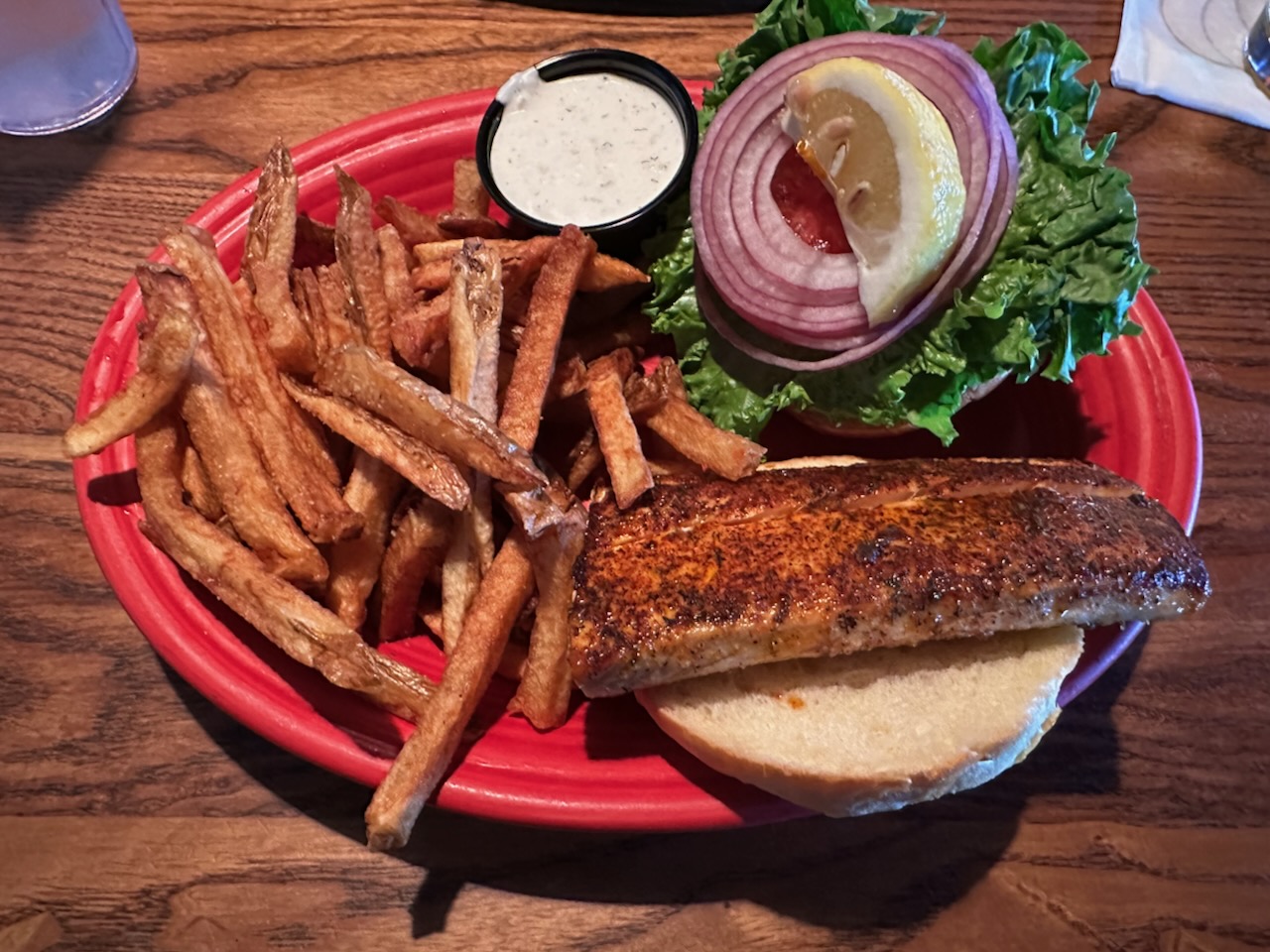
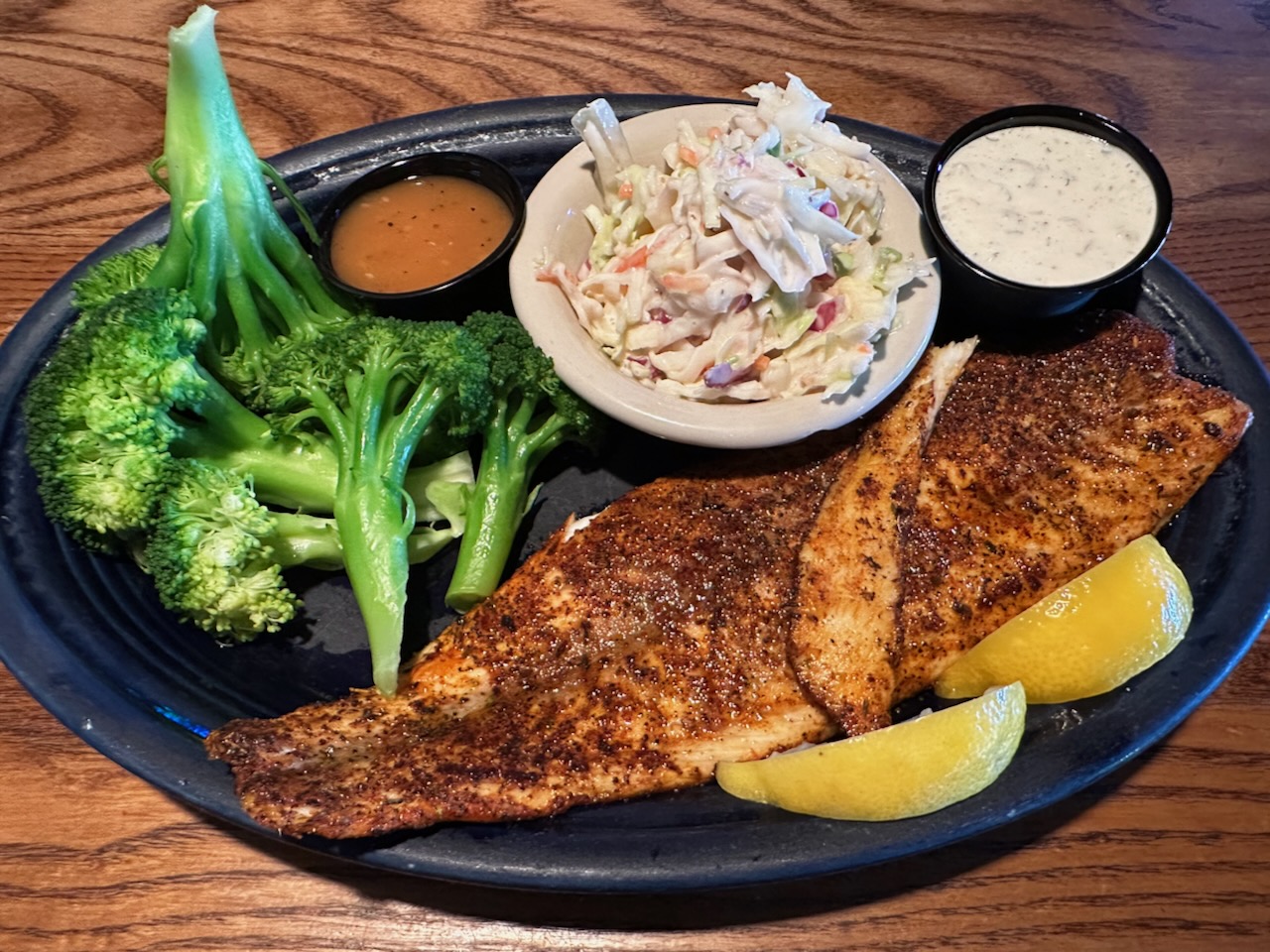
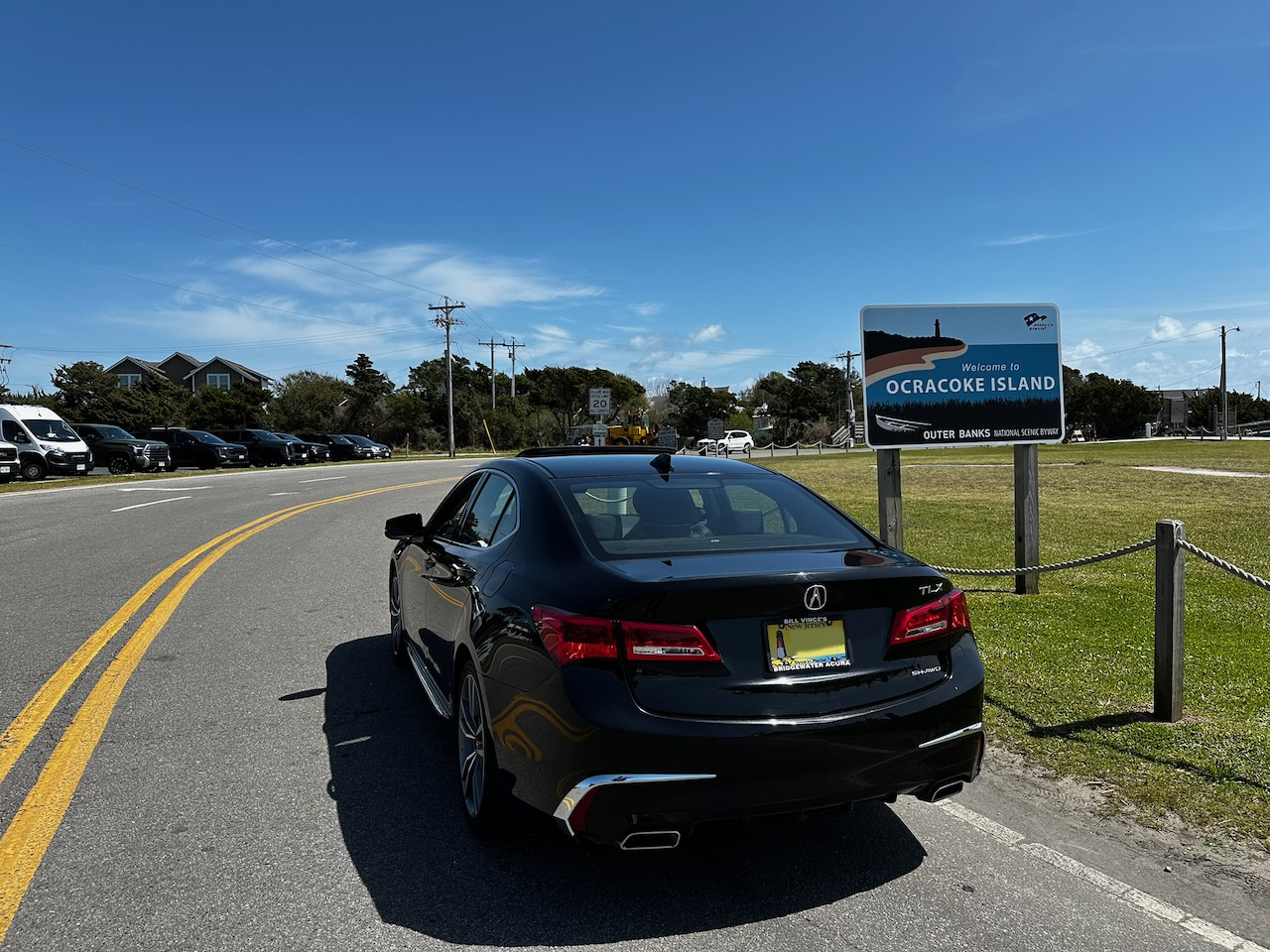
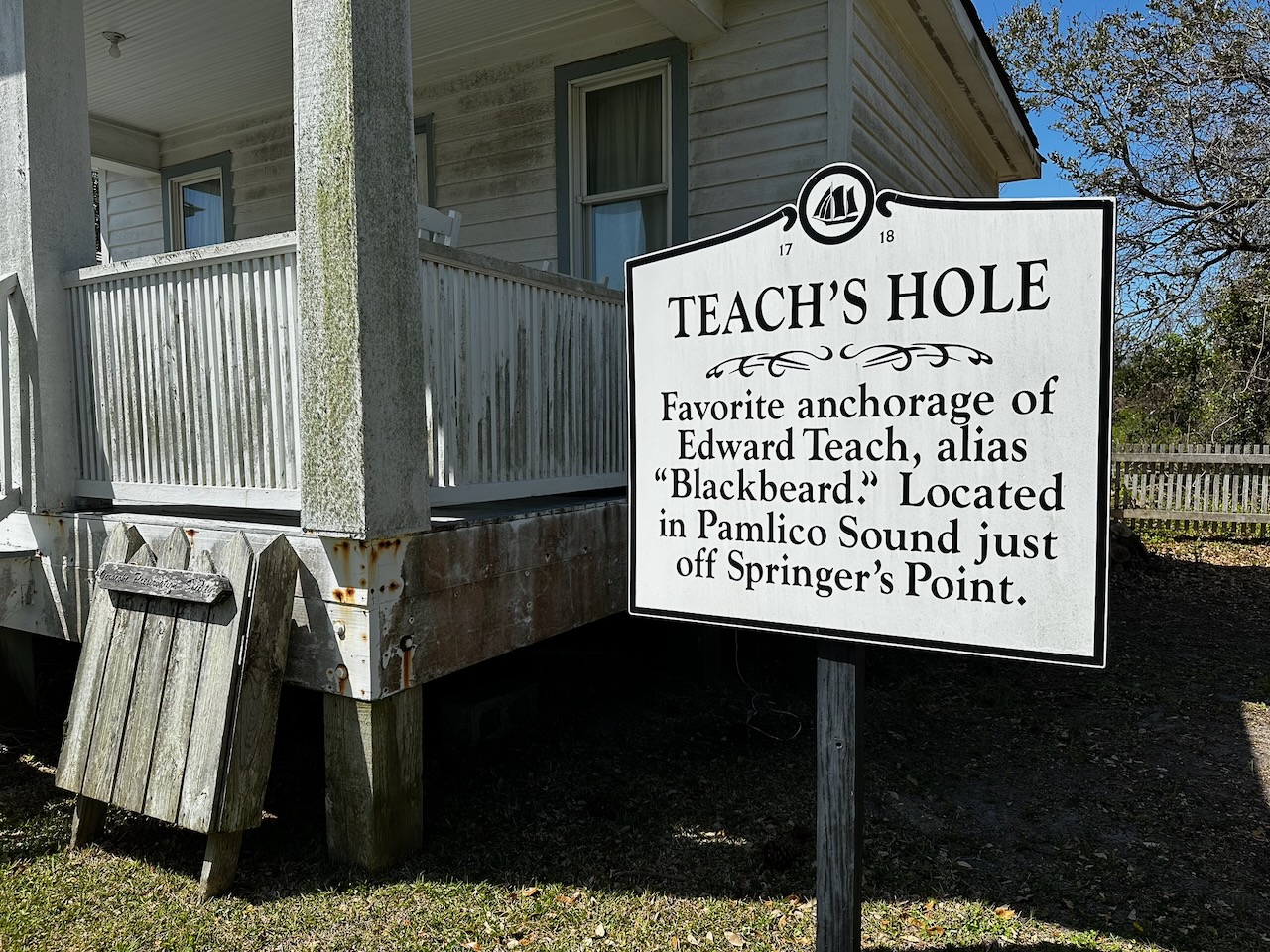
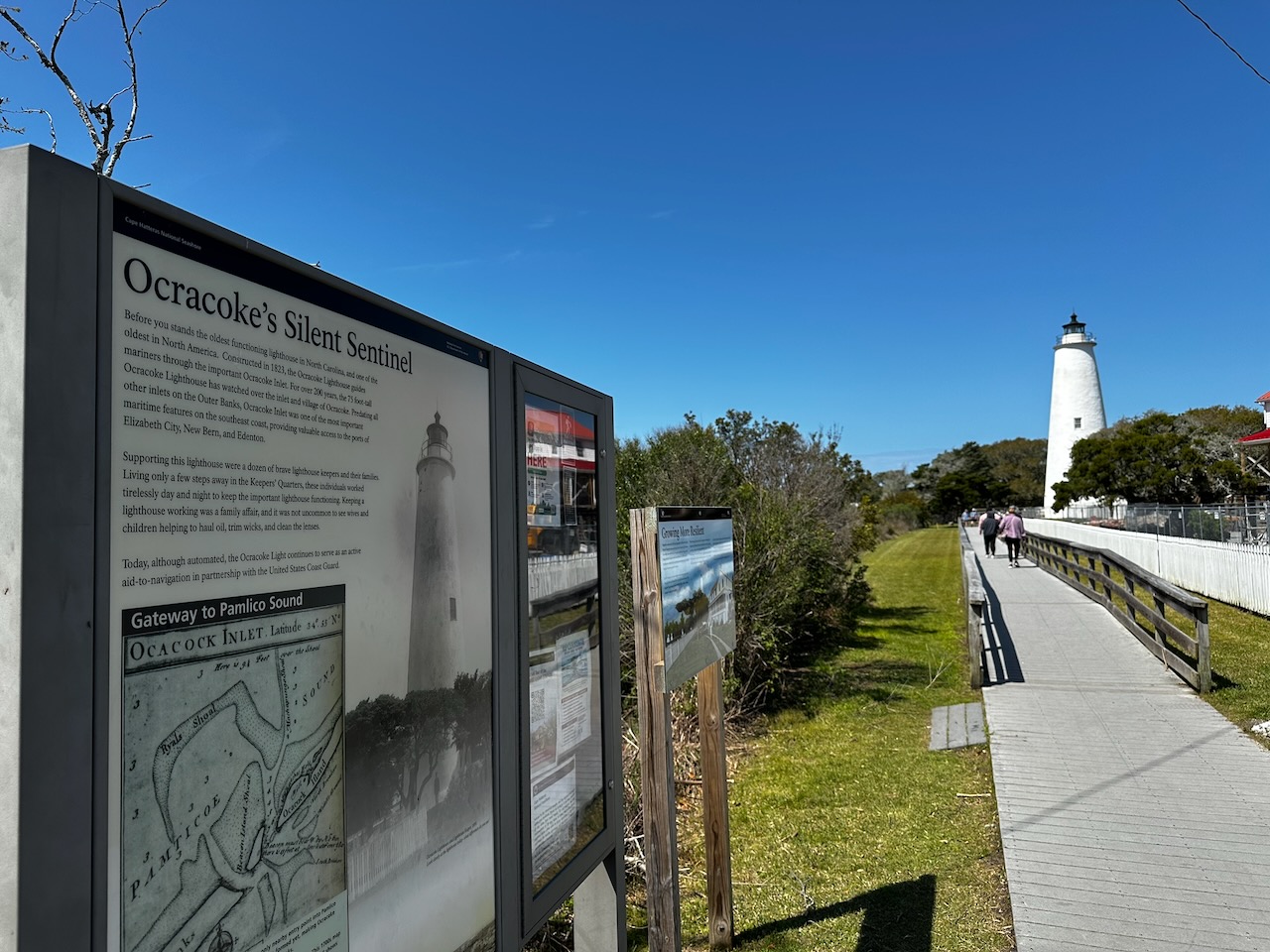
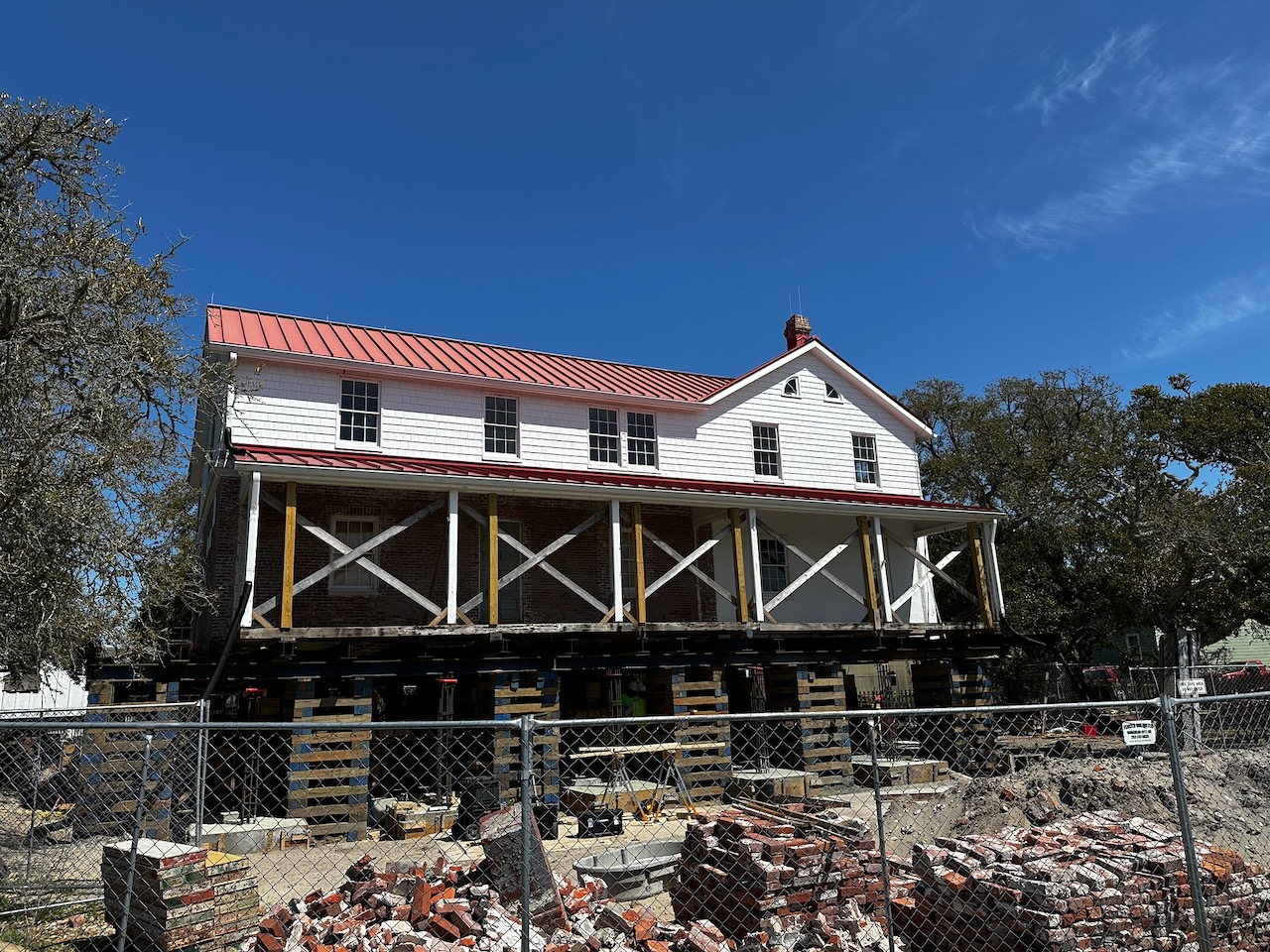
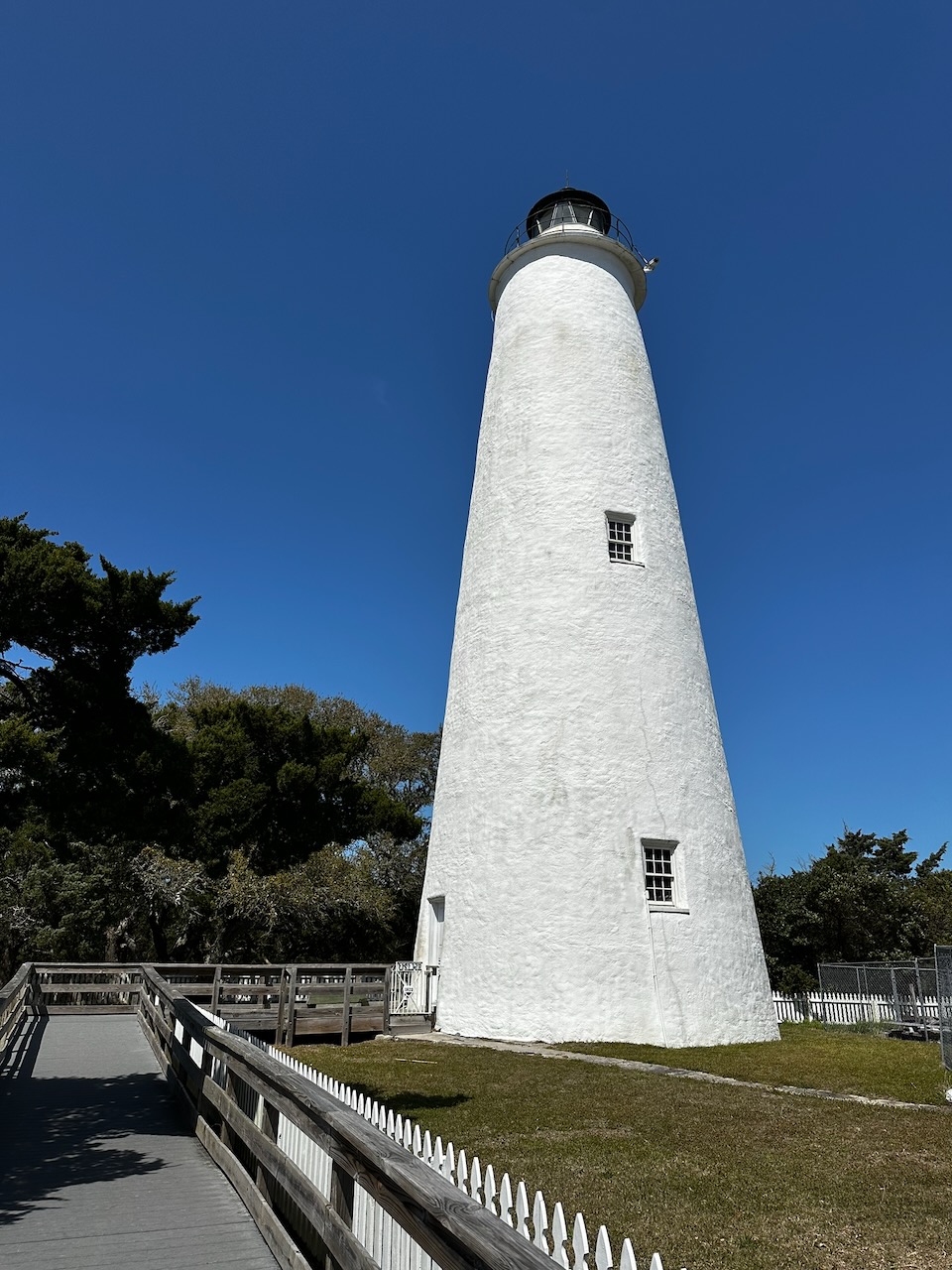
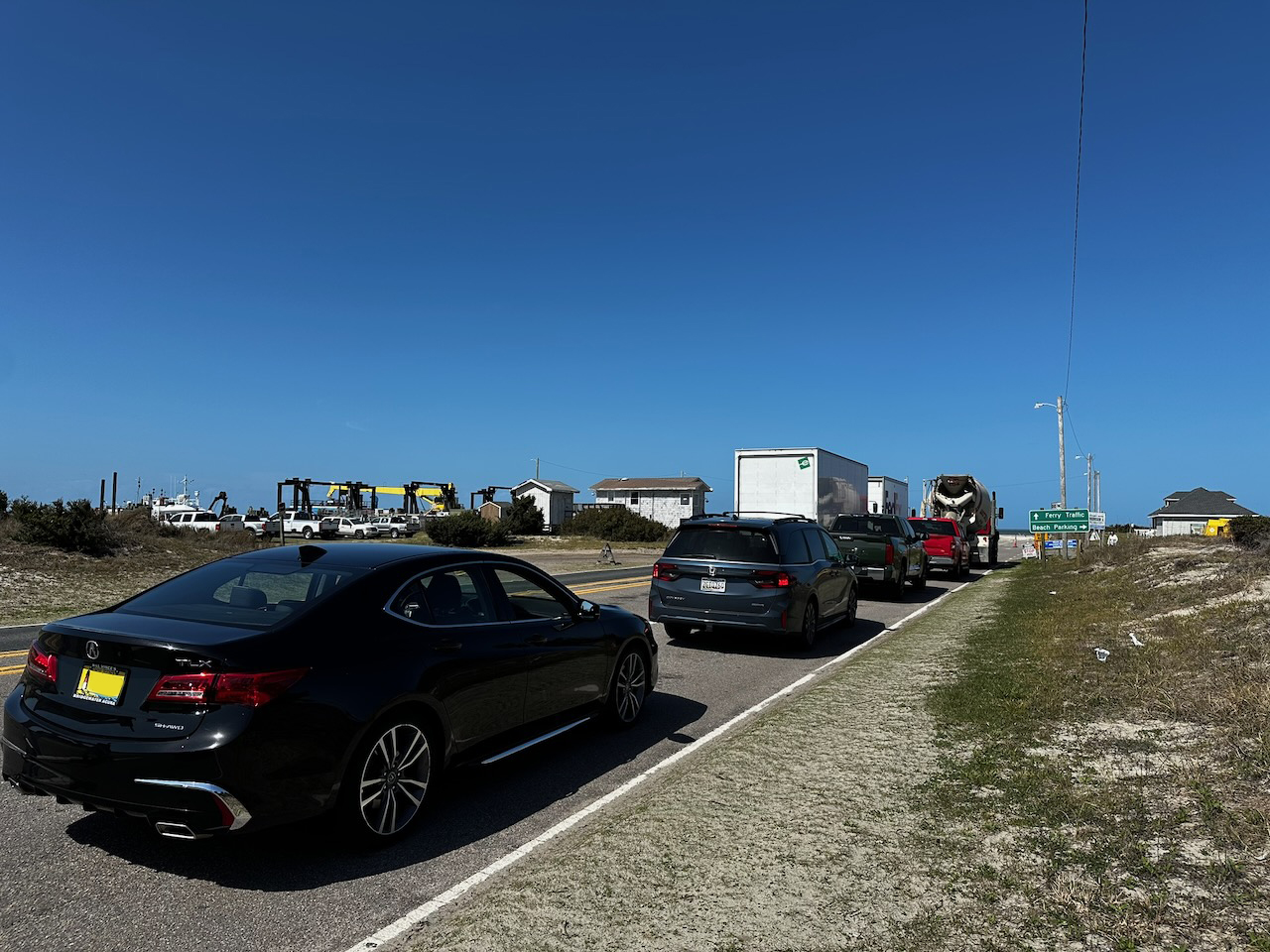
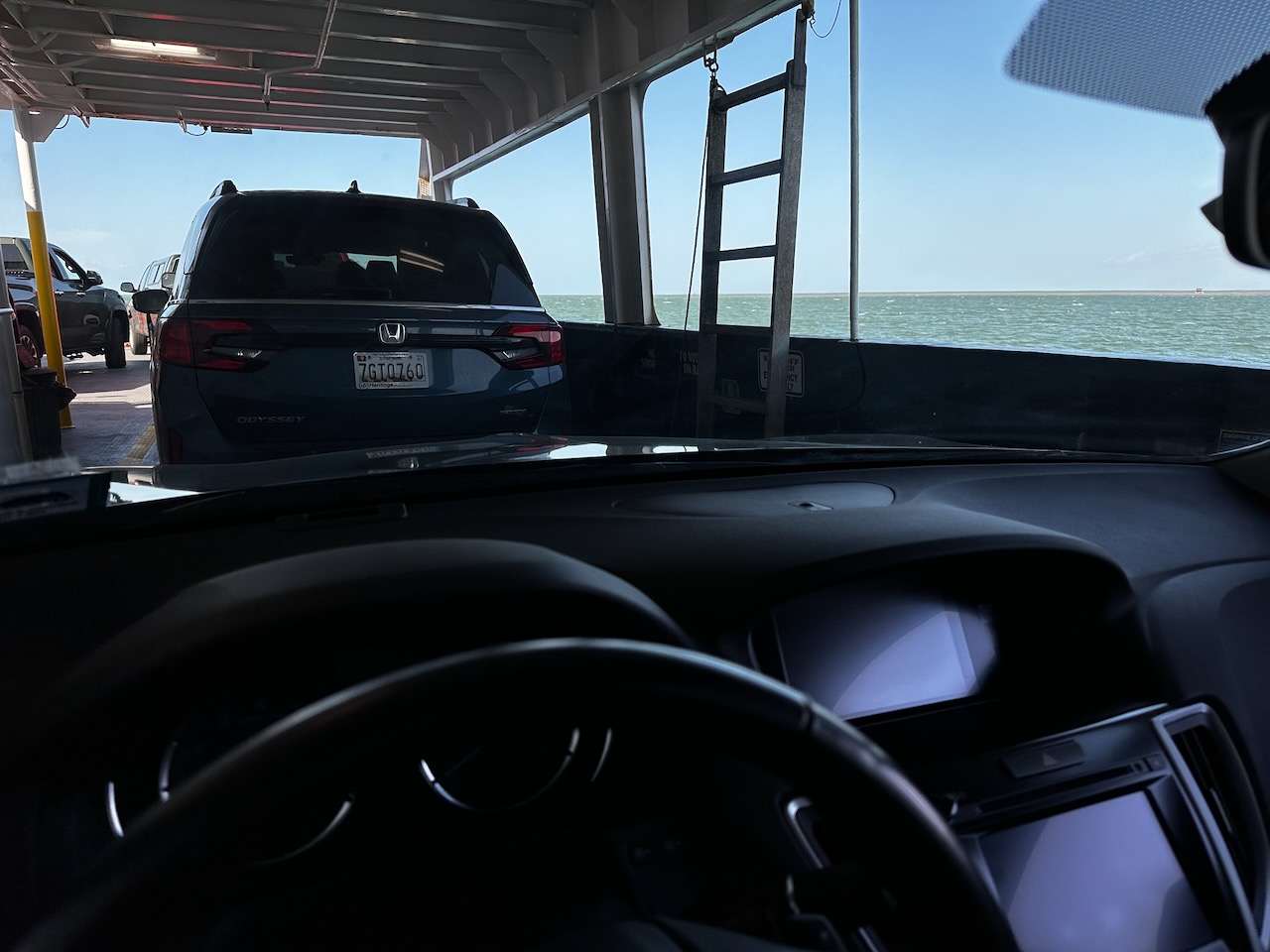
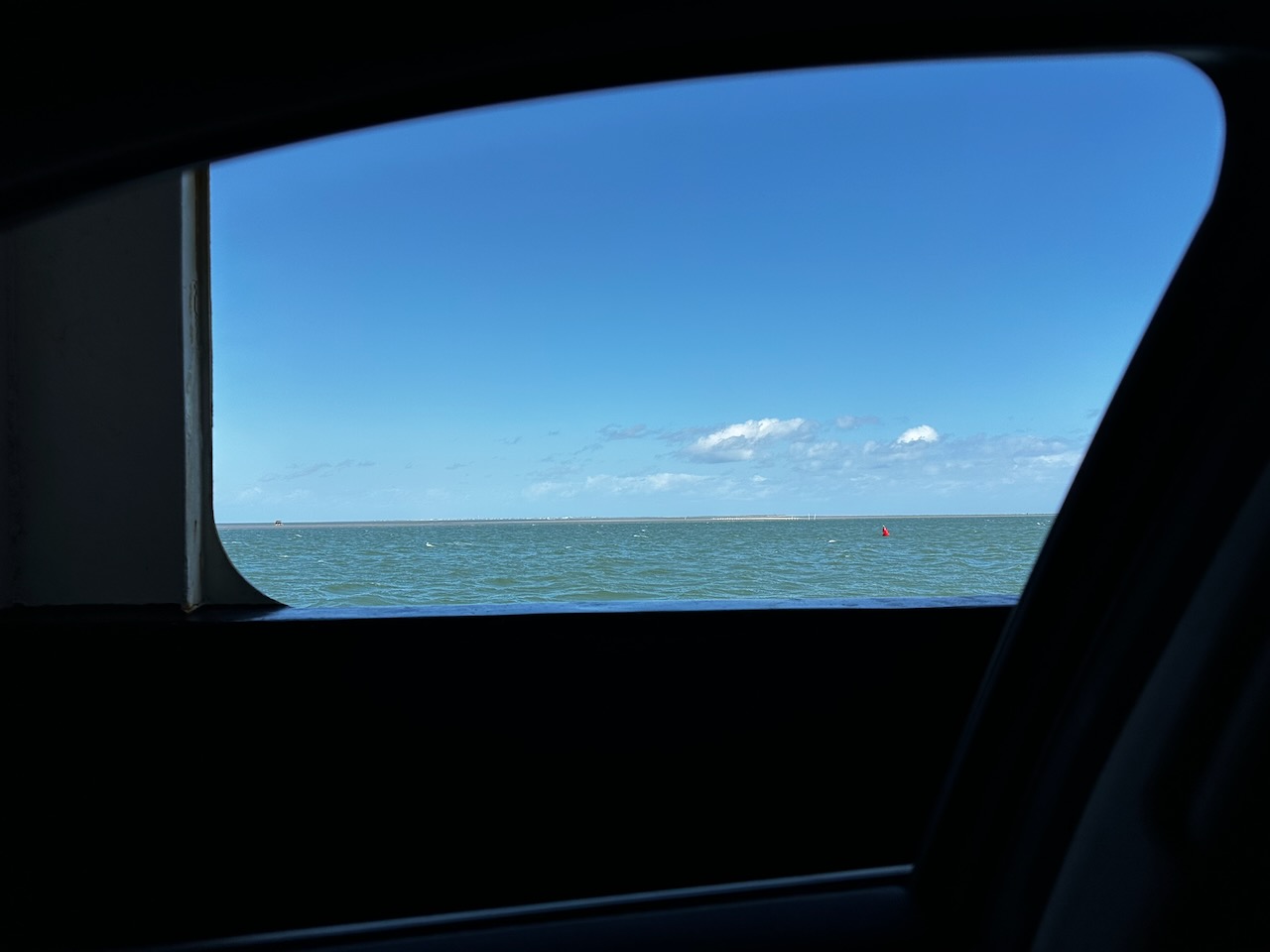
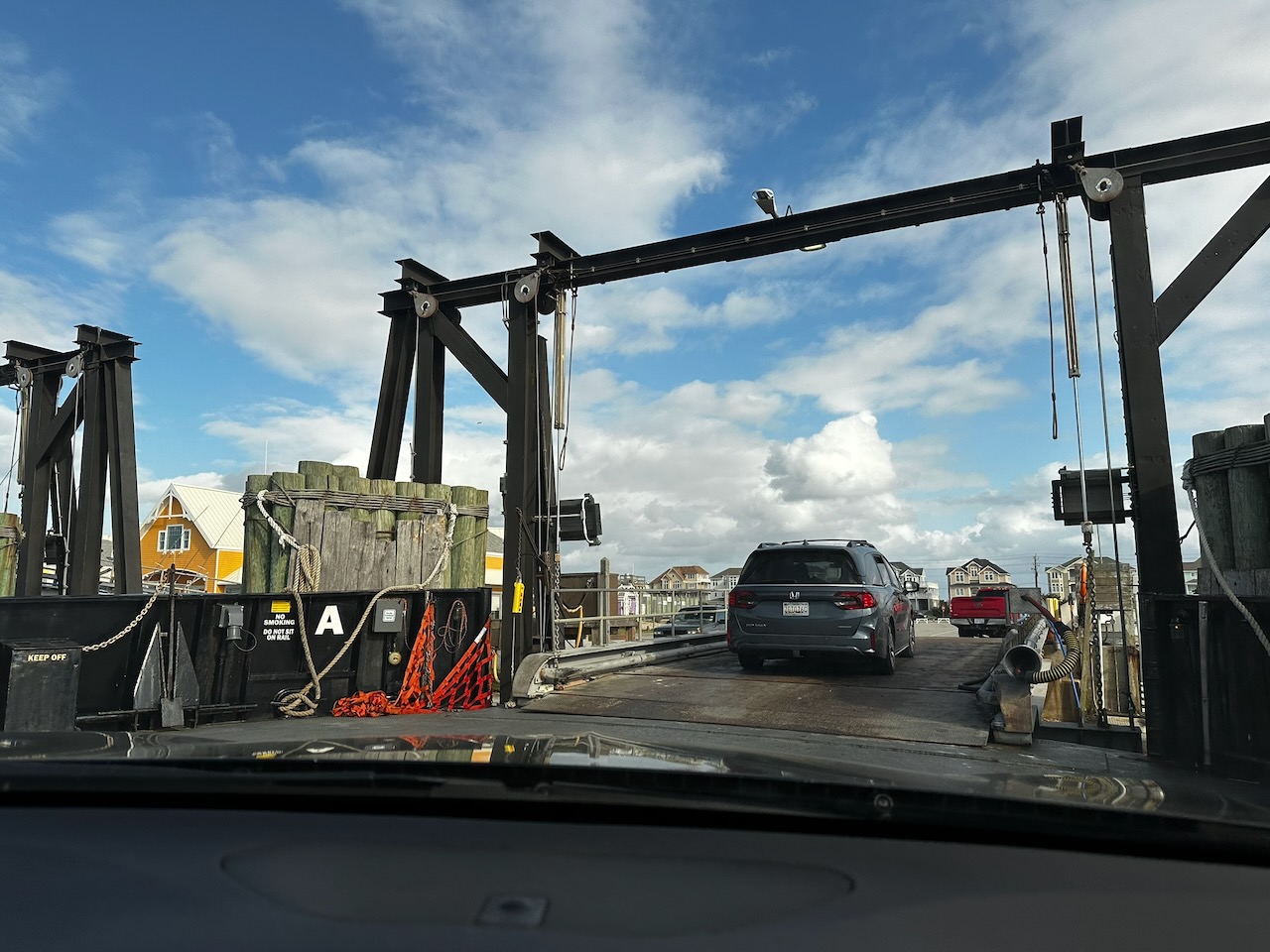
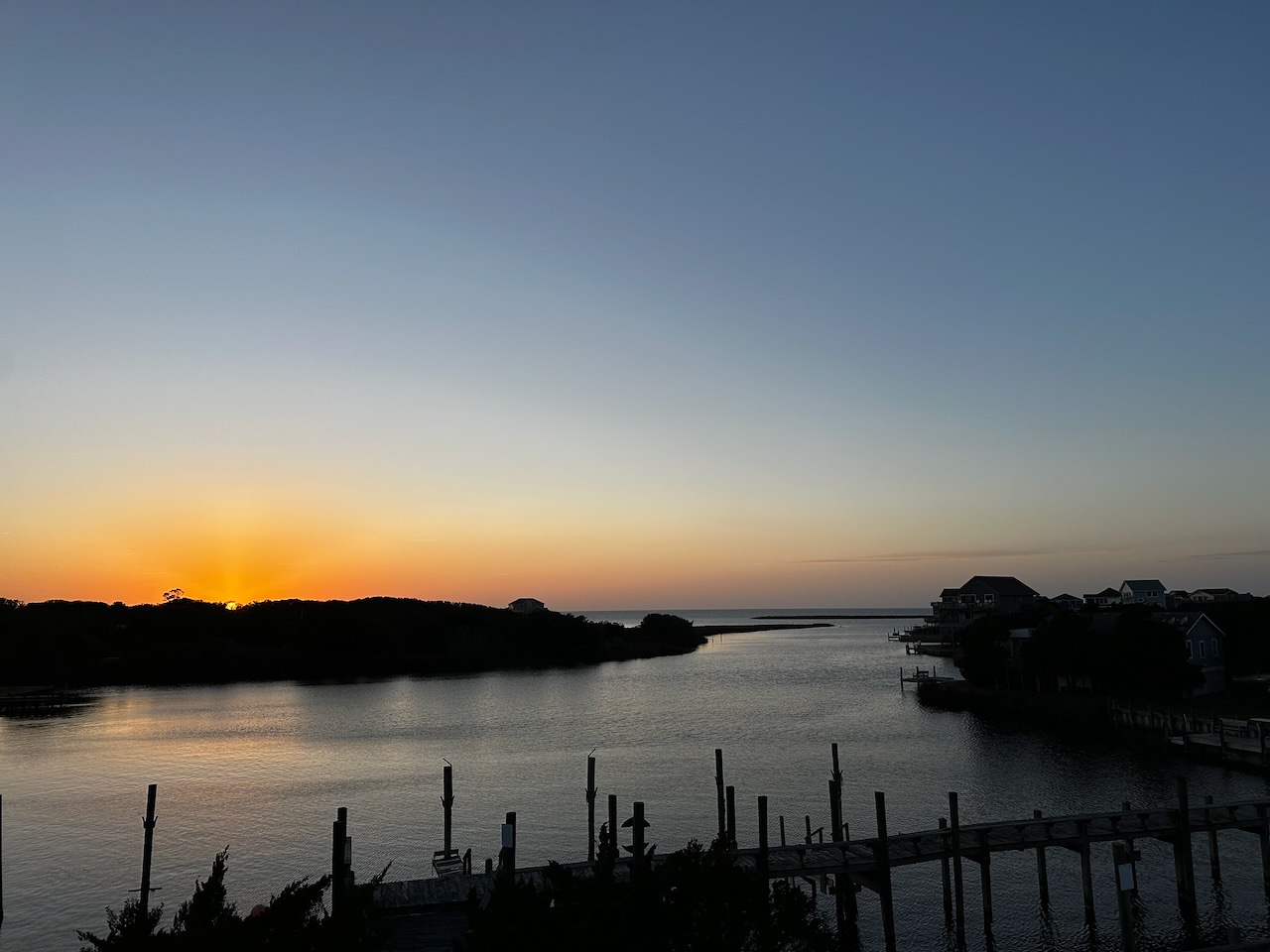
On our last day, we pointed the Acura south, as our trip would take us Hatteras Island, and then to Ocracoke. As we neared Hatteras, my wife spotted the perfect “glamour shot” setting for the TLX.The most iconic lighthouse on the Outer Banks is Cape Hatteras Light. Built in 1870, its iconic “barber pole” paint is instantly recognizable. We learned, however, that the lighthouse is in the midst of a multi-year restoration.The visitor center is open, so we chatted with one of the park rangers who told us that the restoration has been delayed numerous times and is finally underway. Given the amount of remediation needed, it most likely will not reopen until 2028. We’ll definitely be back to see it once it has been restored!At the tip of Hatteras Island, Highway 12 turns into a ferry route. The ferry is free, although it operates on a first-come/first-serve basis. We arrived about an hour ahead of the next scheduled departure.We walked across the parking lot to the Graveyard of the Atlantic Museum. The museum tells the story of the thousands of shipwrecks that have occurred off the coast of the Outer Banks, as well as the courageous individuals who worked to rescue sailors and passengers over the years.The Outer Banks are notoriously dangerous for shipping, and the museum does a using stories of specific shipwrecks to share a larger narrative about shipping off the OBX.While we did not see Cape Hatteras Lighthouse, the lamp and lens are on temporary display during the renovation. Pretty cool!Storms and shoals were not the only cause of shipwrecks. During World War II, numerous German U-Boat submarines prowled the American coast off the Outer Banks. These items came from the Kassandra Louloudis, a Greek freighter sunk by German torpedos in 1942.We made it back to our car in time to drive onto the ferry. Perhaps, in hindsight, spending an hour learning about the numerous ways ships can sink at the Outer Banks was not the ideal activity before GETTING ON A SHIP!Fortunately, the ferry ride was uneventful. What was eventful was a squadron of birds using my Acura as target practice. Literally no other vehicles on the ferry were hit – just mine. People watched in amusement as I opened my trunk and pulled out my arsenal of car-care products. Ten minutes later, it looked good as new.Upon exiting the ferry, our first stop was to lunch! Howard’s Pub & Raw Bar had good reviews, so we thought we’d give it a try.Howard’s has been an Ocracoke Island institution for over three decades.I ordered the blackened and grilled mahi mahi sandwich, which was absolutely perfect.My wife ordered one of the specials: grilled red drum, served with broccoli and coleslaw. If you have not tried drum before, it is similar to halibut or snapper. It was seasoned to perfection, the broccoli was cooked perfectly, and the coleslaw was magnificent. Fueled up, we set off for more adventure.I first learned the phrase “clinching a road” from the road trip website Drive to Five. If you drive a road from end to end, you have “clinched” it. After lunch, we drove to the very end of North Carolina Highway 12, having completed all 148 miles of it!As we explored some of the more historic sections of Ocracoke, we learned that the island was a favorite haunt of notorious pirate Blackbeard (given name Edward Teach), who frequented Ocracoke Island during his heyday.Our last stop on the island was to Ocracoke Island Lighthouse. Built in 1823, is the oldest lighthouse in North Carolina, and one of the oldest lighthouses in the U.S.‘Tis the season for lighthouse renovations! Ocracoke Lighthouse is also closed for a major renovation. In this case, after significant storm damage from Hurricane Dorian in 2019, the lighthouse keeper’s house is being completely restored. It is also being elevated further to minimize the chance of flooding.Ocracoke Light is the third-oldest operating lighthouse in the country, behind Boston Light (MA) and Sandy Hook (NJ).We arrived about an hour early for our ferry back, and I was glad we did. Priority access was given to several large trucks: three box trucks, a work truck towing construction vehicles, and a concrete mixer. The ferry is not enormous, so we ended up being one of only seven passenger vehicles to get called aboard. The long line of vehicles behind us had to wait for the next ferry.We ended up parked in the covered section of the vehicle deck. With temperatures in the upper 60s and lovely breeze, we spent our time with the windows down, simply enjoying the view.It did take a few moments to get accustomed to be sitting in my car and watching waves pass by… but after a while, I completely relaxed and enjoyed the ride.An hour later, our peaceful ride ended and we were back on solid ground. I’ll be honest… I could have stayed aboard for another several hours.On our last night, we made dinner in our house and just spent time trying to soak in as much of this view as we could.
Day 5 – The Return
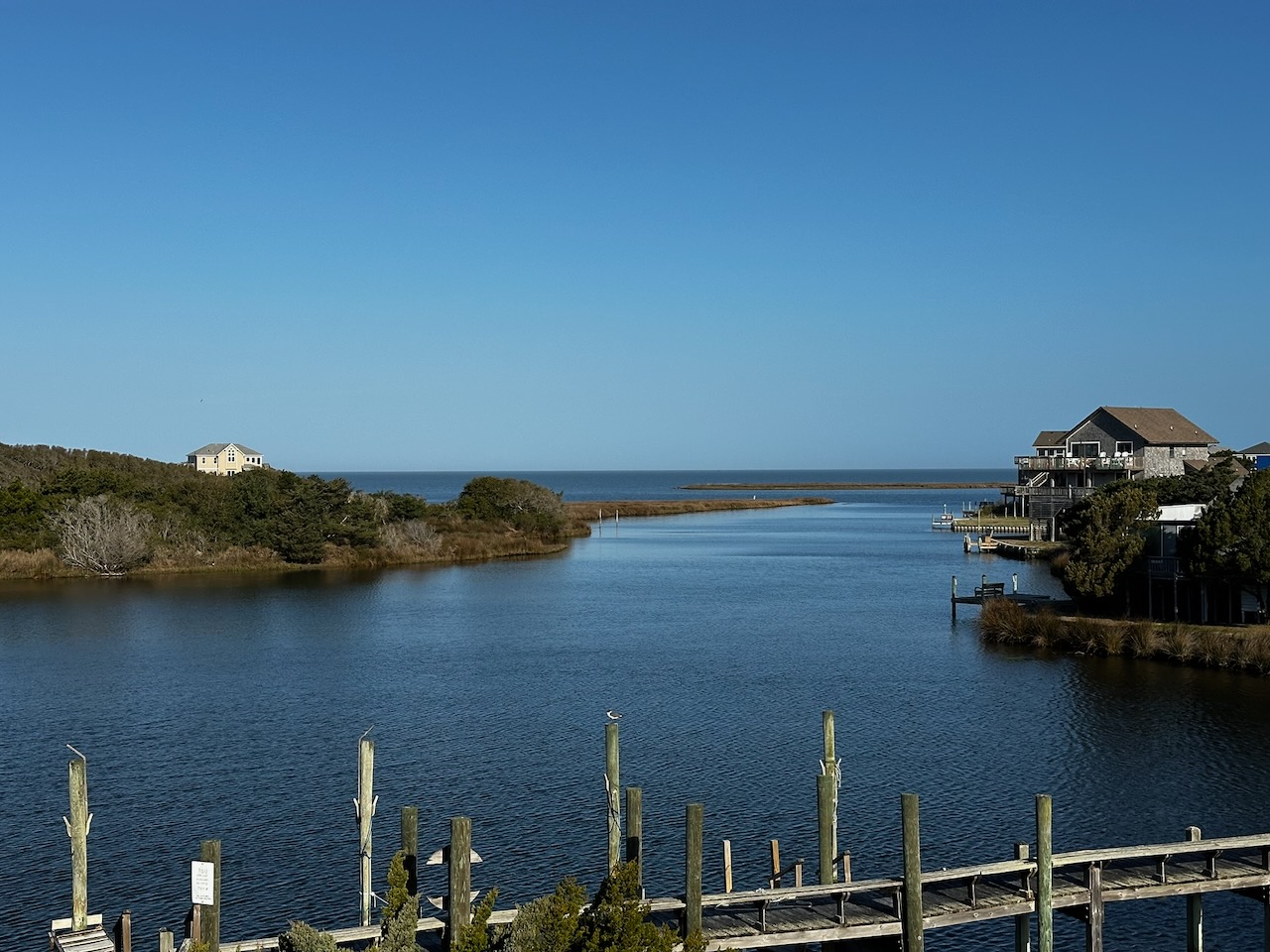
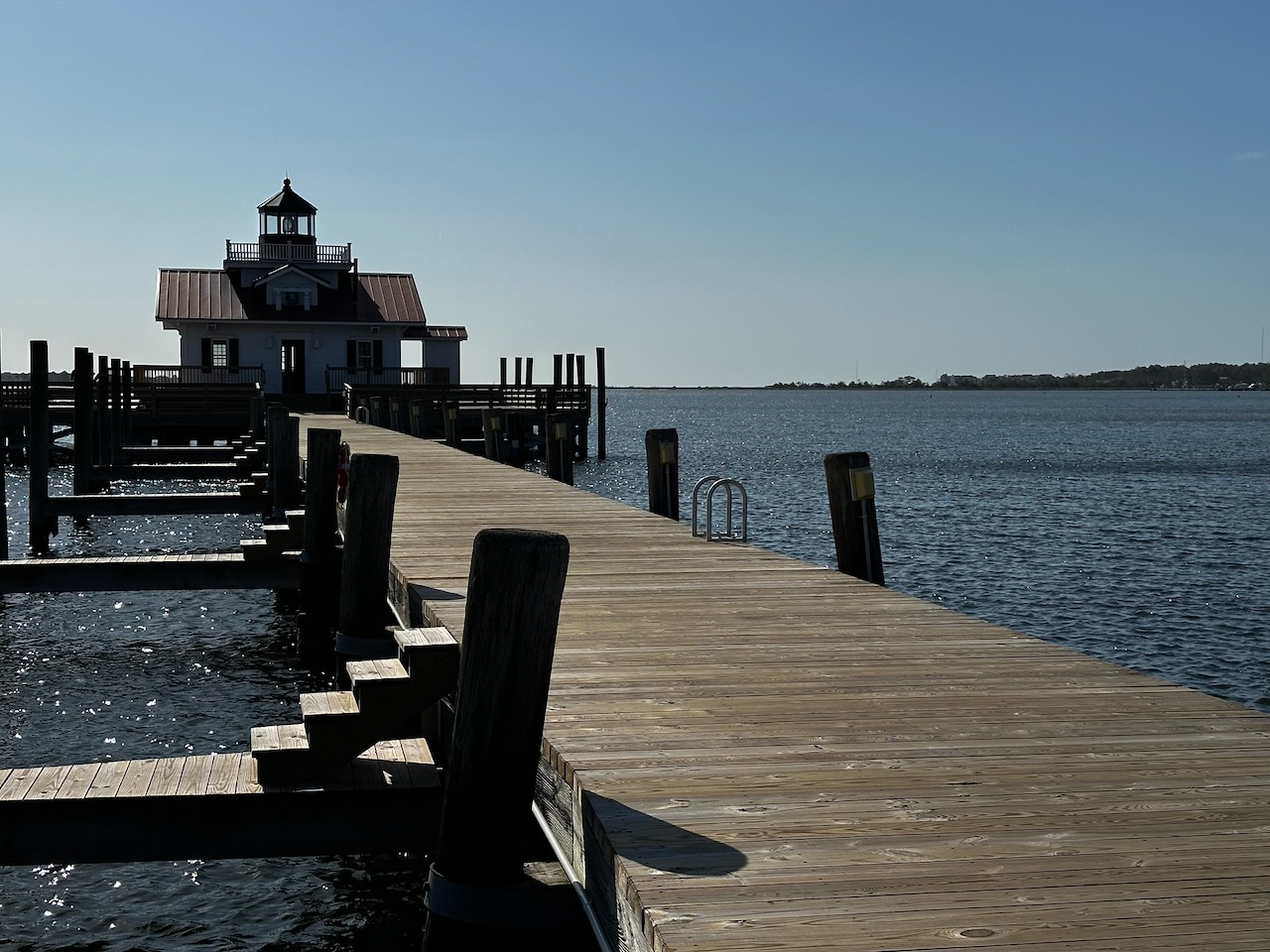
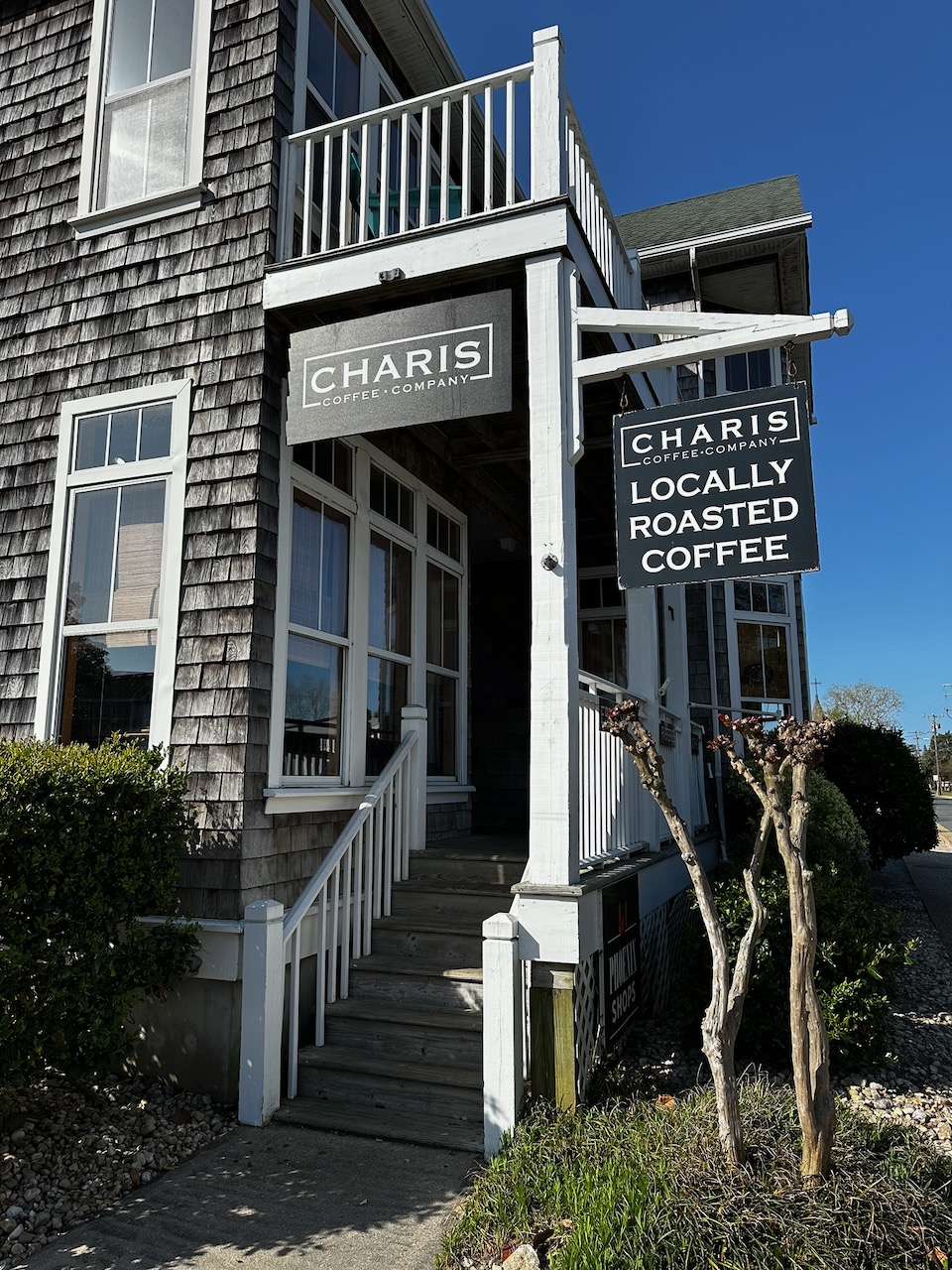
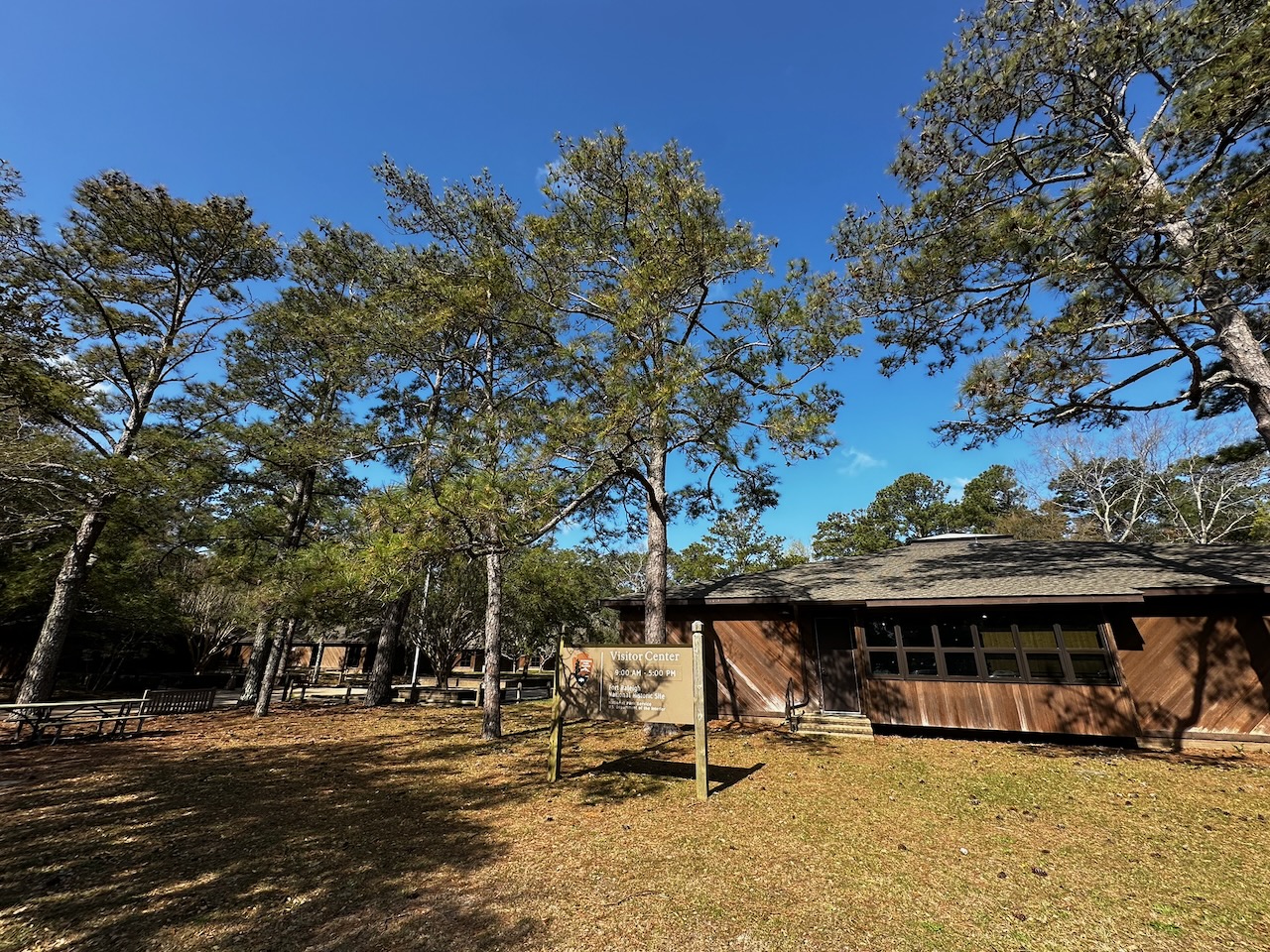
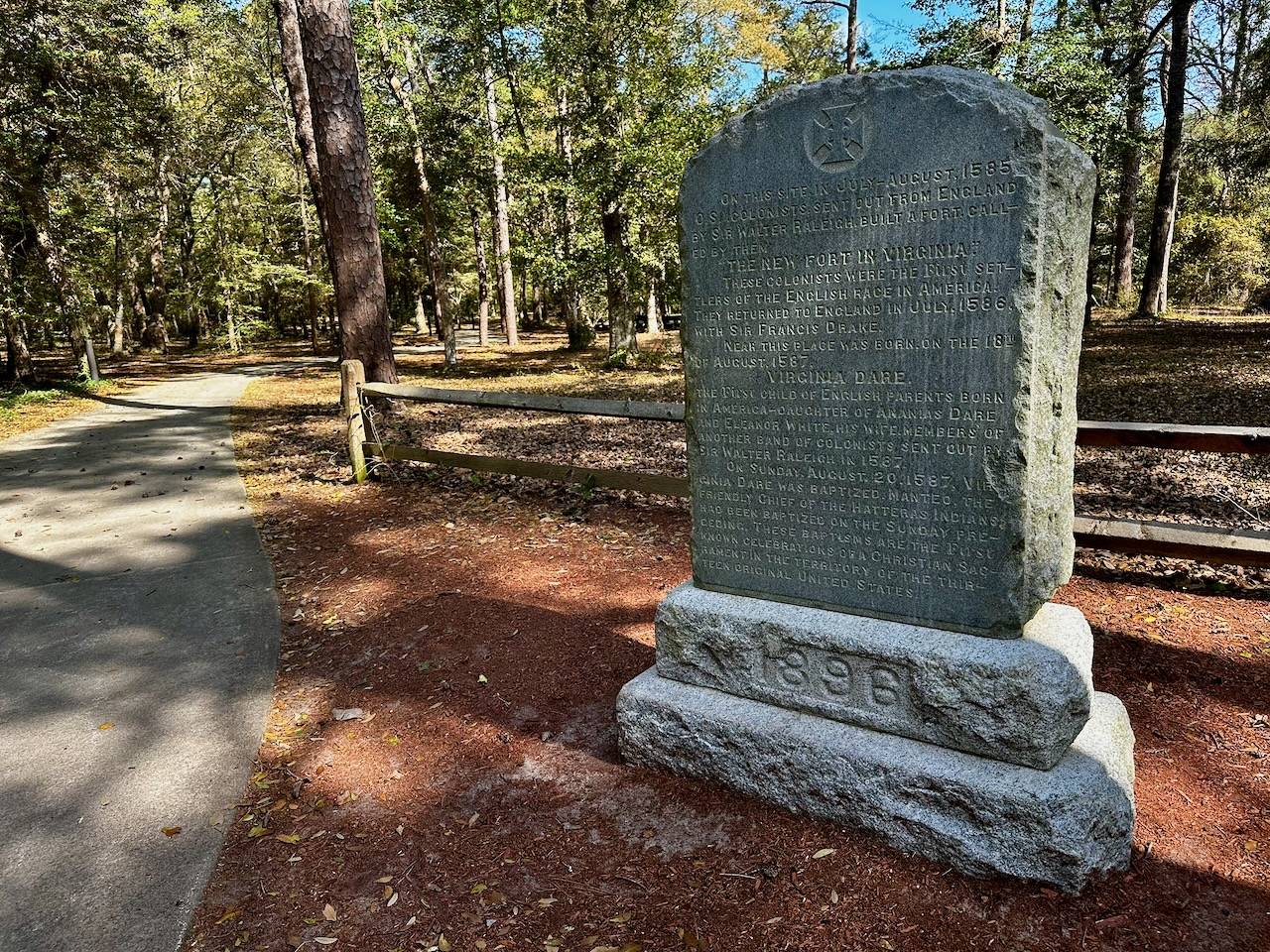
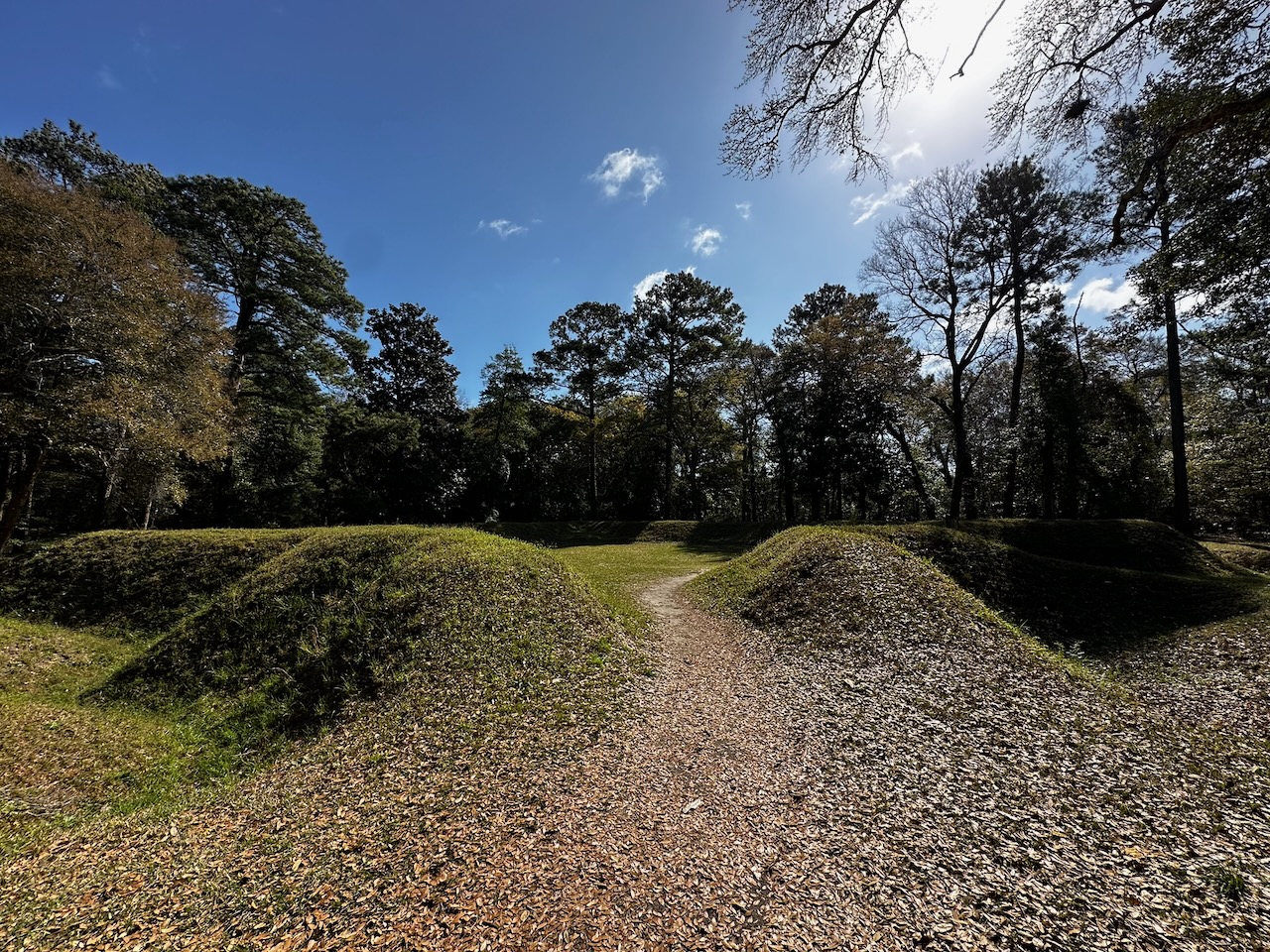
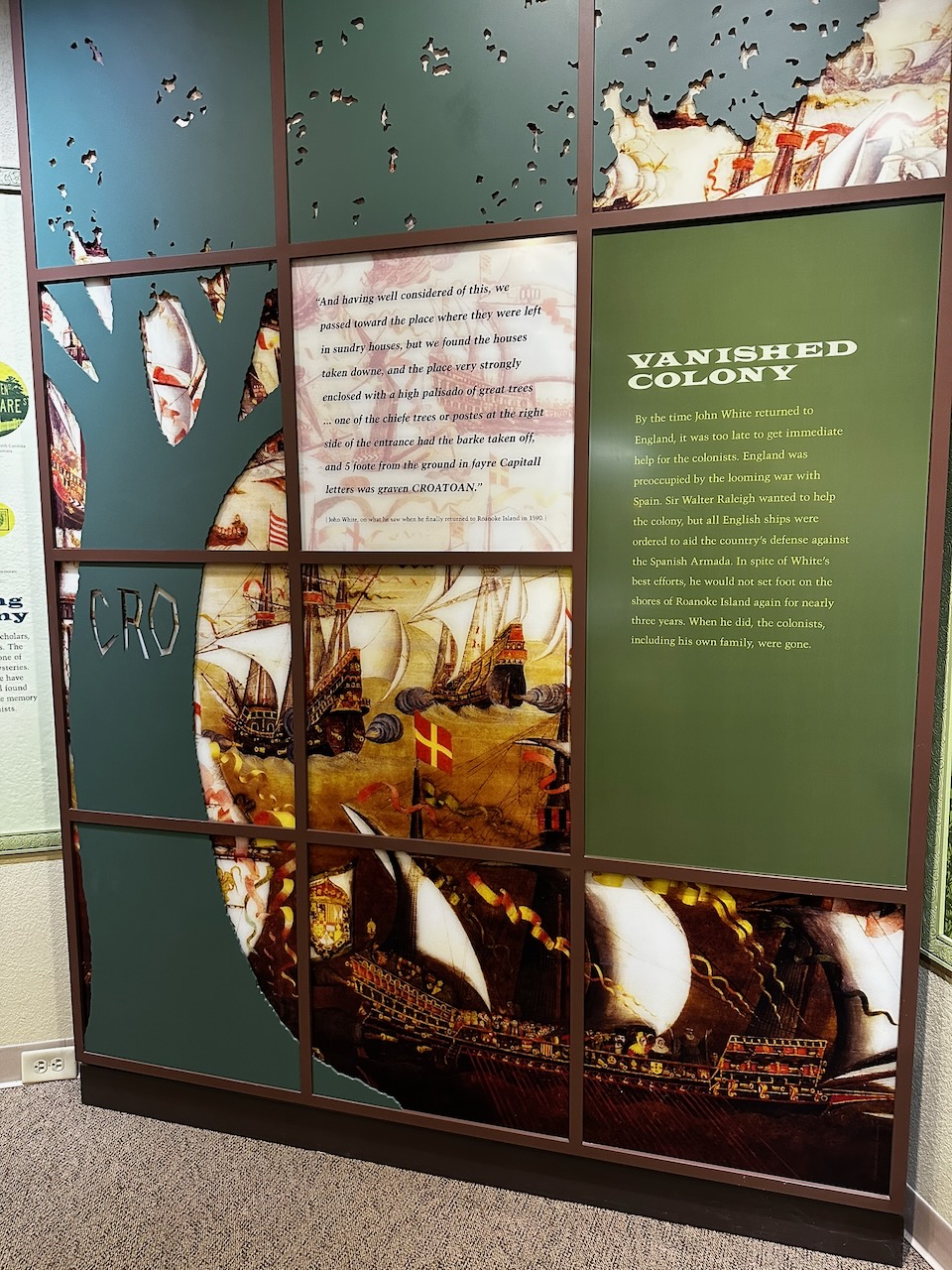
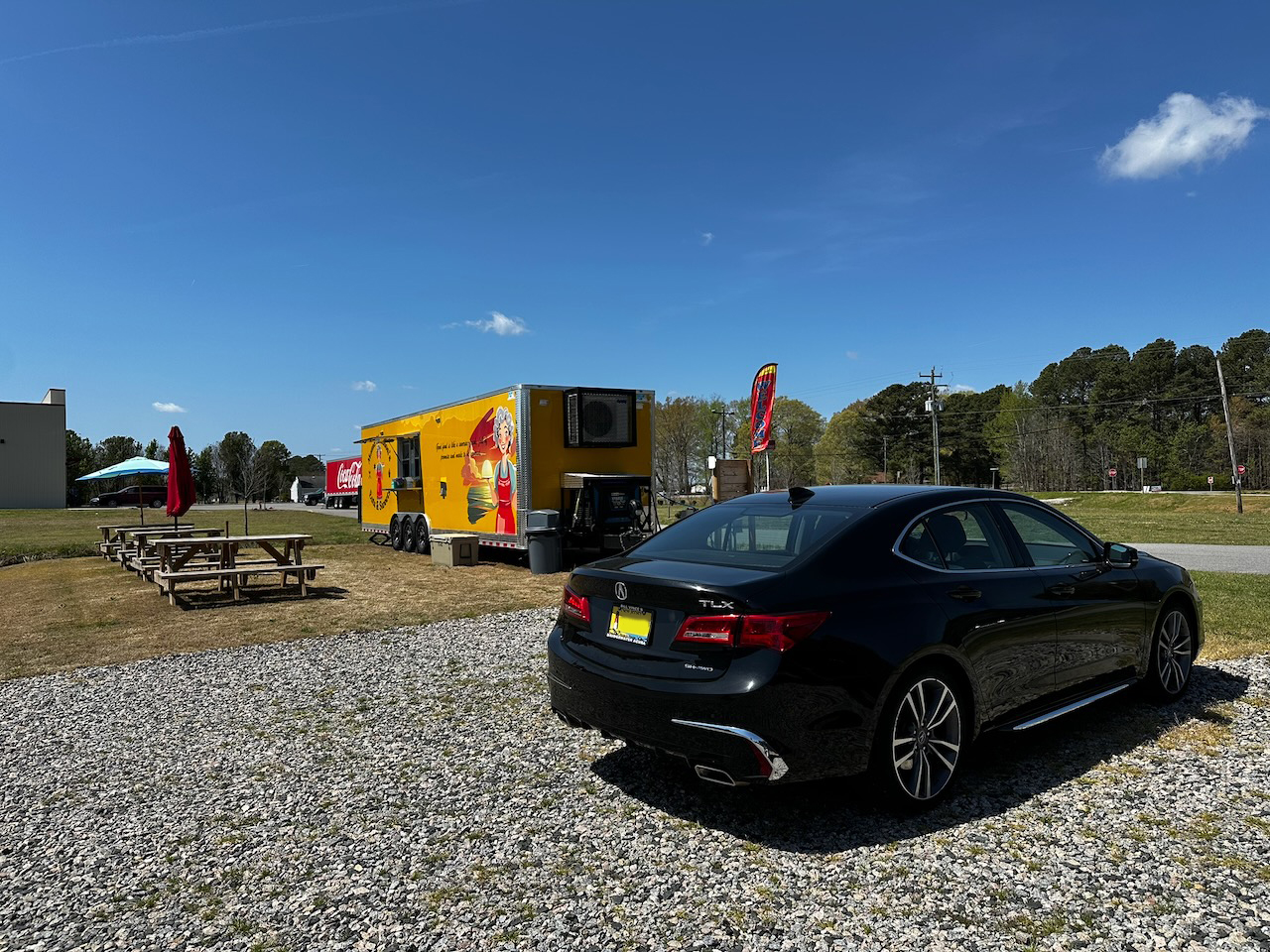
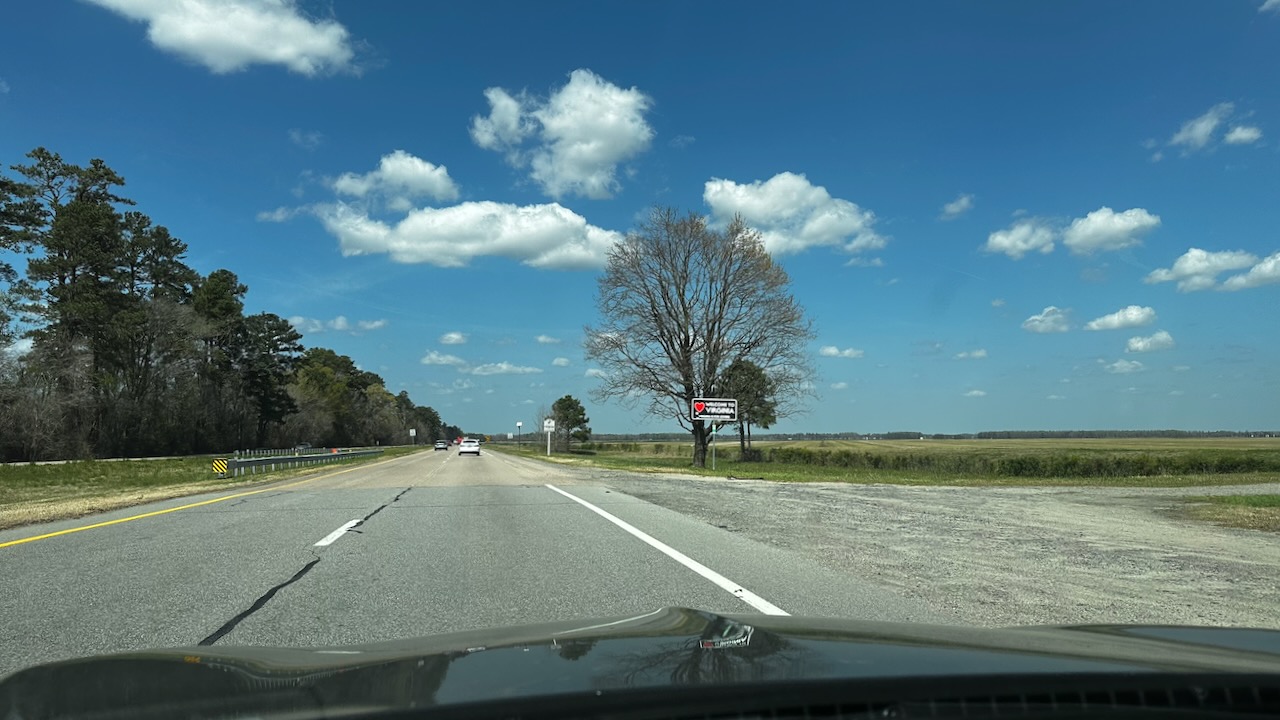
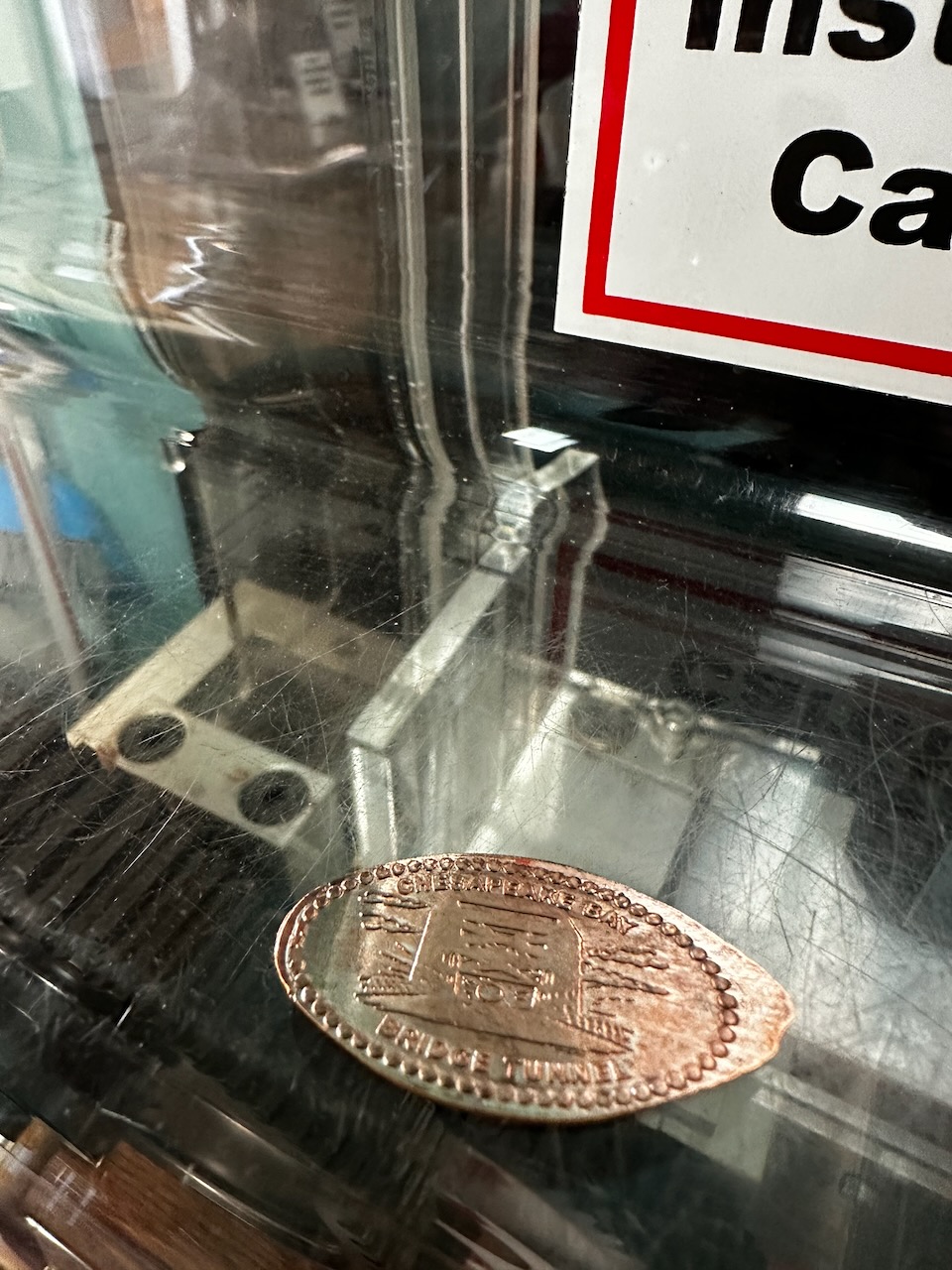
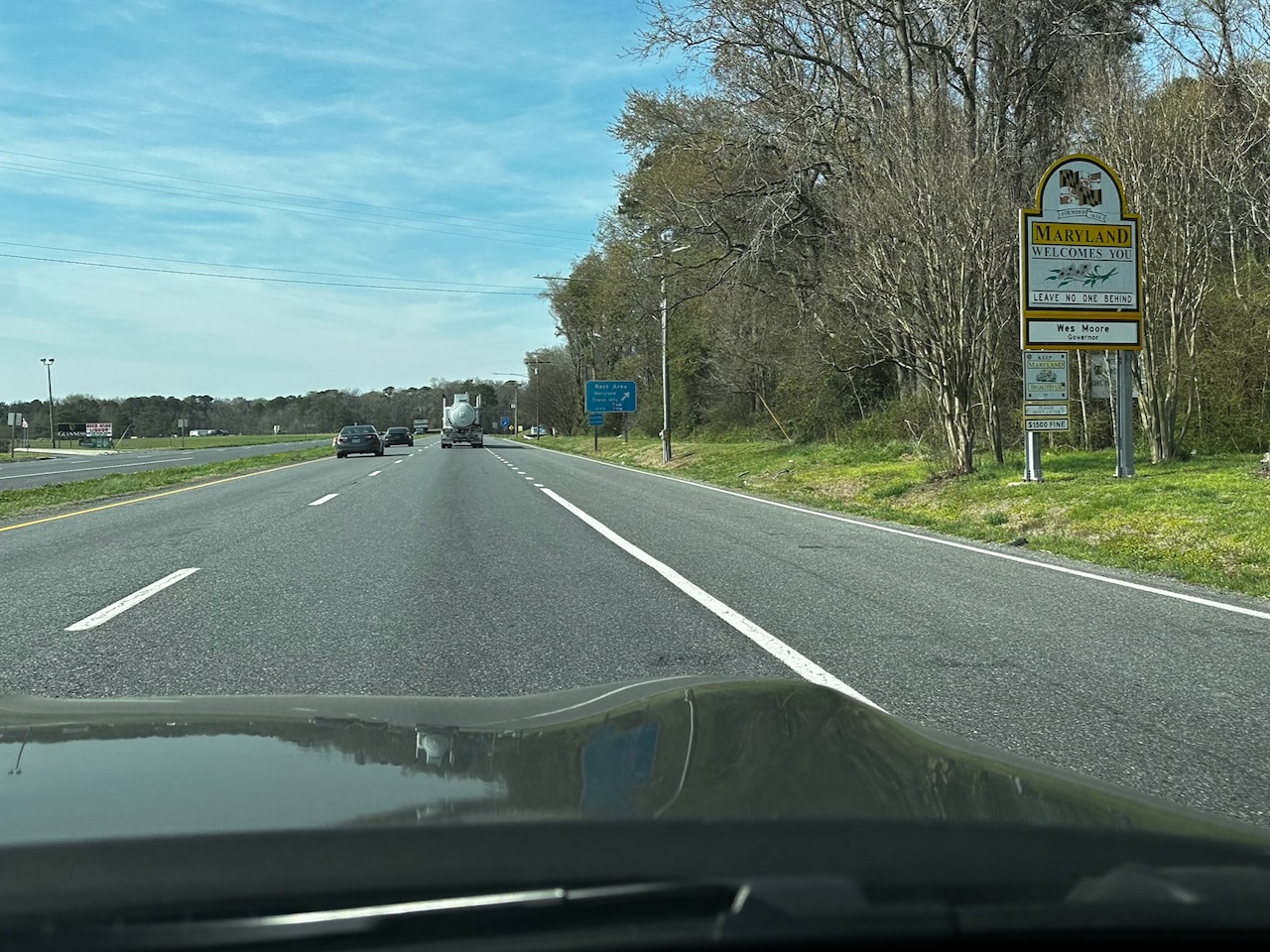
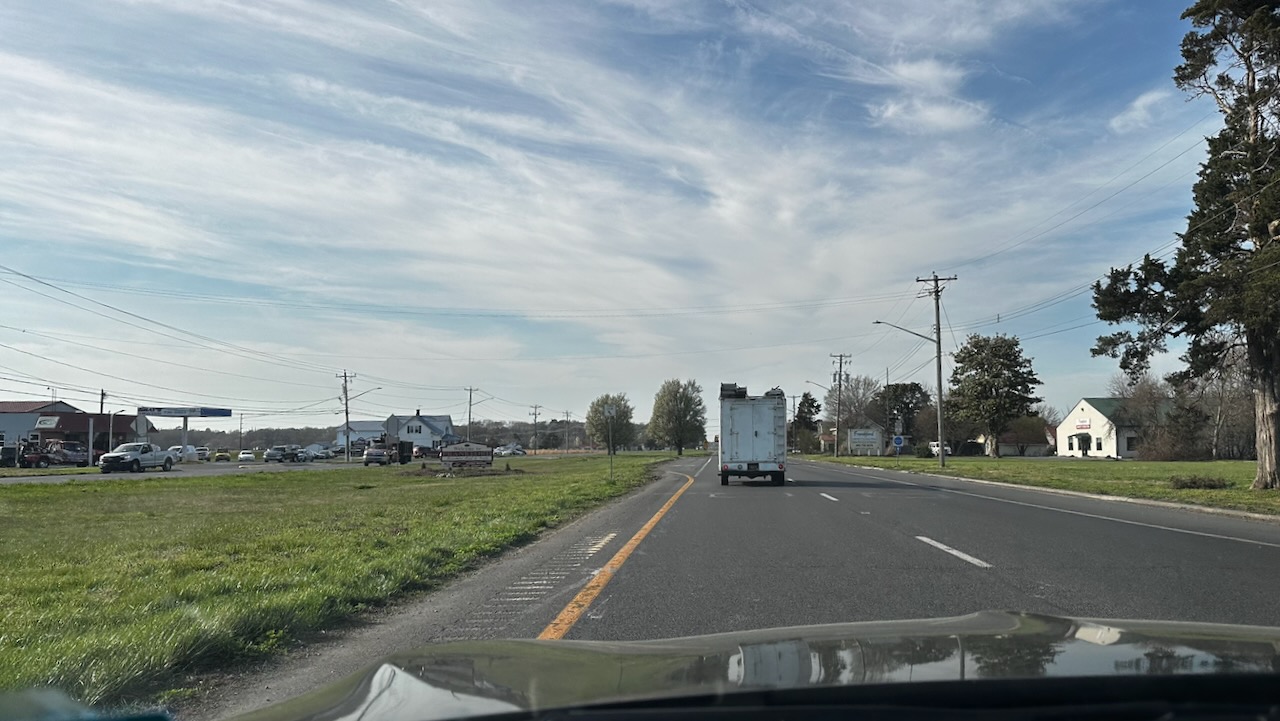
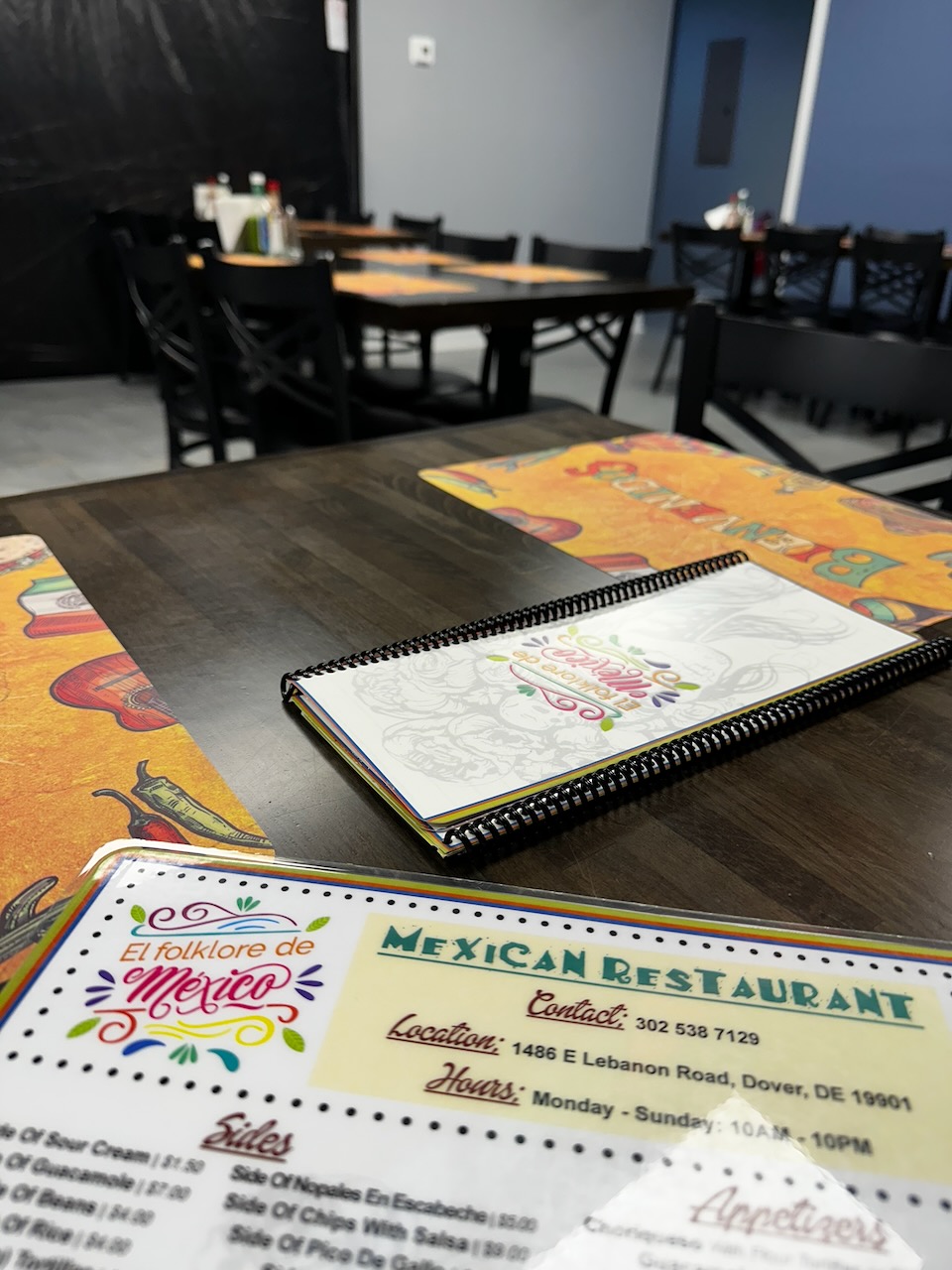
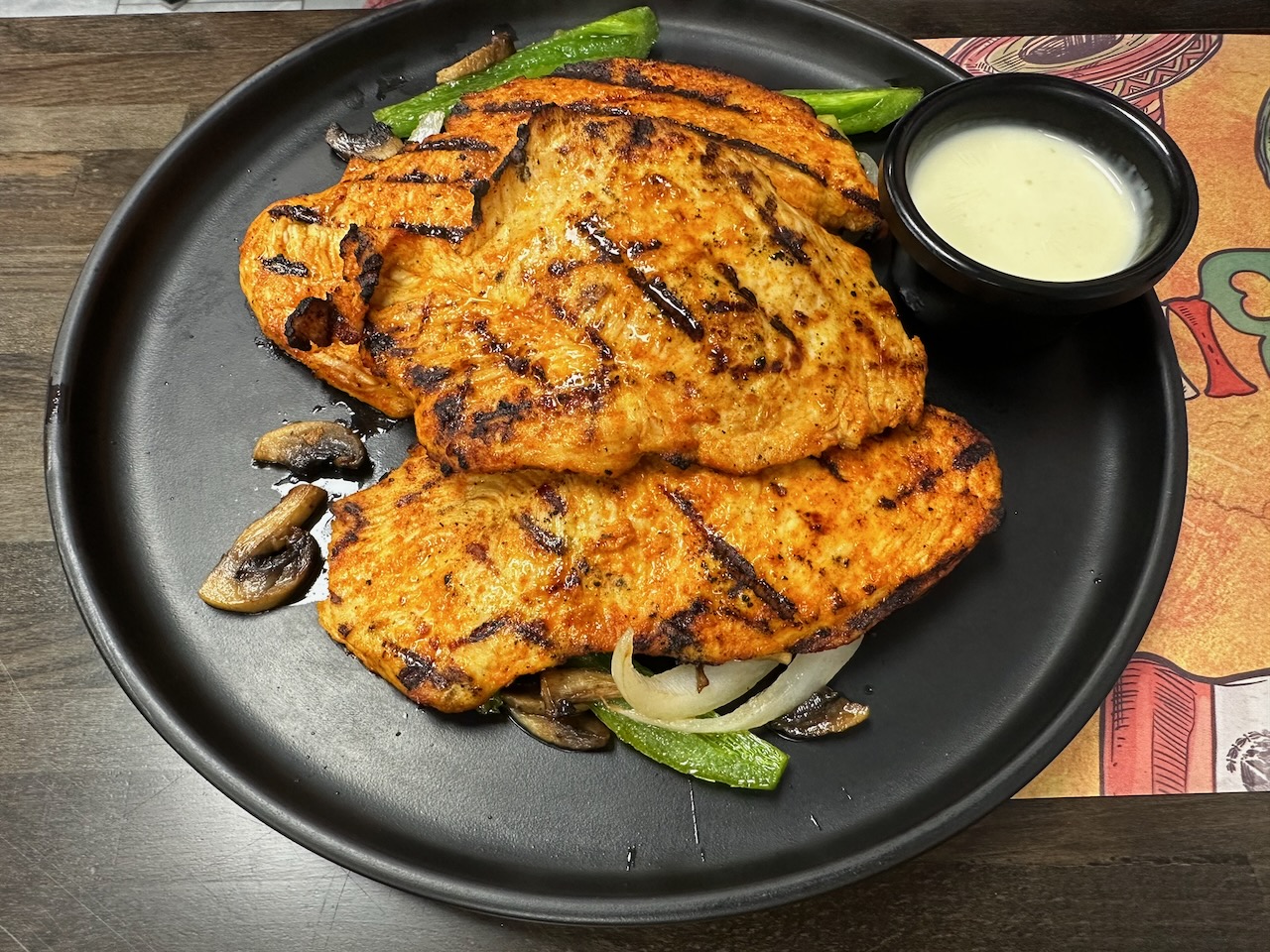
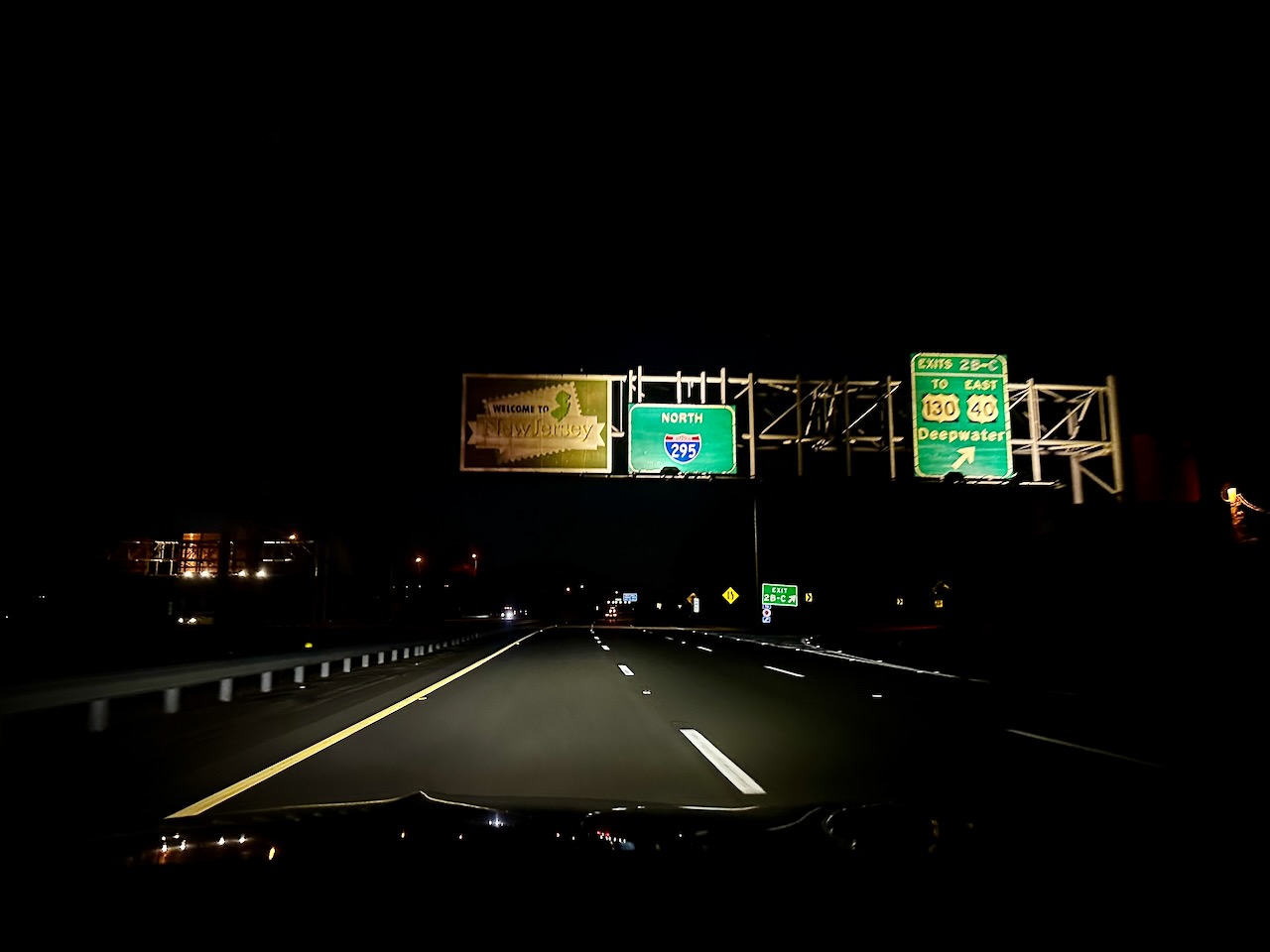
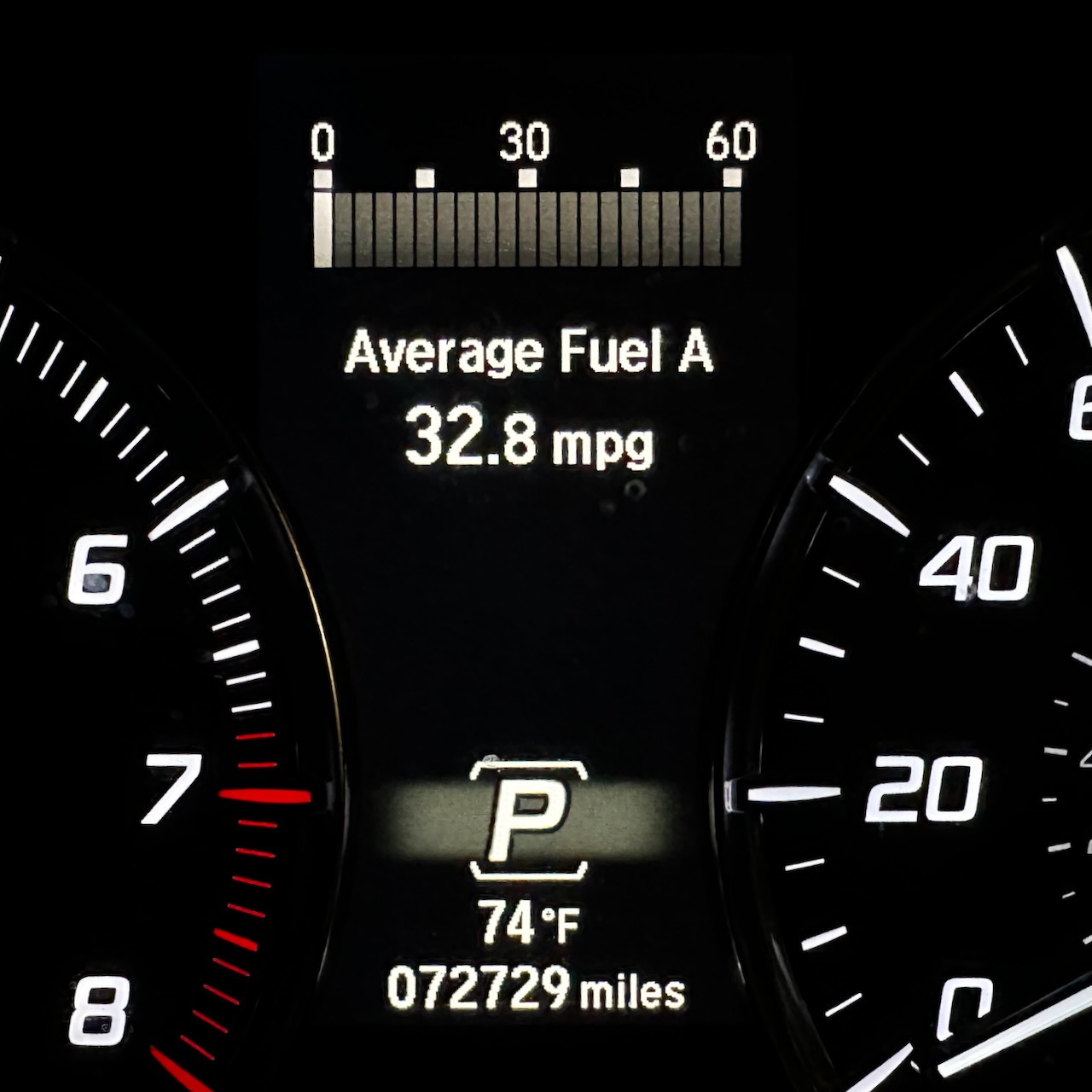
On our last morning, we enjoyed one last view before beginning our return drive to New Jersey.Rather than head straight back to New Jersey, we took a detour to Roanoke Island. Our first stop was to Roanoke Marshes Lighthouse. Originally built in 1877 in Croatan Sound, the lighthouse was lost when it was attempted to be moved from the water. This replica was built in 2004 (via Town of Manteo).Mid-morning coffee stop? Yes please! Charis Coffee Company would be our caffeine stop of choice.That will be an iced oat milk latte (right) and an iced almond milk latte (left) to go! The coffee was refreshing, and powered us up for one more tourist stop.Our last stop was to Fort Raleigh National Historic Site, the site of the first English colony in the Americas. English explorer Sir Walter Raleigh led the first expedition to the island in 1585, returning a year later with all colonists.This stone marker commemorates the birth of Virginia Dare, the first English child born in North America. Raleigh’s first expedition was an experiment to see if a colony could be sustained with agriculture, industry, and science.The site is an active archeological site, and it continues to be explored for further evidence of the first colony. In addition, the site was also an important stop on the Underground Railroad for runaway slaves during the mid-19th century.However, Roanoke dominates our popular consciousness for the Lost Colony. In 1587, a second expedition was sent to Roanoke. In 1560, when the English returned to check on the colonists, the site was abandoned, with only the word CROATOAN carved into a defensive wall of the fort. It remains one of the greatest unsolved mysteries in our nation’s history.A few hours later, we stopped for lunch at Mama Shannon’s Eats and Sweets, a food truck parked beside a diesel engine repair facility in Hertford, North Carolina. The food is excellent… but as the truck is only open on Tuesdays and Thursday from 10:00 am – 2:00 pm, it’s sort of a right-place/right-time location.We took a series of county and state highways, eventually crossing into Virginia.At the Chesapeake Bay Bridge-Tunnel welcome center, I minted a souvenir penny to commemorate the drive.A short while later, we crossed into Maryland, making good time with remarkably little traffic.I completely missed the “Welcome to Delaware” sign, so this “Welcome to Frankford, Delaware” sign will have to suffice. Whoops.We stopped for dinner near Dover, Delaware, at El Folklore de Mexico, a highly-rated restaurant.The food was excellent! Mexican Grilled Chicken for my wife (pictured) and sizzling steak, chicken, and shrimp fajitas for me… it was the perfect choice for the final leg of our journey home.We crossed back into New Jersey, and I set the TLX’s cruise control and wafted my way up I-295.We pulled into our house at 9:30 pm, tired from a long day on the road but deeply happy after our amazing trip. The TLX was phenomenal – proving itself to be a comfortable long-distance cruiser that ate up the miles but also returned excellent fuel economy. 73,000 miles is getting closer – onward!
Wrapping Up
States visited: NJ, DE, MD, VA, NC
Mileage: 1,409
Fuel economy: 32.8 miles per gallon
Lighthouses visited: 5
Memories made: countless
The Outer Banks was absolutely amazing. My wife and I intend to return to see more of this amazing section of the Atlantic Coast. If you go, we have two recommendations. My wife strongly suggests to get out of the more developed areas of Kitty Hawk and Nags Head and head south, toward Avon and Hatteras to take in the magnificent views and enjoy a quieter slice of island life. My recommendation is to visit the Wright Brothers National Memorial and stand on the very dunes where humankind took its first powered flight into the air.
Thanks, as always, for coming along on another journey down the open road ahead.


 The Open Road Ahead